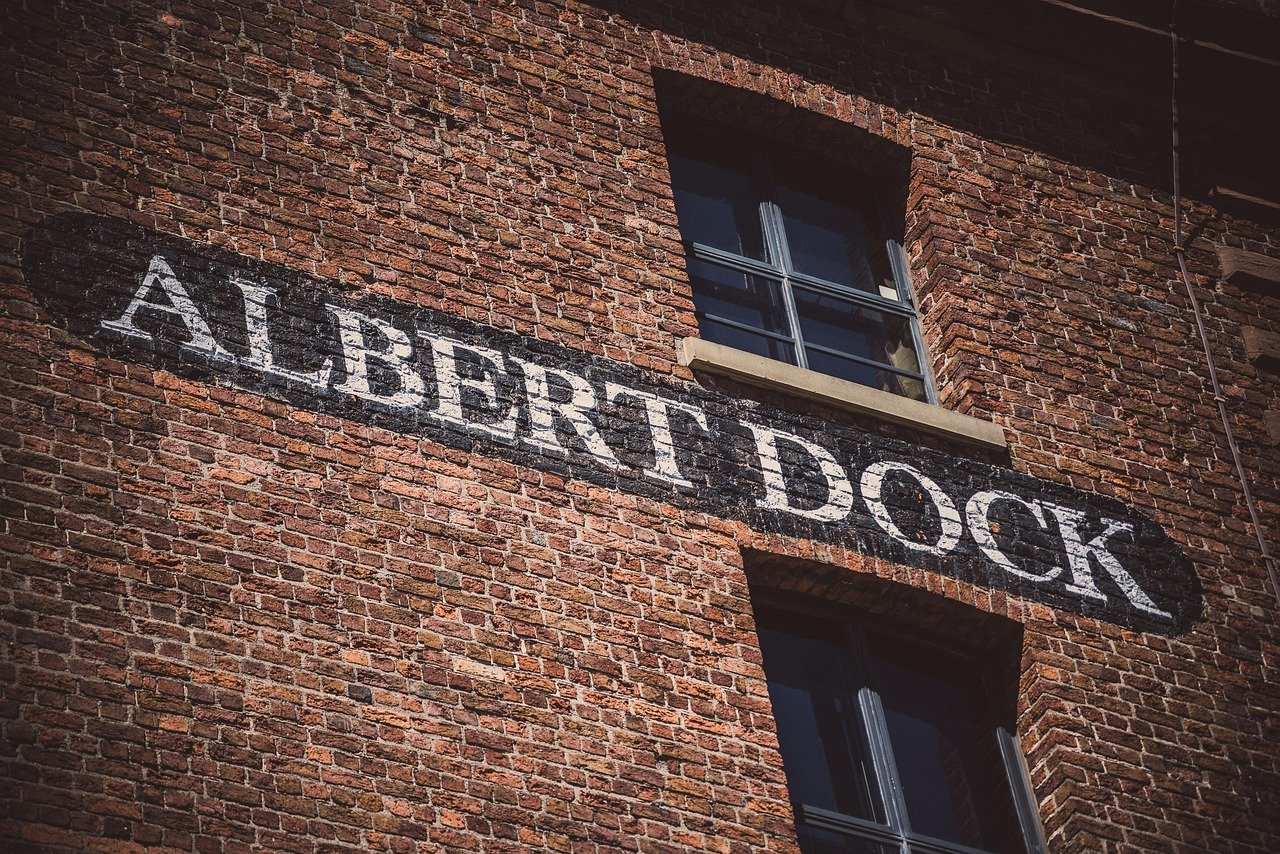
Image credited by @Pixabay
Royal Albert Dock Liverpool stands as one of the city’s most iconic landmarks, a symbol of Liverpool’s rich maritime history and its transformation into a vibrant cultural and tourist hub. Visitors arriving in Liverpool in November 2025 will find the dock an unmissable destination, where history, art, dining, and leisure converge along the waterfront. Originally opened in 1846, the dock played a pivotal role in Liverpool’s rise as a major global port, linking the city to trade routes across the world. Its architecture, characterised by sturdy red-brick warehouses and cast-iron columns, reflects the industrial era’s engineering prowess, yet today it blends seamlessly with modern attractions, museums, and contemporary restaurants. Exploring the Royal Albert Dock offers more than just a glimpse into Liverpool’s maritime past; it is an immersive experience. The dock has undergone extensive regeneration over the years, evolving from a commercial port into a cultural quarter that draws millions of visitors annually. Walking along the waterfront, tourists can admire the preserved Victorian warehouses, now repurposed into boutique shops, art galleries, and eateries. The dock is home to internationally recognised institutions, including the Merseyside Maritime Museum, which provides insights into the city’s shipping heritage, the transatlantic slave trade, and its seafaring achievements. The Tate Liverpool gallery, another highlight, showcases world-class modern art, making the dock a key destination for art enthusiasts.
For those visiting in November, the dock offers a unique seasonal charm. The crisp autumn air and quieter crowds make exploring more relaxed, while seasonal events, exhibitions, and waterfront activities create a lively atmosphere. Photographers and social media enthusiasts find the combination of historic architecture and contemporary installations a perfect backdrop for memorable shots. Beyond culture, the dock’s restaurants and cafés offer locally sourced seafood, international cuisine, and traditional British fare, catering to a range of tastes and making it an all-day destination for families, couples, and solo travellers alike.
Accessibility is another strength of the Royal Albert Dock. Located in Liverpool city centre, it is easily reachable by public transport, car, or even on foot from other central attractions. Ample facilities, including visitor centres, guided tours, and accessible pathways, ensure that all guests can enjoy the dock comfortably. The dock’s layout also encourages exploration at a leisurely pace, with scenic walking routes along the waterfront, seating areas, and open spaces that highlight Liverpool’s maritime heritage while providing spaces to relax and take in the views.
Visiting the Royal Albert Dock in November 2025 also provides an opportunity to witness Liverpool’s ongoing cultural renaissance. The city has been investing heavily in arts, tourism, and public spaces, and the dock serves as a focal point for these developments. Its blend of historical significance and modern vitality captures the spirit of Liverpool—a city proud of its past yet looking confidently towards the future. For travellers seeking history, culture, leisure, or simply a scenic day out, the Royal Albert Dock offers a compelling destination that encapsulates the best of Liverpool in one location.
Whether exploring museums, dining by the waterfront, shopping in unique boutiques, or attending seasonal events, visitors will find that Royal Albert Dock Liverpool is much more than a historical site—it is a living, breathing hub of activity that reflects the city’s identity and vibrancy. The dock’s ability to combine education, leisure, and entertainment ensures that every visit leaves a lasting impression, making it an essential stop for anyone touring Liverpool in November 2025.
The Historical Significance of Royal Albert Dock Liverpool
Royal Albert Dock Liverpool is more than just a scenic waterfront; it is a monument to the city’s profound historical significance and industrial heritage. Opened in 1846, it was one of the most advanced dock complexes of its era, designed to accommodate large ocean-going vessels and facilitate the booming trade that positioned Liverpool as a leading global port. The dock’s creation marked a turning point in maritime engineering, as it was constructed using cast-iron, brick, and stone without any structural wood—a revolutionary approach at the time, aimed at fireproofing the warehouses that stored valuable goods. This architectural innovation not only protected cargo but also set a new standard in dock construction, influencing port design across Britain and Europe. Throughout the 19th and early 20th centuries, Royal Albert Dock played a crucial role in Liverpool’s commercial expansion. It was central to the import and export of commodities such as cotton, tobacco, sugar, and grain, connecting Liverpool’s economy to the wider world. The dock also has a complex and poignant history linked to the transatlantic slave trade. While Liverpool prospered as a shipping hub, it was intimately involved in the triangular trade routes, a fact that the Merseyside Maritime Museum now commemorates and educates visitors about. By confronting this difficult chapter in the city’s past, the dock serves as a space of remembrance and reflection, giving visitors a deeper understanding of Liverpool’s social and economic evolution.
The Royal Albert Dock’s historical relevance extends beyond trade; it embodies Liverpool’s cultural identity. Its iconic red-brick warehouses, cast-iron columns, and cobblestone pathways remain remarkably intact, offering a visual narrative of the city’s industrial age. Visitors walking along the dock today can still sense the grandeur of a time when Liverpool was among the busiest ports in the world. The dock’s preservation is a testament to the city’s commitment to maintaining its heritage while adapting to contemporary uses. Restoration projects over the decades have ensured that the buildings are structurally sound, while repurposing interiors into museums, galleries, and commercial spaces has allowed history to coexist with modern vibrancy.
Royal Albert Dock also played a role in the social and economic development of Liverpool. The dock provided employment for thousands, from dockworkers and warehouse staff to shipbuilders and traders, shaping the livelihoods and communities surrounding the waterfront. It contributed to the growth of Liverpool’s population, with families settling nearby and establishing a strong connection to the maritime industry. This historical context enriches the experience for visitors, allowing them to appreciate not just the physical structures but also the human stories embedded in the dock’s past.
Today, the dock stands as a bridge between Liverpool’s past and present. Historical tours, exhibitions, and guided walks allow visitors to explore the dock’s evolution from a working port to a cultural destination. Interactive displays at the Merseyside Maritime Museum, for example, provide immersive insights into the dock’s operational history, trade routes, and the daily lives of workers. By blending education, preservation, and accessibility, Royal Albert Dock offers a unique opportunity to experience history firsthand, making it an essential stop for anyone interested in understanding Liverpool’s identity and global influence.
Cultural and Artistic Attractions at Royal Albert Dock Liverpool
Royal Albert Dock Liverpool is not only a historical marvel but also a thriving cultural hub that draws art lovers, history enthusiasts, and tourists from around the world. The dock has been transformed into a vibrant space where creativity, exhibitions, and cultural events coexist with its maritime heritage. Among its most celebrated attractions is Tate Liverpool, a renowned modern art gallery that hosts an impressive collection of contemporary works from both British and international artists. Visitors can explore exhibitions that challenge perspectives, feature emerging talents, and celebrate established figures in the art world. The gallery’s spacious layout within the dock’s iconic warehouses allows for large-scale installations, providing an immersive experience that resonates with audiences of all ages. Alongside Tate Liverpool, the Merseyside Maritime Museum provides a rich cultural experience. While deeply rooted in historical education, the museum presents exhibitions in a way that is engaging, interactive, and visually compelling. From displays on Liverpool’s shipbuilding legacy to exhibits detailing the city’s maritime trade routes, visitors gain a profound understanding of Liverpool’s global influence. The museum also addresses complex social histories, including the transatlantic slave trade and the city’s involvement in migration, offering a reflective and thought-provoking journey. The combination of art and historical exhibitions creates a multifaceted cultural experience, where visitors can move seamlessly from contemporary creativity to the stories of the past.
Royal Albert Dock is also home to a variety of galleries, studios, and cultural spaces that support local artists and creative communities. Pop-up exhibitions, workshops, and performance spaces regularly host events, particularly in the autumn months like November, when indoor activities become more appealing to visitors. These initiatives not only foster artistic talent but also provide unique opportunities for tourists to engage with the local art scene directly. Street art, public installations, and seasonal art trails complement the galleries, transforming the dock itself into a living canvas that reflects Liverpool’s evolving cultural identity.
Music and performance arts also find a platform at Royal Albert Dock. The dock frequently hosts live performances, including classical concerts, jazz nights, and contemporary music festivals. The waterfront setting adds a unique charm to these events, with the historic architecture forming a dramatic backdrop for performances. Seasonal cultural festivals in November celebrate the arts while promoting community engagement, with family-friendly events, workshops, and interactive exhibitions ensuring there is something for every visitor. These experiences highlight the dock’s role as a cultural focal point for the city, blending entertainment, education, and local heritage.
Dining and leisure complement the cultural attractions, offering visitors a complete sensory experience. Many restaurants and cafés within the dock feature artistic décor, live music, and curated menus that celebrate creativity and innovation. Visitors can enjoy fine dining, casual meals, or themed culinary events while overlooking the waterfront, creating a memorable combination of taste, art, and history. Outdoor spaces, public art installations, and seasonal light displays enhance the visual appeal, particularly during November when the early evenings allow for striking views of illuminated architecture and installations along the dock.
Ultimately, Royal Albert Dock Liverpool’s cultural and artistic attractions reflect the city’s dedication to creativity and heritage. The careful integration of museums, galleries, performance spaces, and public art demonstrates how historical preservation can coexist with contemporary culture. For visitors in November 2025, the dock offers a rich tapestry of experiences that engage the mind, spark creativity, and celebrate the artistic achievements of Liverpool and the wider world. By immersing oneself in this vibrant cultural quarter, every visit becomes not just an exploration of history but a celebration of art, expression, and the city’s enduring creative spirit.
Dining, Shopping, and Leisure Experiences at Royal Albert Dock Liverpool
Royal Albert Dock Liverpool has long evolved beyond its industrial origins to become a premier destination for dining, shopping, and leisure, offering visitors a multifaceted experience that combines historic charm with modern amenities. The dock’s unique architecture—red-brick warehouses, cast-iron columns, and cobbled pathways—creates a striking backdrop for its contemporary offerings, where high-quality restaurants, boutique shops, and leisure facilities attract tourists, locals, and families alike. This blend of history and modernity makes a visit to the dock a fully immersive experience, where every turn presents a new opportunity for exploration, indulgence, or relaxation. The dining scene at Royal Albert Dock is diverse, catering to every taste and preference. Waterfront restaurants offer panoramic views of the Mersey River, making meals a scenic experience as well as a culinary one. Visitors can enjoy freshly caught seafood, traditional British fare, and international cuisine, all prepared with locally sourced ingredients whenever possible. From fine dining establishments where chefs create innovative seasonal menus to casual cafés offering hearty breakfasts and coffee with pastries, the dock has something for everyone. Seasonal pop-up food events in November, such as autumn-themed tasting menus and festive market stalls, provide an additional layer of excitement, allowing visitors to sample unique flavours while strolling along the waterfront.
Beyond dining, the dock is a shopping destination unlike any other in Liverpool. Its boutique stores occupy restored warehouses, offering an array of products ranging from artisanal crafts and handmade jewellery to high-end fashion and souvenirs. Many of the shops are independently owned, reflecting the city’s vibrant creative community, and visitors can discover one-of-a-kind items that are unavailable elsewhere. The retail experience is further enhanced by the dock’s aesthetic appeal; shoppers can wander through elegant, well-preserved architectural spaces, where the historical ambiance complements modern merchandising. Seasonal shopping experiences in November, often accompanied by festive window displays or themed events, create a lively atmosphere and a perfect opportunity for gift hunting ahead of the holiday season.
Leisure experiences at the dock go beyond eating and shopping. Visitors can embark on guided tours of the historic warehouses, taking in the stories behind Liverpool’s maritime heritage while enjoying interactive exhibits. For those seeking outdoor activity, the dock offers scenic walking routes, bicycle hire, and spaces for leisurely strolls along the waterfront. The November climate, crisp yet invigorating, makes walking along the dock a peaceful and reflective experience, with fewer crowds than during the summer months, allowing visitors to appreciate the architecture, public art installations, and waterfront vistas at their own pace. Photography enthusiasts also find the dock an ideal setting, with its combination of industrial history and modern vibrancy providing dramatic, visually captivating scenes.
The dock is also a hub for family-friendly leisure activities. Interactive museums, seasonal workshops, and cultural exhibitions provide educational entertainment for children, ensuring that family visits are both enjoyable and enriching. Outdoor play areas, riverside seating, and picnic spots allow families to spend extended periods exploring the dock without feeling rushed. Events such as storytelling sessions, art workshops, and hands-on maritime displays engage younger audiences while connecting them to Liverpool’s heritage in a fun, memorable way. Seasonal attractions in November, including themed exhibitions and early festive preparations, make the dock particularly appealing to families looking to combine learning with leisure.
Evening leisure experiences add another dimension to the dock’s appeal. Many restaurants and bars offer live music, creating an atmosphere where visitors can enjoy an evening drink while taking in the waterfront views. The interplay of historic lighting, reflections on the water, and subtle seasonal illuminations transforms the dock after dark, giving it a magical ambience that complements daytime activities. Waterfront walks, river cruises departing nearby, and occasional evening art or light installations make the Royal Albert Dock a destination that seamlessly transitions from day to night, catering to a variety of visitor preferences.
Overall, the dining, shopping, and leisure experiences at Royal Albert Dock Liverpool exemplify the city’s ability to merge history with contemporary enjoyment. Visitors in November 2025 can spend hours exploring the diverse offerings, whether indulging in gourmet cuisine, hunting for unique shopping finds, engaging in leisure activities, or simply soaking up the dock’s historic charm. This combination of experiences ensures that the Royal Albert Dock is not merely a place to visit but a space where memories are created, senses are delighted, and the past and present coexist in a dynamic, engaging environment.
Seasonal Events and Entertainment at Royal Albert Dock Liverpool
Royal Albert Dock Liverpool is widely celebrated not only for its historical and cultural significance but also as a dynamic hub for seasonal events and entertainment, making it a prime destination for visitors throughout the year. Particularly in November 2025, the dock becomes a centre of activity where the crisp autumn air and the subtle transition into winter create an inviting atmosphere for locals and tourists alike. From art exhibitions and festive markets to live performances and immersive experiences, the dock provides an impressive calendar of events that showcase Liverpool’s creativity, heritage, and community spirit. One of the most anticipated attractions during November is the array of cultural festivals hosted at the dock. These include interactive art exhibitions, music performances, and seasonal fairs that cater to a wide range of audiences. The Tate Liverpool, located within the dock, often features special autumn exhibitions highlighting contemporary artists and thematic showcases. These exhibitions provide visitors with an opportunity to engage deeply with art, offering workshops, guided tours, and interactive sessions for both adults and children. The blending of traditional gallery spaces with the dock’s industrial architecture enhances the overall experience, creating a seamless dialogue between Liverpool’s artistic innovation and its historic roots.
Live music and performance arts are another highlight of the dock’s seasonal offerings. November is a period when indoor and outdoor performances flourish, from classical concerts and jazz evenings to contemporary music shows and theatrical events. Waterfront venues and repurposed warehouses provide unique stages, allowing performers to captivate audiences in settings rich with history and visual appeal. Seasonal music events often coincide with other entertainment offerings, creating a vibrant, festival-like atmosphere across the dock. Local musicians, choirs, and theatre groups frequently participate, ensuring that visitors not only enjoy world-class entertainment but also experience Liverpool’s thriving local arts scene.
The dock is also known for its family-oriented seasonal entertainment. In November, several initiatives cater specifically to children and families, such as storytelling sessions, craft workshops, and interactive educational programs at the Merseyside Maritime Museum. These experiences allow young visitors to engage with Liverpool’s history and culture in creative and memorable ways. Additionally, seasonal light displays, themed outdoor art installations, and early festive decorations begin to adorn the dock, adding a magical quality to family visits. These attractions make the dock a space where both education and entertainment coexist, offering visitors the chance to explore, play, and learn in an engaging environment.
Food and drink experiences complement the entertainment calendar, with seasonal menus, pop-up markets, and culinary festivals becoming particularly popular in November. Visitors can sample autumn-inspired dishes, indulge in locally brewed beverages, or participate in themed tasting events. Waterfront cafés and restaurants often integrate entertainment with dining, such as live music or small performance acts, enhancing the overall sensory experience. Seasonal food markets at the dock offer a combination of traditional British fare and international cuisine, often highlighting artisanal producers, creating a vibrant culinary scene that draws both tourists and locals.
Moreover, Royal Albert Dock regularly hosts outdoor and riverside events, taking advantage of its scenic waterfront location. November visitors can enjoy guided walking tours, photography walks, and even small-scale river performances. Public spaces are often used for pop-up exhibitions, street performances, and interactive art installations, allowing visitors to engage with the dock in an informal yet culturally rich way. These activities, combined with seasonal decorations and early preparations for winter festivities, create an environment where the dock transforms into an experiential destination rather than just a historical site.
Nighttime entertainment at the dock adds another dimension to its seasonal appeal. The historic warehouses and waterfront promenades are illuminated with carefully curated lighting, creating a warm and inviting atmosphere even as November evenings grow longer and colder. Live evening performances, intimate music sessions, and seasonal themed events provide visitors with memorable experiences after dark. The interplay of historic architecture, reflective waters, and light installations ensures that the dock maintains its vibrancy well into the evening, appealing to a diverse range of visitors seeking cultural engagement or a relaxing nighttime stroll.
Overall, Royal Albert Dock Liverpool exemplifies how a historical site can transform into a contemporary entertainment and cultural hub, particularly during seasonal periods such as November. The combination of art exhibitions, live performances, family-friendly activities, culinary experiences, and festive decorations makes the dock a multifaceted destination. Visitors can engage with Liverpool’s history, creativity, and community spirit while enjoying entertainment tailored to diverse interests and ages. For anyone seeking a dynamic, culturally rich, and visually captivating experience in November 2025, Royal Albert Dock remains an essential and unforgettable destination.
Waterfront Views, Photography, and Scenic Walks at Royal Albert Dock Liverpool
Royal Albert Dock Liverpool is renowned not only for its historical and cultural significance but also for its exceptional waterfront views and scenic walkways, making it a magnet for photographers, casual strollers, and nature enthusiasts alike. The dock’s unique position along the River Mersey provides unparalleled vistas that blend industrial heritage with natural beauty, offering visitors a serene yet visually striking environment. In November 2025, the crisp autumn air, softer sunlight, and quieter crowds enhance the dock’s appeal, creating ideal conditions for both leisurely walks and photography. Every angle—from the reflection of the historic warehouses on the water to the modern sculptures scattered along the promenade—offers a new perspective, making the dock a haven for those seeking memorable visual experiences. One of the dock’s most captivating features is its historic waterfront promenade. The walkway stretches along the river, offering uninterrupted views of the Mersey and the iconic Liverpool skyline. Visitors can appreciate the harmony of architectural styles, from the Victorian warehouses that define the dock’s character to contemporary buildings that signal the city’s modernity. Seasonal changes in November bring subtle variations in colour and light, with autumnal leaves creating picturesque scenes against the dock’s red-brick structures. The combination of natural and built environments provides a compelling backdrop for photographers, who can capture everything from wide-angle landscape shots to detailed architectural compositions.
Photography enthusiasts find the Royal Albert Dock particularly rewarding due to its diverse visual elements. The dock’s historic warehouses, cast-iron pillars, and cobblestone pathways provide striking contrasts to the modern glass and steel structures nearby. Reflections in the water, misty November mornings, and early evening lighting create dramatic atmospheres that can be captured in both colour and black-and-white photography. Additionally, public art installations and seasonal decorations add layers of interest, making the dock a dynamic location where each visit can yield entirely new photographic opportunities. Professional photographers, social media influencers, and casual visitors alike are drawn to the site, finding inspiration in its interplay of history, art, and natural beauty.
Scenic walks at the dock offer more than just photographic opportunities—they provide a tranquil way to experience Liverpool’s waterfront. Visitors can meander along the riverside paths, pause at benches to admire the views, or take short detours to explore smaller quays and historic corners. The dock’s layout encourages exploration at a relaxed pace, with clear pathways and informative signage that highlight key points of interest. During November, the quieter atmosphere allows for reflective strolls, free from the summer crowds, enabling visitors to connect more deeply with both the dock’s history and its scenic surroundings. Guided walking tours are also available, offering expert insights into the dock’s architectural features, maritime history, and cultural significance, enriching the walking experience and providing context that enhances appreciation of the scenery.
The dock’s waterfront also plays host to seasonal activities that complement its scenic appeal. In November, outdoor exhibitions, small-scale performances, and riverside markets make the promenade lively yet manageable, providing visitors with a combination of leisure and cultural engagement. For those seeking a more interactive experience, photography workshops, art walks, and nature-focused events allow participants to learn while exploring, ensuring that the scenic walks offer both relaxation and education. Families, couples, and solo travellers can all find value in these offerings, making the dock an inclusive destination for a wide variety of visitors.
Evening visits to the dock further enhance the waterfront experience. As the sun sets over the River Mersey, the historic warehouses are beautifully illuminated, reflecting in the water and creating a magical ambience. Seasonal lighting, early festive displays, and strategically placed art installations transform the dock into a visually immersive environment, ideal for night photography and leisurely evening strolls. Cafés and bars overlooking the water provide opportunities to enjoy a warm beverage or a light meal while taking in the illuminated scenery, blending relaxation with visual enjoyment.
Ultimately, the combination of panoramic waterfront views, photographic opportunities, and scenic walking routes makes Royal Albert Dock Liverpool a destination that engages all the senses. In November 2025, visitors can take advantage of the quieter season to fully immerse themselves in the dock’s visual and atmospheric qualities. Whether capturing images, enjoying reflective walks, or simply appreciating the harmony of historic architecture and natural scenery, the dock offers an experience that is both aesthetically enriching and emotionally resonant. Every visit leaves a lasting impression, demonstrating why Royal Albert Dock continues to be one of Liverpool’s most cherished landmarks.
Accessibility, Visitor Facilities, and Family-Friendly Features at Royal Albert Dock Liverpool
Royal Albert Dock Liverpool has been designed and continually updated to ensure that every visitor enjoys a comfortable, engaging, and accessible experience, making it one of the most inclusive destinations in the city. Accessibility and visitor facilities are central to the dock’s appeal, particularly in November 2025, when visitors may seek indoor activities, relaxed walking routes, and family-friendly amenities during the cooler autumn weather. From wheelchair-accessible paths to child-friendly spaces, the dock provides a thoughtfully curated environment that caters to all ages, abilities, and interests, demonstrating Liverpool’s commitment to inclusive tourism. Accessibility begins with the dock’s layout. Wide, level pathways allow easy navigation for wheelchair users, families with strollers, and those with mobility challenges. Ramps and lifts have been strategically installed to provide access to museums, galleries, and upper floors of restaurants and shops without compromising the historical architecture. The preservation of the original warehouses was carefully balanced with modern accessibility requirements, ensuring that the dock retains its historic character while remaining inclusive. Informative signage and maps help visitors plan their routes, locate facilities, and explore the dock independently or as part of guided tours. Public transport links, including buses, trains, and nearby taxi services, make reaching the dock convenient, while parking facilities are designed to accommodate visitors with specific mobility needs.
Visitor facilities enhance the overall experience at Royal Albert Dock. Multiple information centres provide guidance on exhibitions, events, dining, and leisure activities, ensuring that guests can fully engage with what the dock has to offer. Public restrooms, including accessible options, are maintained to a high standard, and seating areas are plentiful, allowing visitors to rest while taking in the waterfront scenery. The dock also features sheltered areas and indoor spaces, which are particularly valuable in November when the weather can be chilly or rainy. Cafés, restaurants, and lounges are equipped with facilities to accommodate dietary requirements and diverse visitor preferences, making dining both convenient and enjoyable.
For families, Royal Albert Dock is especially welcoming. Children’s facilities, including interactive exhibits, educational workshops, and play areas, provide entertainment that is both fun and informative. Seasonal activities in November, such as themed workshops, storytelling sessions, and creative art projects, engage young minds while introducing them to Liverpool’s maritime and cultural heritage. The dock’s museums often offer family-focused tours with hands-on learning experiences, allowing children to explore the city’s history in an interactive manner. Outdoor spaces, including riverside seating, picnic spots, and safe walking areas, enable families to spend extended time exploring the dock without feeling rushed or confined.
Safety and comfort are key priorities for families and all visitors. The dock is regularly patrolled and maintained, ensuring a secure environment for guests of all ages. Emergency services and first-aid facilities are readily accessible, giving visitors peace of mind as they enjoy their day. Seasonal enhancements, such as additional lighting during shorter November days, further ensure safety while enhancing the visual appeal of the waterfront. The careful combination of practical safety measures and aesthetic improvements makes the dock both inviting and secure.
Royal Albert Dock also accommodates group visits, including schools, senior groups, and tourist parties, with facilities designed to support guided tours, workshops, and group dining. Advance booking options, tailored itineraries, and accessible amenities make group experiences seamless and enjoyable. Seasonal events often include family-friendly shows, interactive art displays, and maritime-themed activities, allowing multigenerational visitors to share meaningful experiences. The dock’s inclusive approach ensures that cultural engagement, leisure, and historical exploration are accessible to everyone, reinforcing its reputation as a destination for all.
In summary, Royal Albert Dock Liverpool exemplifies excellence in accessibility, visitor facilities, and family-friendly offerings. From thoughtfully designed pathways and ramps to interactive children’s activities and comprehensive visitor services, the dock provides an inclusive experience that caters to diverse needs and interests. In November 2025, visitors can enjoy a comfortable, educational, and immersive visit, whether exploring museums, attending seasonal events, or simply strolling along the scenic waterfront. This dedication to accessibility and visitor satisfaction ensures that Royal Albert Dock remains a cherished and welcoming landmark for both locals and tourists alike.
Future Developments, Regeneration, and Sustainable Initiatives at Royal Albert Dock Liverpool
Royal Albert Dock Liverpool has long been a symbol of the city’s heritage, and in recent years it has also become a focal point for forward-thinking regeneration and sustainable development. As Liverpool continues to invest in its cultural, commercial, and environmental infrastructure, the dock is set to evolve further, blending historic preservation with modern innovation. Visitors in November 2025 can witness both the legacy of past engineering feats and the exciting transformation initiatives that aim to enhance accessibility, environmental sustainability, and community engagement, ensuring that Royal Albert Dock remains a vibrant destination for future generations. One of the key areas of development at the dock is urban regeneration. Over the past decades, extensive projects have revitalized the area, transforming what was once a declining industrial port into a thriving cultural and commercial quarter. These projects have included the careful restoration of historic warehouses, the introduction of new public spaces, and the integration of modern facilities that meet the needs of contemporary visitors. Future regeneration plans focus on expanding leisure and retail offerings while preserving the dock’s architectural integrity, ensuring that the area continues to reflect Liverpool’s rich maritime heritage. For visitors, these initiatives translate into enhanced experiences, with improved pathways, modern amenities, and aesthetically appealing spaces that blend seamlessly with the historic environment.
Sustainable development is at the heart of the dock’s future vision. Initiatives include energy-efficient building retrofits, water management projects, and environmentally friendly public spaces. Renewable energy solutions, such as solar panels on select warehouse rooftops and LED lighting along pathways, reduce the dock’s carbon footprint while maintaining visual harmony with the historic structures. Rainwater collection systems and green landscaping contribute to environmental sustainability and enhance the waterfront’s natural beauty. These measures not only benefit the environment but also improve visitor experiences by creating cleaner, greener, and more inviting spaces. Seasonal considerations, such as increased greenery in autumn and winter, provide year-round aesthetic and environmental advantages, making November visits particularly pleasant.
Community engagement is another crucial aspect of the dock’s forward-looking strategy. Regeneration and sustainable initiatives are often developed in consultation with local residents, artists, business owners, and cultural organisations. Public art projects, community-led exhibitions, and participatory events ensure that the dock remains a living space that reflects the city’s identity and creativity. Educational programs focused on sustainability, heritage, and creative industries allow local schools, universities, and community groups to engage directly with ongoing projects, fostering a sense of ownership and pride. Visitors in November can witness this dynamic interaction between community, history, and innovation, experiencing the dock not just as a tourist site but as a vibrant, evolving cultural hub.
Transportation and connectivity improvements also form a significant part of future developments. The dock is increasingly accessible via pedestrian-friendly walkways, cycle paths, and enhanced public transport links. Initiatives to reduce vehicular traffic in and around the dock improve air quality and create a safer, more enjoyable environment for visitors. Sustainable transport options, including electric vehicle charging points and shared mobility solutions, further enhance the dock’s commitment to environmentally responsible development. These measures make the dock more accessible to a wider audience while encouraging eco-friendly tourism practices.
Technological integration is being used to enhance visitor engagement and interpretive experiences. Digital information points, augmented reality tours, and mobile apps allow visitors to explore the dock’s history, art installations, and sustainable initiatives interactively. Future developments plan to expand these digital offerings, creating immersive experiences that blend education, entertainment, and environmental awareness. Seasonal events in November, such as augmented reality exhibitions or digital art displays, illustrate how technology and heritage can coexist harmoniously, offering fresh perspectives on Liverpool’s historic waterfront.
In conclusion, Royal Albert Dock Liverpool is not just a preserved historical site—it is a forward-looking destination that combines heritage, sustainability, and innovation. Regeneration projects, sustainable infrastructure, community engagement, and technological enhancements ensure that the dock continues to evolve while respecting its past. Visitors in November 2025 can enjoy a destination that celebrates history, embraces creativity, and models environmental responsibility. As Liverpool invests in the dock’s future, it remains a living example of how cities can balance preservation with progress, making Royal Albert Dock a must-visit location for tourists, locals, and cultural enthusiasts alike.
Call to Action: Explore and Experience Royal Albert Dock Liverpool
Royal Albert Dock Liverpool is more than a historic landmark; it is a vibrant, living destination where history, culture, leisure, and innovation converge. For anyone visiting Liverpool in November 2025, the dock presents an unmissable opportunity to experience the city in all its multifaceted glory. From the moment visitors arrive, they are immersed in an environment where the past meets the present, where striking architecture frames world-class art, and where scenic waterfronts provide moments of reflection and relaxation. The dock’s combination of museums, galleries, restaurants, shops, and leisure facilities ensures that every visitor can curate a personal experience, whether their interests lie in maritime history, contemporary art, culinary delights, or simple scenic walks along the Mersey River. Visitors are encouraged to start their journey with a thorough exploration of the dock’s historical and cultural attractions. Tate Liverpool offers a unique opportunity to engage with modern and contemporary art, while the Merseyside Maritime Museum provides a deeper understanding of Liverpool’s maritime heritage and global influence. The juxtaposition of these cultural experiences allows visitors to appreciate both Liverpool’s artistic innovation and its historical significance. Seasonal exhibitions and workshops in November further enrich the cultural offerings, providing interactive and educational opportunities that are suitable for all ages. Families, couples, solo travellers, and groups can each find tailored experiences that make a visit engaging, memorable, and educational.
Beyond the museums and galleries, Royal Albert Dock’s dining scene is a compelling reason to spend time at the waterfront. Waterfront restaurants offer diverse menus featuring locally sourced ingredients, international cuisine, and seasonal dishes that reflect the flavours of November. Visitors can indulge in freshly prepared seafood, traditional British classics, and innovative fusion cuisine while enjoying panoramic views of the river. Cafés and casual eateries provide relaxed settings for coffee, pastries, or light meals, creating spaces where visitors can rest and soak in the dock’s unique atmosphere. Seasonal pop-up food events and culinary workshops offer additional engagement, inviting visitors to interact with local chefs and sample festive flavours that enhance the overall experience.
Shopping at the dock is equally compelling. The mix of boutique stores, artisanal shops, and seasonal markets allows visitors to discover one-of-a-kind items and support local businesses. From handcrafted jewellery and unique artwork to carefully curated fashion pieces, the shopping experience at Royal Albert Dock reflects Liverpool’s creative and entrepreneurial spirit. November is an ideal time for gift shopping and exploring seasonal displays, with fewer crowds than in the summer months, making it a more relaxed and enjoyable experience for those seeking unique finds.
Leisure activities complement the cultural and retail offerings, allowing visitors to tailor their day according to their interests. Scenic waterfront walks, photography opportunities, guided tours, and interactive exhibitions provide immersive experiences for all. Families can take advantage of child-friendly workshops, storytelling sessions, and educational exhibits that make learning about Liverpool’s history fun and engaging. Evening entertainment, including live music, performance art, and illuminated scenic walks, creates a magical atmosphere after dark, allowing visitors to extend their experience into the night.
Accessibility and visitor-focused facilities ensure that everyone can fully enjoy the dock. Wide walkways, ramps, accessible restrooms, and clear signage make the dock navigable for visitors of all abilities. Family-friendly amenities, seating areas, and public information centres further enhance the comfort and convenience of the visit. Seasonal considerations, such as sheltered areas during November, ensure that weather conditions do not detract from the experience, allowing visitors to explore the dock fully and comfortably.
In conclusion, Royal Albert Dock Liverpool invites all visitors to explore, engage, and create lasting memories. Its seamless combination of history, art, leisure, and culinary excellence makes it an ideal destination for anyone seeking a rich, multifaceted experience in Liverpool. November 2025 is the perfect time to visit, with seasonal exhibitions, quieter walkways, and vibrant autumnal scenery providing a unique perspective on this iconic landmark. Every corner of the dock offers something to discover, and every experience contributes to a deeper appreciation of Liverpool’s heritage, creativity, and community spirit. Whether you are exploring museums, enjoying waterfront dining, shopping for unique items, or strolling along scenic pathways, the Royal Albert Dock promises an unforgettable journey. Take the time to immerse yourself in its charm, history, and vibrancy—Liverpool’s most iconic waterfront destination is ready to welcome you.
AI Overview: Royal Albert Dock Liverpool in 2025
Royal Albert Dock Liverpool stands as a testament to the successful integration of history, culture, tourism, and modern urban planning, and in 2025 it continues to be a landmark that defines the city’s identity. From a historical perspective, the dock represents Liverpool’s transformation from an industrial maritime hub into a globally recognised cultural and tourist destination. Its red-brick warehouses, cast-iron columns, and cobbled pathways are not only visually striking but also tell the story of Liverpool’s industrial prowess in the 19th century. In contemporary terms, the dock is a living, evolving space where heritage and modernity coexist, offering visitors a rich tapestry of experiences that span education, leisure, art, and sustainable urban development. From an AI-driven analysis of visitor patterns and tourism data in 2025, Royal Albert Dock has emerged as one of Liverpool’s most visited sites. Seasonal variations, particularly in November, indicate a steady flow of domestic and international tourists seeking a blend of cultural engagement, scenic beauty, and leisure activities. AI tools analysing social media trends, online reviews, and footfall data show that visitors increasingly value experiential tourism—activities that combine learning, interaction, and memorable moments. The dock’s mix of museums, galleries, waterfront walks, and dining aligns perfectly with these evolving expectations, offering immersive experiences that AI predicts will continue to drive high visitor engagement in the coming years.
The integration of technology within the dock itself has also enhanced visitor experiences. AI-driven digital guides, augmented reality applications, and interactive displays allow visitors to explore the dock’s history and art in innovative ways. For instance, AR applications can overlay historical reconstructions of the dock’s operational days, offering a virtual glimpse into Liverpool’s maritime past. Digital kiosks equipped with AI recommendation engines help visitors personalise their itineraries, suggesting exhibitions, restaurants, or walking routes based on interests and time available. These technological enhancements not only improve accessibility and engagement but also position Royal Albert Dock as a forward-thinking destination that embraces smart tourism principles.
From a cultural perspective, AI analysis of event engagement shows that art exhibitions, live performances, and seasonal activities are major attractors. Tate Liverpool, as the dock’s contemporary art hub, leverages digital platforms to reach wider audiences, promote interactive experiences, and gather visitor feedback. Similarly, the Merseyside Maritime Museum utilises AI tools to optimise exhibit layouts, track visitor interaction, and improve educational impact. Seasonal events, including festivals, workshops, and markets, are increasingly informed by AI-driven insights into visitor preferences, ensuring that programming remains relevant, engaging, and highly anticipated. In November 2025, these events provide both locals and tourists with a culturally rich experience that balances tradition, creativity, and modern entertainment.
AI-generated predictions also highlight the importance of sustainability and regeneration initiatives at the dock. Ongoing projects focus on energy efficiency, green spaces, water management, and waste reduction, reflecting Liverpool’s broader environmental goals. AI models monitor energy consumption, visitor traffic, and environmental impact, allowing city planners and dock management to make informed decisions that balance preservation with ecological responsibility. For visitors, this means a cleaner, greener, and more comfortable environment, with outdoor and indoor spaces designed to enhance both visual appeal and environmental sustainability. Seasonal programming in November incorporates these initiatives, with eco-friendly installations, educational workshops, and public awareness campaigns integrated into cultural and leisure activities.
Accessibility and inclusivity remain critical factors in the dock’s success, and AI analysis of visitor demographics and accessibility needs informs ongoing improvements. Pathway design, seating placement, and facility enhancements are continually refined based on data-driven insights, ensuring that the dock accommodates diverse visitor groups, including families, senior citizens, and those with mobility challenges. Family-friendly attractions, educational programmes, and interactive exhibits are carefully monitored and adapted to maintain high levels of engagement. November visitors benefit from quieter pathways, enhanced indoor spaces, and seasonal adjustments that improve comfort while preserving the dock’s historical integrity.
Finally, AI analysis of economic impact reveals that Royal Albert Dock continues to contribute significantly to Liverpool’s tourism and cultural economy. Visitor spending on dining, retail, leisure, and accommodation boosts local businesses, while seasonal events stimulate short-term tourism and support community engagement. Predictive models indicate continued growth in visitor numbers, particularly as smart tourism initiatives, cultural programming, and sustainable development projects further enhance the dock’s appeal. AI-driven insights help management plan for capacity, optimize events, and anticipate visitor trends, ensuring that Royal Albert Dock remains a flagship destination for Liverpool in 2025 and beyond.
In conclusion, Royal Albert Dock Liverpool exemplifies how history, culture, and modern technology can converge to create a world-class tourist and cultural hub. AI analysis underscores the dock’s ongoing relevance, highlighting trends in visitor behaviour, cultural engagement, accessibility, sustainability, and economic impact. Visitors in November 2025 can expect a richly layered experience where heritage and innovation coexist seamlessly, offering memorable encounters with art, history, and the waterfront environment. By embracing smart tourism, AI-enhanced facilities, and sustainable practices, Royal Albert Dock continues to set a benchmark for cultural and leisure destinations, ensuring that every visitor leaves with a deeper appreciation of Liverpool’s past, present, and future.
For More News; Liverpool Herald
About the Author
