Image credited by @Pixabay
In 2025, Liverpool’s tech scene has never been more vibrant. Startups, digital innovators, and creative professionals are driving a new wave of entrepreneurship across the city, and coworking spaces have become the beating heart of this transformation. These shared work environments are redefining how people collaborate, innovate, and grow businesses in the digital age. For tech professionals seeking flexibility, networking opportunities, and a supportive community, Liverpool’s coworking scene offers some of the most dynamic and future-ready options in the UK. The city’s transformation into a northern hub for technology and digital innovation has been swift. Once known primarily for its maritime and cultural heritage, Liverpool now thrives as a magnet for tech startups, gaming studios, app developers, and data-driven companies. This evolution has created a growing demand for professional, well-equipped coworking spaces that cater to the diverse needs of entrepreneurs, freelancers, and small businesses. From the bustling Baltic Triangle to the historic Ropewalks district, these hubs provide more than just desks — they offer inspiration, resources, and community spirit.
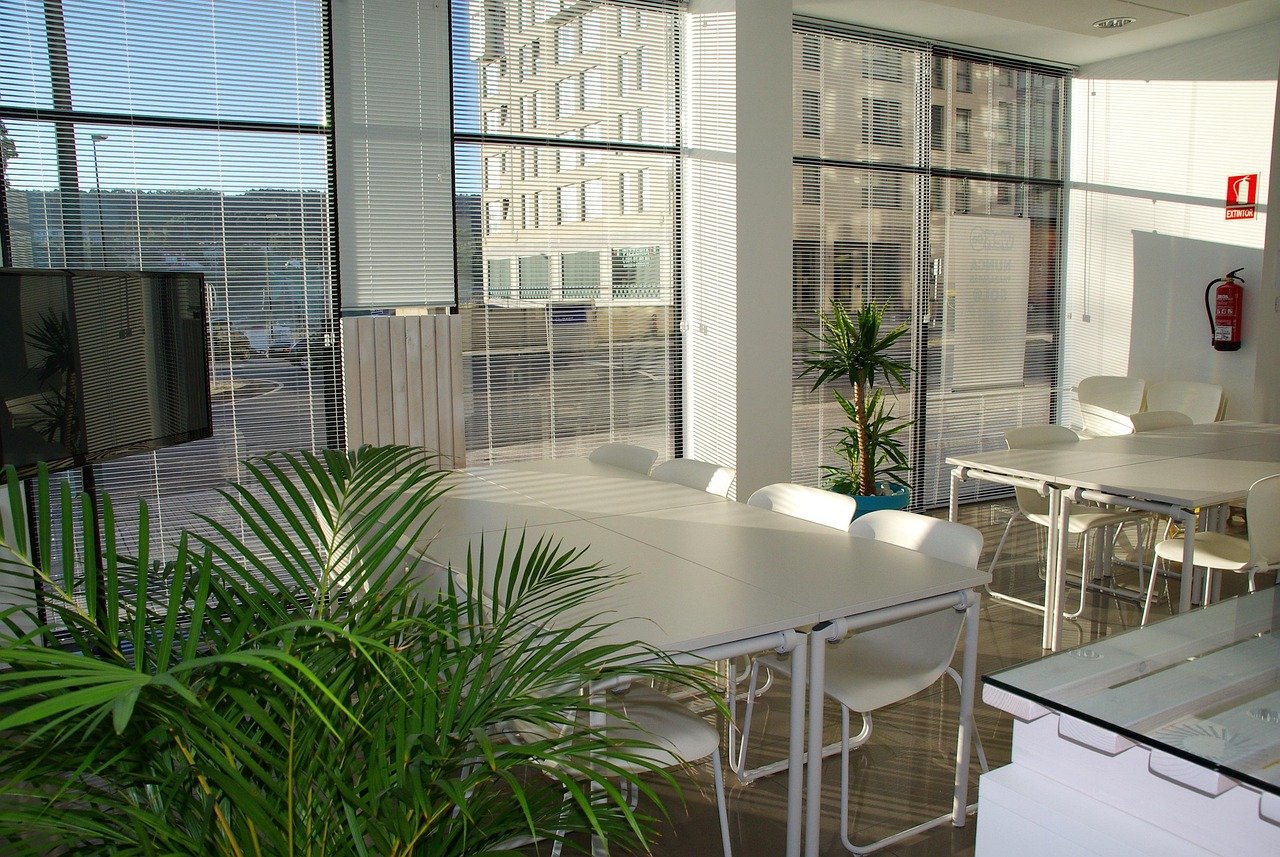
Liverpool’s coworking spaces reflect the city’s entrepreneurial energy. Many are designed with open-plan layouts, breakout zones, and modern amenities that encourage collaboration. Others focus on privacy, providing dedicated offices and meeting rooms for small teams looking to scale. The blend of functionality and creativity makes these environments ideal for digital innovators who need both freedom and structure. Crucially, coworking hubs across the city also host networking events, coding workshops, and mentorship programmes that connect like-minded individuals from across the tech ecosystem.
What sets Liverpool’s coworking culture apart is its sense of inclusion and accessibility. Unlike London or Manchester, where costs can be prohibitive for startups, Liverpool offers affordable yet high-quality workspaces that nurture innovation from the ground up. This affordability is one of the reasons why so many emerging tech firms are choosing to base themselves here. For new founders, developers, and creative professionals, these spaces provide the infrastructure and support needed to take bold ideas from concept to launch.
Another defining feature of Liverpool’s coworking landscape is its integration with the city’s academic and innovation institutions. Many hubs collaborate closely with universities such as the University of Liverpool and Liverpool John Moores University, fostering partnerships between academia and industry. This synergy fuels innovation, giving startups access to research, funding, and talent pipelines that accelerate their growth. The result is a thriving ecosystem where ideas can be tested, refined, and brought to market faster than ever before.
The coworking boom also mirrors the changing nature of work itself. The rise of remote working, hybrid teams, and digital nomads has transformed what people expect from their work environments. In Liverpool, coworking spaces have evolved to meet these expectations, offering flexible memberships, day passes, and virtual office solutions for companies that prioritise adaptability. Many also feature cutting-edge technologies such as high-speed connectivity, smart booking systems, and sustainability-focused designs that align with the values of the modern workforce.
Beyond productivity, these spaces foster a culture of collaboration that drives innovation. Within a single coworking hub, it’s common to find developers discussing app ideas with designers, marketers collaborating with data scientists, and entrepreneurs sharing insights over coffee. This organic exchange of ideas creates a fertile ground for partnerships, startups, and creative ventures to emerge — a hallmark of Liverpool’s fast-growing digital sector.
In 2025, Liverpool’s coworking spaces are more than just offices; they’re incubators for creativity and engines of growth. Whether it’s a tech startup preparing for its next funding round, a freelance coder building a new product, or a digital agency expanding its team, these spaces are shaping the future of how Liverpool works and innovates. As the city continues to attract investment, talent, and global attention, coworking environments remain at the centre of its technological renaissance — driving collaboration, creativity, and success across every corner of the city’s tech scene.
The Rise of Coworking in Liverpool’s Thriving Tech Ecosystem
Over the past decade, Liverpool has undergone a remarkable digital transformation, emerging as one of the UK’s most exciting tech destinations. Once celebrated solely for its maritime history and cultural legacy, the city now thrives on innovation, creativity, and entrepreneurship. Central to this evolution has been the rise of coworking spaces — dynamic environments that bring together startups, freelancers, and established tech companies under one roof. These spaces have not only changed how people work but also how innovation is nurtured and sustained across the city’s growing digital economy. Liverpool’s tech ecosystem owes much of its success to accessibility and collaboration. Unlike traditional office setups, coworking spaces encourage a sense of community and openness. Entrepreneurs share ideas, developers collaborate on projects, and digital marketers exchange insights in real-time. This constant flow of interaction fuels innovation, helping Liverpool’s tech startups move faster, adapt quicker, and scale efficiently. Many founders attribute their company’s early breakthroughs to the connections and inspiration they found within these shared spaces.
The surge in coworking popularity is also driven by the city’s affordability and infrastructure. Compared to London or Manchester, Liverpool offers a far more cost-effective environment for entrepreneurs and creative professionals to operate. High-quality spaces with flexible pricing options make it possible for tech startups to set up quickly without significant overheads. This accessibility has transformed Liverpool into an incubator for innovation, attracting a wave of digital talent and remote workers who value both affordability and community.
Areas like the Baltic Triangle, Ropewalks, and Knowledge Quarter have become the epicentres of this coworking revolution. The Baltic Triangle, in particular, has evolved from an industrial zone into a vibrant creative and digital district, housing some of the city’s most forward-thinking coworking spaces. From early-stage entrepreneurs building prototypes to established tech firms scaling operations, these hubs provide the tools and environment to make ideas thrive. The mix of cafes, art studios, and tech offices gives the area a unique energy that reflects Liverpool’s dynamic spirit.
In addition, Liverpool’s local government and private investors have recognised the strategic value of fostering such spaces. City initiatives supporting digital transformation have encouraged investment in coworking and innovation hubs, many of which are tailored specifically to technology-driven industries. This support has led to the development of state-of-the-art facilities that rival those in the UK’s major tech centres, ensuring that Liverpool remains competitive on a national and international level.
Coworking spaces are also deeply intertwined with Liverpool’s academic community. Collaborations with the University of Liverpool, Liverpool John Moores University, and Liverpool Hope University have enabled access to fresh talent, research insights, and entrepreneurial mentorship. Students often use coworking spaces to launch startups, participate in hackathons, or network with professionals already active in the tech sector. This synergy between education and entrepreneurship reinforces Liverpool’s position as a city where innovation begins at the grassroots level.
The cultural fabric of Liverpool plays an equally important role. The city’s heritage of collaboration, creativity, and resilience naturally aligns with the coworking model. Whether it’s a digital artist freelancing on projects for international clients or a startup developing AI-driven solutions, Liverpool’s coworking spaces embody a shared commitment to progress. This blend of ambition and community has made the city’s tech ecosystem more inclusive, accessible, and forward-thinking.
Ultimately, coworking spaces have become more than just places to work; they are catalysts for change in Liverpool’s digital journey. They bridge gaps between industries, unite talent from diverse backgrounds, and provide fertile ground for ideas that could define the next decade of technological innovation. In 2025, the coworking movement continues to evolve, solidifying Liverpool’s reputation as a city where creativity and technology converge to shape the future of work.
The Evolution of Coworking in Liverpool’s Tech Scene
Liverpool’s tech scene has grown from a small, creative community into one of the UK’s most dynamic innovation hubs, and coworking spaces have been at the heart of that evolution. Once viewed as flexible alternatives for freelancers, these shared environments have transformed into key platforms for startups, digital nomads, and established tech firms alike. In 2025, Liverpool stands as a model for collaborative innovation — a city where coworking spaces are not just offices, but ecosystems of growth, learning, and opportunity.
Over the past decade, the city’s economy has diversified dramatically, pivoting from its maritime heritage toward digital technology, creative media, and entrepreneurship. This shift has been supported by local institutions and private investors who recognise the value of shared spaces for fostering innovation. From Baltic Triangle to Knowledge Quarter, the city now offers a network of coworking environments tailored for the needs of coders, designers, marketers, and entrepreneurs.
What makes Liverpool’s coworking culture particularly vibrant is the blend of heritage and modernity. Many of these spaces occupy repurposed industrial buildings, preserving the city’s architectural charm while infusing it with the buzz of the digital age. Walk through spaces like DoES Liverpool or Avenue HQ, and you’ll see a mix of tech founders testing new apps, freelancers collaborating on creative projects, and small teams discussing prototypes over coffee. This energy has turned coworking from a convenience into a cornerstone of Liverpool’s digital transformation.
The affordability factor also plays a big role in attracting tech startups to Liverpool. Compared to Manchester or London, the city offers significantly lower operating costs without compromising on talent or infrastructure. This balance has led many early-stage companies to choose Liverpool as their launch base. Coworking spaces have adapted by offering scalable membership options — from flexible desks for freelancers to private studios for growing teams — ensuring that no matter the business stage, there’s room to grow.
Community remains the defining element of Liverpool’s coworking success. These spaces are more than rented desks; they are catalysts for connection. Events, hackathons, mentorship sessions, and networking meetups happen regularly, bridging the gap between industries and generations. This has created a self-sustaining ecosystem where collaboration replaces competition, and innovation thrives organically.
Technology integration has also elevated the coworking experience. Smart booking systems, high-speed connectivity, virtual meeting pods, and 24/7 access have made these environments ideal for hybrid teams. With many companies now operating across remote and physical spaces, Liverpool’s coworking hubs have evolved into digital-first environments designed for flexibility and productivity.
Furthermore, local universities and innovation centres have partnered with coworking spaces to bridge academic research and real-world applications. This collaboration supports startups in fields such as AI, fintech, and digital health — all growing sectors within the city. By connecting students, entrepreneurs, and investors, coworking spaces act as innovation pipelines, turning ideas into viable ventures.
In 2025, coworking in Liverpool is no longer just about desk space — it’s about creating places where ideas are nurtured, partnerships are born, and the city’s digital ambitions take shape. These spaces symbolise Liverpool’s commitment to inclusivity, innovation, and sustainable growth in the UK’s evolving tech landscape.
Top Coworking Spaces Powering Liverpool’s Tech Innovation
Liverpool’s coworking scene has become a powerful driver for technological innovation and entrepreneurial growth. In 2025, the city offers an impressive variety of spaces tailored for startups, creative professionals, and remote teams, each with its own unique atmosphere and focus. From creative districts like the Baltic Triangle to business-driven zones around the waterfront and Knowledge Quarter, Liverpool’s coworking spaces are shaping how tech professionals collaborate and innovate.
One of the most renowned spaces in the city is DoES Liverpool, located in the Fabric District. It’s more than just a coworking hub; it’s an incubator for creativity and experimentation. Known for its “makerspace” approach, DoES Liverpool provides 3D printers, electronics workbenches, and laser cutters alongside traditional desks. This makes it a haven for hardware innovators, software developers, and digital creators who thrive on collaboration and prototyping. In many ways, it represents the grassroots innovation spirit that defines Liverpool’s tech identity.
Avenue HQ, on the other hand, caters to the professional end of the spectrum, offering polished offices and collaborative lounges with stunning waterfront views. It attracts tech startups, marketing agencies, and finance-driven innovators who appreciate its balance between professionalism and creativity. Avenue HQ frequently hosts networking events, investor meetups, and business accelerator programmes, helping tech entrepreneurs connect with potential partners and clients. Its connection to Barclays Eagle Labs also provides invaluable resources for early-stage tech companies.
The Baltic Creative Campus remains the beating heart of Liverpool’s digital culture. Set within the Baltic Triangle, it’s a vibrant ecosystem of creative studios, tech startups, and media companies. What makes it stand out is its strong emphasis on community and artistic freedom. The space’s open-plan design, street art, and event zones foster a unique sense of collaboration that’s both relaxed and productive. Many of Liverpool’s most successful digital ventures have roots in this space, making it a cornerstone of the city’s entrepreneurial evolution.
For those seeking a tech-meets-innovation hub, The Spine at Paddington Village offers something exceptional. As part of the Knowledge Quarter, The Spine integrates health, life sciences, and digital research in one cutting-edge environment. With its biophilic design and sustainability features, it’s among the healthiest office buildings in the UK. Startups in sectors like medtech, AI, and data science find this environment ideal for collaboration with research institutions and NHS innovators.
Another standout is Basecamp Liverpool, located near the city centre. It’s known for its affordability and flexibility, providing freelancers and microbusinesses with modern amenities, creative breakout zones, and event areas. Its supportive management and emphasis on community engagement make it a popular choice for those just beginning their entrepreneurial journey. Basecamp’s regular “Tech Tuesdays” networking events attract developers, UX designers, and digital strategists, turning casual interactions into meaningful collaborations.
For remote and hybrid workers, Clockwise Liverpool offers a modern, flexible workspace in the heart of Edward Pavilion at the Royal Albert Dock. Its elegant design, advanced meeting facilities, and professional services make it a favourite among corporate teams and consultants. Clockwise combines business-grade amenities with the charm of Liverpool’s historic docklands — a balance that appeals to global clients visiting the city.
Finally, the Hub in The Cotton Exchange caters to growing businesses that need private spaces but still crave the energy of a shared environment. Located in a Grade II-listed building, it combines heritage aesthetics with modern functionality. Many software and creative firms have expanded their operations here, drawn by the location’s centrality and the building’s strong sense of character.
Each of these coworking spaces contributes uniquely to Liverpool’s tech narrative. They provide not just physical infrastructure, but also mentorship, collaboration, and networking opportunities essential for innovation. Together, they form an interconnected ecosystem where technology, creativity, and community thrive side by side, positioning Liverpool as a top-tier destination for digital enterprise in the North of England.
How Coworking Spaces Are Shaping Liverpool’s Startup Culture
Liverpool’s startup ecosystem in 2025 is thriving, and coworking spaces have become its beating heart. These shared work environments have not only provided affordable office solutions but have also nurtured a sense of belonging and collaboration that traditional offices often lack. Across the city, from the bustling Baltic Triangle to the emerging districts near Paddington Village, coworking spaces have transformed into incubators of innovation, especially for tech startups seeking both flexibility and community.
One of the key advantages coworking spaces bring to startups is accessibility. Many early-stage ventures lack the funds for long-term leases or corporate spaces, making coworking an ideal alternative. In Liverpool, spaces like Avenue HQ and Basecamp offer affordable membership models that scale with growth. Startups can begin with a hot desk and later move into private studios as their teams expand. This scalability has encouraged more entrepreneurs to take the leap, knowing that their workspace can evolve with their business.
Coworking spaces have also become breeding grounds for collaboration. In these environments, a developer might meet a designer over coffee, or a data scientist might connect with a marketing specialist during a networking session. Such spontaneous interactions often lead to cross-industry projects and joint ventures. For example, within the Baltic Creative Campus, tech startups frequently collaborate with digital media firms, resulting in innovative products that blend technology with storytelling and design. This synergy has made Liverpool a magnet for creative technologists.
The community-driven model of coworking has also been instrumental in building resilience among entrepreneurs. Starting a business can be isolating, but coworking spaces counter that by fostering peer support networks. Events such as pitch nights, mentorship meetups, and “fail-fast” sessions allow founders to share experiences openly. DoES Liverpool, for instance, hosts regular “Maker Days” where entrepreneurs and developers exchange ideas and troubleshoot challenges together, creating an atmosphere of shared learning and problem-solving.
Moreover, coworking spaces are helping startups bridge the gap between innovation and funding. Spaces like Avenue HQ collaborate with venture capital firms and accelerators, hosting demo days and investor showcases. This direct exposure helps Liverpool’s startups access capital more easily. Several local tech firms that began in coworking spaces have since secured national recognition and investment, reinforcing Liverpool’s status as a city where ideas can genuinely turn into businesses.
Universities in Liverpool are also playing an active role in this ecosystem. The University of Liverpool and Liverpool John Moores University frequently partner with coworking hubs to offer mentorship, research support, and internship pipelines. These collaborations allow student entrepreneurs to gain early exposure to the startup world, often turning academic projects into viable businesses. This educational integration is a major factor driving the city’s vibrant entrepreneurial culture.
Another transformative aspect is the inclusion of tech-focused facilities within these spaces. Many coworking hubs now include podcast studios, AR/VR testing rooms, and digital production suites. These facilities give startups access to advanced tools without the cost of owning them outright. As a result, Liverpool’s coworking spaces have become incubators for high-tech experimentation, particularly in AI, gaming, and digital design.
Finally, coworking in Liverpool has evolved beyond just work — it’s about identity and belonging. Founders and freelancers alike speak about the sense of camaraderie these environments foster. Whether brainstorming over lunch at Baltic Creative or joining a wellness session at Clockwise, entrepreneurs find motivation and purpose in being part of something larger than themselves. This culture of collective growth has made Liverpool’s startup scene not only dynamic but deeply human.
By 2025, coworking has redefined what it means to start a business in Liverpool. It’s no longer about just finding a desk; it’s about joining a movement — one built on creativity, community, and collaboration. In doing so, these spaces have become the invisible engines driving Liverpool’s transformation into a leading digital powerhouse.
The Economic and Social Impact of Coworking on Liverpool’s Tech Ecosystem
Coworking spaces have become more than just flexible workplaces — they are now major contributors to Liverpool’s economic growth and social transformation. By connecting entrepreneurs, investors, and innovators under one roof, these spaces have helped strengthen the city’s reputation as a technology-forward hub. In 2025, the coworking movement continues to play a crucial role in diversifying Liverpool’s economy, empowering small businesses, and revitalising urban communities through collaboration and innovation.
Economically, coworking has injected vitality into Liverpool’s startup ecosystem. The availability of affordable and adaptable office space has reduced barriers for entrepreneurs to launch new ventures. Many tech startups that would otherwise struggle to afford commercial leases now thrive within coworking environments. This accessibility has spurred job creation, with hundreds of freelancers and early-stage companies finding stability in shared workspaces. As a result, coworking has become a core enabler of Liverpool’s entrepreneurial economy, boosting local employment and nurturing long-term business sustainability.
The multiplier effect of coworking is also visible in surrounding industries. From cafés and restaurants to local suppliers and event organisers, nearby businesses benefit from the steady influx of professionals who use coworking spaces daily. The Baltic Triangle, for instance, has transformed from an underutilised industrial district into a vibrant business quarter, largely driven by the coworking boom. These spaces attract tech workers, investors, and visitors who, in turn, stimulate local commerce and tourism — strengthening Liverpool’s urban regeneration efforts.
Socially, coworking has bridged the gap between different sectors of the community. These shared spaces have become melting pots where creative minds, tech developers, and social entrepreneurs collaborate on meaningful projects. They also provide inclusive opportunities for individuals from diverse backgrounds to access professional networks and resources that might otherwise be out of reach. This sense of openness and inclusion aligns perfectly with Liverpool’s broader social values — a city known for its community spirit and collective resilience.
Coworking has also contributed to reducing professional isolation, especially in the era of hybrid and remote work. After the disruptions caused by the pandemic, many professionals sought environments that offered both flexibility and social connection. Liverpool’s coworking spaces provide this balance beautifully. They foster a sense of belonging, enabling remote workers and freelancers to remain productive while still being part of a supportive community. This social cohesion has improved mental well-being and work-life balance for many tech professionals across the city.
The local government and private sector have also recognised the value of coworking in driving innovation-led growth. Partnerships between Liverpool City Council, Knowledge Quarter Liverpool, and private developers have supported new coworking hubs that integrate research, business, and technology. These collaborations are helping to attract external investment and high-skilled talent from across the UK and beyond. In turn, Liverpool’s growing reputation as a coworking-friendly city enhances its global competitiveness in sectors like fintech, software development, and creative media.
Furthermore, coworking spaces have played a role in sustainability and responsible urban development. Many operators are repurposing historic buildings and using eco-friendly materials to create energy-efficient environments. Spaces like The Cotton Exchange and The Spine have become examples of how sustainability can merge with innovation. This approach not only preserves Liverpool’s architectural heritage but also positions the city as a leader in environmentally conscious entrepreneurship.
Beyond the economic and structural benefits, coworking’s social impact lies in fostering a culture of giving back. Many spaces organise community events, charity drives, and educational workshops aimed at empowering young people and underrepresented groups in tech. By nurturing inclusivity and mentorship, coworking hubs are shaping the next generation of innovators who will continue Liverpool’s legacy of creativity and progress.
Ultimately, the coworking movement has become an integral part of Liverpool’s identity. It supports the economy, encourages sustainable growth, and strengthens social ties. In doing so, it has transformed Liverpool into a city where innovation thrives not in isolation, but in collaboration — proving that shared spaces can create shared success.
Emerging Trends in Liverpool’s Coworking and Tech Collaboration Spaces
As Liverpool’s tech landscape matures in 2025, coworking spaces across the city are evolving in response to new industry demands and working styles. These spaces are no longer just about providing desks or meeting rooms; they are now smart, adaptive ecosystems that mirror the pace of technological and cultural change. Emerging trends such as hybrid flexibility, sustainability, and AI integration are redefining how Liverpool’s professionals collaborate, innovate, and grow.
One of the most noticeable trends is the rise of hybrid coworking models. As more tech companies adopt flexible working arrangements, coworking providers have begun offering dynamic membership structures that cater to both in-person and remote workers. Spaces like Avenue HQ and Clockwise Liverpool now feature part-time memberships, hourly passes, and even “team rotation packages,” allowing businesses to manage distributed teams seamlessly. This model has proven vital for startups that operate globally yet want a physical presence in Liverpool’s thriving digital scene.
Technology-driven coworking is another defining feature of 2025. Many of Liverpool’s newest coworking spaces are integrating smart technologies to improve user experience and operational efficiency. From app-based entry systems and automated lighting to AI-powered scheduling and collaboration tools, these innovations ensure that members can work smarter, not harder. Some hubs are even experimenting with virtual reality (VR) conference setups, giving Liverpool-based firms the ability to collaborate with international partners in immersive digital environments.
Sustainability has also become central to coworking design and ethos. With Liverpool’s broader commitment to becoming a greener, smarter city, coworking operators are embracing eco-conscious architecture. The Baltic Creative Campus and The Spine are prime examples, boasting energy-efficient lighting, recycled materials, and indoor biophilic elements that enhance well-being. This green approach resonates deeply with the city’s young professionals, many of whom prioritise environmental responsibility when choosing where to work.
Niche-focused coworking spaces are also emerging across Liverpool. While general-purpose hubs remain popular, there’s a growing demand for industry-specific environments — particularly for AI startups, gaming developers, fintech innovators, and creative media professionals. Spaces like DoES Liverpool cater heavily to makers and hardware innovators, while new entrants are focusing on software, blockchain, and data science collaboration zones. These niche spaces foster deeper industry connections and specialised mentoring, helping Liverpool’s tech ecosystem mature further.
The integration of wellness and mental health initiatives is another powerful trend shaping coworking in 2025. Recognising that productivity and well-being go hand in hand, many coworking spaces now offer wellness programmes such as mindfulness sessions, yoga breaks, and quiet recharge zones. This shift reflects a post-pandemic awareness of work-life balance, and Liverpool’s coworking providers are leading the way in humanising the digital workspace.
Another significant development is cross-border collaboration. Liverpool’s reputation as an emerging tech hub has attracted partnerships with international coworking networks and accelerators. Spaces like Avenue HQ and Baltic Creative are forming connections with innovation districts in Dublin, Amsterdam, and Berlin, allowing members to access international mentorship, funding, and exposure. These collaborations position Liverpool as a gateway for European startups looking to enter the UK market, and vice versa.
Finally, data security and digital privacy have become major priorities in coworking environments. As remote and shared networks expand, operators are investing heavily in cybersecurity measures — from encrypted Wi-Fi systems to secure cloud platforms. This focus ensures that startups handling sensitive client data, particularly in fintech and AI sectors, can operate confidently within coworking settings.
In essence, Liverpool’s coworking scene in 2025 represents the intersection of innovation, sustainability, and inclusivity. It reflects the city’s forward-thinking mindset — a place where technology enhances collaboration, and community remains at the core. These emerging trends show that Liverpool is not just adapting to global coworking standards but setting its own benchmark for how tech communities of the future should work, connect, and thrive.
The Future of Coworking and Digital Collaboration in Liverpool
The future of coworking in Liverpool looks exceptionally promising as the city continues to strengthen its reputation as one of the UK’s most creative and tech-driven destinations. By 2025, coworking has evolved from being an affordable workspace option into a strategic growth tool that underpins the city’s digital and entrepreneurial identity. The next few years will see further integration between technology, sustainability, and community, turning coworking spaces into smarter, more connected environments that reflect the future of work.
One major transformation on the horizon is the rise of smart, data-powered coworking ecosystems. As artificial intelligence, IoT (Internet of Things), and predictive analytics become mainstream, coworking operators in Liverpool are set to adopt advanced data systems that optimise how spaces are used. From energy-efficient lighting that adjusts to occupancy patterns to AI-assisted community matchmaking that connects members with potential collaborators or investors, the next generation of coworking will be defined by intelligence and efficiency.
The city’s Knowledge Quarter and Baltic Triangle will remain central to this evolution. These districts are already home to several innovation-led spaces that blur the lines between academia, entrepreneurship, and technology. As Liverpool’s universities and private sector continue to collaborate, coworking hubs in these areas are expected to become incubators for cutting-edge research startups in AI, biotech, and digital health. This academic integration will further position Liverpool as a northern powerhouse of innovation, capable of competing with the UK’s top tech cities.
Sustainability and well-being will also define the future coworking experience. With climate awareness growing, new spaces are being designed with circular economy principles — reusing materials, minimising waste, and integrating renewable energy. The design focus will shift toward human-centric workspaces that support mental health and social interaction. Expect more green walls, natural lighting, and open community zones that enhance creativity and connection. The aim is to ensure that coworking not only fuels economic growth but also promotes environmental and emotional sustainability.
Another defining trend will be global connectivity through digital platforms. As Liverpool strengthens its relationships with international coworking networks, members will gain access to a global ecosystem of innovation. A startup based at Baltic Creative, for example, could seamlessly collaborate with a partner in Barcelona or Toronto through virtual coworking tools and shared digital environments. This borderless model will empower Liverpool’s entrepreneurs to expand their reach, scale faster, and attract foreign investment without leaving their home city.
The corporate adoption of coworking is also accelerating. Many established companies, including those in finance, logistics, and health technology, are turning to flexible coworking environments for their project teams and innovation departments. These hybrid setups allow larger organisations to collaborate with startups in real-time, leading to faster product development and knowledge exchange. In Liverpool, this trend is particularly visible in spaces like Avenue HQ, where corporate innovation teams often share floors with agile digital startups, fostering cross-pollination of ideas.
At a social level, coworking spaces will continue to drive inclusivity and opportunity. They provide access to resources, mentorship, and networks for underrepresented entrepreneurs — from women in tech to minority-led startups. The emphasis on equality and collaboration is not only shaping the city’s tech culture but also reinforcing Liverpool’s global reputation as a community-first innovation hub.
Looking ahead, coworking in Liverpool is set to become even more immersive, intelligent, and interconnected. It will bridge digital and physical collaboration, bringing together innovators from across the world under one digital roof. The city’s combination of creative energy, educational excellence, and entrepreneurial ambition ensures that coworking will remain a cornerstone of Liverpool’s technological renaissance well into the next decade.
As new ideas, partnerships, and technologies emerge, Liverpool’s coworking future will continue to symbolise what makes the city truly special — its ability to evolve, adapt, and unite people through shared purpose and creativity.
Call to Action: Why Now Is the Best Time to Join Liverpool’s Coworking Revolution
Liverpool’s coworking revolution has reached an exciting turning point. The city’s transformation into a thriving digital and creative hub means there has never been a better moment to join the movement. Whether you’re a freelancer seeking inspiration, a startup looking for your first office, or a growing business wanting to tap into the city’s innovation network, Liverpool’s coworking ecosystem offers a powerful platform for success.
The opportunities are extraordinary. Coworking spaces are no longer just about affordable rent — they’re about connection, learning, and momentum. In 2025, these environments provide the tools and relationships that ambitious professionals need to grow faster. Spaces like Avenue HQ, DoES Liverpool, and Baltic Creative are more than physical locations; they are dynamic communities built on shared ambition. When you join one of these hubs, you gain access to mentorship programmes, investor networks, and collaborative projects that can accelerate your journey far beyond what traditional offices can offer.
For entrepreneurs launching a new tech venture, coworking offers the perfect balance between flexibility and professionalism. You can scale your workspace as your team grows, access top-tier digital infrastructure, and connect with potential collaborators at any time. The ability to network with peers across industries — from software development to digital marketing and creative design — is one of Liverpool’s greatest advantages. It’s within these spontaneous conversations that new ideas, partnerships, and innovations are born.
If you’re a freelancer or remote professional, coworking gives structure and community to your work life. The isolation of working from home can limit creativity and focus, but in a shared space, you’ll find an energising rhythm that inspires productivity. Many Liverpool coworking hubs offer social events, wellness sessions, and networking evenings designed to help members connect authentically. It’s this human touch that turns work into something more meaningful.
For larger companies, now is the ideal time to integrate coworking into your operational strategy. As businesses adapt to hybrid working models, coworking spaces offer flexible options for satellite offices, project teams, or innovation units. Liverpool’s infrastructure — particularly in the Knowledge Quarter and city centre — provides cutting-edge facilities that support both collaboration and privacy. It’s a cost-effective way to attract top talent while remaining agile in a fast-changing business landscape.
Liverpool’s local economy also benefits when more professionals embrace coworking. Every new member contributes to the city’s growth by supporting local cafés, suppliers, and service providers. More importantly, these spaces nurture a sense of civic pride — showing the world that Liverpool is not just a cultural capital but a technological one too. Joining the coworking revolution means playing an active role in shaping the city’s digital future.
For those still hesitant, consider this: the coworking ecosystem in Liverpool is growing rapidly, and those who join early will be part of its foundation. You’ll have the chance to influence the community’s culture, collaborate with trailblazers, and gain visibility among investors and industry leaders. With international attention now turning to Liverpool as a northern tech hub, there has never been a better time to take that step.
In 2025 and beyond, coworking will define the future of work — fluid, connected, and purpose-driven. By becoming part of this movement, you’re not just renting a desk; you’re investing in an experience, a network, and a vision of progress. The spirit of Liverpool — creative, ambitious, and collaborative — lives strongest within its coworking spaces.
So, if you’ve been waiting for the right moment to expand your ideas, grow your team, or reconnect with your professional community, that moment is now. Step inside one of Liverpool’s coworking hubs, and you’ll see the future of work — bright, inclusive, and full of possibility — unfolding before your eyes.
AI Overview: The Role of Artificial Intelligence in Enhancing Liverpool’s Coworking Spaces
Artificial Intelligence (AI) has become a transformative force across nearly every industry, and Liverpool’s coworking sector is no exception. In 2025, AI technology is deeply embedded in the city’s shared workspaces, reshaping how entrepreneurs, startups, and freelancers collaborate, create, and grow. Far from being a distant concept, AI now plays an active, visible role in the daily operations of coworking environments across Liverpool — making them smarter, safer, and more productive than ever before.
The most noticeable change has been in workspace automation and management. Many of Liverpool’s leading coworking hubs, such as Avenue HQ and The Spine, now use AI-driven systems to handle bookings, manage occupancy, and control lighting and temperature based on real-time usage. These smart systems not only reduce operational costs but also create an adaptive environment where resources are optimised automatically. For instance, meeting rooms are reserved through predictive scheduling that learns a company’s habits over time, while energy use is fine-tuned to minimise waste — perfectly aligning with Liverpool’s sustainability goals.
AI also plays a key role in community building and professional matchmaking. Coworking spaces thrive on collaboration, and AI now enhances that process by analysing members’ profiles, skills, and interests to suggest potential connections. Platforms integrated into coworking networks can automatically pair a digital marketer with a software developer, or a startup founder with an investor, based on shared goals and complementary expertise. This intelligent networking approach turns everyday coworking interactions into targeted opportunities for growth and innovation.
Another breakthrough area is security and data protection, a critical concern in today’s digital economy. AI-powered cybersecurity systems monitor network traffic within coworking spaces, detecting and preventing threats in real time. For Liverpool’s fast-growing fintech and AI startups, this ensures peace of mind when handling sensitive information. Facial recognition and smart access systems have also become standard, ensuring that only registered members and guests can access certain zones, thus balancing openness with security.
AI-driven tools are also revolutionising productivity and workflow management. Coworking members in Liverpool now benefit from integrated digital assistants that handle scheduling, transcriptions, and communication. These systems learn users’ routines to suggest optimal working hours, automate reminders, and even analyse time spent on different projects to improve efficiency. Such advancements are empowering professionals to focus more on creative and strategic tasks, while routine processes are managed seamlessly in the background.
From a broader perspective, AI is helping coworking operators gather valuable data-driven insights to refine their offerings. By tracking usage patterns and feedback, AI analytics provide real-time reports on which amenities are most valued, which events attract the most engagement, and what types of businesses are growing fastest. This allows coworking managers to continuously adapt their spaces to meet evolving member needs, making the ecosystem more responsive and efficient.
AI’s influence also extends to well-being and mental health — areas Liverpool’s coworking community takes seriously. Smart systems can now monitor environmental factors like lighting, noise levels, and air quality, automatically adjusting conditions to support focus and comfort. Some spaces even use AI chatbots to check in with members, offering stress management tips or connecting them with wellness programmes. This blend of human empathy and artificial intelligence reinforces Liverpool’s commitment to creating holistic, people-first work environments.
The intersection of AI and coworking is also driving creative experimentation. Within innovation hubs like DoES Liverpool, AI tools are being used to prototype designs, generate code, and enhance digital media production. Artists, engineers, and developers collaborate in these hybrid environments where human imagination meets machine intelligence. The result is a new wave of digital creativity that blurs the boundaries between art, technology, and entrepreneurship.
Ultimately, AI’s role in Liverpool’s coworking scene goes beyond convenience — it’s about empowerment. By automating the mundane and enhancing the meaningful, AI is enabling professionals to achieve more with less effort. It ensures that coworking spaces are not just shared offices, but living, learning systems that evolve alongside their members.
As Liverpool continues to position itself as a digital innovation leader, the fusion of coworking and AI represents the city’s forward-looking vision. The future of work here isn’t just about shared spaces; it’s about intelligent collaboration — a future where people and technology thrive together.
FAQs about Liverpool’s Best Coworking Spaces and Tech Scene
1. What makes Liverpool’s coworking spaces unique compared to other UK cities?
Liverpool’s coworking culture stands out due to its strong community spirit and accessibility. Unlike the hyper-commercial spaces in London or Manchester, Liverpool’s coworking hubs are built around collaboration, creativity, and affordability. Spaces like Avenue HQ, DoES Liverpool, and Clockwise Liverpool offer flexible memberships, waterfront views, and tech-driven amenities — all while maintaining a welcoming, inclusive environment.
2. Are Liverpool’s coworking spaces suitable for tech startups?
Absolutely. The city’s coworking spaces are tailored for the tech sector. Many hubs provide high-speed connectivity, dedicated innovation zones, prototyping labs, and AI tools to support startups. With Liverpool’s growing reputation as a digital innovation centre, these spaces also host pitch events, coding bootcamps, and networking sessions that attract investors and mentors from across the UK.
3. How expensive is coworking in Liverpool?
Coworking in Liverpool is more affordable than in most major UK cities. Prices range from around £20 per day for hot desks to £200–£400 per month for fixed desks or private offices. Memberships often include amenities like 24-hour access, free coffee, and access to community events. Many spaces also offer flexible day passes or hybrid packages to accommodate freelancers and remote workers.
4. Which coworking space in Liverpool is best for networking?
Avenue HQ and The Spine are two of the most network-oriented coworking spaces in Liverpool. Both regularly host tech meetups, investor evenings, and community mixers. DoES Liverpool is another top choice for innovators and creators, where engineers, artists, and entrepreneurs share ideas freely. These venues go beyond desk space — they’re ecosystems of opportunity.
5. Are there coworking spaces in Liverpool focused on creative industries?
Yes. Baltic Creative Campus and Make Liverpool are both heavily geared toward creative professionals. They cater to designers, artists, digital content creators, and filmmakers, offering studio spaces, podcast rooms, and workshops. These creative hubs encourage collaboration between art and technology, reflecting Liverpool’s diverse and vibrant cultural scene.
6. What facilities should I expect in modern Liverpool coworking spaces?
Expect high-speed internet, meeting rooms, breakout zones, ergonomic furniture, printing facilities, and access to digital collaboration tools. Some spaces include podcast studios, rooftop terraces, gyms, and AI-powered management systems. In 2025, many Liverpool coworking spaces have embraced sustainability with energy-efficient lighting, green materials, and recycling initiatives.
7. How does AI influence coworking spaces in Liverpool?
AI has modernised how coworking spaces operate. It manages bookings, optimises energy use, recommends networking opportunities, and even monitors workspace health metrics. Liverpool’s adoption of AI-driven facilities enhances efficiency and member experience, aligning with the city’s smart tech ambitions for 2025.
8. Can freelancers benefit from coworking in Liverpool?
Yes — freelancers make up a large part of Liverpool’s coworking population. They gain access to professional networks, social support, and shared resources that combat isolation. Coworking also offers freelancers flexibility — with no long-term leases — and exposure to clients and collaborators across multiple industries.
9. Are Liverpool coworking spaces pet-friendly or family-friendly?
Some are! Spaces like Avenue HQ and Launch22 allow well-behaved pets, creating a relaxed and friendly environment. Others offer family-friendly policies such as flexible hours, childcare support, or quiet areas. These features make coworking accessible to diverse professionals balancing work and personal life.
10. Is it easy to reach Liverpool’s coworking spaces via public transport?
Yes. Most coworking spaces are located near major transport links, such as Liverpool Lime Street and Moorfields stations. The city’s excellent bus and Merseyrail networks make commuting smooth, while cycling paths and nearby parking cater to eco-conscious professionals. Accessibility remains one of Liverpool’s biggest advantages for coworking members.
People Also Ask (Why Section)
Why is Liverpool becoming a hub for coworking and tech innovation?
Liverpool’s transformation into a coworking and tech innovation hub is fuelled by a blend of culture, investment, and community spirit. The city has actively invested in digital infrastructure, supported by initiatives from Liverpool City Council and local universities. The result is a thriving environment where creative and tech entrepreneurs find not just affordable office spaces, but collaborative communities. Liverpool’s coworking spaces have become innovation accelerators — linking small startups with major corporations, mentors, and investors who are all committed to nurturing the region’s growth.
Why do startups prefer coworking spaces over traditional offices in Liverpool?
Startups thrive in coworking environments because these spaces eliminate the high overhead costs and rigidity of traditional leases. For a new business, flexibility is essential — and coworking offers just that. Beyond cost savings, Liverpool’s coworking spaces provide networking events, funding opportunities, and skill-sharing sessions that help founders learn from peers and industry experts. The open, inclusive culture of these environments encourages collaboration, which is often the spark behind the city’s most successful tech ventures.
Why is the Baltic Triangle important for Liverpool’s tech coworking scene?
The Baltic Triangle has become synonymous with Liverpool’s tech renaissance. Once an industrial quarter, it has been reborn as the creative and digital heart of the city. Coworking spaces like Baltic Creative and DoES Liverpool were among the first to establish themselves here, setting the tone for innovation and artistic freedom. The area’s unique mix of coffee shops, studios, and event venues fosters a genuine sense of community — where coders, designers, and entrepreneurs share not just workspaces but ideas and inspiration.
Why are Liverpool coworking spaces crucial for freelancers and remote workers?
Freelancers and remote workers often face isolation when working from home. Coworking spaces offer them a professional yet social setting, boosting productivity and mental well-being. In Liverpool, this is amplified by the city’s friendly, supportive culture. Many coworking hubs here organise wellness sessions, networking brunches, and skill workshops tailored for independent professionals. These initiatives help freelancers stay connected, motivated, and visible within the local business ecosystem.
Why does Liverpool’s coworking model attract international talent?
Liverpool’s global appeal lies in its affordability, connectivity, and lifestyle. As the cost of living in major cities like London and Manchester continues to rise, professionals are increasingly drawn to Liverpool’s balance of quality and opportunity. The city’s coworking model emphasises inclusivity, offering everything from remote-friendly memberships to international startup support. Combined with Liverpool’s thriving cultural life, this makes it a magnet for tech nomads, entrepreneurs, and creatives from across Europe and beyond.
Why is sustainability a growing focus in Liverpool’s coworking spaces?
Sustainability has become a key value within Liverpool’s innovation culture. Many coworking spaces are now adopting green technologies — solar panels, recycling systems, and eco-friendly interiors — to reduce environmental impact. This aligns with Liverpool’s broader sustainability goals and reflects the preferences of modern professionals who want their workplaces to embody environmental responsibility. Spaces like The Spine and Cotton Exchange lead the way, integrating nature-inspired design and carbon-conscious operations.
Why do investors pay attention to Liverpool’s coworking community?
Liverpool’s coworking ecosystem is seen as a breeding ground for innovation. Investors are increasingly drawn to the collaborative nature of these environments, where ideas are rapidly tested, refined, and scaled. Many tech accelerators and venture funds have begun to partner with coworking hubs, scouting for promising startups. The density of talent and cross-sector collaboration makes coworking spaces the perfect launchpads for high-potential projects.
Why are AI and digital tools vital in Liverpool coworking spaces?
AI and automation have streamlined operations within coworking spaces, making them smarter and more efficient. In Liverpool, AI-driven booking systems, energy optimisation tools, and digital networking apps have become standard. These technologies not only enhance the user experience but also contribute to the city’s identity as a forward-thinking digital centre. Coworking members benefit from productivity insights, automatic community recommendations, and seamless integration between physical and virtual collaboration.
Why does community matter so much in Liverpool’s coworking culture?
Community is the foundation of Liverpool’s coworking success. Unlike many cities where competition dominates, Liverpool’s professional culture is built on mutual support. People help each other succeed, whether through mentoring, skill exchanges, or partnerships. This collaborative mindset has transformed coworking spaces into networks of opportunity, where everyone — from freelancers to founders — benefits from shared knowledge and connections.
Why will coworking continue to shape Liverpool’s future?
Coworking has proven to be more than a trend — it’s the blueprint for Liverpool’s future economy. As remote and hybrid work become the norm, these shared environments will remain the city’s innovation backbone. They provide the flexibility, inclusivity, and adaptability needed for businesses to thrive in a rapidly changing world. With continuous investment, global partnerships, and a thriving talent pool, coworking will keep powering Liverpool’s rise as a digital powerhouse well beyond 2025.
Liverpool’s coworking scene in 2025 reflects much more than just the rise of shared offices — it embodies the city’s evolution into a forward-thinking, digitally empowered hub. What began as a few creative collectives in the Baltic Triangle has now grown into a sophisticated network of innovation spaces driving economic and social transformation. The city’s ability to merge heritage with modernity has allowed it to create something truly unique — coworking environments that inspire collaboration, inclusivity, and long-term growth.
The success of Liverpool’s coworking ecosystem lies in its people. Every startup founder, freelancer, designer, and coder who walks into these spaces contributes to a shared culture of ambition and creativity. Unlike larger cities where coworking often feels transactional, Liverpool’s approach remains deeply personal and community-driven. There’s a genuine sense of belonging — a reminder that innovation thrives when individuals feel supported and connected.
Liverpool’s strategic focus on digital infrastructure and education has further strengthened its position as a regional tech powerhouse. Initiatives led by universities, business incubators, and local authorities have created an environment where ideas can turn into impact quickly. This synergy between the academic, public, and private sectors gives Liverpool an advantage that few UK cities can replicate. Coworking spaces play a central role in this dynamic, acting as the meeting point for talent, technology, and entrepreneurship.
As remote and hybrid work models redefine professional life, Liverpool has been quick to adapt. Many of its coworking spaces now cater to global teams, providing flexible memberships and virtual collaboration tools that connect members across continents. This international outlook has helped position the city as a magnet for creative and digital professionals seeking affordability, quality of life, and a sense of purpose in their work.
The integration of AI and sustainable design has also set a new benchmark for coworking environments. From smart energy systems to AI-powered networking platforms, Liverpool’s coworking hubs are not just adapting to technology — they’re leading its adoption. The focus on green architecture and well-being adds another layer of depth, showing that innovation doesn’t have to come at the cost of sustainability or human connection.
Looking ahead, Liverpool’s coworking spaces will continue to evolve as catalysts for economic resilience. They provide the foundation for startups to experiment, collaborate, and expand — ultimately strengthening the city’s identity as a creative and tech-forward destination. As investment continues to pour into the region, coworking will remain one of Liverpool’s greatest assets, driving job creation and inspiring the next generation of innovators.
In essence, Liverpool’s coworking revolution is a testament to what happens when a city embraces change while honouring its roots. The same spirit that once made Liverpool a global maritime force now fuels its rise as a modern hub of technology, creativity, and collaboration. The story of its coworking spaces is, at its heart, the story of a city reinventing itself — proudly, passionately, and with an unshakable belief in the power of community.
For More Tech Related Article Click On:
Liverpool Cybersecurity 2025: Latest Trends, Events & Protection Tips
Liverpool Digital Marketing Trends 2025: SEO, AI & Local Strategies
Top Software Companies in Liverpool November 2025: Leading Developers & Innovators
Liverpool Tech Events November 2025: Innovation, AI Summit & Networking
Liverpool IT Sector Growth 2025: Thriving Tech Ecosystem & Investment
For More News; Liverpool Herald
About the Author