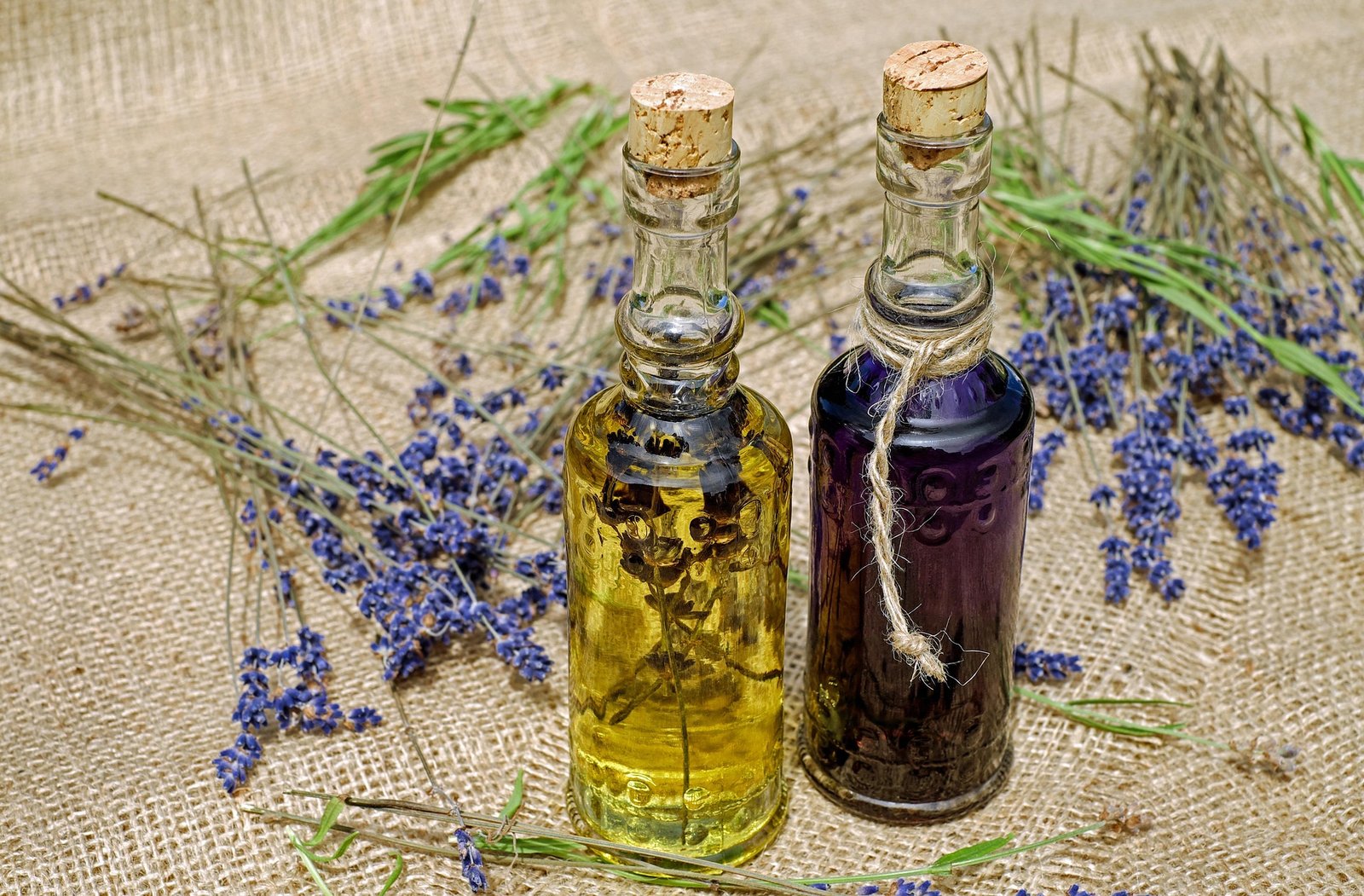
Image credited by @Pixabay
Fragrance has long been part of personal expression, but the way people wear and purchase scents today looks very different from previous decades. Once treated as a luxury reserved for special occasions, perfume and fragrance products are now woven into everyday routines. This shift reflects broader changes in lifestyle, consumer behaviour, and the growing desire for individuality in how people present themselves.
In recent years, access to fragrance has expanded significantly through digital platforms and curated online retailers such as Parfumdreams, which allow consumers to explore a wide range of scents without the pressure of traditional in-store experiences. This accessibility has reshaped how buyers research, test, and commit to fragrance, making the process more personal and informed than ever before.
Fragrance as Part of Daily Life
Modern fragrance use is no longer limited to evening wear or formal settings. Many consumers now treat scent in the same way they approach skincare or grooming, applying it as part of a daily routine. Light eau de toilettes, body sprays, and skin-scent fragrances have gained popularity because they complement everyday activities rather than overpower them.
This shift reflects changing work patterns and social habits. With hybrid working and more flexible lifestyles, people often seek fragrances that feel appropriate across multiple settings. A single scent may be worn during working hours, social gatherings, and personal downtime, placing greater emphasis on versatility and comfort rather than intensity alone.
A More Thoughtful Buying Process
The buying journey has become far more deliberate than in the past. Rather than choosing fragrances based purely on brand recognition or advertising, many consumers now prioritise ingredient profiles, longevity, and how a scent interacts with their skin. Reviews, sampling options, and detailed scent descriptions play an important role in this decision-making process.
This change highlights a broader trend towards informed consumption. Buyers are willing to spend more time understanding what they are purchasing, particularly when investing in premium or luxury fragrances. As a result, brands are placing greater focus on transparency and education, helping customers make choices that align with their preferences and values.
The Rise of Personal and Subtle Scents
One notable trend in modern fragrance culture is the move towards subtlety. Rather than bold, overpowering perfumes, many people now favour scents that sit close to the skin and feel uniquely personal. These fragrances often feature soft musks, woods, or skin-like notes that evolve throughout the day.
This approach reflects a desire for authenticity. Instead of wearing fragrance to make a strong statement to others, consumers increasingly choose scents that feel intimate and reflective of their personality. The result is a more nuanced relationship with fragrance, where the wearer’s comfort and emotional connection take priority.
Luxury Fragrance Without Formality
Luxury perfumes have also undergone a transformation in how they are worn and perceived. While they once symbolised exclusivity and formality, many high-end fragrances are now marketed as everyday indulgences. Consumers no longer feel the need to reserve premium scents for special events, choosing instead to enjoy them as part of normal life.
This shift has influenced how brands position their products. Marketing narratives increasingly focus on lifestyle, mood, and storytelling rather than status alone. By presenting luxury fragrance as approachable and wearable, brands align more closely with modern expectations of value and experience.
Body Sprays and Layering Techniques
Alongside traditional perfumes, body sprays and fragrance mists have seen renewed interest. These products offer flexibility, allowing users to refresh scent throughout the day or layer multiple fragrances to create a personalised result. Layering has become particularly popular among younger consumers who enjoy experimenting with scent combinations.
This approach encourages creativity rather than loyalty to a single signature perfume. Consumers may combine body sprays, oils, and perfumes depending on season, occasion, or mood. As a result, fragrance wardrobes are becoming more varied, with people owning multiple scents rather than relying on one long-term favourite.
The Influence of Digital Culture
Digital platforms have played a central role in shaping modern fragrance habits. Social media, online reviews, and fragrance communities have created spaces where people share recommendations and experiences openly. This peer-led discovery process often carries more influence than traditional advertising.
At the same time, online shopping has reduced geographical limitations, giving consumers access to international brands and niche perfumers. This exposure has broadened taste and encouraged experimentation, making fragrance culture more diverse and inclusive.
Sustainability and Conscious Choices
Environmental awareness has also entered the fragrance conversation. Many buyers now consider packaging, ingredient sourcing, and ethical production when selecting products. Refillable bottles, reduced packaging, and responsibly sourced ingredients are becoming key factors in purchasing decisions.
This does not mean that consumers are abandoning luxury. Instead, they are redefining it to include responsibility and long-term value. Brands that demonstrate genuine commitment to sustainability are often viewed as more credible and aligned with modern consumer priorities.
What This Shift Means for the Industry
The modern approach to wearing and buying fragrance signals a broader transformation within the beauty and lifestyle sectors. Consumers expect flexibility, transparency, and authenticity, and brands that adapt to these expectations are more likely to build lasting trust.
Fragrance is no longer just about scent; it is about experience, identity, and everyday wellbeing. As preferences continue to evolve, the industry will need to balance innovation with accessibility, offering products that feel both special and practical.
A New Era for Fragrance Culture
Ultimately, the way people engage with fragrance today reflects a deeper cultural shift towards personal choice and mindful consumption. Wearing perfume is no longer governed by strict rules or occasions. Instead, it has become an individual practice shaped by lifestyle, mood, and personal values.
To Read More: Liverpool Herald
About the Author
