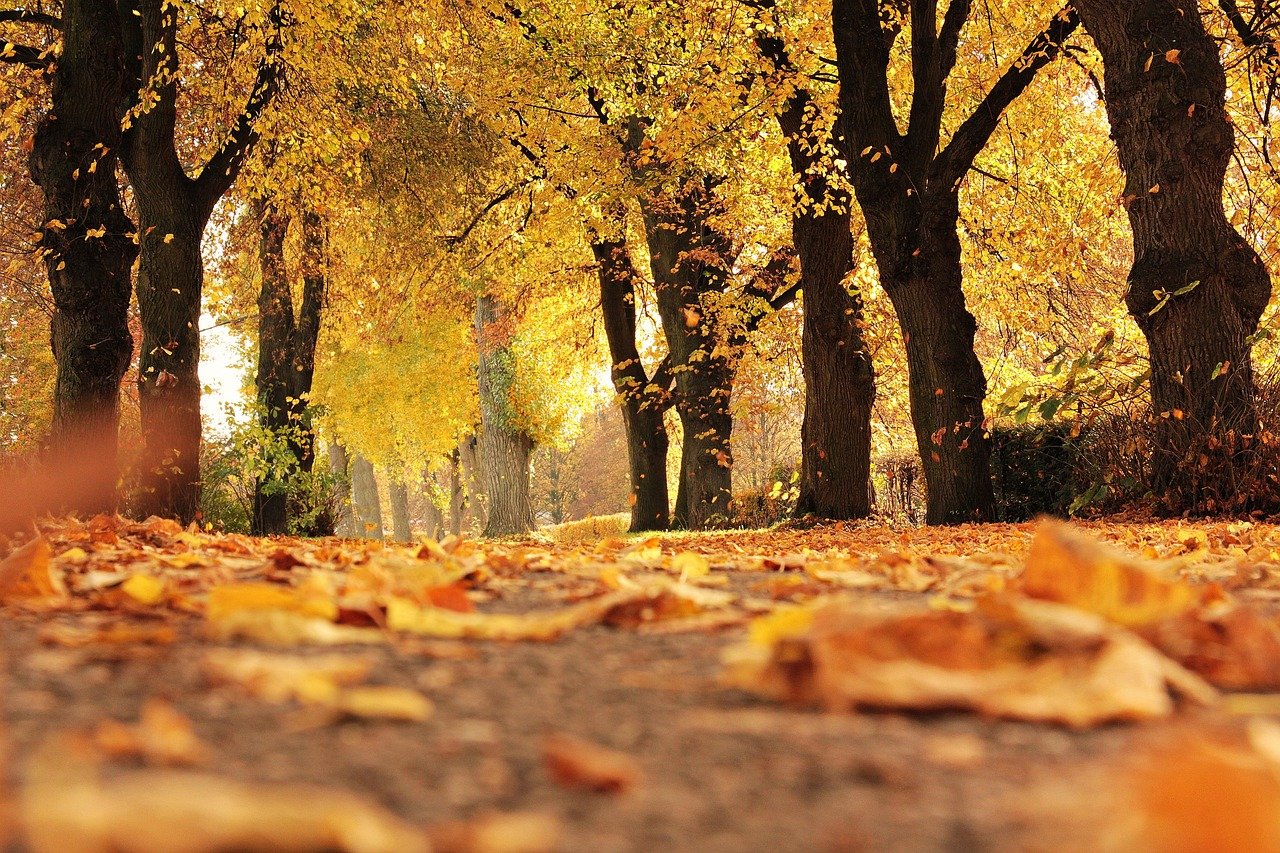
Image credited by @Pixabay
As the crisp air of November settles over the city, Liverpool’s autumn festivals of 2025 bring warmth, creativity, and community spirit to the heart of Merseyside. The city transforms into a vibrant hub of music, art, theatre, and food celebrations, offering something for everyone—from cultural enthusiasts and families to foodies and travellers seeking authentic local experiences. This year’s line-up promises to be one of the most dynamic yet, blending traditional favourites with new, innovative events that capture the essence of Liverpool’s cultural pulse.
The city’s reputation for world-class festivals continues to grow, and November 2025 is no exception. As the leaves fall and the nights grow longer, Liverpool’s parks, streets, and waterfront come alive with the sounds of live music, the glow of artistic installations, and the aroma of seasonal food markets. From the River of Light Festival and Liverpool International Music Week to smaller community-led events celebrating art, sustainability, and local heritage, each festival highlights a different facet of the city’s character.
Liverpool’s ability to merge its rich history with modern creativity makes its festival season truly distinctive. Visitors can expect a balance of large-scale productions and intimate gatherings, with organisers focusing heavily on inclusivity and accessibility. Whether it’s attending open-air performances at the Royal Albert Dock, exploring street art exhibitions in the Baltic Triangle, or joining local workshops in Sefton Park, the city offers experiences that connect people through culture and creativity.
November’s festivals also showcase the city’s strong connection to sustainability. Many events feature eco-friendly themes, renewable energy lighting, and community clean-up initiatives that ensure Liverpool’s celebrations remain environmentally conscious. Food festivals emphasise locally sourced ingredients and sustainable dining, aligning with the city’s ongoing commitment to greener living.
The 2025 autumn festival line-up has been curated with diversity in mind, ensuring a balance between global talent and local voices. Visitors can enjoy everything from independent film screenings and jazz concerts to multicultural parades and art fairs. This blend reflects Liverpool’s open, international spirit while nurturing local artistic talent.
Music continues to play a central role in the city’s seasonal celebrations. From indie and electronic showcases to orchestral performances and folk sessions, Liverpool’s venues—from the M&S Bank Arena to underground clubs—will host a wide range of performances throughout November. The combination of established acts and emerging artists creates a dynamic atmosphere that resonates throughout the city.
For families, Liverpool’s autumn festivals provide safe and engaging spaces for all ages. Interactive workshops, light shows, and street performances make these events ideal for children and adults alike. Many festivals are free to attend, encouraging residents and visitors to explore the city without barriers.
As anticipation builds, one thing is certain: Liverpool’s autumn festivals in November 2025 will deliver a season of unforgettable moments. With creativity at its core, the city continues to celebrate community, culture, and connection through a series of events that remind everyone why Liverpool remains one of the UK’s most spirited cultural destinations.
Celebrating Culture and Creativity Across the City
Liverpool’s autumn festivals have long been a reflection of the city’s cultural depth and creative diversity, and the 2025 line-up is no different. November ushers in a season where every corner of the city—from the waterfront to the Georgian Quarter—becomes a stage, gallery, or marketplace. Each festival contributes its own creative energy, resulting in a collective celebration that captures the imagination of locals and visitors alike.
Among the highlights is the Liverpool Arts and Culture Week, which takes over city museums, independent galleries, and open-air spaces. This year’s theme, “Illuminating the Future,” focuses on how technology and art intersect to tell stories of innovation and community. Installations, live performances, and exhibitions showcase both international artists and Liverpool’s thriving local scene, giving emerging creators a platform to share their work.
The Baltic Triangle continues to stand out as a creative hub, hosting pop-up art installations, immersive exhibitions, and community-led performances. Venues such as Camp and Furnace, 24 Kitchen Street, and Baltic Market curate special events that blur the line between performance and participation. Audiences are not just spectators—they’re part of the artistic process, interacting with digital displays, projection art, and collaborative murals.
In contrast, the Royal Albert Dock offers a more family-oriented experience with outdoor performances, craft fairs, and food stalls. The dock’s picturesque backdrop amplifies the festive atmosphere, drawing crowds to its waterfront views and live entertainment. This year, organisers have promised new light displays inspired by Liverpool’s maritime heritage, combining visual storytelling with music and projection mapping.
Cultural inclusivity remains central to every festival this year. Organisers have expanded programming to feature global influences, from Caribbean music nights to South Asian dance performances and African drumming workshops. These events foster a sense of unity and reflect Liverpool’s multicultural identity. The integration of diverse cultural expressions into mainstream festival programming enriches the city’s creative dialogue and deepens its sense of belonging.
Theatre and live performance also play a key role in this year’s celebrations. Local theatre groups will bring outdoor productions to life in spaces like St. George’s Plateau and Williamson Square. Audiences can expect classic retellings, contemporary scripts, and community storytelling projects that engage directly with Liverpool’s people and places.
Art workshops, spoken word sessions, and creative writing circles have also gained prominence this year, giving residents opportunities to engage artistically beyond mere observation. These interactive elements strengthen the connection between artists and their audiences while encouraging self-expression and creativity across age groups.
Overall, Liverpool’s cultural celebrations this autumn go beyond entertainment—they serve as platforms for dialogue, innovation, and community engagement. The city’s ability to merge its historic legacy with forward-thinking artistry ensures that every visitor experiences something truly original. As November unfolds, Liverpool’s streets, galleries, and performance spaces will once again remind everyone why creativity remains at the core of its identity.
Music, Food, and Local Flavours at Liverpool’s Autumn Festivals
No festival season in Liverpool is complete without the rhythmic heartbeat of live music and the irresistible aroma of local cuisine. November 2025 brings an especially rich blend of both, with the city’s autumn festivals spotlighting Liverpool’s evolving food scene and world-class musical heritage. From indie performances in intimate venues to open-air food markets filled with international flavours, the season promises something for every taste and tempo.
At the core of this year’s events is the Liverpool Sound of Autumn Festival, a multi-stage celebration held across iconic venues like Sefton Park, the Philharmonic Hall, and various pop-up stages along Hope Street. The festival lineup features both established names and emerging local acts, covering genres from folk and jazz to electronic and soul. With a renewed focus on sustainability, organisers are ensuring that all stages are powered by renewable energy sources—a first for a citywide Liverpool music event.
Adding to the rhythm of the season, the Albert Dock Live Sessions return with waterfront performances that capture the city’s maritime soul. Acoustic sets, open mic evenings, and late-night jam sessions create an intimate atmosphere, allowing festivalgoers to connect directly with performers. In the evenings, the dock transforms into a glowing spectacle, as the reflections of stage lights shimmer across the Mersey, amplifying the sensory experience.
The Liverpool Street Food Festival, running alongside several cultural events, is another major draw. This year’s edition focuses on “Taste the World in Liverpool,” featuring more than 100 stalls offering global street foods alongside classic Scouse dishes. Independent vendors from across the North West showcase artisanal produce, vegan innovations, and comfort foods with a Liverpudlian twist. Local favourites like salt-and-pepper chips, Scouse pies, and gourmet sliders are paired with international options ranging from Korean BBQ to Caribbean jerk and Italian panini.
Food and drink pairings are also central to the festival’s appeal. Craft beer and gin from Liverpool’s booming microbrewery scene feature heavily, with tasting tents and cocktail workshops held by local distilleries. The growing trend of non-alcoholic craft beverages is also well represented, giving visitors a chance to explore mindful drinking options in line with the health-conscious spirit of 2025.
For those who crave an immersive dining experience, the Autumn Nights Supper Club Series has become one of the city’s most anticipated culinary events. Hosted in secret venues announced just hours before the dinners begin, these pop-up evenings combine performance art, live music, and experimental cuisine. Local chefs collaborate with artists and musicians to craft multi-sensory experiences—turning each dinner into an unforgettable artistic encounter.
Liverpool’s focus on supporting small businesses is evident throughout the season. Festival organisers have prioritised stalls, acts, and vendors from within Merseyside, ensuring that the economic benefits of these large-scale events flow back into local communities. The combination of grassroots participation and world-class organisation showcases the city’s ability to maintain authenticity while delivering high-calibre entertainment.
What makes these autumn events truly special is their accessibility. Free-entry markets, public performances, and community-led pop-ups mean that everyone—from students to families—can take part. The city’s transport links make navigating between venues simple, encouraging festivalgoers to explore multiple events in a single day.
As November continues, Liverpool’s fusion of music, food, and art captures the city’s essence perfectly: creative, communal, and endlessly evolving. Whether it’s dancing by the dock, tasting something new at a local market, or discovering a future headliner in an underground bar, the city’s autumn festivals offer a feast for all the senses.
Art, Culture, and Creativity at Liverpool’s Autumn Festivals
Autumn 2025 in Liverpool isn’t just about music and food—it’s also a powerful season for art, creativity, and cultural expression. As the city transitions into the cooler months, galleries, streets, and public spaces come alive with installations, performances, and workshops that celebrate Liverpool’s deep-rooted artistic identity. This November, festivals across the city are shining a spotlight on both established creators and emerging talents, reinforcing Liverpool’s reputation as one of the UK’s most culturally dynamic destinations.
The Liverpool Autumn Arts Trail is one of the most anticipated highlights this season. Stretching from the Baltic Triangle to the city centre, it transforms entire neighbourhoods into open-air galleries. Visitors can explore interactive murals, digital art projections, and sculptures made from recycled materials—each piece reflecting the festival’s theme of “Renewal and Reflection.” Artists from Liverpool and beyond use their work to explore themes of climate change, urban life, and social unity, making the event both visually stunning and thought-provoking.
Meanwhile, the Walker Art Gallery and the Tate Liverpool are hosting special exhibitions aligned with the autumn festival calendar. At Tate, the “Light and Shadow” showcase explores how modern artists are using light installations to create emotional connections with their audiences. The Walker, on the other hand, offers a historical perspective with a collection tracing Liverpool’s artistic evolution over two centuries. Together, these institutions bridge the city’s past and present—honouring its heritage while inspiring new creative directions.
Street art also takes centre stage this November, particularly in the Baltic Triangle, where walls become canvases for internationally renowned muralists. This year, several local artists are collaborating on the “Faces of Liverpool” project—a large-scale portrait series celebrating the city’s diverse residents. The result is an evolving visual story of Liverpool’s identity, blending realism and abstract art to create a colourful reflection of community pride.
Workshops and pop-up studios across the city give visitors a chance to get hands-on with creativity. From pottery and printmaking to dance and photography, these sessions encourage participation and learning in a friendly, collaborative atmosphere. The FACT Liverpool media centre also offers digital creativity labs where attendees can experiment with virtual reality and AI-driven design tools—fusing technology with art in innovative ways.
Performance art plays an equally important role in Liverpool’s autumn cultural calendar. The Everyman Theatre and Unity Theatre have both curated festival-specific programmes that feature everything from contemporary dance to spoken word and experimental plays. These performances often explore local narratives—stories of Liverpool’s docks, its music legacy, and its working-class resilience—told through modern creative expression. The blend of traditional storytelling and avant-garde art forms ensures there’s something to captivate every audience.
One of the most moving aspects of the city’s autumn festivals is the way they blend community and creativity. Art isn’t confined to galleries; it spills onto the streets, into schools, and across neighbourhood centres. Local artists collaborate with schools and charities to run creative workshops for young people, using art as a medium for empowerment and self-expression. This focus on accessibility ensures that creativity in Liverpool remains a shared experience rather than an elite pursuit.
Public installations this year include the “Echoes of the Mersey” light pathway, which traces the riverfront from the Pier Head to Otterspool. As night falls, thousands of LED lights shift in rhythm with ambient sounds from the river, creating a mesmerising interplay of art and nature. It’s a visual metaphor for Liverpool itself—a city that moves in harmony with its creative and cultural currents.
As November continues, Liverpool’s artistic landscape stands as a testament to its community’s spirit. The city’s ability to merge art, history, and innovation reflects not just its creative legacy but its ongoing evolution as a cultural powerhouse. Whether through a painting, a poem, or a projection, Liverpool’s autumn festivals remind visitors and residents alike that creativity here is not just celebrated—it’s lived.
Music, Food, and Festive Energy Across Liverpool
Music and food form the beating heart of Liverpool’s autumn festivals in 2025, weaving together sound, taste, and atmosphere in a way that only this city can. As the air turns crisp and the lights shimmer along the waterfront, every weekend in November becomes a celebration of rhythm and flavour. From classical performances to street food pop-ups, the city’s creative energy thrives in every corner, bringing people together through shared cultural experiences that highlight Liverpool’s warmth and diversity.
One of the standout events this season is the Liverpool International Music Festival (LIMF) Autumn Edition, which features a fusion of genres including indie, electronic, jazz, and soul. Taking place at venues like Sefton Park Palm House, Camp and Furnace, and the Philharmonic Hall, the festival attracts both local and global talent. Audiences can expect intimate performances from emerging artists alongside headline sets from internationally recognised names. The LIMF’s November programme also includes a tribute night honouring the city’s iconic music history—from The Beatles and Echo & The Bunnymen to contemporary acts shaping Liverpool’s modern sound.
Meanwhile, the Taste Liverpool: Eat and Drink Festival brings the culinary scene to life, showcasing local chefs, family-run restaurants, and international street food vendors. Bold Street, known as Liverpool’s foodie hub, becomes a pedestrian paradise filled with flavours from around the world—Indian curries, Caribbean grills, Mediterranean tapas, and classic British dishes all competing for attention. The event encourages sustainable practices, with many stalls using locally sourced ingredients and eco-friendly packaging to align with the city’s environmental goals.
For those seeking a more relaxed atmosphere, the Liverpool Craft Beer and Gin Festival offers a perfect escape. Hosted in the Baltic Triangle’s converted warehouses, it brings together local breweries, distilleries, and live music acts. Visitors can sample craft beverages while listening to acoustic sets from up-and-coming musicians. The event’s laid-back vibe has become a beloved part of Liverpool’s autumn calendar, drawing both locals and tourists looking to unwind and connect.
Food lovers can also experience the Albert Dock Autumn Market, which combines artisanal produce with creative workshops. Vendors offer fresh baked goods, handcrafted cheeses, and locally made jams, while live cooking demonstrations provide inspiration for seasonal recipes. It’s not just about eating—it’s about experiencing food as a celebration of community. The dockside atmosphere, with its twinkling lights reflecting on the Mersey, adds an unmistakably Liverpool charm.
Adding to the city’s festive rhythm, Hope Street and the Georgian Quarter host the “Music on the Steps” series, where performers take to outdoor stages for spontaneous sets. Classical quartets, gospel choirs, and jazz ensembles fill the streets with energy, reminding everyone why Liverpool is recognised as a UNESCO City of Music. Even small venues like Jacaranda and Kazimier Garden join the fun with themed nights and open-mic sessions celebrating local talent.
The blending of music and food also takes on a charitable tone this year. Several festivals have partnered with community kitchens and food banks to donate a portion of proceeds to support vulnerable families during the winter months. Volunteers help run donation stands and collection points, ensuring the festival spirit extends beyond entertainment to genuine community care.
For visitors, this mix of culinary exploration and musical diversity offers a glimpse into Liverpool’s identity—one rooted in creativity, inclusivity, and shared joy. Every sound, scent, and flavour tells a story of a city that celebrates its people as much as its traditions. Whether it’s dancing at a rooftop DJ set, savouring a warm bowl of Scouse by the river, or simply enjoying the laughter echoing through the streets, Liverpool’s autumn festivals in 2025 promise a season to remember.
Family-Friendly Fun and Community Spirit
Liverpool’s autumn festivals in November 2025 aren’t just about art, music, and food—they’re also deeply rooted in family-friendly experiences and community connection. Across parks, waterfronts, and neighbourhood centres, the season brings together families, friends, and visitors of all ages to celebrate the city’s vibrant culture. With accessible events, creative workshops, and interactive activities, Liverpool proves once again that festivals here are designed for everyone, from toddlers to grandparents.
One of the highlights this year is the Family Light Parade, held in Sefton Park. Hundreds of families take part by crafting their own lanterns in the days leading up to the parade. When night falls, the park glows with soft, colourful light as children and parents walk together, accompanied by drummers and performers in illuminated costumes. It’s a truly magical sight—an event that captures the imagination while reinforcing Liverpool’s strong sense of togetherness.
The Autumn Adventure Fair at Croxteth Country Park offers another memorable experience. This family festival blends traditional countryside fun with modern entertainment, featuring pony rides, hay mazes, storytelling sessions, and eco-craft workshops. Children can also join scavenger hunts that teach them about local wildlife and sustainability, ensuring the festival is not just enjoyable but educational. Parents appreciate the relaxed setting, complete with local food stalls and live folk music.
In the city centre, the Liverpool Science and Discovery Fair brings curiosity and creativity together. Hosted at the World Museum and St. George’s Hall, this event invites families to explore interactive science exhibits, robotics demonstrations, and planetarium shows. With a focus on sustainability and innovation, it aligns with Liverpool’s vision of encouraging younger generations to engage with science in fun, accessible ways. The fair’s “Future Inventors Zone” even lets children design their own eco-gadgets with guidance from university researchers.
Meanwhile, the Autumn Arts Market at the Baltic Market has added a “Little Creators Corner” for 2025, where kids can experiment with painting, clay modelling, and recycled crafts. Parents can browse local artisan stalls while children express their creativity in a safe and inspiring environment. Workshops led by local artists give children the opportunity to learn new skills and take home their handmade art as a keepsake.
The city’s theatres also contribute to family entertainment during festival season. The Playhouse Theatre presents a special children’s production titled “The Magic of Mersey Tales”, inspired by local legends and folklore. Featuring puppetry, live music, and colourful set designs, the play captures Liverpool’s storytelling heritage in a way that resonates with all generations. The Unity Theatre complements this with its family matinee series, showcasing performers from local schools and youth groups.
Liverpool’s community centres and libraries play a vital role too. Many host mini-festivals and reading sessions designed to nurture creativity and connection among families. Events like “Storytime by the Docks” and “Books and Biscuits” invite families to relax, read, and enjoy homemade treats together—simple joys that strengthen community bonds.
Inclusivity remains a cornerstone of Liverpool’s festival planning. Many family events feature sensory-friendly spaces and quiet hours for children with additional needs. Organisers ensure accessibility in transport, facilities, and scheduling, so every family feels welcome. This commitment reflects Liverpool’s broader community ethos—celebrating diversity, kindness, and participation.
At the heart of all these activities is a shared message: Liverpool’s festivals are for everyone. Whether families are exploring outdoor markets, watching a live show, or crafting lanterns under twinkling lights, the sense of unity and joy defines the season. November 2025 stands out as a time when the city comes together not only to celebrate creativity but to nurture the connections that make Liverpool feel like home.
Economic and Cultural Impact of Liverpool’s Autumn Festivals
Liverpool’s autumn festivals in 2025 aren’t just about entertainment—they’re a powerful economic and cultural engine for the city. Each event, from art exhibitions to music and food celebrations, generates significant benefits for local businesses, creative professionals, and tourism. These festivals have evolved into strategic assets that strengthen Liverpool’s identity as a thriving cultural hub while contributing millions to the regional economy.
Economically, the impact is substantial. Local councils and tourism boards estimate that autumn events collectively attract hundreds of thousands of visitors to the city each year. In 2025, this number is expected to rise even further thanks to the expansion of major events like the River of Light Festival and the Liverpool International Music Festival. The influx of visitors directly boosts hotels, restaurants, transport services, and small businesses, injecting fresh energy into the local economy during what might otherwise be a quieter season.
Small and independent traders particularly benefit from this surge. Pop-up markets and festival stalls offer artisans, bakers, and makers an opportunity to reach new audiences. Many small brands report record sales during festival weekends, with demand for handmade goods, street food, and local beverages at an all-time high. This growing consumer interest in supporting local businesses reinforces Liverpool’s identity as a city that values creativity, entrepreneurship, and community resilience.
The cultural benefits are equally significant. Festivals provide a stage for artists, musicians, and performers to showcase their work and connect with diverse audiences. Liverpool’s creative scene thrives on collaboration, and autumn 2025 sees numerous cross-genre partnerships between visual artists, musicians, and digital designers. These collaborations not only produce stunning new works but also enhance the city’s international reputation as a centre for cultural innovation.
Cultural tourism continues to play a key role in Liverpool’s growth. Visitors from across the UK and abroad are drawn by the city’s ability to combine world-class art with authentic local experiences. Hotel occupancy rates soar during festival weekends, while guided tours, river cruises, and heritage walks enjoy strong bookings. The ripple effect of these events supports thousands of jobs, from event management and hospitality to security and marketing.
The Liverpool City Council’s commitment to sustainability and inclusivity further amplifies the impact of these festivals. Organisers are encouraged to adopt eco-friendly practices such as recycling stations, reusable décor, and digital ticketing systems to reduce waste. By prioritising environmental responsibility, Liverpool positions itself as a model for sustainable urban events. This focus on green innovation also appeals to eco-conscious visitors who value responsible tourism.
On the cultural front, the city’s investment in community participation ensures that the benefits of festivals are felt across all neighbourhoods—not just the city centre. Programmes like “Festival in Your Community” bring mini versions of popular events to outer districts such as Kirkdale, Toxteth, and Wavertree. These outreach efforts help nurture emerging talent, inspire youth engagement, and create equal opportunities for all residents to experience cultural life up close.
From an educational perspective, festivals have also become valuable learning environments. Schools and universities often partner with festival organisers to provide students with real-world experience in event planning, stage production, and digital media. This hands-on approach helps develop future industry professionals while embedding creativity within Liverpool’s educational framework.
The long-term effect is the reinforcement of Liverpool’s global reputation as a cultural capital. The city’s ability to blend creativity, commerce, and community engagement sets it apart from other destinations. Autumn 2025’s festivals not only celebrate the arts but also serve as a living demonstration of how culture can drive sustainable growth, economic inclusion, and civic pride.
Liverpool’s success lies in its people—the artists, volunteers, small business owners, and visitors who all play a part in creating this rich, dynamic atmosphere. As the season unfolds, their collective contributions illuminate not just the city streets but the very spirit of Liverpool itself.
Looking Ahead: The Future of Liverpool’s Autumn Festival Scene
As Liverpool’s 2025 autumn festivals continue to enchant locals and visitors alike, attention is already turning to what the future holds for this flourishing cultural season. The city’s success in merging creativity, technology, sustainability, and inclusivity has set a strong foundation for even greater growth in the years to come. Liverpool’s festival calendar has become more than just a series of events—it’s now a defining feature of the city’s identity and a driver of long-term social and economic transformation.
Organisers are increasingly embracing innovation and digital integration to elevate the festival experience. Augmented reality (AR) installations, AI-driven lighting systems, and mobile apps that provide real-time event updates are becoming standard features. In 2026 and beyond, Liverpool plans to introduce interactive festival maps and immersive storytelling experiences powered by virtual technology. These advances will allow visitors to explore events in new ways, connecting historical narratives with futuristic creativity.
The role of sustainability will also deepen in future editions. Liverpool City Council has already committed to achieving carbon-neutral public events by 2030, and festival organisers are leading the way. Plans include renewable-powered lighting for large-scale installations, waste-free vendor policies, and public art made from repurposed materials. Future festivals will not only entertain but actively promote environmental awareness—transforming cultural enjoyment into a platform for climate action.
Another key trend shaping the future of Liverpool’s festival landscape is the increased focus on inclusivity and accessibility. Organisers are working closely with local charities and accessibility experts to ensure that festivals remain welcoming for all. Expect to see more sensory-friendly zones, sign language interpreters, and audio-description tours to make events more engaging for attendees with disabilities. These measures underscore Liverpool’s commitment to equality and cultural participation for everyone.
International collaboration is also on the horizon. In recent years, Liverpool has strengthened partnerships with global cultural hubs like Barcelona, New York, and Seoul. Future festivals are expected to feature joint installations and performances that highlight Liverpool’s place in the international arts scene. This global perspective will enhance cultural exchange while attracting a wider audience of tourists, creators, and media attention.
Equally promising is the growing involvement of local communities and grassroots organisations in festival planning. Neighbourhood-based art collectives, youth groups, and independent musicians are increasingly shaping event content, ensuring that every voice is represented. These collaborations make the festivals not just citywide attractions but authentic reflections of Liverpool’s social and cultural diversity. The model of community-driven curation is likely to expand, turning residents from spectators into active creators.
Liverpool’s creative economy is also expected to flourish alongside its festivals. With each passing year, the demand for event specialists, stage designers, lighting technicians, and digital artists continues to grow. Educational institutions such as Liverpool John Moores University and the Liverpool Institute for Performing Arts are aligning their programmes with these evolving needs, preparing students for careers that will help sustain the city’s cultural momentum well into the future.
Looking ahead, there’s a strong sense that Liverpool’s autumn festivals will continue to evolve into a global benchmark for cultural celebration. By blending innovation with authenticity, and tradition with transformation, the city has created an ecosystem where creativity is both nurtured and shared. The festivals are no longer just seasonal highlights—they’re a living symbol of Liverpool’s optimism, resilience, and enduring passion for the arts.
As the lights fade on the 2025 season, one thing is certain: Liverpool’s festival story is far from over. Each new year promises fresh experiences, deeper community ties, and greater cultural pride. For residents and visitors alike, the anticipation of what’s next ensures that Liverpool’s autumn magic will keep shining brighter with every passing season.
Call to Action: Be Part of Liverpool’s Autumn Magic 2025
Liverpool’s autumn festivals in 2025 are more than a collection of events—they’re a living, breathing celebration of creativity, unity, and community pride. Whether you’re a local resident or a visitor exploring the city for the first time, this season offers countless opportunities to get involved, discover something new, and contribute to the city’s vibrant cultural heartbeat. From volunteering at events to attending workshops, there’s a place for everyone in Liverpool’s festive story.
If you haven’t yet explored the city’s autumn festival lineup, now is the perfect time to plan your visit. The festival season stretches across November, offering weeks of entertainment, learning, and cultural discovery. Families can enjoy lantern parades, storytelling sessions, and interactive science exhibitions, while music lovers can dive into concerts ranging from classical symphonies to indie showcases. Food enthusiasts can explore bustling street markets and tasting sessions that bring together global flavours and local craftsmanship. Every experience, big or small, adds to the collective joy that defines this remarkable season.
For those looking to play a more active role, volunteering is one of the best ways to connect with the community. Many festivals across Liverpool welcome volunteers to assist with coordination, visitor guidance, and event logistics. It’s a rewarding way to meet people, gain experience, and feel part of something that brings happiness to thousands. Whether you help at the River of Light Festival, the Autumn Arts Market, or local community fairs, your contribution helps make these events shine even brighter.
Liverpool’s creative sector thrives on collaboration, and residents are encouraged to support local artists and businesses throughout the season. Visit pop-up galleries, buy handmade crafts, attend workshops led by local creators, or simply share your experiences on social media using official festival hashtags. Each small action helps amplify Liverpool’s cultural voice, ensuring its artists receive the recognition they deserve.
Tourists visiting the city in November 2025 should take advantage of Liverpool’s accessibility and hospitality. Public transport routes connect major festival sites, making it easy to explore everything from the docks to the Georgian Quarter. Accommodation options suit every budget, and many hotels offer festival-themed packages that include guided tours or event tickets. Visitors are also encouraged to explore Liverpool’s permanent attractions—the museums, cathedrals, and waterfront landmarks that tell the story of the city’s rich heritage.
Sustainability is another vital part of Liverpool’s festival experience, and everyone attending is urged to play their part. Use reusable cups, follow recycling guidelines, and support eco-conscious vendors whenever possible. These small gestures contribute to the city’s broader goal of making public events environmentally friendly and future-focused. Together, participants can help Liverpool continue to lead by example in hosting green, responsible festivals that inspire both enjoyment and awareness.
If you’re part of a school, charity, or community organisation, there are also opportunities to collaborate directly with festival organisers. Many events offer educational partnerships and outreach programmes that promote creativity, inclusivity, and social impact. From student art exhibitions to community workshops, these initiatives are designed to make culture accessible for everyone, ensuring Liverpool’s festivals remain a reflection of its people’s values and dreams.
As the 2025 season unfolds, the message is clear—Liverpool’s festivals belong to everyone. They are built on participation, celebration, and shared pride. Every light installation, song, and artwork tells a story of a city that never stops evolving, never stops creating, and never stops welcoming.
So, whether you’re a lifelong Liverpudlian or a first-time visitor, now is your moment to be part of the magic. Explore, engage, and celebrate the season that turns Liverpool into one of the most dynamic and inspiring cities in the world every autumn.
AI Overview: The Digital Evolution of Liverpool’s Autumn Festivals 2025
Liverpool’s autumn festivals in 2025 showcase not just art, culture, and community—but also the growing influence of artificial intelligence and digital technology in transforming the festival experience. As the city embraces innovation across sectors, AI has become a silent but powerful force driving creativity, organisation, and audience engagement during the season’s most celebrated events. From immersive light displays to data-driven scheduling, technology now plays a vital role in shaping how festivals operate and how audiences connect with them.
AI integration begins long before the festivals officially open. Event organisers use advanced data analytics to predict attendance, monitor visitor flow, and manage logistics efficiently. This predictive technology helps optimise crowd management, ensuring that busy areas like the waterfront, Sefton Park, and the Baltic Triangle remain safe and accessible. AI-driven planning also assists in reducing congestion, balancing foot traffic, and adjusting lighting and sound levels in real time—creating a more enjoyable and secure experience for everyone.
Creative expression has also reached new heights thanks to AI-enhanced installations and performances. The River of Light Festival 2025 features several exhibits powered by generative algorithms, allowing light patterns and colours to respond dynamically to audience movement and sound. Similarly, digital artists use AI software to generate real-time visuals that evolve throughout performances, blurring the lines between human imagination and machine-assisted artistry. This fusion of creativity and computation has opened new possibilities for storytelling and interactivity in Liverpool’s cultural landscape.
Music festivals have embraced AI for both composition and sound engineering. Some acts at the Liverpool International Music Festival have incorporated AI-assisted music production tools, enabling artists to blend traditional instruments with algorithmically generated harmonies. These systems adapt to the performers’ rhythm and tone, enhancing live shows with spontaneous variations that keep each performance unique. For audiences, this creates an unpredictable, immersive experience that feels both futuristic and deeply emotional.
AI also plays a vital role in accessibility and inclusivity, two principles at the heart of Liverpool’s festival mission. Machine learning technologies power automated captioning and translation tools, ensuring non-English-speaking visitors and those with hearing impairments can enjoy performances equally. Meanwhile, AI chat assistants available on festival apps help visitors find event schedules, transport routes, or nearby amenities instantly, improving convenience and reducing barriers to participation.
Marketing and engagement strategies have evolved too. AI-powered social media tools analyse trends and visitor sentiment, allowing organisers to tailor promotions and highlight the most popular attractions in real time. This personalised approach ensures that attendees never miss out on experiences that match their interests. Moreover, digital storytelling campaigns created using AI video editors and voice synthesizers help Liverpool’s festivals reach global audiences, amplifying the city’s reputation as a modern cultural leader.
Behind the scenes, AI supports sustainability efforts. Smart energy systems automatically adjust lighting intensity based on crowd density and weather conditions, reducing electricity consumption. Data-driven waste management helps optimise recycling during large events, while AI tracking monitors carbon emissions linked to transportation and equipment. These innovations align perfectly with Liverpool’s long-term goal of making all major festivals carbon-neutral by 2030.
Perhaps most excitingly, AI has opened new opportunities for collaboration between artists and technologists. Local creative studios, universities, and tech start-ups are joining forces to design experimental projects that combine light, sound, and code. These cross-disciplinary partnerships are turning Liverpool into a hub for digital creativity, attracting innovators from around the world to showcase their work in the city’s dynamic festival environment.
In essence, AI has become Liverpool’s invisible curator—enhancing everything from planning to performance. It allows festivals to evolve intelligently, respond intuitively to audience needs, and push artistic boundaries in ways never before possible. As November 2025 continues to unfold, Liverpool stands as a model for how tradition and technology can coexist harmoniously, ensuring that creativity remains at the heart of the digital age.
FAQs: Liverpool Autumn Festivals November 2025
1. What are the main autumn festivals happening in Liverpool in November 2025?
Liverpool will host several major festivals this November, including the *River of Light Festival, the **Liverpool Food & Drink Festival, the **Winter Arts Market, and the *Liverpool Irish Festival. Each event celebrates a different aspect of the city’s culture—from vibrant light displays to culinary delights and local artistry.
2. Are tickets required for all Liverpool autumn festivals?
Not all festivals require tickets. The River of Light Festival is a free public event, while others, like the Food & Drink Festival or specific music performances, may require tickets. Visitors can check official festival websites for updated ticket information and early-bird offers.
3. Where will most of the events take place in Liverpool?
Key locations include *Liverpool Waterfront, **Sefton Park, **St George’s Hall, **Baltic Triangle, and *Williamson Square. Each site has been chosen for its cultural importance and accessibility, ensuring that locals and tourists can explore different parts of the city during festival season.
4. Is the River of Light Festival suitable for families?
Yes, the River of Light Festival is one of Liverpool’s most family-friendly events. It offers interactive light installations, child-safe walking routes, and free entry, making it perfect for families with young children or those seeking a peaceful evening experience.
5. What food and drink options are available during these festivals?
Visitors can enjoy street food markets, local breweries, and gourmet stalls showcasing Liverpool’s culinary diversity. From traditional Scouse and artisan pastries to vegan bites and international dishes, there’s something for every palate across the city.
6. How can I get to festival locations around Liverpool?
Liverpool has excellent public transport links. Attendees can use Merseyrail trains, city buses, or local taxis, while several routes will offer late-night services during major festival days. Cycling and walking are also encouraged, with dedicated routes and secure bike parking available.
7. Are dogs allowed at the Liverpool autumn festivals?
Dogs are welcome at most outdoor festivals, including the River of Light and markets, as long as they are kept on a lead. However, indoor venues like art galleries or performance spaces may have restrictions.
8. Will there be live music at the autumn festivals?
Yes. Liverpool’s music scene thrives in November, with street performers, DJ sets, and live concerts adding energy to the celebrations. The city’s smaller venues and bars also host themed nights tied to the festival atmosphere.
9. Is there accommodation available near the main festival areas?
Liverpool offers a wide range of accommodation options, from luxury hotels along the waterfront to budget hostels and Airbnb stays near the city centre. Early booking is recommended as demand increases during festival weekends.
10. How can I stay updated about festival changes or announcements?
The best way to stay informed is through the official festival websites and the Liverpool City Council’s event pages. Many festivals also have active social media channels sharing live updates, maps, and weather alerts.
People Also Ask (Why): Liverpool Autumn Festivals November 2025
1. Why are Liverpool’s autumn festivals so popular in 2025?
Liverpool’s autumn festivals have grown in popularity because they perfectly blend art, culture, food, and community spirit during one of the city’s most picturesque seasons. The 2025 lineup promises immersive experiences, cutting-edge light shows, and a reflection of Liverpool’s identity as a creative hub. Locals and tourists alike appreciate how these festivals celebrate the city’s history while introducing new contemporary themes that keep things fresh and exciting every year.
2. Why does the River of Light Festival attract international visitors?
The River of Light Festival has become one of the UK’s most iconic public art events, drawing visitors from around the world. Its combination of large-scale light installations, interactive displays, and the scenic Mersey waterfront creates a unique visual spectacle. International artists often collaborate with local creators, giving the event a global appeal while maintaining Liverpool’s signature artistic voice.
3. Why are community clean-up and sustainability initiatives included in festival planning?
Liverpool’s city council and festival organisers have prioritised sustainability and community engagement in recent years. By integrating recycling stations, eco-friendly decorations, and volunteer clean-up drives, festivals not only entertain but also promote environmental awareness. This shift towards green practices reflects Liverpool’s commitment to protecting its environment and setting an example for urban event management across the UK.
4. Why do local artists and businesses play such a big role in autumn festivals?
Local participation is at the heart of Liverpool’s cultural identity. Artists, street performers, food vendors, and independent businesses contribute to the festivals’ authenticity and vibrancy. Their involvement boosts the local economy and strengthens the sense of community pride. These collaborations ensure that every festival feels uniquely Liverpudlian, supporting creativity while offering genuine experiences to attendees.
5. Why should tourists plan a visit to Liverpool specifically in November?
November in Liverpool offers a rare mix of festive anticipation, artistic flair, and mild weather, making it ideal for exploration. The city’s event calendar is packed, hotels and restaurants offer special packages, and the energy in public spaces is unmatched. Unlike the busier summer months, November festivals allow visitors to experience Liverpool’s charm in a more intimate, community-driven setting.
6. Why is cultural diversity central to Liverpool’s festival scene?
Liverpool’s history as a port city with global influences has shaped its diverse identity. Festivals showcase this multicultural heritage through food, music, art, and performances that represent communities from around the world. This inclusivity not only celebrates diversity but also strengthens social bonds, turning every festival into a shared experience of unity and joy.
7. Why are these festivals important for Liverpool’s economy?
Autumn festivals significantly contribute to the local economy by attracting tourists, investors, and media attention. Restaurants, hotels, shops, and transport services all benefit from the increased footfall. Moreover, the exposure helps promote Liverpool as a year-round cultural destination rather than a summer-only hotspot.
8. Why do many residents volunteer during these festivals?
Volunteering has become a proud tradition among Liverpudlians. Many locals view it as a chance to give back to their city, meet new people, and be part of something special. Volunteers often assist with guiding visitors, managing sustainability projects, and helping artists set up installations—making the entire experience more collaborative and community-driven.
9. Why are art and light festivals significant for Liverpool’s image?
Art and light festivals showcase Liverpool’s evolution from an industrial city to a modern centre of innovation and creativity. The River of Light, for example, highlights how public spaces can be transformed into living galleries, boosting civic pride and inspiring new artistic movements. These events reinforce Liverpool’s global reputation as a forward-thinking cultural leader.
10. Why is Liverpool considered one of the UK’s best festival cities?
Liverpool’s festivals thrive because the city combines heritage, creativity, and community spirit like no other. With world-class venues, supportive local policies, and enthusiastic residents, every event becomes a celebration of what makes Liverpool extraordinary. Whether it’s music, art, or gastronomy, the city’s ability to reinvent and reimagine its festivals keeps it at the top of the UK’s cultural map year after year.
As November 2025 unfolds, Liverpool once again proves why it stands among the UK’s leading cultural destinations. The city’s autumn festivals have become more than just entertainment—they represent community connection, artistic innovation, and civic pride. Each event, from the luminous River of Light Festival to the bustling Food and Drink celebrations, brings together people from all walks of life to share in the spirit of creativity that defines modern Liverpool.
What makes these festivals truly special is their ability to reflect the soul of the city. They don’t just showcase lights, music, or art; they highlight the resilience and imagination of a community that continually reinvents itself. The collaboration between local artists, event organisers, and everyday citizens ensures that each celebration remains authentic, meaningful, and inclusive. From the family strolling along the Mersey to the photographer capturing dazzling reflections of light installations, every attendee plays a part in the living story of Liverpool’s cultural renaissance.
In 2025, Liverpool’s approach to event management has evolved beyond spectacle—it has embraced sustainability, accessibility, and community-driven creativity. Festivals are now greener, more inclusive, and infused with a sense of responsibility toward the environment. Clean-up drives, eco-friendly installations, and volunteer initiatives have become integral parts of festival planning, making each event a celebration not only of culture but also of consciousness.
Economically, these festivals are a vital boost for the city. They draw visitors nationally and internationally, filling hotels, restaurants, and shops while generating opportunities for local vendors and independent creators. Yet, beyond financial gain, their most valuable contribution lies in how they strengthen Liverpool’s sense of unity and pride. The city’s ability to host world-class events while maintaining a grassroots character sets it apart from other UK destinations.
November’s festivals also act as a prelude to the festive season, creating a bridge between autumn reflection and winter celebration. Visitors experience a city that feels alive—its streets glowing with light, laughter echoing across the docks, and communities coming together to share stories, flavours, and moments that linger long after the events end.
Ultimately, Liverpool’s autumn festivals in 2025 are a reminder that creativity thrives where community flourishes. They affirm the city’s place on the global cultural stage, not because of grandeur or scale, but because of authenticity and heart. Whether you’re a local rediscovering familiar streets in a new light or a visitor exploring the city for the first time, Liverpool in November offers something magical—an experience that blends art, warmth, and human connection in perfect harmony.
For More News; Liverpool Herald
About the Author
