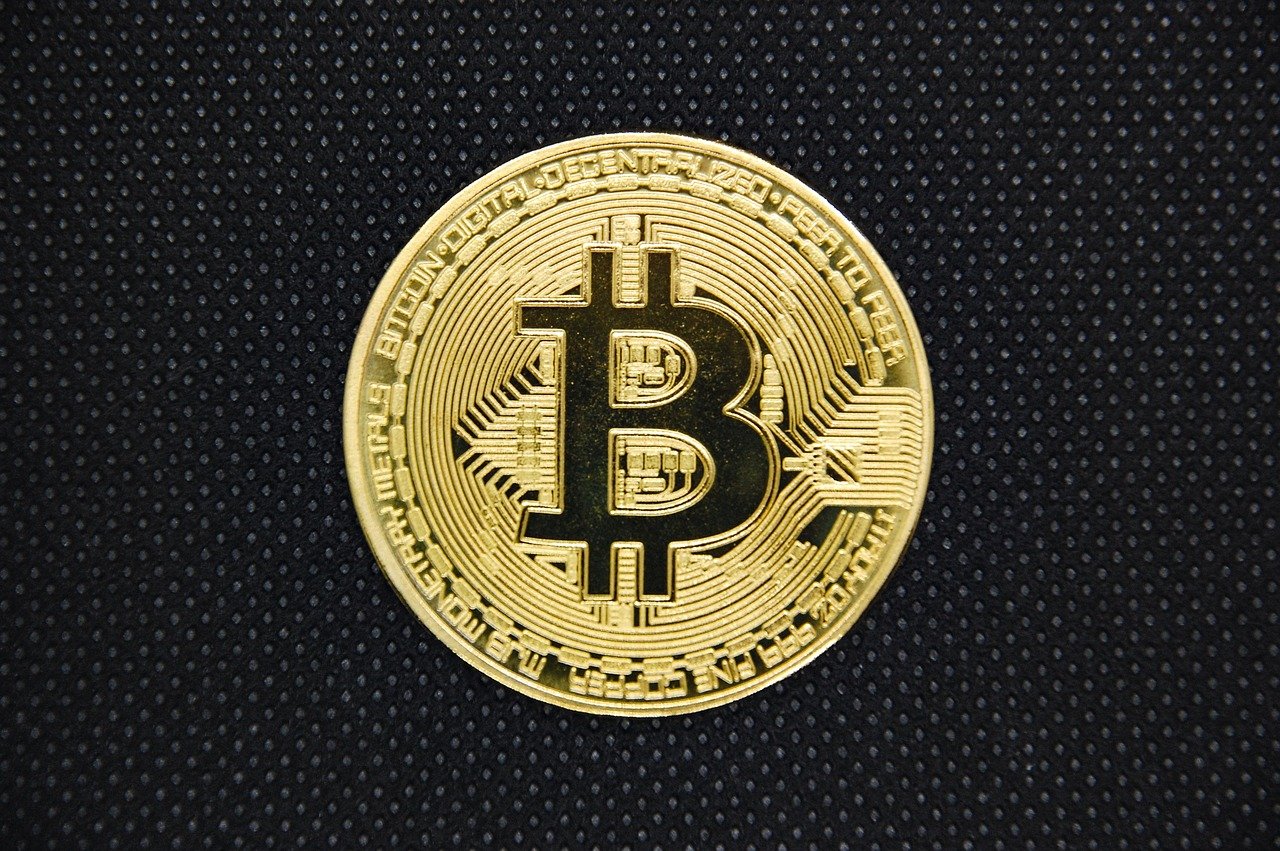
Image credited by @Pixabay
The Bitcoin price in 2025 has continued to attract widespread attention from investors, analysts, and the general public. As the flagship cryptocurrency, Bitcoin’s value reflects a combination of market demand, regulatory developments, technological adoption, and macroeconomic trends. In recent months, the market has experienced periods of volatility, with price swings influenced by investor sentiment, geopolitical events, and emerging cryptocurrency regulations across major economies.In 2025, Bitcoin has seen renewed interest from institutional investors, including hedge funds, asset managers, and publicly traded companies. These participants bring higher liquidity to the market and influence price stability in certain periods. Institutional adoption often signals confidence in the asset’s long-term value, which can attract additional retail investors seeking both capital gains and portfolio diversification.
Technological developments also impact Bitcoin’s price movements. Upgrades to blockchain infrastructure, enhanced scalability solutions, and improved security protocols contribute to investor confidence. Additionally, the increasing integration of Bitcoin into payment platforms and financial products enhances its utility, further supporting market valuation.
Global economic conditions remain a key factor in determining Bitcoin’s price. Inflation rates, currency fluctuations, and interest rate policies influence investor behavior, as Bitcoin is often considered a hedge against traditional financial risks. Economic uncertainty or financial market instability can lead to increased demand for digital assets, driving price appreciation.
Market sentiment, fueled by news coverage, social media trends, and public figures’ endorsements, can create rapid price movements. Positive sentiment tends to generate buying pressure, while negative developments—such as regulatory crackdowns or technological vulnerabilities—can trigger sharp corrections. Traders closely monitor these indicators to anticipate potential price swings and plan strategies accordingly.
Regulatory developments continue to play a critical role in shaping the Bitcoin market. Countries with progressive cryptocurrency policies often experience higher market participation and price stability, while restrictive regulations can cause uncertainty and temporary sell-offs. Investors carefully watch legal frameworks to assess risks and potential growth opportunities.
Investor strategies in 2025 have diversified. Some focus on long-term holding, betting on Bitcoin’s enduring value, while others engage in short-term trading to capitalise on volatility. Advanced tools, analytics platforms, and algorithmic trading solutions allow market participants to make data-driven decisions, contributing to market efficiency.
In conclusion, Bitcoin’s price in 2025 is shaped by a complex interplay of institutional adoption, technological innovation, global economic factors, regulatory developments, and market sentiment. Investors and analysts continue to monitor these dynamics closely, as they determine short-term fluctuations and long-term trends in the cryptocurrency ecosystem.
Factors Influencing Bitcoin Price
Several factors influence Bitcoin’s price in 2025, ranging from market dynamics to external economic conditions. One of the primary drivers is supply and demand. Bitcoin’s fixed supply of 21 million coins creates scarcity, and fluctuations in demand directly impact price movements. As adoption grows among individuals, businesses, and institutions, demand can outpace supply, driving the market upward.Regulatory developments are another critical factor. Governments and financial authorities worldwide continue to shape the cryptocurrency landscape through policies, taxation rules, and legal frameworks. Positive regulatory support, such as clearer guidelines or crypto-friendly legislation, often boosts investor confidence and encourages wider participation, whereas restrictive measures can trigger market pullbacks.
Technological advancements within the Bitcoin ecosystem also affect its valuation. Improvements in blockchain security, transaction speed, and scalability make Bitcoin more practical for everyday use, increasing its appeal to both retail and institutional investors. Innovations such as layer-two solutions, lightning network adoption, and wallet enhancements reduce friction in transactions, fostering broader usability.
Macro-economic conditions, including inflation rates, interest rates, and currency devaluation, play a significant role. Bitcoin is often considered a hedge against traditional financial instability. For example, rising inflation in fiat currencies can prompt investors to diversify into digital assets, supporting upward price trends.
Market sentiment and investor psychology heavily influence Bitcoin prices. Social media, public endorsements, and news reports can spark rapid buying or selling activity. Positive sentiment can trigger price rallies, while negative news, such as security breaches or regulatory crackdowns, can lead to sudden declines. Traders use technical analysis, sentiment analysis, and market indicators to anticipate these movements.
Institutional investment also impacts Bitcoin’s market performance. As more hedge funds, corporations, and investment firms allocate resources to Bitcoin, price stability and credibility increase. Institutional participation often signals market maturity and attracts additional investors seeking long-term value.
Geopolitical events can indirectly influence Bitcoin’s price. Economic uncertainty, political unrest, and financial market turbulence often lead investors to seek alternative assets, with Bitcoin frequently benefiting from a “safe-haven” perception. Conversely, global stability and strong equity markets may reduce the urgency to invest in cryptocurrencies.
In conclusion, Bitcoin’s price in 2025 is shaped by a combination of scarcity, regulatory developments, technological progress, macroeconomic conditions, market sentiment, institutional involvement, and global events. Understanding these factors provides insight into the cryptocurrency’s performance, potential volatility, and long-term value prospects.
Bitcoin Price Trends in 2025
Throughout 2025, Bitcoin has displayed notable price trends that reflect both market maturity and persistent volatility. Early in the year, the cryptocurrency experienced a period of consolidation, with prices fluctuating within a relatively stable range. Analysts attribute this to market participants adjusting to previous year’s volatility, coupled with increased institutional involvement, which tends to dampen extreme swings in price.Mid-year trends highlighted renewed bullish momentum, driven by broader adoption of cryptocurrencies and positive regulatory signals in key markets. Corporate acceptance, integration into payment systems, and the launch of new financial products tied to Bitcoin contributed to growing demand. This period saw increased trading volumes and higher investor confidence, pushing the price to new local highs.
Conversely, short-term corrections occurred in response to negative market news or geopolitical events, demonstrating Bitcoin’s continued sensitivity to sentiment-driven fluctuations. These dips, while temporary, serve as reminders of the asset’s inherent volatility, influencing traders’ risk management strategies and long-term investment decisions.
Technical analysis trends in 2025 reveal Bitcoin’s price often follows identifiable support and resistance levels. These levels have been used by traders to anticipate potential breakout points or retracement zones. Chart patterns such as consolidations, trend channels, and moving average crossovers provided signals that guided short-term and long-term trading strategies.
The influence of emerging market participation is also evident. Countries and regions with increasing crypto adoption have contributed to higher transaction volumes, influencing price dynamics. Bitcoin’s price trends reflect a combination of global demand, local market activity, and speculative interest, creating patterns that can be analysed for predictive insights.
Seasonal patterns have played a subtle role in price movement as well. Historically, certain periods within the year witness higher trading activity due to investor behaviour, market cycles, and macroeconomic factors. Recognising these cycles allows traders and investors to position themselves strategically within the 2025 market landscape.
In conclusion, Bitcoin’s price trends in 2025 reflect a balance of growth, volatility, and market maturation. Periods of consolidation, bullish rallies, and corrections all contribute to the evolving price trajectory, highlighting the cryptocurrency’s dynamic nature. Understanding these trends enables investors to make informed decisions, anticipate market movements, and navigate the complexities of the digital asset ecosystem.
Impact of Global Events on Bitcoin Price
Bitcoin’s price in 2025 continues to be heavily influenced by global events, reflecting its sensitivity to economic, political, and technological developments worldwide. Macroeconomic shifts, such as inflationary pressures, interest rate changes, and currency fluctuations, can prompt investors to seek alternative assets like Bitcoin, often driving price surges. Conversely, periods of economic stability may reduce the urgency for digital asset investment, leading to temporary price stagnation.Geopolitical events also play a significant role. Political instability, conflicts, or trade disruptions can lead investors to diversify portfolios, with Bitcoin frequently considered a “safe-haven” asset. Such scenarios often increase demand, causing price spikes, whereas resolutions or stabilisation in global affairs may see markets normalising.
Technological advancements, both within and outside the cryptocurrency space, impact market confidence. Innovations such as blockchain upgrades, enhanced security protocols, and faster transaction processing strengthen Bitcoin’s utility and market perception. Conversely, cyber-attacks, security breaches, or failures in blockchain infrastructure can negatively influence price due to perceived risk.
Regulatory decisions across major economies continue to create market ripples. Announcements regarding taxation, cryptocurrency legality, and institutional investment guidelines often trigger immediate market reactions. Positive regulations increase investor confidence and attract capital inflows, while restrictive measures can cause rapid sell-offs or price corrections.
Market sentiment, often amplified by social media, news outlets, and influential public figures, interacts with global events to create volatility. For instance, endorsements from financial leaders or corporations can boost investor optimism, whereas negative commentary or skepticism can dampen enthusiasm and affect prices.
Natural disasters, pandemics, or unexpected global crises may also indirectly affect Bitcoin. In uncertain times, investors often reevaluate risk exposure, and cryptocurrencies like Bitcoin may become an attractive alternative to traditional financial systems, influencing market behaviour and pricing dynamics.
In conclusion, global events—ranging from economic fluctuations and geopolitical tensions to technological innovations and regulatory changes—play a crucial role in shaping Bitcoin’s price in 2025. Market participants must remain vigilant, as these external factors can drive both rapid growth and sudden corrections, highlighting the interconnected nature of global events and cryptocurrency valuation.
Investment Strategies and Bitcoin
Investing in Bitcoin in 2025 requires a strategic approach due to the cryptocurrency’s inherent volatility and evolving market landscape. Long-term holding, often referred to as HODLing, remains a popular strategy. Investors who purchase Bitcoin and hold it over extended periods aim to benefit from potential appreciation as adoption grows, technological improvements continue, and institutional confidence strengthens.Short-term trading is another common strategy. Traders capitalise on price volatility by buying low and selling high within shorter timeframes, sometimes using technical analysis tools, chart patterns, and algorithmic trading systems. This approach demands careful monitoring of market trends, sentiment indicators, and global developments to optimise entry and exit points.
Dollar-cost averaging (DCA) has gained traction as a method to mitigate risk. By investing a fixed amount regularly, regardless of price, investors reduce the impact of short-term fluctuations and accumulate Bitcoin over time. This disciplined approach can be particularly useful during periods of heightened market volatility, allowing for gradual portfolio growth.
Diversification is critical for managing risk in cryptocurrency investment. Many investors combine Bitcoin with other digital assets, traditional investments, or stablecoins to balance potential returns with risk exposure. Diversified portfolios help mitigate losses during market corrections while maintaining exposure to Bitcoin’s long-term growth potential.
Institutional strategies have also influenced market behaviour. Hedge funds, asset managers, and corporate treasuries use advanced analytics, derivatives, and futures markets to hedge positions, increase liquidity, and stabilise portfolios. Their participation provides insights into market sentiment and reinforces investor confidence in Bitcoin’s legitimacy as an asset class.
Risk management remains central to all investment approaches. Stop-loss orders, position sizing, and portfolio allocation strategies help protect investors from sudden downturns. Understanding market dynamics, global influences, and regulatory environments is crucial for maintaining disciplined and informed investment practices.
In conclusion, Bitcoin investment in 2025 requires a balance of strategic planning, risk management, and market awareness. Long-term holding, short-term trading, dollar-cost averaging, diversification, and institutional insights collectively guide investors in navigating a complex and dynamic market. By employing these strategies, participants can optimise their potential for returns while managing the inherent risks associated with cryptocurrency investments.
Future Outlook for Bitcoin
The future outlook for Bitcoin in 2025 and beyond remains a subject of keen interest among investors, analysts, and financial institutions. Despite its inherent volatility, Bitcoin’s long-term trajectory is influenced by increasing adoption, technological advancements, regulatory clarity, and broader integration into global financial systems. These factors suggest that Bitcoin could continue to grow in value and prominence as a key digital asset.One of the primary drivers for Bitcoin’s future growth is wider institutional adoption. As more corporations, investment funds, and banks embrace cryptocurrencies, liquidity and market stability improve. Institutional participation signals confidence, attracting additional retail and professional investors who anticipate long-term value appreciation.
Technological development continues to shape Bitcoin’s future. Improvements to blockchain scalability, transaction speed, and security not only enhance usability but also strengthen investor confidence. Innovations like layer-two solutions and cross-chain interoperability expand Bitcoin’s utility, increasing its relevance for both payments and investment purposes.
Regulatory developments will remain critical in determining Bitcoin’s trajectory. Countries that provide clear, supportive legal frameworks encourage market participation and institutional involvement, which could drive sustained growth. Conversely, restrictive policies or uncertainty may introduce temporary volatility but are unlikely to halt adoption entirely.
Market perception and public sentiment also play a role. As Bitcoin becomes increasingly recognised as a legitimate financial instrument, confidence in its long-term value may grow. Media coverage, thought leadership, and educational efforts help shape public understanding, potentially reducing speculative panic and fostering more stable market behaviour.
Global economic factors, such as inflation, currency devaluation, and geopolitical uncertainty, are likely to continue influencing demand. Bitcoin is often viewed as a hedge against traditional financial risks, making it attractive during periods of economic instability. This perception may support sustained investment and long-term price appreciation.
In conclusion, Bitcoin’s future outlook in 2025 appears promising, driven by institutional adoption, technological innovation, regulatory clarity, and macroeconomic factors. While short-term volatility is expected, the cryptocurrency’s growing integration into financial systems and increasing acceptance as a store of value indicate potential for continued growth, making it a key asset in the evolving global economy.
Bitcoin Price Forecast and Market Analysis
Forecasting Bitcoin’s price in 2025 requires analysing market trends, investor sentiment, macroeconomic factors, and technological developments. While precise predictions are challenging due to inherent volatility, analysts anticipate a cautiously optimistic outlook. Continued adoption by institutions, integration into payment systems, and wider public acceptance are likely to support a stable upward trajectory, with periodic corrections reflecting market sentiment and external events.Technical analysis suggests that Bitcoin’s price may continue to follow established support and resistance levels, providing traders with indicators for potential entry and exit points. Chart patterns, moving averages, and trend lines are frequently used to anticipate potential price movements, while volatility metrics help assess risk levels for short-term trading.
Investor behaviour and market psychology play a pivotal role in price forecasts. Positive developments such as regulatory clarity, technological advancements, and corporate endorsements tend to boost confidence, prompting buying activity. Conversely, negative news—such as cybersecurity breaches, regulatory restrictions, or macroeconomic instability—can trigger rapid sell-offs.
Global economic conditions remain a key determinant of Bitcoin’s performance. Rising inflation, currency devaluation, and financial uncertainty often encourage investment in digital assets. In contrast, economic stability or strong equity markets may reduce demand, impacting price growth. Investors should consider these macroeconomic trends when evaluating Bitcoin’s potential trajectory.
Market liquidity and trading volumes also influence short-term and long-term price stability. Higher liquidity, often driven by institutional participation, helps absorb large transactions without causing extreme price swings. This contributes to a more predictable market environment, supporting both retail and professional trading strategies.
Emerging trends, including the adoption of AI-driven trading, derivatives markets, and advanced analytical tools, enhance market efficiency and inform forecasting models. These innovations allow for more data-driven decision-making, enabling investors to anticipate potential market movements with greater accuracy.
In conclusion, while Bitcoin’s price in 2025 remains inherently volatile, market indicators, institutional adoption, technological progress, and macroeconomic factors suggest a cautiously positive outlook. Traders and investors can utilise technical analysis, risk management strategies, and market insights to navigate fluctuations, optimising opportunities while managing potential risks in this evolving digital asset landscape.
Call to Action
For anyone interested in Bitcoin in 2025, now is an ideal time to stay informed and actively engage with the market. Following reliable news sources, subscribing to cryptocurrency analysis platforms, and monitoring real-time price charts ensures you remain up to date with the latest trends. This knowledge is crucial for making informed investment decisions and anticipating potential market movements.Investors should consider creating a well-structured strategy that aligns with their financial goals, risk tolerance, and investment timeline. Whether engaging in long-term holding, short-term trading, or a combination of strategies, disciplined planning helps maximise potential returns while mitigating risks associated with Bitcoin’s volatility.
Diversifying investment portfolios is essential. Incorporating Bitcoin alongside other cryptocurrencies, traditional assets, or stablecoins can reduce exposure to sudden market fluctuations and provide balanced growth potential. Diversification ensures a more resilient portfolio capable of weathering both bull and bear cycles in the cryptocurrency market.
Utilising advanced tools and platforms can also enhance investment outcomes. AI-driven analytics, trading bots, and portfolio management applications provide insights into market trends, sentiment, and trading opportunities. These tools assist both beginner and experienced investors in making data-driven decisions and executing timely trades.
For those new to Bitcoin, education is key. Learning about blockchain technology, market dynamics, and risk management enables more confident participation in the digital asset space. Online courses, webinars, and cryptocurrency communities offer valuable resources to build knowledge and expertise.
Engaging with the Bitcoin community can enhance understanding and provide support. Forums, social media groups, and local meetups allow investors to share experiences, exchange insights, and stay connected to emerging trends. Community engagement fosters informed decision-making and encourages responsible investment practices.
In conclusion, staying informed, planning strategically, diversifying investments, leveraging technology, and engaging with the community are essential steps for anyone interested in Bitcoin in 2025. By adopting these practices, investors can navigate market volatility, capitalise on opportunities, and participate confidently in the evolving cryptocurrency landscape.
AI Overview
Artificial intelligence (AI) plays an increasingly important role in the cryptocurrency market, particularly with Bitcoin in 2025. Investors, traders, and institutions leverage AI to enhance decision-making, improve trading strategies, manage risk, and predict market trends. The integration of AI into the cryptocurrency ecosystem reflects a broader technological evolution that is reshaping how digital assets are analysed and traded.One key application of AI in Bitcoin trading is predictive analytics. Machine learning algorithms process historical price data, trading volumes, sentiment analysis from social media, and global economic indicators to forecast potential price movements. These predictions help traders anticipate market fluctuations, identify buying or selling opportunities, and make data-driven decisions.
AI-driven trading bots are another major innovation. These systems execute trades automatically based on predefined criteria, algorithms, and real-time market data. For Bitcoin investors, trading bots provide the advantage of operating 24/7, capitalising on market volatility, and executing trades faster than human participants. This efficiency improves liquidity and enhances market responsiveness.
Risk management is also improved through AI. Algorithms can analyse market volatility, assess exposure, and recommend optimal portfolio allocations. Investors can use AI to implement stop-loss strategies, hedge positions, and diversify investments based on predictive models, reducing the impact of sudden market swings.
Market sentiment analysis is increasingly powered by AI. Natural language processing (NLP) algorithms scan social media platforms, news articles, and public forums to detect trends, emotions, and potential market-moving events. Positive sentiment can signal upcoming price increases, while negative sentiment may warn of potential corrections, allowing traders to respond proactively.
AI also supports institutional investors and hedge funds in managing large Bitcoin holdings. By analysing trading patterns, liquidity metrics, and market depth, AI provides insights that inform investment strategies and prevent adverse market impacts during significant transactions. This helps maintain stability and efficiency in high-stakes environments.
Blockchain analytics powered by AI further enhances security and transparency. AI can detect suspicious activity, monitor network health, and prevent fraud, contributing to a safer trading environment for both retail and institutional participants. This builds confidence in the Bitcoin ecosystem and encourages broader adoption.
In conclusion, AI is transforming how Bitcoin is traded, analysed, and managed in 2025. From predictive analytics and trading bots to sentiment analysis, risk management, and blockchain monitoring, AI provides critical insights that help investors make informed decisions. The integration of AI into cryptocurrency markets enhances efficiency, security, and overall market understanding, reflecting the growing importance of technology in shaping the future of digital finance.
FAQs
What is the current price of Bitcoin in 2025?
Bitcoin’s price fluctuates constantly due to market dynamics. Real-time updates are available through cryptocurrency exchanges, financial news websites, and trading platforms, providing investors with the latest valuation.
What factors influence Bitcoin’s price?
Price movements are influenced by supply and demand, market sentiment, regulatory developments, institutional adoption, technological innovations, and macroeconomic conditions like inflation and currency fluctuations.
Is Bitcoin a safe investment in 2025?
While Bitcoin offers potential for high returns, it is inherently volatile. Investors should employ risk management strategies, diversify their portfolios, and stay informed about market trends and regulatory changes to minimise risks.
Can I use Bitcoin for everyday transactions?
Bitcoin is increasingly accepted by merchants, payment platforms, and online services. However, adoption varies by region, and transaction speed and fees should be considered when using Bitcoin for payments.
How can I buy Bitcoin safely?
Safe purchasing involves using reputable cryptocurrency exchanges, enabling two-factor authentication, and storing Bitcoin in secure wallets. Educating oneself on best security practices is essential to avoid fraud or hacking.
What is the impact of global events on Bitcoin?
Economic uncertainty, geopolitical events, inflation, and regulatory announcements can all influence Bitcoin’s price. Investors often monitor these factors closely to anticipate market reactions and adjust strategies.
What is dollar-cost averaging (DCA) in Bitcoin investing?
DCA is a strategy where investors purchase a fixed amount of Bitcoin at regular intervals, reducing the impact of volatility and allowing gradual accumulation over time.
How do institutional investors affect Bitcoin price?
Institutional participation increases liquidity, market stability, and credibility. Their involvement can influence trends, attract retail investors, and reduce extreme price volatility.
Is Bitcoin regulated globally?
Regulation varies by country. Some regions have clear frameworks supporting cryptocurrency use, while others impose restrictions or bans. Understanding local regulations is critical for investors.
Why does Bitcoin remain popular despite volatility?
Bitcoin’s appeal lies in its scarcity, decentralisation, potential as a hedge against traditional finance, and increasing mainstream adoption. Its global recognition and utility continue to attract investors.
People Also Ask (Why Section)
Why does Bitcoin’s price fluctuate so much?
Bitcoin is inherently volatile due to its limited supply, speculative trading, global demand, and sensitivity to news, regulations, and investor sentiment. Price swings are amplified by high market liquidity and rapid market reactions.
Why is Bitcoin considered a hedge against inflation?
Bitcoin has a fixed supply of 21 million coins, making it resistant to devaluation caused by currency inflation. Investors often turn to Bitcoin during periods of high inflation to preserve purchasing power.
Why do institutional investors influence Bitcoin prices?
Large-scale institutional investments increase liquidity, market credibility, and trading volume. Their participation signals confidence, attracting additional retail investors and often stabilising price movements.
Why is regulatory clarity important for Bitcoin?
Clear regulations provide security and confidence for investors and institutions. Ambiguous or restrictive policies can cause uncertainty, reducing adoption and triggering price volatility.
Why is technological advancement crucial for Bitcoin?
Improvements in blockchain scalability, security, and transaction speed enhance usability and investor confidence. Technological innovations like the Lightning Network facilitate faster, cheaper transactions, increasing Bitcoin’s appeal.
Why do global economic events affect Bitcoin?
Events like inflation, currency devaluation, and geopolitical tensions impact investor behaviour. Bitcoin is often viewed as an alternative asset, causing demand to rise during economic uncertainty.
Why do people use AI in Bitcoin trading?
AI analyses large datasets, predicts market trends, manages risk, and automates trading. These capabilities allow investors to make informed decisions and respond quickly to market changes.
Why is diversification recommended when investing in Bitcoin?
Diversifying reduces exposure to Bitcoin’s volatility and market risks. Combining it with other assets balances potential returns with risk management, ensuring a more resilient investment portfolio.
Why is sentiment analysis important in cryptocurrency?
Market sentiment, influenced by news, social media, and public opinion, drives buying and selling behaviour. Understanding sentiment helps investors anticipate market movements and make timely decisions.
Why is Bitcoin still relevant in 2025?
Bitcoin remains relevant due to its decentralisation, growing adoption, recognition as a digital asset, and role as a potential hedge against financial instability. It continues to attract investors and institutions worldwide.
Final Thoughts
Bitcoin in 2025 remains one of the most closely watched digital assets globally, reflecting both the promise and challenges of cryptocurrency investing. Its price continues to be shaped by a dynamic interplay of market demand, technological innovation, regulatory developments, global economic conditions, and investor sentiment. Despite inherent volatility, Bitcoin has shown resilience, growing adoption, and increasing integration into mainstream financial systems.Institutional involvement has been a key driver of market stability and confidence. Hedge funds, investment firms, and corporations investing in Bitcoin have brought liquidity and credibility, encouraging broader participation. This institutional support, combined with technological improvements such as blockchain upgrades and layer-two solutions, enhances Bitcoin’s usability and long-term potential.
Regulatory clarity remains essential for sustained growth. Markets where governments provide clear, supportive policies often experience stronger investor confidence and higher adoption rates. Conversely, regulatory uncertainty can create short-term volatility, but the long-term trend continues to reflect growing acceptance of digital assets.
Investor strategies play a crucial role in navigating Bitcoin’s market. Long-term holding, short-term trading, dollar-cost averaging, and diversification are all effective approaches to manage risk and maximise returns. Additionally, the integration of AI-driven analytics and trading tools has transformed market participation, enabling informed decision-making and more responsive trading strategies.
Global economic conditions, including inflation, currency fluctuations, and geopolitical events, continue to influence Bitcoin’s perception as a safe-haven asset. Investors seeking alternatives to traditional financial instruments often turn to Bitcoin, reinforcing its role as a valuable addition to diversified portfolios.
In conclusion, Bitcoin in 2025 represents a mature yet evolving financial instrument with significant potential and inherent risks. Staying informed, adopting sound investment strategies, leveraging technology, and understanding market dynamics are critical for participants seeking to capitalise on opportunities while managing volatility. As the cryptocurrency ecosystem grows, Bitcoin remains a central player, bridging the gap between traditional finance and the emerging digital economy.
For additional analysis on companies, investments, and regional growth, visit our business section:
Accountant for Small Business Liverpool UK 2025: Reliable Chartered Accountants & Tax Experts
Liverpool Business Survey 2025: Insights and Trends Shaping the City’s Economy
Liverpool Retail Sector Overview 2025: Trends, Growth, and Market Insights
Liverpool Logistics and Distribution Companies 2025: Leading Providers and Services
For More News; Liverpool Herald
For more verified updates, you can also check trusted sources like:-
About the Author
