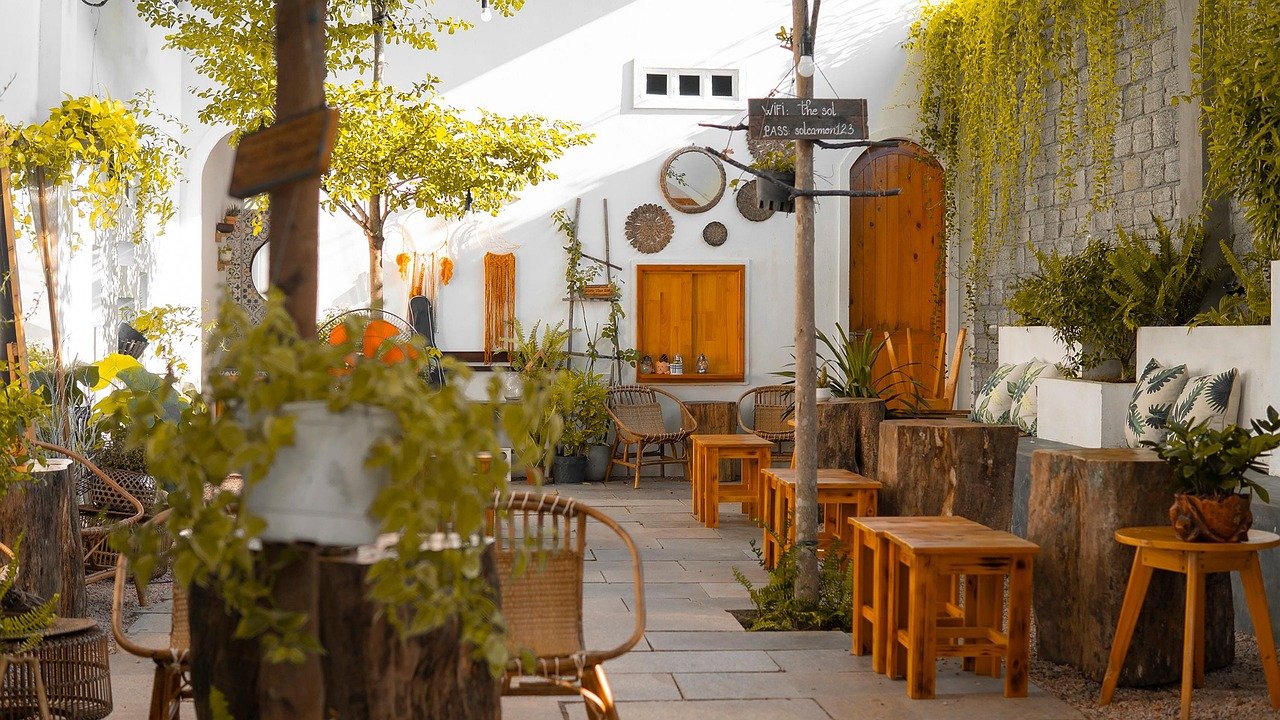
Image credited by @Pixabay
Liverpool in 2025 is renowned not just for its cultural heritage and music scene, but also for its thriving independent café culture. The city has witnessed a remarkable growth in locally owned cafés, each offering a unique combination of quality coffee, inventive menus, and welcoming atmospheres. Whether tucked away on bustling city streets, hidden in quiet courtyards, or overlooking the waterfront, these cafés have become integral to the social and culinary fabric of Liverpool.
Independent cafés in Liverpool are more than just places to enjoy a drink or a snack—they are community hubs where locals meet, work, relax, and connect. They reflect the city’s creativity, entrepreneurial spirit, and commitment to sustainability. Many cafés source their ingredients locally, focusing on high-quality beans, artisanal baked goods, and fresh, seasonal produce. This approach ensures that every cup of coffee and every plate served supports local businesses and promotes ethical consumption.
Bold Street, Ropewalks, and the Georgian Quarter have become focal points for this café culture, offering a diverse mix of experiences from minimalistic coffee bars to vibrant, plant-filled spaces. Each café has its own personality, often shaped by the owners’ passion, the design of the space, and the community it serves. This individuality gives visitors a sense of discovery, encouraging them to explore the city beyond the main tourist attractions.
Liverpool’s independent cafés also embrace inclusivity and dietary variety. Vegan, vegetarian, and health-conscious options are widely available, ensuring that every visitor or resident can enjoy a meal or snack tailored to their preferences. Specialty drinks, including ethically sourced coffee, artisanal teas, and seasonal creations, complement innovative menus, creating memorable experiences for all who visit.
The city’s café culture is intertwined with creativity and lifestyle trends. Many cafés host events, workshops, and exhibitions, making them spaces where food, art, and community converge. From live music evenings to coffee-tasting workshops, these activities foster engagement and provide platforms for local artists, bakers, and baristas to showcase their skills.
In 2025, independent cafés are redefining how people experience coffee and dining in Liverpool. They combine quality, atmosphere, innovation, and community engagement, making them essential stops for residents, visitors, and food enthusiasts alike. Exploring these cafés provides insight into Liverpool’s dynamic and evolving food scene, while also highlighting the city’s commitment to creativity, sustainability, and independent enterprise.
Liverpool’s independent cafés are more than just places to eat and drink—they are reflections of the city itself, capturing its history, energy, and progressive spirit. For anyone seeking a blend of culture, community, and exceptional culinary experiences, the city’s café scene offers a journey that is both delightful and enriching.
Standout Independent Cafés in Liverpool City Centre
Liverpool city centre is home to a number of independent cafés that have become landmarks in their own right. These venues are celebrated for their exceptional coffee, creative menus, and distinctive atmospheres that capture the essence of the city’s café culture. Among them, 92 Degrees Coffee on Jamaica Street stands out for its combination of artisanal beans, expertly brewed drinks, and a welcoming, industrial-chic environment. Its focus on quality coffee and community engagement has made it a favourite among locals and visitors alike.
Another notable venue is Ropes & Twines on Bold Street, a café that uniquely blends specialty coffee with a comfortable, stylish interior. Known for its relaxed environment, it is ideal for solo visits, meet-ups, or casual business meetings. Their menus often feature artisanal toasties and creative coffee options that highlight the café’s commitment to craftsmanship and taste. The attention to detail in both the beverages and the décor provides an experience that goes beyond the ordinary, making it a must-visit for coffee enthusiasts.
The Vibe Café, located in the city centre, represents Liverpool’s growing interest in plant-based dining. Fully vegan and family-owned, it combines a diverse menu of hot and cold meals with specialty coffee, all served in a vibrant, contemporary setting. This café is not only about food; it embodies a lifestyle approach, appealing to health-conscious visitors while offering indulgent treats for those seeking a unique culinary experience. Seasonal drinks and signature baked goods further enhance its appeal, making it a hotspot for locals and tourists exploring plant-based options.
Thoughtfully Café is a hidden gem that adds character to Liverpool’s café scene. Tucked near city-centre courtyards, it offers a rustic, plant-filled space that creates a calm and inviting atmosphere. Its offerings include freshly brewed coffees, specialty teas, and a variety of cakes and pastries. The café’s intimate setting encourages patrons to relax, read, or work in a peaceful environment, providing an escape from the city’s busy streets. It is celebrated for its attention to detail and the personalised experience it provides.
Cow & Co., also situated in a quieter part of the city centre, delivers an exceptional combination of quality sandwiches, freshly made cakes, and expertly brewed coffee. Known for its halloumi sandwiches and strong independent vibe, this café caters to those looking for a small, charming spot that prioritises flavour and quality over large-scale commercial operations. Its understated charm and focus on customer experience make it an essential stop on any independent café tour of Liverpool.
Together, these city-centre cafés highlight the diversity and creativity of Liverpool’s independent café culture. Each establishment has a unique identity, whether it is the dedication to specialty coffee, the embrace of plant-based dining, or the creation of a serene retreat from urban life. Exploring these cafés provides a comprehensive introduction to what makes Liverpool a dynamic and exciting city for food and coffee lovers.
Independent Cafés in the Georgian Quarter and Surrounding Areas
Liverpool’s Georgian Quarter and nearby streets have become hubs for independent cafés, offering a unique blend of history, architecture, and culinary creativity. In this area, cafés are often housed in historic buildings, combining period features with contemporary interiors to create warm and inviting spaces. The combination of charm, quality coffee, and thoughtfully prepared menus makes these cafés ideal for both casual visits and leisurely afternoons.
One standout is Leaf Café, known for its artisanal teas and freshly brewed coffee. The café prides itself on sourcing high-quality ingredients and offering a range of homemade cakes and pastries. Its cosy interior, with vintage décor and leafy plants, provides an atmosphere conducive to reading, working, or socialising. The café is particularly popular among students and creative professionals who appreciate the balance of tranquillity and community energy.
Nearby, Bold Street also hosts several small cafés that have gained reputations for their innovative menus. Many focus on specialty coffee, offering pour-over, siphon, and cold brew options that highlight the flavours of single-origin beans. These cafés often pair their drinks with gourmet toasties, vegan pastries, and seasonal salads, demonstrating a commitment to quality, sustainability, and creativity. The cafés encourage exploration and discovery, as each venue offers a slightly different experience in terms of flavour, décor, and service.
The Georgian Quarter is also home to several plant-based and health-conscious cafés. Venues like The Green Bean Café emphasise ethical sourcing, organic ingredients, and nutritional balance. Patrons can enjoy smoothies, plant-based cakes, and wholesome lunches alongside expertly brewed coffees or teas. These cafés cater to Liverpool’s growing audience of vegan and health-conscious diners, while also appealing to those simply seeking fresh, high-quality food in a friendly and welcoming setting.
Many cafés in this area embrace community engagement, hosting small events such as coffee tastings, art exhibitions, and workshops. These activities transform cafés into cultural hubs, where patrons can enjoy more than just food and drink. This approach strengthens connections with local residents, while also providing platforms for artists, bakers, and baristas to showcase their talents and creativity.
The Georgian Quarter also has cafés that excel in creating intimate, personalised experiences. Small seating areas, carefully curated décor, and attentive service ensure that visitors feel valued and comfortable. These venues often become favourites for repeat visits, as the combination of quality coffee, culinary excellence, and atmosphere fosters a strong sense of loyalty among patrons.
Another distinctive feature of cafés in this area is their attention to sustainability. Many establishments minimise waste, source locally, and use environmentally friendly packaging. This commitment reflects Liverpool’s broader green initiatives and appeals to customers who value ethical and sustainable practices in their dining choices. By prioritising sustainability, these cafés demonstrate that environmental responsibility and high-quality dining can go hand in hand.
In conclusion, Liverpool’s Georgian Quarter and surrounding areas offer a rich and varied independent café culture. From artisan coffee houses to plant-based havens and community-focused spaces, these cafés showcase the city’s creativity, commitment to quality, and progressive values. Exploring this area allows visitors to experience both the historical charm of Liverpool and its innovative culinary scene, making it a must-visit destination for coffee lovers, food enthusiasts, and anyone seeking a vibrant, authentic café experience.
Independent Cafés in Suburban Neighbourhoods and Hidden Gems
Liverpool’s suburban neighbourhoods are home to a growing number of independent cafés that combine community spirit, creativity, and exceptional food and drink. Away from the bustling city centre, these cafés offer quieter, more intimate spaces where residents and visitors can relax, work, or socialise. The charm of suburban cafés lies in their ability to create welcoming environments that reflect the character of the local area, often with a strong focus on locally sourced ingredients and personalised service.
One standout example is The Quarter Café in Wavertree, which has become a hub for residents seeking quality coffee and a comfortable space to unwind. The café’s interior blends modern design with rustic touches, creating a warm and inviting atmosphere. Its menu features freshly brewed coffee, a range of teas, and homemade pastries and sandwiches. Regular patrons appreciate the attention to detail in both service and food preparation, making it a reliable destination for everyday visits.
In Aigburth, The Greenhouse Café has carved a niche by emphasising plant-based and health-conscious offerings. Smoothies, hearty salads, and vegan desserts pair seamlessly with expertly brewed coffee and speciality teas. The café encourages a relaxed, mindful dining experience, appealing to those who prioritise wellness and sustainability. Its leafy, bright interior and community-focused events, such as art displays and local music evenings, enhance the overall experience, creating a space that is both energising and restorative.
Another hidden gem is Bean & Bloom in Allerton, a café that doubles as a florist, combining fragrant blooms with freshly brewed coffee and light bites. The fusion of coffee culture with nature-inspired décor makes it a sensory delight. Patrons often visit not only for the coffee and food but also for the aesthetic experience, enjoying a peaceful and creative environment that encourages lingering over a book, laptop, or conversation with friends.
Suburban cafés frequently offer menus that highlight seasonal, local ingredients. This approach supports local producers and ensures that offerings are fresh and high-quality. From sandwiches and pastries to soups and speciality drinks, these cafés deliver culinary experiences that rival those found in the city centre. The emphasis on quality and provenance has helped suburban independent cafés build loyal customer bases and strong reputations within their communities.
Many of these cafés also function as cultural hubs, hosting small workshops, community gatherings, and family-friendly events. This integration of social activity transforms cafés into spaces where people connect, share ideas, and celebrate local creativity. Whether it’s a pottery workshop, live acoustic music, or a coffee-tasting session, these activities enrich the experience and foster a sense of belonging among patrons.
Suburban cafés also tend to emphasise sustainability, with eco-friendly packaging, minimal waste practices, and ethical sourcing of coffee and ingredients. These principles align with Liverpool’s broader environmental initiatives and attract customers who value ethical consumption. By prioritising sustainability alongside high-quality service, these cafés demonstrate that responsible practices and exceptional dining experiences can coexist successfully.
In conclusion, Liverpool’s suburban independent cafés provide a balance of tranquillity, quality, and community engagement. They offer welcoming spaces where people can enjoy expertly prepared coffee, fresh and seasonal food, and a creative, inspiring environment. Exploring these hidden gems allows visitors to appreciate the diversity of Liverpool’s café culture beyond the city centre, highlighting the city’s commitment to innovation, sustainability, and local identity.
Plant-Based and Health-Conscious Cafés in Liverpool
Liverpool’s café culture in 2025 reflects a growing awareness of health, wellness, and ethical consumption, with an increasing number of establishments offering plant-based and health-conscious options. These cafés cater not only to vegans and vegetarians but also to those seeking nutritious, balanced meals that align with contemporary lifestyle choices. By emphasising fresh, locally sourced ingredients, creative menus, and sustainable practices, these cafés have become a prominent part of the city’s independent food scene.
The Vibe Café in the city centre exemplifies this trend. Fully vegan and family-owned, it offers a range of hot and cold meals, freshly baked goods, and a variety of speciality coffees with plant-based milks. Patrons appreciate the café’s vibrant interior, friendly service, and focus on wellness, making it a popular destination for both residents and tourists. Seasonal drinks and daily specials highlight the café’s commitment to creativity, ensuring that each visit offers something new and exciting.
The Green Bean Café in the Georgian Quarter offers an equally compelling plant-based experience. Its menu features wholesome salads, superfood bowls, smoothies, and dairy-free desserts, all paired with expertly brewed coffee or tea. The café’s bright, plant-filled interior creates an energising atmosphere, encouraging customers to linger, socialise, or work in a relaxed setting. Community events, such as yoga mornings and wellness workshops, further enhance its appeal, making it more than just a place to eat—it is a space for holistic lifestyle engagement.
Suburban venues have also embraced this movement. The Greenhouse Café in Aigburth, for instance, combines health-conscious meals with a serene interior and community-focused programming. Smoothies, hearty soups, and vegan sandwiches provide balanced nutrition, while the café’s commitment to sustainable practices, including compostable packaging and locally sourced ingredients, aligns with ethical consumption values. Customers enjoy a combination of quality, convenience, and environmental responsibility.
Many health-focused cafés also emphasise the educational aspect of food and drink. They provide detailed nutritional information, highlight the benefits of plant-based ingredients, and offer guidance on making balanced choices. This approach resonates with Liverpool’s increasingly health-conscious population, empowering patrons to make informed decisions while enjoying delicious meals and beverages.
These cafés often integrate sustainability into every aspect of their operations. From ethically sourced coffee beans to minimal-waste kitchens, plant-based cafés champion environmentally friendly practices. Their focus on sustainability not only appeals to environmentally conscious customers but also sets a benchmark for responsible operations in the wider food and beverage sector.
Additionally, plant-based cafés in Liverpool encourage experimentation with flavours and presentation. Seasonal produce, creative combinations of ingredients, and visually appealing dishes make each visit memorable. Coffee drinks are often paired with innovative plant-based alternatives, allowing patrons to enjoy rich, full-flavoured beverages without compromising on ethics or health.
In conclusion, plant-based and health-conscious cafés represent a significant and dynamic segment of Liverpool’s independent café culture. By combining nutritional awareness, sustainable practices, and culinary creativity, these cafés cater to a diverse audience while promoting ethical consumption and wellness. They enrich the city’s food scene, providing vibrant, inclusive spaces where patrons can enjoy high-quality meals and beverages in thoughtful, welcoming environments.
Artistic and Themed Independent Cafés in Liverpool
Liverpool’s café scene in 2025 is increasingly characterised by artistic, creative, and themed spaces that go beyond food and drink to offer immersive experiences. These cafés combine design, culture, and culinary excellence, creating environments where customers can enjoy high-quality beverages and meals while being inspired by art, music, or unique concepts. Such cafés appeal to locals and visitors alike, offering a memorable atmosphere that differentiates them from standard coffee shops.
One example is Bean & Bloom in Allerton, a café that doubles as a florist. The fusion of fragrant flowers with freshly brewed coffee and light bites creates a sensory delight. Customers often describe the environment as peaceful and uplifting, making it perfect for reading, working, or casual conversations. The aesthetic appeal, combined with carefully curated food and beverage options, encourages patrons to linger and enjoy a relaxed experience.
Another notable venue is Thoughtfully Café near Liverpool ONE, which blends rustic charm with modern design elements. Its leafy interiors, plant-filled corners, and cozy seating arrangements make it a creative retreat from the city’s hustle and bustle. Alongside expertly brewed coffee and freshly made cakes, the café hosts art displays and workshops, allowing local artists to showcase their work and engage with the community. This integration of art and cuisine enhances the cultural value of the café experience.
Café Tabac in Ropewalks represents another approach to themed spaces. Designed with a European, vintage feel, it combines exposed brickwork, antique furnishings, and soft lighting to evoke a classic continental café atmosphere. Its menu complements the décor, offering pastries, gourmet sandwiches, and expertly crafted coffees. Patrons often visit not only for the food but for the overall ambience, which provides a sense of escape and nostalgia.
Liverpool’s themed cafés often cater to specific interests or subcultures, creating niche experiences for their patrons. Gaming cafés, book cafés, and music-focused venues provide spaces where communities with shared interests can gather, combining social interaction with high-quality coffee and snacks. These cafés reflect the city’s creative energy and willingness to experiment with concepts that blend culture and dining.
The design and atmosphere of these cafés play a crucial role in their popularity. Attention to detail in interior styling, lighting, furniture, and layout contributes to a welcoming and engaging environment. Customers often choose these cafés for the experience as much as for the coffee or food, making ambiance a defining feature of Liverpool’s independent café culture.
Artistic cafés also frequently engage in community-focused events, such as live music, poetry readings, and workshops. These initiatives foster a sense of connection between patrons, artists, and café owners, strengthening local networks and supporting creative talent. By combining food, drink, and culture, these cafés enhance Liverpool’s reputation as a city that values innovation and the arts.
In conclusion, artistic and themed independent cafés enrich Liverpool’s culinary landscape by offering unique, immersive experiences that go beyond traditional dining. They attract visitors seeking creativity, inspiration, and quality, creating spaces where culture, community, and cuisine intersect. Exploring these cafés allows patrons to appreciate the city’s artistic spirit while enjoying expertly crafted beverages and food in thoughtfully designed environments.
Sustainable and Ethical Independent Cafés in Liverpool
In 2025, sustainability and ethical practices have become central to Liverpool’s independent café culture. A growing number of cafés prioritise environmentally friendly operations, ethical sourcing, and community responsibility, creating spaces that appeal to conscious consumers. These establishments demonstrate that high-quality coffee and food can coexist with practices that reduce environmental impact and support local producers, establishing Liverpool as a city at the forefront of responsible dining.
Many cafés emphasise the use of locally sourced ingredients, ensuring that pastries, sandwiches, and speciality drinks are made from fresh, seasonal produce. This not only enhances flavour and quality but also reduces the carbon footprint associated with transportation. Venues such as The Green Bean Café and The Vibe Café lead the way in integrating sustainability into their menus, offering plant-based meals, ethically sourced coffee beans, and organic options wherever possible.
Eco-friendly packaging has also become a standard practice for many independent cafés. Compostable cups, biodegradable straws, and recyclable takeaway containers are widely used, reflecting an understanding of modern consumer expectations and environmental responsibility. In addition, some cafés offer incentives for customers who bring reusable cups or containers, further promoting sustainable behaviour and community engagement.
Energy efficiency and waste reduction are also integral to café operations. LED lighting, energy-efficient appliances, and careful inventory management help reduce energy consumption. Food waste is minimised through careful portion control, creative use of surplus ingredients, and donations to local charities. These practices not only support sustainability but also resonate with patrons who value environmentally conscious businesses.
Sustainable cafés in Liverpool often foster community involvement through educational initiatives, workshops, and collaborations with local organisations. Coffee tastings, sustainability workshops, and eco-themed events provide opportunities for customers to engage with the café’s values while learning about responsible consumption. This approach builds stronger connections with the local community and encourages a sense of shared responsibility for environmental well-being.
The commitment to ethical sourcing extends beyond food and drink. Many cafés ensure that coffee, tea, and other ingredients are sourced from fair-trade suppliers, guaranteeing fair wages and working conditions for producers. By prioritising ethical partnerships, these cafés demonstrate a holistic approach to responsibility, considering both environmental and social impacts.
Cafés that emphasise sustainability also tend to design their spaces with eco-conscious principles in mind. Natural materials, recycled furniture, and plant-filled interiors create warm, inviting environments that reflect a café’s values. This combination of thoughtful design, quality offerings, and ethical practices attracts a dedicated clientele who appreciate both the food and the philosophy behind the establishment.
In conclusion, sustainable and ethical independent cafés represent a progressive and essential segment of Liverpool’s café culture. By prioritising local sourcing, eco-friendly practices, and community engagement, these venues offer high-quality dining experiences that align with modern ethical and environmental values. They not only provide delicious coffee and food but also serve as models for responsible business practices, reinforcing Liverpool’s reputation as a city that embraces innovation, creativity, and sustainability.
Trends and Future Directions in Liverpool’s Independent Café Scene
Liverpool’s independent café scene in 2025 is dynamic, constantly evolving to meet changing tastes, lifestyles, and cultural trends. From innovative coffee brewing techniques to themed cafés and sustainable practices, the city continues to redefine what it means to enjoy a café experience. Understanding these trends provides insight into the direction Liverpool’s café culture is heading, offering opportunities for new businesses, loyal patrons, and tourists seeking fresh experiences.
One of the most prominent trends is the growing emphasis on specialty coffee. Independent cafés increasingly focus on single-origin beans, pour-over methods, siphon brewing, and cold drip techniques to highlight the unique flavours of coffee. Baristas are experimenting with roasting profiles and brewing methods, allowing customers to enjoy complex, nuanced coffee experiences. This focus on craftsmanship has helped Liverpool’s cafés gain recognition for quality and innovation.
Plant-based and health-conscious menus continue to expand, reflecting broader societal shifts toward wellness and ethical consumption. Vegan, vegetarian, and low-calorie options are becoming standard in many independent cafés, paired with smoothies, superfood bowls, and alternative milks. This trend shows no signs of slowing, with cafés integrating nutrition and sustainability into their core offerings, appealing to both health-focused locals and curious visitors.
Technology is playing an increasingly important role in Liverpool’s café culture. Mobile ordering, contactless payment systems, and loyalty apps have become standard, enhancing convenience for customers and improving operational efficiency. Some cafés are using AI-driven inventory management and predictive analytics to reduce waste, optimise menu offerings, and personalise customer experiences, reflecting the intersection of tradition and innovation.
Community engagement remains a defining feature of independent cafés. Many cafés host workshops, art exhibitions, live music sessions, and book clubs, transforming spaces into cultural hubs. This trend not only strengthens the relationship between cafés and their local communities but also attracts patrons seeking immersive experiences beyond traditional dining. Events that combine coffee, creativity, and learning are increasingly popular, cementing cafés as versatile social spaces.
Sustainability and ethical practices continue to shape the future of Liverpool’s café scene. Eco-friendly packaging, fair-trade sourcing, and energy-efficient operations are now expected by environmentally conscious consumers. As climate awareness grows, cafés that demonstrate clear commitments to sustainability are likely to see increased loyalty and support from patrons who prioritise ethical consumption.
Design and atmosphere are evolving in parallel with menu innovations. Cafés are integrating art, thematic décor, and multifunctional spaces to create memorable experiences. From cosy, plant-filled retreats to creative, themed environments, these cafés offer both visual and sensory appeal. The design choices contribute to brand identity, customer satisfaction, and social media engagement, making aesthetics as important as the food and drink served.
Looking forward, collaborations between cafés, local artists, food producers, and technology innovators are expected to expand. Partnerships will foster new products, experiences, and events, positioning Liverpool as a leading city for independent cafés that blend quality, creativity, and community. These collaborations will also provide platforms for small businesses and entrepreneurs, further enriching the city’s culinary landscape.
In conclusion, Liverpool’s independent café scene is vibrant, innovative, and adaptable. From specialty coffee and plant-based menus to sustainable practices, community engagement, and creative design, the city’s cafés are evolving to meet modern expectations while maintaining their unique charm. The future promises continued growth, innovation, and opportunities for cafés to serve as cultural, social, and culinary hubs, ensuring that Liverpool remains a destination for coffee lovers and food enthusiasts alike.
Call to Action
Liverpool’s independent café scene offers an unmatched blend of quality, creativity, and community, making it a must-experience destination for residents and visitors alike. From bustling city-centre hotspots to hidden suburban gems, each café provides a unique experience, combining exceptional coffee, artisanal food, and thoughtfully designed spaces. Exploring these establishments is not only a journey through flavour but also an opportunity to support local businesses, connect with the community, and discover the city’s vibrant culture.
For locals, frequenting independent cafés is a way to strengthen neighbourhood ties and engage with like-minded individuals. These cafés are more than just places to grab a coffee—they are cultural hubs where creativity, social interaction, and culinary innovation converge. Whether it’s attending a workshop, enjoying live music, or simply enjoying a quiet moment with a book, the independent café experience enriches everyday life and fosters a sense of belonging.
Visitors to Liverpool are encouraged to go beyond the main tourist spots and explore the diverse independent café landscape. From plant-based havens to artistic and themed venues, there is something to suit every taste and preference. Sampling seasonal drinks, trying innovative menu items, and engaging with local baristas provides an authentic taste of Liverpool’s café culture, offering memorable experiences that cannot be replicated in chains or commercial establishments.
Supporting independent cafés also contributes to the city’s economy and sustainability efforts. Many cafés prioritise locally sourced ingredients, ethical coffee sourcing, and eco-friendly practices. By choosing to frequent these establishments, patrons play a role in promoting responsible consumption, supporting local producers, and encouraging environmentally conscious business practices. This engagement helps ensure that Liverpool’s café scene remains vibrant, sustainable, and community-focused.
The evolving nature of independent cafés means that there is always something new to discover. Seasonal menu changes, pop-up collaborations, and creative events keep the experience fresh and exciting. Following local cafés on social media, subscribing to newsletters, or participating in community events allows patrons to stay informed and engaged, ensuring they don’t miss out on unique offerings and experiences.
For coffee enthusiasts, independent cafés provide the opportunity to explore specialty coffee in all its forms. From pour-over and siphon brewing to cold drip and single-origin beans, these establishments elevate the coffee experience. Engaging with knowledgeable baristas, learning about the origins of beans, and experimenting with new flavour profiles turns each visit into an educational and enjoyable adventure.
Ultimately, visiting Liverpool’s independent cafés is about more than coffee—it’s about embracing the city’s culture, supporting local entrepreneurs, and enjoying thoughtfully curated experiences. Each café reflects the passion, creativity, and community spirit of its owners and staff, offering a personal and memorable experience for every patron.
In conclusion, whether you are a resident seeking your next favourite spot or a visitor wanting to explore authentic Liverpool culture, independent cafés provide a wealth of opportunities. By exploring these venues, enjoying their menus, and participating in events, you become part of a thriving community that values quality, creativity, and connection. Take the time to discover, taste, and enjoy Liverpool’s independent café scene—it is a journey that will delight the senses and leave lasting memories.
AI Overview
Liverpool’s independent café scene, as examined in 2025, highlights how artificial intelligence (AI) and technology intersect with culinary culture to enhance both operational efficiency and customer experience. Independent cafés have increasingly integrated AI-driven solutions to streamline their processes, manage inventory, optimise menus, and offer personalised customer interactions, reflecting a broader trend of digital innovation in the food and beverage sector.
One key application of AI in cafés is inventory and supply chain management. Predictive analytics tools help café owners forecast demand for coffee beans, baked goods, and seasonal ingredients, reducing waste and ensuring that popular items remain available. By analysing patterns of customer purchases, AI can anticipate high-demand periods and recommend adjustments in stock levels. This approach allows independent cafés to maintain quality service while minimising operational inefficiencies.
AI-powered point-of-sale (POS) systems are also becoming commonplace. These systems can track sales, identify popular items, and even provide insights into customer preferences. By collecting and analysing data, café owners gain a clearer understanding of which menu items resonate with patrons, which helps in refining offerings and planning future menus. The insights also support targeted promotions and loyalty programmes, creating a personalised experience for returning customers.
Customer experience is further enhanced through AI-driven mobile apps and ordering systems. Patrons can place orders in advance, customise their drinks, and receive recommendations based on previous visits. Some cafés employ chatbots or AI assistants to handle queries, provide information about menu items, or suggest pairings with food and beverages. This integration of AI technology improves convenience, reduces wait times, and enhances the overall satisfaction of customers.
AI is also contributing to innovation in beverage preparation. Some cafés utilise AI-assisted coffee machines that optimise brewing parameters, ensuring consistent quality for each cup. Temperature, pressure, and extraction time can be adjusted automatically to suit specific beans or roasting profiles, resulting in a more precise and enjoyable coffee experience. This level of precision allows independent cafés to compete with larger chains by delivering exceptional product consistency while retaining their artisanal appeal.
Marketing and social media management in independent cafés are also being transformed by AI. Automated content scheduling, sentiment analysis, and trend monitoring allow café owners to understand customer feedback, respond to reviews, and promote events effectively. AI tools can identify popular hashtags, analyse engagement, and suggest content strategies that resonate with target audiences, amplifying the café’s visibility and fostering stronger community connections.
Sustainability initiatives are increasingly supported by AI as well. Systems that track energy consumption, water usage, and waste production enable cafés to monitor environmental impact and implement corrective measures. For plant-based and health-focused cafés, AI can assist in optimising menu offerings to minimise waste and maximise the use of seasonal ingredients. This integration of technology aligns with ethical and environmental goals, further enhancing a café’s reputation among conscious consumers.
While AI provides numerous benefits, independent cafés also balance technology with human interaction to maintain their unique charm. The personal touch of a knowledgeable barista, the ambience of a carefully designed space, and community engagement remain central to the experience. AI serves as a supportive tool, enhancing efficiency and insights without replacing the human creativity and connection that define Liverpool’s café culture.
In conclusion, AI is playing an increasingly vital role in shaping Liverpool’s independent café scene. From inventory management and personalised customer experiences to sustainable practices and innovative beverage preparation, AI complements the artistry and community focus of these establishments. By embracing technology alongside traditional values, Liverpool’s cafés continue to offer exceptional experiences, demonstrating how innovation and authenticity can coexist in a thriving, independent culinary landscape.
FAQs
1. What makes Liverpool’s independent cafés unique compared to chain cafés?
Liverpool’s independent cafés stand out due to their creativity, personalised service, and community focus. Unlike chain cafés, these venues often offer artisanal coffee, locally sourced ingredients, unique interiors, and themed experiences. They also host events, workshops, and exhibitions, creating cultural hubs that reflect the city’s character and diversity.
2. Are there plant-based options available in Liverpool’s independent cafés?
Yes, many independent cafés in Liverpool now prioritise plant-based and health-conscious options. Vegan, vegetarian, and gluten-free items are widely available, including smoothies, superfood bowls, salads, pastries, and dairy-free coffee alternatives, catering to diverse dietary preferences.
3. How do independent cafés in Liverpool support sustainability?
Independent cafés implement various eco-friendly practices such as using compostable packaging, sourcing ingredients locally, reducing food waste, and incorporating energy-efficient appliances. Many also source fair-trade coffee and ethically produced goods, contributing to both environmental and social responsibility.
4. Which areas in Liverpool are best for exploring independent cafés?
The city centre, Georgian Quarter, Bold Street, Ropewalks, and suburban neighbourhoods like Wavertree, Aigburth, and Allerton are all excellent for discovering independent cafés. Each area offers a mix of unique atmospheres, specialty drinks, and community-focused spaces.
5. Can independent cafés in Liverpool accommodate remote working or meetings?
Yes, many independent cafés provide comfortable seating, free Wi-Fi, and quiet corners suitable for remote working or informal meetings. Venues like 92 Degrees Coffee and Thoughtfully Café are particularly popular among professionals and students.
6. Are themed or artistic cafés popular in Liverpool?
Absolutely. Cafés such as Bean & Bloom and Café Tabac combine creative design, art displays, and unique interiors with quality food and beverages. These venues attract patrons looking for immersive and memorable experiences beyond just coffee.
7. How can I stay updated on new cafés or seasonal offerings?
Following cafés on social media, subscribing to newsletters, or checking local food blogs helps patrons discover new venues, seasonal menus, or special events. Many independent cafés also promote workshops, tastings, and community events through these channels.
8. Do Liverpool’s independent cafés offer specialty coffee?
Yes, specialty coffee is a significant focus. Many cafés provide single-origin beans, pour-over, siphon, and cold drip options. Knowledgeable baristas often guide customers on flavours, brewing methods, and pairings, creating a refined coffee experience.
9. Are family-friendly cafés available in Liverpool?
Yes, several independent cafés offer family-friendly environments, with kid-friendly menu options, open spaces, and relaxed atmospheres that welcome both adults and children. Events like weekend workshops or casual brunches often cater to families.
10. How do independent cafés contribute to Liverpool’s community?
These cafés act as social and cultural hubs, hosting local events, supporting artists and small producers, and fostering connections among residents. They provide spaces for creativity, discussion, and networking, strengthening community engagement and city identity.
People Also Ask (Why)
1. Why are independent cafés thriving in Liverpool?
Independent cafés thrive in Liverpool due to the city’s strong sense of community, appreciation for quality food and drink, and a culture that values creativity and individuality. Residents and visitors prefer unique, personalised experiences over generic chain cafés. The combination of artisanal coffee, locally sourced ingredients, themed interiors, and community-focused events attracts loyal customers who support local businesses. Additionally, Liverpool’s vibrant cultural scene, from music to art, complements cafés that double as creative hubs, making them essential gathering spaces in the city.
2. Why is there a growing focus on plant-based menus in cafés?
The rise of plant-based menus reflects increasing awareness of health, wellness, and ethical consumption. Consumers are seeking nutritious, sustainable alternatives that reduce environmental impact and promote healthier lifestyles. Cafés offering vegan, vegetarian, and health-conscious options cater to this demand while supporting ethical sourcing and reducing reliance on animal products. In Liverpool, this trend aligns with local sustainability initiatives and the city’s growing eco-conscious community, making plant-based cafés both a social and culinary choice.
3. Why do cafés invest in artistic and themed interiors?
Artistic and themed interiors create immersive experiences that enhance customer engagement and differentiate cafés from competitors. Unique décor, creative layouts, and visually appealing elements attract patrons seeking memorable environments to socialise, work, or relax. In Liverpool, cafés like Bean & Bloom and Thoughtfully Café use art, plants, and thematic design to provide sensory experiences that complement quality food and drink, encouraging longer visits and repeat customers while fostering community identity.
4. Why is sustainability important for independent cafés?
Sustainability is crucial for independent cafés because it aligns with consumer expectations and environmental responsibility. Eco-friendly practices, such as local sourcing, compostable packaging, and energy-efficient operations, reduce environmental impact while building customer loyalty. Liverpool’s cafés that embrace sustainability appeal to ethically conscious patrons and reinforce the city’s commitment to green initiatives. Additionally, sustainable practices often reduce operational costs and support fair trade, creating a business model that is both responsible and profitable.
5. Why do independent cafés host workshops and community events?
Workshops and community events strengthen connections between cafés and local residents, turning cafés into social and cultural hubs. Events like coffee tastings, art exhibitions, and live music allow patrons to engage beyond food and drink, fostering loyalty and community engagement. In Liverpool, these initiatives encourage creative collaboration, support local talent, and provide platforms for social interaction, making cafés integral to the city’s cultural and communal landscape.
6. Why is specialty coffee significant in Liverpool’s café scene?
Specialty coffee enhances Liverpool’s café scene by offering high-quality, flavour-rich experiences that attract coffee enthusiasts and discerning customers. Techniques such as pour-over, siphon, and cold drip brewing highlight single-origin beans and artisanal craftsmanship. This focus on quality differentiates independent cafés from chain outlets and elevates the overall coffee culture, reflecting Liverpool’s commitment to innovation, creativity, and exceptional customer experiences.
7. Why do suburban cafés play a vital role in the city’s café culture?
Suburban cafés provide accessible, community-focused spaces that serve local residents outside the busy city centre. They foster neighbourhood engagement, offer quiet and intimate settings for work or socialising, and often highlight seasonal, locally sourced ingredients. These cafés enrich Liverpool’s café culture by ensuring that high-quality coffee and creative menus are available across the city, contributing to a balanced and inclusive culinary landscape.
8. Why is technology and AI becoming part of independent cafés?
Technology and AI improve efficiency, customer experience, and sustainability in independent cafés. AI-driven inventory management, predictive analytics, and POS systems help reduce waste, optimise menus, and personalise customer interactions. Mobile ordering apps and loyalty programs enhance convenience, while AI-assisted coffee machines ensure consistent quality. In Liverpool, this integration allows cafés to maintain artisanal standards while adopting modern innovations, blending tradition with efficiency.
9. Why do customers prefer independent cafés over chains?
Customers prefer independent cafés for personalised service, unique atmospheres, and community engagement. Independent cafés offer creative menus, specialty beverages, and themed interiors that provide memorable experiences beyond the product itself. In Liverpool, these cafés also contribute to local culture and economy, giving patrons a sense of connection and the satisfaction of supporting local entrepreneurs and ethical businesses.
10. Why should visitors explore Liverpool’s independent café scene?
Exploring Liverpool’s independent cafés allows visitors to experience the city’s creativity, culture, and culinary excellence firsthand. Each café offers unique menus, atmospheres, and events that showcase local talent and community spirit. For tourists, this journey provides authentic insights into Liverpool’s lifestyle, while also supporting small businesses and sustainable practices, making it a rewarding and memorable part of any visit.
Liverpool’s independent café scene in 2025 stands as a vibrant testament to the city’s creativity, community spirit, and culinary innovation. Across city centre streets, Georgian Quarter lanes, and suburban neighbourhoods, independent cafés offer far more than coffee—they provide spaces for connection, culture, and discovery. Each café reflects the personality of its owners and the community it serves, creating a dynamic environment where locals and visitors alike can enjoy exceptional food, drinks, and experiences.
The growth of plant-based and health-conscious cafés demonstrates Liverpool’s responsiveness to contemporary lifestyle trends. These cafés cater to diverse dietary preferences, providing nutritious, sustainable, and ethically sourced options that resonate with both residents and visitors. By embracing wellness alongside culinary excellence, these cafés reinforce the city’s commitment to innovation and inclusivity.
Artistic and themed cafés contribute to Liverpool’s cultural fabric, offering immersive experiences that engage the senses. From floral-inspired interiors to vintage European atmospheres, these spaces are designed to encourage relaxation, inspiration, and social interaction. By integrating art, music, and creative design, cafés become cultural hubs that enhance the overall visitor experience and promote the city as a destination for creativity and lifestyle exploration.
Sustainability and ethical practices remain central to Liverpool’s independent cafés, aligning business operations with the growing environmental consciousness of patrons. Locally sourced ingredients, fair-trade coffee, eco-friendly packaging, and energy-efficient operations demonstrate that high-quality culinary experiences and responsible practices can coexist seamlessly. These efforts not only support the local economy but also inspire customers to make conscious choices, strengthening the relationship between cafés and their communities.
The integration of technology and AI in Liverpool’s cafés further enhances operations, customer engagement, and quality control. Predictive inventory systems, mobile ordering, and AI-assisted coffee brewing ensure efficiency while maintaining artisanal standards. By combining innovation with traditional craftsmanship, Liverpool’s independent cafés stay ahead of industry trends without compromising the personal touch that defines their appeal.
Community engagement remains a defining feature of the city’s café culture. Workshops, tastings, art displays, and live music events transform cafés into social and cultural meeting points, fostering interaction and collaboration. These initiatives reinforce the role of independent cafés as essential contributors to Liverpool’s communal life, supporting local talent and providing platforms for creativity.
Looking forward, Liverpool’s independent café scene is poised for continued growth and evolution. Emerging trends, such as increased focus on wellness, sustainability, and immersive experiences, suggest that the city will remain a leading destination for coffee enthusiasts and food lovers. Each visit offers an opportunity to explore unique flavours, innovative menus, and distinctive atmospheres, reflecting the passion and dedication of café owners and staff.
In conclusion, Liverpool’s independent cafés exemplify the city’s spirit of innovation, community, and cultural richness. They provide much more than coffee and food—they create experiences that engage the senses, foster social connections, and celebrate creativity and sustainability. For residents and visitors alike, exploring these cafés is an invitation to connect with the city, support local enterprise, and enjoy a diverse, inspiring culinary landscape. Liverpool’s café culture in 2025 is a vibrant, evolving ecosystem that promises memorable experiences, meaningful engagement, and a taste of the city’s soul.
For More News; Liverpool Herald
About the Author