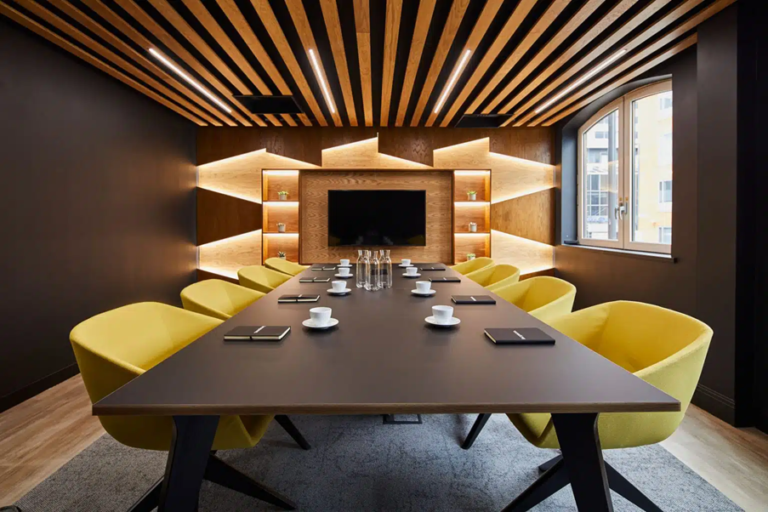
Image credited by @Pixabay
In 2025, Liverpool’s business landscape continues to evolve rapidly, reflecting both global economic pressures and local opportunities. The latest Liverpool Business Survey provides a comprehensive snapshot of the city’s corporate health, highlighting trends, challenges, and growth sectors that are shaping the future of commerce in the region. This year’s survey, encompassing responses from hundreds of local businesses across diverse industries, offers a detailed picture of Liverpool’s economic resilience and adaptability.
A key finding from the survey is the growing confidence among small and medium-sized enterprises (SMEs) in the city. Many business owners reported stable or increased revenue compared to previous years, with optimism driven by strong local demand and a supportive network of local trade bodies and business associations. Sectors such as tech, creative industries, and logistics have shown notable growth, with many firms investing in digital transformation and sustainable practices to remain competitive.
However, the survey also highlights ongoing challenges. Rising operational costs, particularly energy and raw materials, remain a pressing concern for many businesses. Labour shortages in certain skilled sectors, such as IT and advanced manufacturing, are also cited as barriers to expansion. Despite these pressures, Liverpool firms are demonstrating remarkable adaptability, with many implementing automation, remote work policies, and innovative supply chain solutions to mitigate risks.
One of the most significant trends identified in 2025 is the increasing focus on sustainability and corporate social responsibility (CSR). Businesses across the city are investing in green initiatives, from reducing carbon emissions to sourcing ethically and locally. This reflects a broader societal shift towards environmentally conscious practices and shows that Liverpool’s corporate community is keen to align with both regulatory expectations and consumer preferences.
The survey also provides insights into the city’s investment climate. Liverpool continues to attract both domestic and international investors, drawn by its strategic location, vibrant cultural scene, and strong infrastructure. Ports, logistics hubs, and tech clusters are particularly appealing to investors looking for growth opportunities. Business leaders also emphasised the importance of local government support, with schemes, grants, and networking opportunities playing a crucial role in fostering an environment conducive to business success.
Digital innovation remains a central theme across all sectors. The survey shows that Liverpool companies are increasingly leveraging data analytics, AI, and digital marketing to drive growth and efficiency. E-commerce adoption has accelerated, with more retailers and service providers recognising the benefits of an online presence and omni-channel strategies. The digital shift not only enhances competitiveness but also enables businesses to reach broader markets beyond the city.
Finally, the human element remains a cornerstone of Liverpool’s business success. Employee wellbeing, training, and retention are priorities for many firms, as the city recognises that a motivated and skilled workforce is critical for sustained growth. Collaborative initiatives between businesses, universities, and vocational training centres are fostering talent pipelines that will support Liverpool’s economy in the coming years.
Overall, the Liverpool Business Survey 2025 paints a picture of a city that is both dynamic and resilient. While challenges persist, the combination of innovation, investment, and community focus positions Liverpool as a city capable of thriving in an increasingly complex economic environment. Business leaders remain cautiously optimistic, ready to seize opportunities and navigate uncertainties as they work towards building a stronger, more sustainable economic future.
Economic Performance and Growth Sectors in Liverpool 2025
Liverpool’s economic performance in 2025 shows a city that is steadily recovering and growing, despite the broader uncertainties affecting the UK and global markets. According to the latest Liverpool Business Survey, several sectors are emerging as key drivers of growth, demonstrating the city’s diverse and resilient economic base. Industries such as technology, creative arts, logistics, and advanced manufacturing are leading the way, supported by strategic investments, innovation, and a skilled workforce.
Technology remains one of the most dynamic sectors. Liverpool-based tech firms are not only expanding locally but are increasingly serving national and international markets. Startups focusing on software development, cybersecurity, and AI-driven solutions are finding opportunities due to the city’s growing reputation as a tech hub. Collaborative spaces and incubators across Liverpool provide crucial support, offering mentorship, funding access, and networking opportunities that enable startups to scale quickly.
The creative industries, including media, design, and digital content, continue to be a vibrant contributor to the local economy. Liverpool’s cultural heritage and diverse artistic community create an environment that attracts talent and investment alike. The survey notes that businesses in this sector are increasingly exploring international collaborations, exporting services, and tapping into global digital platforms to expand reach. This trend underscores Liverpool’s position as a city not only rich in culture but also economically significant in creative commerce.
Logistics and advanced manufacturing also play a critical role in the city’s economic health. The city’s strategic port facilities and transport links facilitate trade and distribution, making Liverpool an attractive base for companies seeking efficient supply chains. Advanced manufacturing firms are investing in automation, smart manufacturing technologies, and sustainable production methods to enhance productivity and remain competitive. These sectors are further supported by initiatives to upskill workers, ensuring that local talent meets the demands of modern industry.
Retail and hospitality, while challenged by changing consumer behaviour, are adapting through digital transformation and experiential offerings. Businesses are embracing online channels alongside physical spaces, creating hybrid models that appeal to modern consumers. Liverpool’s reputation as a tourism and cultural hub also boosts hospitality, with hotels, restaurants, and entertainment venues benefiting from steady visitor numbers, especially around major city events and festivals.
The survey highlights that small and medium-sized enterprises (SMEs) remain the backbone of Liverpool’s economy. Their flexibility, innovation, and local focus allow them to respond rapidly to market changes. Many SMEs are exploring niche markets, sustainability initiatives, and digital solutions to differentiate themselves, contributing to the overall diversity and resilience of the city’s business ecosystem.
Investment trends reflect confidence in Liverpool’s long-term prospects. Domestic and international investors are attracted by the city’s infrastructure, talent availability, and business-friendly policies. Investment is particularly concentrated in tech clusters, logistics hubs, and regeneration projects, all of which support economic expansion and job creation.
Overall, Liverpool’s economic performance in 2025 is characterised by a mix of innovation, strategic growth, and adaptability. The city’s ability to nurture thriving sectors while addressing challenges such as skills shortages and operational costs positions it well for continued success. As businesses evolve and new opportunities emerge, Liverpool is establishing itself as a hub for forward-looking industries, setting the stage for sustainable growth in the years ahead.
Challenges Facing Liverpool Businesses in 2025
While Liverpool’s business environment shows promising growth and resilience, the 2025 survey underscores a range of challenges that local companies must navigate to maintain competitiveness and profitability. From rising operational costs to labour shortages and regulatory pressures, businesses are adapting strategies to mitigate risks while continuing to expand in a complex economic landscape.
One of the most pressing challenges cited by Liverpool business owners is the increase in operational expenses. Energy prices, rent, and the cost of raw materials have risen steadily, impacting both large corporations and small enterprises. For SMEs, in particular, managing cash flow and maintaining margins in the face of these rising costs remains a delicate balancing act. Many businesses are responding by adopting energy-efficient technologies, negotiating better supplier contracts, and streamlining operations to reduce overheads.
Labour shortages are another significant concern, especially in skilled sectors such as information technology, advanced manufacturing, and healthcare-related services. The survey highlights that some companies struggle to recruit and retain employees with the necessary qualifications, prompting investments in training programmes, apprenticeships, and employee retention initiatives. In some cases, firms are turning to flexible working arrangements or remote hiring to tap into a wider talent pool outside the city.
Regulatory and compliance requirements also present challenges, particularly for businesses in sectors such as finance, manufacturing, and food services. Adapting to evolving regulations around health and safety, environmental impact, and data protection requires both time and financial resources. Many firms are increasingly investing in compliance software, professional consultancy, and staff training to ensure adherence while minimising disruptions to their core operations.
Economic uncertainty at both national and global levels adds another layer of complexity. Fluctuating demand, Brexit-related trade implications, and international market volatility influence decision-making, especially for export-oriented businesses. The Liverpool Business Survey 2025 reveals that companies are prioritising strategic planning, scenario analysis, and risk management to navigate this unpredictability effectively.
Digital transformation, while a source of growth, also presents challenges for some businesses. Adopting new technologies such as AI, e-commerce platforms, and data analytics requires investment, training, and ongoing adaptation. Smaller firms with limited resources may find it difficult to keep pace, creating a potential competitive gap. However, the survey indicates that businesses actively seek external support through consultancy, workshops, and local digital initiatives to overcome these hurdles.
Sustainability expectations are rising among consumers, investors, and regulators. Liverpool companies are increasingly expected to demonstrate environmental responsibility, from reducing carbon emissions to implementing ethical sourcing practices. While many businesses embrace these initiatives as opportunities for brand differentiation, they also recognise the associated costs and operational adjustments required, highlighting the balance between compliance and profitability.
Finally, competition—both local and global—remains a constant pressure. Liverpool’s business ecosystem is vibrant, attracting new entrants and investors, which intensifies rivalry across sectors. Companies are responding by innovating, diversifying product lines, and enhancing customer engagement strategies to maintain market share. Collaboration, networking, and partnerships are increasingly seen as effective methods to strengthen competitive positioning while sharing resources and knowledge.
Despite these challenges, the survey reflects a sense of cautious optimism among Liverpool’s business community. Firms demonstrate adaptability, strategic foresight, and a willingness to innovate, showing that obstacles are being met with practical solutions. The combination of resilience, forward planning, and access to supportive networks positions Liverpool businesses to not only overcome challenges but also seize emerging opportunities for growth and development in 2025 and beyond.
Innovation and Digital Transformation in Liverpool Businesses
In 2025, innovation and digital transformation have emerged as central drivers of growth across Liverpool’s business community. The latest Liverpool Business Survey highlights how companies of all sizes are leveraging technology to improve efficiency, reach new markets, and deliver better customer experiences. From tech startups to traditional manufacturers, businesses are increasingly recognising that digital adoption is not optional but essential for competitiveness.
One of the most prominent trends is the integration of artificial intelligence (AI) and data analytics into core operations. Companies are using AI tools to optimise supply chains, forecast demand, and enhance decision-making. Data-driven insights allow businesses to understand consumer behaviour more accurately, personalise services, and identify opportunities for growth. Small and medium-sized enterprises (SMEs), in particular, are increasingly investing in affordable AI-driven software solutions to level the playing field with larger competitors.
E-commerce and digital marketing have also become vital components of business strategy. The survey shows that more Liverpool retailers and service providers are adopting online sales channels alongside physical stores, creating hybrid models that cater to modern consumer preferences. Digital platforms enable businesses to reach audiences beyond Liverpool, tapping into national and international markets. Social media, search engine optimisation (SEO), and content marketing play a key role in driving engagement and building brand awareness.
Automation and process digitisation are transforming industries such as manufacturing, logistics, and professional services. By automating repetitive tasks, businesses reduce operational costs, improve accuracy, and free up staff to focus on higher-value activities. For example, local logistics firms are implementing automated inventory systems, while financial service providers are utilising software to streamline compliance and reporting processes. These technological shifts enhance productivity and provide a competitive edge in a rapidly changing market.
Innovation is not limited to technology alone. Liverpool businesses are also exploring creative business models and new service offerings to meet evolving customer expectations. Subscription services, customised products, and experiential retail experiences are gaining traction, reflecting a trend towards personalised engagement. Collaborative innovation, where businesses partner with universities, research centres, and other firms, is also fostering new ideas and enabling faster market adoption.
The survey highlights that digital skills remain a crucial factor for successful transformation. Businesses are investing in staff training, workshops, and recruitment to ensure employees can effectively utilise new tools and technologies. Upskilling initiatives are particularly important in sectors experiencing rapid technological change, such as IT, media, and manufacturing. Companies recognise that human capital, combined with technology, drives innovation and sustainable growth.
Sustainability-focused innovation is another key theme. Liverpool firms are adopting eco-friendly technologies, reducing energy consumption, and developing products that meet environmental standards. Innovations in packaging, production methods, and logistics not only support corporate responsibility but also enhance brand reputation and appeal to increasingly eco-conscious consumers.
Overall, the Liverpool Business Survey 2025 demonstrates that digital transformation and innovation are reshaping the city’s business landscape. Companies embracing technology and creative thinking are better equipped to navigate challenges, engage customers, and seize emerging opportunities. By combining technological adoption with strategic planning and a focus on human capital, Liverpool businesses are establishing a foundation for long-term success and competitiveness in an increasingly digital economy.
Investment and Funding Opportunities for Liverpool Businesses
Investment and funding remain crucial drivers for Liverpool’s economic growth in 2025, providing businesses with the resources needed to expand, innovate, and remain competitive. The Liverpool Business Survey highlights a dynamic landscape where domestic and international investors are increasingly recognising the city’s potential, while local funding schemes and support programmes are helping enterprises of all sizes access capital.
Liverpool’s strategic location, robust infrastructure, and vibrant cultural scene make it an attractive destination for investment. The city’s port facilities, transport networks, and regeneration projects offer opportunities in logistics, manufacturing, and commercial real estate. Investors are particularly drawn to sectors experiencing rapid growth, such as technology, creative industries, and green energy, recognising both short-term returns and long-term value creation.
Local businesses are also benefiting from government-backed grants, low-interest loans, and innovation funds. These initiatives are designed to stimulate entrepreneurship, support SMEs, and encourage innovation-driven growth. For example, funding schemes for digital transformation, sustainable practices, and skills development are enabling Liverpool companies to adopt new technologies, expand their operations, and train staff, ensuring competitiveness in a changing economic landscape.
Venture capital (VC) and private equity play an increasingly prominent role in Liverpool’s business ecosystem. Startups and scale-ups in the tech and creative sectors are accessing VC funding to accelerate growth, develop innovative products, and reach new markets. The survey shows that local accelerators and incubators are bridging the gap between ideas and investment, providing mentorship, business planning support, and access to networks of potential investors.
Crowdfunding and alternative financing methods are also gaining traction. Entrepreneurs and small businesses are leveraging community-based funding platforms to raise capital, often aligning their campaigns with social or environmental causes. This approach not only provides financial resources but also helps build a loyal customer base and community support, which can be invaluable for long-term sustainability.
The survey underscores the importance of investor confidence. Businesses that demonstrate strong governance, strategic planning, and measurable growth potential are more likely to attract investment. Transparency, clear financial reporting, and robust business models remain critical criteria for investors assessing opportunities in Liverpool’s competitive landscape.
Additionally, collaboration between businesses, universities, and research institutions is enhancing investment prospects. Joint ventures, research partnerships, and innovation clusters are creating environments where investors can see tangible outcomes from their funding, from new product development to advanced manufacturing processes. Such initiatives strengthen the city’s reputation as a hub for innovation and growth.
Despite these opportunities, challenges remain. Rising interest rates, market volatility, and competition for funding mean that businesses must be strategic and well-prepared when seeking investment. The survey highlights the need for financial literacy, professional advisory support, and thorough market analysis to secure funding successfully.
Overall, Liverpool’s investment and funding ecosystem in 2025 is robust and evolving. With a combination of strategic location, supportive initiatives, diverse funding sources, and a culture of innovation, the city provides fertile ground for businesses to thrive. Entrepreneurs and established companies alike are positioned to leverage these opportunities, driving growth, job creation, and long-term economic resilience for Liverpool.
Skills, Workforce Development, and Talent Retention in Liverpool
A city’s business success is closely linked to the quality of its workforce, and in 2025, Liverpool continues to place a strong emphasis on skills development, talent retention, and workforce planning. The latest Liverpool Business Survey highlights that businesses across all sectors recognise the importance of investing in human capital to maintain competitiveness, drive innovation, and support sustainable growth.
One of the primary concerns for local companies is addressing skills gaps. In sectors such as technology, advanced manufacturing, logistics, and healthcare, the demand for specialised skills is growing rapidly. Businesses are actively collaborating with universities, vocational training centres, and apprenticeship programmes to ensure a pipeline of qualified talent. Liverpool’s higher education institutions are playing a pivotal role by tailoring courses to meet industry needs and providing work placements that give students practical experience while fostering relationships with local employers.
Talent retention is another key focus area. Companies are increasingly aware that attracting skilled employees is only half the challenge; retaining them is equally critical. Initiatives such as professional development opportunities, flexible working arrangements, competitive benefits, and employee wellbeing programmes are being implemented to enhance job satisfaction and reduce turnover. The survey indicates that businesses prioritising these strategies report higher productivity and stronger workforce loyalty.
Upskilling and reskilling are becoming essential as digital transformation reshapes the business landscape. As companies adopt new technologies and processes, employees must acquire relevant competencies to adapt effectively. Training programmes in digital literacy, AI, data analytics, and advanced manufacturing techniques are common across Liverpool businesses, enabling staff to contribute to innovation and maintain organisational efficiency.
Inclusivity and diversity also form a core part of workforce development strategies. The survey highlights that companies that actively embrace diverse hiring practices and inclusive workplace policies benefit from broader perspectives, improved problem-solving, and stronger community connections. Many Liverpool firms are embedding these principles into recruitment, leadership development, and workplace culture initiatives, aligning with both ethical expectations and business advantages.
The local government and business networks play a supportive role in workforce development. Funding for training initiatives, networking events, and career fairs enables businesses to connect with talent and share best practices. Mentorship programmes and sector-specific skills hubs help smaller companies access expertise and guidance, reducing barriers to workforce growth and enhancing overall competitiveness.
Employee wellbeing has also emerged as a priority in 2025. Mental health support, flexible scheduling, and work-life balance initiatives are increasingly recognised as essential components of a productive and loyal workforce. Businesses that invest in wellbeing not only foster a healthier work environment but also reduce absenteeism and increase staff engagement, contributing directly to long-term organisational success.
Overall, the Liverpool Business Survey 2025 demonstrates that a skilled, engaged, and adaptable workforce is central to the city’s economic resilience. By focusing on talent development, retention, and inclusivity, Liverpool businesses are creating conditions for sustained growth, innovation, and competitiveness. The combination of strategic partnerships, targeted training, and proactive workforce planning ensures that the city’s human capital continues to meet the evolving demands of the modern business environment.
Future Outlook and Strategic Planning for Liverpool Businesses
Looking ahead, Liverpool’s business community in 2025 is focusing on strategic planning and long-term resilience to navigate a rapidly changing economic environment. The Liverpool Business Survey provides valuable insights into how companies are preparing for future challenges, identifying growth opportunities, and aligning their operations with emerging trends. Businesses are increasingly adopting forward-looking strategies that combine innovation, sustainability, and workforce development to secure a competitive edge.
A major focus for the city’s businesses is economic diversification. Companies are exploring new markets, developing innovative products, and expanding service offerings to reduce dependency on a single sector. The survey indicates that diversification not only mitigates risks associated with market fluctuations but also positions Liverpool firms to seize emerging opportunities, both locally and internationally. This approach is evident across technology, creative industries, logistics, and manufacturing, where businesses are adapting their models to stay relevant and competitive.
Sustainability and environmental responsibility remain central to strategic planning. Many companies are implementing measures to reduce carbon emissions, optimise energy use, and adopt circular economy practices. Environmental initiatives are increasingly seen not just as compliance requirements but as opportunities for brand differentiation and market advantage. By prioritising sustainability, Liverpool businesses align with consumer expectations, investor preferences, and regulatory frameworks, ensuring long-term viability.
Digital transformation continues to influence future planning. Companies are investing in AI, e-commerce, data analytics, and automation to improve efficiency and drive innovation. Strategic digital adoption enables businesses to respond to changing consumer behaviours, enhance operational processes, and maintain competitiveness. The survey shows that businesses that integrate technology into their long-term planning are better equipped to navigate economic uncertainties and capitalise on new market trends.
Workforce strategy is another cornerstone of future planning. Businesses are prioritising talent development, skills training, and employee retention to ensure they have the human capital necessary to support growth. Upskilling and reskilling initiatives, alongside efforts to foster inclusive and flexible workplaces, enable companies to adapt to technological and market changes while maintaining productivity and innovation.
Collaboration and networking are also crucial elements of strategic planning. Liverpool businesses are increasingly partnering with universities, research centres, industry associations, and other companies to share knowledge, resources, and expertise. These collaborations foster innovation, facilitate market expansion, and strengthen the city’s overall business ecosystem. Networking and industry alliances help companies remain agile, informed, and competitive in an evolving landscape.
Investment planning is a further priority. Firms are focusing on securing funding for growth initiatives, including technology adoption, infrastructure development, and market expansion. Access to venture capital, government grants, and alternative financing enables businesses to implement strategic projects that drive long-term success. Strategic investment decisions, informed by market research and risk analysis, are critical for maintaining momentum in a competitive environment.
Finally, resilience planning is gaining prominence. Businesses are developing strategies to cope with economic volatility, supply chain disruptions, and other unforeseen challenges. Risk management frameworks, scenario planning, and crisis response strategies are being embedded into operational and strategic processes, ensuring that Liverpool businesses can respond effectively to both short-term shocks and long-term changes.
Overall, the Liverpool Business Survey 2025 highlights a city whose businesses are forward-thinking, adaptive, and strategically minded. By combining diversification, sustainability, digital innovation, workforce development, collaboration, and resilience planning, Liverpool firms are positioning themselves for sustainable growth and long-term success. The city’s business community is not only prepared to face future challenges but is also poised to capitalise on emerging opportunities, reinforcing Liverpool’s status as a dynamic and thriving economic hub.
Call to Action
Liverpool’s business community in 2025 stands at a pivotal moment, with opportunities for growth, innovation, and investment more accessible than ever. The findings from the Liverpool Business Survey highlight the importance of proactive engagement, strategic planning, and collaboration in shaping a prosperous economic future. Businesses across the city are encouraged to take decisive action to capitalise on emerging trends and strengthen their competitive position.
For entrepreneurs and business owners, the first step is embracing innovation and digital transformation. Leveraging technologies such as AI, e-commerce, and data analytics can streamline operations, improve customer engagement, and unlock new markets. Companies that invest in digital solutions now are better positioned to respond to market shifts and consumer expectations, ensuring long-term sustainability and growth.
Collaboration and networking are equally essential. Engaging with local business networks, industry associations, and academic institutions provides access to mentorship, shared resources, and new business opportunities. Partnerships between SMEs, startups, and established firms encourage knowledge exchange and foster innovation, creating a stronger, more interconnected business ecosystem in Liverpool.
Securing investment and funding is another critical action for growth. Businesses are encouraged to explore government grants, venture capital, private equity, and alternative funding options. By presenting clear, strategic business plans and demonstrating growth potential, companies can access the capital needed to expand operations, adopt new technologies, or invest in workforce development.
Focusing on workforce development and talent retention is vital for sustaining competitiveness. Businesses should invest in upskilling and reskilling programmes, while fostering inclusive, flexible, and supportive workplaces. Engaged and skilled employees are a driving force behind innovation, productivity, and customer satisfaction, making workforce strategies a key component of long-term success.
Sustainability must also remain a priority. Implementing environmentally responsible practices—such as reducing emissions, adopting green technologies, and ethical sourcing—can enhance brand reputation, attract investment, and meet regulatory standards. Liverpool businesses that integrate sustainability into their core strategies position themselves as forward-thinking and socially responsible market leaders.
Finally, cultivating resilience and adaptability is crucial. Developing contingency plans, risk management frameworks, and scenario analyses ensures businesses can navigate economic uncertainty, supply chain challenges, or unexpected market shifts. Resilient companies are better equipped to seize opportunities, respond to challenges, and maintain steady growth in a dynamic environment.
By taking these steps, Liverpool businesses can not only thrive individually but also contribute to the city’s broader economic strength. Now is the time for business leaders, entrepreneurs, and investors to act decisively, harness opportunities, and help shape Liverpool’s vibrant and sustainable business future.
AI Overview
Artificial intelligence (AI) is increasingly becoming a cornerstone of Liverpool’s business landscape in 2025, shaping strategies, operations, and growth across sectors. The Liverpool Business Survey highlights how companies are leveraging AI to gain competitive advantages, streamline processes, and respond to changing market demands. From SMEs to large enterprises, AI adoption is enabling smarter decision-making, more efficient operations, and innovative customer experiences, positioning Liverpool as a city embracing the digital future.
One of the most prominent applications of AI in Liverpool businesses is data analytics and predictive insights. Companies are using AI-powered tools to process large datasets, identify patterns, and forecast trends. Retailers analyse consumer behaviour to optimise product offerings, marketing strategies, and pricing models, while logistics firms use predictive analytics to improve route planning and inventory management. This data-driven approach allows businesses to make informed decisions quickly, improving efficiency and reducing risks.
Customer service and engagement are also benefiting from AI integration. Chatbots, virtual assistants, and automated communication tools enable businesses to provide 24/7 support, respond to inquiries promptly, and deliver personalised experiences. These solutions not only enhance customer satisfaction but also reduce operational costs by automating repetitive tasks. Many Liverpool businesses report that AI-driven customer insights help them refine marketing campaigns, increase engagement, and boost sales.
In sectors such as manufacturing and logistics, AI is driving automation and operational optimisation. Smart production lines, predictive maintenance systems, and intelligent supply chain management solutions are increasing efficiency, reducing downtime, and lowering costs. Advanced AI applications allow manufacturers to forecast equipment failures, optimise production schedules, and improve overall productivity, giving Liverpool firms a competitive edge in both domestic and international markets.
The survey also highlights the role of AI in strategic planning and innovation. Businesses are using AI tools to simulate market scenarios, assess investment opportunities, and evaluate potential risks. By integrating AI into decision-making processes, Liverpool companies can respond to economic fluctuations, consumer trends, and industry developments more effectively. This capability is particularly valuable for SMEs, which may lack the extensive resources of larger firms but can leverage AI to level the playing field.
Workforce development and AI is another significant area of focus. As AI technologies become more embedded in business operations, employees need to acquire new skills to work alongside intelligent systems effectively. Upskilling initiatives in AI literacy, data analysis, and automation are increasingly common, ensuring that Liverpool’s workforce remains adaptable and future-ready. Companies that prioritise training alongside AI adoption report higher productivity, innovation, and employee satisfaction.
Ethical and responsible AI adoption is also a growing consideration. Businesses are mindful of data privacy, transparency, and fairness when implementing AI solutions. By aligning AI practices with ethical guidelines and regulatory standards, Liverpool companies build trust with customers, investors, and stakeholders, reinforcing their reputations as responsible and forward-thinking enterprises.
AI is not limited to technology-focused sectors alone. Creative industries, healthcare, finance, and retail are all exploring AI-driven applications, from personalised content creation to predictive financial planning and advanced diagnostics. This cross-sector adoption reflects the versatility of AI and its transformative potential for the city’s economy.
In conclusion, AI in Liverpool’s business ecosystem is a catalyst for growth, innovation, and efficiency. Companies that strategically integrate AI into operations, workforce planning, and customer engagement are positioning themselves for long-term success. The Liverpool Business Survey 2025 demonstrates that AI is no longer an optional tool but a critical component of modern business strategy, enabling the city’s firms to thrive in an increasingly complex and digitalised economic environment.
FAQs
1. What is the Liverpool Business Survey 2025?
The Liverpool Business Survey 2025 is a comprehensive report capturing the state of the city’s business ecosystem. It collects insights from a wide range of companies across sectors, highlighting growth trends, challenges, investment opportunities, and workforce dynamics. The survey provides valuable data for policymakers, investors, and business owners to make informed decisions.
2. Which sectors are driving Liverpool’s economic growth in 2025?
Key growth sectors include technology, creative industries, logistics, advanced manufacturing, and hospitality. Tech and creative firms are expanding rapidly, supported by innovation hubs and digital transformation. Logistics benefits from the city’s strategic port and transport links, while hospitality continues to thrive through tourism and cultural events.
3. What challenges are Liverpool businesses facing?
Businesses are dealing with rising operational costs, labour shortages, regulatory compliance pressures, and market volatility. SMEs, in particular, face difficulties in adopting new technologies and accessing skilled talent. Despite these challenges, firms are finding innovative solutions through digital adoption, collaboration, and workforce training.
4. How are Liverpool businesses using AI?
AI is being integrated across sectors for data analytics, predictive insights, customer service, automation, and strategic planning. Companies use AI to improve efficiency, reduce costs, personalise customer experiences, and make informed decisions. Workforce training in AI skills is also helping employees adapt to technological changes.
5. What funding and investment options are available to Liverpool businesses?
Businesses can access government grants, venture capital, private equity, and alternative funding solutions. Funding supports technology adoption, workforce development, expansion projects, and sustainability initiatives. Strategic planning and strong business proposals are key to securing investment successfully.
6. How are Liverpool companies addressing workforce challenges?
Companies invest in upskilling and reskilling, apprenticeships, employee wellbeing programmes, and inclusive workplace policies. Partnerships with universities and training centres ensure a steady talent pipeline, while flexible working and career development initiatives improve retention and engagement.
7. What role does sustainability play in Liverpool businesses?
Sustainability is central to corporate strategies. Firms are reducing carbon emissions, adopting eco-friendly technologies, implementing ethical sourcing, and focusing on social responsibility. Sustainable practices enhance brand reputation, meet regulatory requirements, and attract socially conscious consumers and investors.
8. How are SMEs contributing to Liverpool’s economy?
SMEs form the backbone of the city’s business ecosystem. Their adaptability, innovation, and focus on local markets drive economic diversity. SMEs explore niche markets, adopt digital solutions, and invest in workforce development, strengthening Liverpool’s overall economic resilience.
9. Why is collaboration important for Liverpool businesses?
Collaboration with universities, research institutions, industry associations, and other firms fosters innovation, knowledge exchange, and resource sharing. Networking and partnerships enable businesses to scale, access funding, and respond effectively to market changes, creating a stronger local business ecosystem.
10. What is the future outlook for Liverpool businesses?
Liverpool businesses are focused on strategic planning, diversification, digital transformation, workforce development, and sustainability. By embracing innovation and resilience, companies are positioning themselves for long-term growth, contributing to the city’s status as a dynamic and competitive economic hub.
People Also Ask (Why)
1. Why is Liverpool attracting more business investment in 2025?
Liverpool attracts investment due to its strategic location, robust infrastructure, growing tech and creative sectors, and supportive local government policies. The city’s ports, transport links, and regeneration projects offer significant opportunities for investors seeking long-term growth.
2. Why are SMEs considered the backbone of Liverpool’s economy?
SMEs are highly adaptable and innovative, contributing to economic diversity and resilience. They create local jobs, explore niche markets, and adopt digital solutions, making them vital to Liverpool’s sustained business growth and competitiveness.
3. Why is digital transformation critical for Liverpool businesses?
Digital transformation enables businesses to improve efficiency, reduce costs, reach new markets, and enhance customer engagement. In an increasingly competitive environment, adopting technologies like AI, e-commerce, and data analytics ensures Liverpool firms remain relevant and competitive.
4. Why is workforce development a priority in Liverpool?
Skilled employees are essential for innovation, productivity, and growth. By investing in upskilling, training, and inclusive workplace practices, Liverpool businesses ensure they have the talent necessary to meet evolving market and technological demands.
5. Why is sustainability important for Liverpool companies?
Sustainability enhances brand reputation, meets regulatory requirements, and attracts socially conscious consumers and investors. Businesses implementing eco-friendly practices and ethical sourcing gain competitive advantages while contributing to long-term environmental and economic goals.
6. Why are Liverpool businesses collaborating with universities and research centres?
Collaboration fosters innovation, knowledge exchange, and access to expertise. Partnerships help businesses develop new products, improve processes, train talent, and explore emerging market opportunities, strengthening the overall business ecosystem.
7. Why are investment and funding opportunities crucial for growth?
Access to grants, venture capital, and private equity provides the financial resources needed for expansion, technology adoption, workforce development, and sustainability initiatives. Properly managed funding enables businesses to implement strategic projects and scale operations effectively.
8. Why is AI adoption transforming Liverpool’s business landscape?
AI improves efficiency, decision-making, and customer engagement across sectors. By leveraging predictive analytics, automation, and intelligent insights, businesses can innovate, reduce operational costs, and respond effectively to market trends.
9. Why is resilience planning essential for Liverpool businesses?
Resilience planning prepares companies for economic volatility, supply chain disruptions, and unexpected challenges. Businesses with contingency plans and risk management strategies can maintain operations, seize opportunities, and sustain growth even in uncertain conditions.
10. Why is collaboration and networking emphasized in the survey?
Networking and collaboration enable businesses to share resources, access expertise, and explore joint opportunities. Building strong connections strengthens competitiveness, encourages innovation, and ensures Liverpool’s business ecosystem remains dynamic and interconnected.
The Liverpool Business Survey 2025 paints a comprehensive picture of a city whose business community is dynamic, resilient, and forward-looking. Liverpool’s economy is marked by diverse sectors, including technology, creative industries, logistics, advanced manufacturing, and hospitality, all contributing to the city’s sustained growth and competitiveness. While challenges such as rising costs, labour shortages, and regulatory pressures persist, businesses are adapting with innovation, digital transformation, and strategic planning, demonstrating remarkable resilience in the face of uncertainty.
One of the key takeaways from the survey is the critical role of innovation and digital adoption. Businesses across Liverpool are embracing technologies such as artificial intelligence, data analytics, and e-commerce to optimise operations, reach new markets, and enhance customer engagement. This technological integration is not only improving efficiency but also enabling companies to respond proactively to evolving market demands, positioning the city as a hub for forward-thinking enterprises.
Workforce development and talent retention are equally important. Companies recognise that a skilled, motivated, and adaptable workforce underpins long-term success. By investing in upskilling, professional development, and employee wellbeing, Liverpool businesses are cultivating a human capital base capable of driving innovation and maintaining competitiveness. Inclusive and flexible workplace practices further strengthen loyalty and productivity, ensuring the city’s workforce remains a valuable asset in 2025 and beyond.
Sustainability has become a defining theme for Liverpool businesses. Firms are increasingly integrating environmentally responsible practices into their operations, from reducing carbon emissions to ethical sourcing and circular economy initiatives. These efforts not only comply with regulations and meet consumer expectations but also enhance brand reputation, attract investment, and contribute to a more sustainable urban economy.
Collaboration, networking, and strategic partnerships remain essential for growth. Engagement with universities, research centres, industry associations, and fellow businesses fosters knowledge exchange, innovation, and resource sharing. By working together, companies in Liverpool are better equipped to scale operations, enter new markets, and navigate competitive pressures. These connections also strengthen the city’s broader business ecosystem, reinforcing Liverpool’s position as a vibrant economic hub.
Investment and funding opportunities play a pivotal role in enabling growth and innovation. Government grants, venture capital, private equity, and alternative funding sources allow businesses to pursue strategic projects, implement technology, and develop their workforce. Companies that actively leverage these resources are better positioned to expand, diversify, and thrive in an increasingly competitive environment.
Finally, the survey emphasises resilience and adaptability as critical for future success. Businesses are implementing risk management frameworks, scenario planning, and contingency strategies to withstand economic fluctuations, supply chain disruptions, and unexpected challenges. This forward-looking approach ensures that Liverpool’s companies are not only prepared for today’s uncertainties but are also ready to capitalise on emerging opportunities, reinforcing long-term growth and sustainability.
In conclusion, Liverpool’s business community in 2025 exemplifies a balance of innovation, strategic thinking, and adaptability. The combination of digital transformation, workforce investment, sustainability, collaboration, and access to funding positions the city’s businesses for enduring success. As Liverpool continues to evolve as a dynamic economic hub, companies that embrace these principles will play a vital role in shaping the city’s prosperous, resilient, and sustainable future.
For additional analysis on companies, investments, and regional growth, visit our business section:
Liverpool Renewable Energy Business Initiatives 2025: Driving Sustainable Growth and Innovation
Liverpool Logistics and Distribution Companies 2025: Leading Providers and Services
Liverpool Export Opportunities 2025: Unlocking Global Market Potential for Local Businesses
Liverpool Small Business Grants 2025: Funding Opportunities to Grow Your Business
For More News; Liverpool Herald
About the Author