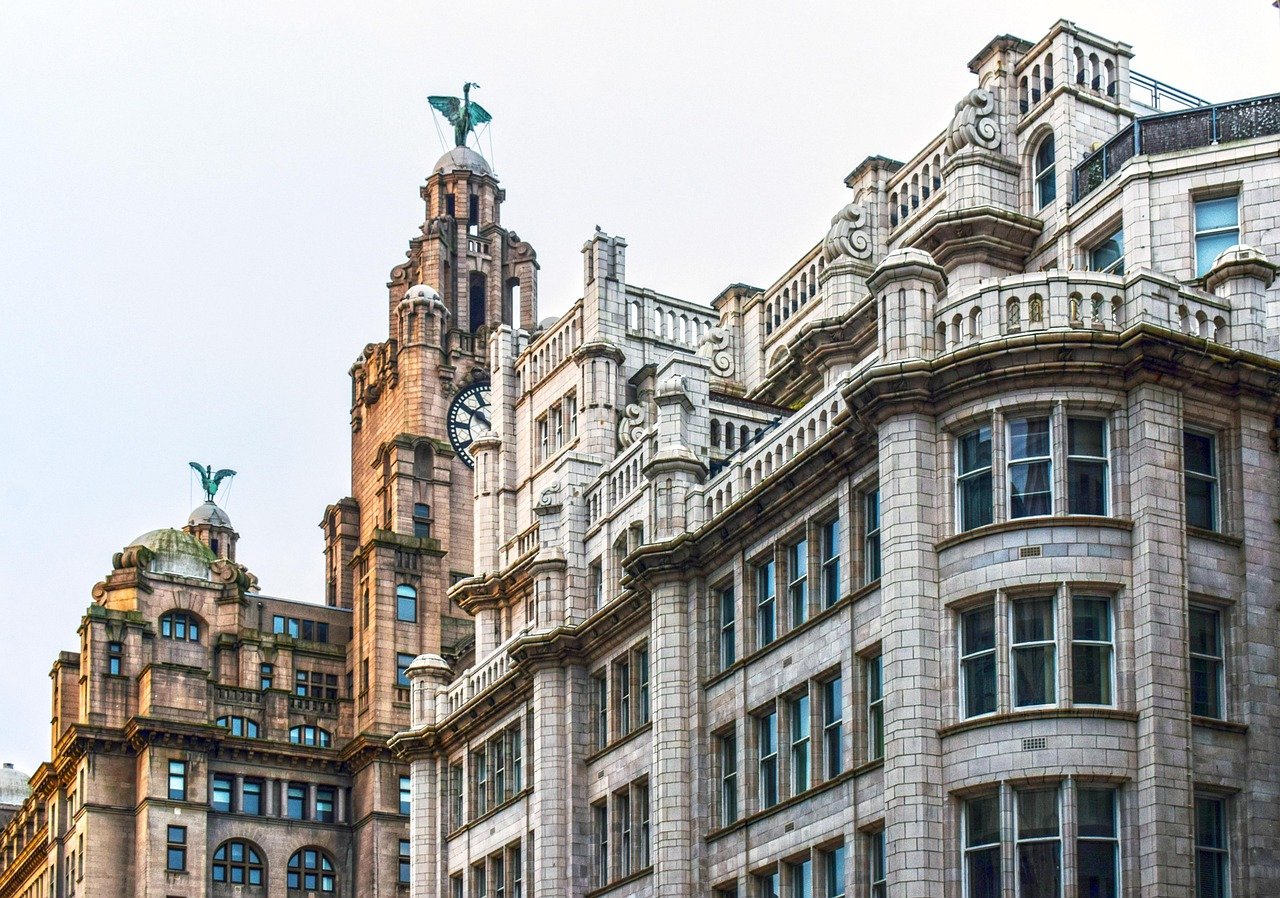
Image credited by @Pixabay
Liverpool’s local political landscape in 2025 is marked by significant developments, policy decisions, and council initiatives shaping the city’s social, economic, and infrastructural growth. Residents are closely observing council activities, leadership changes, budget allocations, and political debates that directly impact daily life across neighbourhoods. This article provides a comprehensive overview of Liverpool council and local politics in 2025, including recent election outcomes, council policies, community projects, political trends, and the implications for residents.
The Liverpool City Council continues to play a pivotal role in local governance, overseeing areas such as housing, transport, education, and public services. In 2025, council discussions have focused on urban development, environmental initiatives, budget management, and citizen engagement. Political dynamics, including party representation and coalition decisions, significantly influence these policies, shaping the future of the city. By following local politics, residents gain insights into decision-making processes, the allocation of resources, and how government strategies affect communities directly.
This article examines the current council structure, recent political developments, key policy decisions, and ongoing debates within Liverpool’s local government. From council meetings to public consultations, we explore how political trends in 2025 are impacting city governance. The main keyword, “Liverpool council and local politics 2025,” will be integrated naturally throughout, providing readers with up-to-date and relevant information on local political affairs.
Liverpool City Council Structure & Key Figures
Liverpool City Council in 2025 remains a central institution in shaping the city’s governance, policy-making, and local development. The council operates under a leader-and-cabinet model, with elected councillors representing wards across Liverpool, ensuring that local communities have a voice in decisions affecting housing, education, transport, public health, and infrastructure. Each councillor’s role is vital, as they participate in committees, debates, and votes that determine the direction of city policies. Understanding the council’s structure and key figures is crucial for residents who wish to engage with local politics and influence outcomes in their neighbourhoods.
At the helm of the council is the Council Leader, supported by the Cabinet, which comprises councillors assigned specific portfolios such as finance, environment, transport, housing, and community services. These leaders guide policy implementation, set strategic priorities, and respond to emerging challenges. The Mayor of Liverpool, while largely ceremonial in day-to-day operations, plays a significant role in representing the city externally and endorsing council initiatives. In 2025, the current Council Leader has focused on sustainable urban development, public service improvements, and fostering citizen participation.
Council meetings are held regularly and are open to the public, ensuring transparency in decision-making. Key committees, such as the Planning Committee, Audit and Governance Committee, and Health and Wellbeing Board, oversee specialised areas of city governance. Councillors actively debate proposals, scrutinise budgets, and monitor the implementation of policies. The involvement of local media and public attendance in these meetings ensures that the council remains accountable to Liverpool residents.
Political representation in Liverpool is dynamic, with councillors elected from multiple parties, reflecting diverse community interests. In 2025, party composition has influenced coalition decisions and policy priorities, particularly in areas such as housing development, public transport funding, and social welfare initiatives. Councillors engage with constituents through public consultations, ward surgeries, and community events, providing residents with opportunities to raise concerns, suggest improvements, and participate in decision-making processes.
Recent developments within the council have included the appointment of new committee chairs, the introduction of policy initiatives aimed at environmental sustainability, and the review of city-wide budgets to address post-pandemic recovery needs. Key figures, including influential councillors and committee leaders, have been instrumental in shaping strategic decisions that affect employment, infrastructure projects, and community wellbeing. Understanding who these figures are, and their policy priorities, helps residents track political accountability and the impact of local governance on everyday life.
In summary, Liverpool City Council in 2025 operates through a structured leader-and-cabinet system, with active participation from elected councillors, committee chairs, and the ceremonial Mayor. Key figures influence policy decisions across multiple sectors, and political representation plays a critical role in shaping coalition decisions and council priorities. Awareness of the council’s structure and leadership provides residents with the tools to engage meaningfully with local politics and monitor the implementation of policies that affect their communities.
Recent Elections & Political Shifts
Liverpool’s political landscape in 2025 reflects a combination of historical trends and emerging shifts influenced by recent local elections. The city, known for its diverse political representation, has seen significant voter engagement in municipal elections, with residents actively participating to shape policies that affect housing, transport, public services, and economic development. Understanding these elections and their outcomes is essential to grasp the current political dynamics within the Liverpool City Council and how decisions are being influenced by party representation.
The most recent elections brought forward a mix of experienced incumbents and new candidates, creating both continuity and change within the council. Key wards witnessed intense competition, with major political parties campaigning on platforms addressing urban regeneration, climate initiatives, education, and social welfare. The results have led to a council composition that reflects Liverpool’s demographic diversity and local priorities, influencing the formation of coalitions and policy-making strategies. Political engagement in 2025 has been notably higher than in previous years, attributed to increased public awareness of local governance issues and the impact of council decisions on everyday life.
Political shifts in the council have also been influenced by voter sentiment on national matters that intersect with local issues. Policies on housing, public transport, environmental sustainability, and social services have played a significant role in shaping electoral outcomes. Residents have demonstrated a preference for councillors who are proactive, transparent, and responsive to community needs, reflecting a demand for accountability in decision-making. These shifts indicate a more participatory approach to local governance, where community voices are shaping political priorities and council agendas.
Coalitions and party negotiations remain a critical aspect of Liverpool’s local politics. With no single party holding an absolute majority in certain council areas, coalition-building has become essential to implement policy decisions effectively. Agreements between parties influence the council’s strategic direction, including budget allocations, development projects, and social programs. These political arrangements are closely watched by residents and local media, as they have a direct impact on service delivery and community wellbeing.
The 2025 elections also highlighted generational and demographic changes in political representation. Younger candidates and minority voices have gained visibility, contributing to a more inclusive approach to policy-making. This diversification ensures that the council considers a broad spectrum of perspectives when addressing urban challenges, including affordable housing, youth services, environmental policies, and employment opportunities. Councillors are increasingly engaging with residents through social media, public forums, and community events to strengthen the link between elected officials and constituents.
Furthermore, election outcomes have influenced the prioritisation of key policy areas. For instance, infrastructure development projects, public transport enhancements, and climate adaptation strategies have gained momentum due to electoral mandates. Councillors are under pressure to deliver tangible results while maintaining transparency and ensuring that coalition agreements align with public expectations. Political shifts have also prompted reviews of council procedures, governance practices, and citizen engagement methods to maintain accountability and build trust with Liverpool residents.
In summary, recent elections and political shifts in Liverpool in 2025 reflect a dynamic and participatory local democracy. Voter engagement, coalition negotiations, demographic changes, and policy priorities shape the council’s decisions and the city’s governance. Understanding these developments provides residents with insights into political trends, leadership strategies, and the implications of council decisions for everyday life. By monitoring election outcomes and political shifts, the community can remain informed, engaged, and active in shaping Liverpool’s future.
Key Policy Decisions & Initiatives 2025
Liverpool City Council in 2025 has implemented a series of key policy decisions and initiatives aimed at improving the quality of life for residents, fostering sustainable urban development, and addressing long-standing social and economic challenges. These decisions reflect the council’s priorities in housing, public services, transport, environment, and community engagement. By understanding these initiatives, residents can appreciate how local governance shapes the city and influences everyday life across neighbourhoods.
One of the council’s primary policy focuses in 2025 is housing and urban development. Recognising Liverpool’s growing population and the need for affordable housing, the council has launched new housing schemes, aimed at increasing availability while ensuring sustainable construction practices. These initiatives include the development of mixed-use residential areas, the renovation of council-owned properties, and partnerships with private developers to address demand. Special attention has been paid to environmentally friendly designs, energy efficiency, and integration of green spaces, reflecting a commitment to both sustainability and community wellbeing.
Transport and mobility remain central to council initiatives. In 2025, Liverpool City Council has continued to invest in public transport improvements, including bus route optimisation, enhancements to cycling infrastructure, and the modernisation of key transit hubs. Projects designed to reduce congestion, promote low-emission transport, and increase accessibility are aligned with broader climate objectives and the city’s commitment to reducing carbon emissions. Residents benefit from improved commuting options, reduced travel times, and safer pedestrian and cycling pathways, contributing to enhanced urban mobility.
Public health and social welfare policies are also a top priority. In 2025, the council has expanded community health programmes, mental health services, and support for vulnerable populations, particularly in response to ongoing public health challenges. Initiatives targeting youth services, elderly care, and inclusive community programmes aim to promote wellbeing, social cohesion, and equal opportunities. Funding has been allocated to preventive health measures, local clinics, and partnerships with non-profit organisations to ensure services reach the communities that need them most.
Environmental sustainability has seen increased attention, with the council prioritising climate resilience and green initiatives. Policies include urban tree planting, improved waste management systems, and support for renewable energy projects. These decisions are part of Liverpool’s broader commitment to achieving environmental targets while improving the city’s livability. Residents are encouraged to participate in local green programmes, such as recycling initiatives and community environmental projects, fostering a culture of sustainability.
Education and skills development are further focus areas. The council has introduced schemes to enhance educational facilities, improve access to vocational training, and support lifelong learning opportunities. Investment in local schools, adult learning centres, and digital skills programmes reflects the council’s recognition of education as a driver of social mobility, economic growth, and community empowerment. Initiatives also aim to address inequality, ensuring that all residents have access to quality education and career development resources.
Community engagement and transparency have become integral to council policy. In 2025, the council has increased efforts to involve residents in decision-making through public consultations, digital platforms, and neighbourhood forums. This participatory approach allows citizens to influence policy priorities, share feedback, and hold councillors accountable. Enhanced transparency in council proceedings, budget allocations, and project implementation ensures trust between residents and elected officials, reinforcing democratic accountability.
In conclusion, Liverpool City Council’s key policy decisions and initiatives in 2025 cover a wide range of sectors, from housing and transport to health, environment, and education. These policies demonstrate a focus on sustainability, inclusivity, and community wellbeing, reflecting both the immediate needs of residents and long-term strategic goals. By staying informed and engaged with these initiatives, Liverpool’s citizens can actively participate in shaping the city’s future and benefit from improved services, infrastructure, and opportunities.
Budget Allocation & Economic Impact
Liverpool City Council’s budget in 2025 plays a critical role in shaping the city’s economic landscape and determining how resources are allocated across various sectors. The council’s financial planning reflects both immediate operational needs and long-term strategic priorities, encompassing public services, infrastructure development, social welfare, and community initiatives. Understanding the budget allocation and its economic impact is essential for residents, businesses, and stakeholders to assess how council decisions influence the city’s growth, quality of life, and sustainability.
The 2025 budget prioritises key areas such as housing, transport, education, health services, and environmental sustainability. A significant portion of funding has been allocated to housing development projects, including the construction of new affordable homes and the renovation of council-owned properties. These investments not only address housing shortages but also create employment opportunities in construction, project management, and associated sectors. By stimulating local economic activity, the council’s housing initiatives contribute to broader economic growth while improving living standards for residents.
Transport infrastructure is another major focus of budget allocation. Investments include enhancements to public transport networks, expansion of cycling lanes, road maintenance, and improvements to pedestrian pathways. These projects are designed to improve urban mobility, reduce congestion, and support sustainable transport options, which in turn promote economic efficiency and connectivity across Liverpool. Improved transport infrastructure benefits local businesses by facilitating the movement of goods and services and providing residents with easier access to commercial hubs, educational institutions, and employment centres.
Education and skills development receive substantial funding in the 2025 budget, reflecting the council’s commitment to fostering a skilled and competitive workforce. Investments target local schools, vocational training programmes, adult education, and digital literacy initiatives. By equipping residents with relevant skills, the council aims to enhance employability, reduce socio-economic disparities, and support Liverpool’s long-term economic growth. These measures also strengthen the city’s attractiveness to investors seeking a skilled labour pool and vibrant local economy.
Public health and social welfare initiatives are supported through targeted budget allocations, ensuring vulnerable populations have access to essential services. Funding is directed towards community health programmes, mental health support, youth services, and elderly care. These initiatives not only improve residents’ wellbeing but also contribute to economic stability by reducing healthcare pressures, supporting workforce participation, and fostering inclusive communities. A healthier population translates into higher productivity and reduced public expenditure over time.
Environmental and sustainability projects form a growing portion of the budget. Investments in green energy, waste management, and climate resilience projects reflect Liverpool’s commitment to achieving long-term environmental targets. These projects generate green jobs, encourage sustainable business practices, and contribute to Liverpool’s reputation as a forward-thinking city. By allocating resources strategically, the council ensures that economic development aligns with ecological responsibility, benefiting both current residents and future generations.
The council’s budget also considers the impact of policy decisions on small businesses and local enterprises. Support measures include grants, tax relief, and infrastructure improvements aimed at stimulating entrepreneurship and encouraging investment. By fostering a conducive business environment, the council enhances economic diversification, strengthens local supply chains, and promotes job creation. Community engagement in budget discussions ensures transparency, allowing residents and businesses to understand how funding decisions affect their daily lives and economic prospects.
In conclusion, Liverpool City Council’s budget allocation in 2025 is a comprehensive plan that balances operational needs, strategic investments, and community priorities. Through careful distribution of resources across housing, transport, education, health, and sustainability projects, the council drives economic growth, enhances quality of life, and ensures long-term resilience. Residents, businesses, and stakeholders benefit from informed governance and transparent financial planning, which collectively strengthen Liverpool’s social and economic fabric.
Council Controversies & Public Debates
Liverpool City Council in 2025 has faced a series of controversies and public debates, reflecting the dynamic and often contentious nature of local politics. As the council navigates complex policy decisions, budget allocations, and urban development projects, residents and political commentators closely scrutinise its actions. Controversies often arise from disagreements over resource distribution, planning approvals, environmental policies, and the perceived transparency and accountability of council processes. Understanding these issues provides insight into the challenges of governance and the ways in which public opinion shapes decision-making.
One of the most debated topics in 2025 has been housing development and urban regeneration projects. While the council aims to address housing shortages through new construction and renovation initiatives, some residents and community groups have expressed concerns about gentrification, rising property prices, and the displacement of long-term residents. Disputes over planning approvals, construction locations, and the balance between affordable housing and commercial development have sparked intense discussions at council meetings and in local media. These debates highlight the challenge of balancing economic growth with social equity in city planning.
Transport infrastructure projects have also generated controversy. While investments in public transport and cycling lanes are widely welcomed, certain proposals have faced opposition due to perceived disruptions to traffic flow, local businesses, or residential areas. For example, road redesigns and traffic calming measures, intended to enhance safety and reduce congestion, have sometimes been criticised by commuters and shop owners for limiting accessibility or reducing parking availability. The council’s challenge lies in implementing long-term improvements while managing short-term inconvenience and public perception.
Budget decisions and allocations have similarly sparked debate. Some residents have questioned the prioritisation of certain sectors over others, particularly when funding is diverted from social services to large-scale infrastructure projects. Public scrutiny intensifies when council spending appears disproportionate or when transparency in budget reporting is perceived as insufficient. In response, the council has increased efforts to engage the community through consultations, public forums, and accessible digital reporting, though tensions remain when opinions on priorities diverge.
Environmental policies have also been a source of public discussion. Initiatives such as urban tree planting, waste management reforms, and low-emission transport strategies have generally been welcomed, but disagreements have emerged over implementation methods, funding, and potential impacts on local businesses or residents. Balancing environmental goals with economic considerations remains a key challenge, as some stakeholders fear that ambitious climate initiatives may impose additional costs or restrictions.
Political debates within the council often reflect broader partisan divides. Councillors from different parties may disagree on the pace of development, approaches to public spending, or priorities in community services. Coalition-building and negotiation are essential in resolving these disagreements, but public perception can be affected by delays, compromise decisions, or high-profile disagreements. Local media coverage and social media platforms amplify these debates, engaging residents and sometimes increasing scrutiny of council actions.
Community engagement has become an essential tool for navigating controversies. Public consultations, ward meetings, and interactive online platforms allow residents to voice opinions, raise concerns, and contribute to decision-making. While not all disputes are resolved to everyone’s satisfaction, these channels enhance transparency and foster dialogue between councillors and the public. In 2025, Liverpool City Council continues to learn from past controversies to improve communication, responsiveness, and decision-making processes.
In summary, council controversies and public debates in Liverpool in 2025 highlight the challenges inherent in local governance. Housing, transport, budget allocation, environmental policies, and political disagreements frequently spark discussion and scrutiny, requiring careful navigation by council leaders. Engaging residents, maintaining transparency, and balancing competing priorities are critical for sustaining trust and ensuring that local politics serve the city’s best interests. Understanding these debates helps residents appreciate the complexities of governance and the importance of informed participation in Liverpool’s political life.
Community Engagement & Citizen Participation
In 2025, Liverpool City Council has placed a strong emphasis on community engagement and citizen participation as a cornerstone of effective governance. Recognising that policies and decisions are most impactful when residents are actively involved, the council has implemented a variety of strategies to foster dialogue, encourage feedback, and integrate public input into decision-making processes. This approach not only enhances transparency but also strengthens trust between the council and the city’s diverse communities.
Community engagement takes multiple forms, from traditional ward meetings and public consultations to digital platforms and interactive social media campaigns. Ward councillors play a crucial role in facilitating these interactions, hosting regular sessions where residents can raise concerns, suggest improvements, and discuss local priorities. These forums are vital for understanding grassroots issues, ranging from neighbourhood safety and housing needs to transport infrastructure and environmental initiatives. By engaging directly with constituents, councillors gain insights that help shape council policies and ensure they align with community expectations.
Digital engagement has become increasingly important in 2025. Liverpool City Council has expanded its online presence through official websites, mobile apps, and social media channels, allowing residents to access information, submit queries, and participate in surveys. These tools provide convenient and inclusive ways for citizens to stay informed and contribute feedback, particularly for younger demographics or those unable to attend in-person meetings. Online platforms also facilitate transparency by publishing council decisions, meeting minutes, and budget allocations, enabling residents to track how their input influences policy.
Participatory budgeting is another key initiative that reflects Liverpool’s commitment to citizen involvement. Residents are given opportunities to suggest, review, and vote on specific community projects, ensuring that public funds are allocated to initiatives that directly address local needs. From park improvements and community centres to small-scale infrastructure projects, participatory budgeting empowers residents to make tangible contributions to the city’s development and strengthens democratic engagement at the neighbourhood level.
Education and awareness campaigns complement these efforts by informing citizens about council functions, local policies, and avenues for participation. Workshops, newsletters, and public information sessions help residents understand governance structures, the impact of political decisions, and the importance of active involvement in local politics. These campaigns are particularly valuable in encouraging underrepresented groups, including young people and minority communities, to engage meaningfully with council activities.
Feedback loops are a critical component of effective citizen participation. Liverpool City Council ensures that input from residents is acknowledged, considered in policy-making, and communicated back to the public. This two-way communication builds trust, demonstrates accountability, and reinforces the value of community perspectives in shaping the city’s priorities. By continuously refining engagement strategies, the council adapts to evolving community needs, technological advancements, and socio-economic changes.
In conclusion, community engagement and citizen participation in Liverpool in 2025 are central to the city’s governance model. Through ward meetings, digital platforms, participatory budgeting, and educational initiatives, residents are empowered to contribute to decision-making processes that affect their daily lives. Active involvement strengthens transparency, accountability, and trust, ensuring that council policies are responsive, inclusive, and reflective of community needs. Liverpool’s focus on citizen participation demonstrates a commitment to democratic governance and a shared vision for the city’s sustainable development.
Future Prospects & Political Trends
Looking ahead, Liverpool’s political landscape in 2025 presents a mix of challenges and opportunities as the city council navigates evolving community needs, economic pressures, and environmental priorities. Future prospects for local governance are shaped by demographic changes, technological advancements, and national policy influences, all of which will continue to impact council decisions and the city’s socio-economic development. Understanding these trends allows residents to anticipate shifts in political priorities and participate more effectively in shaping Liverpool’s future.
One key trend is the increasing influence of digital governance and smart city initiatives. Liverpool City Council is investing in technology to enhance public services, streamline administrative processes, and improve citizen engagement. Digital tools, including online consultations, AI-driven data analysis, and interactive platforms, enable more responsive and evidence-based decision-making. These advancements not only facilitate transparency but also empower residents to participate in local governance in real-time, ensuring their voices are heard in shaping city policies.
Another trend is the growing focus on sustainability and environmental resilience. As climate change continues to affect urban areas, the council is expected to prioritise green infrastructure, low-carbon transport, energy efficiency projects, and environmental protection policies. Future initiatives will likely include renewable energy programmes, urban greening projects, and waste reduction strategies. These measures will have long-term benefits for public health, urban livability, and Liverpool’s global reputation as a forward-thinking city.
Demographic shifts are also influencing political trends. Liverpool’s population is becoming younger, more diverse, and increasingly urbanised, creating new priorities for housing, employment, and public services. Councillors must adapt policies to reflect these changes, including investments in affordable housing, youth engagement programmes, and initiatives supporting minority communities. These trends encourage inclusive governance and ensure that council decisions remain relevant to the city’s evolving social fabric.
Economic considerations will continue to shape council priorities. Balancing investment in infrastructure, public services, and social programmes with fiscal responsibility is a recurring challenge. The council’s future budget allocations will likely emphasise projects that stimulate local economic growth, attract investment, and create employment opportunities. Strategic planning, informed by community input and data-driven analysis, will be critical in navigating financial constraints while achieving long-term development goals.
Political participation and coalition dynamics are expected to remain influential. As party representation evolves within the council, the need for negotiation, compromise, and collaborative policymaking will continue. Future political trends may include a stronger emphasis on cross-party alliances, citizen-led policy initiatives, and participatory decision-making. These approaches enhance democratic legitimacy, foster consensus-building, and ensure that policies reflect a broad spectrum of community interests.
Finally, public engagement will remain central to Liverpool’s political future. The council is likely to expand channels for citizen participation, including online platforms, participatory budgeting, and community forums. Increased engagement not only strengthens trust between residents and elected officials but also enhances policy effectiveness, as initiatives are informed by firsthand community insights. Encouraging widespread participation, particularly among youth and underrepresented groups, will be vital to sustaining inclusive governance and social cohesion.
In conclusion, Liverpool’s future political landscape in 2025 is characterised by technological innovation, environmental responsibility, demographic evolution, economic planning, and active citizen engagement. The council’s ability to respond to these trends will determine the city’s governance effectiveness, service delivery, and long-term development. Residents who stay informed and involved can shape the trajectory of local politics, ensuring that Liverpool remains a vibrant, inclusive, and forward-looking city.
AI Overview
In 2025, artificial intelligence (AI) plays an increasingly significant role in Liverpool’s local governance, providing tools that enhance decision-making, policy analysis, and citizen engagement. Liverpool City Council has integrated AI technologies across multiple areas to streamline operations, improve service delivery, and provide real-time insights into community needs. By analysing large datasets, AI helps the council predict trends, optimise resource allocation, and monitor the impact of policies effectively.
One of the primary applications of AI in local politics is in data-driven policy planning. AI systems analyse demographic data, economic indicators, and social trends to help councillors make informed decisions. For example, housing demands, public service requirements, and transport usage patterns can be assessed quickly, enabling the council to plan initiatives that match current and future community needs. This predictive capability ensures more efficient allocation of funds and resources while addressing the most pressing challenges.
AI also enhances transparency and citizen participation. Digital platforms powered by AI allow residents to submit queries, provide feedback, and monitor council activities. Chatbots and virtual assistants guide citizens in accessing information, participating in surveys, and understanding local policies. This improves responsiveness, reduces administrative delays, and empowers residents to engage actively with council decisions, ensuring that governance remains participatory and inclusive.
In areas such as public health and social services, AI facilitates better service delivery. By analysing patterns in healthcare usage, vulnerable population needs, and community programme outcomes, the council can target interventions more effectively. AI also aids in risk assessment, helping the city anticipate potential crises, allocate emergency resources, and mitigate issues before they escalate. These capabilities strengthen Liverpool’s resilience and improve the overall wellbeing of residents.
Urban planning and infrastructure management benefit significantly from AI integration. Traffic flows, public transport efficiency, and construction project planning are optimised through predictive models and real-time monitoring. AI supports sustainable development initiatives, helping the council track environmental impact, manage energy use, and implement green projects efficiently. These tools ensure that policy decisions are informed, measurable, and aligned with Liverpool’s long-term sustainability goals.
Additionally, AI supports internal governance processes, including budget analysis, reporting, and performance tracking. By automating routine tasks and providing advanced analytics, council staff can focus on strategic initiatives and decision-making. This increases operational efficiency, reduces errors, and enhances accountability, allowing councillors to devote more time to community engagement and policy development.
In conclusion, AI in Liverpool’s local governance in 2025 is a transformative tool that improves decision-making, policy planning, service delivery, and citizen engagement. By leveraging AI technologies, the council can anticipate challenges, optimise resources, and enhance transparency while fostering a participatory approach to local politics. Residents benefit from more responsive, efficient, and data-driven governance, ensuring that Liverpool remains a city capable of addressing contemporary challenges and embracing future opportunities.
FAQs
1. What is the role of Liverpool City Council in 2025?
Liverpool City Council is responsible for local governance, policy-making, and service delivery across the city. It oversees areas such as housing, transport, education, public health, and environmental initiatives. The council ensures that policies align with community needs, manages budgets, and implements programmes that improve the quality of life for residents.
2. How are councillors elected in Liverpool?
Councillors in Liverpool are elected through local municipal elections, typically representing individual wards. Residents vote for candidates who they believe will best represent their community interests. Elections determine the council’s composition, influencing policy priorities, coalition-building, and decision-making processes.
3. Why is community engagement important in local politics?
Community engagement ensures that residents have a voice in decision-making and that policies reflect local needs. Participation through consultations, ward meetings, surveys, and digital platforms helps the council identify priorities, increase transparency, and build trust with the public.
4. What are the key policy areas for Liverpool council in 2025?
Key policy areas include housing and urban development, transport and infrastructure, education and skills development, public health and social welfare, environmental sustainability, and community engagement. These policies aim to improve living standards, economic growth, and inclusivity.
5. How does AI influence Liverpool’s local governance?
AI helps analyse data, predict trends, optimise resource allocation, and enhance citizen engagement. It supports decision-making, improves transparency, and allows residents to interact with council services efficiently. AI also aids in urban planning, budget analysis, and public service delivery.
6. How can residents participate in council decisions?
Residents can participate through public consultations, ward meetings, participatory budgeting, online surveys, and social media platforms. Engaging with councillors, attending forums, and providing feedback ensures that community needs are considered in policy-making.
7. What controversies have affected Liverpool council recently?
Recent controversies involve debates over housing development, transport projects, budget allocations, and environmental policies. Differences in political priorities, coalition decisions, and public opinion have led to ongoing discussions and scrutiny of council decisions.
People Also Ask (Why Section)
1. Why is Liverpool council focusing on housing and urban development in 2025?
Liverpool council prioritises housing and urban development to address the growing population and housing shortages. Affordable housing initiatives, renovations of council-owned properties, and sustainable construction projects are designed to meet residents’ needs while supporting economic growth. By investing in urban regeneration, the council aims to improve living standards, reduce overcrowding, and create inclusive communities. Housing policies also influence local employment, infrastructure planning, and environmental sustainability, making them a central focus of council initiatives.
2. Why has public engagement become a priority for Liverpool City Council?
Public engagement is crucial for transparency, accountability, and effective policy-making. By involving residents through consultations, digital platforms, and ward meetings, the council ensures that decisions reflect community priorities. Engagement also fosters trust, encourages participation from diverse groups, and allows citizens to contribute feedback that shapes initiatives in housing, transport, health, and environmental projects. This participatory approach enhances democratic governance and strengthens the relationship between residents and elected officials.
3. Why are political shifts significant in Liverpool’s local government?
Political shifts determine the balance of power within the council, affecting coalition-building, policy priorities, and decision-making. Changes in party representation influence budget allocations, strategic planning, and community initiatives. Political dynamics also reflect public sentiment, indicating residents’ preferences for leadership, transparency, and responsiveness. Understanding these shifts helps citizens anticipate council priorities and actively engage in local governance.
4. Why is AI integration important in Liverpool council operations?
AI integration supports data-driven decision-making, predictive planning, and efficient service delivery. By analysing demographic trends, infrastructure needs, and public feedback, AI allows councillors to allocate resources effectively and monitor the impact of policies. AI also enhances citizen engagement through digital platforms, chatbots, and virtual assistance, providing timely information and enabling real-time participation. This technological approach improves governance efficiency, transparency, and responsiveness.
Liverpool council and local politics in 2025 reflect a city striving for progress, inclusivity, and sustainable governance. The council’s structured approach, led by elected councillors and committee leaders, ensures that decisions are made with both strategic vision and community input in mind. Recent elections and political shifts have shaped the city’s priorities, highlighting the importance of responsive leadership and active citizen participation in guiding local policies. By understanding the council’s structure, key figures, and policy initiatives, residents can engage more effectively in shaping the future of their neighbourhoods.
Key policy decisions in 2025 demonstrate the council’s commitment to addressing pressing issues such as housing shortages, transport infrastructure, environmental sustainability, education, and public health. Initiatives like affordable housing projects, low-emission transport schemes, and community health programmes have tangible benefits for Liverpool residents, while also fostering economic growth and social cohesion. Budget allocations and economic planning ensure that resources are used efficiently, balancing immediate community needs with long-term strategic goals. These efforts reflect the council’s prioritisation of both practical solutions and visionary planning for the city’s future.
Public debates and controversies remain a natural element of local politics, illustrating the challenges of governance in a diverse and dynamic city. Disagreements over planning approvals, transport projects, and budget allocations showcase the council’s need to navigate complex stakeholder interests while maintaining transparency and accountability. Active community engagement is vital in resolving these disputes, with participatory budgeting, ward meetings, and digital platforms allowing residents to voice concerns, provide feedback, and influence decision-making.
AI and technology continue to enhance governance in Liverpool, providing data-driven insights, improving citizen services, and increasing operational efficiency. From predictive planning to digital citizen engagement, AI enables councillors to make informed decisions, monitor policy impact, and deliver services more effectively. Technological integration strengthens the council’s ability to respond to emerging challenges, engage the community, and maintain transparency in operations.
Looking forward, Liverpool’s political landscape is shaped by trends in sustainability, digital governance, demographic changes, and evolving citizen expectations. The council’s ability to adapt to these trends, build inclusive coalitions, and prioritise participatory governance will determine the city’s success in addressing future challenges. Residents who stay informed, engaged, and active in local politics play a crucial role in shaping the city’s direction and ensuring policies reflect the community’s needs.
In conclusion, Liverpool council and local politics in 2025 illustrate a city committed to inclusive governance, effective policy-making, and community-focused decision-making. Through transparency, public engagement, technological integration, and strategic planning, the council strives to build a vibrant, sustainable, and forward-looking city. Active participation from residents ensures that Liverpool remains resilient, innovative, and responsive to both current and future challenges.
For More News; Liverpool Herald
About the Author
