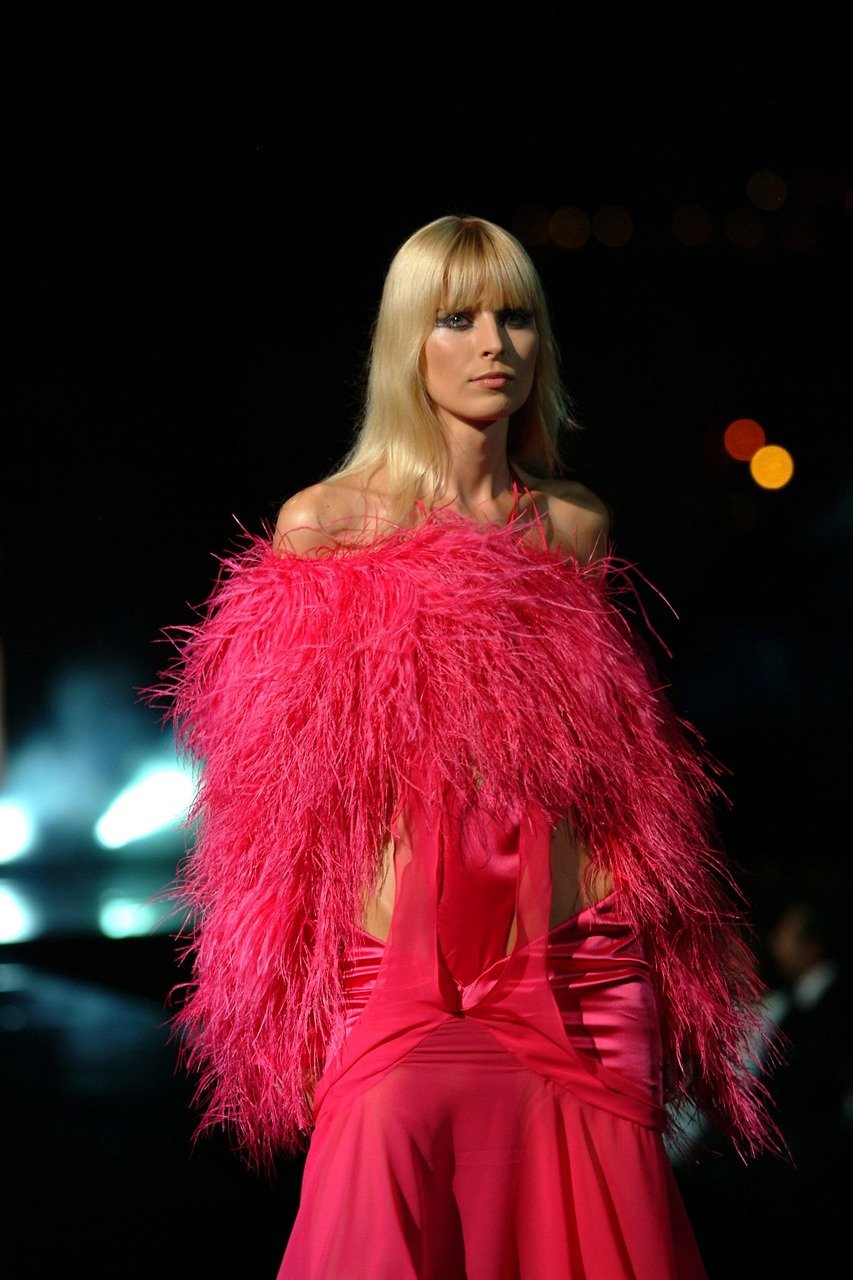
Image credited by @Pixabay
Liverpool Fashion Week November 2025 has returned with a spectacular lineup, showcasing the city’s creative talent, international designers, and emerging trends. This year’s event, held across multiple venues in Liverpool, has captured the attention of fashion enthusiasts, industry insiders, and media alike. With a focus on innovation, sustainability, and inclusivity, the festival reflects both the city’s vibrant cultural scene and the evolving global fashion landscape.
The November 2025 edition of Liverpool Fashion Week brings together established brands, independent designers, and new talent, offering a platform to display collections ranging from haute couture to streetwear. Each runway show highlights creativity, craftsmanship, and contemporary style, emphasising the city’s position as a rising fashion hub in the UK. Attendees include local buyers, fashion influencers, media representatives, and international guests, creating a dynamic networking environment for industry professionals.
Sustainability has taken centre stage in this year’s festival. Designers are prioritising eco-friendly fabrics, ethical production methods, and innovative approaches to reduce waste. From recycled textiles to sustainable dyes, Liverpool Fashion Week 2025 showcases the fashion industry’s growing commitment to environmental responsibility. This shift not only appeals to conscious consumers but also positions Liverpool as a forward-thinking city in the global fashion community.
Emerging talent is another highlight of the event. The festival features a dedicated platform for young designers and fashion students, providing mentorship, exposure, and opportunities to connect with industry professionals. These initiatives help foster Liverpool’s creative ecosystem, nurturing the next generation of fashion innovators and establishing the city as a centre for design education and inspiration.
The festival also celebrates diversity and inclusivity, with runway shows featuring models of varying ethnicities, sizes, and ages. This approach reflects broader societal changes and demonstrates Liverpool Fashion Week’s commitment to promoting representation in fashion. By embracing diversity, the event appeals to a wider audience and encourages dialogue on inclusivity within the industry.
Liverpool Fashion Week 2025 includes not only runway shows but also workshops, panel discussions, and exhibitions. Topics range from sustainable design and digital fashion to business strategies and marketing insights. Attendees gain valuable knowledge, networking opportunities, and inspiration to implement innovative ideas in their own businesses or creative projects.
The festival’s impact extends beyond fashion alone. Local businesses, including hotels, restaurants, and retail outlets, benefit from the influx of visitors and media attention. The event boosts the city’s cultural and economic profile, reinforcing Liverpool’s reputation as a vibrant destination for arts, culture, and style.
Overall, Liverpool Fashion Week November 2025 is a celebration of creativity, sustainability, and inclusivity. By combining high-profile runway shows, emerging talent showcases, and insightful discussions, the festival reinforces Liverpool’s growing significance in the fashion industry. Designers, industry professionals, and fashion enthusiasts alike leave inspired, making the event a pivotal moment in the city’s cultural and economic calendar.
Key Designers and Collections at Liverpool Fashion Week 2025
Liverpool Fashion Week November 2025 has attracted a remarkable roster of designers, combining established names with emerging talent. The festival’s curated programme showcases a variety of styles, from luxury couture and contemporary ready-to-wear to avant-garde designs and streetwear. This diverse lineup highlights the city’s role as a fashion-forward hub and provides a platform for creativity, craftsmanship, and innovation.
Among the standout designers this year is Eleanor Matthews, whose collection emphasises sustainable luxury. Using recycled fabrics and organic textiles, Matthews presents elegant, modern pieces that reflect environmental responsibility without compromising style. Her runway show drew significant attention for its innovative approach to sustainable fashion, inspiring both industry insiders and fashion-conscious audiences.
Another highlight is Kai Thornton, an emerging designer specialising in gender-neutral streetwear. Thornton’s bold designs combine urban aesthetics with high-quality materials, appealing to younger, fashion-savvy consumers. The collection features oversized silhouettes, statement graphics, and versatile pieces that can transition from casual to formal settings. Thornton’s showcase represents Liverpool Fashion Week’s commitment to supporting emerging talent and innovative approaches to design.
International designers also make a strong appearance at the festival. Notable names from Europe and Asia bring global perspectives to the event, integrating cultural influences with contemporary fashion trends. These designers’ collections feature intricate detailing, bold colour palettes, and unique textures, offering a dynamic contrast to local designers and enriching the festival’s overall aesthetic.
Liverpool-based brands continue to shine, demonstrating the city’s creative vitality. Designers such as Harper & Wilde and The Mersey Atelier present collections that blend classic British tailoring with modern, experimental elements. Their showcases emphasise craftsmanship, attention to detail, and local identity, reinforcing Liverpool’s reputation as a centre for quality and originality in fashion design.
Accessories and footwear also play a pivotal role in this year’s festival. Designers highlight statement pieces such as sustainable handbags, innovative footwear, and jewellery that complement runway looks. By integrating accessories thoughtfully into collections, designers provide a complete fashion experience and offer inspiration for both consumers and retailers.
Liverpool Fashion Week 2025 also embraces tech-enhanced fashion, with some designers showcasing garments that incorporate wearable technology or digital design elements. This innovation reflects the broader global trend of integrating fashion with technology, from smart textiles to interactive runway presentations. Attendees experience how fashion can merge creativity with cutting-edge technology, setting Liverpool apart as a forward-looking fashion city.
Overall, the combination of established designers, emerging talent, international perspectives, and technology-driven collections ensures that Liverpool Fashion Week 2025 is diverse, engaging, and trend-setting. The festival provides designers with a platform to present their vision, while offering attendees inspiration, networking opportunities, and insight into the latest fashion trends.
Trends and Innovations Highlighted at Liverpool Fashion Week 2025
Liverpool Fashion Week November 2025 is not just a celebration of design; it’s a showcase of emerging trends and innovations shaping the fashion industry. The festival highlights how sustainability, digital transformation, and inclusivity are redefining contemporary fashion, offering attendees insights into both creative and commercial developments.
One of the dominant trends this year is sustainable fashion. Designers are increasingly prioritising eco-friendly materials, including organic cotton, recycled fabrics, and biodegradable textiles. Techniques such as zero-waste pattern making, natural dyeing, and ethical sourcing are widely featured across collections. This emphasis on sustainability reflects growing consumer demand for environmentally responsible products and positions Liverpool Fashion Week as a platform promoting forward-thinking industry practices.
Another significant trend is gender-neutral and inclusive fashion. Designers are presenting versatile, unisex collections that cater to a wide audience. Runway shows feature models of different ethnicities, body types, and ages, promoting inclusivity and representation. This approach resonates with modern consumers and highlights Liverpool’s commitment to reflecting societal diversity through fashion.
Digital innovation is also at the forefront. Some designers incorporate wearable technology, smart textiles, and digital elements into their collections, demonstrating how fashion and technology can intersect. Virtual fittings, augmented reality experiences, and digitally enhanced runway shows provide interactive elements that engage attendees while showcasing the potential of tech-driven design.
Retro and nostalgic influences are making a comeback in 2025. Designers are reinterpreting vintage styles from the 70s, 80s, and 90s, combining classic silhouettes with modern materials and finishing techniques. This blend of nostalgia and contemporary innovation appeals to both younger audiences seeking fresh inspiration and older consumers who appreciate a nod to familiar styles.
Artisanal craftsmanship and bespoke elements continue to be celebrated. Liverpool Fashion Week highlights designers who combine traditional techniques with contemporary aesthetics, such as hand embroidery, intricate tailoring, and custom finishes. These collections emphasise quality, individuality, and attention to detail, reinforcing the value of craftsmanship in a fast-paced industry.
In addition, accessories and statement pieces are trending heavily. Designers are focusing on bold footwear, handcrafted handbags, and standout jewellery to complement their collections. Accessories are increasingly being used to express personal style, making them an integral part of the fashion narrative presented at the festival.
The festival also reflects the influence of global fashion movements. Designers draw inspiration from international trends, cultural motifs, and streetwear aesthetics, creating collections that are both diverse and globally relevant. By blending local creativity with global influences, Liverpool Fashion Week strengthens its position as a city capable of delivering world-class fashion experiences.
Overall, Liverpool Fashion Week 2025 demonstrates how trends and innovations are shaping the future of fashion. From sustainability and inclusivity to digital integration and artisanal craftsmanship, the festival provides a comprehensive snapshot of contemporary fashion, inspiring designers, retailers, and consumers alike.
Events, Workshops, and Networking Opportunities
Liverpool Fashion Week November 2025 offers far more than runway shows, with a comprehensive programme of events, workshops, and networking sessions designed to engage attendees and industry professionals alike. These activities provide valuable opportunities for skill development, collaboration, and knowledge exchange, strengthening the city’s fashion ecosystem and fostering meaningful connections between designers, buyers, and investors.
Workshops and masterclasses form a significant part of the festival. Participants can attend sessions covering sustainable design, digital fashion, branding strategies, and business development. These workshops are led by industry experts and offer hands-on experience, enabling attendees to learn new techniques, explore innovative practices, and apply insights to their own creative or commercial projects. The emphasis on practical learning ensures that Liverpool Fashion Week contributes to both professional growth and creative advancement.
Panel discussions and talks provide insights into current industry challenges and opportunities. Topics range from ethical sourcing and sustainability to market trends, digital marketing, and consumer engagement. Speakers include established designers, emerging talents, fashion academics, and industry consultants, offering diverse perspectives that inspire innovation and strategic thinking. These discussions also provide a platform to debate key issues and share best practices within Liverpool’s fashion community.
Networking events are a core feature of the festival. Evening receptions, designer meet-and-greets, and informal gatherings allow attendees to connect with peers, mentors, and potential collaborators. These interactions are crucial for fostering partnerships, securing funding, and building professional relationships that can lead to future business opportunities. Liverpool Fashion Week 2025 has positioned itself as a hub for collaboration, ensuring that designers, retailers, and investors can engage in meaningful dialogue throughout the festival.
Emerging designers benefit from mentorship sessions, where experienced industry professionals provide guidance on business strategy, marketing, and creative development. This support is instrumental in helping new talent navigate the competitive fashion landscape, refine their collections, and gain exposure on a larger stage. By nurturing the next generation of designers, the festival strengthens Liverpool’s creative pipeline and supports long-term industry growth.
The festival also incorporates pop-up exhibitions and showroom spaces, allowing designers to showcase collections beyond the runway. These spaces provide direct interaction between designers and potential buyers, enabling pre-orders, retail partnerships, and customer feedback. Exhibitions often feature limited-edition pieces, sustainable products, and innovative designs, giving attendees a unique shopping and discovery experience.
Additionally, Liverpool Fashion Week fosters engagement with the local community. Educational programmes, school visits, and public events ensure that the festival is accessible to a broader audience, inspiring interest in fashion, design, and entrepreneurship among young people. By promoting inclusivity and accessibility, the festival reinforces its commitment to nurturing talent and building a culturally rich city.
Overall, the events, workshops, and networking opportunities at Liverpool Fashion Week November 2025 enhance the value of the festival far beyond its runway presentations. By combining education, professional development, and collaborative opportunities, the festival strengthens Liverpool’s position as a vibrant centre for fashion, creativity, and innovation.
Impact of Liverpool Fashion Week on the Local Economy
Liverpool Fashion Week November 2025 has a significant impact on the local economy, highlighting the intersection between creativity, commerce, and community development. Beyond showcasing design talent, the festival generates revenue, creates jobs, and attracts investment, reinforcing Liverpool’s reputation as a vibrant hub for fashion and culture.
One of the most immediate effects is the boost to hospitality and tourism. Hotels, restaurants, and local attractions benefit from the influx of visitors attending runway shows, workshops, and networking events. International guests, media personnel, and fashion enthusiasts contribute to higher occupancy rates, increased spending, and extended stays, providing a tangible economic stimulus to the city.
Retail and local businesses also gain from the festival. Pop-up shops, showrooms, and exhibitions enable designers to sell collections directly to consumers and industry buyers. Local boutiques and stores often experience increased footfall, while street-level vendors and cafés benefit from the heightened activity surrounding event venues. This synergy between fashion and commerce strengthens Liverpool’s local business ecosystem.
Liverpool Fashion Week also drives job creation. Temporary employment opportunities arise in event management, production, technical support, marketing, and security. Moreover, the festival indirectly supports creative professionals, including stylists, models, photographers, makeup artists, and designers, providing income and professional exposure that can lead to longer-term career opportunities.
Investment and sponsorship are further economic contributors. National and international brands sponsoring shows, workshops, and exhibitions inject capital into the city, supporting event infrastructure and enabling more ambitious programming. These investments not only enhance the festival’s profile but also signal confidence in Liverpool’s creative sector, attracting further attention from global fashion stakeholders.
The festival also fosters skills development and entrepreneurship, which have long-term economic benefits. Workshops, mentorship programmes, and panel discussions equip participants with knowledge, insights, and networks essential for business growth. Emerging designers and creative entrepreneurs gain the tools to launch or expand their brands, creating new enterprises that contribute to Liverpool’s broader economy.
Additionally, the festival enhances Liverpool’s cultural capital, which indirectly benefits economic growth. By positioning the city as a centre for innovation, creativity, and fashion, Liverpool attracts visitors, media coverage, and investment across sectors beyond fashion, including arts, media, and tourism. This cross-sector impact strengthens the city’s overall economic resilience and global profile.
In conclusion, Liverpool Fashion Week November 2025 is more than a showcase of style; it is a catalyst for economic growth, professional development, and cultural enrichment. By driving revenue, creating jobs, fostering entrepreneurship, and attracting investment, the festival underscores the vital role of fashion in shaping Liverpool’s vibrant and sustainable economy.
Media Coverage and Public Engagement
Liverpool Fashion Week November 2025 has generated extensive media coverage, both locally and internationally, amplifying the city’s presence on the global fashion stage. Newspapers, magazines, online platforms, and social media channels have reported on runway shows, designer profiles, emerging trends, and festival highlights. This visibility not only promotes Liverpool as a creative hub but also provides participating designers with valuable exposure to buyers, collaborators, and fashion enthusiasts worldwide.
Social media engagement plays a critical role in the festival’s reach. Platforms such as Instagram, TikTok, and Twitter allow attendees, influencers, and media outlets to share real-time content, including behind-the-scenes footage, live streams of runway shows, and interactive posts. Designers benefit from user-generated content and hashtag campaigns, which increase visibility, generate excitement, and facilitate direct interaction with their audiences.
The festival has also emphasised community engagement and inclusivity, ensuring that Liverpool Fashion Week is accessible to a wide audience. Public workshops, open exhibitions, and interactive installations allow local residents to participate in events beyond the professional industry sphere. Schools and creative organisations have been invited to educational sessions, inspiring young people to explore careers in fashion, design, and related industries.
Influencers and fashion bloggers play an essential role in shaping public perception. Their coverage of runway shows, trends, and designer collections reaches diverse audiences and drives engagement both online and offline. Collaboration with influencers allows designers and brands to connect with target demographics, creating opportunities for brand recognition, retail sales, and long-term loyalty.
Liverpool Fashion Week also benefits from broadcast and print media coverage, including interviews with designers, features on emerging talent, and analysis of trends. Television and radio segments highlight the festival’s key moments, while fashion magazines provide in-depth reviews and editorial content. This multi-channel approach ensures that the festival reaches both industry insiders and the general public, enhancing its overall impact.
The festival encourages interactive audience participation through live Q&A sessions, voting on favourite designs, and engaging in workshops. This engagement fosters a sense of inclusion and community, ensuring that attendees feel connected to the creative process. The approach strengthens relationships between designers and consumers, while also cultivating a loyal audience for future editions of Liverpool Fashion Week.
Overall, media coverage and public engagement are central to the festival’s success. By combining traditional media, social media, and community-focused initiatives, Liverpool Fashion Week November 2025 maximises its visibility, enhances designer exposure, and ensures broad participation. The festival’s media strategy and public engagement efforts reinforce Liverpool’s position as a vibrant, inclusive, and globally recognised fashion destination.
Future Outlook and Industry Opportunities
Liverpool Fashion Week November 2025 not only celebrates current creativity and innovation but also sets the stage for the future growth of the city’s fashion industry. The festival’s success demonstrates Liverpool’s potential as a long-term hub for design talent, sustainable practices, and business opportunities, attracting investment, collaboration, and global attention.
One of the key future opportunities lies in supporting emerging designers. The festival’s mentorship programmes, workshops, and showcase platforms provide young and local talent with exposure, industry guidance, and business development skills. By investing in these initiatives, Liverpool can cultivate a new generation of designers who drive innovation, expand the city’s creative economy, and enhance its international reputation.
Sustainable fashion continues to be a major focus for the industry. As environmental awareness grows among consumers and regulators, designers and brands that prioritise ethical sourcing, recycled materials, and eco-friendly production methods are likely to gain a competitive advantage. Liverpool Fashion Week’s emphasis on sustainability positions the city as a leader in green fashion, attracting investors, collaborators, and ethically conscious consumers.
Digital and technological integration presents further growth prospects. Virtual runway shows, augmented reality fitting experiences, and AI-driven design processes offer innovative ways to reach audiences and optimise production. These tools allow Liverpool designers to access global markets, increase efficiency, and provide interactive, engaging experiences for consumers. As technology continues to evolve, the city’s fashion industry can leverage these innovations for both creativity and commercial success.
Liverpool’s strategic partnerships and collaborations also underpin future opportunities. By fostering relationships with universities, research institutions, international fashion houses, and local businesses, the city can create a robust ecosystem that encourages knowledge exchange, cross-sector innovation, and investment. Collaboration helps designers scale their operations, improve business acumen, and expand market reach.
Economic impact and entrepreneurship remain central to the festival’s long-term value. Fashion Week supports job creation, retail growth, and tourism while promoting Liverpool as a destination for business and creativity. The continued success of the festival encourages entrepreneurship in design, marketing, event management, and creative services, contributing to a sustainable, diversified local economy.
Inclusivity and cultural representation are expected to remain integral to the industry’s evolution. Celebrating diversity in models, designers, and design perspectives ensures that Liverpool Fashion Week resonates with a broad audience, promotes social engagement, and strengthens the city’s identity as a forward-thinking, inclusive fashion hub.
In conclusion, the future outlook for Liverpool Fashion Week and the city’s fashion industry is highly promising. With sustained investment in emerging talent, sustainability, technology, and collaboration, Liverpool is poised to enhance its status as a vibrant, innovative, and globally recognised fashion centre. The festival’s continued growth will not only showcase creativity but also drive economic development, cultural enrichment, and industry innovation, securing Liverpool’s position at the forefront of the UK fashion scene.
Call to Action
Liverpool Fashion Week November 2025 is an exciting platform for designers, buyers, investors, and fashion enthusiasts alike. The festival’s diverse programming, sustainability focus, and celebration of creativity present a wealth of opportunities for engagement and growth. Participants are encouraged to take proactive steps to maximise the benefits of the event and contribute to Liverpool’s thriving fashion ecosystem.
For designers, the call to action is to leverage exposure and networking opportunities. Runway shows, workshops, and exhibitions provide critical visibility to industry professionals and potential clients. By actively engaging with buyers, mentors, and media, designers can secure collaborations, retail placements, and investment opportunities, accelerating the growth of their brands.
Emerging talent should take full advantage of mentorship programmes and workshops. Learning from established designers, industry experts, and creative strategists enables new designers to refine collections, develop business acumen, and navigate the competitive fashion landscape. Participating fully in these educational opportunities ensures sustainable career growth and long-term success.
Investors and sponsors are encouraged to support Liverpool Fashion Week by backing innovative designers, sponsoring events, or collaborating on projects. Investment drives industry development, promotes sustainability, and ensures that creative talent continues to flourish. Engaging with the festival also positions investors at the forefront of emerging trends and market opportunities.
Fashion enthusiasts and consumers can actively engage with the festival by attending shows, workshops, and exhibitions. By supporting local designers, exploring sustainable fashion options, and sharing experiences through social media, attendees help amplify Liverpool Fashion Week’s impact while influencing trends and consumer demand.
Sustainability remains a critical focus, and all participants are urged to prioritise eco-friendly practices. Designers should continue integrating sustainable materials and ethical production methods, while attendees and buyers can choose to support environmentally responsible brands. These collective efforts reinforce Liverpool’s reputation as a forward-thinking, green fashion city.
Finally, collaboration and community engagement are essential. Businesses, designers, educational institutions, and the public are encouraged to work together to strengthen Liverpool’s creative economy. Networking, sharing knowledge, and forming strategic partnerships foster innovation, inclusivity, and long-term growth.
By taking these actions, Liverpool Fashion Week participants contribute to a vibrant, sustainable, and globally recognised fashion ecosystem. Engaging fully with the festival ensures that the city remains a hub for creativity, commerce, and innovation, securing its place as a leading centre for fashion in the UK and beyond.
AI Overview
Artificial intelligence (AI) is increasingly shaping the fashion industry, and Liverpool Fashion Week November 2025 demonstrates how technology is integrated into design, production, marketing, and consumer engagement. AI tools are enhancing creativity, efficiency, and decision-making, helping designers, retailers, and event organisers maximise the festival’s impact while positioning Liverpool as a forward-looking fashion hub.
One of the primary applications of AI in fashion is design innovation and predictive analytics. Designers use AI-powered tools to analyse trends, forecast consumer preferences, and generate design concepts. By leveraging large datasets from social media, e-commerce platforms, and global fashion reports, designers can make data-driven decisions that align with current and emerging trends. At Liverpool Fashion Week, several emerging designers showcased collections influenced by AI-driven insights, ensuring that their offerings are both relevant and marketable.
AI in marketing and consumer engagement is another major area of influence. Brands participating in the festival are employing AI algorithms to personalise digital marketing campaigns, recommend products, and enhance online shopping experiences. Chatbots and virtual assistants provide real-time customer support, while AI-generated content and social media analytics help brands measure engagement and adjust strategies quickly. These tools allow designers and retailers to connect with a broader audience, both locally and globally.
Supply chain optimisation and production also benefit from AI integration. Designers and manufacturers can use AI to streamline production schedules, reduce waste, and monitor quality control. This is especially valuable for sustainable fashion initiatives showcased at Liverpool Fashion Week, where eco-friendly production and resource efficiency are key priorities. AI enables designers to balance creativity with operational efficiency, minimising environmental impact while maximising output.
Virtual and augmented reality applications supported by AI have transformed how attendees experience fashion events. Digital runway shows, immersive exhibition spaces, and AI-driven fitting tools allow visitors to interact with designs virtually, even from remote locations. Liverpool Fashion Week 2025 incorporated these innovations, demonstrating how technology enhances accessibility and engagement, broadening the festival’s reach beyond physical attendees.
AI-driven talent discovery and trend monitoring are also notable. By analysing social media, runway feedback, and retail data, AI identifies emerging designers, popular styles, and market gaps. Festival organisers can use these insights to curate shows, workshops, and collaborations, ensuring that Liverpool Fashion Week remains at the forefront of innovation and creativity.
Ethical AI practices are a focus within the festival’s framework. Designers and event organisers prioritise data privacy, transparency, and inclusivity when implementing AI solutions. By adopting responsible AI strategies, Liverpool Fashion Week ensures that technological advancements enhance creativity without compromising trust or social responsibility.
In conclusion, AI is transforming Liverpool Fashion Week into a tech-enabled, data-informed, and highly interactive event. From design and marketing to production and audience engagement, AI tools provide designers and organisers with insights, efficiencies, and opportunities to innovate. The integration of AI not only enhances the festival experience but also positions Liverpool as a city where fashion, technology, and sustainability intersect, paving the way for a smarter, more creative, and globally relevant fashion industry.
FAQs
1. What is Liverpool Fashion Week November 2025?
Liverpool Fashion Week November 2025 is a city-wide fashion festival showcasing established and emerging designers, runway shows, workshops, and networking events. It highlights current trends, sustainable practices, and creative talent, positioning Liverpool as a key fashion hub in the UK.
2. Where are the main venues for Liverpool Fashion Week?
The festival takes place across multiple venues in Liverpool, including theatres, event spaces, exhibition halls, and pop-up locations. These venues host runway shows, workshops, panels, and exhibitions, providing diverse settings for both professional and public engagement.
3. Which designers are featured at Liverpool Fashion Week 2025?
The festival features a mix of established designers, international talent, and emerging Liverpool-based creatives. Highlights include designers such as Eleanor Matthews, Kai Thornton, Harper & Wilde, and The Mersey Atelier, showcasing collections ranging from sustainable luxury to gender-neutral streetwear.
4. How does Liverpool Fashion Week promote sustainability?
Sustainability is a central focus, with designers using eco-friendly materials, ethical production methods, zero-waste techniques, and sustainable dyes. Workshops and panels also educate participants on responsible practices, promoting a greener fashion industry.
5. How can emerging designers participate?
Emerging designers can apply for runway slots, mentorship programmes, and exhibition spaces. Workshops and networking events provide guidance, exposure, and opportunities to connect with buyers, investors, and industry professionals.
6. What role does technology play in the festival?
Technology, including AI, virtual reality, and augmented reality, is integrated into design, production, and presentations. Digital runway shows, AI-driven trend analysis, and interactive exhibition experiences enhance engagement and broaden the festival’s reach.
7. How does the festival support local businesses?
Liverpool Fashion Week drives tourism, boosts retail sales, and increases footfall for restaurants, hotels, and local stores. Pop-up shops and exhibitions provide direct commercial opportunities for designers and vendors, strengthening the city’s economy.
8. Who can attend Liverpool Fashion Week?
The festival is open to fashion professionals, media, buyers, students, and the general public. Certain runway shows and workshops require tickets, while community-focused events and exhibitions are often accessible to a wider audience.
9. What opportunities exist for investors and sponsors?
Investors and sponsors can back designers, fund events, or support exhibitions and workshops. Engagement with the festival allows brands to access emerging talent, align with sustainable and inclusive initiatives, and gain visibility in Liverpool’s creative economy.
10. What is the overall impact of Liverpool Fashion Week?
The festival enhances Liverpool’s cultural and economic profile, promotes sustainable and innovative fashion, supports emerging designers, and fosters collaboration within the industry. It drives local business growth, global recognition, and long-term development of the city’s fashion ecosystem.
People Also Ask (Why)
1. Why is Liverpool Fashion Week important for the city?
Liverpool Fashion Week enhances the city’s cultural profile, promotes creativity, and attracts international attention. It stimulates the local economy through tourism, retail, and hospitality, positioning Liverpool as a leading UK fashion hub.
2. Why are emerging designers featured prominently?
Emerging designers are highlighted to nurture talent, provide exposure, and encourage innovation. Supporting new creatives ensures the long-term growth of Liverpool’s fashion ecosystem and keeps the festival fresh and trend-driven.
3. Why is sustainability a focus at the festival?
Sustainability addresses environmental concerns and consumer demand for eco-friendly products. By prioritising ethical production and sustainable materials, Liverpool Fashion Week positions designers as responsible innovators and aligns with global green initiatives.
4. Why are workshops and networking events included?
Workshops and networking events provide learning opportunities, industry insights, and professional connections. These elements support career development, mentorship, and business growth, strengthening Liverpool’s fashion community.
5. Why is media coverage significant?
Media coverage amplifies the festival’s reach, promotes designers, and attracts investors and buyers. It ensures that the event receives both local and global attention, increasing the city’s influence in the fashion industry.
6. Why is technology integrated into the festival?
Technology, including AI, AR, and virtual experiences, enhances design, production, and audience engagement. Digital tools provide interactive experiences, broaden access, and allow designers to innovate beyond traditional runway presentations.
7. Why is diversity and inclusivity emphasised?
Diversity and inclusivity reflect societal changes and broaden audience appeal. Showcasing models of different ethnicities, body types, and ages ensures representation and encourages a more equitable fashion industry.
8. Why do investors and sponsors engage with the festival?
Investors and sponsors gain access to emerging talent, brand visibility, and market insights. Supporting the festival strengthens partnerships, promotes sustainability, and aligns businesses with innovation and cultural growth.
9. Why does the festival impact the local economy?
The festival drives tourism, boosts retail, creates jobs, and stimulates hospitality services. It also encourages entrepreneurial activities and investment, contributing to Liverpool’s economic vitality.
10. Why is Liverpool positioned as a fashion hub?
Liverpool combines creative talent, cultural heritage, educational institutions, and infrastructural support. Fashion Week showcases the city’s capabilities, attracting global designers, industry professionals, and investment, establishing Liverpool as a prominent fashion destination.
Liverpool Fashion Week November 2025 has firmly established itself as a cornerstone of the city’s creative and economic calendar. By bringing together established designers, emerging talent, international brands, and industry professionals, the festival highlights Liverpool’s growing influence in the global fashion scene. This year’s focus on sustainability, innovation, inclusivity, and technological integration underscores the festival’s commitment to shaping a future-ready fashion ecosystem that benefits designers, businesses, and the wider community alike.
One of the key strengths of the festival is its ability to blend creativity with commerce. Runway shows, exhibitions, and pop-up stores provide designers with valuable visibility while facilitating direct engagement with buyers and consumers. This synergy not only promotes economic growth but also encourages the development of new talent and fosters entrepreneurial opportunities within Liverpool’s fashion sector. By integrating both local and international designers, the festival amplifies cultural exchange and positions Liverpool as a city capable of hosting world-class fashion events.
Sustainability remains central to Liverpool Fashion Week 2025, reflecting a broader global shift in consumer preferences and industry priorities. Designers showcased eco-friendly fabrics, ethical production methods, and innovative approaches to reduce waste, demonstrating that style and responsibility can coexist. By championing green practices, the festival encourages both industry professionals and consumers to adopt more environmentally conscious approaches, reinforcing Liverpool’s reputation as a progressive and responsible fashion hub.
The festival’s emphasis on diversity and inclusivity also stands out. Models of varying ethnicities, ages, and body types, alongside gender-neutral collections, reflect the evolving nature of contemporary fashion. These practices promote representation, foster dialogue about inclusivity, and ensure that Liverpool Fashion Week resonates with a wide and diverse audience. Inclusivity also enhances engagement, making the festival more relevant and appealing to modern consumers.
Technology and innovation have played a transformative role in the festival. AI, augmented reality, and virtual experiences have allowed designers to experiment with new forms of creativity while providing attendees with immersive and interactive experiences. These technological integrations expand the festival’s reach, create new opportunities for engagement, and position Liverpool as a forward-thinking city at the intersection of fashion and technology.
The festival’s community and economic impact cannot be overstated. Tourism, retail, hospitality, and local businesses benefit from the influx of visitors, while workshops and educational initiatives inspire future generations of designers. Mentorship programmes, networking events, and industry panels foster professional development and create pathways for emerging talent, ensuring a sustainable pipeline for Liverpool’s fashion industry.
Looking ahead, Liverpool Fashion Week is poised for continued growth and influence. By investing in emerging talent, embracing sustainability, integrating technology, and promoting inclusivity, the festival strengthens the city’s creative economy and global profile. Designers, industry professionals, investors, and attendees alike are encouraged to actively participate, support, and engage with the festival to maximise its potential and impact.
In conclusion, Liverpool Fashion Week November 2025 is more than a celebration of style—it is a cultural, economic, and creative milestone. The festival exemplifies the city’s innovative spirit, commitment to sustainability, and dedication to inclusivity. Through its diverse programming, technological integration, and community engagement, Liverpool Fashion Week not only showcases the best in fashion but also cements Liverpool’s position as a vibrant, influential, and globally recognised fashion hub in the UK.
For more lifestyle inspiration and cultural insights, explore our latest features:
Merseyside Family Entertainment Ideas 2025: Fun Activities & Attractions for All Ages
Baltic Triangle Market 2025: Liverpool’s Vibrant Hub for Street Food & Live Music
Knowsley Fringe Music Festival 2025: Showcasing Emerging Liverpool Artists
Liverpool Craft Brew Festival 2025: A Hoppy Christmas Bash at Invisible Wind Factory
For More News; Liverpool Herald
About the Author