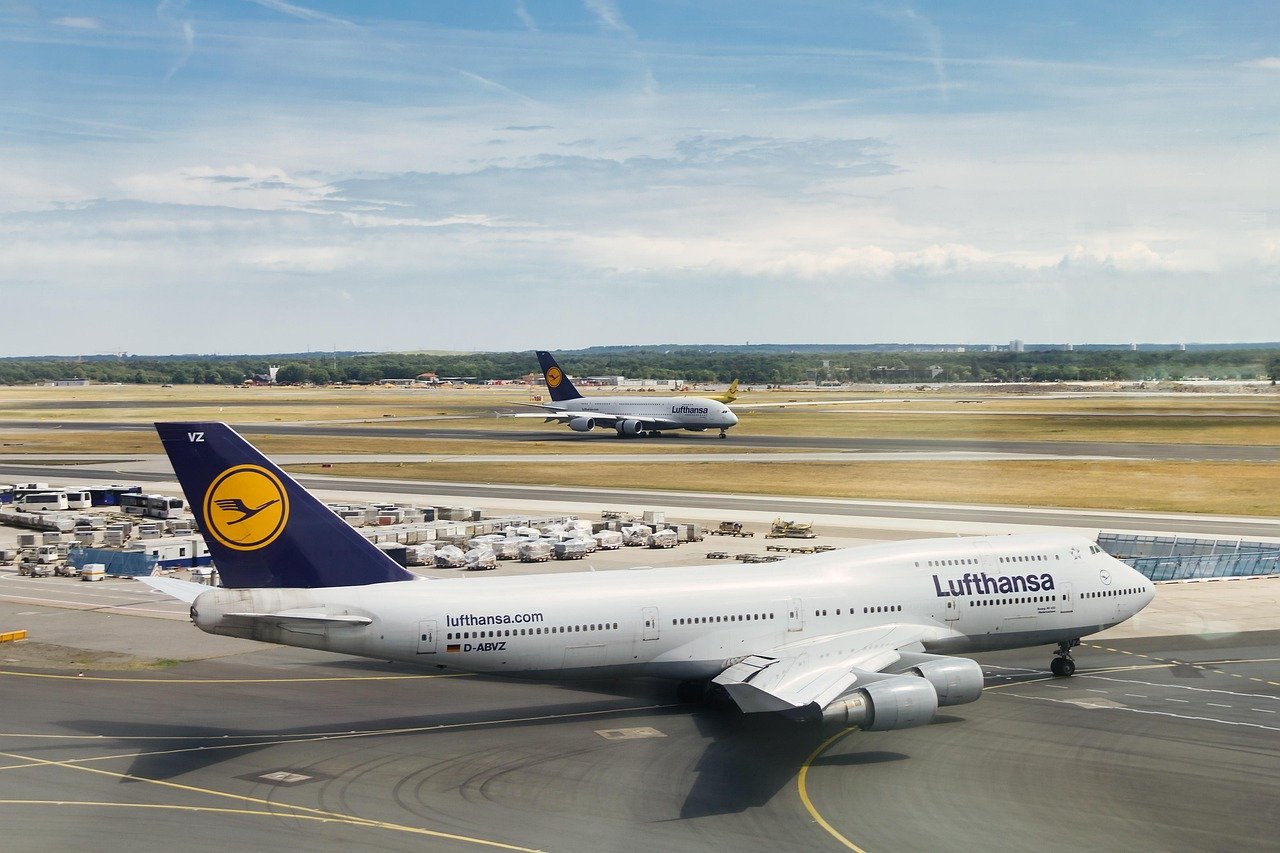
Image credited by @Pixabay
Liverpool John Lennon Airport (LJLA) has seen a notable evolution in 2025, reflecting both the recovery of the aviation sector and the city’s growing significance as a travel hub. This year, the airport has experienced increased passenger traffic, expanded routes, and improved facilities, making it a vital gateway for domestic and international travel. The airport’s development aligns with broader regional growth, supporting tourism, business, and economic activity across Liverpool and Merseyside.
In 2025, LJLA has strengthened its connectivity with major European cities and emerging destinations, enhancing accessibility for tourists, business travellers, and cargo operators. Airlines are expanding their schedules, introducing new routes, and increasing flight frequencies, catering to growing demand. These improvements are part of a long-term strategy to position Liverpool as a competitive aviation hub in the UK, providing seamless access to key economic and cultural centres.
Passenger numbers have steadily risen, reflecting both leisure and business travel recovery post-pandemic. Data from the airport indicates that the increase in traffic is driven by a combination of domestic flights, holiday destinations, and business routes connecting Liverpool to major European cities. The airport’s modernised terminal facilities, efficient check-in procedures, and enhanced customer services contribute to a positive passenger experience, encouraging repeat visits and attracting new travellers.
Cargo operations at Liverpool John Lennon Airport are also expanding. The airport facilitates the movement of goods across Europe and beyond, supporting regional industries such as manufacturing, retail, and e-commerce. Efficient cargo handling, streamlined customs processes, and strategic partnerships with logistics providers enhance Liverpool’s appeal as a trade and distribution centre.
Technological innovations have played a role in improving airport operations in 2025. Digital check-ins, automated security systems, and AI-driven customer service solutions streamline passenger flow and reduce wait times. These upgrades improve operational efficiency, enhance safety, and provide a modern travel experience, aligning LJLA with global aviation standards.
The airport’s contribution to the local economy remains significant. Increased passenger traffic boosts tourism revenue, supports local businesses, and creates employment opportunities in hospitality, transport, retail, and aviation services. Liverpool John Lennon Airport acts as a catalyst for regional development, linking the city to international markets and fostering economic growth.
Safety and sustainability are priorities for LJLA in 2025. Initiatives include energy-efficient terminal designs, eco-friendly ground operations, and carbon reduction strategies. By integrating sustainable practices, the airport demonstrates its commitment to environmental responsibility while accommodating rising traffic volumes.
Overall, Liverpool John Lennon Airport traffic in 2025 reflects a positive trajectory, with growth in passenger numbers, expanded routes, enhanced services, and strategic development initiatives. The airport remains a cornerstone of Liverpool’s transport infrastructure, supporting both economic growth and international connectivity.
Passenger Traffic Analysis at Liverpool John Lennon Airport
In 2025, Liverpool John Lennon Airport (LJLA) has recorded significant growth in passenger traffic, reflecting both domestic and international demand. Passenger trends indicate a balanced mix of leisure, business, and transit travellers, highlighting the airport’s role as a versatile and essential transport hub. Analysis of traffic patterns provides insight into travel behaviour, route popularity, and seasonal fluctuations.
Domestic travel remains a substantial component of LJLA’s traffic. Popular destinations such as London, Manchester, Edinburgh, and Belfast continue to attract frequent flyers, including business professionals, students, and leisure travellers. Airlines have increased the frequency of flights on these routes, responding to high demand and offering competitive pricing to attract passengers. These domestic connections play a vital role in supporting regional mobility and linking Liverpool to key UK economic centres.
International passenger traffic has also shown marked improvement in 2025. European cities such as Amsterdam, Paris, Dublin, and Barcelona remain popular destinations, while emerging routes to southern Europe, Scandinavia, and select Mediterranean locations attract leisure travellers. The introduction of additional charter flights during peak holiday periods has boosted capacity, catering to seasonal demand and positioning Liverpool as an accessible hub for European travel.
Analysis of passenger demographics indicates that LJLA serves a diverse range of travellers. Business travellers benefit from convenient scheduling and short transit times, while families and tourists enjoy affordable leisure options. Students and young travellers, attracted by low-cost carriers, contribute to the airport’s dynamic passenger profile. Understanding these trends allows airlines and airport management to tailor services, optimise scheduling, and enhance the overall travel experience.
Seasonal fluctuations are a notable feature of 2025 traffic patterns. Summer months witness peak leisure travel, with holidaymakers taking advantage of direct flights to sun destinations. Conversely, winter months experience a slight reduction in traffic, with business travel and city breaks maintaining steady passenger volumes. Airlines and airport operators plan strategically to accommodate these variations, ensuring adequate staffing, infrastructure, and services throughout the year.
The airport has implemented technological solutions to manage increased passenger volumes efficiently. Automated check-ins, baggage handling improvements, and AI-driven crowd management reduce congestion and improve operational flow. These enhancements contribute to a smooth passenger experience, even during peak periods, and help maintain high customer satisfaction levels.
LJLA also prioritises accessibility and inclusivity. Facilities for disabled passengers, family-friendly amenities, and multilingual support services ensure that all travellers can navigate the airport comfortably. Enhanced customer support systems, both online and on-site, provide timely assistance, further reinforcing LJLA’s reputation for quality service.
Overall, passenger traffic analysis in 2025 demonstrates a robust recovery and growth trajectory for Liverpool John Lennon Airport. With a mix of domestic and international travellers, diverse demographics, and seasonal trends, the airport continues to play a crucial role in connecting Liverpool to the UK and global destinations.
Airline Operations and Route Expansion
Liverpool John Lennon Airport (LJLA) in 2025 has witnessed significant developments in airline operations and route expansion, reflecting the airport’s strategic focus on connectivity and passenger growth. Airlines operating from LJLA have increased flight frequencies, introduced new domestic and international routes, and enhanced service offerings, ensuring that Liverpool remains a competitive and accessible hub in the UK aviation network.
Major domestic carriers continue to dominate key routes, linking Liverpool with London, Manchester, Edinburgh, and Belfast. These routes cater to a mix of business and leisure passengers, with airlines providing flexible scheduling to accommodate commuter patterns, weekend travel, and peak holiday periods. Low-cost carriers play a crucial role in stimulating demand, offering affordable options for families, students, and leisure travellers, thereby increasing overall passenger volumes.
International route expansion has been a notable focus in 2025. Airlines have added new destinations across Europe, including Mediterranean resorts, Nordic capitals, and cultural hubs in Western Europe. These expansions provide passengers with increased choice and flexibility, allowing Liverpool to tap into growing tourism markets while facilitating business connections. Seasonal charter flights to popular holiday destinations further bolster capacity during peak travel periods.
Cargo operations have also seen growth, with airlines improving logistics services and freight capacity. Efficient handling of goods, timely scheduling, and integration with regional distribution networks make LJLA a critical node for businesses reliant on air cargo. The expansion of cargo routes contributes to the airport’s economic impact, supporting local industries such as retail, manufacturing, and e-commerce.
Airlines operating at LJLA have invested in modern aircraft and enhanced passenger experience. Fuel-efficient planes reduce environmental impact, while improved in-flight services and seating comfort cater to diverse passenger needs. Technological integration, such as mobile booking systems and real-time flight updates, enhances operational efficiency and passenger convenience.
Collaboration between the airport and airlines is central to strategic growth. Regular consultations allow for optimisation of schedules, route planning, and marketing strategies, ensuring maximum utilisation of airport capacity. This partnership approach facilitates the introduction of innovative services, promotional campaigns, and loyalty programmes, which attract both repeat and new passengers.
Future plans indicate continued route diversification, with a focus on emerging international destinations and underserved domestic regions. By expanding its network, Liverpool John Lennon Airport strengthens its role as a regional transport hub, improves economic connectivity, and enhances the city’s profile as a global destination for business and leisure travel.
In conclusion, airline operations and route expansion in 2025 have positioned LJLA for sustainable growth. Increased domestic and international connectivity, improved cargo services, technological enhancements, and collaborative strategies ensure that the airport meets rising demand while contributing significantly to Liverpool’s transport infrastructure and economic development.
Infrastructure Developments and Passenger Facilities
Liverpool John Lennon Airport (LJLA) in 2025 has undergone several infrastructure upgrades and facility improvements to accommodate rising passenger traffic and enhance the overall travel experience. These developments aim to streamline operations, increase capacity, and provide modern, comfortable facilities for both domestic and international travellers.
The airport has invested in terminal expansions, increasing check-in areas, security lanes, and boarding gates. This expansion reduces congestion during peak travel periods and allows for smoother passenger flow. Enhanced signage and digital information displays improve navigation within the airport, ensuring that passengers can easily locate services, lounges, and boarding areas.
Passenger amenities have been a key focus. The airport has upgraded lounges, waiting areas, and family-friendly spaces, providing comfortable environments for travellers. Retail and dining options have also been expanded, featuring local and international brands, cafés, and quick-service outlets, catering to diverse tastes and budgets. These improvements contribute to a positive passenger experience and encourage spending within the airport.
Technological enhancements have modernised check-in and security processes. Automated check-in kiosks, advanced baggage scanning, and AI-driven crowd management systems reduce wait times and streamline passenger processing. Mobile apps and digital notifications provide real-time flight updates, gate changes, and service alerts, improving convenience and customer satisfaction.
Sustainability remains central to LJLA’s infrastructure plans. Energy-efficient lighting, eco-friendly building materials, and waste reduction initiatives have been implemented throughout the terminal. Ground operations also incorporate low-emission vehicles, efficient fuel management, and carbon reduction strategies, reflecting the airport’s commitment to environmental responsibility.
Accessibility improvements have ensured that passenger facilities cater to all travellers, including those with disabilities or limited mobility. Wheelchair-friendly routes, tactile guidance, dedicated assistance staff, and multilingual support services enhance inclusivity and ensure compliance with regulatory standards.
Additionally, the airport has enhanced transport links connecting it to Liverpool city centre and surrounding regions. Improved public transport, shuttle services, and parking facilities facilitate easy access for passengers, reducing travel time and improving convenience for both locals and visitors.
Overall, Liverpool John Lennon Airport’s infrastructure developments and passenger facility upgrades in 2025 position it as a modern, efficient, and passenger-friendly airport. By prioritising comfort, technology, sustainability, and accessibility, LJLA ensures that increased traffic volumes are managed effectively while providing a high-quality travel experience.
Economic and Regional Impact
Liverpool John Lennon Airport (LJLA) plays a pivotal role in the economic and regional development of Liverpool and the wider Merseyside area. In 2025, its influence extends beyond transportation, contributing to tourism, business growth, job creation, and international connectivity, making it a key driver of regional prosperity.
One of the most significant impacts is on tourism revenue. Increased passenger traffic brings visitors who spend on hotels, restaurants, attractions, and local services. European and domestic tourists visiting Liverpool contribute substantially to the city’s hospitality sector, particularly during peak travel seasons. This influx of visitors strengthens the local economy and supports cultural and entertainment venues across the city.
Employment generation is another critical factor. LJLA supports direct jobs in aviation, security, retail, and administration, while also creating indirect employment in hospitality, transport, logistics, and tourism. Seasonal and part-time roles increase during high-traffic periods, providing flexible opportunities for local residents and contributing to economic stability.
The airport’s operations stimulate business and trade opportunities. Efficient cargo handling enables regional companies to distribute goods across Europe and beyond, supporting manufacturing, retail, and e-commerce sectors. Improved connectivity attracts corporate investment, encourages business travel, and facilitates partnerships, reinforcing Liverpool’s position as a commercial hub.
LJLA also contributes to regional infrastructure development. Investment in road links, public transport, parking, and digital connectivity enhances accessibility for passengers and businesses alike. This improved infrastructure benefits surrounding communities and ensures that Liverpool remains competitive within the UK and European transport network.
Furthermore, the airport promotes international exposure for Liverpool. By connecting the city to key European destinations and emerging markets, LJLA enables cultural exchange, business collaboration, and tourism promotion. International visitors, media coverage, and global partnerships enhance Liverpool’s global profile and attractiveness as a destination for both leisure and investment.
Sustainability initiatives at the airport also impact the regional economy. Energy-efficient operations, carbon reduction strategies, and green transport links align with broader environmental goals, promoting Liverpool as a forward-thinking city committed to responsible development. These initiatives can attract environmentally conscious travellers and investors, further enhancing economic benefits.
In conclusion, Liverpool John Lennon Airport’s economic and regional impact in 2025 is multifaceted. By driving tourism, supporting business growth, creating employment, enhancing infrastructure, and fostering international connectivity, LJLA plays an essential role in Liverpool’s prosperity. The airport is not only a transport hub but also a strategic asset that contributes significantly to the region’s long-term economic and cultural development.
Safety, Security, and Operational Efficiency
In 2025, Liverpool John Lennon Airport (LJLA) continues to prioritise safety, security, and operational efficiency, ensuring that increased passenger and cargo traffic is managed effectively while maintaining high standards of service and compliance with international aviation regulations.
Safety measures at the airport are comprehensive, covering passenger handling, airside operations, and emergency preparedness. Regular inspections, adherence to civil aviation authority protocols, and rigorous staff training ensure that the airport operates safely across all areas. Emergency response plans, fire safety systems, and medical facilities are maintained to the highest standards, providing reassurance to passengers and staff alike.
Security protocols have been enhanced in 2025 to address evolving threats and maintain compliance with national and international regulations. Advanced screening technologies, AI-assisted monitoring, and risk-based security assessments reduce vulnerabilities while ensuring smooth passenger flow. Staff are trained in behavioural detection, threat assessment, and crisis management, ensuring that security measures are both effective and unobtrusive.
Operational efficiency is achieved through innovative technologies and process optimisation. Automated check-ins, digital boarding passes, and AI-driven crowd management systems streamline passenger movement, minimise congestion, and reduce delays. Baggage handling systems have been upgraded for speed and accuracy, ensuring that luggage is efficiently processed even during peak travel periods.
Air traffic management is another critical component of operational efficiency. Coordination with airlines, air traffic control, and ground operations ensures optimal scheduling, minimises delays, and maintains safe airspace management. Real-time monitoring systems track aircraft movements, weather conditions, and operational parameters, allowing proactive responses to potential disruptions.
Staff training and workforce management contribute significantly to maintaining operational excellence. Employees across security, customer service, technical operations, and logistics are regularly updated on best practices, regulatory changes, and technological advancements. This focus on professional development ensures that operational standards remain high while adapting to evolving industry requirements.
The airport also emphasises passenger experience during security and operational processes. Clear signage, helpful staff, and efficient queue management reduce stress and improve satisfaction. Digital communication channels provide real-time updates on flight status, boarding times, and service information, keeping passengers informed and engaged.
In summary, Liverpool John Lennon Airport in 2025 balances safety, security, and operational efficiency with passenger experience. Through technology, rigorous standards, staff training, and process optimisation, LJLA manages growing traffic effectively while maintaining its reputation as a safe, reliable, and modern airport serving Liverpool and the wider region.
Future Outlook and Development Plans
Liverpool John Lennon Airport (LJLA) is positioning itself for continued growth and expansion beyond 2025, with strategic plans focusing on infrastructure, passenger experience, sustainability, and global connectivity. These initiatives aim to strengthen the airport’s role as a regional transport hub and support Liverpool’s broader economic and tourism ambitions.
One key area of development is terminal expansion and modernisation. Plans include increasing check-in capacity, expanding security lanes, adding boarding gates, and enhancing waiting areas. Upgraded passenger lounges, family-friendly spaces, and retail zones are designed to improve comfort and convenience, catering to rising passenger volumes and evolving traveller expectations.
Route diversification and airline partnerships remain central to future growth. LJLA intends to attract new domestic and international carriers, introduce routes to emerging markets, and increase flight frequencies on popular destinations. This strategy enhances connectivity, boosts tourism, and supports Liverpool’s position as a competitive aviation hub in the UK and Europe.
Sustainability continues to be a core focus. Future initiatives include carbon reduction strategies, renewable energy integration, and green transport solutions. By investing in energy-efficient infrastructure, low-emission vehicles, and eco-friendly operational practices, the airport demonstrates a commitment to environmental responsibility while accommodating increased traffic.
Technological innovation is also key to LJLA’s future outlook. Integration of AI, digital monitoring systems, automated check-ins, and real-time data analytics will optimise operational efficiency, reduce delays, and enhance passenger experience. Virtual information systems, mobile apps, and personalised services are expected to further modernise airport interactions and improve satisfaction levels.
The airport’s economic and community engagement plans include job creation, skills development, and regional partnerships. By collaborating with local businesses, universities, and tourism agencies, LJLA aims to stimulate economic activity, promote Liverpool internationally, and support workforce development. Educational and community programmes ensure that growth benefits the wider region and fosters social responsibility.
Expansion of cargo operations is another focus, with investments in logistics facilities, streamlined customs processes, and enhanced handling capabilities. Increased cargo capacity strengthens Liverpool’s position in global trade, supporting regional industries, e-commerce, and distribution networks.
In conclusion, Liverpool John Lennon Airport’s future outlook in 2025 and beyond is characterised by growth, innovation, sustainability, and community integration. Through infrastructure development, route expansion, technological adoption, and environmental initiatives, LJLA is set to maintain its role as a vital transport hub, driving economic development, enhancing passenger experiences, and positioning Liverpool as a globally connected city.
Call to Action
Liverpool John Lennon Airport (LJLA) in 2025 offers numerous opportunities for passengers, businesses, investors, and the local community to engage with its growth and development. As the airport continues to expand routes, enhance facilities, and implement sustainable practices, stakeholders are encouraged to actively participate and leverage these opportunities for maximum benefit.
For passengers, the call to action is to utilise the airport’s improved services and connectivity. Booking flights through LJLA supports local operations, encourages new route development, and allows travellers to experience modern facilities, efficient check-ins, and enhanced passenger amenities. Frequent flyers can explore loyalty programmes and early-bird offers to maximise travel convenience.
Businesses and investors are encouraged to explore partnerships with airlines, logistics providers, and retail operators within the airport. Sponsorship, retail investment, and collaboration with cargo and distribution services offer avenues for commercial growth while contributing to Liverpool’s economic development. Supporting airport initiatives strengthens regional trade, tourism, and employment opportunities.
The airport also urges community engagement. Local residents can participate in feedback surveys, community forums, and educational programmes, ensuring that LJLA’s development aligns with public needs and expectations. Schools, universities, and vocational programmes can benefit from internship opportunities, workshops, and training collaborations, fostering skills development in aviation, logistics, and tourism sectors.
Sustainability-focused actions are critical. Passengers, airlines, and stakeholders are encouraged to support eco-friendly initiatives, including carbon offset schemes, low-emission transport options, and responsible travel choices. By participating in green practices, the community contributes to the airport’s environmental goals while promoting Liverpool as a forward-thinking, sustainable city.
Lastly, airlines are called upon to expand connectivity and innovate services. Introducing new routes, modern aircraft, and enhanced in-flight experiences not only attracts more passengers but also strengthens Liverpool’s position as a regional and international transport hub. Collaboration between airlines, airport management, and city authorities ensures that growth benefits all stakeholders.
By embracing these actions, Liverpool John Lennon Airport can continue its trajectory of growth, operational excellence, and community integration. Passengers, businesses, investors, and the local community all play a vital role in supporting LJLA’s vision, ensuring that it remains a modern, sustainable, and globally connected airport.
AI Overview
Artificial intelligence (AI) is increasingly integrated into aviation, and Liverpool John Lennon Airport (LJLA) in 2025 demonstrates how technology enhances operations, passenger experience, and strategic planning. AI tools support data-driven decision-making, operational efficiency, and customer engagement, ensuring the airport remains competitive and future-ready.
One of the primary applications of AI at LJLA is operational optimisation. AI algorithms analyse passenger flow, flight schedules, and resource allocation to improve efficiency. Automated systems predict peak periods, optimise staffing, and manage gate assignments, reducing delays and ensuring smooth operations even during high-traffic periods. AI-driven analytics also support baggage handling and security screening, minimising errors and streamlining processes.
Passenger experience benefits significantly from AI integration. Virtual assistants and chatbots provide real-time information on flight schedules, gate changes, and services, enhancing convenience and reducing the need for human intervention. AI-powered recommendation systems suggest dining, retail, and lounge options tailored to passenger preferences, creating a personalised and seamless airport experience.
Predictive analytics is another key application. By analysing historical traffic data, booking trends, and seasonal variations, AI helps airport management forecast passenger volumes and prepare for fluctuations. This enables proactive planning for security, check-in, boarding, and ground operations, ensuring that resources are allocated efficiently.
In cargo operations, AI optimises freight management and logistics. Advanced algorithms coordinate the movement of goods, track shipments in real-time, and predict delivery times, supporting local industries and international trade. Improved cargo efficiency contributes to economic growth and enhances LJLA’s reputation as a reliable logistics hub.
Safety and security also benefit from AI applications. Surveillance systems use AI to detect anomalies, monitor restricted areas, and enhance threat detection. Predictive maintenance tools identify potential equipment failures before they occur, ensuring aircraft, ground vehicles, and airport machinery operate safely and reliably.
AI is further applied in sustainability initiatives. Energy usage is monitored and optimised using AI-powered systems, while predictive analytics help manage carbon emissions and reduce operational waste. These measures contribute to Liverpool John Lennon Airport’s commitment to environmental responsibility while maintaining high performance.
Overall, AI integration positions LJLA as a modern, efficient, and customer-centric airport. By leveraging AI for operational efficiency, passenger engagement, cargo management, safety, and sustainability, the airport is prepared to accommodate increasing traffic, enhance service quality, and support Liverpool’s economic and international connectivity ambitions. AI ensures that the airport remains agile, innovative, and competitive in the evolving aviation landscape.
FAQs
1. How many passengers used Liverpool John Lennon Airport in 2025?
In 2025, Liverpool John Lennon Airport experienced significant growth in passenger numbers, reflecting both domestic and international travel recovery. Passenger traffic increased due to expanded routes, higher flight frequencies, and rising demand for leisure and business travel.
2. What are the main destinations from LJLA?
The airport connects Liverpool to major domestic cities such as London, Manchester, Edinburgh, and Belfast, as well as international destinations including Amsterdam, Paris, Dublin, Barcelona, and Mediterranean holiday resorts. Emerging European routes have also been introduced to meet growing demand.
3. Which airlines operate from Liverpool John Lennon Airport?
LJLA hosts a mix of major carriers and low-cost airlines, including easyJet, Ryanair, Jet2, TUI, and British Airways. These airlines provide both scheduled and seasonal charter flights, catering to diverse passenger needs.
4. What facilities are available for passengers at LJLA?
The airport offers modern terminal facilities, lounges, retail outlets, cafés, family-friendly areas, accessible services, and free Wi-Fi. Automated check-ins, baggage handling systems, and real-time flight updates improve efficiency and convenience.
5. How does LJLA support sustainability?
Sustainability initiatives include energy-efficient buildings, carbon reduction strategies, low-emission vehicles, waste minimisation programmes, and eco-friendly ground operations. These measures reduce environmental impact while supporting growing passenger and cargo traffic.
6. How can businesses benefit from LJLA?
Businesses benefit through cargo services, retail and dining partnerships, advertising opportunities, and access to domestic and international markets. The airport supports regional trade, tourism, and business travel, creating commercial growth opportunities.
7. What safety and security measures are in place?
LJLA employs advanced security screening, AI-assisted monitoring, emergency preparedness plans, and staff training in threat assessment and crisis management. These protocols ensure passenger safety while maintaining efficient operations.
8. Are there transport links to the city centre?
Yes, LJLA offers efficient public transport connections, shuttle services, taxis, and parking facilities. These links provide convenient access to Liverpool city centre and surrounding areas, reducing travel time for passengers.
9. How does LJLA impact the local economy?
The airport stimulates the regional economy by supporting tourism, creating employment, facilitating trade, and encouraging business investment. Its operations benefit hospitality, transport, retail, logistics, and aviation sectors.
10. What future developments are planned for LJLA?
Future plans include terminal expansion, route diversification, sustainability initiatives, enhanced passenger amenities, technological integration, and improved cargo operations. These developments aim to accommodate rising traffic and strengthen Liverpool’s position as a global transport hub.
People Also Ask (Why)
1. Why is Liverpool John Lennon Airport important for the city?
The airport is a key transport hub connecting Liverpool to domestic and international destinations. It drives tourism, business travel, and trade, contributing significantly to the local economy and the city’s global profile.
2. Why has passenger traffic increased in 2025?
Passenger traffic growth is due to route expansions, increased flight frequencies, post-pandemic recovery, and rising demand for both leisure and business travel. Improved facilities and services have also encouraged more travellers to use LJLA.
3. Why are new international routes being introduced?
New routes enhance Liverpool’s global connectivity, attract tourists, support business travel, and provide more options for passengers. They also strengthen the airport’s competitiveness in the UK aviation sector.
4. Why is sustainability a focus at the airport?
Sustainability addresses environmental concerns, reduces carbon emissions, and promotes eco-friendly practices. Initiatives like energy-efficient terminals and low-emission operations align LJLA with global standards and responsible aviation trends.
5. Why do airlines expand services at LJLA?
Airlines expand services to meet growing passenger demand, access new markets, and maximise operational efficiency. Expanding routes also supports business travellers, tourists, and cargo operations, enhancing economic impact.
6. Why are cargo operations important?
Cargo operations support regional industries such as manufacturing, retail, and e-commerce. Efficient freight handling strengthens Liverpool’s role in trade, logistics, and international supply chains.
7. Why is technological integration crucial for the airport?
Technology improves operational efficiency, enhances passenger experience, and optimises security and baggage handling. AI, digital systems, and automated processes help manage growing traffic while reducing delays.
8. Why does LJLA invest in passenger facilities?
Enhanced facilities improve traveller comfort, encourage repeat visits, and boost spending within the airport. Modern lounges, retail spaces, family areas, and accessible services cater to diverse passenger needs.
9. Why is safety and security emphasised?
Robust safety and security measures protect passengers, staff, and assets while ensuring compliance with aviation regulations. Advanced screening, monitoring, and emergency preparedness maintain operational reliability.
10. Why does LJLA contribute to regional development?
The airport drives economic growth, creates jobs, supports tourism, improves connectivity, and facilitates trade. Its operations have a multiplier effect on the local economy, benefiting businesses, communities, and infrastructure development.
Liverpool John Lennon Airport (LJLA) in 2025 has emerged as a critical gateway for Liverpool and the wider Merseyside region, demonstrating remarkable growth in passenger traffic, route connectivity, and cargo operations. Its evolution reflects broader trends in aviation, regional economic development, and technological innovation, establishing LJLA as a modern, efficient, and strategically important transport hub.
One of the airport’s major achievements in 2025 is its enhanced connectivity. Expanded domestic and international routes provide passengers with more options, support tourism, and facilitate business travel. Airlines operating from LJLA continue to increase flight frequencies and introduce new destinations, strengthening Liverpool’s position as a competitive city in the UK aviation network. These developments not only serve travellers but also create opportunities for local businesses and the tourism sector.
Passenger experience has been significantly improved through infrastructure upgrades and facility enhancements. Modernised terminals, family-friendly spaces, lounges, retail outlets, and technological innovations such as automated check-ins and AI-driven information systems ensure a smooth and enjoyable airport experience. Accessibility initiatives make the airport inclusive for all travellers, reflecting LJLA’s commitment to high-quality service and operational excellence.
Sustainability remains central to the airport’s operations. Energy-efficient designs, low-emission transport, waste reduction programmes, and eco-friendly ground operations demonstrate LJLA’s environmental responsibility. These initiatives not only minimise ecological impact but also enhance Liverpool’s reputation as a forward-thinking, sustainable city committed to responsible development.
The airport’s economic impact is substantial. Direct and indirect employment opportunities, support for regional trade, and the facilitation of tourism contribute to Liverpool’s prosperity. Cargo operations further strengthen the local economy by supporting manufacturing, retail, and e-commerce, ensuring that LJLA serves as both a passenger and commercial hub.
Safety, security, and operational efficiency continue to be priorities. Advanced surveillance, AI-assisted monitoring, staff training, and emergency preparedness measures maintain high standards while ensuring smooth and reliable operations. Technological integration allows the airport to manage increased traffic volumes effectively while enhancing the passenger experience.
Looking ahead, Liverpool John Lennon Airport’s future development plans promise continued growth and innovation. Terminal expansions, route diversification, sustainability initiatives, and technological enhancements will ensure the airport meets rising demand while supporting regional economic growth and global connectivity. Collaboration with airlines, businesses, and the community will further strengthen Liverpool’s position as an international transport hub.
In conclusion, LJLA is more than a transport facility—it is a driver of economic, social, and cultural development for Liverpool and Merseyside. By combining innovation, sustainability, efficiency, and inclusivity, the airport ensures that 2025 marks a year of strong performance and sets the stage for continued success in the years to come. For passengers, businesses, and the community alike, Liverpool John Lennon Airport exemplifies modern aviation excellence and regional strategic importance.
For More Travel Insights Click On Travel Section:
Liverpool FC Anfield Stadium Tour 2025: Explore Behind the Scenes of Anfield
Sustainable Tourism in Liverpool 2025: Eco-Friendly Visitor Experiences
Must-Visit Museums in Liverpool November 2025: Top Cultural Attractions
Best Liverpool Sightseeing Itinerary November 2025: Top Attractions & Tours
For More News; Liverpool Herald
About the Author
