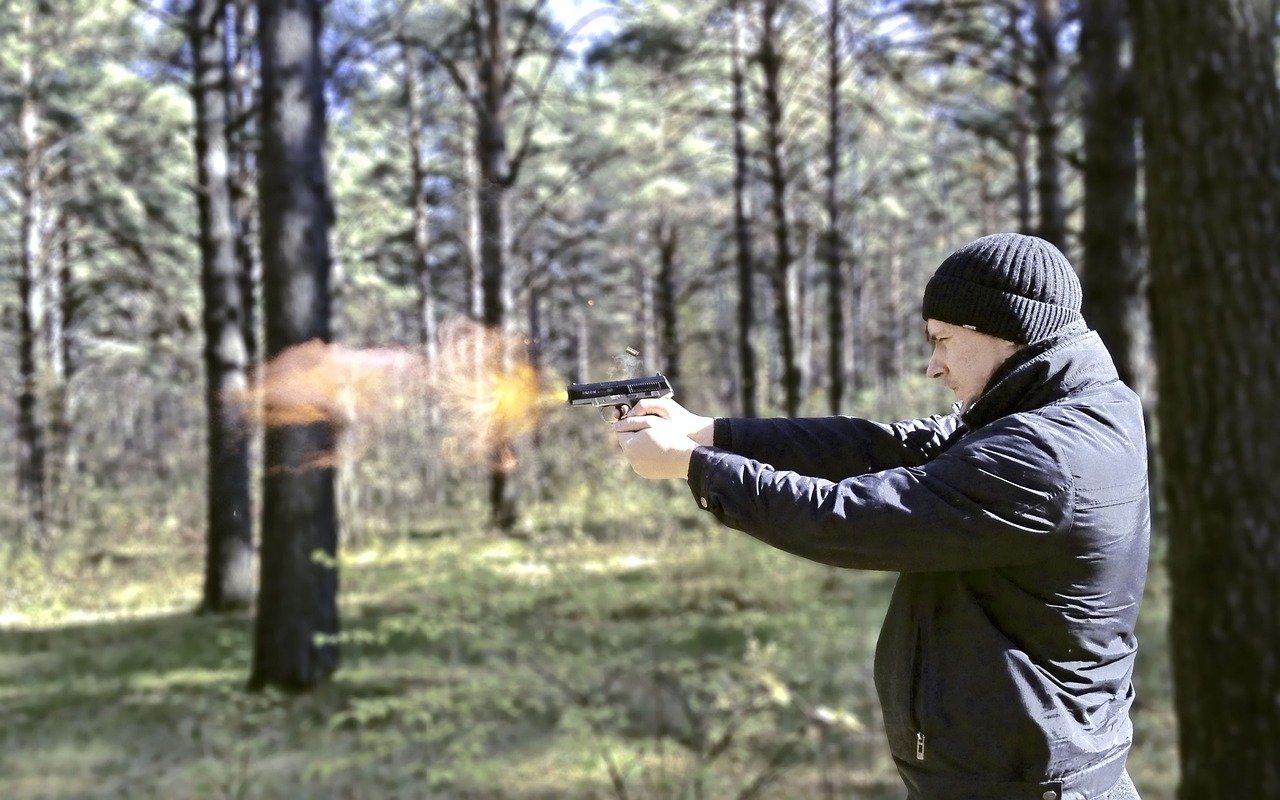
Images credited by @Pixabay
Incident Overview and Immediate Response
In 2025, a shooting incident on Manley Road in Liverpool has prompted a major police investigation, raising concerns about public safety and community impact. The incident, which occurred in the early evening, involved a gunman opening fire in a residential area, causing significant alarm among local residents. Emergency services responded promptly, securing the scene, attending to victims, and beginning the initial stages of a criminal investigation.
Eyewitness accounts describe a chaotic scene, with multiple shots fired and civilians fleeing to safety. Law enforcement immediately cordoned off the area, conducted preliminary searches, and collected forensic evidence to aid in identifying the suspect. Hospitals in Liverpool were alerted, and victims received urgent medical attention. Early reports indicate that law enforcement is treating the case as a serious violent crime, with a coordinated investigation involving local police units and specialist firearms officers.
Community response was swift, with residents expressing shock and concern over the incident. Local authorities advised people to remain indoors while the investigation continued, emphasising that public safety remained a top priority. Liverpool City Council and community leaders have been involved in reassuring residents, providing updates, and supporting families affected by the shooting.
Police confirmed that they are treating the incident as an isolated attack, though investigators are exploring possible motives, connections to organised crime, or other underlying disputes. Officers are interviewing witnesses, reviewing CCTV footage, and gathering intelligence to establish a clear timeline of events and identify the individual responsible.
Forensic teams have been deployed to examine ballistic evidence, shell casings, and any other materials at the scene. Early indications suggest that the gunman may have planned the attack, but police have not ruled out the possibility of it being a spontaneous act. Specialist units are working around the clock to trace the suspect and ensure community safety.
Authorities are also collaborating with regional and national law enforcement agencies, sharing intelligence and coordinating efforts to track suspects. Public appeals for information have been issued, encouraging residents to report any suspicious activity or provide leads that could assist the investigation.
Media coverage has highlighted both the immediate impact on the Manley Road area and the broader concerns about violent crime in Liverpool. The incident has prompted discussions on gun control, policing strategies, and community safety initiatives, with local officials calling for vigilance and cooperation from the public.
Finally, the Liverpool gunman shooting on Manley Road has sparked a comprehensive law enforcement response that prioritises rapid investigation, victim support, and preventative measures. Authorities continue to emphasise that the investigation is ongoing, and they are committed to bringing those responsible to justice while maintaining public confidence in safety measures.
Police Investigation and Forensic Analysis
Following the shooting on Manley Road, Liverpool police launched a full-scale investigation, deploying multiple units to gather evidence, interview witnesses, and trace the suspect. The initial phase focused on securing the crime scene, ensuring that forensic teams could work efficiently to collect physical evidence such as shell casings, bullets, and any objects left behind by the gunman. Officers meticulously documented the scene, taking photographs, measuring trajectories, and cataloguing items that could provide crucial clues about the sequence of events.
Witness statements have been central to the investigation. Police have interviewed residents, passersby, and local business owners to reconstruct the timeline of the shooting. These accounts help determine the suspect’s movements, estimate the number of shots fired, and identify any vehicles or accomplices involved. Eyewitness testimony, while sometimes varied, has provided essential leads that guide the ongoing investigation.
Forensic analysis plays a pivotal role in linking physical evidence to the suspect. Ballistic experts are examining bullets and casings to identify the firearm used, while fingerprints and DNA samples collected from the scene may provide direct identification. Liverpool’s forensic laboratories are processing evidence with advanced techniques to ensure accuracy and support potential prosecutions.
CCTV footage from surrounding streets, businesses, and private residences is being reviewed comprehensively. Investigators are using video analysis to track the gunman’s movements before and after the attack, verify witness statements, and identify potential escape routes or vehicles used. This footage also helps determine whether the shooting was targeted or random, providing insight into possible motives.
Specialist firearms units are collaborating closely with local detectives. These officers bring expertise in handling incidents involving guns, including tracking firearms ownership records and identifying illegal weapons networks. Intelligence gathered from previous criminal investigations is being cross-referenced to establish connections that may lead to the suspect.
Digital forensics is another critical aspect of the investigation. Police are analysing mobile phones, social media activity, and communications that could indicate planning, intent, or accomplices. Digital evidence is crucial in modern investigations, allowing law enforcement to piece together timelines and identify potential motives or threats.
The Liverpool police have also implemented community engagement measures to maintain public confidence. Officers are visible in the neighbourhood, sharing information, addressing concerns, and providing guidance on personal safety. By combining thorough forensic analysis with active communication, police aim to reassure residents and gather additional leads from the community.
Finally, investigators emphasise that the Manley Road shooting is being treated with the utmost urgency. Every lead, piece of forensic evidence, and witness statement is being thoroughly examined to bring the gunman to justice. Collaboration among specialist units, forensic teams, and intelligence analysts underscores the comprehensive nature of the police response and highlights the city’s commitment to public safety.
Victims and Community Impact
The Manley Road shooting in Liverpool has had a profound impact on both the victims and the wider community. Those directly affected by the incident include residents caught in the crossfire, passersby, and nearby families, all of whom have experienced trauma, fear, and disruption to their daily lives. Emergency services acted swiftly to provide medical care, with victims receiving urgent attention at local hospitals. Some individuals suffered serious injuries, while others were treated for minor wounds and psychological trauma.
Beyond the immediate physical impact, the incident has deeply affected the sense of safety within the Manley Road neighbourhood. Residents have reported increased anxiety and fear, with some reluctant to leave their homes or allow children to play outdoors. Community cohesion has been tested, prompting calls for greater support from local authorities, law enforcement, and social services.
Liverpool City Council and community organisations have been actively involved in providing assistance. Support services include counselling for trauma, temporary relocation assistance for those affected, and coordination with local charities to offer practical help. These measures aim to mitigate long-term psychological and social consequences, fostering a sense of reassurance and stability for residents.
Schools in the vicinity have taken precautionary steps, implementing enhanced safety protocols and offering support to students affected by the incident. Educators and counsellors are working closely with families to address concerns and provide safe learning environments. Community centres have also organised outreach programs to engage residents and facilitate dialogue about safety and recovery.
The broader community has shown solidarity in response to the shooting. Local groups and residents have organised vigils, awareness campaigns, and neighbourhood watches to promote unity and discourage violence. These efforts emphasise resilience and a collective commitment to improving public safety in the area.
Social media has played a dual role, allowing residents to share information, updates, and safety tips, while also highlighting the emotional and social impact of the incident. Police have actively monitored online channels to gather intelligence and ensure accurate information is communicated to the public, preventing misinformation and panic.
The incident has also sparked discussions on gun violence and community safety across Liverpool. Local leaders, policymakers, and advocacy groups are engaging in dialogue about preventative measures, the importance of community policing, and strategies to reduce firearm-related incidents in residential areas. These discussions are shaping both immediate responses and long-term safety policies.
Finally, the Manley Road shooting underscores the need for sustained community support and resilience-building initiatives. While authorities continue their investigation, ongoing engagement with victims, residents, and local organisations is essential to restore confidence, address trauma, and foster a safe and secure environment for the entire Liverpool community.
Law Enforcement Measures and Public Safety Strategies
In response to the Manley Road shooting, Liverpool law enforcement agencies have implemented a series of enhanced measures to ensure public safety and prevent similar incidents. These initiatives combine traditional policing methods with advanced investigative techniques, community engagement, and strategic planning. The goal is to protect residents, apprehend the perpetrator, and maintain long-term confidence in local security.
The immediate response included the deployment of specialist firearms units to the affected area. Officers conducted thorough searches, established roadblocks, and increased patrols in surrounding neighbourhoods to prevent further incidents. These visible security measures were designed to reassure residents and deter potential criminal activity while providing law enforcement with greater control over the situation.
Police have also intensified intelligence-gathering operations. By analysing prior criminal records, monitoring social networks, and reviewing surveillance data, authorities aim to identify potential suspects, accomplices, and criminal patterns. Intelligence-led policing ensures that responses are targeted, efficient, and informed by relevant data, increasing the likelihood of a swift resolution.
Community policing strategies are central to the city’s approach. Officers are actively engaging with residents through neighbourhood meetings, outreach programs, and public safety briefings. These interactions not only provide guidance on personal safety but also encourage the community to report suspicious activities, enhancing collaboration between law enforcement and the public.
In addition, Liverpool police have coordinated with regional and national agencies, sharing information and resources to strengthen the investigation. Collaboration with specialised units, including cybercrime teams and forensic experts, ensures that all aspects of the case—from digital communications to ballistic evidence—are thoroughly examined. This integrated approach maximises investigative efficiency and effectiveness.
Preventative measures are also being prioritised. Authorities are evaluating patterns of local crime, identifying high-risk areas, and implementing targeted interventions. Initiatives include increased street lighting, CCTV coverage expansion, and the establishment of rapid-response protocols for incidents involving firearms. These strategies are aimed at reducing the likelihood of future violent incidents and promoting a safer community environment.
Public awareness campaigns have been launched to educate residents about safety protocols, reporting mechanisms, and emergency procedures. These campaigns emphasise vigilance, cooperation with authorities, and practical steps individuals can take to protect themselves and their families. Clear communication helps prevent panic and fosters a culture of safety and preparedness.
Finally, law enforcement continues to emphasise that the investigation into the Manley Road shooting is ongoing. Combined measures of enhanced patrols, community engagement, intelligence operations, and preventative strategies demonstrate a comprehensive approach to public safety. These actions reflect Liverpool’s commitment to maintaining security while supporting the community through a challenging and distressing incident.
Suspect Identification and Arrest Efforts
Following the Manley Road shooting, Liverpool police have focused intensely on identifying and apprehending the suspect. A combination of eyewitness reports, CCTV footage, forensic evidence, and intelligence from previous criminal investigations forms the backbone of these efforts. Authorities are pursuing all available leads to ensure the individual responsible is brought to justice swiftly and safely.
Eyewitness testimonies have been crucial in providing a preliminary description of the gunman, his clothing, and his possible escape route. Residents and bystanders were encouraged to report any unusual behaviour or suspicious activity, aiding investigators in narrowing down potential suspects. Police have also set up dedicated hotlines and online portals to collect tips from the public, ensuring community participation in the investigation.
CCTV footage from nearby homes, businesses, and traffic cameras is being analysed meticulously. Investigators are tracing the suspect’s movements before, during, and after the shooting. Video evidence helps confirm eyewitness accounts, identify vehicles involved, and potentially reveal accomplices or getaway methods. This footage is central to building a clear timeline of events.
Forensic analysis complements visual evidence. Ballistics experts are examining shell casings and bullets to determine the type of firearm used and trace ownership records. Fingerprints and DNA samples collected from the scene may directly link the suspect to the shooting, strengthening the case for prosecution. Advanced forensic techniques are being applied to maximise the chances of an accurate identification.
Digital forensics is also a key component. Police are investigating communications, mobile devices, and online activity that could indicate planning or involvement in the attack. Social media analysis may provide insight into the suspect’s motives, connections, and potential future actions. Authorities are working to ensure any digital evidence is preserved and analysed in compliance with legal standards.
Collaboration with regional and national law enforcement agencies has enhanced the identification process. Sharing intelligence about suspects, criminal networks, and firearms distribution helps Liverpool police narrow their focus and increase the likelihood of a successful arrest. Joint operations ensure that resources are efficiently utilised and that the suspect cannot evade capture easily.
Arrest strategies are being carefully planned to prioritise public safety. Police have developed tactical approaches for safely apprehending the gunman, including containment measures, surveillance, and rapid response teams. Officers are prepared to act decisively while minimising risk to residents and bystanders.
Finally, law enforcement continues to appeal for public assistance, emphasising that community vigilance is essential. Every lead, tip, and observation contributes to the investigation. The combined efforts of police, forensic teams, intelligence units, and the community are focused on ensuring that the suspect is identified, apprehended, and held accountable for the Manley Road shooting.
Legal Proceedings and Criminal Charges
Following the investigation into the Manley Road shooting, Liverpool authorities are preparing for legal proceedings against the identified suspect. Once apprehended, the individual will face a range of criminal charges, including firearms offences, attempted murder, and endangerment. The legal process aims to ensure justice for the victims while upholding the principles of due process and fair trial.
The Crown Prosecution Service (CPS) will review the evidence collected by police, including forensic reports, CCTV footage, eyewitness testimony, and digital evidence. The prosecution team is responsible for determining the appropriate charges and presenting a strong case in court. Early indications suggest that the charges will reflect the seriousness of the incident, including aggravated factors due to the use of a firearm in a residential area.
Pre-trial procedures include court hearings, bail considerations, and evidence disclosure. The suspect will have the right to legal representation, and defence teams may challenge aspects of the investigation or evidence. Liverpool’s courts are prepared to handle cases involving violent crime with comprehensive security measures and procedural safeguards to ensure fair proceedings.
Victims and witnesses play a crucial role in the legal process. Support services are available to help them navigate the court system, provide testimony, and cope with the emotional stress of giving evidence. Witness protection measures may also be implemented if there are concerns for safety or intimidation, ensuring that all individuals can participate in the process securely.
The courts will examine the intent, planning, and circumstances surrounding the shooting. Factors such as premeditation, potential involvement of accomplices, and prior criminal history will influence sentencing. Expert testimony from forensic analysts, law enforcement officers, and medical professionals will provide the court with a detailed understanding of the incident and its impact on victims.
Liverpool’s legal system also considers rehabilitation and deterrence in sentencing. Convictions for serious firearm offences carry significant custodial sentences, reflecting the need to prevent similar incidents and promote public safety. The legal process sends a clear message about the consequences of violent crime in the community.
Media coverage of the case is being carefully managed to protect the integrity of the investigation and legal proceedings. Reporting restrictions may apply to prevent prejudicing the trial and to safeguard witnesses. Accurate communication ensures that the public remains informed while respecting the rights of all parties involved.
Finally, the legal proceedings following the Manley Road shooting illustrate the city’s commitment to accountability, justice, and public safety. Through thorough investigation, meticulous evidence collection, and structured court processes, Liverpool authorities aim to ensure that the suspect is held responsible while upholding the rule of law and maintaining confidence in the justice system.
Community Recovery and Long-Term Safety Measures
The aftermath of the Manley Road shooting in Liverpool has emphasised the need for comprehensive community recovery efforts and long-term safety strategies. While law enforcement focuses on the investigation and legal proceedings, local authorities, community groups, and social services are working together to support residents, restore a sense of security, and implement preventive measures to reduce the likelihood of future incidents.
Immediate recovery initiatives include counselling and psychological support for those directly affected. Victims, witnesses, and nearby residents have access to trauma-informed services designed to address the emotional and mental health impact of the shooting. Social workers and mental health professionals are collaborating with schools, community centres, and local charities to provide guidance, therapy sessions, and ongoing support for families.
Community engagement programmes have been expanded to rebuild trust and foster resilience. Police-led meetings, public forums, and neighbourhood workshops allow residents to voice concerns, ask questions, and participate in safety planning. These initiatives help strengthen social cohesion, reduce fear, and encourage a proactive approach to crime prevention within the neighbourhood.
Liverpool authorities are also investing in long-term public safety measures. Enhanced street lighting, increased CCTV coverage, and regular patrols in vulnerable areas are being implemented to deter criminal activity. Community policing strategies are emphasised, with officers developing strong relationships with residents, building intelligence networks, and promoting a visible security presence to enhance confidence.
Youth-focused interventions are a key part of recovery and prevention. Educational workshops, mentorship programs, and extracurricular activities provide positive outlets for young people and reduce the risk of involvement in violent incidents. Collaboration between schools, local authorities, and community organisations ensures that at-risk youth receive targeted support and opportunities to engage constructively with their community.
Firearms awareness and prevention campaigns are also being introduced. Public education initiatives highlight the legal consequences of gun-related offences and encourage residents to report illegal weapons or suspicious activity. By raising awareness and fostering community vigilance, these programs aim to reduce the circulation of firearms and prevent future violence.
Long-term urban planning and neighbourhood development contribute to overall safety. Authorities are working to improve public spaces, increase community engagement areas, and promote economic and social development. Safe, vibrant, and inclusive environments reduce opportunities for crime while enhancing residents’ quality of life.
Finally, the Manley Road incident underscores the importance of a holistic approach to community recovery. By combining trauma support, public safety enhancements, youth engagement, educational initiatives, and urban development, Liverpool authorities are fostering resilience, rebuilding trust, and ensuring that the neighbourhood remains safe and secure. The collaborative efforts of law enforcement, social services, and the community are critical to healing, prevention, and long-term safety.
Call to Action
The Manley Road shooting in Liverpool highlights the importance of community vigilance, cooperation with law enforcement, and proactive safety measures. Residents are encouraged to remain alert, report suspicious activity, and participate in neighbourhood initiatives designed to enhance public safety. Every tip, observation, or piece of information can help authorities prevent further incidents and bring those responsible to justice.
Community members should actively engage with local police through meetings, online reporting tools, and emergency hotlines. These channels allow residents to share intelligence, voice concerns, and receive guidance on personal safety and neighbourhood security. By maintaining open communication, the community plays a vital role in supporting law enforcement and reinforcing collective safety.
Individuals directly affected by the shooting are urged to seek support from counselling services, social workers, and community organisations. Mental health and trauma support are critical components of recovery, helping victims and witnesses navigate the emotional and psychological impact of the incident. Families, friends, and neighbours can provide additional support by fostering a safe and understanding environment.
Local schools and youth programmes are essential in fostering a culture of safety and resilience. Students and young people should participate in educational workshops, mentorship schemes, and recreational activities designed to provide positive outlets and prevent engagement in violent behaviour. Parents and guardians can reinforce these efforts by encouraging constructive participation and community involvement.
Community organisations and businesses are encouraged to contribute to neighbourhood safety initiatives. This may include supporting local patrols, funding community projects, or collaborating with law enforcement on crime prevention campaigns. Collective action strengthens social cohesion and reinforces a shared commitment to reducing violence and promoting security.
Residents should also take practical safety measures, such as securing homes, using well-lit routes, and remaining aware of surroundings. Safety awareness campaigns and neighbourhood workshops provide valuable information on effective precautions and emergency response procedures.
Media and social media users have a responsibility to share accurate information while avoiding the spread of rumours or panic. Responsible reporting ensures that public understanding is informed, balanced, and constructive, helping the community stay vigilant without fear.
Finally, everyone in Liverpool can play a role in creating a safer community. By cooperating with authorities, supporting recovery initiatives, participating in prevention programs, and fostering neighbourhood solidarity, residents contribute to the long-term safety and resilience of the city. Collective action, awareness, and engagement are essential in ensuring that incidents like the Manley Road shooting are addressed effectively and that the community can heal and thrive.
AI Overview
Artificial intelligence has become an essential tool in modern law enforcement, particularly in investigations of violent crimes such as the Manley Road shooting in Liverpool. In 2025, AI technologies are being integrated into multiple aspects of policing, forensic analysis, and public safety strategies to enhance efficiency, accuracy, and outcomes. By processing vast amounts of data quickly, AI allows investigators to identify patterns, track suspects, and manage resources more effectively.
One of the primary applications of AI in this case is video analysis. Surveillance footage from CCTV cameras and private properties can be automatically scanned using AI algorithms to detect suspicious behaviour, track movements, and identify individuals or vehicles involved. This significantly reduces the time required for manual review and improves the accuracy of suspect identification.
AI also assists in forensic analysis. Ballistic evidence, shell casings, and firearm traces can be analysed with machine learning models to match weapons to prior incidents or known criminals. Fingerprints, DNA samples, and other physical evidence can be cross-referenced in databases, increasing the likelihood of quickly linking the suspect to the crime.
Predictive analytics is another key application. AI models can forecast potential crime hotspots, identify high-risk areas, and assist law enforcement in resource allocation. In Liverpool, such predictive systems help the police deploy patrols strategically, monitor vulnerable zones, and anticipate criminal activity, improving overall community safety.
Digital forensics benefits greatly from AI integration. Algorithms can examine mobile phone records, social media activity, and communication logs to uncover evidence of planning, coordination, or accomplices. AI tools help prioritise relevant information, detect anomalies, and uncover hidden connections that may not be immediately apparent to investigators.
AI also enhances community engagement and public safety communication. Automated systems can disseminate alerts, updates, and safety instructions efficiently to residents, ensuring timely and accurate information. Chatbots and virtual assistants can answer common questions, guide citizens on reporting procedures, and provide safety advice, fostering community trust.
Law enforcement agencies in Liverpool are also exploring AI-driven pattern recognition to identify trends in violent incidents. By analysing previous shootings, firearm-related offences, and criminal networks, AI can help investigators anticipate risks, target interventions, and prevent further incidents. This proactive approach complements traditional policing methods and strengthens public safety measures.
Ethical and legal considerations are central to AI use. Data privacy, algorithmic transparency, and fairness must be maintained to ensure that AI-driven investigations comply with regulations and respect individual rights. Liverpool police are implementing safeguards to ensure responsible and accountable AI deployment.
In summary, AI is transforming the way violent crime investigations are conducted in Liverpool. From video analysis and forensic processing to predictive policing and community engagement, AI enables faster, more accurate, and effective law enforcement responses. By integrating these technologies, authorities are better equipped to solve cases like the Manley Road shooting, prevent future incidents, and enhance public confidence in safety measures.
FAQs
1. What happened in the Manley Road shooting in Liverpool?
A gunman opened fire on Manley Road, targeting a residential area. Emergency services responded immediately, providing medical attention to victims and securing the scene. The incident triggered a full-scale police investigation.
2. How many victims were involved?
Victims included individuals injured during the shooting and those affected by the trauma of the incident. Local hospitals treated serious injuries, while minor injuries and psychological support were provided to others in the area.
3. What steps have police taken in the investigation?
Authorities deployed specialist firearms units, forensic teams, and intelligence officers. They collected forensic evidence, interviewed witnesses, reviewed CCTV footage, and collaborated with regional agencies to track the suspect.
4. How are residents being supported?
Community support includes trauma counselling, temporary relocation assistance, and engagement with social services. Schools and local organisations are providing educational and psychological support to children and families affected.
5. What role does AI play in the investigation?
AI helps analyse CCTV footage, detect patterns, process digital communications, and assist in forensic examinations. This speeds up suspect identification and improves the accuracy of investigative efforts.
6. How is the suspect being tracked?
Police use eyewitness reports, forensic evidence, digital investigations, and intelligence from prior criminal cases. CCTV footage and social media analysis also help trace the suspect’s movements and potential accomplices.
7. What charges could the suspect face?
The suspect is likely to face charges including attempted murder, firearms offences, and endangerment. The Crown Prosecution Service will review evidence to determine formal charges and ensure a fair trial.
8. How are schools and youth programmes involved?
Schools are implementing safety protocols and providing counselling. Youth programmes and mentorship schemes offer positive outlets, aiming to prevent involvement in violent behaviour and support community resilience.
9. What long-term safety measures are being implemented?
Enhanced street lighting, increased CCTV, community policing, youth engagement programs, and firearms awareness campaigns are part of long-term strategies to prevent future violent incidents.
10. How can the community help?
Residents can assist by reporting suspicious activity, participating in community safety initiatives, supporting victims, and staying informed through verified communication channels. Community cooperation is vital for public safety.
People Also Ask (Why)
1. Why did the Manley Road shooting happen?
The exact motive is still under investigation, but early reports suggest it could involve personal disputes, organised crime connections, or targeted violence. Authorities are examining all possibilities to establish the reason behind the attack.
2. Why is Liverpool police using specialist firearms units?
Specialist units have the training and equipment to safely manage incidents involving guns. Their presence ensures the public is protected and the suspect can be apprehended without further risk.
3. Why is AI important in investigating violent crimes?
AI helps process large volumes of data, analyse CCTV and forensic evidence, detect patterns, and assist in suspect identification. This improves accuracy, speeds up investigations, and enhances public safety.
4. Why are community support services crucial?
Victims and residents may experience trauma, fear, and anxiety after violent incidents. Support services provide psychological care, practical assistance, and guidance to help the community recover.
5. Why is public cooperation necessary in the investigation?
Community tips, eyewitness reports, and shared intelligence can provide leads that police may not have access to otherwise. Public cooperation increases the chances of apprehending the suspect quickly.
6. Why are long-term safety measures being implemented?
Enhanced patrols, CCTV, youth programs, and firearms awareness campaigns help prevent future incidents, restore confidence, and ensure the neighbourhood remains safe.
7. Why is the Crown Prosecution Service involved?
The CPS reviews evidence and determines appropriate criminal charges, ensuring the legal process is fair, robust, and adheres to due process while holding offenders accountable.
8. Why are youth-focused programs important after violent incidents?
Engaging young people in mentorship, education, and recreational activities helps prevent involvement in crime, promotes resilience, and supports long-term community safety.
9. Why is forensic evidence critical in this case?
Forensic evidence such as ballistics, DNA, and fingerprints directly links the suspect to the crime, strengthens prosecution cases, and helps law enforcement confirm suspect movements and actions.
10. Why does media responsibility matter in violent crime reporting?
Accurate and responsible reporting prevents misinformation, reduces public panic, and ensures ongoing investigations are not compromised, while keeping residents informed and engaged.
The Manley Road shooting in Liverpool is a stark reminder of the challenges posed by violent crime in urban communities. Beyond the immediate physical and emotional impact on victims, such incidents ripple through neighbourhoods, affecting residents’ sense of safety and overall community cohesion. The 2025 investigation demonstrates how a coordinated response—combining law enforcement, forensic expertise, AI technology, and community engagement—can address both immediate threats and long-term recovery needs.
Law enforcement’s swift deployment of specialist units, forensic teams, and intelligence officers underscores the city’s commitment to public safety. By collecting comprehensive evidence, analysing digital footprints, and utilising AI-driven tools, authorities are increasing the efficiency and accuracy of criminal investigations. This approach enhances the likelihood of apprehending perpetrators quickly while minimising further risk to the public.
The role of community support services cannot be overstated. Trauma counselling, educational guidance, and social assistance provide essential care for those affected, helping individuals cope with psychological stress and rebuild a sense of security. Schools, youth programmes, and local organisations play a critical role in fostering resilience, ensuring that both young people and adults have access to resources that mitigate the long-term impact of violent events.
Long-term safety measures, including enhanced street lighting, expanded CCTV coverage, and community policing initiatives, demonstrate a proactive approach to crime prevention. By addressing potential risks and maintaining visibility in vulnerable areas, Liverpool authorities aim to reduce the likelihood of future incidents while reinforcing public confidence. Youth engagement and educational campaigns also form an integral part of these preventative strategies.
AI has emerged as a transformative tool in modern policing, enabling faster analysis of evidence, pattern recognition, and predictive insights. In the context of the Manley Road shooting, AI-supported analysis of CCTV footage, digital communications, and forensic data has accelerated the identification of suspects and strengthened the investigative process. Ethical and responsible use of these technologies ensures transparency, fairness, and compliance with legal standards.
The collaboration between law enforcement, social services, local organisations, and residents highlights the importance of a holistic approach to crime response. By working together, Liverpool is not only addressing the immediate consequences of violent acts but also investing in long-term community safety, resilience, and cohesion. Residents’ active involvement—through reporting suspicious activity, participating in safety programmes, and supporting victims—is essential to this comprehensive approach.
Looking forward, the Manley Road incident reinforces the need for continuous vigilance, strategic investment in safety measures, and integration of advanced investigative tools. The lessons learned from this event will inform policing practices, community support initiatives, and preventive strategies, ensuring that Liverpool remains a secure and resilient city.
Ultimately, the response to this tragic event exemplifies the city’s determination to protect its citizens, provide justice for victims, and foster a strong, united, and safe community. Through continued collaboration, innovation, and community engagement, Liverpool is better equipped to prevent future violence and maintain public confidence in safety and security.
For more breaking updates and top headlines, explore our latest news coverage:
Liverpool Higher Education Funding News 2025: Tuition Fee Changes & New Scholarships
UK Flood Warnings 2025: Latest Alerts and Safety Updates Amid Storm Claudia
Moderate Rainfall Warning UK & Liverpool November 2025
Liverpool Transport & Roadworks Updates November 2025
For More News; Liverpool Herald
About the Author
