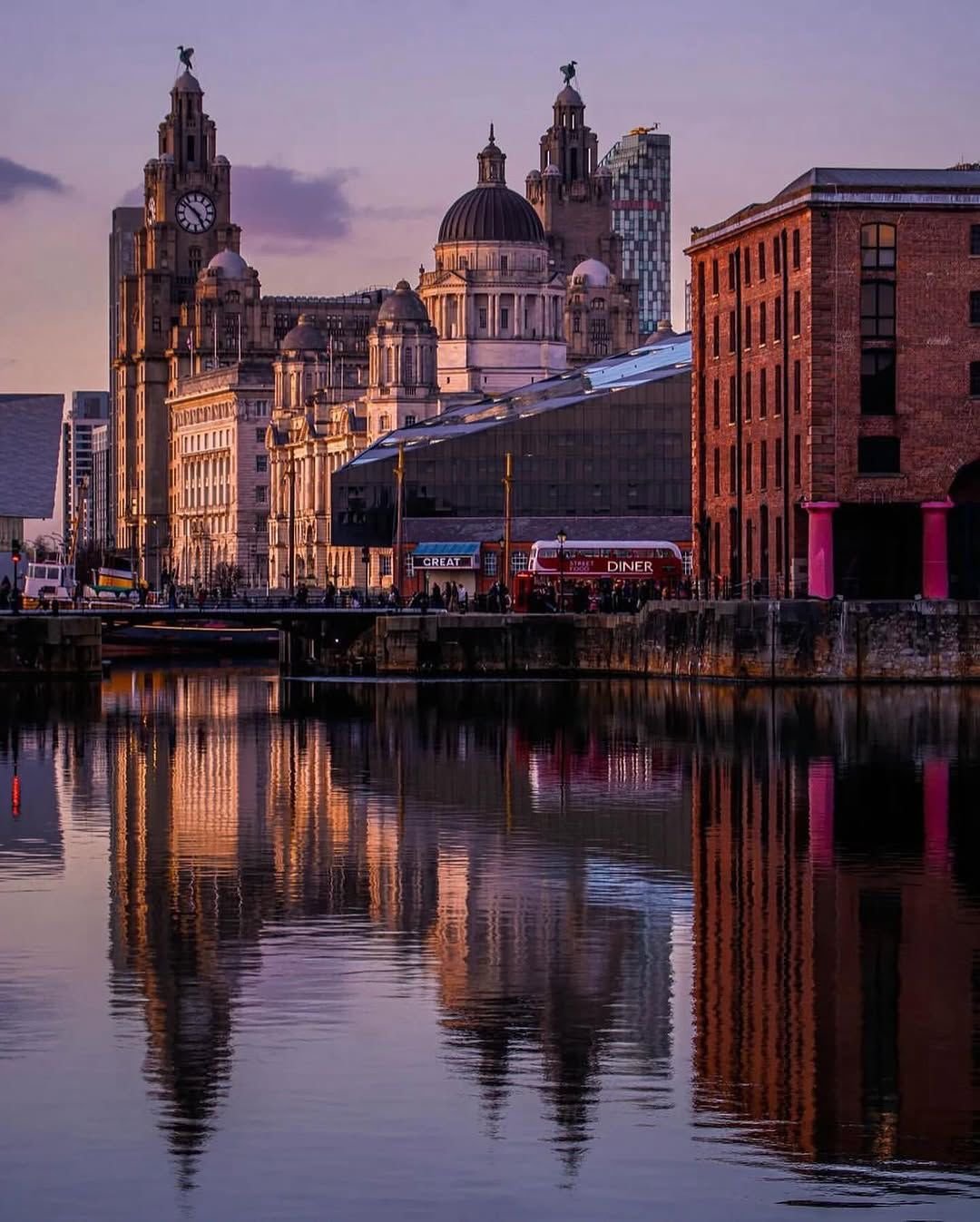
image credit by @Instagram
November 2025 has brought a wave of change, excitement, and progress to Liverpool — a city known for its resilience, innovation, and deep cultural heartbeat. From bustling developments along the waterfront to the latest in local governance and public life, Liverpool continues to make headlines across the UK. In recent weeks, residents have witnessed major upgrades in transport systems, increased investment in green initiatives, and inspiring stories from the city’s thriving sports and arts communities.
This month’s news highlights not only the dynamic shifts shaping the city’s future but also the collective efforts of its people in making Liverpool a smarter, cleaner, and more connected place. From technology to tradition, every sector seems to be evolving — and November 2025 captures that spirit perfectly.
As we explore the top updates, key events, and social moments defining Liverpool this month, one thing remains clear: Liverpool’s identity is growing stronger than ever. Liverpool News November 2025 continues to reflect the city’s vibrant rhythm and determination to lead with pride.
Liverpool’s Major Infrastructure Developments in November 2025
Liverpool’s skyline is changing once again as the city enters the final months of 2025 with major infrastructure upgrades that are reshaping its urban identity. Across the Merseyside region, several key projects have reached critical milestones this November — from the £500 million Liverpool Waters expansion to the long-awaited Lime Street transport revamp. Locals have been vocal about how these changes are setting the stage for a more connected and sustainable future.
In the heart of the city, the redevelopment of the Baltic Triangle continues to dominate attention. Once a hub for warehouses and small creative studios, the area is evolving into a high-tech business corridor with new co-working spaces, modern apartments, and digital innovation centres. According to planners, the district’s aim is to blend historic architecture with forward-thinking design — something many Liverpudlians feel embodies the spirit of the city itself.
Public transport has also seen remarkable progress this month. The introduction of hybrid electric buses by Merseytravel is part of a wider green mobility plan. These buses are not just energy-efficient; they also feature improved accessibility and onboard technology for real-time tracking. Commuters have already noted smoother journeys and reduced congestion in central areas, particularly around Queens Square and Hope Street. By 2026, over 60% of Liverpool’s city bus fleet is expected to run on renewable energy sources.
Meanwhile, work on the new Liverpool Central Station extension is well underway. Designed to increase passenger capacity by 40%, the project includes wider platforms, more lifts and escalators, and a digital information hub. The goal is to accommodate the city’s growing commuter population while making travel faster and more efficient. Engineers have confirmed that the first phase of the expansion is on track for completion by spring 2026, an announcement that has sparked optimism among regular travellers.
Sustainability remains a major focus across all projects. Liverpool City Council has announced that every new development now includes a carbon-neutral construction plan — part of its wider strategy to achieve net zero by 2035. New green roofs, solar-powered streetlights, and smart waste systems are becoming increasingly common throughout the city centre. In Toxteth and Anfield, community-led housing initiatives are also gaining traction, offering affordable homes while incorporating eco-friendly materials and energy-efficient designs.
In addition to physical infrastructure, Liverpool is investing heavily in its digital backbone. November has seen the rollout of the city’s 5G-enabled smart street systems — sensors that monitor traffic flow, lighting, and air quality. These innovations are transforming Liverpool into one of the UK’s most advanced smart cities. Local businesses, especially those in the tech and logistics sectors, have welcomed this move, citing improved efficiency and data-driven decision-making.
Residents have expressed both excitement and nostalgia as they witness their beloved city evolve. While some worry about the rapid pace of urban change, most agree that these developments reflect Liverpool’s ongoing ambition to modernise without losing its soul. As one resident from the Baltic area put it, “It’s still Liverpool — just with a fresher heartbeat.”
November 2025, therefore, stands as a defining month in Liverpool’s ongoing journey toward sustainability, innovation, and connectivity. With cranes towering above historic landmarks and new opportunities emerging daily, the city continues to balance tradition with transformation.
Liverpool’s Economic Growth and Business Momentum in November 2025
November 2025 has marked a significant month for Liverpool’s economic expansion, with several new business ventures, funding initiatives, and investment deals propelling the city’s financial outlook. Across the region, local entrepreneurs and international investors alike have shown renewed confidence in Liverpool’s market, particularly within the technology, renewable energy, and hospitality sectors. This growing momentum is not only strengthening the city’s position within the Northern Powerhouse but also attracting national attention for its resilience and innovation-driven economy.
At the centre of this resurgence is Liverpool’s thriving small business ecosystem. In districts such as Ropewalks and Knowledge Quarter, dozens of startups have emerged this autumn, focusing on digital solutions, creative design, and green energy. The city’s incubator spaces — notably Sensor City and Baltic Creative — have reported record demand from young founders seeking collaborative hubs. According to local business forums, Liverpool now ranks among the top UK cities for startup retention, a testament to its community-focused support system and competitive costs.
November also witnessed a surge in foreign investment. A delegation from Germany’s renewable energy consortium signed a partnership deal with Liverpool City Council, pledging £100 million toward wind turbine technology and green port development. This initiative will not only create hundreds of skilled jobs but also reinforce the city’s long-term sustainability goals. In parallel, the hospitality sector has seen an influx of investment, particularly in luxury and boutique hotels, driven by Liverpool’s booming tourism and event calendar heading into 2026.
Retail has remained strong, despite wider UK market fluctuations. Liverpool ONE has reported a 9% rise in footfall this month compared to November 2024, aided by the early launch of Christmas markets and seasonal events. Independent retailers across Bold Street and Castle Street are also thriving, many attributing their success to strong local support and the city’s “shop local” campaigns. Local artisans and traders have benefited from city-backed grants that promote heritage crafts and sustainable commerce.
The port economy continues to play a vital role in Liverpool’s prosperity. The Port of Liverpool, one of the busiest in the UK, has expanded its logistics operations to handle increased freight volumes post-Brexit. A new AI-based cargo management system introduced this month has streamlined operations, reducing delays and enhancing international trade efficiency. Port officials say this innovation could save millions annually in logistics costs while cutting emissions through smarter routing and scheduling.
In addition to business expansion, employment figures have shown positive signs. November’s regional labour data revealed a 2.5% decrease in unemployment, with notable growth in digital, construction, and hospitality sectors. Apprenticeship programmes launched by Liverpool John Moores University and local councils are equipping young Liverpudlians with the skills needed for the modern economy. For many families, these opportunities have offered stability and optimism heading into the festive season.
Local economists have praised the city’s strategy of balancing heritage with progress. By promoting investment while safeguarding cultural identity, Liverpool has avoided the pitfalls of over-commercialisation seen in other major UK cities. Many business leaders attribute this success to collaborative governance between public institutions and private enterprises — a model now being studied by other regions seeking to replicate Liverpool’s upward trajectory.
As November 2025 draws to a close, Liverpool’s economy reflects a vibrant blend of innovation, sustainability, and community values. The city’s business landscape, once challenged by industrial decline, now stands as a shining example of adaptive growth in the modern era. With ambitious projects underway and investor confidence at a decade-high, Liverpool continues to redefine what economic resilience truly means.
Liverpool’s Cultural Scene and Entertainment Highlights of November 2025
Liverpool’s cultural heartbeat has been stronger than ever this November, as the city once again affirmed its reputation as a global hub of music, art, and creativity. Known for its world-famous musical heritage, Liverpool continues to captivate audiences with an evolving cultural landscape that blends its historic charm with cutting-edge innovation. From live concerts and art festivals to theatre premieres and community-driven projects, the city’s artistic calendar this month has been nothing short of electric.
At the centre of Liverpool’s cultural surge is the Royal Liverpool Philharmonic Hall, which has hosted a remarkable series of performances throughout the month. The November lineup included everything from classical orchestral tributes to experimental soundscapes by local musicians. Audiences praised the hall’s commitment to inclusivity, offering discounted tickets to students and community groups — a move that has kept live music accessible to all. Meanwhile, the M&S Bank Arena has welcomed major acts from across the UK and Europe, further cementing Liverpool’s position as a leading entertainment destination.
The city’s art scene has also flourished. The Tate Liverpool, currently celebrating its 36th anniversary, unveiled its “Echoes of the North” exhibition — a collection showcasing northern identity through the works of emerging and established artists. Critics have called it one of the most powerful exhibitions of the year, noting how it connects the industrial past of Liverpool with the creative present. Elsewhere, FACT Liverpool introduced a series of digital installations exploring artificial intelligence and its role in modern society, attracting tech enthusiasts and art lovers alike.
Community-driven culture has been another defining feature this month. In Toxteth, the annual “Voices of Liverpool” festival brought together poets, street performers, and storytellers to celebrate the city’s diverse voices. Local schools and youth clubs also took part, nurturing young talent and giving children a platform to express their creativity. The event underscored Liverpool’s commitment to inclusivity, diversity, and the nurturing of future generations of artists.
November 2025 also saw the return of the Liverpool International Film Festival. The event drew filmmakers from around the world, with screenings held at Picturehouse at FACT and the Everyman Theatre. Themes of resilience, community, and social change resonated deeply with audiences. The festival’s headline film — a locally produced drama centred around the River Mersey — received standing ovations for its emotional storytelling and authentic portrayal of Liverpool life.
The music scene, however, remains the soul of the city. Local venues like Jacaranda, EBGBs, and The Cavern Club have all reported record attendance this month. Up-and-coming bands from Liverpool are gaining national attention, blending classic Merseybeat influences with modern indie sounds. Music journalists have highlighted a “new wave of Liverpool sound,” calling it fresh yet deeply rooted in the city’s storied past.
Beyond entertainment, Liverpool’s cultural institutions have worked tirelessly to support creative education and sustainability. The Liverpool Institute for Performing Arts (LIPA) announced new scholarship programs to help underprivileged students pursue careers in the arts, reinforcing the city’s dedication to accessible creativity. In addition, eco-conscious events have become a priority, with many festivals adopting zero-waste policies and carbon-offset initiatives.
For residents and visitors alike, November 2025 has offered a cultural experience that captures Liverpool’s essence — bold, inclusive, and unafraid to innovate. The city’s ability to honour its artistic past while embracing the future keeps its creative energy alive. Every performance, exhibition, and street event this month has reminded people why Liverpool continues to be one of the most culturally significant cities in the world.
Liverpool’s Sports Triumphs and Highlights in November 2025
Liverpool has always been a city where sport runs through the veins of its people, and November 2025 has been no exception. From football to boxing, rugby, and grassroots competitions, the month has offered a spectacular showcase of athletic excellence and community spirit. Fans across Merseyside have been treated to moments of pride, resilience, and emotion that define what it means to be part of Liverpool’s rich sporting culture.
In football, both the red and blue halves of the city have had eventful weeks. Liverpool FC continued their impressive run in the Premier League, staying firmly in contention for the top spot under the management of Arne Slot. The Reds’ form has been bolstered by standout performances from young talents and veteran leaders alike, with Anfield roaring once again as they secured crucial victories over Newcastle United and Tottenham Hotspur. Supporters have praised the team’s attacking flair and renewed defensive solidity — hallmarks of a side hungry for domestic and European success.
Across Stanley Park, Everton have also made headlines with a series of determined performances that reflect the spirit of the Toffees. Under new leadership, the club has focused on rebuilding confidence and integrating fresh talent from its academy. Their recent win at Goodison Park against Aston Villa was celebrated as a turning point in the campaign, showcasing grit and unity that fans have longed to see. Meanwhile, progress on Everton’s new Bramley-Moore Dock Stadium continues to captivate fans, with the latest construction updates revealing that the venue is nearing its final phase ahead of the 2026 opening.
Boxing enthusiasts in Liverpool were treated to an unforgettable night at the M&S Bank Arena when local favourite Callum Smith returned to the ring for a thrilling bout that ended in a decisive victory. The event attracted thousands, reaffirming Liverpool’s place as one of Britain’s boxing capitals. Several promising amateur fighters from the city’s gyms also earned national recognition this month, signalling a bright future for Liverpool’s boxing scene.
In rugby, the St Helens and Widnes Vikings have continued to represent the region with pride, delivering thrilling contests that drew packed crowds. Youth rugby leagues across Merseyside have also seen record participation numbers this month, thanks to increased investment from local sports councils aimed at encouraging young people to embrace fitness and teamwork.
Grassroots sports have flourished in parallel with professional achievements. Liverpool City Council’s “Play for Mersey” initiative launched earlier this month, offering free weekend sessions in football, athletics, and tennis for children under 16. Local parents have praised the scheme for promoting health, discipline, and community bonding. Parks such as Sefton and Stanley have come alive on Saturday mornings, filled with energy and laughter as the next generation of Liverpool athletes begins to emerge.
Women’s sports have also taken centre stage this November. Liverpool FC Women have enjoyed a strong run in the Women’s Super League, with key wins that have pushed them closer to the top four. Their success has inspired a wave of interest among young girls in the city, with record sign-ups at youth academies. Meanwhile, Netball Liverpool continues to grow rapidly, with new sponsorships and local tournaments drawing attention to the city’s rising female athletes.
Outside the competitive sphere, November has also been a month of celebration for Liverpool’s sporting heritage. The Museum of Liverpool unveiled a special exhibition titled “Champions of the Mersey: A Century of Sport,” highlighting iconic moments from the city’s illustrious athletic history. Visitors have been captivated by memorabilia from legends like Steven Gerrard, Dixie Dean, and Natasha Jonas, offering an emotional journey through Liverpool’s enduring passion for sport.
As the month comes to an end, Liverpool’s sporting story remains one of determination, unity, and pride. Whether on the football pitch, in the boxing ring, or at local playgrounds, the city continues to prove that its competitive spirit is alive and unstoppable. November 2025 has once again reminded the world why Liverpool is not just a city of sport — it is a city that lives and breathes it.
Liverpool’s Political and Civic Developments in November 2025
November 2025 has been a defining month for Liverpool’s political landscape, as local authorities, community leaders, and policymakers have worked together to shape the city’s governance for the years ahead. The atmosphere across the Merseyside region has been one of cautious optimism, as major reforms, council meetings, and public consultations set the tone for a more transparent and citizen-driven approach to leadership. For residents, this month has not only been about politics—it has been about participation and progress.
At the heart of this shift has been the Liverpool City Council’s renewed commitment to accountability and civic engagement. Following a year of structural reviews, November saw the introduction of a digital governance portal, allowing residents to track council spending, development plans, and environmental initiatives in real time. This innovation has been praised by local watchdogs as a step forward in ensuring that decision-making remains transparent and accessible. Many Liverpudlians have expressed that, for the first time, they feel more connected to how their city is run.
One of the most discussed topics this month has been the rollout of Liverpool’s “Community Voice” framework — a programme designed to strengthen local democracy by involving citizens in shaping policies around housing, health, and education. Community meetings in areas like Kensington, Speke, and Anfield have drawn large turnouts, with residents sharing ideas and concerns directly with council representatives. The initiative has received widespread media attention as a model of participatory governance that other UK cities may soon emulate.
November also witnessed several high-level political discussions concerning Liverpool’s regional role in the Northern Powerhouse. Mayor Liam Robinson has been vocal about the need for greater investment from Westminster to accelerate local growth projects. His recent trip to London for the Urban Development Summit yielded positive results, with the government pledging an additional £150 million for infrastructure and digital connectivity improvements across Merseyside. Local analysts have described this as a “turning point” for the city’s economic autonomy.
Environmental policies have also taken centre stage in Liverpool’s civic agenda. The Green Liverpool Initiative, officially launched this month, has committed to reducing the city’s carbon emissions by 25% by 2030. Plans include the installation of electric vehicle charging stations, expansion of green public spaces, and incentives for businesses adopting sustainable practices. In the council chambers, cross-party consensus on environmental issues has shown that Liverpool’s leaders are willing to collaborate for the greater good—a rare but welcome development in the political climate.
Public safety and policing have also been in focus. Following recent community discussions, Merseyside Police announced the introduction of a neighbourhood engagement programme aimed at strengthening trust between officers and residents. The initiative includes monthly “walk and talk” sessions, where citizens can voice concerns directly to local police leaders. Early feedback has been positive, with residents reporting better communication and a more visible police presence in high-traffic areas.
Education policy has continued to evolve, with November seeing the approval of funding for two new schools in North Liverpool. These schools are part of the “Smart Learning Merseyside” plan, designed to integrate digital learning technologies and mental health support services into the curriculum. Education leaders have described the move as vital for preparing young people for the challenges of a rapidly changing job market.
Liverpool’s political climate this month has also been shaped by community activism. Several grassroots movements, including affordable housing groups and environmental collectives, have gained momentum. Peaceful demonstrations in Williamson Square and St George’s Plateau have reflected the growing passion of citizens demanding fairness, opportunity, and sustainability. This renewed civic energy has not gone unnoticed, with local media commending the people of Liverpool for their constructive engagement and optimism.
As November 2025 concludes, Liverpool’s governance appears stronger, more responsive, and better aligned with its people’s aspirations. Through collaboration, transparency, and determination, the city’s leaders and citizens are building a civic model that embodies the true meaning of democracy in action.
Liverpool’s Environmental and Sustainability Efforts in November 2025
Liverpool has continued its journey toward becoming one of the greenest cities in the UK, with November 2025 marking a series of crucial environmental developments. From renewable energy investments to eco-friendly infrastructure and grassroots sustainability drives, the city has demonstrated that environmental action is not just a political promise—it’s a community-wide movement. Across Merseyside, residents, businesses, and local leaders have united behind a shared vision: a cleaner, smarter, and more sustainable Liverpool.
One of the most significant updates this month was the progress made under the Green Liverpool Initiative, which was launched earlier this year and has gained serious momentum. The project’s primary goals include reducing carbon emissions, expanding green public spaces, and promoting environmentally conscious transport. November’s milestone was the completion of 200 new electric vehicle (EV) charging stations across central Liverpool and the suburbs. With additional funding secured from both national and EU sustainability grants, the city plans to reach 500 EV stations by the end of 2026 — a move expected to dramatically cut urban emissions.
Liverpool’s renewable energy capacity has also seen major growth. Wind and solar farms around the Mersey estuary have begun generating record levels of clean power this month. The recently inaugurated Mersey Solar Array, built in partnership with a Scandinavian energy consortium, has already started supplying electricity to more than 30,000 homes. Energy experts have called it a “landmark moment” for Liverpool’s transition to renewables, showcasing the city’s ability to lead in sustainable innovation while creating hundreds of new green jobs.
Public transport continues to play a central role in reducing the city’s carbon footprint. Merseytravel’s rollout of hybrid electric buses, combined with the city’s expanded cycling network, has transformed commuting habits for thousands of Liverpudlians. The newly introduced “Ride the Mersey” scheme offers affordable bike rentals and safe cycling routes that connect the docks, city centre, and outer districts. Residents have praised these efforts as both eco-friendly and beneficial to public health.
Waste management has been another success story this month. The council’s Zero Waste Liverpool campaign achieved a recycling rate of over 60% for the first time, thanks to stricter sorting systems and public awareness programmes. In neighbourhoods like Aigburth and Wavertree, community-led clean-up drives have brought together volunteers of all ages to promote litter-free environments. Local schools have also joined the movement, integrating environmental education into their lessons and hosting “green days” where students plant trees and learn about biodiversity.
The city’s architecture and housing sectors are aligning with sustainability goals too. New construction regulations introduced in November require all major developments to meet zero-carbon standards, including energy-efficient heating, green roofs, and sustainable materials. The Liverpool Waters project has become a showcase for eco-architecture, blending waterfront luxury with green design. Meanwhile, social housing initiatives in Toxteth and Everton are focusing on retrofitting old homes with insulation and solar panels, reducing energy bills for families while cutting emissions.
Cultural organisations have also played their part in raising awareness. Tate Liverpool’s “Future Earth” exhibition, held this month, attracted large crowds with immersive art installations focused on climate change and conservation. Local artists collaborated with environmental scientists to depict the impact of pollution on coastal ecosystems, creating a dialogue between art and activism. Such creative approaches are helping Liverpudlians understand that sustainability is not just science—it’s a way of life.
The collective effort across the city has not gone unnoticed. National media outlets have praised Liverpool for its leadership in environmental governance and its ability to involve ordinary citizens in long-term solutions. As the city moves into December, plans are already underway for the Liverpool Green Week 2026, which will feature workshops, sustainability expos, and tree-planting events throughout the region.
November 2025 has proven that Liverpool’s green transformation is more than a passing trend — it’s a permanent shift in values. The city’s commitment to environmental progress, supported by innovation, education, and community spirit, sets an inspiring example for other UK regions. As the River Mersey flows through a cleaner, more conscious city, Liverpool stands as a testament to what collective action can achieve.
Liverpool’s Economic Outlook and Business Growth in November 2025
Liverpool’s economic landscape in November 2025 reflects a city in the midst of transformation — blending its historic industrial roots with a forward-looking, technology-driven, and sustainable economy. Across sectors such as digital innovation, green energy, real estate, tourism, and logistics, the city has demonstrated strong resilience and adaptability. November has been a particularly active month for local enterprises, investment projects, and business start-ups, positioning Liverpool as one of the UK’s most dynamic regional economies.
Business confidence remains high across Merseyside. According to local financial analysts, Liverpool’s growth rate for the final quarter of 2025 is expected to exceed the national average, driven by strong performance in the digital and renewable sectors. The Liverpool Innovation District, located near the Knowledge Quarter, has reported a 12% increase in start-up registrations this month alone. These include tech companies focused on artificial intelligence, biotech, and cybersecurity, many of which have received early-stage funding from the Liverpool City Region Combined Authority’s £100 million growth fund.
November also marked the opening of several landmark infrastructure projects. The Liverpool Waters redevelopment continues to attract both domestic and international investors, with several waterfront office spaces and residential towers nearing completion. Developers have emphasised sustainability and smart design, aligning the project with Liverpool’s green ambitions. Meanwhile, construction on the Baltic Triangle Expansion has accelerated, adding co-working hubs, digital studios, and creative spaces that are drawing young professionals and entrepreneurs from across the UK.
Tourism and hospitality — long-standing pillars of Liverpool’s economy — experienced a strong rebound in 2025. November saw record hotel occupancy rates, thanks in part to major events such as the Liverpool International Music Festival and the early start of the Christmas markets. The city’s cultural appeal, combined with its global football reputation, continues to bring visitors in large numbers. Local businesses have benefited significantly from this influx, and new hotel chains are eyeing developments near Lime Street and the waterfront area. The local council estimates that tourism revenue for 2025 will surpass £4 billion, a remarkable recovery from pre-pandemic levels.
Liverpool’s port operations remain central to its economy. The Port of Liverpool recorded an uptick in cargo traffic this month, fuelled by expanded trade routes and the ongoing digitalisation of logistics management. The implementation of smart port technology — including automated container tracking and AI-powered scheduling — has streamlined operations, cutting waiting times and improving efficiency. These advancements not only strengthen Liverpool’s global trade profile but also create high-value jobs for local residents.
Small and medium-sized enterprises (SMEs) continue to be the lifeblood of Liverpool’s economy. In November, the city launched the Liverpool Business Accelerator Programme, which provides mentorship, grants, and networking opportunities to local entrepreneurs. The initiative focuses on supporting women-led businesses, social enterprises, and green start-ups — all vital components of the city’s inclusive economic model. Success stories have already begun to emerge, such as local clothing brands using recycled materials and tech firms offering digital upskilling workshops for residents.
Education and workforce development are also shaping Liverpool’s future economy. The University of Liverpool and Liverpool John Moores University have expanded their partnership with local industries to create job-ready graduates in fields like engineering, healthcare, and data science. November’s Careers Innovation Forum, hosted in the Knowledge Quarter, brought together over 80 employers to engage with students and recent graduates, highlighting Liverpool’s strong connection between academia and employment.
Property and housing markets in the region remain buoyant. The average property price in Liverpool rose by 6% year-on-year, reflecting sustained demand for city-centre living. Regeneration projects in areas such as Anfield, Everton, and Toxteth are improving not only the housing stock but also local amenities and transport links. Analysts predict that if this trend continues, Liverpool could become one of the UK’s top five investment hotspots by 2026, particularly in sustainable housing developments.
Despite these successes, challenges persist. Inflationary pressures and rising energy costs have affected some small businesses, especially in retail and hospitality. However, local authorities have introduced targeted support packages, including tax reliefs and utility subsidies, to help businesses weather short-term difficulties. Combined with the ongoing shift towards digitalisation and sustainability, these measures are expected to stabilise the local economy heading into 2026.
Overall, November 2025 stands out as a month of optimism, progress, and innovation for Liverpool’s economy. The city’s balanced approach — blending heritage with high-tech ambition — continues to attract investors, tourists, and talent from around the world. With its strong community spirit, creative energy, and commitment to growth, Liverpool is not only thriving in the present but also building a resilient foundation for its economic future.
AI Overview: Liverpool’s Progress and Future Outlook — November 2025
As November 2025 unfolds, Liverpool stands as one of the UK’s most dynamic and forward-focused cities, where tradition meets innovation and local spirit drives economic and social transformation. The integration of technology, sustainability, and community-led progress defines this period, showcasing how the city has evolved from its maritime and industrial past into a centre of modern enterprise and digital excellence.
Artificial intelligence (AI) and automation have become key pillars of Liverpool’s urban development strategy. Over the past year, several local government departments have adopted AI tools to enhance public service delivery, from predictive traffic management to smart waste collection. The Liverpool Smart City Initiative, rolled out earlier this year, uses real-time analytics to monitor environmental quality, improve energy efficiency, and reduce emissions. In November, local authorities announced that these AI-driven systems helped cut carbon output in certain urban zones by nearly 15%, supporting Liverpool’s long-term sustainability goals.
Within the private sector, AI adoption has surged across industries. In finance, local fintech start-ups based in the Baltic Triangle are leveraging machine learning to streamline payment systems and detect fraud. The creative sector — particularly digital marketing and media — has embraced generative AI to enhance campaign design, data interpretation, and audience engagement. Meanwhile, health institutions within the Liverpool Health Innovation District are using AI to analyse medical imaging, predict patient outcomes, and personalise treatment pathways. These technological advancements have positioned Liverpool as a leader in regional AI innovation, attracting partnerships with global tech firms.
The city’s universities have also played a vital role in driving AI research and workforce readiness. The University of Liverpool’s Centre for Data Science and Artificial Intelligence has launched collaborative projects with local businesses to apply academic knowledge in practical, high-impact ways. In November, the centre reported successful trials of AI-powered flood prediction systems — a crucial tool for managing Merseyside’s coastal risks. Similarly, Liverpool John Moores University has expanded its AI and robotics curriculum, equipping students with the skills required to thrive in tomorrow’s economy.
AI’s influence extends to logistics and manufacturing — sectors that remain central to Liverpool’s economy. The Port of Liverpool is undergoing a digital revolution, with AI-powered scheduling and cargo tracking reducing delays and boosting throughput. Local manufacturers are increasingly adopting predictive maintenance systems and smart production lines to enhance efficiency. These developments not only modernise the city’s industrial base but also help Liverpool maintain its competitive edge in international trade.
In terms of employment, AI presents both opportunities and challenges. The city has recognised the importance of balancing automation with human expertise. To this end, Liverpool City Council launched the AI Skills and Inclusion Programme in partnership with local colleges. The initiative focuses on retraining workers in affected sectors, ensuring that technological progress remains inclusive and socially sustainable. Reports from November suggest the programme has already trained over 2,000 individuals, with a strong emphasis on digital literacy, coding, and ethical AI awareness.
Liverpool’s cultural identity continues to shape its approach to technology. The city’s AI innovations are not just about efficiency — they reflect creativity, empathy, and community. For instance, local museums have begun experimenting with AI-driven exhibitions that bring history to life through interactive storytelling. Similarly, AI tools are helping creative artists and musicians compose, remix, and visualise their work, reaffirming Liverpool’s global reputation as a hub of artistic energy.
Looking forward, Liverpool’s AI-driven trajectory suggests a bright, interconnected future. City planners are already discussing the next phase of smart infrastructure, including autonomous public transport, AI-powered flood defences, and digital twins for urban management. The combination of strong local leadership, academic excellence, and entrepreneurial ambition ensures that Liverpool remains at the forefront of AI-led transformation.
In essence, November 2025 highlights Liverpool’s capacity to embrace the future without losing its sense of identity. The city’s strategic focus on innovation, community, and inclusivity sets a national example of how AI can serve society — not replace it. As the world watches, Liverpool is proving that smart cities are not built on algorithms alone, but on human vision, resilience, and the shared drive to create a better tomorrow.
FAQs — Liverpool News November 2025
What are the biggest news stories in Liverpool this November 2025?
The major stories dominating Liverpool in November 2025 include the city’s economic expansion, major developments at Liverpool Waters, and ongoing infrastructure upgrades across Merseyside. The local government’s investment in smart technology, green energy, and housing regeneration has been a key talking point. Additionally, Liverpool FC’s continued push in the Premier League and Everton’s new stadium progress have kept sports fans engaged throughout the month.
How is Liverpool’s economy performing in late 2025?
Liverpool’s economy has shown remarkable strength this quarter, outperforming several other UK regions. The growth has been driven by tech innovation, tourism, logistics, and sustainable development. The city’s innovation hubs — particularly in the Knowledge Quarter and Baltic Triangle — are supporting a new wave of digital start-ups, while trade through the Port of Liverpool remains strong. Experts project that Liverpool will maintain a growth trajectory well into 2026.
What major events took place in Liverpool in November 2025?
November saw several key events, including the *Liverpool International Music Festival, the **Winter Arts Showcase, and the opening of the city’s annual Christmas markets. On the business front, the *Liverpool Innovation and Tech Summit 2025 drew international attention for highlighting advances in AI, clean energy, and digital transformation. These events not only showcased local talent but also boosted tourism and small business engagement.
How is Liverpool adapting to new technology and AI developments?
Liverpool has embraced AI and smart city solutions with impressive speed. Local councils now use data analytics to manage transport, safety, and environmental systems more efficiently. Businesses across finance, healthcare, and logistics are integrating AI tools into their operations, enhancing productivity and innovation. Universities such as the University of Liverpool and LJMU are also expanding research and training programmes to prepare students for AI-driven careers.
What improvements have been made in housing and infrastructure this month?
Several regeneration projects are underway, particularly in Anfield, Toxteth, and the city centre. The Liverpool Waters project continues to reshape the waterfront, blending modern architecture with eco-conscious design. Meanwhile, upgrades to public transport and housing have improved connectivity and accessibility, contributing to higher living standards and investment potential throughout Merseyside.
What’s the current tourism situation in Liverpool?
Tourism is thriving, with hotel occupancy rates reaching record highs. Visitors are drawn by Liverpool’s cultural offerings, including its music heritage, sports, and food scene. The city’s waterfront attractions, museums, and festive markets have made November one of the most profitable months for local businesses. Forecasts indicate tourism revenues could surpass £4 billion by year-end.
How are local residents responding to the city’s rapid changes?
The general sentiment among residents is positive, with strong community pride and optimism about the city’s direction. While some concerns exist about rising living costs, most locals recognise the long-term benefits of investment in technology, housing, and sustainability. Community groups and local leaders are also ensuring that the city’s transformation remains inclusive and beneficial to all neighbourhoods.
People Also Ask (Why) — Liverpool News November 2025
Why is Liverpool experiencing strong economic growth in 2025?
Liverpool’s economic success in 2025 stems from its diverse, innovation-led growth strategy. The city has invested heavily in renewable energy, technology start-ups, and infrastructure improvements — all of which have created jobs and attracted global investors. The government’s focus on smart city initiatives and the green economy has modernised operations while maintaining inclusivity. Liverpool’s historic strengths in maritime trade and logistics have also evolved through digital transformation, allowing the port and surrounding industries to thrive in a data-driven era.
Why is AI becoming central to Liverpool’s development?
AI is a cornerstone of Liverpool’s transformation because it underpins nearly every major initiative — from public transport optimisation to environmental monitoring and urban planning. By using AI, the city can reduce inefficiencies, improve safety, and support sustainable growth. Local universities and research centres have integrated AI into their curriculum and partnerships, ensuring that the local workforce can adapt to the evolving digital economy. This proactive adoption helps Liverpool stay ahead of many other UK regions in technological innovation.
Why are more investors turning to Liverpool in late 2025?
Investors are increasingly drawn to Liverpool due to its balanced approach to development — blending heritage with high-tech ambition. The Liverpool Waters and Baltic Triangle expansions offer world-class commercial opportunities, while the city’s strong cultural identity attracts both domestic and international investors. Affordable property prices compared to London and Manchester, combined with a skilled labour force and government incentives, make Liverpool an attractive and reliable choice for long-term investment.
Why does Liverpool continue to lead in sustainability and smart infrastructure?
Liverpool’s leadership in sustainability is rooted in its commitment to becoming a greener, more efficient urban environment. Initiatives like the Liverpool Smart City Programme use AI to monitor air quality, manage energy use, and optimise waste systems. Public buildings are being retrofitted for energy efficiency, while renewable power projects across Merseyside reduce dependence on fossil fuels. This commitment aligns with both national net-zero targets and the local population’s growing demand for eco-conscious living, making Liverpool a national model for sustainable city development.
As November 2025 draws to a close, Liverpool continues to prove why it stands as one of the UK’s most ambitious, forward-thinking, and culturally rich cities. This month has highlighted not just growth, but transformation — a seamless blend of heritage, innovation, and community resilience that defines modern Liverpool. Whether in technology, economy, infrastructure, or the arts, the city’s energy and momentum have become impossible to ignore.
Liverpool’s success story this year is grounded in unity — between businesses, local authorities, universities, and residents who share a common vision for progress. The city’s economic indicators have outperformed expectations, with tech-driven enterprises, digital start-ups, and green projects all contributing to an impressive upward trend. The Liverpool Waters and Baltic Triangle developments, in particular, have reshaped both the skyline and the investment narrative, marking Liverpool as a symbol of urban regeneration done right.
The local government’s dedication to smart infrastructure and sustainability continues to shape the city’s long-term future. Through projects like the Smart City Programme and the AI Skills & Inclusion Initiative, Liverpool is not only embracing new technology but ensuring that its citizens are empowered to participate in this digital age. These investments are creating an inclusive ecosystem — where innovation benefits every corner of the community, from the docks to the suburbs.
Tourism and culture remain at the heart of Liverpool’s identity. The November events calendar, filled with live music, art exhibitions, and festive markets, has once again shown that the city’s soul thrives through creativity. Liverpool’s global reputation as a cultural capital — once built on The Beatles and its football clubs — now extends into tech conferences, design summits, and environmental expos. This modern image complements its traditional charm, attracting both international visitors and young professionals seeking opportunity and inspiration.
Education and workforce development are vital elements in this journey. Local universities have aligned academic research with the demands of the 21st-century job market, ensuring Liverpool’s young talent contributes directly to the city’s ongoing transformation. Programmes in artificial intelligence, renewable energy, and digital innovation have created pathways for students to step directly into high-value roles, reinforcing the city’s reputation as a hub for future-ready industries.
Yet, Liverpool’s progress is not without challenges. Rising living costs, inflation pressures, and the need for affordable housing remain pressing issues. However, the council’s active stance on regeneration, combined with local resilience, ensures that these hurdles are addressed with transparency and community focus. The spirit of Liverpool — determined, passionate, and united — continues to drive the city forward, no matter the circumstances.
What makes November 2025 particularly defining is the sense of optimism in the air. Liverpool is no longer just following national trends — it’s setting them. From smart port logistics to digital health innovation and sustainable architecture, the city stands as a living blueprint for regional success in a rapidly changing world. Its story is not just one of recovery or growth, but of reinvention — proof that heritage and innovation can coexist beautifully when guided by vision and heart.
As Liverpool looks ahead to 2026, the foundation built this year will carry its ambitions even further. A city once defined by its docks is now defined by its data, creativity, and drive. The future of Liverpool is bright, bold, and deeply human — a reminder that progress means more when shared by all. November 2025 will be remembered as the month Liverpool reaffirmed not only its global relevance but also its unbreakable local pride.
For More News; Liverpool Herald
About the Author
