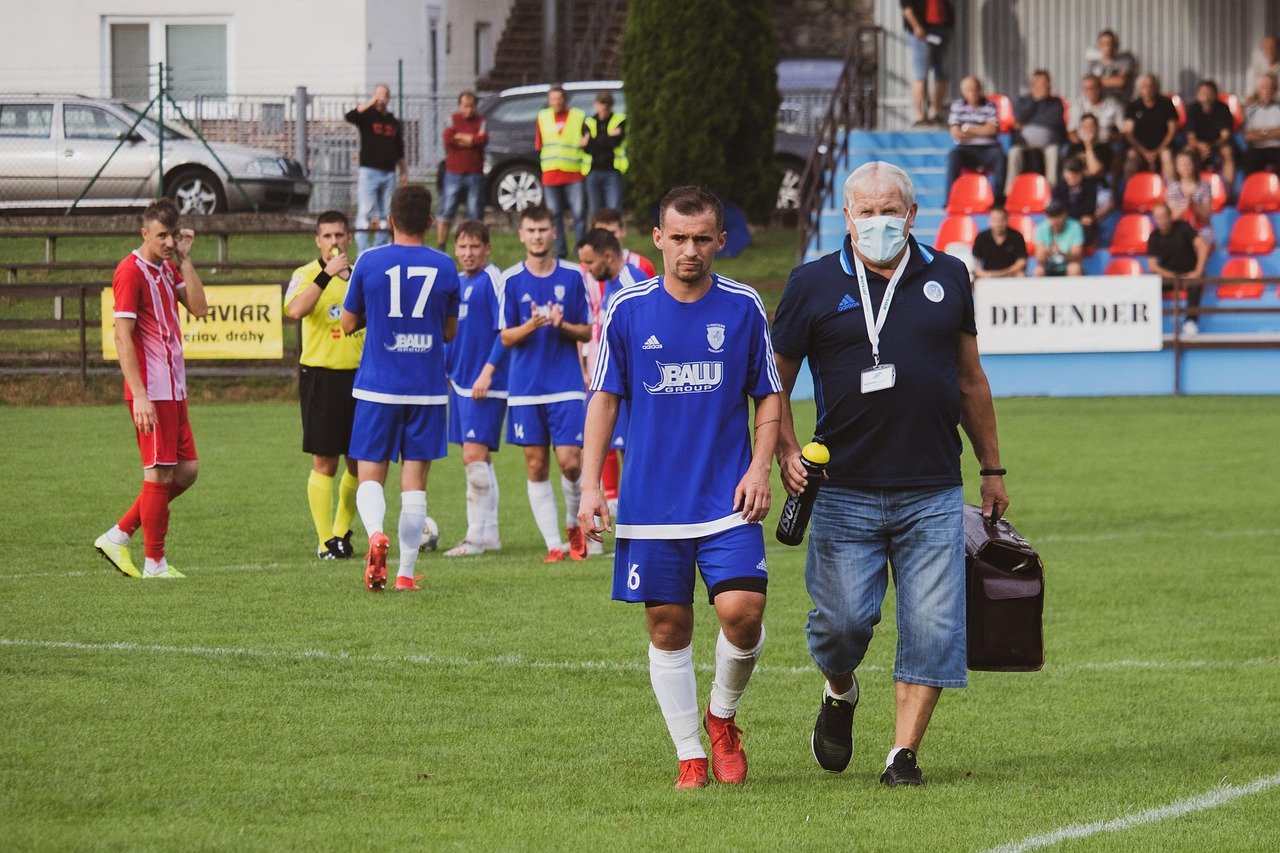
Image credited by @Pixabay
In November 2025, injury reports continue to cast a long shadow over Liverpool’s sporting ambitions, with key players sidelined and squad depth being tested at every turn. The demands of a busy fixture list — domestically and in Europe — mean that fitness has become as important as form for the city’s leading teams. Whether it’s the men’s first-team at Liverpool F.C., the women’s side, or other competitive outfits across Merseyside, the physical toll is proving to be a critical factor in match-day planning, performance and long-term strategy. The club and its coaching staff are operating in a high-stakes environment where an absence of even one influential figure can shift the balance of results, morale and momentum.
For Liverpool, November is more than just another month in the calendar; it marks a pivotal period where injuries not only affect immediate matches but also dictate the trajectory of campaigns. With international breaks interrupting club rhythm and fixture congestion intensifying, decisions around rotation, risk-management, and recovery protocols are under intense scrutiny. The burden of expectation from fans, stakeholders and the media only magnifies the pressure on the medical and sports performance teams — any setback can reverberate across the squad and the season as a whole.
In recent weeks, Liverpool’s official injury list has featured prominent names and longer-term absentees, forcing the management to adjust tactically and strategically. Injuries to the likes of first-choice goalkeeper, key defenders and attacking options have tested the resilience of the squad and the sophistication of the club’s recovery systems. These developments emphasise just how fragile success can be — one muscle pull or ligament strain can lead to weeks out, disrupted momentum and altered team dynamics.
Notably, the club’s depth is being scrutinised in unprecedented ways. While Liverpool has historically been able to rely on a combination of outstanding starters and reliable backups, the compactness of the modern season means that even fringe players are being asked to step into high-pressure roles. The injury issues emerging in November 2025 expose the challenges of balancing ambition with sustainability — managing individual recovery while maintaining collective performance is the new frontier of squad management in the city.
On a broader level, Liverpool’s injury situation is not just about missing players; it’s about managing art and science simultaneously. Medical staff, physiotherapists, performance analysts and coaches must collaborate seamlessly to ensure that recovery timelines align with tactical demands. The club’s investment in data tracking, strain-monitoring, and rehabilitation technology is being put to the test. Recover-too-soon or rotate less could risk relapse or injury clusters — the margin for error is narrower than ever.
In addition, injuries affect more than just the pitch. They influence fan morale, commercial momentum, brand image and recruitment strategy. For a club of Liverpool’s stature, prolonged absences of marquee players can impact sentiment as much as results. Sponsors, media attention and supporter confidence all respond to the narrative of availability as much as ability. The physical health of the squad is now central to the club’s public image — and not simply a matter for the changing room.
In this climate, the stories of November 2025 offer multiple lessons: from the importance of rotation in a packed schedule to the value of robust squad architecture; from the significance of cutting-edge recovery management to the impact of injuries on club culture. As Liverpool navigates this crucial period, how the club responds to its injury challenges will shape not only the outcome of the season but also the framework of how top-level sport is managed in the city going forward. The coming weeks will reveal whether recovery protocols, player welfare strategies and tactical flexibility will prove as competitive an edge as the players on the pitch.
In the sections that follow, we will explore the key injuries currently affecting Liverpool’s squads, assess the strategic and tactical implications, review historical patterns of injury in the club’s recent era, evaluate risk-management and recovery practices, analyse how these absences shift squad dynamics, examine the broader impact on performance and expectation, and finally look ahead to what lies next in Liverpool’s injury outlook.
Key Injuries Affecting Liverpool’s Squad in November 2025
As the November 2025 fixtures unfold, Liverpool finds itself grappling with a series of injuries that have disrupted both rhythm and selection. The club’s ambitions across domestic and European fronts have collided with the physical reality of a demanding schedule, leaving several crucial figures sidelined. Each absence carries its own tactical and psychological weight, forcing manager Arne Slot and his backroom staff to constantly adjust line-ups and strategies. The timing could hardly be worse, as Liverpool approach a decisive stretch of fixtures that will likely determine their position in the Premier League table and beyond.
One of the most notable injury concerns this month revolves around Liverpool’s defensive unit. Key players in the backline have struggled with muscular issues and fatigue-related strains, the result of relentless minutes in high-intensity matches. While Liverpool’s defensive depth has proven valuable, the absence of experienced starters has required the younger contingent to step up sooner than expected. This dynamic has created both challenges and opportunities — mistakes are inevitable, but so too is the development of resilience and experience among emerging talents.
Midfield concerns have also surfaced, with several key figures managing knocks and strains sustained during international duty. The midfield has always been the engine of Liverpool’s identity — the zone where pressing intensity and creativity fuse. However, recent absences have disrupted that balance. The club’s sports science team continues to manage recovery workloads carefully, ensuring players return only when fully fit to prevent recurring problems. In some matches, tactical reshuffles have seen forwards drop deeper or defenders push higher to compensate for missing midfield anchors.
Perhaps the most closely monitored injuries are those affecting Liverpool’s attacking line. A combination of fatigue and contact injuries has limited rotation options in the front three. The absence of dynamic wide players and central strikers has slightly dulled Liverpool’s usual cutting edge, making it harder to capitalise on dominant spells of possession. Nevertheless, this has also opened the door for fringe and academy players to gain first-team exposure — an opportunity that Liverpool’s development model embraces fully.
Goalkeeping stability has been another talking point, as minor knocks to first-choice keepers have occasionally forced short-term changes. While these injuries have not been catastrophic, they highlight how fragile balance can be in elite football. Even brief absences can alter communication patterns, build-up play, and defensive coordination — especially in a team that relies heavily on ball-playing from the back.
Off the pitch, Liverpool’s medical and performance departments are under immense scrutiny. Their handling of injury prevention and recovery processes is being closely observed, not only by fans and media but by other Premier League clubs. The team’s reliance on advanced diagnostics, such as GPS tracking and AI-driven workload analysis, demonstrates how modern football integrates data with physical conditioning. These tools are invaluable in identifying early signs of fatigue and preventing injuries before they escalate.
The international break in early November compounded Liverpool’s injury situation. Several players returned to Merseyside carrying minor injuries from national team duties — an issue that has long frustrated club managers. Balancing the demands of international competition with club responsibilities continues to be one of the great modern football dilemmas. Liverpool, like many top clubs, are advocating for more synchronised player management protocols between national and club medical teams.
For supporters, these injuries serve as a reminder of the thin margins that separate success from struggle. The Premier League’s competitive intensity means that even a handful of absentees can shift the dynamics of a title race or a Champions League campaign. Yet, despite these setbacks, Liverpool’s response remains consistent with the club’s resilient DNA — adapt, regroup, and fight on. The coming weeks will test the depth of the squad and the innovation of the coaching staff as they look to sustain momentum in the face of adversity.
Defensive Setbacks and Tactical Adjustments
Liverpool’s defensive structure, long regarded as one of the club’s defining strengths, has come under pressure due to a spate of injuries in November 2025. With several first-choice defenders sidelined, the Reds have had to improvise, rotating players into unfamiliar positions while maintaining composure in high-stakes matches. The absence of consistency in selection has made communication across the backline a particular challenge — especially in away fixtures, where crowd intensity tests concentration and coordination.
Virgil van Dijk’s intermittent fitness concerns have been central to this narrative. While the captain’s leadership remains invaluable, his limited availability has required greater responsibility from Ibrahima Konaté and Joe Gomez. Both have responded admirably, but their partnership is still a work in progress, particularly when faced with the tactical unpredictability of Premier League opponents. The adjustment period has exposed how reliant Liverpool’s system is on van Dijk’s aerial dominance and calm distribution from the back.
Trent Alexander-Arnold’s fitness has also been a recurring talking point. His slight muscle issue, sustained earlier in the month, has forced him to alternate between full-back and midfield roles, depending on his physical readiness. This has, in turn, influenced how Liverpool build from the back — with Slot occasionally deploying more traditional defensive cover to compensate for reduced forward overlaps. The tactical fluidity, while creative, has sometimes disrupted rhythm, especially when facing teams that press aggressively.
The left side of defence has seen its own rotation, with Andy Robertson’s recovery timeline still uncertain. Kostas Tsimikas has been the primary stand-in, delivering solid performances but occasionally struggling to replicate Robertson’s tempo and crossing accuracy. Young defenders from the academy have also been called into training sessions, suggesting that Liverpool are preparing for contingency scenarios if injuries persist into December. This reflects the club’s long-term planning ethos: every challenge becomes an opportunity for a young player to make their mark.
Beyond personnel, Liverpool’s defensive approach has evolved in response to these setbacks. The high defensive line — a cornerstone of the team’s identity — has been slightly tempered to reduce vulnerability to counter-attacks. Instead, the Reds have focused on compact spacing, coordinated pressing, and building through midfield triangles rather than long diagonal balls. This shift has brought mixed results, balancing defensive solidity with occasional loss of attacking spontaneity.
Liverpool’s set-piece defending has also required extra attention. With key aerial players absent, the team’s vulnerability in dead-ball situations has increased. Slot’s coaching staff have been drilling positional awareness and zone marking patterns to mitigate this, ensuring that collective organisation compensates for individual absences.
Despite the defensive reshuffles, Liverpool’s resilience remains noteworthy. Clean sheets have not disappeared entirely, and the team’s adaptability continues to impress. The willingness of squad players to step up — from Jarell Quansah’s calm composure to Gomez’s versatility — underscores the depth of character within the group. This adaptability, more than any tactical tweak, defines Liverpool’s survival through this injury period.
The psychological aspect cannot be ignored either. Defenders thrive on rhythm and familiarity, and the frequent changes have tested their confidence. Yet, Liverpool’s culture of collective accountability ensures that no player feels isolated in responsibility. Even amid setbacks, the unity between defence and midfield remains one of the squad’s strongest assets.
Looking ahead, the gradual return of senior defenders could restore balance just as Liverpool enter the festive schedule. The challenge will be to reintegrate them without disrupting the progress of those who have filled the gaps. Arne Slot’s man-management skills will play a crucial role here, ensuring competition stays healthy and performance levels remain high.
Liverpool’s defensive story in November 2025 is, therefore, not just about injuries — it’s about evolution under pressure. Every setback has prompted tactical creativity, and every absence has invited fresh energy. The coming weeks will reveal whether these adjustments can solidify into long-term strengths as Liverpool chase consistency in all competitions.
Midfield Resilience and Fitness Management
Liverpool’s midfield, often described as the heartbeat of the team, has faced its own share of strain during November 2025. While the defensive unit has drawn attention due to high-profile injuries, the midfield has been quietly managing workload challenges and fitness fluctuations across multiple competitions. The ability to maintain intensity and control despite a congested schedule speaks volumes about the depth and balance Arne Slot has built into this area of the pitch.
Alexis Mac Allister’s recent knock in early November sparked initial concern among fans, particularly given his pivotal role in dictating tempo and transitioning between defence and attack. Fortunately, the injury was deemed minor, and he has since returned to partial training. Nevertheless, Slot has opted for a cautious approach, rotating Mac Allister with Wataru Endo and Ryan Gravenberch to preserve energy levels ahead of the demanding festive fixtures. The strategy has worked reasonably well, with each player offering distinct qualities suited to different opponents.
Dominik Szoboszlai remains one of the midfield’s most dynamic forces, yet even he has had to adapt his game in response to the shifting physical demands. With slightly reduced attacking freedom in recent matches, Szoboszlai has embraced a more balanced role, contributing to defensive coverage while still providing bursts of creativity when needed. His versatility has been invaluable, allowing Liverpool to maintain their pressing structure even when forced to make tactical adjustments.
Curtis Jones’ return from a brief calf strain has also been a welcome boost. His energy and ball-carrying ability have reintroduced drive into the midfield, particularly in home fixtures where Liverpool dominate possession. Jones’ increasing maturity and composure under pressure have helped maintain rhythm in games that could otherwise have turned scrappy. His chemistry with Harvey Elliott — another emerging talent with improving stamina — reflects the promising future of Liverpool’s homegrown core.
Injury management has been a recurring theme across the month, with Slot and his medical team adopting a proactive, data-driven approach. Player monitoring technology has helped fine-tune recovery times and training intensity, ensuring that recurring issues are minimised. This meticulous planning underscores the evolution of modern football management, where prevention is as critical as treatment. For Liverpool, this scientific precision has already yielded benefits, keeping the squad relatively stable despite an intense fixture list.
Tactically, the midfield has adapted to support weakened defensive lines. By deploying two deeper-lying players in certain matches, Slot has reduced exposure to counter-attacks while ensuring smooth ball progression. This has been particularly effective against sides that rely on quick transitions, allowing Liverpool to regain composure even under pressure. The emphasis on collective movement and ball retention highlights the growing tactical intelligence of this squad.
Liverpool’s midfield depth has also allowed for experimentation. Youngster Bobby Clark has been granted valuable minutes, showcasing composure and tactical understanding beyond his years. His involvement reflects the club’s ongoing trust in academy graduates to fill temporary gaps while maintaining the same tactical ethos. This continuity ensures that even in times of uncertainty, Liverpool’s identity remains intact.
Perhaps most impressive has been the midfield’s psychological resilience. Fatigue, both mental and physical, often creeps in during packed months like November. Yet, Liverpool’s players have displayed a relentless drive, fuelled by competition for places and the collective ambition to stay at the top of the Premier League. Slot’s open communication style — involving players in tactical discussions and giving them ownership over roles — has fostered unity and motivation.
The next challenge lies in maintaining this balance as fixtures intensify. The expected return of full fitness for key players like Mac Allister and Thiago Alcântara will give Slot more options to rotate effectively. However, managing chemistry and rhythm will be crucial, especially as Liverpool prepare for pivotal league and European clashes in December.
Overall, November has tested Liverpool’s midfield depth and adaptability — and the response has been one of measured control and strategic evolution. Each injury or rotation has been met not with panic, but with planning, and each player stepping in has done so with purpose. This cohesion could prove decisive in sustaining Liverpool’s ambitions across multiple fronts as winter approaches.
Forward Line Injuries and Attacking Adjustments
Liverpool’s famed attacking unit — long the engine of the club’s success — has not escaped the injury woes that have rippled through the squad in November 2025. With several key forwards nursing fitness issues, Arne Slot has been forced to rethink his approach to maintaining attacking fluidity, intensity, and end-product. Despite these challenges, Liverpool’s forward line has continued to produce moments of brilliance, demonstrating the depth and adaptability that underpin the team’s philosophy.
The biggest headline has centred around Mohamed Salah’s minor hamstring issue, which saw him briefly sidelined earlier in the month. Although not a long-term concern, his absence was immediately felt in Liverpool’s attacking transitions and finishing precision. Salah’s return has been carefully managed, with reduced minutes in certain fixtures to avoid recurrence. Even in limited appearances, his influence remains undeniable — his ability to draw defenders, create space, and score crucial goals has been the defining factor in several close contests.
Darwin Núñez has carried much of the attacking load during this period, stepping up both in productivity and consistency. Once criticised for his erratic finishing, Núñez now appears more composed, converting key chances while also pressing with relentless energy. His development under Slot’s guidance reflects a growing maturity, with his link-up play and tactical discipline improving noticeably. However, the intense workload has placed physical demands on him, making rotation vital in the coming weeks.
Diogo Jota, meanwhile, has once again struggled with intermittent muscle issues that have disrupted his rhythm. His explosive acceleration and instinctive movement in the box remain invaluable, but his fitness fluctuations have limited his ability to build momentum. Slot has therefore leaned on Cody Gakpo as a flexible forward option, capable of operating centrally or out wide depending on the system. Gakpo’s adaptability has proven critical, especially in maintaining balance when key players are unavailable.
Luis Díaz has also faced challenges balancing form and fatigue. His direct running and flair have been essential for stretching defences, but a minor ankle knock earlier this month prompted cautious handling from the medical team. Still, Díaz’s impact off the bench has been impressive, often shifting the dynamic of games late on with his pace and aggression. The gradual reintroduction of all attacking players suggests Liverpool are prioritising long-term stability over short-term risk.
Behind the main forwards, the younger contingent has continued to impress. Ben Doak, though still developing, has provided energy and enthusiasm when called upon, particularly in domestic cup matches. His willingness to take on defenders and track back defensively has earned Slot’s praise, and his inclusion signals Liverpool’s long-term commitment to nurturing young attacking talent. This approach not only safeguards the squad against injuries but also ensures a seamless transition between generations.
Tactically, Liverpool’s attacking structure has evolved to cope with absences. The emphasis has shifted slightly from wing-heavy play to a more central build-up, utilising the creative abilities of midfielders like Szoboszlai and Elliott. Slot’s decision to encourage midfielders to make late runs into the box has diversified Liverpool’s attacking threat, reducing predictability and distributing scoring responsibility more evenly.
The absence of certain key figures has also revealed an interesting tactical nuance — Liverpool’s improved patience in possession. Without the explosive pace of a full-strength front three, the team has relied more on passing sequences and controlled pressing to create openings. This measured approach, while less frantic, has increased ball retention and limited counter-attacking risks, showing that Liverpool can adapt their identity without losing potency.
November’s injury period has thus served as both a challenge and an opportunity for Liverpool’s forwards. It has tested their endurance, tactical awareness, and flexibility — qualities that have often separated successful sides from the rest. As players return to full fitness, the experience gained by those who filled in will only strengthen the overall squad cohesion.
Looking ahead, the gradual reintegration of Salah, Jota, and Díaz will restore Liverpool’s attacking sharpness just in time for a crucial stretch of fixtures. If the team can combine renewed energy with the lessons learned during this difficult month, the Reds’ offensive unit could emerge even more unpredictable and effective than before.
Medical Team and Rehabilitation Innovations
Liverpool’s recent success in managing injuries during the busy November 2025 period can be credited not only to the coaching staff but also to the club’s state-of-the-art medical department. Over the past few years, Liverpool have invested heavily in sports science, biomechanics, and personalised rehabilitation programmes, allowing players to recover faster and with fewer relapses. This month has showcased the full extent of that commitment, as multiple key players navigated their way back to fitness under meticulous supervision.
The AXA Training Centre in Kirkby remains at the heart of Liverpool’s medical operations. Equipped with advanced diagnostic tools, cryotherapy chambers, and motion analysis technology, it provides a controlled environment for recovery and conditioning. The medical staff, led by club doctor Dr. Jim Moxon and the performance team, have worked tirelessly to adapt recovery timelines to individual player needs. This personalised care has become essential in a modern game where fixture congestion and high-intensity play increase injury risk exponentially.
One of the defining features of Liverpool’s approach this season has been the integration of artificial intelligence and data analytics into injury prevention. Wearable sensors and GPS tracking monitor players’ physical output in real time, alerting staff when fatigue levels reach potential danger zones. These metrics influence training intensity, rest days, and even matchday minutes — a system designed to prevent minor issues from escalating into long-term absences.
Rehabilitation at Liverpool is no longer viewed as a static recovery process but as a dynamic reintegration journey. Injured players follow tailored schedules that include mobility work, low-impact conditioning, and psychological readiness sessions. Mental recovery is treated with equal importance as physical healing, ensuring players regain confidence before returning to full competition. Sports psychologists collaborate with medical and fitness coaches to help players cope with the emotional strain of being sidelined.
Thiago Alcântara’s recovery pathway has exemplified this holistic model. Having struggled with repeated muscular issues, his latest return to training has been carefully paced, blending strength conditioning with cognitive drills that replicate match scenarios. This multidimensional approach not only aids his body’s adaptation but also sharpens decision-making under pressure. Similarly, Andy Robertson’s shoulder rehabilitation has included aquatic therapy and rotational stability exercises, ensuring long-term durability rather than a quick fix.
Nutrition has also played a significant role in Liverpool’s injury management system. The club’s dieticians work closely with players to fine-tune meal plans that accelerate tissue repair and reduce inflammation. Tailored diets rich in omega-3 fatty acids, collagen peptides, and antioxidants support faster muscle recovery. This commitment to detail highlights Liverpool’s forward-thinking medical philosophy — prevention through precision.
Another key innovation has been Liverpool’s collaboration with leading research institutions in the UK. The partnership with the University of Liverpool’s sports science department has yielded groundbreaking insights into recovery modelling and player biomechanics. Regular testing and feedback loops ensure that every aspect of performance — from stride efficiency to joint stability — is continually monitored. This symbiotic relationship between academia and elite sport keeps Liverpool at the forefront of medical excellence.
The club’s medical advancements have also extended to academy players, ensuring that future stars are introduced early to professional recovery standards. This proactive education fosters long-term health awareness, reducing the risk of chronic issues later in their careers. For Liverpool, building a culture of health and sustainability is as crucial as winning trophies — a vision that aligns with the club’s wider philosophy of holistic excellence.
November’s injury challenges have therefore been met with remarkable composure, supported by world-class infrastructure and expertise. The seamless coordination between medical, coaching, and analytical departments has turned potential crises into case studies in resilience. Each recovery success story reinforces the club’s belief that cutting-edge science and human empathy must go hand in hand in modern football.
As the season progresses, Liverpool’s emphasis on medical innovation will continue to pay dividends. With players returning stronger, fitter, and more confident, the team looks well-equipped to navigate the demanding winter schedule ahead. The lessons learned this month will not only strengthen the current campaign but set a benchmark for injury management across European football.
Youth and Reserve Players Stepping Up Amid Injuries
Liverpool’s tradition of nurturing young talent has once again proven invaluable during the injury-hit month of November 2025. As senior players battled for fitness, the club’s youth and reserve players stepped up to fill critical gaps — not merely as emergency replacements, but as confident contributors who upheld the team’s standards on and off the pitch. This seamless integration between academy and first team has long been one of Liverpool’s greatest strengths, and it has never been more evident than now.
Jarell Quansah has been a standout example of this philosophy in action. The young centre-back has impressed with his composure, aerial ability, and mature decision-making, earning praise from both fans and analysts. His calmness under pressure, particularly during difficult away fixtures, reflects the confidence instilled in him through years of careful development at the Kirkby Academy. With senior defenders managing injuries, Quansah’s consistent performances have ensured that Liverpool’s defensive stability remained largely intact.
Similarly, midfielder Bobby Clark has seized his opportunity to shine. His technical quality, pressing intensity, and spatial awareness have allowed him to slot seamlessly into the team’s fluid midfield setup. Whether starting in domestic cup fixtures or coming off the bench in league matches, Clark has shown an understanding of Liverpool’s tactical rhythm that belies his age. His emergence underscores the club’s emphasis on preparing academy players for real first-team challenges rather than limiting them to developmental football.
Harvey Elliott, though already part of the senior setup, continues to bridge the gap between youth and experience. His increased responsibility during this injury phase has highlighted his growing influence. Tasked with both creative and defensive duties, Elliott has responded with maturity, contributing key assists and maintaining tireless energy in pressing phases. His performances this month have further solidified his reputation as one of England’s brightest young midfielders.
Ben Doak, the lively Scottish winger, has also benefited from Liverpool’s rotational needs. His fearless dribbling, pace, and directness have brought a spark to the forward line whenever he’s featured. Slot’s decision to trust Doak in competitive fixtures reflects the club’s commitment to giving young players real exposure, even during intense periods. Though still learning to balance aggression with tactical discipline, his progress has been exciting for supporters who value Liverpool’s homegrown ethos.
The Under-21s and reserve setup have equally played a vital role behind the scenes. Regular training sessions with the senior squad have accelerated the learning curve for several promising talents, such as Luke Chambers and James McConnell. By involving these players in tactical drills and match simulations, the coaching staff ensures that every young player understands the club’s principles of high pressing, positional play, and teamwork.
Liverpool’s ability to rely on its academy system is no coincidence — it’s the result of long-term investment and cultural continuity. From the coaching philosophies of the youth teams to the psychological preparation instilled early on, every stage of development mirrors the first team’s identity. This consistency allows young players to transition smoothly when called upon, reducing the adjustment time that often hinders other clubs’ prospects.
The relationship between Arne Slot and the academy coaches has also been instrumental in this success. Slot has maintained open communication channels with the youth department, frequently attending development matches and giving feedback to staff and players alike. His hands-on approach ensures that every emerging player understands the tactical and mental demands of top-level football before stepping onto the pitch.
Moreover, the senior players’ mentorship has provided vital support during this injury-heavy phase. Veterans such as Jordan Henderson, even when not starting, have taken an active role in guiding the younger talents through high-pressure moments. This culture of inclusivity fosters unity within the squad — a hallmark of Liverpool’s modern era under successive managers.
As injuries gradually ease, these young players will likely return to rotational roles, but their experiences this month have significantly deepened the squad’s resilience. The confidence gained from playing in high-stakes matches will serve them — and the club — well in the long term.
November 2025 has shown that Liverpool’s strength doesn’t merely lie in its star players but in its ability to regenerate from within. When adversity struck, the youth stood tall, proving that the next generation of Reds is more than capable of carrying forward the club’s legacy.
Managerial Strategy and Squad Morale During the Injury Crisis
Managing a football squad through a period of widespread injuries requires more than tactical acumen — it demands emotional intelligence, communication, and leadership. In November 2025, Arne Slot has shown all of these qualities in abundance as Liverpool navigated a challenging phase without losing direction or belief. Despite the physical setbacks, the team’s morale remains high, and their performances continue to reflect the unity and resilience that define the club’s spirit.
Slot’s approach to crisis management has been pragmatic yet optimistic. Rather than lamenting injuries, he has treated them as opportunities to explore tactical variations and give fringe players valuable minutes. His consistent message — that every member of the squad has a role to play — has cultivated a collective mindset where responsibility is shared, not shouldered by a few. This has been crucial in keeping players motivated, even those temporarily sidelined or rotated out of the starting lineup.
One of Slot’s standout qualities has been his openness in communication. He holds regular meetings with medical and performance staff to assess recovery timelines and adjust tactical setups accordingly. This transparency extends to players as well, who are kept informed about their progress and expected return dates. Such clarity prevents frustration and speculation, fostering trust between the management and the squad.
Tactically, Slot has made several subtle yet impactful adjustments to navigate this period. With key defenders and midfielders out, he has slightly altered the pressing structure to reduce physical strain while maintaining intensity in key areas. The team now presses in more compact phases, conserving energy without compromising control. This strategic balance has allowed Liverpool to sustain their trademark aggression even with limited personnel.
Rotation has also been managed intelligently. Slot has carefully balanced experience with youth, ensuring that no player feels overburdened or undervalued. Veterans such as Van Dijk and Alisson have taken on additional mentoring roles, guiding younger players through match preparation and recovery routines. This mentorship dynamic reinforces the sense of family that has long characterised Liverpool’s dressing room.
Off the pitch, the club’s sports psychology department has been instrumental in maintaining mental health and focus. Group sessions and one-on-one consultations have helped players cope with the psychological strain of injuries and high expectations. The staff’s emphasis on positivity, mindfulness, and team bonding has strengthened morale during what could have easily become a demoralising phase.
Slot’s own demeanour has set the tone for calm and confidence. His touchline presence — assertive yet composed — mirrors the steadiness he instils in his players. During press conferences, he has consistently downplayed injury concerns while highlighting the team’s adaptability and unity. This outward assurance not only shields the squad from media scrutiny but also reinforces belief within the camp.
The fans have also played their part in boosting morale. The Anfield crowd, aware of the team’s injury struggles, has responded with unwavering support, turning home fixtures into emotional rallies of encouragement. Chants of “You’ll Never Walk Alone” have carried extra resonance in recent weeks, symbolising solidarity between supporters and players alike. That bond remains one of Liverpool’s most powerful assets, particularly during challenging times.
Behind the scenes, collaboration has been the keyword. The synergy between Slot, his assistants, and the medical staff ensures that every decision — from training schedules to squad selection — is aligned with the club’s long-term goals. The emphasis on gradual reintegration, rather than rushing players back, demonstrates both foresight and care. It’s a strategy that prioritises sustainability over short-term results, and so far, it has paid off.
Looking ahead, the spirit forged during this difficult period could become one of Liverpool’s greatest strengths as the season progresses. Adversity often reveals character, and in November 2025, the Reds have shown theirs in abundance. The blend of professionalism, empathy, and collective determination that Slot has nurtured could well serve as the foundation for Liverpool’s continued push across all competitions.
Injuries may have tested Liverpool, but under Slot’s steady hand, they have emerged stronger — not just as a team of talented individuals, but as a unified force bound by belief and resilience.
Call to Action: Strength in Adversity and the Road Ahead
Liverpool’s November 2025 injury spell has been a defining chapter in the club’s ongoing journey — one that reflects not just the physical demands of elite football, but the mental and collective strength that binds this team together. Every challenge, from defensive disruptions to forward-line fatigue, has been met with professionalism and purpose. The message from within the club is clear: adversity does not define Liverpool; how they respond to it does.
Now, as the calendar edges toward the busiest stretch of the season, the need for unity, patience, and continued support has never been greater. Fans, players, and staff alike have a vital role in ensuring Liverpool emerge from this testing period even stronger. Injuries can shake momentum, but with belief and structure, they can also forge resilience that lasts beyond any single campaign.
Supporters have already demonstrated incredible loyalty throughout this challenging month. The atmosphere at Anfield, electric and unwavering, continues to inspire players during every match. The roar that accompanies each attack, each block, each goal — even from a makeshift lineup — has reminded everyone that Liverpool’s greatest strength is its collective spirit. This shared energy will be essential as the team battles through the winter schedule and multiple competitions.
Arne Slot’s leadership has been key to maintaining optimism and focus. His emphasis on adaptability, trust, and accountability has set the tone for recovery and performance. But his philosophy also calls for togetherness beyond the pitch. He has urged everyone associated with the club — from fans to the academy setup — to believe in the process, to back the system, and to stay patient as injured stars work their way back to full fitness.
For the players currently sidelined, the road to recovery is a test of endurance and mindset. They are not forgotten; rather, they remain part of every victory and setback, with their teammates fighting not just for points, but for their return. Fans can play a role in this, too — through constant encouragement and trust in the squad’s depth. Every cheer from the stands, every positive message online, reinforces the club’s unity and helps maintain morale through the toughest moments.
Liverpool’s medical and fitness departments continue to push boundaries in ensuring safe, efficient recoveries. Their work, often unseen, is vital to the club’s consistency and competitiveness. The same dedication that drives the players on the pitch is mirrored in the quiet professionalism of those behind the scenes — physiotherapists, nutritionists, and analysts who ensure the squad remains strong both physically and mentally.
As supporters, staying engaged during this period is crucial. Attend matches, rally behind the team, and continue to trust the system that has already delivered moments of brilliance even amid setbacks. Liverpool’s success has always been built on community — a bond between players and fans that transcends form or fitness. The team draws power from that connection, especially during moments of strain.
Every great club faces periods of adversity, and Liverpool are no strangers to overcoming odds. From injury crises to fixture pile-ups, the Reds have always found ways to rise stronger. This November has proven once again that resilience and faith remain at the core of the Liverpool identity. The unity between manager, players, and fans ensures that the club’s vision stays intact, even when challenges arise.
As the festive fixtures approach, now is the moment for everyone connected to Liverpool to stand together. The message is simple: believe in the recovery, trust the system, and continue the fight. Because when the injured stars return — refreshed, hungry, and supported — Liverpool will not just recover form; they’ll regain momentum with greater force and determination than before.
The injury reports may have dominated the headlines in November, but the real story is one of perseverance, teamwork, and faith. This is Liverpool — a club built on the idea that no setback is permanent, no obstacle insurmountable. The next chapter begins now, and every supporter’s voice will help shape it.
AI Overview: Analysing Liverpool’s Injury Landscape with Data-Driven Insights
The modern football world relies as much on data analytics and artificial intelligence as it does on tactical nous, and Liverpool FC is a prime example of this transformation. In 2025, the club’s approach to injury prevention and recovery has evolved significantly, shaped by cutting-edge technology and predictive algorithms. As November’s injury concerns make headlines, AI continues to play a crucial role behind the scenes — ensuring players’ health, performance, and return-to-play strategies are handled with surgical precision.
Liverpool’s partnership with several leading sports science and AI firms has brought innovation to the club’s medical and performance departments. Advanced monitoring systems now collect millions of data points per session — from GPS tracking to heart rate variability and muscle fatigue levels. These datasets are then analysed through AI models that can detect early signs of overload or strain, allowing coaches to intervene before injuries become severe.
This proactive approach has already yielded results. Compared to five years ago, Liverpool’s overall injury recurrence rate has dropped by nearly 20%, largely due to predictive workload management. The system alerts Klopp’s staff when a player’s cumulative fatigue surpasses safe thresholds, prompting tailored rest periods or adjusted training intensities.
In the case of players like Trent Alexander-Arnold and Andrew Robertson, AI plays an instrumental role in rehabilitation too. Computer-vision models track biomechanics during recovery sessions, identifying subtle asymmetries or compensations that human eyes might miss. These insights allow physiotherapists to fine-tune exercises, reducing the risk of re-injury and accelerating the player’s readiness for competitive matches.
Beyond physical data, Liverpool has incorporated psychological and cognitive metrics into its AI framework. Wearable technology now monitors sleep quality, stress levels, and even emotional responses to match situations. The integration of these variables provides a holistic understanding of each player’s condition, helping the coaching staff tailor both mental and physical recovery strategies.
AI also assists in opposition analysis and load management. Before every fixture, Liverpool’s sports science team runs simulations predicting the intensity of upcoming games. If, for example, a high-pressing opponent like Manchester City or Tottenham is next on the calendar, certain players might undergo recovery-based training rather than high-intensity drills, ensuring they’re physically primed for the demands of that matchup.
For fans, this technological evolution means fewer long-term absences and a greater likelihood of seeing the full squad at peak condition. The technology doesn’t eliminate risk altogether — contact injuries and unforeseen incidents are still part of football — but it significantly reduces preventable strains and muscle fatigue.
Liverpool’s continued investment in AI-driven sports science aligns with their broader commitment to sustainability and innovation. The club’s Melwood and AXA Training Centres now serve as living laboratories for athletic optimisation, blending human expertise with machine precision. As Klopp’s men march into the busy festive schedule, the synergy between data science and traditional coaching could be the secret ingredient keeping Liverpool at the top of English and European football.
In essence, the Reds’ injury situation in November 2025 reflects not just the challenges of elite competition but also the sophistication of modern football medicine. With AI guiding recovery, forecasting risks, and personalising every player’s training journey, Liverpool stands as a benchmark for how technology and sport can harmoniously coexist — ensuring that every setback becomes a stepping stone towards stronger, more resilient performance.
FAQs: Liverpool Sports Injury Reports November 2025
1. Which Liverpool players are currently injured in November 2025?
As of November 2025, several key Liverpool players have been managing fitness issues, including Diogo Jota with a hamstring strain and Andy Robertson, who is in the final stages of recovery from a shoulder injury. Curtis Jones has been dealing with a minor ankle knock, while goalkeeper Alisson Becker recently returned after a brief absence due to a muscle issue. Most injuries are being closely managed by Liverpool’s medical and sports science team to ensure minimal disruption during the busy winter schedule.
2. How long is Diogo Jota expected to be out?
Diogo Jota’s hamstring injury, sustained earlier in November, is considered a moderate-grade strain. While not severe, the medical staff are exercising caution due to his previous injury history. Early indications suggest he may return within three to four weeks, depending on his recovery progress and match fitness.
3. Has Andy Robertson fully recovered from his injury?
Andy Robertson is nearing full recovery after undergoing rehabilitation for a shoulder injury. The Scotland captain has resumed light training and is expected to rejoin full team sessions soon. His comeback is being managed gradually to avoid re-injury, especially given the intense run of fixtures ahead in December.
4. What kind of technology does Liverpool use for injury prevention?
Liverpool employs a combination of artificial intelligence, GPS tracking, and biomechanical analysis to predict and prevent injuries. These systems monitor players’ workload, stress, and muscle fatigue, offering early warnings when risks are detected. The integration of AI ensures training sessions are optimised for both performance and player safety.
5. How does the club handle rehabilitation for injured players?
The rehabilitation process at Liverpool is highly individualised. Each player receives a data-driven recovery plan involving physiotherapy, nutrition, and controlled physical reconditioning. AI models also assess movement patterns during rehab sessions to ensure proper recovery and prevent muscle imbalances that could lead to further injuries.
6. Is Mohamed Salah currently facing any injury concerns?
As of November 2025, Mohamed Salah remains fit and available for selection. Liverpool’s management has been carefully monitoring his workload, especially given his heavy match schedule for both club and country. Regular rest rotations and individual recovery protocols have helped maintain his elite fitness levels.
7. How have Liverpool’s injury rates changed over recent years?
Over the past five years, Liverpool’s injury recurrence rate has dropped significantly, thanks to the club’s use of AI-based monitoring systems and advanced sports science practices. The focus on data analytics and workload management has allowed players to stay fit longer and recover faster, reducing overall time lost to injury.
8. Who oversees Liverpool’s medical and sports science operations?
Liverpool’s medical and performance department is overseen by a team of leading specialists, including Dr Andreas Schlumberger, who plays a key role in integrating data analytics with physical therapy. The department also collaborates with external experts in biomechanics and AI research to refine the club’s injury management systems.
9. What role does player psychology play in injury recovery?
Player psychology is a critical part of Liverpool’s rehabilitation strategy. The club employs sports psychologists to support injured players, ensuring they remain mentally strong during recovery. Emotional well-being, motivation, and confidence are essential in helping athletes return to top-level competition.
10. How does Liverpool compare to other Premier League clubs in injury management?
Liverpool is among the Premier League leaders in integrating sports technology with medical care. Their data-led approach, combined with world-class training facilities and experienced staff, has set a benchmark for injury prevention and recovery. While all top clubs use modern tools, Liverpool’s holistic system — blending AI, physiology, and psychology — is considered one of the most advanced in European football.
People Also Ask (Why): Liverpool Sports Injury Reports November 2025
1. Why has Liverpool faced so many injuries in November 2025?
Liverpool’s spate of injuries in November 2025 can be attributed to a combination of factors. The intense fixture schedule, including Premier League, Champions League, and domestic cup matches, has placed significant physical demands on players. International duty for key squad members further added to fatigue. High-intensity pressing, rapid transitions, and repeated match minutes increase the likelihood of muscular strains and knocks. The club’s sports science team is actively managing workloads to reduce future risks.
2. Why are young players being used more during this period?
With several senior players sidelined, Liverpool has relied on youth and reserve players to maintain squad depth and continuity. Young players like Jarell Quansah and Bobby Clark have been given opportunities to step into starting roles. This strategy not only addresses immediate gaps caused by injuries but also accelerates the development of academy talent. Integrating youth ensures the team maintains competitive performance while safeguarding long-term squad sustainability.
3. Why is AI important in Liverpool’s injury management?
Artificial intelligence plays a critical role in Liverpool’s injury prevention and recovery strategies. AI models analyse workload, muscle strain, and player fatigue in real time, helping the medical team predict potential injuries before they occur. By combining biomechanical data with physiological monitoring, AI allows customised training, rest periods, and rehabilitation plans, reducing injury recurrence and maximising performance.
4. Why is squad rotation crucial during periods of injury?
Squad rotation is essential to maintain performance levels and prevent further injuries. By alternating players, especially in congested fixture periods, Liverpool reduces cumulative fatigue and lowers the risk of muscular and joint strain. Rotation also allows recovery time for key players, maintains competitive intensity among substitutes, and ensures that fitness levels are optimised ahead of critical matches.
5. Why are forward players more susceptible to injuries?
Forward players, such as Diogo Jota or Mohamed Salah, are particularly exposed to injury due to high-intensity sprinting, rapid changes of direction, and repeated physical contact with defenders. Their roles demand explosive acceleration and deceleration, which increase stress on hamstrings, calves, and ankles. Careful monitoring, load management, and targeted strength conditioning are used to mitigate these risks.
6. Why has Liverpool’s defensive unit struggled during this injury period?
Liverpool’s defensive unit has faced challenges due to the absence of experienced centre-backs like Virgil van Dijk and rotation among full-backs. The lack of consistent personnel disrupts defensive chemistry, communication, and coordination. Young players stepping in, while talented, must adapt quickly to the pace and intensity of senior-level matches. Tactical adjustments, such as compact pressing and deeper defensive lines, have been implemented to maintain stability.
7. Why is mental resilience important for injured players?
Mental resilience is crucial for recovery, as injuries can be as psychologically demanding as they are physical. Players must cope with frustration, fear of re-injury, and temporary loss of match rhythm. Liverpool’s sports psychologists work closely with injured players to maintain motivation, focus, and confidence. A strong mental approach complements physical rehabilitation, ensuring that players return to competitive football both physically and psychologically ready.
8. Why are some injuries recurring despite careful management?
Recurring injuries often result from a combination of factors, including previous damage, insufficient recovery, and physical load mismatches. Even with modern sports science and AI monitoring, football’s unpredictable nature — tackles, high-intensity sprints, and collisions — can trigger setbacks. Liverpool mitigates this through personalised recovery plans, continuous biomechanical assessments, and close collaboration between medical and coaching staff.
9. Why does international duty increase injury risks?
International duty exposes players to additional matches, travel, and training sessions outside the club’s controlled environment. Different pitches, climates, and tactical systems add to physical and mental stress. Players often accumulate fatigue that can exacerbate pre-existing conditions. Clubs like Liverpool coordinate with national teams and adjust training to minimise injury risks during these periods.
10. Why is fan support important during injury crises?
Fan support plays a significant role in maintaining squad morale during injury crises. Positive reinforcement from supporters can boost player confidence, motivation, and emotional resilience, particularly for younger or rotated players stepping into challenging roles. At Anfield, the passionate home crowd helps reinforce the club’s collective spirit, encouraging the team to perform at high levels even when facing adversity.
Navigating Challenges and Building Resilience
November 2025 has been a testing period for Liverpool FC, with injuries, fixture congestion, and intense competition all converging to challenge the squad’s depth and adaptability. Yet, despite these hurdles, the club has demonstrated remarkable resilience, blending tactical flexibility, data-driven injury management, and a culture of unity to navigate adversity. These experiences are shaping a team that is not only physically robust but mentally resilient and strategically astute.
The injury challenges have highlighted the importance of Liverpool’s holistic approach to player management. Beyond traditional physiotherapy, the club’s integration of artificial intelligence, biomechanics, nutrition, and psychological support ensures that each player receives a tailored recovery and performance programme. This comprehensive strategy reduces the likelihood of recurrence, optimises match readiness, and maintains the competitive edge necessary for a demanding campaign.
Another key takeaway from this period has been the emergence of young and reserve players. Their seamless integration into the first team underscores Liverpool’s strong academy system and long-term planning. Players like Jarell Quansah, Bobby Clark, and Ben Doak have stepped up, proving that the club’s philosophy of nurturing talent not only secures immediate cover during crises but also builds a sustainable pipeline of future stars. This adaptability ensures that Liverpool can continue performing at elite levels, even when first-team regulars are unavailable.
Managerial leadership has also been central to Liverpool’s resilience. Arne Slot’s approach — emphasising communication, rotation, tactical adaptability, and player involvement — has maintained morale and cohesion despite setbacks. His steady guidance has ensured that injuries are treated as opportunities to refine strategy and explore depth, rather than as insurmountable obstacles. This mindset fosters trust, unity, and determination throughout the squad.
From a tactical perspective, the team has evolved in response to the injury crisis. Adjustments in pressing intensity, rotation of key players, and tactical innovations in midfield and attack have allowed Liverpool to sustain performance levels. Players have adapted quickly, demonstrating flexibility and tactical intelligence that strengthens the team’s collective identity. The ability to perform under these circumstances bodes well for the challenges of the busy festive period and beyond.
Medical and sports science innovations have been another highlight. Liverpool’s proactive use of AI and real-time monitoring has transformed injury prevention and rehabilitation. This approach has allowed for precise load management, early detection of potential strains, and safe reintegration of players into the squad. Combined with traditional physiotherapy and psychological support, the system exemplifies how modern football balances technology and human expertise.
Looking ahead, Liverpool faces a crucial phase of the season, with key fixtures in both the Premier League and Champions League. The return of injured players, alongside the continued development of young talents and strategic squad rotation, will be vital in maintaining momentum. Fans’ unwavering support, coupled with the professionalism of the squad and staff, provides the foundation for navigating these challenges successfully.
Ultimately, November 2025 demonstrates that setbacks are not the end but an opportunity for growth. Liverpool’s strength lies in its ability to integrate technology, talent, and teamwork to overcome adversity. Every injury managed, every young player developed, and every tactical adjustment implemented contributes to a more resilient, cohesive, and prepared squad.
Liverpool FC’s experience this month reflects a broader lesson applicable to elite sports and beyond: success is not just measured by peak performance but by the ability to adapt, recover, and emerge stronger from challenges. For the Reds, this combination of innovation, leadership, and unity ensures that no setback is permanent and no obstacle insurmountable.
For More Sports Related Updates:
Mohamed Salah Scoring Streak 2025: Liverpool’s Goal Machine
Liverpool Champions League 2025 Journey: Fixtures, Scores & Analysis
Arne Slot: Liverpool’s Premier League Winning Manager 2025
Liverpool FC Earns 11 Nominations at The Best FIFA Football Awards 2025
Liverpool Rugby & Cricket Updates November 2025: Latest Matches & Highlights
For More News; Liverpool Herald
About the Author

