Image credited by @Pixabay
November 2025 promises to be an exciting month for sports fans in Liverpool, with a packed schedule of fixtures across football, basketball, and other popular local competitions. For football enthusiasts, Liverpool FC remains the focal point of attention, competing in both the Premier League and UEFA Champions League. These fixtures are crucial for the team’s domestic league standing and their European campaign, with high-stakes matches against top clubs such as Manchester City, Real Madrid, and PSV Eindhoven. The anticipation around these matches reflects not only the club’s rich footballing history but also the passion and dedication of its global fan base, making November a month of intense sporting engagement. Liverpool’s sports calendar is not limited to men’s football. Women’s football, local basketball, and other sporting events also contribute to the city’s vibrant sports culture. Liverpool FC Women have a strong fixture list in the Women’s Super League, drawing crowds and generating local excitement. Basketball teams, amateur leagues, and community competitions add variety for sports enthusiasts who enjoy different forms of athletic competition. This diversity of events ensures that residents and visitors can experience a wide range of sporting action, from high-profile professional games to community-based competitions that highlight emerging talent.
The significance of November fixtures extends beyond the pitch. Each match affects league standings, European qualification prospects, and player form, influencing both short-term results and long-term planning. Fans and analysts closely watch injury updates, squad rotation decisions, and tactical changes that could determine match outcomes. With international breaks earlier in the month, player fitness and recovery become critical, and managers must carefully balance domestic and European commitments. Liverpool’s ability to maintain momentum across multiple competitions will be a key narrative throughout November, making every match crucial for both sporting and strategic reasons.
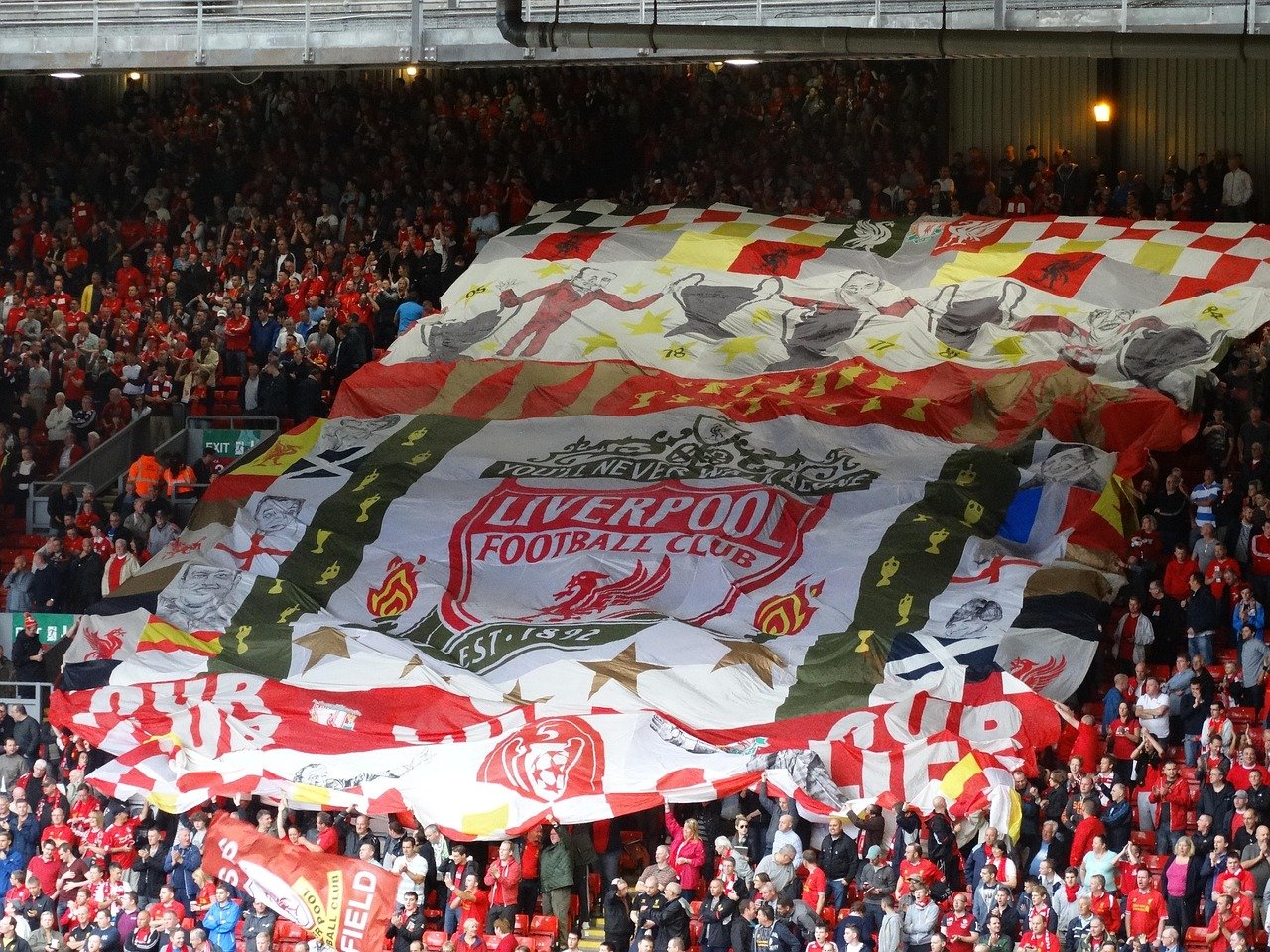
For local supporters, attending matches in person provides an immersive experience. Anfield, as the iconic home stadium of Liverpool FC, offers unparalleled atmosphere, with fans creating a vibrant, almost theatrical environment. November fixtures are enhanced by seasonal elements such as early winter weather and festive decorations, making matches not just a sporting event but a communal celebration. Fans enjoy the rituals of matchday, from pre-game gatherings to chants and post-match reflections, all of which contribute to Liverpool’s identity as a city deeply entwined with sport.
Television and digital coverage also play a significant role in the accessibility of Liverpool’s matches. Global audiences can follow live broadcasts of Premier League and Champions League fixtures, while streaming platforms provide highlights, tactical analysis, and post-match discussions. This connectivity allows fans worldwide to engage with the team, fostering a sense of global community around Liverpool sports. Analysts, commentators, and social media coverage further enhance the fan experience by providing insights into player performance, game strategy, and club news, keeping supporters informed and connected throughout the month.
In addition to the professional teams, community-level sports provide opportunities for local engagement. Amateur football, youth leagues, and basketball competitions allow residents to participate actively in sports, nurturing future talent and maintaining Liverpool’s strong sporting culture. Schools, clubs, and local organisations frequently schedule matches and tournaments in November, offering pathways for young athletes to gain experience and for families to enjoy weekend sporting activities. This layered structure of professional, semi-professional, and amateur sports ensures that the city remains a hub of athletic energy year-round.
November 2025 is particularly significant because it is a mid-season period for many leagues. For Liverpool FC, this phase often tests squad depth, tactical flexibility, and resilience against top-tier opponents. Each fixture carries weight, whether it is a high-profile Champions League clash or a pivotal Premier League match. The intensity of this period requires careful planning from coaches, players, and fans alike, as the outcomes have direct implications for league standings, European qualification, and long-term club strategy. This makes November a defining month in the sporting calendar, full of anticipation, excitement, and narrative arcs that unfold with each match.
In conclusion, Liverpool’s sports fixtures in November 2025 are a blend of competitive intensity, community engagement, and cultural significance. From Premier League showdowns and Champions League battles to women’s football and local competitions, the city offers a rich tapestry of sporting experiences. Fans, whether attending in person or following digitally, can expect thrilling matches, tactical battles, and the vibrancy that Liverpool’s sporting culture consistently delivers. November is more than just a series of games; it is a celebration of the city’s athletic heritage, its present competitiveness, and the shared passion that unites supporters across generations and geographies.
Liverpool FC Premier League Fixtures and Key Challenges in November 2025
Liverpool FC enters November 2025 with a tightly packed Premier League schedule, requiring careful squad management and strategic focus. The team faces several crucial fixtures at home and away, each carrying implications for their league standing and overall momentum. Matches against traditional rivals and mid-table competitors alike will test the squad’s depth, fitness, and tactical flexibility. November is a pivotal month, marking the mid-season phase where every point gained or lost can significantly impact the title race, European qualification prospects, and team morale. The month begins with a home fixture against Aston Villa, offering Liverpool an opportunity to assert dominance early. Anfield provides the team with a considerable advantage, with passionate supporters creating an electrifying atmosphere that often inspires strong performances. Success in this match is critical for building confidence and maintaining momentum, especially given the demanding schedule ahead. The team’s preparation involves analysing opposition tactics, adjusting formations, and ensuring key players are well-rested and match-ready. Achieving a strong start in November sets the tone for subsequent challenges and helps maintain pressure on league rivals.
Following the home game, Liverpool faces a tough away fixture against Manchester City. This match is widely anticipated due to City’s tactical prowess, high-quality squad, and strong home form. It presents a stern test for Liverpool’s defence, midfield creativity, and attacking efficiency. Managers must balance the intensity of this match with the need to maintain squad fitness for upcoming European games. Tactical decisions, such as pressing intensity, defensive organisation, and transition play, become crucial in securing a favourable result. Player focus, discipline, and adaptability are equally important, as City’s dynamic style can exploit any lapse in concentration.
Mid-November fixtures, including home games against teams like Nottingham Forest and away matches such as West Ham United, require careful rotation and squad management. Liverpool’s ability to integrate young talent, utilise substitutes effectively, and maintain high performance levels across consecutive matches will be tested. These games also provide opportunities for players returning from injury or recovering from international duty to regain form and contribute meaningfully. Strategic use of the squad ensures that Liverpool can remain competitive across all fronts while reducing fatigue and injury risks.
November’s Premier League schedule also coincides with European commitments, which complicates match preparation. Travel, recovery time, and tactical planning must all be coordinated to ensure optimal performance in both domestic and continental competitions. Managers and coaching staff focus on maintaining a consistent style of play, balancing defensive solidity with attacking creativity. Training sessions, video analysis, and opposition scouting are intensified during this period to prepare players for diverse tactical challenges and high-pressure situations.
Key players’ form and fitness are critical in November 2025. Liverpool relies on both experienced leaders and emerging talents to navigate the demanding schedule. Strikers must maintain scoring consistency, midfielders are expected to control tempo and creativity, while defenders provide stability and resilience against high-intensity opposition. Goalkeepers play a crucial role, particularly in matches where defensive organisation is tested. Effective communication, cohesion, and mental resilience become vital as the team strives for consistency and excellence throughout the month.
Fan engagement and support at Anfield remain central to Liverpool’s Premier League campaign. Home matches benefit from the fervent backing of supporters, whose energy and enthusiasm can inspire exceptional performances. In November, early winter conditions add to the atmospheric intensity, enhancing the matchday experience for both players and fans. Away games test the team’s ability to remain composed under pressure, requiring focus and tactical discipline to secure points in challenging environments.
In conclusion, Liverpool FC’s Premier League fixtures in November 2025 represent a crucial period of the season, demanding tactical precision, squad depth, and mental resilience. From high-profile clashes against Manchester City to strategically important home games, the month is pivotal in shaping the team’s domestic fortunes. Careful planning, player management, and effective execution are essential to navigate this challenging phase. Fans, analysts, and players alike will be watching closely as Liverpool aims to maintain momentum, secure vital points, and demonstrate the quality, determination, and ambition that define the club’s Premier League campaign.
Liverpool FC UEFA Champions League Fixtures and European Challenges November 2025
November 2025 is a decisive month for Liverpool FC in the UEFA Champions League, as the team navigates key fixtures that could determine their progression to the knockout stages. European competition adds a layer of intensity and complexity to the club’s schedule, requiring meticulous planning, strategic rotations, and tactical adaptability. The Champions League fixtures are not only about points but also about asserting Liverpool’s reputation on the continental stage, balancing domestic league performance with the demands of international opposition. For fans, these matches offer high-stakes drama, world-class football, and opportunities to witness the club compete against some of Europe’s elite teams. Liverpool’s home fixtures in November are particularly significant, offering the chance to capitalise on Anfield’s historic atmosphere. The match against Real Madrid stands out as a marquee fixture, drawing global attention due to the clubs’ rich European histories and the quality of their squads. Preparing for such a game involves in-depth analysis of the opposition, including tactical formations, key players, and historical head-to-head statistics. Coaches work meticulously to develop strategies that neutralise threats while exploiting weaknesses, whether through pressing, positional rotations, or set-piece execution. The stakes of such a fixture make it a crucial test of Liverpool’s tactical intelligence, player discipline, and mental resilience.
Following Real Madrid, Liverpool faces a Champions League encounter with PSV Eindhoven. While perceived as less formidable than Real Madrid, PSV presents unique challenges, including tactical flexibility, fast transitions, and strong counter-attacking play. European away matches or midweek fixtures demand travel management, ensuring players remain physically prepared and mentally sharp. Squad rotation becomes essential to maintain energy levels, prevent injuries, and sustain competitive intensity across domestic and European commitments. The balance between maintaining performance and managing player workload is a constant theme during this phase of the season.
European competition also places emphasis on player versatility and depth. Coaches rely on both experienced leaders and emerging talents to navigate varied tactical scenarios. Midfielders are often pivotal in controlling tempo and linking defensive and attacking play, while forwards must be alert to counterattacks and exploit space efficiently. Defenders are tested rigorously against technically skilled attackers, requiring concentration, coordination, and communication. Goalkeepers face high-pressure situations, where decisive saves can influence not only the match outcome but also the group standings and qualification prospects. Each role is amplified in importance due to the high stakes of Champions League fixtures.
The mental and emotional aspects of European matches cannot be understated. Traveling for away games, facing hostile atmospheres, and dealing with media scrutiny add pressure to players and coaching staff. Liverpool’s ability to maintain composure, respond positively to setbacks, and execute tactical plans under pressure is critical for success. The psychological preparation of players, combined with motivational strategies and team cohesion, plays a significant role in achieving favourable outcomes. Fans and analysts frequently note that Champions League success often hinges on a combination of technical skill, tactical intelligence, and mental resilience.
Fan engagement during European matches adds a distinct dimension to the Liverpool experience. Anfield’s supporters create a stadium atmosphere renowned for its intensity, passion, and global recognition. Away matches, though more challenging, allow fans traveling to European destinations to demonstrate loyalty, contributing to the team’s morale. November 2025, with its early winter conditions, accentuates the dramatic and visual appeal of stadium atmospheres, from illuminated grounds to spirited chants, enhancing both player motivation and the spectator experience.
Finally, the outcomes of Liverpool’s November 2025 Champions League matches have long-term implications. Success in these fixtures can ensure progression to the knockout stages, bolster team confidence, and influence player performance in domestic competitions. Conversely, setbacks may require tactical reassessments and strategic adjustments for future matches. For supporters, the excitement lies not only in the immediate results but also in witnessing the team’s resilience, adaptability, and ability to perform on Europe’s biggest stage.
In conclusion, Liverpool FC’s UEFA Champions League fixtures in November 2025 are high-stakes, tactically complex, and emotionally charged. From the high-profile clash with Real Madrid to the strategic encounter with PSV Eindhoven, these matches test every facet of the team’s capability, from technical skill and tactical intelligence to mental resilience and squad depth. Fans, analysts, and players alike view November as a defining period in the club’s European journey, one that can set the tone for the remainder of the season, strengthen Liverpool’s continental reputation, and provide unforgettable footballing moments.
Liverpool FC Women’s Super League Fixtures and Local Impact November 2025
November 2025 is an important month for Liverpool FC Women as they compete in the Women’s Super League (WSL), highlighting the growing profile of women’s football in the city and across the country. The team’s fixtures this month are pivotal not only for league standings but also for promoting fan engagement, community involvement, and gender inclusivity in sport. As the women’s game gains momentum, Liverpool FC Women’s matches have become increasingly central to local sporting culture, drawing larger crowds, media attention, and broader public interest, reflecting a city-wide commitment to celebrating football at all levels. The month features a mix of home and away matches, each presenting unique challenges. Home fixtures at Prenton Park provide a familiar environment, allowing players to draw energy from local supporters. The atmosphere during these games is vibrant, with fans actively participating in chants, displays, and pre-match rituals. Attendance has grown steadily over the years, reflecting the public’s increasing recognition of the skill, athleticism, and entertainment value of the women’s team. November 2025 fixtures are particularly significant, as they occur during a competitive phase where every point contributes to league positioning, playoff potential, and team morale.
Away fixtures demand tactical adaptability and resilience. Traveling for matches introduces variables such as different pitch conditions, stadium atmospheres, and travel fatigue. These games challenge players’ focus, endurance, and cohesion, highlighting the importance of mental preparation and team unity. Coaches employ strategic rotations, ensuring that the squad maintains high performance across both domestic and international schedules. Tactical planning, video analysis, and opposition scouting are integral to preparing the team for these encounters, especially when facing top-tier WSL opponents with varying playing styles.
Player development and squad depth are central to Liverpool FC Women’s November campaign. The team relies on a blend of experienced leaders and emerging talents, balancing defensive stability with attacking creativity. Key players are responsible for orchestrating play, maintaining control in midfield, and capitalising on scoring opportunities. Defensive coordination is crucial against technically proficient opponents, while goalkeepers play a pivotal role in managing high-pressure situations. Squad rotation ensures that all players are match-ready, maintaining fitness levels and reducing injury risk over a condensed and challenging fixture schedule.
Community engagement is a hallmark of Liverpool FC Women’s fixtures. The club actively promotes grassroots initiatives, school visits, and fan events tied to matchdays. November 2025 matches serve as a platform to inspire young athletes, encourage participation in local football programs, and celebrate the achievements of women in sport. These initiatives enhance the overall experience for supporters, fostering a sense of community and continuity between professional and amateur levels of women’s football. Matchday activities often include pre-game interactions, autograph sessions, and educational workshops, which contribute to a family-friendly atmosphere and strengthen the local sporting culture.
Media coverage and digital engagement also play a crucial role in promoting Liverpool FC Women. Live broadcasts, online streaming, and social media updates allow fans to follow matches in real time, while interviews, tactical analyses, and highlights deepen understanding and appreciation of the game. November 2025 brings additional visibility through seasonal content, player features, and community stories, which attract attention beyond traditional football audiences. This enhanced coverage contributes to broader recognition of the women’s team, fostering support that is both local and global.
The impact of Liverpool FC Women’s November fixtures extends beyond the pitch. Successful performances inspire community pride, encourage youth participation in sports, and elevate the status of women’s football in Liverpool. Each match serves as an opportunity to demonstrate professionalism, athleticism, and teamwork, reinforcing the importance of investment in women’s sport. Fans witness the growth of a competitive, entertaining, and resilient team, further establishing Liverpool as a city that values inclusivity, sporting excellence, and shared cultural identity.
In conclusion, Liverpool FC Women’s fixtures in November 2025 are essential for both competitive success and community impact. From high-stakes league matches to initiatives that foster local engagement, the team exemplifies the growth and professionalism of women’s football. Supporters, families, and aspiring athletes gain inspiration, while the broader sporting culture in Liverpool benefits from increased visibility, inclusivity, and excitement. The November schedule highlights not just the technical and tactical challenges faced by players, but also the wider social significance of women’s football, making each match an integral part of Liverpool’s sporting calendar.
Key Local Basketball and Amateur Sports Fixtures November 2025
While football dominates Liverpool’s sporting landscape, November 2025 also highlights a variety of basketball and amateur sports fixtures that contribute to the city’s vibrant athletic culture. Local basketball teams, community leagues, and amateur competitions provide opportunities for athletes of all ages to engage in competitive play, fostering local talent and maintaining Liverpool’s reputation as a city deeply invested in sport. These events not only offer entertainment for spectators but also play a crucial role in developing skills, promoting physical fitness, and encouraging community participation across a diverse range of sporting disciplines. Liverpool’s basketball scene in November 2025 is particularly active, with professional and semi-professional teams competing in national and regional leagues. Fixtures at local arenas, including home matches for Liverpool-based clubs, attract fans who support the team with enthusiasm, creating an engaging atmosphere similar to football matches but on a smaller, more intimate scale. These games feature high-intensity action, strategic play, and individual athletic brilliance, offering spectators a different sporting experience while still fostering city pride. Basketball fixtures also serve as platforms for emerging players to showcase talent, potentially leading to opportunities in higher-tier competitions or professional recruitment.
Community and amateur sports fixtures play an equally important role in Liverpool’s November calendar. Football, rugby, athletics, and multi-sport tournaments are organised at local clubs, schools, and community centres. These events cultivate grassroots participation, giving young athletes and recreational players the chance to compete in structured environments. In November, seasonal conditions, including cooler temperatures and shorter daylight hours, require organisers to plan matches effectively, ensuring safe and enjoyable conditions for participants. These local competitions enhance community cohesion, offering residents the opportunity to connect, support local teams, and engage in healthy recreational activity.
Amateur leagues in Liverpool often coincide with school and university sports programmes, providing a pathway for young athletes to develop skills and gain competitive experience. November fixtures are strategically scheduled to accommodate academic calendars, balancing educational commitments with athletic development. These matches are often highly spirited, with local pride and school rivalries adding intensity to the competition. Coaches focus on skill-building, teamwork, and sportsmanship, ensuring that participation contributes to long-term growth and personal development for athletes of all ages.
The integration of women’s amateur leagues in football, basketball, and rugby further strengthens Liverpool’s sporting culture. November 2025 sees a continued push for gender inclusivity in community sports, with female athletes receiving increased visibility and support. These fixtures are accompanied by coaching workshops, mentorship programmes, and community engagement initiatives aimed at promoting participation, confidence, and leadership among young women in sport. This effort reflects Liverpool’s broader commitment to creating an inclusive environment where talent and dedication are recognised regardless of gender.
Spectator engagement in local and amateur sports remains a key factor in sustaining these competitions. Families, local supporters, and community groups frequently attend fixtures, providing encouragement and creating a supportive environment. Matchday experiences in November are enhanced by seasonal events, local sponsorships, and organised fan activities, making attendance enjoyable for all age groups. For many, these matches offer a more intimate connection to sport than professional fixtures, allowing spectators to appreciate individual skill, dedication, and community spirit firsthand.
Beyond competition, Liverpool’s local sports fixtures in November also contribute to health and wellness initiatives. Participation encourages physical fitness, teamwork, and strategic thinking, while spectating fosters social cohesion and cultural engagement. Schools and community programmes often link matches with educational campaigns about healthy lifestyles, resilience, and fair play. This holistic approach ensures that sports function as a vehicle for broader social development, reinforcing the city’s reputation for nurturing both athletic and personal growth.
In conclusion, basketball and amateur sports fixtures in Liverpool during November 2025 complement the city’s high-profile football calendar by offering competitive, community-driven, and inclusive opportunities for participation. Professional basketball games, local leagues, and youth competitions enrich the sporting ecosystem, provide pathways for emerging talent, and engage residents in shared experiences. These fixtures underscore Liverpool’s commitment to athletic diversity, community involvement, and lifelong participation in sports, making them an essential component of the city’s vibrant November sporting calendar.
Major Football Rivalries and Highlight Matches November 2025
Liverpool’s sporting calendar in November 2025 is marked not only by routine fixtures but also by high-profile rivalries that capture the imagination of fans and dominate the city’s conversations. These highlight matches bring together intense competition, historical significance, and emotional investment from supporters, making them central to Liverpool’s identity as a footballing city. Understanding these rivalries is crucial for appreciating the stakes, atmosphere, and broader cultural impact of November’s matches, as they often define the momentum, morale, and public perception of Liverpool FC throughout the season. One of the most eagerly anticipated fixtures is the Premier League clash against Manchester City. This rivalry, although relatively recent compared to traditional local derbies, has gained prominence due to both clubs’ dominance in English football over the past decade. November 2025’s encounter is crucial, with Liverpool aiming to secure points against a formidable opponent while maintaining competitiveness in the title race. Tactically, these matches test Liverpool’s defensive solidity, midfield creativity, and attacking coordination, with fans closely following every formation change, substitution, and strategic adjustment. The outcome of this fixture can influence league momentum and is often regarded as a benchmark for measuring the team’s readiness against elite competition.
Local derbies, such as matches against Everton, retain historical and cultural significance. These encounters go beyond points or league standings, symbolising city pride, neighbourhood loyalty, and decades of football tradition. November 2025 may include midweek fixtures against long-standing rivals, generating heightened anticipation and media attention. These matches are characterised by passionate crowds, charged atmospheres, and intense on-pitch competition. Players often feel the added pressure of performing in front of local supporters and maintaining the club’s honour, while managers must balance tactical pragmatism with the emotional stakes inherent in such games.
European fixtures, particularly those against top continental clubs like Real Madrid, also constitute highlight matches with unique rivalries. These clashes are less about city-based rivalries and more about historical European success, club prestige, and individual player narratives. November 2025 matches in the Champions League offer opportunities to assert Liverpool’s continental ambitions, with high media scrutiny and global viewership amplifying the stakes. Fans follow these games not only for the competitive edge but also for the spectacle, star player performances, and tactical battles that unfold on a broader stage.
Player matchups often intensify rivalries, adding individual narratives to team dynamics. Strikers competing against elite defenders, midfield duels between creative playmakers, and goalkeeping heroics all contribute to the drama and excitement of highlight matches. November 2025 is expected to feature numerous such showdowns, where player form, skill, and mental toughness can determine match outcomes. Fans and analysts closely examine these duels, contributing to the discourse around rivalries and the evolving storylines that make Liverpool’s fixtures captivating throughout the season.
The city itself comes alive during highlight matches, with local businesses, pubs, and streets participating in the footballing spectacle. Matchdays see increased economic activity, from merchandise sales to hospitality services, reflecting the broader social and cultural significance of these games. Seasonal factors in November, such as colder weather and early festive atmospheres, add a unique dimension to the matchday experience, enhancing both visual appeal and communal engagement. Fans travelling from outside Liverpool contribute to this dynamic, creating a sense of unity and shared purpose across diverse supporter groups.
Media coverage, including television broadcasts, digital streaming, and social media, intensifies the prominence of rivalries and highlight matches. Pre-match analysis, tactical breakdowns, and post-match commentary provide fans with a deeper understanding of team strategies and player performance. November 2025 coverage will also highlight fan stories, historical context, and match-day culture, making these fixtures accessible and engaging for supporters who cannot attend in person. The digital engagement amplifies the reach of rivalries beyond the stadium, creating a global community of fans who experience the excitement virtually.
In conclusion, November 2025 in Liverpool is defined by major football rivalries and highlight matches that blend sporting excellence, historical significance, and fan passion. From the high-stakes Premier League battles against Manchester City to traditional local derbies and European showdowns, each fixture carries emotional, cultural, and competitive weight. These matches encapsulate the intensity of Liverpool’s sporting environment, influence momentum across domestic and European competitions, and provide fans with unforgettable experiences. Highlight matches are not merely games; they are events that shape the city’s sporting identity, energise communities, and define the narrative of Liverpool FC’s season.
Player Form, Injuries, and Tactical Trends November 2025
November 2025 represents a crucial period in Liverpool’s sporting calendar, where player form, injury management, and tactical trends converge to shape the outcomes of domestic and European fixtures. With a dense schedule that includes Premier League, Champions League, and Women’s Super League matches, the physical and mental condition of the squad becomes a decisive factor. Understanding player performance trends, monitoring injuries, and analysing tactical strategies is essential for managers, fans, and analysts alike, as these elements influence not only match outcomes but also long-term season prospects. Player form in November 2025 is closely scrutinised due to the intensity of consecutive fixtures. Strikers are expected to maintain scoring consistency, while midfielders must orchestrate play, control tempo, and provide both defensive cover and attacking support. Defenders and goalkeepers are tasked with sustaining high levels of concentration, executing clean tackles, and organising the backline against technically skilled opposition. For Liverpool FC Women, similar expectations exist, with players balancing league responsibilities with community engagement and broader team objectives. In this period, players demonstrating peak performance often become pivotal in crucial matches, turning tight encounters into victories through decisive contributions.
Injury management is a central concern for all Liverpool teams during November. The accumulation of matches increases susceptibility to both minor strains and more serious injuries. Clubs employ sports scientists, physiotherapists, and medical teams to monitor player health meticulously, using advanced technologies to track fatigue, recovery rates, and potential injury risks. Tactical rotation, substitutions, and targeted training sessions are employed to reduce strain, maintain fitness levels, and ensure that key players remain available for high-stakes matches. Injury management not only affects immediate performance but also has long-term implications for league standings, European qualification, and squad sustainability.
Tactical trends in November 2025 highlight Liverpool’s adaptability and responsiveness to varied opposition. In domestic competitions, managers focus on balancing attacking fluidity with defensive solidity, adapting formations based on opponent strengths and weaknesses. Pressing intensity, high defensive lines, and rapid transitional play are key strategies observed in Premier League fixtures. In European matches, tactical nuance becomes even more critical, as teams encounter unfamiliar playing styles, diverse formations, and high-calibre individual talent. Coaches must tailor game plans carefully, making strategic decisions on player positioning, marking assignments, and offensive patterns to maximise performance.
Squad rotation emerges as a tactical and strategic necessity during this month. Balancing participation across multiple competitions requires managers to deploy players intelligently, giving key starters sufficient rest while providing opportunities for emerging talents. Youth players often gain valuable match experience in less critical fixtures or as substitutes, fostering development while sustaining team performance levels. Rotation strategies also reflect the importance of maintaining morale, ensuring that all squad members feel involved, motivated, and prepared to contribute when called upon.
Analyzing individual player contributions is essential to understanding tactical trends. Forward players who consistently create scoring opportunities or convert chances into goals become focal points in attacking strategies. Midfielders who can seamlessly link defence and attack, control possession, and disrupt opposition play are integral to match management. Defenders and goalkeepers who execute precise clearances, maintain positioning, and communicate effectively strengthen overall team resilience. Monitoring these contributions allows coaches to adjust tactics dynamically and respond effectively to unfolding match scenarios.
Injuries, when they occur, influence both short-term tactics and long-term strategic planning. Key absences may require changes in formation, player responsibilities, or match approach. For instance, losing a starting midfielder might necessitate a more defensive posture or a tactical shift towards counterattacks. Sports medicine teams, analysts, and coaching staff collaborate to mitigate risks, ensuring that recovery protocols, rehabilitation exercises, and preventive measures are optimally implemented. Effective injury management ensures that Liverpool maintains competitive performance despite the physical demands of November 2025.
In conclusion, player form, injuries, and tactical trends are interdependent factors that significantly shape Liverpool’s performance in November 2025. Successful management of these elements requires careful monitoring, strategic rotations, and dynamic tactical adjustments. Fans and analysts observe these aspects closely, recognising that match outcomes are influenced not only by individual skill but also by collective decision-making, resilience, and adaptability. By maintaining high levels of player fitness, managing injuries effectively, and implementing flexible tactical strategies, Liverpool’s teams can navigate the demanding November schedule, optimise performance across competitions, and enhance their chances of success domestically, in Europe, and within women’s football.
Fan Engagement, Matchday Experience, and Citywide Impact November 2025
November 2025 in Liverpool offers an unparalleled blend of sports, culture, and community engagement, where fan participation plays a central role in shaping the matchday experience. From Premier League clashes and Champions League fixtures to women’s football and local amateur competitions, fans influence not only atmosphere but also the performance and morale of athletes. Liverpool’s sporting culture is renowned for its passionate supporters, whose dedication transforms ordinary matches into memorable events, reinforcing the city’s reputation as a global footballing and sports hub. Matchday experience begins long before the first whistle. Fans arriving at Anfield or Prenton Park encounter vibrant pre-game atmospheres filled with chants, banners, and merchandise stalls. Pubs, cafes, and streets surrounding stadiums become gathering points where supporters share predictions, stories, and camaraderie. November 2025’s colder weather adds seasonal charm, with fans often enjoying festive-themed events, seasonal refreshments, and illuminated city streets. This holistic engagement makes attending matches more than simply watching a game—it becomes a communal celebration that merges sporting excitement with cultural and social interaction.
Digital engagement has significantly enhanced the fan experience in 2025. Social media platforms, live-streaming services, and mobile applications allow supporters worldwide to follow matches in real time, engage in interactive polls, and access tactical analyses. Digital platforms also provide opportunities for fan-driven content, including commentary, matchday vlogs, and community initiatives. Liverpool’s clubs actively leverage these tools to maintain dialogue with supporters, share exclusive insights, and promote events, ensuring that engagement extends beyond physical attendance and resonates with a global fan base.
Community initiatives and outreach programs also enrich fan engagement. November fixtures are often accompanied by school visits, youth football clinics, and charity events organised by Liverpool FC and local sports organisations. These programs foster grassroots participation, encourage health and fitness, and create pathways for young athletes to engage with professional sports. Fans participating in these initiatives gain deeper connections to the clubs, while players experience meaningful interaction with supporters, reinforcing a culture of reciprocity and shared purpose within Liverpool’s sports community.
Matchday experience is heightened by the intensity and quality of competition. High-stakes games against rivals such as Manchester City, Everton, or European powerhouses generate heightened anticipation and excitement. Fans actively contribute to the atmosphere through chants, coordinated displays, and vocal support, influencing player morale and occasionally impacting match outcomes. Stadiums, adorned with club colours and seasonal decorations, create visually immersive experiences that amplify the emotional impact of each fixture. November’s combination of cooler weather and early festive lighting enhances the ambiance, making stadium visits particularly memorable.
The citywide impact of Liverpool’s sports fixtures extends beyond stadiums. Local businesses, hospitality services, and transport systems experience increased activity, reflecting the economic significance of sports events. Cafes, restaurants, and retail outlets benefit from pre- and post-match traffic, while tourism is bolstered by visiting supporters. Cultural and community events often coincide with matches, turning game days into broader citywide celebrations that showcase Liverpool’s identity as a vibrant, sport-centric metropolis. The social, cultural, and economic dimensions of fan engagement underscore the transformative power of sports within the city.
Safety and accessibility are key components of matchday planning in November. Clubs and local authorities collaborate to ensure smooth entry, effective crowd management, and adherence to health and safety regulations. Efforts to make stadiums accessible to all fans, including those with disabilities, ensure inclusivity and enhance the overall experience. Family-friendly initiatives, such as dedicated seating areas and interactive zones, further enrich matchday engagement, allowing supporters of all ages to participate actively in Liverpool’s sporting culture.
In conclusion, fan engagement, matchday experience, and citywide impact in November 2025 exemplify Liverpool’s unique sporting culture. From passionate in-stadium support to global digital interaction, fans play a central role in shaping both the atmosphere and outcomes of fixtures. Community outreach, cultural celebrations, and economic influence extend the significance of matches beyond the pitch, demonstrating the multifaceted value of sport in Liverpool. November 2025’s fixtures provide more than competition—they offer immersive experiences, communal connection, and a shared sense of pride, reinforcing the city’s standing as a hub of sporting excellence and cultural vibrancy.
Call to Action: Engage with Liverpool’s November 2025 Sports Scene
November 2025 offers sports fans in Liverpool an extraordinary opportunity to immerse themselves in a month packed with thrilling competitions, historic rivalries, and community engagement. From Premier League and UEFA Champions League fixtures to women’s football and local amateur tournaments, the city is alive with action that caters to every sporting interest. Attending matches in person, following games digitally, and participating in community programs ensures that supporters remain connected to the heartbeat of Liverpool’s sporting culture. This November, fans are encouraged to actively engage with the events shaping the city’s athletic narrative. One of the most impactful ways to experience Liverpool sports is by attending matches at iconic venues such as Anfield, Prenton Park, and local basketball arenas. Live attendance provides an immersive experience unmatched by digital viewing, allowing fans to witness the intensity, skill, and passion of players firsthand. From the roar of the crowd during a decisive goal to the dramatic tension of a Champions League clash, being present at matches creates memories that resonate beyond the final whistle. Fans are encouraged to plan their visits early, secure tickets, and participate in pre-game festivities to maximise the experience.
Digital engagement complements in-person attendance, allowing supporters worldwide to follow Liverpool’s sporting journey in real time. Official club apps, live streaming platforms, and social media channels provide instant updates, highlights, and tactical analyses. Engaging with these digital platforms enables fans to remain informed about match schedules, player performance, and club news. November 2025 offers numerous opportunities for online interaction, including fan polls, Q&A sessions, and matchday commentary, ensuring that every supporter feels connected, regardless of location.
Community involvement is another essential aspect of engaging with Liverpool’s November sports calendar. Fans are encouraged to participate in youth programs, charity initiatives, and outreach events organised by the clubs and local organisations. These activities not only enrich the fan experience but also contribute to the development of grassroots talent, promote inclusivity, and foster a sense of community pride. By volunteering, attending workshops, or supporting local teams, fans actively contribute to Liverpool’s vibrant sports culture and leave a positive impact on the next generation of athletes.
Merchandise and memorabilia provide fans with a tangible connection to the city’s sporting narrative. From jerseys and scarves to matchday programmes and collectibles, engaging with official merchandise allows supporters to celebrate their loyalty and commemorate memorable moments from November 2025 fixtures. Purchasing through official channels also supports the clubs directly, contributing to ongoing development, community programs, and sporting initiatives across Liverpool.
Social engagement and fan networks are powerful avenues for deepening the experience. Joining fan clubs, online forums, and supporter groups allows for discussions, predictions, and shared celebrations. November 2025’s high-stakes fixtures, including Premier League derbies and Champions League encounters, provide ample opportunities for fans to connect, debate, and celebrate collectively. Active participation in these networks strengthens the sense of belonging and enhances the overall enjoyment of Liverpool’s sporting ecosystem.
In conclusion, November 2025 is a month of unparalleled sporting opportunities in Liverpool. Fans are encouraged to attend matches, engage digitally, participate in community programs, support official merchandise, and join fan networks to fully immerse themselves in the city’s athletic culture. Each fixture, from high-profile rivalries to local competitions, offers a chance to witness sporting excellence, create lasting memories, and contribute to Liverpool’s thriving sports community. The city’s energy, tradition, and passion come alive in November, inviting every fan to be part of this remarkable sporting journey.
AI Overview: How Artificial Intelligence Shapes Liverpool’s November 2025 Sports Scene
Artificial Intelligence (AI) has become an integral component of Liverpool’s sports ecosystem, revolutionising how teams prepare, compete, and engage with fans in November 2025. From advanced data analytics to player performance monitoring and fan interaction, AI technologies are enhancing every aspect of sports management, ensuring that clubs maintain competitive advantages while delivering a richer, more immersive experience for supporters. In Liverpool, both professional and community-level sports leverage AI to optimise strategy, reduce injury risk, and elevate fan engagement across the city. In player performance analysis, AI tools provide detailed insights into individual and team dynamics. Sensors, wearable devices, and video analytics allow coaching staff to monitor metrics such as distance covered, sprint speeds, pass accuracy, and positional awareness. November 2025’s dense fixture schedule requires careful management of player workload, and AI systems help identify fatigue patterns, potential injury risks, and areas for tactical improvement. For instance, predictive modelling can forecast the likelihood of muscle strain or overuse injuries, enabling medical teams to implement preventive measures or adjust training intensity accordingly. This real-time data-driven approach is essential for maintaining peak performance during high-stakes Premier League and Champions League matches.
Tactical analysis has also been transformed by AI technologies. Advanced algorithms assess opponent formations, player tendencies, and in-game decision-making patterns, providing coaches with actionable insights to develop effective strategies. In November 2025, Liverpool’s coaching staff can simulate various match scenarios, analyse optimal pressing structures, and evaluate the effectiveness of different attacking or defensive setups. AI-assisted video review allows for rapid identification of strengths, weaknesses, and exploitable opportunities within the opposition, giving Liverpool a competitive edge across domestic and European competitions.
Fan engagement is another area where AI has made a profound impact. Clubs use AI-driven platforms to personalise content, deliver targeted notifications, and enhance digital experiences. For instance, AI can tailor live match updates, statistics, and highlights to individual preferences, ensuring that fans remain engaged regardless of whether they attend in person or follow online. Chatbots and virtual assistants provide instant responses to queries about fixtures, ticket availability, and team news, streamlining communication between clubs and supporters. Social media algorithms also utilise AI to analyse fan sentiment, helping teams refine content strategies and improve interaction across platforms.
AI’s role extends to sports medicine and injury rehabilitation. Machine learning models analyse medical data to optimise recovery plans, track progress, and predict the time required for players to return to peak condition. During November 2025, when Liverpool faces a series of high-intensity matches, AI-assisted recovery protocols ensure that injured or fatigued players regain fitness efficiently, reducing downtime and maximising squad availability. This integration of technology into health management allows for proactive rather than reactive approaches, preserving player longevity and maintaining consistent performance levels.
Even community-level sports in Liverpool benefit from AI. Youth football academies, amateur basketball leagues, and local athletic programs employ AI to track player development, evaluate skill progression, and provide feedback to coaches and participants. In November 2025, this technology enables aspiring athletes to gain insights previously available only at professional levels, fostering talent growth and encouraging broader participation. AI tools help ensure that young players develop holistically, focusing on physical conditioning, tactical awareness, and psychological resilience.
Predictive analytics powered by AI also influence strategic decision-making. Liverpool clubs use AI to forecast match outcomes, evaluate squad rotation strategies, and assess potential transfer or recruitment opportunities. By simulating various scenarios, management can make informed choices that balance performance, risk, and long-term objectives. November’s packed fixture schedule amplifies the value of such predictive models, allowing teams to plan effectively for domestic and European competitions while managing player welfare and resource allocation.
Finally, AI enhances media production and broadcast experiences. Automated highlight reels, in-depth statistical visualisations, and interactive fan content enable supporters to engage with matches in unprecedented ways. AI-driven camera systems track player movement, generate real-time analytics, and provide immersive visual experiences that enrich understanding and enjoyment. For Liverpool supporters in November 2025, this means that whether attending in person or watching remotely, every match becomes a deeply informative and visually captivating event.
In conclusion, AI in November 2025 has become a cornerstone of Liverpool’s sports ecosystem, revolutionising player performance monitoring, tactical strategy, fan engagement, injury management, and community development. By integrating data-driven insights into every facet of sporting activity, Liverpool’s clubs maintain competitive advantages, enhance supporter experiences, and foster sustainable growth at both professional and grassroots levels. AI ensures that November 2025 is not only a month of thrilling fixtures but also a showcase of technological innovation shaping the future of sports in Liverpool.
FAQs: Liverpool Sports in November 2025
1. What are the key Premier League fixtures for Liverpool in November 2025?
Liverpool’s November 2025 Premier League schedule includes high-stakes matches against teams like Manchester City, Aston Villa, and Everton. These fixtures are critical for maintaining league momentum, securing points, and testing squad depth. Home matches at Anfield provide a significant advantage, while away games demand tactical adaptability and focus due to different stadium conditions and fan atmospheres. Fans should plan attendance and digital follow-ups to remain connected with each fixture.
2. How does Liverpool manage player fatigue during a packed November schedule?
Liverpool employs a combination of tactical rotation, sports science monitoring, and AI-assisted analytics to manage player fatigue. Key strategies include rotating squad members, adjusting training intensity, and tracking metrics such as sprint distances, heart rate, and recovery patterns. Injury prevention is a priority, with physiotherapy and tailored conditioning programs ensuring players remain fit for both domestic and European competitions.
3. What are the main UEFA Champions League matches for Liverpool in November 2025?
Liverpool faces high-profile European fixtures against teams like Real Madrid and PSV Eindhoven. These matches test tactical intelligence, squad depth, and mental resilience. Home fixtures at Anfield benefit from fan support, while away matches require travel management and adaptability to different playing styles. These fixtures are crucial for group-stage progression and European prestige.
4. How significant are Liverpool FC Women’s matches in November 2025?
Liverpool FC Women’s fixtures in November 2025 are essential for league standings and community engagement. Home and away matches showcase skill, teamwork, and competitive spirit, while promoting gender inclusivity in sport. These games attract growing attendance, media coverage, and fan interaction, highlighting the broader cultural and social impact of women’s football in Liverpool.
5. Are there any notable local basketball or amateur sports events in November?
Yes, Liverpool hosts professional and semi-professional basketball matches, alongside amateur competitions in football, rugby, and athletics. These fixtures foster grassroots participation, community cohesion, and youth development. November schedules often align with school programs, providing opportunities for young athletes to gain competitive experience and engage with supportive local networks.
6. How do rivalries impact Liverpool’s November fixtures?
Rivalries, including matches against Manchester City and Everton, intensify competition and fan engagement. These fixtures carry historical significance, city pride, and emotional stakes, influencing team morale and public perception. High-pressure rivalries also demand tactical precision and mental resilience from players, as performances are closely scrutinised by fans, media, and analysts.
7. What role does technology and AI play in Liverpool’s sports performance?
AI and technology assist in player performance analysis, injury prevention, tactical planning, and fan engagement. Wearable sensors, video analytics, and predictive modelling provide coaches with real-time data, enabling optimal rotation, training, and strategic decisions. AI-driven platforms also personalise fan experiences, deliver real-time updates, and enhance digital engagement for supporters worldwide.
8. How can fans engage with Liverpool’s sporting events in November 2025?
Fans can attend matches in person, follow games via digital streaming, participate in community outreach programs, and engage through fan networks. Pre-match activities, merchandise, and social media interactions enhance the overall experience, creating a sense of connection and inclusion in Liverpool’s vibrant sporting culture.
9. What are the economic and cultural impacts of Liverpool’s November fixtures?
Sports fixtures stimulate local economies through tourism, hospitality, merchandise sales, and media coverage. Culturally, matches foster city pride, community cohesion, and identity. November’s events create vibrant atmospheres that engage both local residents and visiting supporters, reinforcing Liverpool’s reputation as a dynamic sports city.
10. How do teams manage injuries and recovery during this busy month?
Liverpool employs advanced physiotherapy, AI-based monitoring, and tailored rehabilitation programs to manage injuries. Recovery protocols are integrated into training schedules to minimise downtime and maintain squad readiness. This approach ensures sustained performance throughout November’s congested fixture list, supporting both player welfare and team competitiveness.
People Also Ask (Why Section): November 2025 Liverpool Sports
1. Why are November fixtures crucial for Liverpool FC?
November fixtures are a pivotal period for Liverpool FC because they often determine momentum in both domestic and European competitions. During this month, teams face consecutive high-stakes matches that test squad depth, tactical adaptability, and mental resilience. Performance during November can influence league positioning, Champions League progression, and overall team morale, making it one of the most strategically important months of the season.
2. Why is fan engagement particularly significant in November?
Fan engagement in November is heightened due to the intensity of fixtures and seasonal atmospheres. The month features both high-profile rivalries and community-based events, which attract larger crowds and increased digital interaction. Supporters play a critical role in energising players, creating stadium atmospheres, and promoting community cohesion. Their active participation ensures that the sporting culture in Liverpool thrives during this crucial period.
3. Why are Liverpool FC Women’s matches gaining prominence?
Liverpool FC Women’s matches are gaining prominence due to increased media coverage, growing attendance, and the broader push for gender inclusivity in sport. November 2025 fixtures showcase professional skill and competitive spirit while inspiring young female athletes to participate in football. The prominence of these matches reflects both the quality of play and the social impact of supporting women’s sports in the city.
4. Why does AI play an important role in Liverpool’s sports strategy?
AI enhances Liverpool’s sports strategy by providing real-time data on player performance, injury risk, and tactical efficiency. Advanced analytics allow coaches to make informed decisions on squad rotation, match preparation, and opposition analysis. In November, with a dense fixture schedule, AI ensures optimal physical conditioning, strategic planning, and sustained performance across domestic and European competitions.
5. Why are local basketball and amateur sports fixtures significant?
Local basketball and amateur sports fixtures are significant because they nurture grassroots talent, promote physical activity, and foster community engagement. November schedules align with youth programs, providing competitive opportunities for aspiring athletes. These events also strengthen local sporting culture, encouraging broader participation and reinforcing Liverpool’s reputation as a city invested in diverse athletic pursuits.
6. Why do rivalries add extra pressure on teams in November?
Rivalries add extra pressure due to historical context, city pride, and fan expectations. Matches against teams like Manchester City or Everton carry both emotional and competitive weight, requiring players to perform under intense scrutiny. Tactical precision and mental resilience are essential, as results in these high-stakes games can significantly influence season momentum and public perception.
7. Why does tactical flexibility matter during November fixtures?
Tactical flexibility is crucial because November features a dense mix of domestic, European, and women’s league matches. Teams encounter diverse playing styles, physical demands, and high-intensity challenges. Adapting formations, pressing strategies, and player roles allows Liverpool to respond effectively to opponents, manage player fatigue, and maintain competitive consistency throughout the month.
8. Why is the economic impact of sports fixtures important for Liverpool?
Sports fixtures generate economic benefits by boosting local businesses, hospitality, tourism, and merchandise sales. November’s high-profile matches attract both domestic and international visitors, stimulating the city’s economy. Beyond financial gains, these events enhance Liverpool’s cultural identity, creating a vibrant social atmosphere that reinforces the city’s reputation as a leading sports destination.
9. Why should fans participate in community programs during matchdays?
Participating in community programs strengthens the connection between fans, players, and local organisations. Engagement initiatives promote health, fitness, inclusivity, and grassroots development. Fans contribute to the growth of young athletes while enjoying immersive experiences that extend beyond watching games, reinforcing Liverpool’s culture of communal participation in sport.
10. Why is injury management critical during November’s schedule?
Injury management is critical because November features tightly scheduled, high-intensity matches. Advanced monitoring, physiotherapy, and AI-assisted recovery programs help reduce downtime and maintain squad readiness. Effective injury management ensures that key players remain available for crucial fixtures, preserving competitive performance and safeguarding long-term season objectives.
November 2025 – Liverpool’s Sporting Month of Excellence
November 2025 stands out as a defining month for Liverpool’s vibrant sporting landscape, offering a blend of high-intensity competition, community engagement, and fan-centric experiences that collectively highlight the city’s passion for athletics. From Premier League showdowns and Champions League fixtures to Liverpool FC Women’s matches, basketball games, and amateur tournaments, the month encapsulates the depth, diversity, and dynamism of sport in Liverpool. Each fixture contributes to shaping team performance, fan experience, and the broader cultural identity of the city. One of the key takeaways from Liverpool’s November sports calendar is the importance of strategic planning and adaptability. Teams navigate a dense schedule, balancing physical demands with tactical considerations. Player form, squad rotation, injury management, and tactical flexibility are essential factors that influence match outcomes. For fans, understanding these dynamics enhances the viewing experience, offering deeper appreciation of how preparation, strategy, and individual brilliance converge on the pitch. The intensity of November fixtures demands resilience from both players and supporters, reinforcing the city’s reputation for passionate, informed, and engaged sports audiences.
Fan engagement remains a cornerstone of Liverpool’s sporting success. The combination of stadium attendance, digital interaction, and community initiatives ensures that supporters remain connected with their teams throughout November. Stadiums come alive with chants, banners, and visual displays, while online platforms allow global fans to follow every pass, goal, and tactical adjustment. Community programs, youth initiatives, and outreach activities amplify this engagement, linking professional sports with grassroots development and fostering a culture of inclusivity and shared pride across the city.
Rivalries and highlight matches define the emotional heartbeat of Liverpool’s November sports scene. Fixtures against high-profile domestic and European opponents are more than just contests—they are expressions of historical significance, city pride, and athletic excellence. These encounters elevate the stakes, requiring both tactical precision and mental resilience from players while generating unparalleled excitement and anticipation among fans. In parallel, Liverpool FC Women’s fixtures continue to gain prominence, exemplifying the city’s commitment to gender inclusivity and professional excellence in sports, while inspiring younger generations to participate in football.
Technological innovations, particularly AI, have become transformative in shaping the sporting experience. From performance analytics and injury prevention to tactical planning and fan engagement, AI-driven insights ensure that teams remain competitive, players stay fit, and supporters enjoy immersive, data-informed experiences. November 2025 showcases how technology complements traditional elements of sport, offering precision, predictive insights, and enhanced interaction that enrich every dimension of Liverpool’s athletic calendar.
The economic and cultural impact of November fixtures cannot be overstated. Sports events drive tourism, hospitality, merchandise sales, and media coverage, contributing to Liverpool’s economic vitality. Simultaneously, matches cultivate civic pride, community cohesion, and a shared sense of identity. Families, local residents, and visiting supporters collectively participate in the month-long celebration of sport, reinforcing Liverpool’s status as a city where athletics, culture, and community intersect meaningfully.
In conclusion, November 2025 is more than a busy sports month—it is a testament to Liverpool’s enduring sporting excellence, passionate fan culture, and forward-thinking integration of technology. From thrilling matches and historic rivalries to community engagement and digital interaction, every element contributes to an immersive, dynamic, and unforgettable sporting experience. Players, coaches, fans, and citywide stakeholders collectively ensure that Liverpool remains at the forefront of athletic achievement, demonstrating resilience, skill, and cultural pride throughout this remarkable month.
For More News; Liverpool Herald
About the Author

