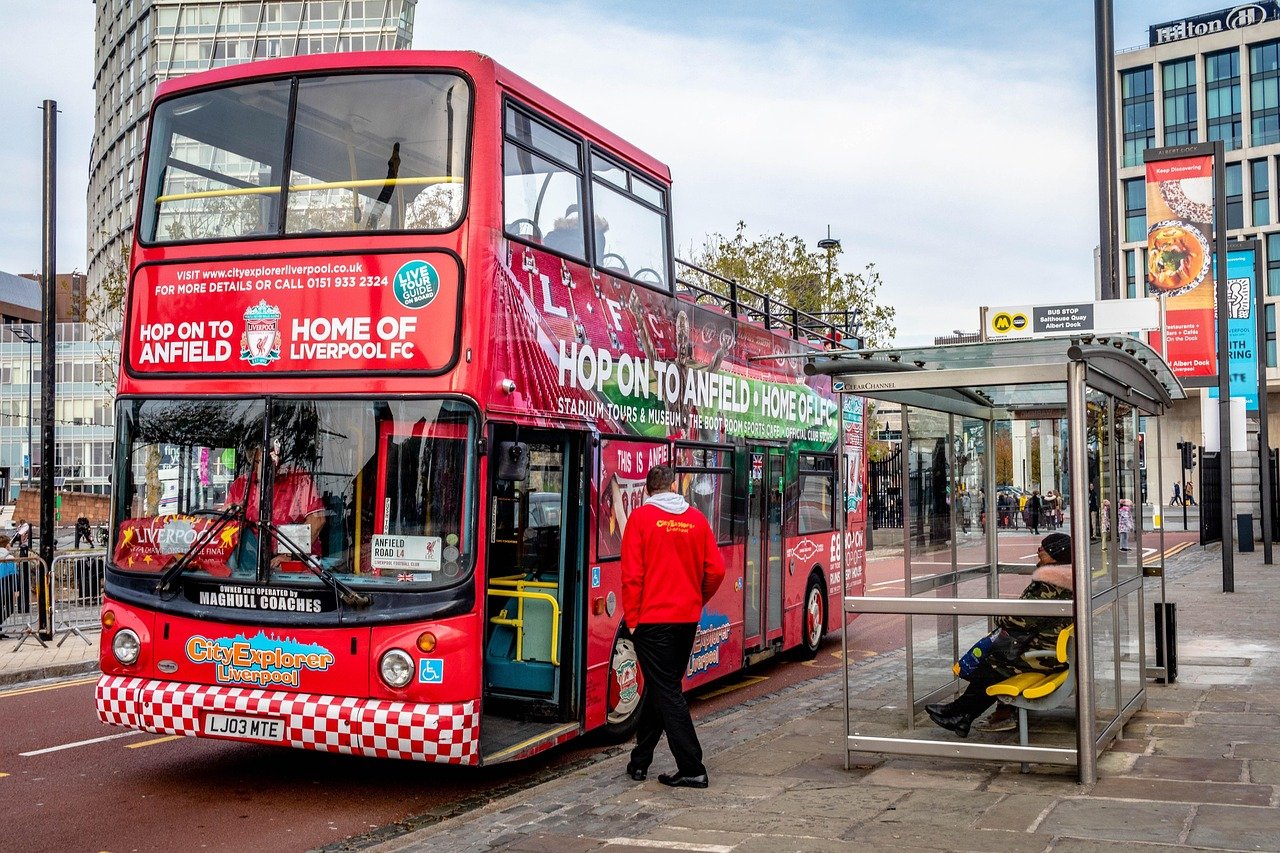
Image credited by @Pixabay
Liverpool’s transport network is experiencing key updates in November 2025, as city‑region authorities, rail and bus operators, and infrastructure teams implement changes to improve connectivity, reliability, and accessibility. Whether you commute daily, travel for leisure, or plan to explore the city during the busy festive season ahead, knowing the latest transport news is essential. This article covers the latest developments across rail, bus, ferry and tunnelling services in the city region, along with what passengers need to be aware of when planning journeys.
From major engineering works and network upgrades to winter‑weather preparation, the city is adapting its systems to meet increased demand and future growth. With events and higher visitor numbers also putting pressure on transport services, Liverpool is focusing on ensuring smoother travel for residents and visitors alike. Early in the month, the main keyword “Liverpool transport updates November 2025” will guide us through network changes, service alerts, infrastructure news and practical travel tips for the month ahead.
Rail & Train Service Changes
Liverpool’s rail network in November 2025 is undergoing significant service changes aimed at improving efficiency, safety, and passenger experience across the city region. Network operators, including Merseyrail and Northern Rail, have announced updates to timetables, maintenance schedules, and infrastructure upgrades, ensuring smoother travel for both daily commuters and seasonal visitors. These changes reflect Liverpool’s ongoing commitment to modernising its rail services and meeting rising passenger demand during peak periods, including the lead-up to the festive season.
Key adjustments include revised train frequencies on high-traffic routes such as Liverpool Lime Street to Manchester and Liverpool Central to Southport. Operators are introducing additional peak-time services to accommodate commuters while reducing overcrowding. Some off-peak services have been rescheduled to allow essential maintenance work, ensuring long-term safety and reliability. Passengers are advised to check updated timetables online or via mobile applications before planning journeys, particularly for early morning or late-night travel, to avoid disruptions.
Infrastructure projects are also a major part of November’s rail updates. Track upgrades, signalling improvements, and station refurbishments are taking place at several hubs, including Liverpool Lime Street, Liverpool South Parkway, and Moorfields. Modernisation initiatives aim to enhance accessibility with new lifts, ramps, tactile paving, and improved passenger information systems. These improvements cater to passengers with mobility challenges, families with prams, and travellers carrying luggage, making rail travel more convenient and inclusive.
Merseyrail is additionally trialling advanced real-time service monitoring, allowing operators to respond quickly to delays or disruptions. This includes predictive maintenance technologies that anticipate track or equipment issues before they affect passengers, improving reliability. Digital ticketing solutions, including contactless payment options and smartcard integration, continue to expand, streamlining boarding and reducing queues during busy periods.
Passenger experience initiatives are also being highlighted. Stations are offering improved waiting areas, enhanced lighting, CCTV coverage, and better signage to ensure safety and comfort. Staff training programmes focus on customer service and accessibility assistance, reinforcing Liverpool’s reputation for a passenger-centred approach. Seasonal service alerts are regularly updated on operator websites and social media, keeping passengers informed of temporary closures, replacement bus services, and alternative routes during maintenance periods.
In conclusion, November 2025 brings comprehensive rail service changes in Liverpool designed to improve safety, reliability, and passenger experience. From upgraded infrastructure and timetable adjustments to advanced monitoring systems and accessibility improvements, the city’s rail network continues to evolve to meet commuter and visitor needs efficiently. Passengers are encouraged to stay informed through official channels to navigate these changes smoothly and enjoy a reliable rail journey throughout the month.
Bus Service Updates & Roadworks
Liverpool’s bus network in November 2025 is experiencing a series of updates and adjustments aimed at enhancing connectivity, reducing delays, and improving passenger experience across the city region. Local operators, including Arriva, Stagecoach, and local community transport services, have implemented revised timetables, route modifications, and temporary diversions in response to ongoing infrastructure projects, seasonal demand, and urban traffic management initiatives. These updates ensure smoother commuting for residents while accommodating the increase in visitors during the festive period.
Several key routes serving central Liverpool, such as those linking Liverpool ONE, the Waterfront, and Liverpool South Parkway, have been adjusted to manage congestion and maintain reliable schedules. Operators are introducing additional peak-time services to meet demand, while off-peak frequencies have been modified to facilitate road maintenance and construction work. Passengers are advised to consult updated schedules online or via transport apps, as some routes may have temporary diversions or bus stop relocations during November.
Roadworks remain a significant factor influencing bus services and overall travel in Liverpool. Major projects are underway on routes connecting the city centre to Anfield, Kensington, and the waterfront, including resurfacing, junction improvements, and utility upgrades. While essential for long-term traffic flow and safety, these works occasionally require temporary lane closures, resulting in minor delays. To mitigate disruption, transport operators have coordinated with city authorities to provide alternative bus routes, replacement services, and real-time service updates for passengers.
Liverpool City Council has also launched a traffic management strategy for November, integrating bus lane enforcement, priority signalling, and temporary pedestrian diversions to reduce congestion during peak times. Smart traffic monitoring technology is being used to optimise journey times for buses and minimise delays caused by roadworks or high vehicle volumes. Additionally, collaboration with ride-share operators and community transport services provides alternative travel options for residents in affected areas.
Accessibility and passenger experience continue to be priorities. Many bus stops have been upgraded with improved shelters, lighting, and information screens displaying real-time arrival data. Community initiatives, such as “bus buddies” and volunteer-assisted travel services, ensure passengers with mobility challenges or unfamiliarity with routes receive support. Seasonal campaigns promote safe travel during winter conditions, including reminders about wet roads, early nightfall, and winter timetables.
For those planning leisure or festive trips, Liverpool’s bus network is incorporating special services to popular destinations such as Christmas markets, festive events, and cultural attractions. Additional weekend services, extended operating hours, and holiday-themed buses enhance convenience for visitors and locals alike. These improvements demonstrate Liverpool’s commitment to providing reliable, safe, and efficient bus transport, particularly during high-demand periods.
In conclusion, Liverpool’s bus service updates and roadworks in November 2025 reflect a coordinated approach between operators, city authorities, and community initiatives. Adjusted routes, timetable enhancements, traffic management measures, and accessibility improvements collectively ensure that bus travel remains reliable and convenient despite ongoing roadworks and seasonal demand. Passengers are encouraged to check real-time updates, plan journeys accordingly, and take advantage of extended and additional services throughout the month.
Ferry & Waterfront Transport
Liverpool’s waterfront transport and ferry services in November 2025 are seeing key updates aimed at improving efficiency, safety, and the overall passenger experience. The Mersey Ferries, connecting the city to Birkenhead and Wallasey, remain a crucial part of Liverpool’s transport infrastructure, providing both daily commuter options and scenic leisure routes. November brings operational enhancements, timetable adjustments, and maintenance initiatives designed to ensure reliable services during increased autumn and early winter demand.
One of the major developments is the revised ferry timetable. Morning and evening commuter services have been slightly increased to accommodate workers travelling between Liverpool city centre and Wirral, while leisure sailings during weekends and afternoons have been optimised to enhance visitor experiences. Seasonal considerations, such as reduced daylight hours and variable weather conditions, are factored into operational planning to ensure safety and punctuality. Passengers are encouraged to check ferry schedules ahead of travel, particularly for early morning or late evening journeys, as some sailings may have adjusted timings due to maintenance or staffing requirements.
Maintenance and infrastructure upgrades are a focal point this November. Routine inspections and repairs on vessels and docking facilities are underway, ensuring compliance with safety standards and operational reliability. Passenger areas, including seating, ticket offices, and waiting zones, have been refurbished to enhance comfort and accessibility. Technological upgrades, such as improved real-time information systems and contactless ticketing, make ferry journeys more convenient and user-friendly. These improvements reflect Liverpool’s commitment to maintaining a world-class waterfront transport system while accommodating seasonal traffic increases.
In addition to ferry services, river buses and leisure water transport are expanding their operations during November. These services link key waterfront attractions such as Albert Dock, the Pier Head, and Seacombe, providing both convenient commuter options and scenic sightseeing experiences. Enhanced scheduling ensures that river bus services complement the main ferry routes, offering seamless connections for residents, tourists, and event-goers. Safety protocols, including life jacket availability, weather monitoring, and trained staff presence, continue to prioritise passenger security on all services.
Accessibility remains a key priority for Liverpool’s waterfront transport. Modern ferry vessels are equipped with ramps, lifts, and tactile signage to ensure passengers with mobility challenges can travel comfortably. Family-friendly facilities, including stroller access and designated seating, allow for smooth navigation of the docks and vessels. Customer support staff are on hand to assist passengers with questions, ticketing, or boarding, ensuring a welcoming and inclusive environment.
Seasonal events at the waterfront, such as festive light displays, markets, and performances, also influence transport operations. Special shuttle services, combined with additional ferry sailings, accommodate increased visitor numbers and facilitate smooth movement around popular destinations. Passengers planning visits to Albert Dock, Liverpool ONE, or Pier Head attractions benefit from coordinated schedules and integrated travel guidance, enhancing the overall festive and leisure experience.
In conclusion, Liverpool’s ferry and waterfront transport updates for November 2025 prioritise reliability, safety, and enhanced passenger experience. With revised timetables, upgraded facilities, improved accessibility, and expanded leisure services, the city ensures that ferry travel remains efficient and enjoyable for commuters and tourists alike. Seasonal adjustments and coordinated event transport further demonstrate Liverpool’s commitment to maintaining a seamless and user-friendly waterfront transport network throughout the month.
Cycling & Pedestrian Initiatives
Liverpool in November 2025 is intensifying its focus on sustainable and active transport, with cycling and pedestrian initiatives forming a key part of the city’s transport updates. These initiatives aim to encourage eco-friendly travel, reduce congestion, and improve safety for cyclists and pedestrians while providing convenient alternatives to traditional vehicular transport. From expanded bike lanes to enhanced pedestrian zones, the city is creating a more accessible and enjoyable urban environment for residents and visitors alike.
Cycling infrastructure has seen substantial development this month. New dedicated bike lanes are being introduced along high-traffic corridors such as Upper Parliament Street, Hope Street, and along the waterfront. These lanes are designed to separate cyclists from motorised traffic, improving safety and reducing journey times. Advanced signage, reflective markings, and traffic-calming measures complement the physical infrastructure, ensuring that both cyclists and drivers can navigate the city safely. Bike parking facilities have also been upgraded at key locations, including train stations, shopping centres, and major cultural venues, allowing commuters and tourists to secure their bicycles conveniently.
The city’s bike-sharing scheme continues to expand in November 2025. Additional docking stations have been introduced in residential districts and near tourist attractions, making it easier for residents and visitors to rent bikes for short trips. Integration with mobile applications allows users to check availability, reserve bikes, and track routes, ensuring a seamless and user-friendly experience. Seasonal maintenance schedules ensure that all bicycles are safe, reliable, and ready for use during colder weather, with attention to brakes, lights, and tyres.
Pedestrian initiatives are equally prominent in Liverpool’s transport updates. Expanded pedestrian zones in the city centre and around cultural landmarks, such as Bold Street and Mathew Street, prioritise walking, reduce vehicular congestion, and improve public safety. New street furniture, improved lighting, and enhanced signage contribute to a more pleasant walking experience, while accessibility improvements—including ramps, tactile paving, and pedestrian crossings—ensure inclusivity for people with disabilities and families with young children. Seasonal considerations, such as safe navigation during wet or icy conditions, are integrated into these upgrades.
Community engagement also plays a central role in promoting cycling and walking. Local campaigns encourage residents to participate in walking challenges, cycle-to-work initiatives, and group rides, highlighting both health benefits and environmental impact. Schools and universities are engaged with educational programmes, teaching road safety, bike maintenance, and responsible pedestrian behaviour, helping to instil lifelong habits of active and sustainable transport.
In addition to infrastructure and engagement, Liverpool’s transport authorities are incorporating technology to support cyclists and pedestrians. Real-time traffic updates, route mapping applications, and digital alerts about construction or road closures help users plan journeys efficiently. Data collected from these platforms informs future planning, ensuring that cycling and walking initiatives continue to evolve according to demand and usage patterns.
In conclusion, Liverpool’s cycling and pedestrian initiatives in November 2025 reflect a holistic approach to sustainable, safe, and accessible urban transport. Expanded bike lanes, improved pedestrian zones, enhanced facilities, community engagement programmes, and technology integration collectively encourage active travel while reducing congestion and environmental impact. Residents and visitors benefit from safer, healthier, and more convenient options for navigating the city, positioning Liverpool as a forward-thinking, sustainable urban destination.
Traffic Management & Smart City Upgrades
Liverpool’s traffic management and smart city upgrades in November 2025 are playing a pivotal role in improving road safety, easing congestion, and enhancing commuter experiences across the city. With rising vehicle numbers, seasonal shopping, and festive events, the city has implemented technological innovations, strategic road planning, and monitoring systems to optimise traffic flow while maintaining accessibility for residents, businesses, and visitors.
One of the major initiatives this month includes the expansion of Liverpool’s intelligent traffic management system. Smart traffic signals, connected sensors, and real-time monitoring are deployed at key junctions, including Lime Street, Great Howard Street, and the waterfront corridor. These technologies allow traffic lights to adapt dynamically based on congestion levels, reducing waiting times and improving vehicle flow. By prioritising public transport, emergency vehicles, and high-traffic routes, the system ensures smoother journeys while maintaining safety for all road users.
Roadworks and maintenance are carefully coordinated with traffic management plans. Ongoing projects include resurfacing, junction improvements, and utility upgrades in areas such as the city centre, Anfield, and Kensington. Temporary diversions and lane closures are managed in conjunction with smart traffic technology, minimising disruption to commuters. Signage, digital alerts, and mobile apps provide real-time information about delays, alternative routes, and estimated journey times, helping drivers plan more efficiently.
Public transport integration is a critical component of traffic management. Priority bus lanes, coordinated signal timings, and dedicated cycle routes reduce conflicts between vehicles, cyclists, and pedestrians. Enhanced monitoring allows operators to adjust bus schedules dynamically to maintain punctuality even during peak periods or disruptions caused by roadworks or adverse weather. Seasonal shuttle services to major events and festive markets are integrated into these traffic management strategies to ensure smooth access and minimise congestion.
Liverpool is also embracing smart city upgrades beyond traffic signals. Street lighting has been modernised with energy-efficient LED technology, incorporating motion sensors and adaptive brightness to enhance safety while conserving energy. Smart parking systems allow drivers to locate available parking spaces via apps, reducing time spent searching and limiting unnecessary vehicle circulation in busy areas. Data from these systems informs urban planning decisions, enabling continuous improvements to road safety, traffic flow, and overall transport efficiency.
Safety initiatives are reinforced through community engagement and education. Road safety campaigns, school programmes, and public awareness drives inform residents and visitors about safe driving practices, cycling rules, and pedestrian precautions. Winter-specific guidelines, including speed reduction in icy conditions and visibility measures, are emphasised to ensure safety during November’s variable weather. Emergency response coordination is also integrated into the city’s smart traffic systems, allowing rapid intervention in the event of accidents or disruptions.
In conclusion, Liverpool’s traffic management and smart city upgrades in November 2025 demonstrate a forward-thinking approach to urban mobility. By combining intelligent traffic systems, integrated public transport, smart parking solutions, energy-efficient infrastructure, and safety initiatives, the city ensures that residents and visitors experience smoother, safer, and more efficient journeys. These improvements not only reduce congestion and travel stress but also contribute to Liverpool’s broader vision of a sustainable, connected, and technologically advanced urban environment.
Transport Accessibility & Community Initiatives
Liverpool’s transport accessibility and community-focused initiatives in November 2025 highlight the city’s commitment to inclusive, equitable, and sustainable travel options for all residents and visitors. These measures ensure that public transport, cycling routes, pedestrian areas, and road networks are accessible to people of all abilities, while engaging local communities in the planning and development of transport services.
Accessibility improvements are evident across multiple modes of transport. Train stations, including Liverpool Lime Street, Moorfields, and Liverpool South Parkway, have upgraded ramps, lifts, tactile paving, and accessible ticketing counters. Ferry services along the Mersey have introduced low-floor boarding options, clear signage, and staff assistance programs to aid passengers with mobility challenges. Bus operators have reinforced wheelchair access, priority seating, and real-time service announcements, ensuring that journeys are comfortable and convenient for everyone. These enhancements demonstrate Liverpool’s dedication to meeting national accessibility standards and providing equitable travel opportunities.
Community engagement initiatives have become a central part of transport planning. Local councils and transport authorities host consultation sessions and workshops, inviting residents to provide feedback on routes, service schedules, and infrastructure projects. These programmes ensure that community needs, particularly those of elderly residents, people with disabilities, and families, are considered in transport decision-making. Additionally, awareness campaigns educate passengers about accessible features, safe travel practices, and alternative transport options, empowering the community to make informed travel choices.
Liverpool has also focused on integrating accessibility with sustainable transport options. Expanded cycling lanes and pedestrian pathways now include accessible designs, with smooth surfaces, clear markings, and rest areas for older adults or people with limited mobility. The city encourages active travel through community programmes, including guided walking tours, cycling workshops, and safe commuting initiatives for schoolchildren. These projects promote health, environmental responsibility, and social engagement, while ensuring that accessible transport remains a priority.
Technology plays an important role in enhancing accessibility. Real-time apps provide information about step-free access, low-floor buses, elevator functionality, and alternative routes in case of service disruptions. These digital tools allow residents and visitors to plan journeys efficiently, particularly during busy periods or adverse weather conditions. Contactless payment systems and online booking for ferries, trains, and buses further simplify travel for passengers with special needs.
Community transport initiatives have also expanded in November 2025. Volunteer-led services, accessible shuttle buses, and subsidised travel schemes help residents in underserved areas access employment, healthcare, and social activities. Collaboration between local authorities, transport operators, and charities ensures that these services are effectively managed and meet the specific needs of diverse populations.
In conclusion, Liverpool’s transport accessibility and community initiatives in November 2025 reflect a holistic, inclusive approach to urban mobility. Infrastructure upgrades, accessible services, community engagement programmes, and technology integration collectively ensure that all residents and visitors can navigate the city safely and conveniently. By prioritising accessibility alongside efficiency and sustainability, Liverpool fosters a transport network that is equitable, user-friendly, and responsive to the needs of its diverse community.
Future Plans & Innovations in Transport
Liverpool’s transport sector is looking ahead with ambitious plans and innovations aimed at shaping a more efficient, sustainable, and technologically advanced urban mobility network in the coming years. November 2025 marks a period where several pilot projects, infrastructure upgrades, and forward-thinking initiatives are either being trialled or scheduled for future implementation, reflecting the city’s commitment to modern transport solutions that meet the evolving needs of residents and visitors.
One of the key areas of focus is sustainable transport. Liverpool is expanding its electric vehicle (EV) infrastructure with additional charging stations in residential areas, commercial districts, and transport hubs. This initiative encourages residents and businesses to transition to low-emission vehicles, reducing environmental impact and contributing to the city’s broader carbon reduction goals. Complementing this, a fleet of electric buses and hybrid ferries is being introduced on major routes, ensuring that public transport services align with sustainability objectives while maintaining efficiency and reliability.
Digital innovation is central to Liverpool’s transport future. Smart ticketing platforms integrating buses, trains, ferries, and cycling schemes are being enhanced to provide seamless travel experiences. Mobile applications now allow passengers to plan multi-modal journeys, access real-time updates, and receive personalised notifications about delays or alternative routes. Predictive analytics and AI-assisted traffic management systems are being developed to anticipate congestion, optimise traffic flow, and reduce travel times, improving reliability across the city network.
Infrastructure development remains a priority. Plans are underway for the modernisation of Liverpool Lime Street station, enhanced pedestrian bridges, and upgraded cycling corridors to accommodate increased passenger volumes and promote active travel. Key arterial routes are being redesigned with smart lighting, adaptive traffic signals, and improved safety measures for cyclists and pedestrians. Investment in these projects reflects Liverpool’s goal of creating a transport ecosystem that is both future-ready and inclusive.
Community-centric initiatives also play a major role in future planning. Authorities are engaging residents in decision-making processes for route expansions, accessibility upgrades, and service design. Education programmes focus on safe travel, environmental awareness, and active mobility, encouraging long-term adoption of sustainable practices. Collaborative partnerships with universities, technology firms, and local enterprises drive innovation in transport solutions, from automated traffic monitoring to digital platforms that enhance commuter convenience.
Liverpool’s integration of transport with urban development projects is another innovation area. Plans to link residential, commercial, and cultural districts with efficient multi-modal networks aim to reduce congestion, improve air quality, and foster economic growth. Transport hubs are being designed as connected community spaces, combining travel facilities with retail, leisure, and co-working areas, providing a holistic urban experience.
In conclusion, Liverpool’s future transport plans and innovations demonstrate a comprehensive approach to modernising mobility in the city. By combining sustainable solutions, digital technologies, infrastructure upgrades, and community engagement, the city is creating a forward-thinking transport ecosystem that prioritises efficiency, accessibility, and environmental responsibility. These initiatives ensure that Liverpool remains a model for smart, inclusive, and future-ready urban transport, providing residents and visitors with reliable, convenient, and sustainable travel options for years to come.
AI Overview
Liverpool’s transport updates in November 2025 reflect a dynamic and evolving citywide mobility system, enhanced by the integration of AI and smart technologies. From rail and bus networks to ferries, cycling infrastructure, and pedestrian pathways, AI tools are being applied to optimise scheduling, predict maintenance needs, and improve passenger experience. By analysing real-time data from sensors, traffic cameras, and ticketing systems, AI helps operators identify congestion hotspots, anticipate delays, and implement responsive adjustments, ensuring smoother journeys across the city.
In the rail sector, AI-assisted predictive maintenance supports Merseyrail and Northern Rail in monitoring tracks, signalling equipment, and trains to prevent service disruptions. Advanced data analysis allows operators to adjust timetables dynamically, reducing overcrowding during peak hours and improving operational efficiency. Similarly, AI-driven traffic management systems on Liverpool roads manage congestion, prioritise buses, and respond rapidly to accidents or roadworks, minimising commuter delays.
Ferry and waterfront transport services benefit from AI integration through real-time scheduling, vessel monitoring, and safety management. Passengers receive live updates on sailing times, boarding procedures, and accessibility options via mobile apps and digital platforms, enhancing convenience and reliability. AI tools also optimise ferry operations, ensuring smooth coordination with seasonal events, festivals, and leisure services along the waterfront.
Cycling and pedestrian initiatives are supported by AI-powered route planning and monitoring. Smart bike-sharing systems track usage, availability, and maintenance needs, while pedestrian flow data informs infrastructure improvements and safety measures. Accessibility features, including predictive alerts about lift or ramp availability at stations and ferry terminals, make Liverpool’s transport network more inclusive.
Community engagement also benefits from AI insights. Data from public feedback platforms, travel apps, and transport surveys inform planning decisions, enabling authorities to prioritise routes, services, and upgrades that reflect resident and visitor needs. These insights contribute to smarter urban planning, integrated mobility solutions, and enhanced safety protocols.
In conclusion, AI integration in Liverpool’s transport sector during November 2025 is revolutionising urban mobility. From predictive maintenance and smart traffic management to enhanced passenger information and accessibility tools, AI ensures a safer, more efficient, and responsive transport network. Residents, commuters, and tourists benefit from improved journey reliability, convenience, and sustainable mobility options, positioning Liverpool as a forward-thinking, technology-driven city in transport management.
FAQs
1. What are the main Liverpool transport updates in November 2025?
Liverpool’s transport updates in November 2025 include revised rail and bus timetables, ferry schedule adjustments, cycling and pedestrian infrastructure improvements, smart traffic management systems, and accessibility upgrades. Key initiatives focus on enhancing efficiency, reliability, safety, and convenience for residents and visitors across the city.
2. Are there any disruptions to Liverpool train services this month?
Yes, some rail services have been adjusted due to maintenance, infrastructure upgrades, and timetable optimisations. Passengers are advised to check Merseyrail and Northern Rail official schedules for temporary changes, replacement services, or alternative routes to avoid delays.
3. How is Liverpool improving bus services during November?
Bus operators, including Arriva and Stagecoach, are updating timetables, introducing additional peak-time services, and implementing temporary diversions due to roadworks. Smart bus lanes, real-time information, and accessibility upgrades also enhance passenger convenience and safety.
4. What enhancements are being made to ferry and waterfront transport?
Mersey Ferries are updating timetables, increasing commuter sailings, and improving leisure service schedules. Infrastructure upgrades, low-floor boarding, and improved accessibility features ensure safer and more convenient travel along Liverpool’s waterfront.
5. Are cycling and pedestrian facilities being upgraded?
Yes, new dedicated bike lanes, expanded pedestrian zones, improved signage, and enhanced accessibility features are being implemented. Smart bike-sharing systems and community engagement initiatives encourage sustainable and active travel throughout the city.
6. How is AI being used in Liverpool’s transport network?
AI is used for predictive maintenance, smart traffic management, real-time passenger information, and data-driven planning. These technologies optimise timetables, reduce delays, and enhance accessibility for commuters and tourists alike.
7. What measures ensure transport accessibility for all?
Liverpool’s initiatives include ramps, lifts, tactile paving, priority seating, community transport services, and digital tools to assist passengers with mobility challenges. Public engagement programmes ensure the transport network remains inclusive and responsive to community needs.
People Also Ask (Why Section)
1. Why are Liverpool transport updates important in November 2025?
Liverpool transport updates are important in November 2025 because they improve connectivity, ensure safety during seasonal travel, and accommodate increased passenger demand. With festive events and higher commuter volumes, these updates minimise delays and enhance overall travel efficiency.
2. Why is AI integration significant in Liverpool’s transport system?
AI integration is significant because it allows predictive maintenance, optimises traffic flow, provides real-time updates, and enhances accessibility. These technologies ensure a reliable, responsive, and user-friendly transport network for both residents and tourists.
3. Why are cycling and pedestrian initiatives being prioritised?
Cycling and pedestrian initiatives are prioritised to promote sustainable travel, reduce congestion, and improve safety. Enhanced bike lanes, pedestrian zones, and smart infrastructure encourage active transport while making the city more accessible and environmentally friendly.
4. Why is accessibility a focus in Liverpool’s transport upgrades?
Accessibility is a focus to ensure that all residents, including people with disabilities, the elderly, and families, can travel safely and comfortably. Inclusive design, community engagement, and assistive technology create equitable transport options across the city.
Liverpool’s transport updates in November 2025 showcase the city’s proactive approach to building a modern, efficient, and inclusive mobility network. From rail and bus services to ferries, cycling infrastructure, pedestrian improvements, and smart city initiatives, every aspect of urban transport has been carefully considered to meet the needs of residents, commuters, and visitors alike. The combination of timetable adjustments, infrastructure upgrades, and accessibility enhancements ensures that Liverpool’s transport system is not only reliable but also user-friendly and forward-thinking.
AI integration plays a transformative role, enabling predictive maintenance, real-time traffic management, and seamless multi-modal journey planning. These technologies enhance operational efficiency, reduce delays, and provide passengers with accurate information to make travel decisions confidently. At the same time, community engagement programmes ensure that transport developments reflect local needs and preferences, reinforcing a sense of ownership and inclusivity across Liverpool.
Sustainability remains a priority, with electric vehicle infrastructure, low-emission buses, and cycling initiatives supporting environmental goals. The expansion of pedestrian zones, smart bike-sharing systems, and active travel campaigns further reduce congestion and promote healthier lifestyle choices for residents. Seasonal considerations, such as event-related transport planning and winter weather adaptations, demonstrate Liverpool’s commitment to safety, convenience, and continuity of service.
Overall, the November 2025 updates reflect a city that values innovation, accessibility, and sustainable growth in transport. By prioritising smart technologies, infrastructure improvements, and community-focused initiatives, Liverpool provides a comprehensive, reliable, and enjoyable transport experience. Residents and visitors can navigate the city efficiently, safely, and sustainably, making Liverpool a leading example of modern urban mobility in the UK.
For More News; Liverpool Herald
About the Author
