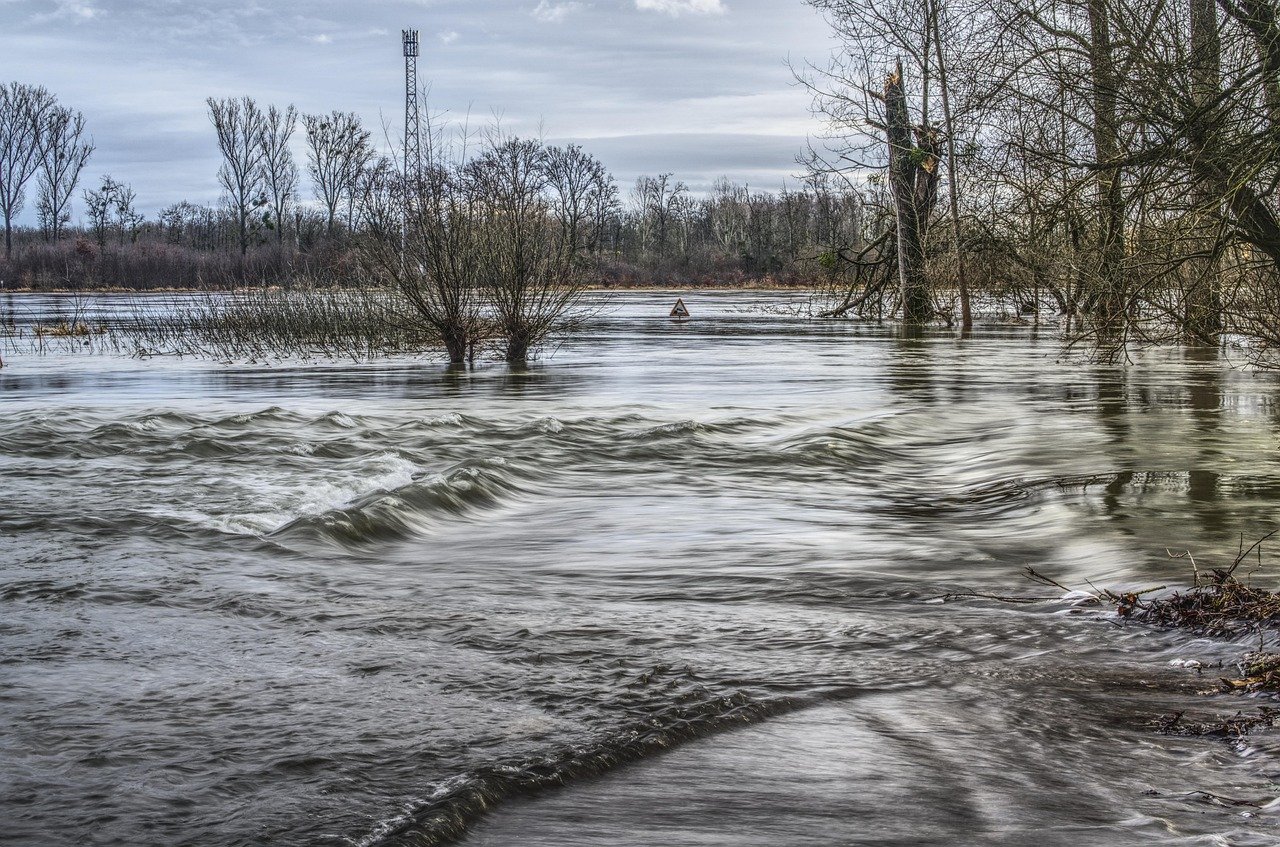
Image credited by @Pixabay
Flood warnings in the UK are vital alerts issued by the Environment Agency and other regional authorities to inform residents of imminent or ongoing flooding risks. These warnings aim to safeguard lives, protect property, and allow individuals and communities to take proactive measures in preparation for adverse weather events.
The UK’s climate, characterised by frequent rainfall and occasional storms, makes flood management a critical aspect of public safety. Flood warnings are categorised based on severity, with different levels indicating the urgency and potential impact of flooding. These categories typically include “Flood Alert,” “Flood Warning,” and “Severe Flood Warning,” each guiding specific actions for residents and emergency services.
A “Flood Alert” signals that flooding is possible in the area. It serves as an early notification for people to stay informed, monitor weather updates, and prepare basic measures such as securing property and moving valuables to higher ground. This alert encourages awareness without immediate emergency intervention.
A “Flood Warning” indicates that flooding is expected, requiring immediate action. Residents should move to higher ground, protect property, and follow official guidance from local authorities. This warning is often accompanied by updates via SMS, social media, and local news outlets to ensure the community receives timely information.
A “Severe Flood Warning” represents the highest level of alert, signalling significant danger to life and property. Emergency services are mobilised, evacuation plans may be implemented, and residents are urged to follow instructions strictly. These warnings are rare but critical in areas prone to river, coastal, or flash flooding.
Technology plays a key role in the dissemination of flood warnings. Authorities utilise flood monitoring systems, radar, and predictive models to track water levels, rainfall, and river flow. Real-time data is shared through multiple channels, including mobile alerts, websites, and local media, ensuring that communities receive early and accurate warnings.
Public education is also essential for effective flood response. Residents are encouraged to understand flood maps, know evacuation routes, and maintain emergency kits. Awareness campaigns, community workshops, and local councils work together to equip the public with knowledge and resources to respond efficiently when warnings are issued.
Flood warnings not only protect individuals but also support emergency planning and resource allocation. Local authorities, emergency services, and volunteer organisations use these alerts to coordinate sandbag distribution, road closures, and evacuation centres, minimising the overall impact of flooding events.
Climate change has increased the urgency of flood management in the UK. Rising sea levels, heavier rainfall, and extreme weather events contribute to heightened flood risks. Effective warning systems and community preparedness are crucial in mitigating these evolving threats and safeguarding vulnerable populations.
In conclusion, flood warnings in the UK are essential for protecting lives, property, and communities. By providing timely alerts, actionable guidance, and public education, authorities ensure that residents can respond proactively to flood threats, highlighting the importance of preparedness and collaboration in the face of increasingly unpredictable weather patterns.
Types of Floods and Regional Risks in the UK
The UK experiences several types of flooding, each posing unique risks depending on location, weather patterns, and landscape. Understanding these variations is crucial for both authorities and residents to respond effectively to flood warnings and prepare for potential emergencies.
River Flooding is one of the most common types in the UK. It occurs when rivers overflow due to prolonged rainfall, rapid snowmelt, or upstream water surges. Areas near major rivers, such as the Thames, Severn, and Mersey, are particularly vulnerable. River flooding can be gradual, allowing some time for preparation, but it can still cause significant property damage and disrupt transportation and utilities.
Coastal Flooding affects communities near the sea, particularly during high tides, storm surges, or extreme weather events. Coastal erosion and rising sea levels have intensified these risks, making early warnings essential for residents and local authorities. Regions such as East Anglia, the Thames Estuary, and parts of North West England are often at higher risk during severe storms or tidal events.
Flash Flooding is sudden and intense, often triggered by heavy rainfall overwhelming drainage systems or urban infrastructure. This type of flooding is particularly dangerous in urban areas, where impermeable surfaces prevent water absorption. Flash floods can happen within minutes, making rapid dissemination of flood warnings and real-time alerts critical to public safety.
Surface Water Flooding, sometimes referred to as urban flooding, occurs when rainfall accumulates on the ground faster than it can drain through the drainage system. This can affect streets, homes, and businesses in towns and cities, even when rivers or coasts are not directly involved. Proper awareness and flood warning systems help mitigate the impact of these frequent yet less predictable events.
Groundwater Flooding happens when underground water tables rise above surface levels due to prolonged wet conditions or saturation. Although less common, it can cause persistent flooding in low-lying areas and affect homes, roads, and agriculture. Early alerts and monitoring of groundwater levels are essential in areas with historical susceptibility.
Regional risks vary across the UK. The Midlands, with its network of rivers and floodplains, faces significant river flooding. Northern regions, including Yorkshire and Cumbria, are prone to flash and river flooding during heavy rainfall events. Coastal areas in the South East and East of England remain at risk from storm surges, while urban centres like London and Manchester frequently contend with surface water flooding.
Authorities rely on historical data, flood mapping, and predictive modelling to assess regional risks. These tools inform flood warning issuance, emergency planning, and long-term infrastructure projects, ensuring communities are prepared for the specific types of flooding they may face.
Public understanding of regional risks enhances preparedness. Residents in high-risk areas are advised to follow local flood warning systems, develop household emergency plans, and stay informed about forecasted weather conditions. Tailored guidance ensures that flood warnings are actionable and relevant to specific local threats.
In conclusion, different types of flooding in the UK—river, coastal, flash, surface water, and groundwater—pose varying levels of risk depending on location and weather conditions. Awareness of regional vulnerabilities and proactive engagement with flood warnings are critical for safeguarding lives, property, and communities across the country.
Flood Warning Systems and How They Work
Flood warning systems in the UK are designed to provide timely alerts to residents, local authorities, and emergency services, enabling them to take precautionary measures before flooding causes significant damage. These systems rely on a combination of technology, monitoring, and communication channels to ensure public safety.
The backbone of flood warning systems is real-time monitoring. River levels, rainfall, and tidal surges are tracked using sensors, gauges, and radar technology. This continuous data collection allows authorities to detect unusual patterns or rising water levels, triggering early alerts when thresholds are exceeded. The Environment Agency, along with regional partners, coordinates these monitoring efforts nationwide.
Once a potential flood is detected, authorities issue alerts through a tiered warning system. A “Flood Alert” informs residents that flooding is possible and encourages them to prepare. A “Flood Warning” indicates expected flooding, prompting immediate action such as moving valuables to higher ground or evacuating vulnerable areas. A “Severe Flood Warning” signals danger to life and property, mobilising emergency services and potentially triggering evacuation orders.
Communication is key in the effectiveness of flood warnings. Alerts are disseminated via multiple channels, including SMS, email, mobile apps, websites, social media, and local news broadcasts. This multi-platform approach ensures that the widest possible audience receives timely and actionable information. In recent years, push notifications through government apps and automated alerts have become increasingly important for rapid dissemination.
Predictive modelling enhances the precision of flood warning systems. Using historical data, topographical information, and weather forecasts, AI and hydrological models can predict where and when flooding is likely to occur. This allows authorities to issue targeted warnings, reducing unnecessary alerts and improving public trust in the system.
Local authorities also play a crucial role in flood warnings. They coordinate with emergency services, provide advice to residents, and implement mitigation measures such as sandbag distribution, temporary flood barriers, and road closures. Community engagement ensures that residents understand how to respond appropriately when warnings are issued.
Public preparedness campaigns complement technological systems. Information on emergency kits, evacuation routes, and flood-resistant property measures is widely promoted. Residents in high-risk areas are encouraged to register for alerts, monitor official channels, and stay informed during periods of heavy rainfall or adverse weather forecasts.
The effectiveness of flood warning systems depends on accuracy, timing, and public compliance. Delayed alerts or insufficient communication can exacerbate the impact of flooding, while timely warnings allow individuals and communities to take protective action, reducing damage and risk to life.
Recent improvements include integration with smart home devices and community alert networks. These innovations allow authorities to reach vulnerable populations, such as the elderly or disabled, more efficiently, ensuring that everyone receives the necessary information to act quickly.
In conclusion, the UK’s flood warning systems combine real-time monitoring, predictive modelling, multi-channel communication, and community engagement to protect lives and property. Understanding how these systems operate and responding promptly to alerts are essential steps for residents in flood-prone areas, reinforcing the importance of preparedness and awareness.
Preparing for Floods: Safety Measures and Community Planning
Preparation is the cornerstone of effective flood management in the UK. Residents, businesses, and local authorities must take proactive measures to mitigate the risks posed by flooding, ensuring safety, property protection, and community resilience.
Household preparedness begins with awareness. Residents in flood-prone areas are encouraged to monitor flood warnings, understand local risk maps, and develop a flood action plan. This plan typically includes identifying safe routes, designating meeting points for family members, and knowing how to turn off utilities such as gas, electricity, and water to prevent accidents during flooding.
Emergency kits are another essential precaution. These kits often contain essentials like bottled water, non-perishable food, first-aid supplies, flashlights, batteries, important documents in waterproof containers, and clothing suitable for wet conditions. Having these items readily accessible ensures that families can respond quickly without scrambling for resources once a flood warning is issued.
Property-level mitigation measures are also highly effective. Homeowners can install flood barriers, raised electrical sockets, and sump pumps, or use sandbags to reduce water ingress. Regular maintenance of drains, gutters, and watercourses prevents blockages that could exacerbate flooding. Insurance coverage is another critical consideration, as many UK insurers offer flood-specific policies to protect property and possessions.
Community planning plays a vital role in flood preparedness. Local councils coordinate evacuation routes, temporary shelters, and support services. They also conduct awareness campaigns, workshops, and simulation exercises to educate residents about flood risks and proper responses. Communities with established networks of volunteers often provide additional support to vulnerable individuals, ensuring nobody is left behind during emergencies.
Businesses also need flood preparedness plans. This includes safeguarding equipment, backing up digital records, and implementing procedures to protect employees and customers. Continuity planning ensures that operations can resume quickly after flooding, reducing economic loss and long-term disruption.
Education and training are key elements of community resilience. Schools, workplaces, and local organisations often participate in flood response drills, teaching individuals how to evacuate safely, administer basic first aid, and assist those in need. Knowledgeable communities respond more efficiently and with fewer casualties when real floods occur.
Technological tools enhance preparedness further. Mobile apps, online platforms, and local alert systems provide real-time updates on weather conditions, flood warnings, and emergency instructions. Residents are encouraged to register for these services and follow official channels to receive accurate and timely information.
The psychological aspect of flood preparedness should not be overlooked. Being mentally ready for potential flooding reduces panic and ensures a more measured response. Awareness campaigns often emphasise the importance of staying calm, making informed decisions, and helping neighbours or vulnerable individuals during emergencies.
In conclusion, flood preparedness in the UK encompasses personal, property, and community-level measures. By combining awareness, emergency planning, property protection, and technological support, residents and local authorities can significantly reduce the impact of flooding. Proactive planning not only safeguards lives and property but also strengthens community resilience in the face of increasingly frequent and severe weather events.
Impact of Floods on Communities and Infrastructure
Flooding in the UK can have profound and far-reaching effects on communities, infrastructure, and the economy. Understanding these impacts highlights the importance of timely flood warnings, preparation, and coordinated response efforts.
Residential areas are often the most visibly affected. Homes can suffer water damage, structural issues, and loss of personal belongings. In severe cases, flooding may render properties uninhabitable for weeks or months, displacing families and disrupting daily life. Even minor floods can cause long-term problems such as dampness, mould growth, and weakened foundations.
Critical infrastructure is also at risk during flooding events. Roads, bridges, railways, and public transport networks can become impassable, hindering emergency services and isolating communities. Power outages and water supply interruptions frequently accompany floods, creating additional challenges for residents and authorities trying to manage the crisis.
The economic impact of flooding is significant. Businesses may face closure due to water damage, disrupted supply chains, and loss of stock. The cost of repairs, insurance claims, and recovery efforts places a financial burden on individuals, companies, and local authorities alike. In agricultural regions, flooding can destroy crops, livestock, and farmland, affecting both local food supply and livelihoods.
Flooding also has psychological effects on affected populations. Experiencing displacement, property loss, or uncertainty about future flood risks can lead to stress, anxiety, and long-term mental health challenges. Community support systems, counselling services, and local networks are essential in helping residents cope during and after flood events.
Environmental impacts are another consideration. Floodwaters can carry debris, chemicals, and pollutants, contaminating rivers, soil, and wildlife habitats. Recovery often requires environmental clean-up and monitoring to prevent long-term ecological damage, particularly in flood-prone rural areas.
Communities with robust flood warning systems and preparedness plans tend to experience less severe impacts. Early alerts allow residents to safeguard property, evacuate if necessary, and take protective actions. Emergency services can prioritise high-risk areas and mobilise resources efficiently, minimising disruption and ensuring public safety.
Insurance plays a pivotal role in mitigating the financial consequences of flooding. Homeowners and businesses with appropriate coverage can recover more quickly, while uninsured individuals may face prolonged hardship. Awareness of flood risk maps and consultation with insurers is recommended for residents in vulnerable areas.
Urban planning and infrastructure design increasingly consider flood resilience. Initiatives such as sustainable drainage systems, flood barriers, and riverbank reinforcement aim to reduce the frequency and severity of flooding. Communities benefit from long-term investment in resilient infrastructure alongside short-term emergency preparedness.
In conclusion, flooding affects communities in multiple ways—residential, economic, infrastructural, psychological, and environmental. Timely flood warnings, robust preparedness, and strategic planning are essential in minimising these impacts, protecting residents, and ensuring communities can recover and rebuild effectively after flood events.
Government and Local Authority Response to Flooding
The UK government and local authorities play a critical role in managing and mitigating the impact of flooding. Their responsibilities encompass flood prevention, emergency response, public communication, and long-term infrastructure planning.
At the national level, the Environment Agency leads flood risk management, monitoring rivers, coasts, and rainfall patterns. They issue timely flood warnings, provide guidance to the public, and coordinate with local councils and emergency services. Advanced hydrological models and real-time monitoring systems enable the agency to predict potential flooding events with greater accuracy, ensuring early alerts and proactive interventions.
Local authorities are responsible for implementing emergency response plans within their jurisdictions. This includes setting up temporary shelters, coordinating evacuation routes, and deploying emergency personnel. They also manage local infrastructure, such as drainage systems and flood barriers, to minimise the impact of rising water levels. Collaboration with volunteer organisations and community groups enhances response capabilities, particularly in high-risk areas.
The UK government funds flood defence projects to strengthen resilience against future events. These initiatives include constructing flood walls, reinforcing riverbanks, improving drainage systems, and restoring natural floodplains. Investment in both urban and rural flood prevention measures reflects the importance of reducing long-term vulnerability to extreme weather.
Public communication is central to the effectiveness of government and local authority response. Authorities disseminate flood warnings through multiple channels, including SMS alerts, social media, radio, television, and official websites. Clear guidance on evacuation, property protection, and safety measures ensures that residents can act quickly and appropriately when threats arise.
Emergency services, including the fire brigade, police, and ambulance services, are mobilised during severe flooding events. They prioritise rescue operations, medical assistance, and securing hazardous areas. The coordinated approach between national agencies and local authorities ensures efficient allocation of resources and swift response in critical situations.
The government also supports community resilience programs, encouraging local engagement in flood preparedness. Educational campaigns, workshops, and simulation exercises teach residents how to respond during floods, reinforcing personal safety measures and collective responsibility. Vulnerable populations, such as the elderly or disabled, receive targeted assistance to ensure they are not disproportionately affected.
Post-flood recovery efforts are another vital aspect of government response. Damage assessment, infrastructure repair, and financial support for affected individuals and businesses help communities recover more quickly. Lessons learned from each flood event inform future planning, ensuring that strategies are continually updated and improved.
Climate change has heightened the need for proactive flood management policies. Increasing rainfall, rising sea levels, and more frequent extreme weather events demand long-term planning, investment, and adaptive strategies. The government’s integrated approach, combining prediction, prevention, and public engagement, aims to safeguard communities against evolving flood risks.
In conclusion, the response of the UK government and local authorities to flooding is comprehensive and multi-faceted. By combining monitoring, early warning systems, emergency response, infrastructure investment, and community engagement, authorities aim to minimise the human, economic, and environmental impacts of flooding. Their coordinated efforts are essential for ensuring safety and resilience in the face of increasingly frequent and severe flood events.
Future Flood Management and Climate Adaptation in the UK
Flooding in the UK is expected to become more frequent and severe due to climate change, making future flood management and adaptation strategies critical for communities, governments, and infrastructure planning. Proactive approaches are essential to reduce the impact of rising water levels, extreme rainfall, and coastal surges.
Climate-adaptive infrastructure is at the forefront of future flood management. Investment in flood barriers, reinforced embankments, and sustainable urban drainage systems is increasing. Cities like London and Manchester are implementing flood-resilient designs in new developments, ensuring that both public and private structures can withstand potential flooding events. Green infrastructure, such as wetlands and permeable surfaces, is also being incorporated to naturally absorb excess water.
Early warning systems are continually improving through technological innovation. Enhanced predictive models, real-time monitoring, and AI-driven flood simulations allow authorities to issue precise alerts well in advance. Integration with mobile apps, smart home devices, and community alert networks ensures residents receive timely information to prepare or evacuate. These systems are particularly valuable for flash floods, which require rapid response.
Community engagement remains a cornerstone of future flood preparedness. Local councils and emergency services are investing in education programs, workshops, and drills to ensure residents understand flood risks, evacuation procedures, and property protection measures. Empowering communities with knowledge and resources strengthens resilience and reduces the human toll of flooding events.
Policy and planning play an essential role in adaptation. The UK government is updating flood risk maps, revising building regulations, and funding research into climate-resilient solutions. Long-term planning considers changing rainfall patterns, rising sea levels, and population growth in vulnerable areas, enabling proactive rather than reactive flood management.
Insurance and financial planning are also evolving to address future risks. Flood-specific insurance coverage is becoming more widely promoted, with incentives for homeowners and businesses that adopt flood-resistant measures. Financial support mechanisms ensure that communities can recover quickly and sustainably after flood events.
Environmental considerations are central to climate adaptation strategies. Restoration of natural floodplains, river management, and coastal reinforcement help reduce the impact of flooding while preserving biodiversity. Integrating environmental sustainability with flood management ensures that solutions are long-term and resilient to future climate challenges.
Collaborative approaches are essential for future flood resilience. Coordination between national agencies, local authorities, scientists, engineers, and communities ensures that flood management strategies are comprehensive, adaptable, and evidence-based. Knowledge-sharing and international cooperation also provide insights into best practices for mitigating flood risks.
Technological innovations, including drones, satellite monitoring, and AI-driven predictive analytics, are expected to play an increasingly important role. These tools enhance situational awareness, optimise emergency responses, and provide actionable intelligence for decision-makers during flood events.
In conclusion, the UK’s approach to future flood management focuses on adaptation, resilience, and community engagement. Combining climate-adaptive infrastructure, advanced early warning systems, public education, policy innovation, and environmental stewardship ensures that communities are better prepared for the growing risks posed by flooding. Proactive planning and sustainable solutions will be crucial in safeguarding lives, property, and the environment against the challenges of a changing climate.
Call to Action: Staying Prepared for Floods in the UK
Flooding remains one of the most significant natural hazards affecting communities across the UK. While authorities provide flood warnings and implement mitigation strategies, the role of individuals, households, and communities in preparation and response is equally vital. Awareness and proactive measures can significantly reduce the impact of flooding on lives, property, and infrastructure.
The first step for residents in flood-prone areas is registering for flood alerts. Services from the Environment Agency and local councils allow individuals to receive real-time updates via email, SMS, or mobile apps. By staying informed, residents can take timely action, from securing property to evacuating if necessary. Early awareness is often the difference between minimal disruption and severe damage.
Developing a flood action plan is another critical step. Households should identify safe routes, prepare emergency kits with essentials such as food, water, medical supplies, and important documents, and know how to shut off utilities to prevent hazards during flooding. Families should communicate their plan clearly and ensure that all members understand the steps to take in different flood scenarios.
Property-level precautions also play a crucial role in reducing flood damage. Installing flood barriers, sump pumps, and raised electrical sockets, along with using sandbags during emergencies, can protect homes and minimise water ingress. Regular maintenance of drains and gutters ensures that excess water can flow freely, reducing the risk of surface water flooding.
Communities can collectively strengthen resilience by forming neighbourhood support networks. These networks provide assistance to vulnerable residents, including the elderly, disabled, or those living alone, ensuring that no one is left at risk during flood events. Local volunteer groups often collaborate with authorities to distribute sandbags, assist with evacuations, and share vital information.
Businesses are encouraged to implement flood contingency plans. Securing equipment, backing up data, and safeguarding stock can reduce economic losses. Staff training and clear emergency procedures ensure that employees can respond safely and efficiently during flood events. Continuity planning is essential for maintaining operations and supporting the wider community in times of crisis.
Staying engaged with public education initiatives enhances preparedness. Local councils, schools, and community organisations provide workshops, online resources, and simulation exercises to teach residents how to respond effectively during floods. Awareness campaigns emphasise the importance of vigilance during adverse weather and knowing how to interpret flood warnings accurately.
Individuals are urged to follow official guidance and avoid risks. Driving through flooded roads, entering fast-flowing water, or ignoring evacuation instructions can be life-threatening. Observing safety protocols protects not only oneself but also emergency services, allowing them to focus on rescue operations and critical tasks.
Finally, residents should advocate for long-term flood resilience measures in their communities. Engaging with local authorities, participating in planning consultations, and supporting sustainable infrastructure projects contribute to reducing flood risks for future generations. Collective action ensures that communities are better equipped to handle severe weather and climate-related challenges.
In conclusion, flood preparedness in the UK is a shared responsibility. By registering for alerts, creating action plans, safeguarding property, participating in community networks, and following official guidance, residents can reduce the risks and impacts of flooding. Proactive engagement and awareness are essential for protecting lives, property, and communities, demonstrating that individual and collective action is vital in the face of increasing flood threats.
AI Overview: Using Technology to Predict and Manage Floods in the UK
Artificial Intelligence (AI) has emerged as a transformative tool in flood management across the UK, providing critical insights for prediction, early warning, and mitigation strategies. By leveraging machine learning, predictive modelling, and real-time data analysis, AI enhances the ability of authorities, communities, and individuals to respond effectively to flooding events.
One key application of AI is predictive flood modelling. AI algorithms analyse historical rainfall data, river levels, topography, and climate patterns to forecast potential flood events. These predictive models can simulate various scenarios, estimating where and when flooding is likely to occur. This allows authorities to issue accurate, timely flood warnings, reducing the risk to lives and property.
Real-time monitoring and analysis is another critical function. Sensors and IoT devices installed along rivers, coasts, and urban drainage systems collect continuous data on water levels, rainfall, and soil saturation. AI processes this information to detect anomalies, identify trends, and trigger alerts when conditions indicate rising flood risk. The speed and precision of AI-driven monitoring are particularly valuable for flash floods, which can occur suddenly with little warning.
AI also enhances decision-making for emergency response. By analysing data on population density, transportation networks, and infrastructure vulnerability, AI systems help authorities prioritise evacuation zones, deploy emergency services efficiently, and allocate resources where they are needed most. This ensures that high-risk communities receive timely support during flood events.
In urban areas, AI assists in surface water flood management. Machine learning models can predict areas where drainage systems are likely to be overwhelmed during heavy rainfall, allowing local councils to proactively manage water flow. Temporary flood barriers, road closures, and public advisories can be implemented based on AI-generated insights, reducing disruption and damage.
AI also plays a role in climate adaptation and long-term planning. By analysing historical flood patterns alongside projections of climate change, AI helps policymakers design infrastructure that can withstand future risks. This includes optimising the placement of flood barriers, reinforcing embankments, and planning sustainable urban drainage systems to minimise long-term vulnerability.
Community engagement and public awareness are enhanced through AI-powered platforms. Mobile apps, online dashboards, and automated alerts allow residents to receive personalised warnings and real-time updates. AI can tailor notifications based on location, risk level, and property vulnerability, ensuring that the most relevant information reaches those at greatest risk.
Post-flood analysis is another important application. AI tools evaluate the effectiveness of warnings, emergency responses, and infrastructure performance. Insights gained from these analyses inform future flood planning, highlighting areas for improvement and identifying successful strategies for mitigation and recovery.
Environmental management also benefits from AI. By modelling the impact of floods on ecosystems, pollution, and soil erosion, AI supports strategies that protect both human communities and natural habitats. This integrated approach ensures that flood management is sustainable and ecologically responsible.
In conclusion, AI is revolutionising flood management in the UK by enabling accurate prediction, efficient emergency response, and long-term planning. From real-time monitoring and predictive modelling to public communication and environmental assessment, AI equips authorities, communities, and individuals with the tools needed to reduce the impact of floods. As climate change continues to increase the frequency and severity of flooding, AI-driven strategies are essential for safeguarding lives, property, and the environment.
FAQs: Flood Warnings UK
1. What are flood warnings in the UK?
Flood warnings are official alerts issued by the Environment Agency and local authorities to inform residents about potential or imminent flooding. They provide guidance on preparation and safety measures to protect life and property.
2. How many types of flood warnings exist?
There are three main types: Flood Alert (flooding possible), Flood Warning (flooding expected, take action), and Severe Flood Warning (danger to life, evacuate if necessary). Each level dictates specific actions for residents and authorities.
3. How can I receive flood warnings?
Residents can sign up for alerts via the Environment Agency website, mobile apps, SMS notifications, email alerts, and social media channels. Local councils also provide updates and guidance.
4. What should I do during a Flood Alert?
Stay informed, monitor local weather and river levels, check drains and property for potential risk, and prepare an emergency kit. This early stage allows households to plan without immediate danger.
5. What actions are required during a Flood Warning?
Move valuables to higher ground, protect property with barriers or sandbags, stay updated with official guidance, and prepare to evacuate if necessary. Immediate action is crucial to reduce damage.
6. How do Severe Flood Warnings differ?
Severe Flood Warnings indicate danger to life and significant property damage. Evacuations may be mandatory, and emergency services are mobilised. Residents must follow official instructions strictly.
7. Which areas are most at risk of flooding in the UK?
High-risk areas include regions near major rivers, low-lying coastal zones, and urban areas with poor drainage. Areas such as East Anglia, the Thames Estuary, and parts of Northern England are particularly vulnerable.
8. Can flood warnings prevent property damage?
While flood warnings cannot prevent flooding, they allow residents and businesses to take protective measures, such as installing barriers, moving possessions, and safeguarding utilities, which significantly reduce damage.
9. How reliable are UK flood warnings?
Flood warnings are highly reliable due to advanced monitoring, predictive modelling, and real-time data analysis. Accuracy has improved over the years, but residents are still advised to remain vigilant during extreme weather.
10. What resources are available for recovery after flooding?
Post-flood support includes insurance claims, government assistance, emergency shelters, and community recovery programmes. Local authorities provide guidance on rebuilding, cleaning, and mitigating long-term effects of flooding.
People Also Ask (Why): Flood Warnings UK
1. Why are flood warnings important in the UK?
Flood warnings are crucial because they provide early notice of potential or imminent flooding, allowing residents, businesses, and authorities to take protective actions, reducing risks to life, property, and infrastructure.
2. Why do some areas experience more flooding than others?
Flood risk varies due to geography, river proximity, drainage systems, and coastal exposure. Low-lying areas, urban centres with impermeable surfaces, and regions near rivers or the sea are particularly vulnerable.
3. Why is technology used in flood warning systems?
Technology, including sensors, AI, and predictive modelling, enables real-time monitoring, accurate forecasts, and early alerts. This improves preparedness and allows emergency services to respond efficiently.
4. Why should residents follow flood warnings carefully?
Ignoring warnings can lead to life-threatening situations, property loss, and hindered emergency response. Following guidance ensures personal safety and allows authorities to manage evacuations and rescues effectively.
5. Why are Severe Flood Warnings rare?
Severe Flood Warnings are issued only when flooding poses a serious risk to life and property. Their rarity reflects the extreme conditions required, but they demand urgent action when announced.
6. Why is community preparedness essential during floods?
Community preparedness ensures that neighbours support one another, vulnerable individuals receive help, and coordinated actions reduce overall risk. Strong local networks enhance resilience during emergencies.
7. Why does climate change increase flood risk in the UK?
Climate change leads to more intense rainfall, rising sea levels, and unpredictable weather patterns, increasing the frequency and severity of flooding events across the UK.
8. Why should businesses implement flood contingency plans?
Business plans protect assets, employees, and operations from flood damage. Contingency strategies reduce economic losses, maintain continuity, and support rapid recovery after events.
9. Why is public education important for flood safety?
Education equips residents with knowledge of risks, warning interpretation, and protective actions. Well-informed communities respond faster and more effectively, reducing casualties and damage.
10. Why do authorities use multiple channels to issue flood warnings?
Using SMS, social media, websites, and broadcast media ensures that alerts reach the widest audience quickly. Multiple channels improve the likelihood that residents receive timely, actionable information .
Flood Warnings and Preparedness in the UK
Flooding remains one of the most pressing environmental challenges facing the UK, with the potential to affect communities, infrastructure, and the economy on a large scale. As climate change accelerates, heavy rainfall, rising sea levels, and extreme weather events are becoming increasingly common, making flood preparedness and warning systems more critical than ever.
The UK has developed a comprehensive approach to flood management, combining advanced monitoring, predictive modelling, and early warning systems with community engagement and governmental coordination. Flood alerts, warnings, and severe flood warnings provide residents with the necessary information to take timely action, from securing property and utilities to evacuating vulnerable areas. These systems have saved countless lives and significantly reduced damage over the years.
Community awareness and education are equally important. Residents who understand local flood risks, maintain emergency kits, and follow established flood action plans are better equipped to respond effectively during flooding events. Similarly, local councils and volunteer networks play a key role in supporting vulnerable populations, coordinating evacuation efforts, and ensuring that public resources are distributed efficiently.
The economic and infrastructural implications of flooding underscore the need for preparedness. Damage to homes, businesses, roads, and utilities can be costly and disruptive. Proactive measures, such as property-level flood defenses, insurance coverage, and business contingency plans, help mitigate these impacts and allow faster recovery. Investing in resilient infrastructure and sustainable urban planning further reduces long-term vulnerability.
Technological innovation, particularly the integration of AI, sensors, and real-time monitoring, is transforming flood management in the UK. Predictive analytics enable authorities to issue more precise warnings and optimise emergency responses, while digital platforms allow residents to receive timely updates and actionable advice. These advancements complement traditional methods and enhance the overall effectiveness of flood preparedness strategies.
Climate adaptation remains a central focus for policymakers and communities. Restoration of natural floodplains, reinforcement of riverbanks, and the creation of sustainable drainage systems are long-term solutions aimed at reducing the impact of future flood events. By combining environmental stewardship with modern technology, the UK is working toward a more resilient and sustainable approach to flood management.
Despite the progress made, individual and collective responsibility remains paramount. Residents must engage actively with flood warnings, prepare for emergencies, and participate in community resilience efforts. Authorities, in turn, must continue investing in monitoring, infrastructure, and public education to ensure that flood risks are managed effectively.
In conclusion, flood warnings in the UK are a vital component of national safety and resilience strategies. By integrating technology, community preparedness, government action, and environmental planning, the country has built a robust framework to address both current and future flooding challenges. Residents, businesses, and communities must remain vigilant, informed, and proactive to safeguard lives and property, highlighting that preparedness, education, and collective action are key to reducing the devastating impact of floods.
For more breaking updates and top headlines, explore our latest news coverage:
Severe Rainfall Warning 2025: Storm Claudia Causes Flood Risks Across UK
Moderate Rainfall Warning UK & Liverpool November 2025
Liverpool Transport & Roadworks Updates November 2025
Liverpool Environmental Initiatives & Community Clean-Up Projects 2025
For More News; Liverpool Herald
About the Author
