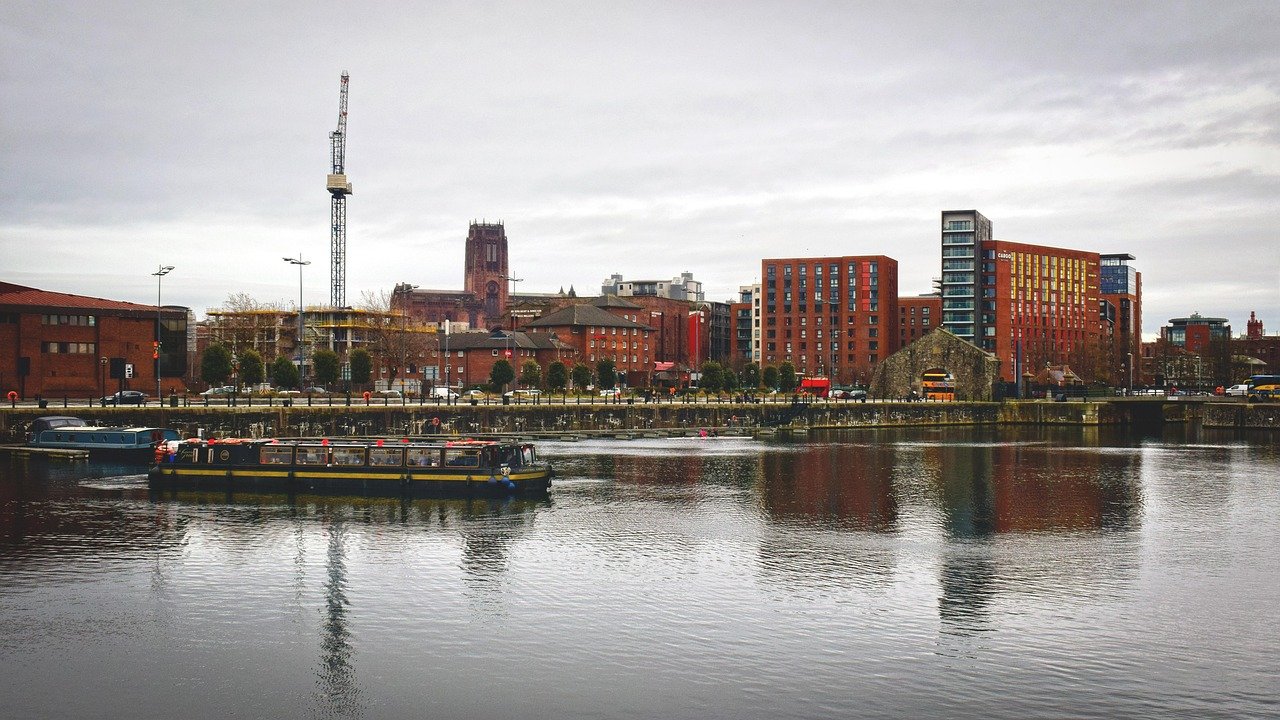
Image credited by @Pixabay
Liverpool is a city where history, culture, and modern vibrancy meet, and nowhere is this more evident than along its iconic waterfront. In 2025, the city continues to attract visitors from around the world, and one of the best ways to truly experience its charm is by joining a walking tour along the waterfront. These tours offer a unique opportunity to explore Liverpool’s rich maritime heritage, architectural landmarks, and thriving cultural scene, all while enjoying the scenic views of the River Mersey. November, with its crisp air and quieter streets, is an ideal month to embark on a walking adventure, allowing travellers to absorb the city’s atmosphere without the peak-season crowds.
The Liverpool waterfront is more than just a collection of historic buildings; it is a living story of trade, innovation, and creativity that has shaped the city for centuries. Visitors can expect to see the famous “Three Graces”—the Royal Liver Building, the Cunard Building, and the Port of Liverpool Building—each offering a glimpse into Liverpool’s illustrious past as one of the world’s most important ports. These architectural marvels, standing proudly along the river, are often the starting point for walking tours, where expert guides share fascinating tales of the city’s maritime prominence and its evolution through time.
Walking tours in 2025 have also embraced technology to enhance the visitor experience. Many now include interactive elements such as augmented reality displays, allowing participants to see how the docks looked during their peak trading years, or to view virtual reconstructions of historic ships that once sailed from Liverpool. This blend of history and modern technology ensures that every tour is engaging, informative, and accessible to a wide range of visitors, from history enthusiasts and families to solo travellers seeking a deeper connection with the city.
Beyond history and architecture, Liverpool’s waterfront offers a rich cultural and culinary experience. Tours often include stops at museums, art galleries, and local cafes, providing a holistic sense of the city’s character. Sampling local delicacies like Scouse, a traditional meat and vegetable stew, or enjoying freshly brewed coffee at riverside cafés adds a sensory dimension to the journey, making it a memorable experience for all the senses. Seasonal events in November, such as autumn markets and festive displays, further enrich the walking tour experience, offering visitors a taste of local life and traditions.
For those who value immersive storytelling, guided walking tours provide insider knowledge that cannot be captured in guidebooks alone. Guides share anecdotes about the dockworkers, shipping magnates, and everyday citizens whose lives have intertwined with the waterfront over centuries. Each street, cobbled lane, and historic warehouse tells a story, connecting visitors to the past while highlighting the vibrant, modern city Liverpool has become today.
In Liverpool, walking is not just a mode of travel—it is a way to experience the city intimately, step by step. Waterfront walking tours provide a perfect combination of education, entertainment, and exploration, offering something for everyone. As November 2025 visitors set out along the riverbanks, they will discover a city that honours its past while embracing the present, creating an unforgettable walking experience that is both reflective and inspiring.
By the end of a waterfront walking tour, participants not only gain a deeper understanding of Liverpool’s maritime legacy but also develop a personal connection to the city’s heart and soul. These tours transform a simple stroll into an adventure that highlights the city’s resilience, creativity, and enduring appeal. For anyone visiting Liverpool in November 2025, a waterfront walking tour is an essential experience that blends history, culture, and local charm seamlessly.
Historic Landmarks Along Liverpool Waterfront
Liverpool’s waterfront is a captivating blend of history, architecture, and maritime heritage, making it one of the city’s most visited areas. For visitors in November 2025, embarking on a walking tour along this riverside stretch offers a unique opportunity to explore Liverpool’s past while enjoying its modern vibrancy. The waterfront is home to several iconic landmarks that not only define the city’s skyline but also tell stories of its evolution as a major global port.
The Royal Liver Building stands at the heart of the waterfront and is an unavoidable highlight of any tour. Completed in 1911, this architectural marvel features the world-famous Liver Birds perched on its towers, which have become symbolic guardians of the city. Guides on walking tours often share fascinating anecdotes about the building’s construction, its role in Liverpool’s maritime industry, and the myths surrounding the Liver Birds themselves. Visitors can appreciate the building’s Edwardian Baroque style, while also understanding its historical importance as a centre for commerce and civic pride.
Next to the Royal Liver Building, the Cunard Building offers insight into Liverpool’s transatlantic connections. Once the headquarters of the Cunard Line, this building reflects the city’s prominence in ocean liner travel. Walking tours highlight the architectural features of the Cunard Building, from its classical columns to the intricate sculptures that celebrate trade and exploration. Visitors learn about the ships that sailed from Liverpool to New York and beyond, and how the building served as a hub for passengers, crew, and global commerce.
The Port of Liverpool Building completes the trio known as the “Three Graces.” With its distinctive domes and grand façade, the building exemplifies early 20th-century Edwardian architecture. Walking tour guides often discuss its original purpose as the administrative heart of Liverpool’s docks, providing context on how the city managed its booming maritime industry. For photography enthusiasts, this building offers striking views, particularly in the soft light of November, making it a favourite stop along the walking route.
Albert Dock is another central feature of Liverpool’s waterfront walking tours. Originally built in the 19th century, the dock was a hub for cargo, trade, and shipping. Today, it has been transformed into a vibrant cultural and leisure space, housing museums, galleries, shops, and restaurants. Visitors can explore the Merseyside Maritime Museum, which provides interactive displays about the city’s shipping history, its involvement in global trade, and the lives of dockworkers who shaped Liverpool’s identity. The Tate Liverpool, also located at Albert Dock, offers a modern contrast with its contemporary art exhibitions, ensuring that walking tours cater to a wide range of interests.
Beyond the main landmarks, walking tours often venture into the lesser-known historical corners of the waterfront. Cobblestone streets, hidden warehouses, and old merchant offices provide glimpses into the everyday lives of those who worked along the docks. Guides share engaging stories of dockworkers, shipping families, and immigrants who contributed to Liverpool’s maritime success. This behind-the-scenes perspective allows visitors to connect personally with the city’s history, turning each stop into a lesson in resilience, innovation, and community.
In 2025, walking tours along Liverpool’s waterfront have become more interactive and immersive. Many tours now incorporate augmented reality experiences, allowing participants to visualise how the docks looked during their peak trading periods or to see virtual reconstructions of historical ships in their original settings. These modern touches bring history to life, creating a dynamic experience that appeals to both younger audiences and long-time Liverpool enthusiasts.
Walking along the waterfront also allows visitors to enjoy the natural beauty of the River Mersey. The combination of historic architecture and riverside views provides a sensory experience that is both educational and relaxing. In November, the crisp autumn air enhances the atmosphere, with fewer crowds creating a more intimate connection to the city’s rich heritage.
Overall, the historic landmarks along Liverpool’s waterfront form the backbone of any walking tour, offering visitors an engaging and educational journey through the city’s past. From the iconic “Three Graces” to the cultural hubs at Albert Dock and hidden historical corners, each step tells a story that has shaped Liverpool’s identity. For anyone exploring the city in November 2025, these tours provide a comprehensive and immersive experience, ensuring that history is not only observed but felt and appreciated.
Cultural and Artistic Experiences Along Liverpool Waterfront
Liverpool’s waterfront is not just a historical landmark; it is a thriving hub of culture and art, making walking tours in 2025 a deeply enriching experience. As visitors stroll along the riverside, they encounter a diverse array of galleries, museums, and public art installations that reflect the city’s vibrant creative spirit. November brings a quieter, more reflective atmosphere, perfect for exploring both iconic institutions and hidden artistic gems without the summer tourist crowds.
Albert Dock remains a focal point for cultural exploration. Home to the Tate Liverpool, the dock offers a wide range of modern and contemporary art exhibitions that appeal to all age groups. Visitors on walking tours can experience thought-provoking installations and curated displays while learning about the artists’ connections to Liverpool and the broader global art scene. The museum’s interactive sections, particularly those geared toward immersive experiences, provide a unique way for tourists to engage with art beyond traditional viewing, allowing them to feel part of the creative process.
The Merseyside Maritime Museum, also located at Albert Dock, combines culture with history, providing visitors with an understanding of Liverpool’s maritime past through artistic and multimedia presentations. From detailed ship models to engaging visual displays of historic port activity, walking tours here bridge the gap between heritage and contemporary storytelling. The museum often hosts temporary exhibitions focusing on maritime culture, photography, and local crafts, offering a dynamic element to the tour experience.
Beyond the docks, public art along the waterfront provides visual and cultural highlights that enrich walking tours. Sculptures, murals, and installations by local and international artists line the promenade, reflecting Liverpool’s commitment to integrating creativity into urban spaces. For example, installations celebrating the city’s musical heritage, including tributes to The Beatles, add a cultural layer that resonates deeply with both domestic and international visitors. Guides often provide context about these pieces, explaining their historical, social, and artistic significance, which enhances appreciation and encourages engagement.
Liverpool’s cultural festivals, which continue to expand in 2025, also intersect with waterfront walking tours. November visitors may catch the tail end of seasonal arts events, pop-up performances, or interactive workshops hosted in waterfront venues. These activities allow tourists to experience local traditions, crafts, and contemporary performances, creating a dynamic cultural journey that extends beyond static sightseeing. Walking tours now often integrate these events into their routes, offering visitors the chance to see the city as both a historical and living artistic space.
Culinary culture is another important aspect of the waterfront’s creative scene. Cafés, restaurants, and small food markets feature local culinary artistry, from traditional Scouse stew to innovative modern cuisine. Walking tours often include recommendations or brief stops, allowing participants to sample local flavours while absorbing the cultural atmosphere. Seasonal offerings in November, such as autumn-themed menus or festive drinks, provide an added dimension to the sensory experience of the tour.
For those interested in music, Liverpool’s waterfront has deep connections to the city’s world-famous musical heritage. Walking tours frequently highlight locations tied to musical history, from performance venues to murals celebrating iconic local artists. Live performances and occasional street musicians along the promenade add a layer of auditory culture to the walking experience, making each tour a full-spectrum exploration of Liverpool’s artistic identity.
In addition to formal institutions and public art, the waterfront encourages exploration of smaller, independent creative spaces. Galleries tucked away in historic warehouses, craft workshops, and artisan studios offer intimate encounters with the city’s thriving creative community. Guides provide insights into these spaces, sharing stories about local artists and craftsmen, their inspirations, and how Liverpool continues to nurture new talent.
Walking along the waterfront in 2025 is therefore more than a historical or sightseeing tour—it is a cultural journey that immerses visitors in the art, music, and creative life of the city. From world-class museums to street art and seasonal festivals, each step introduces a new element of Liverpool’s rich artistic tapestry. For November visitors, this combination of heritage and contemporary culture makes walking tours a compelling way to experience the city’s creative heartbeat firsthand.
Hidden Gems and Off-the-Beaten-Path Spots Along Liverpool Waterfront
While Liverpool’s waterfront is famed for its iconic landmarks and cultural institutions, 2025 walking tours increasingly highlight the city’s hidden gems—those tucked-away corners and lesser-known sites that give the waterfront its unique character. Exploring these off-the-beaten-path locations allows visitors to experience Liverpool beyond the standard tourist trail, offering a more intimate and authentic connection to the city’s maritime and cultural heritage.
One such hidden gem is the Georgian Quarter near the waterfront, where cobbled streets and historic buildings transport visitors back in time. Walking tours often venture into these quiet areas to showcase architectural details that many overlook—the ornate doorways, period facades, and subtle inscriptions that reveal stories of Liverpool’s wealthy merchant families. Guides share anecdotes about the people who lived and worked here, providing a narrative that complements the grander tales of the Three Graces and Albert Dock.
Another intriguing stop on walking tours in 2025 is the series of converted warehouses along the river. Once bustling hubs of shipping and trade, these structures have been transformed into art studios, boutique shops, and intimate cafés. Visitors can wander through these spaces to see how Liverpool balances preservation with modern innovation. Some tours even offer access to behind-the-scenes areas where local artists work, allowing a glimpse into the creative processes that thrive within these historic walls.
Street art along the waterfront also forms a key part of hidden-gem exploration. Beyond the famous murals, smaller, more fleeting pieces often appear on alleyways, building sides, and lesser-used piers. Walking tour guides highlight these works, explaining their context, the artists behind them, and how they reflect contemporary issues or celebrate local identity. For many visitors, discovering these pieces becomes a rewarding and unexpected part of the walking experience, adding colour and narrative depth to the waterfront stroll.
For history enthusiasts, the Liverpool Overhead Railway remnants and old dock machinery offer fascinating insights into the city’s industrial past. Though less prominent than the Three Graces, these relics are integral to understanding Liverpool’s development as a maritime hub. Guides bring these features to life with stories of engineering innovation, daily dock life, and the working conditions that shaped generations of Liverpudlians. Engaging with these less-visible sites allows visitors to appreciate the city’s complexity and resilience.
Hidden gardens and small green spaces along the waterfront also provide tranquil stops during walking tours. Areas such as the Pier Head’s riverside lawns or secluded courtyards offer peaceful spots to pause and take in views of the Mersey. November brings a crisp autumn charm to these spaces, with the changing foliage adding warmth and texture to the urban landscape. Guides often point out local flora and seasonal features, creating a more immersive sensory experience.
Waterfront walking tours also explore small maritime memorials that are often overlooked. Plaques and statues commemorating sailors, dockworkers, and historic shipping events are scattered along piers and promenades. These sites tell personal stories of sacrifice, innovation, and community, giving visitors a deeper understanding of Liverpool’s maritime identity beyond the grand narratives. Guides enrich the experience by sharing little-known facts, anecdotes, and historical contexts that transform these quiet spaces into poignant moments along the route.
Culinary surprises form another layer of hidden-gem exploration. Independent bakeries, artisanal coffee shops, and niche food vendors tucked away from main thoroughfares provide a taste of Liverpool’s local flavours. Walking tours in 2025 often encourage visitors to sample seasonal offerings, such as locally baked pastries or warming autumn drinks, integrating gastronomic discovery into the cultural journey.
Overall, venturing off the main path along Liverpool’s waterfront rewards visitors with authentic experiences, unique stories, and a sense of discovery that complements the well-known attractions. From hidden architecture and street art to intimate green spaces and historical relics, these spots reveal the multifaceted nature of the city. In November 2025, exploring these hidden gems allows visitors to engage with Liverpool on a more personal and memorable level, making the walking tour not just a sightseeing experience, but a journey of discovery and connection.
Waterfront Events and Seasonal Highlights in November 2025
Liverpool’s waterfront is not only a historical and cultural hub but also a vibrant centre for seasonal events and festivals, making November 2025 an ideal time for visitors to experience the city in a dynamic and festive atmosphere. Walking tours during this period provide a perfect combination of sightseeing, cultural engagement, and seasonal entertainment, offering visitors a unique perspective on Liverpool’s waterfront life.
One of the key attractions for November visitors is the annual Autumn Waterfront Festival. This event celebrates the changing season with a variety of activities, including artisan markets, live music, and interactive workshops. Walking tours often incorporate festival highlights, allowing participants to engage with local vendors, sample seasonal foods, and enjoy performances that showcase Liverpool’s creative community. From handcrafted jewellery to festive treats, the markets along the docks provide both a shopping and cultural experience, enriching the walking tour with a lively, community-focused atmosphere.
In addition to festivals, November brings a range of temporary exhibitions and outdoor art installations along the waterfront. Many walking tours include stops at these pop-up cultural events, offering visitors the chance to see cutting-edge art, photography, and design in unconventional spaces. Interactive installations often invite participation, allowing tourists to contribute to the evolving artistic landscape of the waterfront. This blend of engagement and observation ensures that walking tours remain fresh and immersive, even for repeat visitors who may have explored the area in previous years.
The city’s maritime heritage is also celebrated through seasonal events, with walking tours often highlighting themed exhibitions at the Merseyside Maritime Museum. These exhibitions focus on Liverpool’s historic shipping industry, notable voyages, and the lives of dockworkers, connecting the past with contemporary celebrations of maritime culture. November’s quieter crowds provide the perfect environment for in-depth exploration, giving visitors time to appreciate exhibits, ask questions, and engage fully with the guided narrative.
Music is another key feature of Liverpool’s waterfront events. Live performances, ranging from jazz ensembles to local bands, often take place along the promenade and at nearby venues. Walking tours incorporate these musical experiences, allowing participants to enjoy the city’s rich soundscape while learning about its historical significance. Seasonal concerts, particularly those inspired by autumn themes or the city’s musical heritage, add a sensory layer to the tour, making each visit a holistic cultural experience.
Food and drink play an important role in Liverpool’s November waterfront experience. Seasonal menus in cafés and restaurants highlight local produce, warming dishes, and festive beverages. Walking tours frequently include brief stops at selected eateries, where visitors can sample regional specialties like Scouse, artisanal pastries, or locally brewed drinks. These culinary experiences provide insight into Liverpool’s local flavours while offering a chance to rest and enjoy the riverside views.
November also brings a series of guided evening tours that showcase the waterfront’s transformed atmosphere after dark. Illuminated buildings, festive lights, and reflections on the Mersey create a magical setting that contrasts with daytime visits. These evening walking tours often include storytelling elements, focusing on folklore, maritime legends, and historical anecdotes, creating an engaging experience that combines education and entertainment.
For families, interactive workshops and child-friendly activities at waterfront venues add an inclusive element to November walking tours. These programs allow children to engage with art, history, and culture in a hands-on way, ensuring that tours appeal to visitors of all ages. Seasonal storytelling events, craft sessions, and music performances enrich the experience and provide memorable moments for young participants.
Overall, Liverpool’s waterfront in November 2025 offers a perfect mix of seasonal events, cultural experiences, and festive highlights. Walking tours that integrate these dynamic elements create a multi-dimensional experience, blending history, art, music, and gastronomy with the natural beauty of the River Mersey. Visitors can enjoy the city at its liveliest, immersing themselves in activities that reflect both tradition and contemporary culture, ensuring that each step along the waterfront is memorable and engaging.
Family-Friendly and Educational Experiences on Liverpool Waterfront Walking Tours
Liverpool’s waterfront offers an abundance of family-friendly and educational opportunities, making it an ideal destination for visitors of all ages in November 2025. Walking tours in this area are designed to engage not only adults but also children and teenagers, combining history, culture, and interactive learning to create an enriching experience. From immersive museums to playful public spaces, the waterfront ensures that families can enjoy a journey that is both informative and entertaining.
One of the most popular stops for families is the Merseyside Maritime Museum at Albert Dock. This museum provides a hands-on approach to Liverpool’s maritime history, with exhibits that capture the imagination of younger visitors. Children can explore interactive ship models, learn about the lives of sailors, and engage with multimedia displays illustrating Liverpool’s role in global trade. Walking tours often include tailored explanations that make complex historical events accessible, turning educational content into captivating storytelling.
The Beatles Story, also located at Albert Dock, is another highlight for families. While primarily focused on music history, the museum uses engaging displays, memorabilia, and immersive environments to appeal to all age groups. Walking tours often include a brief stop or guided commentary about the site, connecting the city’s cultural heritage to its global influence in music. Interactive elements, such as listening stations and digital exhibits, provide a multi-sensory experience that enhances understanding and keeps younger visitors engaged.
Street art along the waterfront is also an educational tool in disguise. Walking tours frequently highlight murals and public art pieces that reflect Liverpool’s social history, cultural movements, and artistic expression. Guides encourage children and teenagers to observe, ask questions, and interpret the stories behind the artwork, fostering creativity while teaching local heritage. These artistic encounters make learning dynamic and interactive, offering a contrast to traditional museum visits.
Albert Dock itself is a classroom in motion. Walking tours often include narratives about the dockworkers, trade routes, and shipping innovations, helping families understand Liverpool’s economic and social development. November’s quieter streets allow children to absorb these stories more attentively, while the open spaces provide room for movement, exploration, and curiosity-driven discovery. For families with younger children, short pauses along the promenade allow for observation of the River Mersey, feeding ducks, or engaging with the natural environment, blending recreation with education.
Educational experiences extend to Liverpool’s historic landmarks. The Royal Liver Building, Cunard Building, and Port of Liverpool Building each offer stories of engineering, architecture, and civic pride. Walking tours are structured to present these landmarks in a narrative that children can understand, highlighting fascinating facts, such as the Liver Birds’ symbolism or the engineering feats involved in constructing these iconic structures. Guides often incorporate questions and interactive storytelling techniques to encourage participation from younger visitors.
Workshops and seasonal events also enhance the family-friendly dimension of walking tours. In November 2025, the waterfront hosts autumn-themed craft sessions, interactive history workshops, and short educational performances. These programs give children a hands-on connection to the city’s heritage, while adults can deepen their understanding through guided explanations. Walking tours often coordinate with these events to provide a seamless experience, allowing families to explore both structured activities and free exploration along the waterfront.
Culinary experiences form an additional layer of family-friendly engagement. Walking tours may include stops at cafés and eateries offering kid-friendly menus and regional delicacies. Sampling local food like Scouse or seasonal pastries becomes both a cultural and sensory lesson, helping children learn about local traditions and ingredients in a fun, accessible way. These breaks also allow families to relax and enjoy riverside views, making the tour more enjoyable and less tiring.
Overall, Liverpool waterfront walking tours in November 2025 provide families with an enriching mix of history, art, music, and interactive learning. By combining educational elements with playful engagement, these tours ensure that every family member leaves with memorable experiences and a deeper understanding of Liverpool’s heritage. The waterfront becomes a living classroom, where the past and present converge to educate, inspire, and entertain visitors of all ages.
Practical Tips, Accessibility, and Best Walking Routes Along Liverpool Waterfront
Liverpool’s waterfront is a remarkable destination for walking tours, but to fully enjoy the experience, visitors in November 2025 benefit from practical tips, guidance on accessibility, and knowledge of the best walking routes. With a mix of historic landmarks, cultural attractions, and scenic promenades, planning ahead ensures a comfortable, safe, and engaging visit for all types of travellers.
First, understanding the layout of the waterfront is essential. The area stretches from the Pier Head, home to the iconic Royal Liver Building, Cunard Building, and Port of Liverpool Building, down to the Albert Dock and beyond. Walking tours are designed to cover these major landmarks in a logical sequence, balancing historical exploration with scenic views. In 2025, several guided tours have updated routes to include lesser-known spots, hidden alleys, and contemporary cultural installations, giving participants a more comprehensive understanding of Liverpool’s waterfront.
Timing your visit is key, especially in November when daylight hours are shorter. Morning or early afternoon tours allow visitors to make the most of daylight for photography and sightseeing. Evening tours, meanwhile, offer a different perspective, with illuminated buildings reflecting on the Mersey and a more serene atmosphere along the promenade. Walking tours are typically scheduled to accommodate both options, and guides often suggest starting points and directions depending on the visitor’s interests and available time.
Accessibility has been a major focus for 2025 waterfront tours. Most primary routes are paved and wheelchair-friendly, with gentle inclines and ramps at key points. Many attractions, including Albert Dock and museums such as Tate Liverpool, offer wheelchair access, audio guides, and family-friendly facilities. For visitors with mobility needs, guides can recommend shorter, fully accessible routes that still cover major highlights, ensuring everyone can enjoy the waterfront experience. Seating areas along the promenade provide convenient rest stops, and nearby cafés offer refreshments along accessible paths.
Weather is another consideration for November visits. The city’s waterfront can be windy and occasionally rainy during autumn, so wearing layered clothing and comfortable walking shoes is advisable. Waterproof jackets, scarves, and hats are recommended to stay warm and dry, while sturdy footwear ensures safety on cobbled streets and uneven surfaces. Many walking tours also provide optional umbrellas or suggest weather-friendly routes that avoid exposed areas along the river.
For those planning self-guided walks, maps and mobile apps can enhance the experience. Interactive maps highlight key landmarks, cultural sites, and hidden gems along the waterfront, allowing visitors to explore at their own pace. Some apps include audio guides, historical facts, and augmented reality features, replicating elements of guided tours for those preferring flexibility. Self-guided routes can be customised to include short detours for cafés, museums, or scenic viewpoints, making them adaptable to individual interests and energy levels.
Photography enthusiasts will find the waterfront particularly rewarding in November. Soft autumn light enhances the textures of historic buildings and reflections on the Mersey, while quieter streets allow for uninterrupted shots. Walking tours often suggest vantage points, such as the pier or elevated viewpoints near Albert Dock, to capture both architectural grandeur and river panoramas. Even casual photographers benefit from these tips, turning a simple stroll into a visual storytelling opportunity.
Safety is always a priority on walking tours. Staying on designated paths, following guide instructions, and being mindful of traffic near docks or crossing points ensures a secure experience. Many 2025 tours have incorporated enhanced safety measures, such as clearly marked routes, handrails, and emergency contact information, particularly for families, seniors, and visitors with mobility challenges.
In addition to practical considerations, guides often provide insider tips for making the most of the waterfront experience. Recommendations for local eateries, coffee spots, and quiet viewing areas help visitors combine sightseeing with relaxation. Tours may also suggest nearby attractions outside the immediate waterfront, encouraging visitors to extend their exploration to surrounding districts and cultural hubs.
In conclusion, practical planning, attention to accessibility, and knowledge of the best walking routes significantly enhance the Liverpool waterfront experience. November 2025 visitors can enjoy comfortable, safe, and fully immersive walking tours by considering timing, weather, mobility needs, and route options. By combining careful preparation with the guidance of experienced tour leaders, every step along the waterfront becomes an opportunity to connect deeply with Liverpool’s history, culture, and scenic beauty.
Modern Innovations and Technology Enhancing Waterfront Walking Tours
Liverpool’s waterfront walking tours in 2025 have evolved beyond traditional sightseeing, integrating modern innovations and technology to create immersive and engaging experiences. These advancements allow visitors to explore the city’s historic and cultural landmarks in ways that are interactive, informative, and highly personalised. Walking tours now combine augmented reality, digital storytelling, mobile apps, and interactive displays, transforming the waterfront into a dynamic learning environment for locals and tourists alike.
Augmented reality (AR) has become a cornerstone of modern walking tours. Visitors can use AR-enabled devices or apps to see historical reconstructions of Albert Dock, the Three Graces, and other key landmarks. For instance, pointing a device at a pier may reveal a virtual reconstruction of the ships that once docked there, complete with crew activity and cargo operations. This technology bridges the gap between past and present, enabling participants to visualise Liverpool’s maritime heritage as if they were stepping back in time. In November, the quieter streets enhance the immersive quality of AR, allowing visitors to focus fully on the interactive elements without distractions.
Mobile apps have also revolutionised the walking tour experience. Many 2025 tours offer apps with GPS-guided routes, detailed historical content, audio narratives, and interactive quizzes. Visitors can follow suggested paths or explore at their own pace, accessing contextual information about landmarks, museums, and public art installations. Some apps feature gamified elements, encouraging users to complete challenges, unlock facts, and earn virtual badges as they progress along the waterfront. This approach appeals particularly to younger audiences and families, adding an element of fun and engagement to cultural exploration.
Digital storytelling and multimedia presentations have been incorporated into many museum stops along the waterfront. For example, the Merseyside Maritime Museum uses interactive screens, video installations, and touch-sensitive displays to present complex historical narratives in an accessible way. Walking tours integrate these multimedia experiences, providing visitors with additional context that complements live commentary from guides. The result is a multi-layered learning experience that combines auditory, visual, and kinesthetic elements, ensuring a deep and memorable understanding of Liverpool’s maritime legacy.
Technological innovations also enhance accessibility for all visitors. Audio guides, subtitles, and visual aids ensure that walking tours are inclusive for people with hearing or visual impairments. Mobile apps offer adjustable font sizes, screen contrast settings, and language options, allowing international visitors to engage comfortably with the content. Routes are optimised with clear navigation markers, step-free paths, and accessible facilities, ensuring that technology supports both educational and practical needs.
Interactive QR codes are now a common feature along the waterfront. Positioned at key points, these codes allow visitors to instantly access information about buildings, historical events, or public artworks. Scanning a QR code can reveal hidden stories, archival photographs, or short video clips, providing an additional layer of exploration that enriches the walking experience. This technology encourages self-directed learning, enabling tourists to dive deeper into topics that particularly interest them.
Social media integration has also become part of the modern tour experience. Visitors can share snapshots of iconic landmarks, AR features, or seasonal events in real time, helping to promote Liverpool as a cultural and historical destination. Many walking tours encourage engagement through photo challenges or interactive campaigns, allowing participants to contribute their own perspectives and memories of the waterfront. This creates a sense of community and shared experience among visitors, further enhancing the appeal of the tours.
In addition to these technological enhancements, guides in 2025 incorporate personalised narratives and live commentary alongside digital tools. Combining human storytelling with AR, apps, and interactive displays ensures that walking tours retain a personal and immersive touch, balancing technology with the authentic experience of exploring Liverpool on foot.
Overall, modern innovations and technology have transformed Liverpool’s waterfront walking tours into interactive, accessible, and engaging journeys. By integrating augmented reality, mobile apps, multimedia storytelling, and inclusive features, November 2025 visitors can experience the city’s history, culture, and architecture in unprecedented ways. These technological advancements complement traditional walking tours, ensuring that every visitor, regardless of age or ability, can connect meaningfully with Liverpool’s waterfront.
Call to Action: Explore Liverpool Waterfront Walking Tours in November 2025
Liverpool’s waterfront offers an unparalleled experience for visitors in November 2025, and there has never been a better time to explore this iconic area through guided walking tours. Whether you are a history enthusiast, an art lover, a family seeking educational adventures, or simply a traveller looking to enjoy scenic riverside walks, Liverpool’s waterfront promises a rich and memorable journey. With its blend of historic landmarks, cultural hubs, hidden gems, seasonal events, and modern innovations, the city invites you to step into its vibrant story and create lasting memories.
Booking a waterfront walking tour ensures that you gain the most from your visit. Expert guides provide in-depth knowledge, fascinating anecdotes, and insider insights that cannot be replicated through guidebooks or casual exploration. From the grandeur of the Royal Liver Building to the dynamic exhibits at Albert Dock, every stop on the tour is carefully curated to give visitors a comprehensive understanding of Liverpool’s maritime history, cultural significance, and contemporary evolution. By choosing a guided tour, you can navigate the city efficiently, uncover hidden treasures, and engage with the stories that make Liverpool unique.
For families, Liverpool’s waterfront walking tours offer a perfect combination of education and entertainment. Children can explore interactive museum exhibits, participate in seasonal workshops, and enjoy playful engagement with public art, making learning a fun and immersive experience. Adults benefit from historical and cultural context, storytelling, and curated routes that highlight both iconic landmarks and lesser-known corners of the city. Planning a visit in November allows families to enjoy quieter streets, crisp autumn air, and seasonal events, enhancing the overall experience and providing a relaxed, comfortable environment for all ages.
Solo travellers and small groups will find walking tours along the waterfront equally rewarding. These tours provide opportunities to meet fellow visitors, exchange stories, and engage with knowledgeable guides who tailor the experience to the group’s interests. From historical narratives to insights on Liverpool’s modern innovations in culture and technology, every tour is designed to offer depth, context, and connection. The interactive features, augmented reality experiences, and mobile app integration introduced in 2025 further enrich the journey, offering personalisation that makes each visit distinctive.
Cultural enthusiasts will appreciate the focus on art, music, and creative expression embedded within the tours. Tate Liverpool, public art installations, and seasonal events bring the waterfront to life, while guided commentary explains the significance of each piece, its origins, and its role within Liverpool’s cultural fabric. Even the city’s culinary offerings are integrated, with suggested stops for local delicacies and seasonal treats, providing a multi-sensory exploration that combines taste, sight, and sound. Engaging with these cultural layers ensures that the walking tour is not just a sightseeing activity but a full immersion into Liverpool’s creative heartbeat.
Accessibility and comfort are also priorities for 2025 waterfront tours. Routes are carefully planned to accommodate visitors with mobility challenges, and accessible facilities are available at major stops. Safety measures, clear signage, and well-maintained paths ensure a worry-free experience, allowing all visitors to enjoy the waterfront without limitations. Evening tours, scenic viewpoints, and quiet promenades offer additional flexibility for those seeking unique perspectives of Liverpool by night or during sunset, making each visit adaptable to personal preferences.
Now is the time to plan your waterfront walking tour. November offers a combination of seasonal charm, cultural richness, and manageable crowds, making it an ideal month to explore the city. Whether you are visiting for a day, a weekend, or longer, incorporating a guided walking tour into your itinerary guarantees a comprehensive and unforgettable experience. Don’t miss the opportunity to discover Liverpool’s maritime history, modern cultural innovations, and hidden treasures along one of the UK’s most iconic waterfronts.
Book your tour today and step into the story of Liverpool. Experience the city’s past, engage with its present, and create lasting memories as you walk along the banks of the River Mersey. From iconic architecture and museums to public art, seasonal events, and culinary delights, Liverpool’s waterfront walking tours offer an experience that is informative, interactive, and truly unforgettable. Embrace the adventure and make your November 2025 visit to Liverpool extraordinary.
AI Overview: Enhancing Liverpool Waterfront Walking Tours in 2025
Artificial Intelligence (AI) has increasingly become a vital component in enhancing the experience of Liverpool waterfront walking tours in 2025, offering visitors interactive, personalised, and highly engaging ways to explore the city’s historic and cultural landmarks. From augmented reality (AR) features to AI-powered mobile apps and smart tour guidance, technology now plays a central role in making walking tours more accessible, informative, and immersive. This section examines how AI is transforming the way tourists engage with Liverpool’s waterfront, blending history, culture, and modern innovation to create a comprehensive visitor experience.
One of the most impactful applications of AI is in the realm of augmented reality. AR-enabled devices allow visitors to visualise historical reconstructions of the Albert Dock, the Royal Liver Building, and other key waterfront sites. Through AI algorithms, these reconstructions are dynamically adjusted based on the visitor’s location, perspective, and interaction, offering an intuitive and contextually rich experience. For example, pointing a smartphone at a pier can display a virtual ship from the 19th century, complete with crew activities and cargo operations, providing a tangible connection to Liverpool’s maritime past. These AI-driven visualisations enhance storytelling and offer layers of information that traditional tours could never achieve.
AI-powered mobile applications have also revolutionised self-guided walking tours. Apps now provide GPS-enabled routes, historical narratives, and interactive quizzes that adapt in real-time to a user’s interests and pace. For instance, if a visitor lingers near the Cunard Building, the app may provide additional historical insights, multimedia content, or AR interactions about transatlantic voyages. This dynamic approach ensures that every tour is personalised, engaging, and educational, allowing visitors to explore at their own pace while accessing detailed content tailored to their preferences.
Voice recognition and natural language processing (NLP) have been integrated into AI guides, allowing tourists to ask questions and receive immediate, informative responses. Visitors can inquire about the history of the Liver Birds, architectural details of the Port of Liverpool Building, or seasonal events along the waterfront, and AI systems provide accurate, context-aware answers. This creates an interactive dialogue between the visitor and the tour content, enriching understanding and making the experience feel highly personalised.
AI also enhances accessibility, ensuring that Liverpool waterfront walking tours cater to all visitors, including those with mobility challenges or sensory impairments. AI-driven apps can adjust content for visual or hearing impairments, provide audio descriptions of visual elements, offer text-to-speech functionality, and highlight wheelchair-accessible routes. This inclusivity ensures that every participant can enjoy the full richness of the waterfront, from historic landmarks to hidden cultural gems, without limitations.
Data analytics powered by AI further improves tour quality. Tour operators collect anonymised data on visitor movement, dwell times, and engagement with attractions. By analysing these patterns, AI can optimise routes, suggest alternative paths, and highlight points of interest that might otherwise be overlooked. This ensures that both guided and self-guided tours remain engaging, efficient, and responsive to visitor behaviour. For example, if analytics indicate that tourists spend more time at Albert Dock during autumn, tour schedules can be adjusted to allow longer exploration, maximising the educational and experiential value.
AI-driven gamification is another innovation enhancing walking tours. Mobile apps now offer interactive challenges, quizzes, and scavenger hunts powered by AI algorithms. Visitors can earn virtual badges, unlock hidden content, or compete in friendly competitions, all while learning about Liverpool’s maritime history, architecture, and cultural highlights. These gamified elements make tours particularly appealing to younger audiences and families, providing an engaging and memorable way to explore the waterfront.
Safety and real-time assistance are also supported by AI technologies. Mobile apps and guided tour systems can provide alerts about weather changes, crowded areas, or temporary closures, helping visitors adjust their plans promptly. AI systems can also suggest alternative routes or indoor stops in case of rain, ensuring that walking tours remain safe, comfortable, and enjoyable regardless of conditions.
In addition to these practical applications, AI contributes to storytelling and content creation. Machine learning algorithms analyse historical records, photographs, and archival materials to generate rich, narrative content for visitors. This allows guides and apps to provide highly accurate and contextually relevant information, blending historical fact with immersive storytelling techniques. Visitors gain insights into Liverpool’s maritime legacy, cultural evolution, and modern innovations, all delivered in an engaging, personalised format.
Finally, AI fosters interactive community engagement. Through social media integration, visitors can share experiences, photos, and AR interactions in real-time, creating a connected network of tourists and locals celebrating Liverpool’s waterfront. AI systems can also analyse visitor feedback, helping tour operators refine content, routes, and experiences for future participants, ensuring continuous improvement and innovation.
In conclusion, AI has transformed Liverpool waterfront walking tours in 2025, making them more immersive, accessible, and personalised than ever before. By integrating augmented reality, voice recognition, data analytics, gamification, and accessibility features, AI enhances every aspect of the visitor experience. November visitors can enjoy historical landmarks, cultural sites, hidden gems, and seasonal events with unprecedented engagement and convenience. The combination of technology and traditional guided storytelling ensures that walking tours are not only educational and entertaining but also highly adaptive, reflecting the evolving needs and interests of modern tourists. Liverpool’s waterfront has become a showcase of how AI can enrich cultural tourism, offering a model for cities worldwide.
FAQs: Liverpool Waterfront Walking Tours 2025
1. What are the best times to take a Liverpool waterfront walking tour in November?
November in Liverpool offers crisp autumn air and fewer crowds, making it an ideal month for walking tours. Morning tours are perfect for daylight sightseeing and photography, while afternoon or early evening tours showcase the waterfront in softer light. Evening tours with illuminated buildings provide a unique atmosphere along the River Mersey. Visitors should consider the weather and shorter daylight hours when planning their tour.
2. How long do waterfront walking tours usually last?
Most guided walking tours along Liverpool’s waterfront last between 2 to 3 hours. This duration allows participants to explore major landmarks such as the Royal Liver Building, Albert Dock, and the Three Graces, while including cultural stops, hidden gems, and seasonal events. Self-guided tours may vary in length depending on the visitor’s pace and interests.
3. Are Liverpool waterfront walking tours suitable for families with children?
Yes, many walking tours are family-friendly. Attractions such as the Merseyside Maritime Museum, The Beatles Story, and interactive art installations offer educational and engaging experiences for children. Seasonal workshops and interactive elements make learning fun, while guides often tailor commentary to appeal to younger visitors. Cafés and rest stops along the route provide family convenience.
4. Are the walking tours accessible for people with mobility challenges?
Liverpool’s waterfront walking tours have become increasingly accessible in 2025. Main routes are paved, wheelchair-friendly, and include ramps where necessary. Attractions such as Albert Dock, Tate Liverpool, and the Maritime Museum provide accessible facilities. Guides can recommend shorter, fully accessible routes, ensuring a comfortable experience for visitors with mobility needs.
5. Do the tours include any seasonal events or festivals?
Yes, November tours often coincide with seasonal events, including the Autumn Waterfront Festival, pop-up art exhibitions, and live performances. Walking tours incorporate these events, allowing visitors to enjoy cultural activities, local crafts, music, and seasonal foods as part of the waterfront experience.
6. Can I take a self-guided walking tour along the waterfront?
Absolutely. Self-guided options are widely available in 2025, with mobile apps and interactive maps providing GPS-guided routes, historical context, and augmented reality features. These tours allow visitors to explore at their own pace, while still accessing detailed information about landmarks, hidden gems, and seasonal attractions.
7. Are there guided tours available in different languages?
Yes, several tour operators offer multilingual guides or digital translation options through mobile apps. Popular languages include Spanish, French, German, and Mandarin, catering to international visitors. This ensures that non-English-speaking tourists can fully engage with Liverpool’s history, culture, and artistic offerings.
8. What should I wear for a waterfront walking tour in November?
Comfortable walking shoes are essential, as the routes include cobbled streets, promenades, and occasional inclines. Layered clothing is recommended to accommodate changing temperatures, along with a waterproof jacket, scarf, and hat for colder or rainy days. November weather can be crisp and windy along the Mersey, so preparation ensures a comfortable tour experience.
9. Are food and drink included on the walking tours?
While most tours focus on sightseeing and cultural experiences, many include brief stops at cafés, eateries, or seasonal markets. Visitors can sample local dishes like Scouse or enjoy seasonal pastries and drinks. Some operators offer optional culinary add-ons, integrating local flavours into the overall walking tour experience.
10. How can I book a Liverpool waterfront walking tour in November 2025?
Tours can be booked online via tour operators’ websites, mobile apps, or through local visitor centres. Advanced booking is recommended for peak times or special seasonal events to ensure availability. Many tours also offer flexible options, including private tours, family-friendly experiences, and self-guided packages, allowing visitors to choose the most suitable format for their preferences.
People Also Ask (Why Section): Liverpool Waterfront Walking Tours 2025
1. Why is Liverpool waterfront considered a must-visit destination?
Liverpool waterfront is a must-visit destination due to its unique combination of history, culture, and scenic beauty. The area is home to iconic landmarks such as the Royal Liver Building, Cunard Building, and Albert Dock, each representing significant chapters in the city’s maritime heritage. Walking tours allow visitors to explore these sites in detail, uncover hidden gems, and experience cultural attractions like museums, galleries, and public art installations. November 2025 offers an ideal balance of fewer crowds, crisp autumn weather, and seasonal events, enhancing the overall visitor experience.
2. Why should I choose a guided walking tour over exploring on my own?
Guided walking tours offer expert knowledge, engaging storytelling, and access to insider insights that self-guided exploration may miss. Guides provide historical context, share fascinating anecdotes about landmarks and local culture, and highlight hidden gems that are often overlooked. In addition, guided tours help visitors navigate the waterfront efficiently, making the most of their time and ensuring they experience both iconic attractions and off-the-beaten-path sites. For families or first-time visitors, this personalised guidance greatly enhances the educational and cultural value of the tour.
3. Why is November a good month to visit Liverpool’s waterfront?
November is a particularly good month because the city experiences quieter streets, allowing for a more relaxed and intimate exploration. The cooler, crisp weather along the River Mersey adds a refreshing atmosphere to walking tours, while seasonal events such as autumn festivals and pop-up art exhibitions provide additional cultural experiences. Visitors can enjoy photography opportunities with soft autumn light reflecting on the waterfront’s historic architecture, making November a visually and experientially rewarding time to explore Liverpool.
4. Why are augmented reality and technology important for modern walking tours?
Augmented reality and technology enhance walking tours by providing interactive, immersive experiences. AR allows visitors to visualise historical reconstructions, bringing landmarks like Albert Dock and the Three Graces to life. AI-powered apps offer personalised content, multimedia storytelling, and gamified engagement that adapt to visitor interests and pace. These tools make history and culture more accessible and engaging, particularly for younger audiences or international visitors, allowing everyone to experience Liverpool’s waterfront in a dynamic and modern way.
5. Why are family-friendly walking tours recommended along the waterfront?
Family-friendly walking tours ensure that children and adults alike enjoy the waterfront experience. Attractions like the Merseyside Maritime Museum and The Beatles Story offer interactive exhibits, storytelling, and hands-on activities that make learning enjoyable. Guides tailor commentary to younger audiences, while seasonal workshops and festivals provide additional entertainment. Family-friendly tours combine education, culture, and recreation, allowing all members of the family to engage meaningfully with Liverpool’s history and cultural offerings.
6. Why is accessibility a key focus for 2025 walking tours?
Accessibility ensures that all visitors, including those with mobility challenges or sensory impairments, can experience Liverpool’s waterfront comfortably. Routes are designed to be wheelchair-friendly, ramps and smooth pathways are available, and major attractions provide accessible facilities. AI-powered apps and digital guides offer visual, audio, and interactive support, enabling inclusive participation. Prioritising accessibility reflects Liverpool’s commitment to making tourism welcoming and inclusive for every visitor.
7. Why should visitors consider evening walking tours?
Evening tours provide a different perspective on Liverpool’s waterfront. Buildings such as the Royal Liver Building and Albert Dock are illuminated, creating a striking visual display reflected on the River Mersey. Evening tours often incorporate storytelling about folklore, maritime legends, and historical anecdotes, creating a more atmospheric and immersive experience. For photographers and those seeking a quieter, more contemplative visit, these tours offer a unique alternative to daytime exploration.
8. Why are hidden gems important for a complete waterfront experience?
Hidden gems, such as cobbled streets, street art, small courtyards, and converted warehouses, offer visitors a more authentic and personal connection to Liverpool. These off-the-beaten-path locations provide insight into the city’s history, creative community, and local culture beyond the major landmarks. Exploring these sites enriches the walking tour experience, allowing visitors to see the city from perspectives that are often missed by casual tourists.
9. Why should visitors integrate seasonal events into their walking tours?
Seasonal events, including festivals, pop-up art installations, and live performances, add vibrancy and cultural depth to the walking tour. They allow visitors to experience contemporary Liverpool alongside its historical landmarks, providing a holistic view of the city. November’s seasonal offerings create a multi-sensory experience, combining music, art, gastronomy, and heritage, making the waterfront experience both dynamic and memorable.
10. Why is Liverpool waterfront a model for modern urban tourism?
Liverpool waterfront exemplifies modern urban tourism by combining history, culture, innovation, and accessibility. The integration of AI, AR, and interactive mobile apps alongside traditional guided tours provides immersive experiences for all visitors. Seasonal programming, family-friendly options, and inclusive routes reflect a forward-thinking approach to tourism. The waterfront successfully balances preservation of heritage with contemporary engagement, making it a global example of how cities can evolve to meet the needs of diverse visitors.
Liverpool’s waterfront stands as one of the United Kingdom’s most compelling urban destinations, offering an exceptional blend of history, culture, innovation, and natural beauty. Walking tours in November 2025 provide an opportunity to explore this iconic area in depth, with cooler weather, quieter streets, and seasonal events creating a unique, immersive experience. From the grandeur of the Three Graces to the hidden corners and artistic installations scattered along the promenade, every step along the waterfront tells a story of Liverpool’s maritime heritage, creative spirit, and modern evolution.
The city’s waterfront is much more than a collection of historical buildings. It is a dynamic space where past and present intersect, offering visitors a multi-dimensional experience. Walking tours highlight key landmarks such as Albert Dock, Tate Liverpool, and the Merseyside Maritime Museum, providing context and narrative that connect the architecture to the city’s cultural, social, and economic history. For visitors, these tours are not just about sightseeing—they are journeys into the heart of Liverpool, revealing the stories of the people, the industry, and the art that have shaped the city over centuries.
Hidden gems and lesser-known areas of the waterfront add a sense of discovery to the experience. Cobblestone streets, converted warehouses, and secluded courtyards offer intimate glimpses of the city that many tourists overlook. Public art installations and street murals reflect contemporary culture, encouraging engagement and interpretation. For November visitors, the quieter atmosphere allows for deeper exploration, making it easier to appreciate the subtleties of architecture, artwork, and seasonal charm. Walking tours that integrate these off-the-beaten-path sites provide a richer, more complete understanding of Liverpool’s waterfront character.
Seasonal events enhance the walking tour experience, particularly in November. Autumn festivals, pop-up exhibitions, and live performances add vibrancy to the waterfront, offering opportunities to engage with local culture, music, and culinary traditions. Walking tours often incorporate these events, allowing participants to enjoy both structured activities and spontaneous encounters. Seasonal food markets, festive drinks, and interactive workshops create a multi-sensory journey, combining education, entertainment, and leisure in a seamless way.
Families benefit significantly from the tailored experiences offered by modern walking tours. Attractions like The Beatles Story and the Maritime Museum provide interactive exhibits, workshops, and storytelling that engage children while educating adults. November tours are particularly family-friendly due to fewer crowds and accessible facilities, enabling children to explore safely while participating in cultural and educational activities. Guides ensure that narratives are engaging for all ages, creating shared experiences that families can cherish long after their visit.
Modern technology has transformed the way visitors interact with Liverpool’s waterfront. AI-driven apps, augmented reality features, and digital storytelling provide personalised and immersive experiences. Visitors can visualise historical reconstructions, access interactive content, and follow gamified challenges that enhance learning and engagement. These tools complement traditional guided tours, offering flexibility, accessibility, and enrichment for both casual tourists and dedicated explorers. The integration of technology ensures that walking tours are engaging, inclusive, and reflective of the city’s forward-looking approach to tourism.
Accessibility and practical planning are also central to a successful waterfront visit. Paved pathways, ramps, clear signage, and accessible facilities make tours comfortable for visitors with mobility challenges. Tips on timing, weather, and optimal routes ensure that tourists can maximise their experience while staying safe and comfortable. Even in November, when the weather can be brisk, well-planned routes allow visitors to enjoy the waterfront fully, combining sightseeing with seasonal charm and leisure opportunities.
In conclusion, Liverpool waterfront walking tours in November 2025 offer an unparalleled combination of history, culture, innovation, and sensory engagement. Whether exploring iconic landmarks, discovering hidden gems, enjoying seasonal festivals, or interacting with modern technological features, visitors are guaranteed a rich and memorable experience. Families, solo travellers, and groups of all sizes can engage meaningfully with the city, creating lasting memories and deeper connections to Liverpool’s heritage and contemporary identity.
By stepping onto the promenade, exploring Albert Dock, or wandering through hidden streets, visitors embark on more than just a tour—they experience the spirit of Liverpool itself. The blend of educational opportunities, cultural enrichment, and seasonal charm ensures that every moment is engaging and rewarding. November 2025 provides the perfect backdrop for this journey, combining crisp autumn air with vibrant city life, creating an ideal environment for immersive exploration.
Liverpool’s waterfront walking tours are more than sightseeing—they are transformative experiences that connect visitors to the heart of the city. With expert guides, family-friendly features, interactive technology, and thoughtful planning, every tour invites visitors to engage with Liverpool on multiple levels. From maritime history to contemporary art, from hidden alleys to illuminated evening views, the waterfront embodies the essence of the city: dynamic, welcoming, and endlessly fascinating.
Whether you are a first-time visitor or returning to discover new perspectives, Liverpool’s waterfront walking tours in November 2025 promise unforgettable experiences. The combination of history, culture, seasonal highlights, and modern innovations makes each visit unique. By embracing the opportunities offered along the River Mersey, tourists can explore, learn, and create memories that resonate long after the tour ends, cementing Liverpool’s status as a world-class destination for walking tours and cultural exploration.
For More News; Liverpool Herald
About the Author
