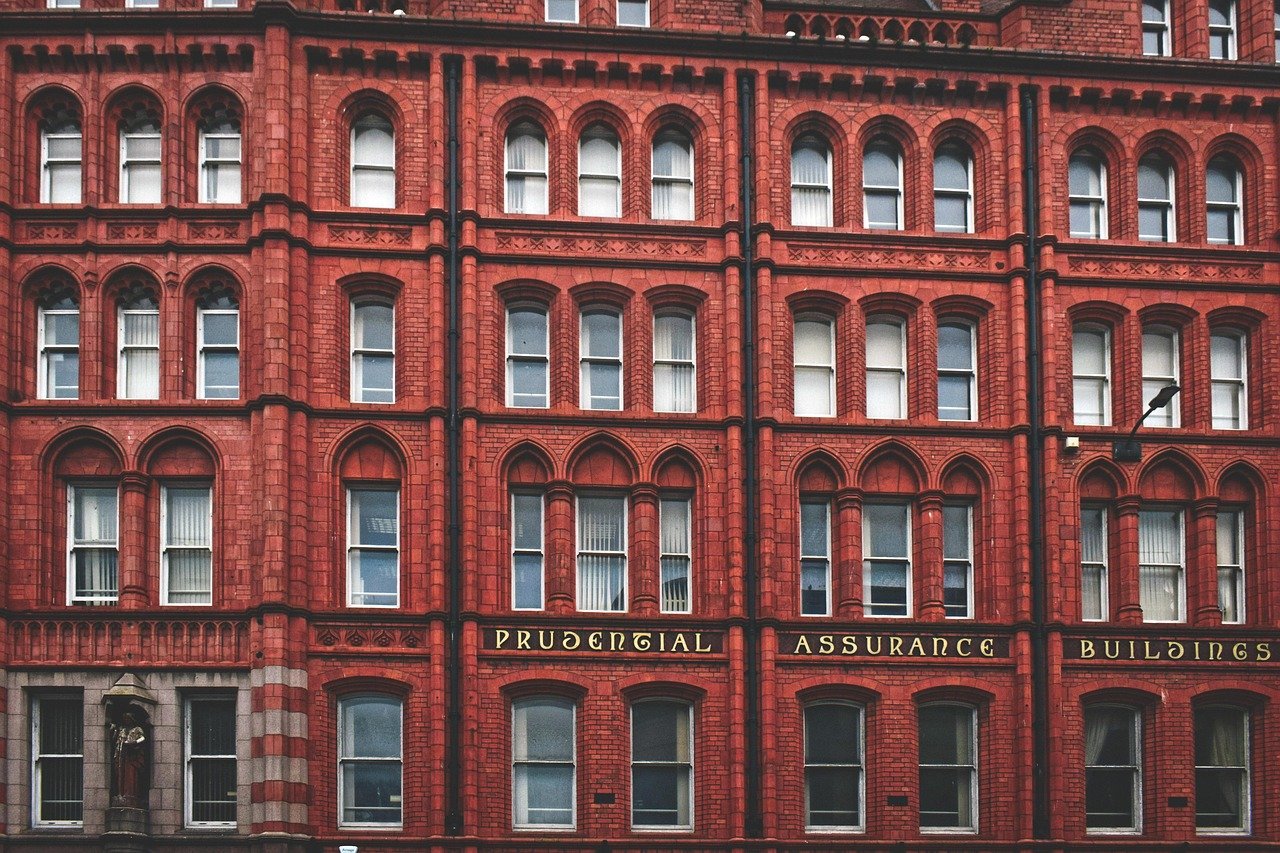
Image credited by @Pixabay
Liverpool has long been celebrated for its rich cultural heritage, from its iconic waterfront and historic architecture to its vibrant music and arts scene. In November 2025, the city is taking significant steps to preserve and promote this legacy through a series of initiatives aimed at safeguarding historic sites, supporting local arts, and engaging communities in heritage conservation. These efforts reflect a growing recognition of the value of cultural heritage, not only as a source of civic pride but also as a driver of tourism, education, and economic development. Recent preservation efforts focus on protecting Liverpool’s distinctive architectural landmarks, including the Grade I and II listed buildings that define the cityscape. Restoration projects, funded through both public and private investment, are addressing structural repairs, façade maintenance, and conservation of original features. This approach ensures that historic buildings remain safe, accessible, and visually appealing for residents and visitors alike, maintaining the city’s unique character for future generations.
Cultural heritage preservation in Liverpool is not limited to buildings; it also encompasses intangible assets such as music, theatre, and local traditions. November 2025 has seen a renewed emphasis on documenting oral histories, supporting community arts programmes, and preserving musical legacies that have shaped Liverpool’s global reputation. Initiatives include workshops, exhibitions, and digital archiving projects designed to capture the city’s cultural narratives and make them widely accessible.
The city council, in collaboration with heritage organisations and local communities, is also prioritising education and engagement. Schools, universities, and community groups are being invited to participate in preservation activities, ranging from guided heritage tours to hands-on conservation projects. This participatory approach not only enhances awareness but also instils a sense of ownership and responsibility among residents, ensuring that Liverpool’s cultural heritage remains vibrant and relevant.
Sustainability is increasingly a consideration in heritage preservation. Efforts to restore historic sites are incorporating environmentally friendly materials, energy-efficient systems, and maintenance practices that reduce long-term impact on the environment. By combining conservation with sustainability, Liverpool is ensuring that its cultural heritage can be enjoyed responsibly while aligning with broader environmental goals.
November 2025 initiatives also focus on tourism and community accessibility. Enhanced visitor facilities, informative signage, and interactive digital platforms are being introduced to make cultural heritage sites more engaging and informative. These measures aim to attract both domestic and international visitors while providing locals with meaningful ways to connect with the city’s history.
Liverpool’s cultural heritage preservation news in November 2025 underscores a holistic approach that balances physical conservation, community engagement, and sustainable practices. Through these initiatives, the city continues to celebrate its past while preparing for a future in which heritage plays a central role in civic identity, economic vitality, and social cohesion.
Historic Building Restoration Projects
Liverpool’s architectural heritage is at the heart of the city’s identity, and November 2025 has seen a renewed focus on restoring historic buildings across the urban landscape. Several Grade I and II listed properties, many of which date back to the 18th and 19th centuries, are undergoing comprehensive restoration to preserve structural integrity, aesthetic appeal, and historical significance. These projects often involve repairing facades, restoring decorative features, and addressing long-standing issues such as damp, subsidence, or outdated utility systems. One high-profile initiative is the ongoing restoration of the Royal Liver Building. This iconic landmark, emblematic of Liverpool’s maritime history, is receiving careful conservation work on its clock towers and exterior stonework. Specialists are using traditional materials and techniques to maintain authenticity while integrating modern safety standards. Similar work is underway on the Town Hall and the St George’s Hall, where roof repairs, masonry conservation, and interior refurbishments are being carried out with the utmost attention to historical accuracy.
Residential heritage properties are also benefiting from targeted restoration efforts. Historic terraces and Victorian townhouses in areas such as Georgian Quarter and Ropewalks are undergoing careful renovation. Owners, supported by grants and council schemes, are preserving original features like sash windows, cornices, and ornate ironwork, ensuring these structures retain their historical charm while remaining functional for modern living.
Liverpool’s docklands and waterfront buildings are another key focus. Many warehouses and commercial properties from the city’s industrial heyday are being repurposed while retaining their historical character. Restoration includes stabilising foundations, repairing brickwork, and installing sympathetic modern amenities that allow these structures to serve contemporary purposes without erasing their heritage value.
Specialist craftsmen play a central role in these restoration projects. From stone masons and carpenters to metalworkers and decorative artists, skilled professionals ensure that every repair respects the original design and techniques. Training programmes have been established to nurture new generations of heritage craftspeople, ensuring that Liverpool has the expertise needed for ongoing and future conservation work.
Funding for these restoration initiatives comes from a combination of public, private, and charitable sources. The city council collaborates with heritage organisations, philanthropic foundations, and private investors to secure financial support. This mixed funding model allows for large-scale projects that might otherwise be financially unfeasible, ensuring that Liverpool’s architectural heritage is preserved for future generations.
Community engagement is also central to these projects. Local residents are often invited to attend guided tours of restoration sites, participate in workshops, or contribute to oral history projects that document the stories of these buildings. This participatory approach fosters a sense of collective ownership and reinforces the cultural value of preservation.
In summary, historic building restoration projects in Liverpool during November 2025 demonstrate a careful balance between preserving authenticity, integrating modern functionality, and involving the community. These efforts ensure that the city’s architectural legacy remains a vibrant and accessible part of Liverpool’s urban fabric.
Community Heritage Engagement Initiatives
Liverpool’s cultural heritage preservation in November 2025 extends beyond buildings, embracing the active participation of communities in safeguarding and celebrating the city’s unique history. Community engagement initiatives are designed to connect residents with their heritage, promote awareness, and encourage hands-on involvement in conservation and cultural activities. These efforts are key to ensuring that heritage is not just preserved physically but also socially and culturally. Local councils and heritage organisations have launched workshops, events, and interactive programmes aimed at educating communities about Liverpool’s rich historical legacy. These include guided heritage tours, oral history projects, and interactive exhibitions that explore the city’s maritime, industrial, and musical heritage. By providing residents with opportunities to learn and engage, these programmes foster a deeper appreciation for Liverpool’s history and the role it plays in shaping contemporary life.
Schools and universities are active participants in community engagement. Students are encouraged to take part in heritage projects, such as documenting local stories, assisting in archival work, or participating in restoration efforts under supervision. Such educational initiatives not only provide practical learning experiences but also instil a sense of pride and responsibility in younger generations, ensuring that heritage preservation becomes a shared community value.
Volunteer programmes form another pillar of engagement. Local residents can contribute their time and skills to assist in conservation work, from cleaning and cataloguing historical artefacts to helping organise public events and festivals. This hands-on involvement strengthens community ties and allows residents to directly contribute to the upkeep and celebration of Liverpool’s cultural heritage.
Community-led exhibitions and cultural events are increasingly popular in November 2025. Pop-up galleries, local history fairs, and heritage-themed festivals provide platforms for residents to showcase historical narratives, artworks, and performances. These events celebrate the city’s diversity and historical richness, creating inclusive spaces where different cultural stories can be shared and appreciated.
Digital engagement also plays a significant role. Online platforms and interactive apps enable residents to explore heritage sites virtually, participate in online storytelling projects, and access historical archives from home. This approach broadens participation, reaching audiences who may not be able to visit physical sites due to mobility constraints or time limitations, and ensures that heritage remains accessible to a wider community.
Heritage engagement initiatives also focus on inclusivity. Special programmes are designed for older adults, young people, and minority communities to ensure that Liverpool’s preservation efforts reflect the experiences and histories of all its residents. By capturing diverse perspectives and narratives, the city ensures that cultural heritage is representative, vibrant, and socially relevant.
Involving the community in heritage preservation creates a sense of collective ownership. Residents who participate in workshops, volunteering, or educational projects are more likely to value and protect local history, contributing to long-term conservation efforts. This participatory approach ensures that Liverpool’s cultural heritage remains alive, celebrated, and sustainable well beyond November 2025.
Heritage Funding and Financial Support Schemes
Preserving Liverpool’s cultural heritage requires significant financial investment, and November 2025 has seen an emphasis on expanding funding and support schemes to maintain both historic structures and intangible cultural assets. A combination of public, private, and charitable funding streams ensures that heritage projects are sustainable, accessible, and impactful, reaching a wide range of sites, communities, and initiatives across the city. Liverpool City Council has increased its allocation for heritage conservation projects, focusing on maintaining listed buildings, restoring historic landmarks, and supporting community-led initiatives. These public funds are often matched with grants from national heritage organisations and trusts, enabling larger projects that might otherwise be financially unfeasible. Funding priorities include structural repairs, façade preservation, and upgrades to make sites more accessible for residents and visitors.
Private investment has also been critical in preserving Liverpool’s heritage. Many historic buildings, particularly those repurposed for commercial or residential use, benefit from collaboration with private investors committed to maintaining the architectural and historical integrity of these structures. Developers are encouraged to integrate conservation principles into renovation projects, ensuring that economic development does not come at the expense of cultural preservation.
Charitable foundations and philanthropic organisations provide additional financial support for education, community engagement, and cultural programming. These funds are often directed towards intangible heritage projects, such as music preservation, oral history documentation, and cultural festivals. By funding both physical and intangible heritage initiatives, Liverpool ensures a holistic approach to preservation that encompasses the full spectrum of the city’s cultural identity.
Grant programmes for residents and local businesses have been expanded to encourage participation in heritage preservation. Property owners of historic homes can apply for subsidies or low-interest loans to repair and maintain traditional features like sash windows, decorative facades, and ironwork. These schemes not only help preserve the city’s character but also stimulate local craftsmanship and the economy.
Tourism-driven funding also plays a role in supporting heritage initiatives. Revenue generated from heritage tourism, including museum entry fees, guided tours, and cultural events, is reinvested into preservation and educational programmes. This creates a self-sustaining cycle where increased public interest in heritage sites contributes directly to their ongoing maintenance and improvement.
Digital innovation funding has grown in importance. Projects that digitise historical archives, create interactive apps, or offer virtual tours receive targeted financial support. These initiatives increase accessibility and engagement, allowing a broader audience to experience Liverpool’s heritage regardless of physical location, mobility, or schedule constraints.
Community-led funding models, including crowdfunding and local fundraising campaigns, have also gained traction. Residents are increasingly involved in supporting heritage projects financially, creating a sense of ownership and shared responsibility. These grassroots contributions complement formal funding streams, demonstrating strong community commitment to preserving Liverpool’s cultural legacy.
Overall, Liverpool’s heritage funding and financial support schemes in November 2025 illustrate a multi-faceted approach to conservation. By combining public, private, charitable, and community resources, the city ensures that historic buildings, cultural practices, and community engagement initiatives are adequately supported. This strategy reinforces Liverpool’s dedication to safeguarding its past while promoting accessibility, education, and sustainable heritage management.
Digital Preservation and Archiving Initiatives
In November 2025, Liverpool has strengthened its focus on digital preservation as a key element of cultural heritage conservation. Recognising the importance of safeguarding historical records, artistic works, and intangible cultural practices, the city has invested in innovative digital archiving initiatives that make heritage more accessible, interactive, and secure for both present and future generations. Local museums, libraries, and archives are leading the way in digitising collections, including historical documents, photographs, maps, and architectural plans. This not only preserves delicate materials from wear and environmental damage but also makes them widely accessible online for researchers, students, and heritage enthusiasts. Digital archives are increasingly designed with user-friendly interfaces, allowing people to explore Liverpool’s cultural history through interactive platforms that include searchable databases, virtual exhibitions, and multimedia storytelling.
Oral histories are another priority in digital preservation. Community projects are recording interviews with long-term residents, artists, musicians, and workers who have shaped Liverpool’s identity. These recordings are being archived digitally, preserving personal narratives that might otherwise be lost over time. Schools and universities are also involved, integrating oral history projects into curricula to educate students about local culture while contributing to preservation efforts.
Liverpool’s music heritage, particularly its role in shaping global music culture, is receiving special attention. Recordings, performance footage, and archival materials related to the city’s musical icons and local music scenes are being digitised. These initiatives ensure that Liverpool’s artistic contributions remain accessible for educational purposes, research, and public enjoyment, maintaining the city’s reputation as a world-class music hub.
Interactive technology is enhancing digital preservation initiatives. Virtual reality (VR) and augmented reality (AR) projects allow users to experience historic buildings, streetscapes, and cultural events virtually. For example, users can explore the city’s waterfront as it appeared in the early 20th century or participate in immersive reconstructions of historical festivals. These technologies make heritage engaging and educational, appealing to younger generations who might otherwise have limited connection to traditional preservation methods.
Partnerships with tech companies and academic institutions are expanding Liverpool’s digital preservation capabilities. Collaborative projects provide expertise in data management, 3D scanning, and digital curation, ensuring that digital records are both high-quality and sustainable over time. These partnerships also create opportunities for research and innovation, linking heritage preservation with cutting-edge technology development.
Public engagement is central to digital initiatives. Online platforms allow residents to contribute photographs, personal stories, and historical insights, creating a community-driven approach to archiving. Crowdsourced contributions enhance the richness of digital collections while fostering a sense of ownership and collective responsibility for Liverpool’s cultural legacy.
Through digital preservation and archiving, Liverpool is ensuring that cultural heritage is safeguarded beyond physical limitations. November 2025 initiatives illustrate how technology can complement traditional conservation methods, increase accessibility, and engage communities in meaningful ways. These efforts provide a secure, interactive, and inclusive approach to heritage, bridging the gap between past, present, and future.
Educational Programmes and Heritage Awareness Campaigns
Liverpool’s commitment to cultural heritage preservation in November 2025 extends strongly into education and public awareness. Recognising that heritage is best protected when communities are informed and engaged, the city has implemented a series of educational programmes and awareness campaigns designed to instil pride, understanding, and active participation among residents of all ages. Schools and universities across Liverpool are actively participating in heritage-focused curricula. Students are encouraged to explore local history through project-based learning, field trips to museums and historic sites, and involvement in archival projects. By linking educational content directly to the city’s cultural assets, students gain practical knowledge about conservation techniques, architectural history, and the significance of intangible heritage, such as music and oral traditions.
Specialised workshops and summer programmes have been organised in collaboration with heritage organisations, local historians, and artists. These workshops teach skills ranging from traditional crafts like masonry and woodwork to digital documentation, archival research, and oral history collection. Such initiatives not only equip participants with practical expertise but also foster an appreciation of Liverpool’s cultural legacy and the ongoing importance of preserving it.
Public awareness campaigns are a crucial component of Liverpool’s heritage strategy. November 2025 has seen the launch of citywide initiatives using social media, local media outlets, and community events to highlight preservation projects, restoration milestones, and opportunities for civic participation. Informational signage at key heritage sites, digital storytelling platforms, and interactive exhibits further reinforce public understanding of the city’s historical significance.
Community partnerships are central to these programmes. Local organisations, neighbourhood associations, and volunteer groups collaborate with educational institutions to create inclusive learning opportunities. Initiatives such as guided heritage walks, storytelling sessions, and participatory exhibitions allow residents to experience history firsthand, deepening their connection to Liverpool’s cultural environment.
These educational efforts also focus on inclusivity and accessibility. Special programmes target underrepresented groups, including young people from diverse backgrounds, older adults, and individuals with disabilities, ensuring that all community members have the opportunity to engage with Liverpool’s heritage. Multilingual resources, tactile exhibits, and adapted digital platforms help make education and awareness campaigns widely accessible.
Heritage awareness campaigns also extend to cultural events and festivals. Music, theatre, and arts festivals incorporate educational components that highlight historical context and celebrate Liverpool’s rich traditions. Interactive sessions, lectures, and demonstrations connect participants with the city’s cultural narrative, fostering respect, curiosity, and pride in local heritage.
By integrating education and awareness into preservation strategies, Liverpool ensures that heritage conservation is not only a matter of protecting physical structures but also cultivating informed, engaged, and active communities. November 2025’s initiatives emphasise that safeguarding cultural legacy requires both knowledge and participation, ensuring that Liverpool’s history remains vibrant, appreciated, and preserved for future generations.
Tourism and Heritage Promotion Initiatives
Liverpool’s cultural heritage preservation in November 2025 is closely intertwined with tourism, as the city leverages its rich history and iconic landmarks to attract visitors while promoting awareness of heritage conservation. Strategic initiatives are being implemented to make historic sites, museums, and cultural districts more engaging, accessible, and educational for tourists, simultaneously supporting the local economy and encouraging responsible tourism practices. The city has introduced enhanced visitor facilities at major heritage sites, including the Albert Dock, St George’s Hall, and the Maritime Museum. Upgraded signage, interactive displays, and guided tours provide deeper insights into the history and significance of these locations. These improvements allow tourists to engage more meaningfully with Liverpool’s cultural legacy while learning about ongoing preservation efforts and the importance of safeguarding historic assets.
Digital tourism initiatives have become increasingly prominent. Mobile apps, augmented reality (AR) experiences, and virtual tours allow visitors to explore heritage sites in innovative ways. For example, AR overlays recreate historical scenes, bringing Liverpool’s waterfront, docklands, and historic streetscapes to life. These tools enrich visitor experiences and provide a bridge between past and present, highlighting both architectural and social history.
Cultural events and festivals in November 2025 are designed to promote heritage awareness alongside entertainment. Music festivals, theatre performances, and art exhibitions incorporate historical context, educational content, and storytelling elements. These initiatives attract diverse audiences while reinforcing the significance of preservation, encouraging tourists and locals alike to value Liverpool’s cultural identity.
Collaborations with local businesses enhance the tourism experience while supporting heritage initiatives. Hotels, restaurants, and retail outlets participate in heritage-themed promotions, offering packages that include guided tours, museum entry, or cultural workshops. This approach stimulates economic activity while reinforcing the city’s dedication to preserving and celebrating its history.
Sustainability is also a focus in tourism promotion. The city encourages walking tours, cycling routes, and public transport options for visitors, reducing the environmental impact of tourism while allowing for a more immersive experience. Eco-friendly initiatives, such as carbon offsetting for tour operators and energy-efficient facilities, align with Liverpool’s broader commitment to sustainable heritage management.
Community involvement plays a key role in tourism initiatives. Local guides, volunteers, and artists contribute to immersive experiences that highlight hidden histories, lesser-known landmarks, and personal stories connected to Liverpool’s heritage. This approach not only enriches visitor engagement but also ensures that tourism benefits are shared with communities, fostering pride and participation.
Marketing campaigns for heritage tourism emphasise Liverpool’s unique identity, global significance, and ongoing preservation projects. Online platforms, social media, and international promotions highlight both iconic landmarks and community-led cultural initiatives, raising awareness of the city’s efforts to safeguard its heritage while attracting responsible and engaged tourists.
In conclusion, Liverpool’s tourism and heritage promotion initiatives in November 2025 demonstrate a holistic approach that combines visitor engagement, digital innovation, community participation, and sustainability. By enhancing accessibility, providing educational content, and integrating conservation awareness into tourism experiences, the city ensures that its cultural heritage remains celebrated, respected, and preserved for future generations.
Heritage Policy, Governance, and Strategic Planning
Liverpool’s cultural heritage preservation in November 2025 is underpinned by robust policy frameworks, governance structures, and strategic planning. These mechanisms ensure that conservation efforts are coordinated, sustainable, and aligned with both national heritage regulations and local community needs. By integrating policy and governance with practical initiatives, the city is able to maintain, protect, and promote its diverse cultural assets effectively. The city council plays a central role in overseeing heritage policy, setting guidelines for the restoration of historic buildings, the protection of listed sites, and the management of heritage districts. Policies are designed to balance preservation with contemporary urban development, ensuring that economic growth and infrastructure projects do not compromise cultural integrity. Planning regulations require developers to incorporate conservation considerations into renovations or new constructions within designated heritage zones.
Strategic planning includes long-term frameworks for both tangible and intangible heritage. These strategies cover a range of objectives, including structural restoration, digital preservation, community engagement, education, and tourism promotion. By establishing clear goals, timelines, and accountability measures, Liverpool ensures that preservation efforts are systematic, measurable, and responsive to changing urban and social dynamics.
Governance also involves collaboration with national heritage organisations, such as Historic England, and local cultural institutions. These partnerships provide technical expertise, funding support, and oversight to ensure projects meet high conservation standards. Advisory boards and steering committees review major initiatives, guiding decision-making to ensure heritage values are preserved and enhanced across the city.
Public participation is an integral part of governance. Consultations, town hall meetings, and community feedback mechanisms ensure that residents’ voices are considered in policy development. By engaging communities directly, authorities foster transparency, trust, and shared responsibility, recognising that successful preservation relies on both professional oversight and grassroots involvement.
Regulatory frameworks in November 2025 also emphasise sustainability and resilience. Heritage policies encourage the use of environmentally friendly materials, energy-efficient systems, and adaptive reuse of historic buildings. These measures ensure that preservation efforts contribute to broader environmental goals while protecting heritage sites from long-term deterioration or climate-related risks.
Monitoring and evaluation are key components of strategic planning. Authorities track progress on restoration projects, community engagement, digital archiving, and tourism initiatives to assess effectiveness and identify areas for improvement. Regular reporting ensures accountability, facilitates knowledge sharing, and allows Liverpool to adapt strategies based on lessons learned and emerging challenges.
Finally, heritage policy in Liverpool integrates economic and social considerations. Preservation efforts are linked to cultural tourism, creative industries, and educational initiatives, demonstrating that heritage conservation is not only a matter of historical importance but also a driver of economic development, civic identity, and social cohesion.
In summary, heritage policy, governance, and strategic planning in Liverpool provide a structured and holistic framework for preserving the city’s rich cultural legacy. November 2025 initiatives exemplify how coordinated policy, community involvement, and strategic oversight work together to safeguard tangible and intangible heritage while promoting education, sustainability, and cultural engagement.
Call to Action: Get Involved in Preserving Liverpool’s Cultural Heritage
Liverpool’s cultural heritage preservation efforts in November 2025 invite active participation from residents, businesses, and visitors alike. While city authorities and heritage organisations drive restoration, digital archiving, and education initiatives, the long-term success of these programmes depends on community engagement and public support. Everyone has a role to play in safeguarding Liverpool’s rich history for future generations. Residents are encouraged to participate in workshops, volunteer programmes, and community-led conservation projects. From assisting with archival documentation and oral history projects to supporting local restoration initiatives, hands-on involvement provides meaningful opportunities to connect with Liverpool’s cultural legacy. These activities not only preserve heritage but also foster pride and ownership in local communities.
Schools and universities are urged to integrate heritage-focused projects into their curricula. Field trips to historic sites, interactive workshops, and research projects allow students to engage directly with Liverpool’s past while developing skills in conservation, documentation, and cultural interpretation. Educational participation ensures that younger generations are informed, inspired, and invested in the city’s ongoing preservation efforts.
Businesses can support heritage preservation by investing in local restoration projects, sponsoring cultural events, and integrating heritage awareness into corporate social responsibility initiatives. Partnerships between commercial stakeholders and heritage organisations amplify the impact of preservation projects while highlighting Liverpool’s identity as a city that values history, creativity, and community.
Visitors and tourists can contribute by engaging responsibly with heritage sites. Following site guidelines, participating in educational tours, and supporting heritage-focused exhibitions and events helps sustain conservation programmes financially and promotes wider appreciation of Liverpool’s unique cultural assets.
Digital engagement is also vital. Residents and enthusiasts can explore online archives, contribute to crowdsourced heritage projects, and share historical photographs or narratives to enhance the city’s digital preservation efforts. Participating in virtual workshops and digital storytelling initiatives allows broader community involvement beyond physical limitations.
Local communities are encouraged to advocate for heritage preservation by attending council consultations, providing feedback on proposed projects, and participating in public awareness campaigns. Collective advocacy ensures that community perspectives are central to decision-making, fostering policies that reflect the needs, aspirations, and values of Liverpool’s residents.
In conclusion, the November 2025 cultural heritage initiatives offer multiple avenues for engagement. By volunteering, educating, supporting, and advocating, individuals and organisations can play an active role in protecting Liverpool’s history. The combined efforts of authorities, communities, and visitors will ensure that the city’s heritage remains vibrant, accessible, and celebrated for generations to come.
AI Overview: Enhancing Liverpool’s Cultural Heritage Preservation
In November 2025, artificial intelligence (AI) is playing an increasingly significant role in Liverpool’s cultural heritage preservation initiatives. AI technologies are being deployed to digitise, analyse, and manage both tangible and intangible heritage assets, improving efficiency, accessibility, and sustainability. From monitoring the structural integrity of historic buildings to creating interactive educational experiences, AI is becoming an indispensable tool in the city’s preservation strategy. One key application of AI is in digital archiving. Machine learning algorithms can catalogue, classify, and index vast collections of historical documents, photographs, and maps. By automatically recognising text, patterns, and metadata, AI significantly accelerates the digitisation process, making heritage records accessible to researchers, students, and the general public. AI-powered search functions allow users to retrieve information quickly and accurately, enhancing engagement with Liverpool’s cultural assets.
In the restoration of historic buildings, AI assists architects, engineers, and conservators by analysing structural data and predicting maintenance needs. Sensors installed in older buildings collect information on humidity, temperature, and material stress. AI algorithms process this data to identify areas at risk of deterioration, allowing preemptive interventions. This predictive maintenance approach reduces long-term repair costs and minimises damage to historically significant structures.
AI is also enhancing public engagement and education. Interactive platforms powered by AI enable virtual tours, augmented reality experiences, and personalised learning journeys. Visitors to museums or heritage sites can use AI-driven apps to access information tailored to their interests, such as architectural history, cultural narratives, or artistic influences. In digital classrooms, AI tutors guide students through interactive heritage content, making historical education immersive and accessible.
Community participation is supported through AI as well. Crowdsourced heritage projects benefit from AI tools that validate, organise, and integrate contributions from residents, volunteers, and historians. Machine learning helps ensure data accuracy and consistency, while also identifying gaps in historical records or untapped heritage narratives. This allows for a more comprehensive, representative digital archive of Liverpool’s cultural identity.
AI is increasingly applied to heritage tourism. Predictive analytics assess visitor patterns, optimise tour schedules, and recommend personalised experiences based on user preferences. These insights help heritage organisations manage crowds, allocate resources efficiently, and enhance visitor satisfaction while promoting responsible tourism practices that protect historic sites.
Sustainability and environmental considerations are another area where AI contributes. Energy monitoring systems in restored buildings use AI to optimise lighting, heating, and cooling without compromising conservation standards. This integration of technology supports Liverpool’s dual goals of heritage preservation and environmental responsibility.
Finally, AI supports strategic planning and governance. Data analytics provide city authorities with insights into the effectiveness of heritage initiatives, resource allocation, and community engagement. By monitoring trends, predicting challenges, and simulating outcomes, AI helps policymakers make informed decisions that balance conservation needs with urban development and community priorities.
In summary, AI in Liverpool’s cultural heritage preservation during November 2025 enhances conservation, education, engagement, tourism, and strategic planning. By combining technological innovation with traditional preservation practices, the city ensures that its rich history remains accessible, sustainable, and actively celebrated. AI acts as both a tool and a partner in safeguarding Liverpool’s cultural legacy for future generations.
FAQs: Liverpool Cultural Heritage Preservation Initiatives November 2025
1. What are the main cultural heritage preservation initiatives in Liverpool for November 2025?
Key initiatives include the restoration of historic buildings, digital archiving of documents and oral histories, community engagement programmes, educational workshops, heritage-themed tourism projects, and sustainable preservation practices.
2. How are historic buildings being preserved?
Restoration projects focus on structural repairs, façade conservation, and the maintenance of original architectural features. Skilled craftsmen use traditional techniques while integrating modern safety and sustainability measures to preserve the city’s unique architectural heritage.
3. What role does the community play in heritage preservation?
Community involvement includes volunteering for conservation projects, participating in workshops, contributing to digital archives, attending guided tours, and providing feedback on heritage initiatives. This engagement ensures that preservation efforts are inclusive and widely supported.
4. How are educational programmes contributing to heritage preservation?
Schools, universities, and community organisations deliver heritage-focused curricula, workshops, and field trips. These programmes teach conservation skills, cultural history, and archival techniques, fostering knowledge, pride, and participation among younger generations.
5. What digital preservation initiatives are in place?
Liverpool is digitising historical records, photographs, maps, and oral histories. Interactive platforms, virtual reality, and augmented reality experiences provide immersive access to the city’s heritage while protecting fragile physical materials.
6. How is AI used in heritage preservation?
AI helps catalogue and analyse archives, monitor building integrity, optimise visitor experiences, and support strategic planning. Machine learning improves data management, predictive maintenance, and personalised education or tourism experiences.
7. Are there financial support schemes for heritage projects?
Yes, funding comes from public budgets, private investment, charitable foundations, and community fundraising. Grant schemes support restoration, digital archiving, and educational programmes, ensuring sustainability and broad accessibility.
8. How are tourism initiatives linked to heritage preservation?
Heritage tourism initiatives include interactive guided tours, enhanced visitor facilities, AR/VR experiences, and cultural events. These projects increase public awareness, support local businesses, and generate revenue for ongoing preservation.
9. How does Liverpool ensure sustainable heritage preservation?
Sustainability is incorporated through eco-friendly materials in restoration, energy-efficient systems, low-impact tourism, and long-term maintenance planning. These measures reduce environmental impact while protecting heritage sites.
10. How can residents contribute to preserving Liverpool’s cultural heritage?
Residents can volunteer, participate in workshops, contribute to digital archives, attend heritage events, provide feedback to authorities, and support local initiatives financially or through advocacy. Active participation strengthens community ownership and preservation outcomes.
People Also Ask (Why Section): Liverpool Cultural Heritage Preservation November 2025
1. Why is Liverpool focusing on cultural heritage preservation in November 2025?
Liverpool recognises the importance of safeguarding its unique historical, architectural, and artistic assets. Preservation ensures that future generations can experience the city’s rich heritage, supports tourism, and strengthens civic identity, while addressing the challenges posed by urban development and environmental risks.
2. Why are historic buildings a priority in preservation efforts?
Historic buildings define Liverpool’s cityscape and cultural identity. Preserving these structures maintains architectural authenticity, protects important landmarks, and provides educational, social, and economic benefits by attracting tourism and supporting local communities.
3. Why is community engagement important in heritage initiatives?
Active participation fosters a sense of ownership and responsibility. When residents, students, and volunteers engage with preservation projects, they contribute knowledge, labour, and advocacy, ensuring that heritage conservation reflects collective community values and is sustainable over time.
4. Why is digital preservation a key strategy?
Digitising records, oral histories, and artistic works protects fragile materials from deterioration, broadens access, and allows interactive experiences. Digital archives ensure that Liverpool’s cultural legacy is documented and accessible for education, research, and global audiences.
5. Why is AI increasingly used in heritage preservation?
AI enhances efficiency, accuracy, and engagement. It automates archiving, monitors structural health of buildings, predicts maintenance needs, and personalises educational and tourism experiences. AI provides insights that help optimise conservation strategies while reducing human error and resource constraints.
6. Why are educational programmes integrated into heritage preservation?
Education fosters awareness and skill development. By involving students and communities, these programmes ensure that knowledge of conservation techniques, historical context, and cultural significance is passed on, creating future advocates for heritage preservation.
7. Why are sustainable practices emphasized in heritage projects?
Sustainability reduces environmental impact while preserving historical assets. Using eco-friendly materials, energy-efficient systems, and responsible tourism practices ensures that conservation efforts align with broader climate goals and remain viable long-term.
8. Why is tourism important for cultural heritage preservation?
Tourism generates funding, increases public engagement, and raises awareness of Liverpool’s history. Well-managed tourism projects provide economic incentives for preservation while promoting cultural appreciation among both visitors and residents.
9. Why do heritage policies and governance matter?
Effective policies and governance provide structured planning, clear guidelines, and accountability. Coordinated decision-making ensures that preservation efforts are consistent, sustainable, and aligned with urban development, community needs, and legal regulations.
10. Why should residents actively participate in preservation efforts?
Resident participation strengthens community ownership, ensures initiatives reflect local values, and provides manpower, advocacy, and insights that professional teams alone cannot deliver. Engaged communities are essential for the longevity and success of cultural heritage projects.
Liverpool’s cultural heritage preservation initiatives in November 2025 reflect a comprehensive and forward-thinking approach to safeguarding the city’s rich history. From historic building restorations and digital archiving to community engagement and educational programmes, the city demonstrates a commitment to preserving both tangible and intangible cultural assets. These initiatives not only protect Liverpool’s architectural and artistic legacy but also strengthen civic identity, support economic growth, and enhance social cohesion. Restoration projects highlight the delicate balance between preserving historical authenticity and integrating modern functionality. Skilled craftsmen, careful planning, and strategic funding ensure that iconic landmarks and residential heritage properties are maintained for future generations. Digital preservation initiatives complement these efforts by providing broader access, protecting fragile materials, and creating interactive experiences that appeal to younger and more tech-savvy audiences.
Community involvement remains a cornerstone of Liverpool’s heritage strategy. Volunteer programmes, educational workshops, and participatory projects foster ownership and pride, ensuring that preservation is a shared responsibility. Residents, students, and local organisations contribute actively to documenting oral histories, supporting restoration work, and engaging in cultural events, creating a vibrant ecosystem of heritage appreciation and advocacy.
Tourism and awareness initiatives further reinforce the importance of heritage preservation. Enhanced visitor experiences, augmented and virtual reality platforms, and heritage-focused events provide educational and immersive opportunities, ensuring that both residents and visitors recognise the value of Liverpool’s cultural legacy. These efforts also generate revenue that is reinvested in conservation projects, creating a sustainable model for long-term preservation.
AI and technological innovations have become integral to the city’s strategy. From predictive maintenance and structural monitoring to personalised educational and tourism experiences, AI supports informed decision-making, enhances efficiency, and ensures that preservation efforts remain adaptive to contemporary challenges. Technology complements traditional conservation methods, enabling Liverpool to protect its heritage in innovative and impactful ways.
Strategic planning, robust governance, and policy frameworks underpin these initiatives, ensuring that preservation efforts are coordinated, sustainable, and aligned with national regulations and community needs. Effective policy, combined with public participation, guarantees that Liverpool’s heritage is preserved responsibly, inclusively, and transparently.
In conclusion, November 2025 represents a pivotal period for Liverpool’s cultural heritage preservation. The city’s multifaceted approach demonstrates how restoration, digital innovation, education, community engagement, sustainable practices, and strategic governance can work together to protect and celebrate heritage. By actively involving residents, leveraging technology, and fostering public awareness, Liverpool is ensuring that its rich cultural legacy continues to inspire, educate, and thrive for generations to come.
For More News; Liverpool Herald
About the Author
