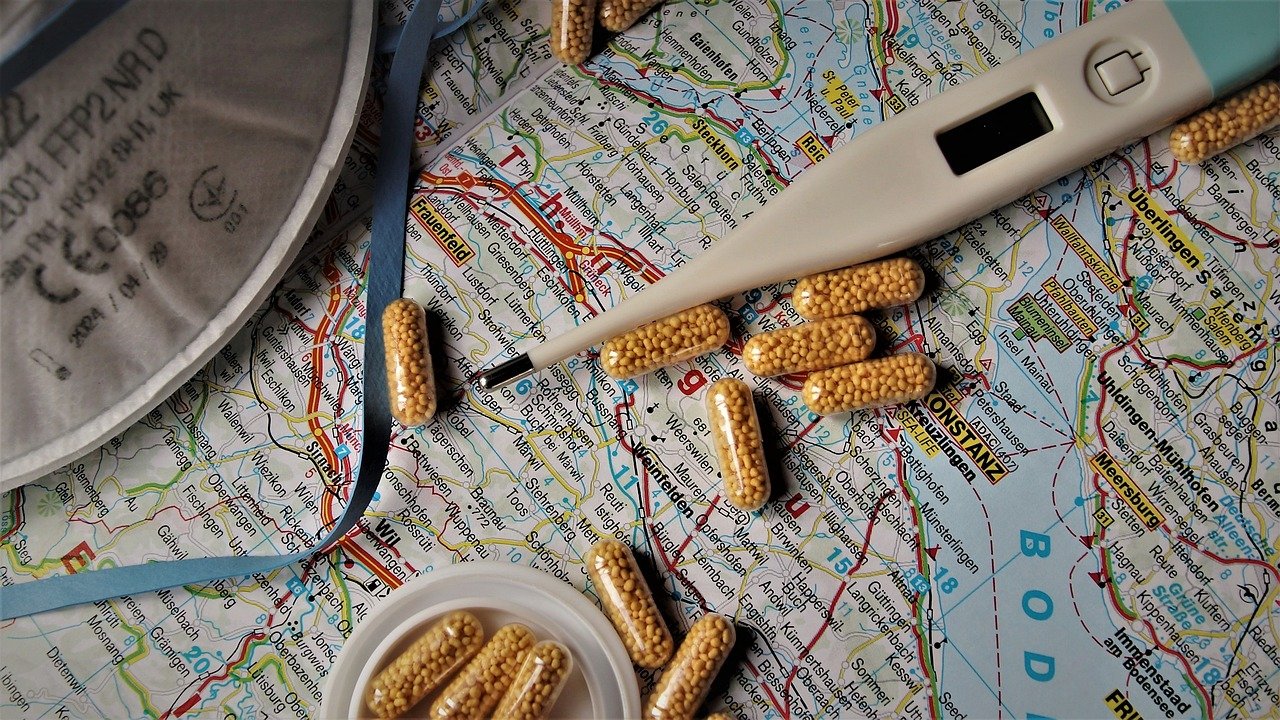
Image credited by @Pixabay
Health Concerns Prompt Immediate Closure
Liverpool residents were recently informed of the sudden closure of one of the city’s prominent leisure centres following the detection of Legionella bacteria in its water system. Legionella, a bacterium that can cause Legionnaires’ disease, is particularly dangerous to the elderly, people with weakened immune systems, and those with pre-existing respiratory conditions. The discovery has prompted an immediate halt to all public access as officials assess and contain potential risks. The leisure centre serves as a hub for thousands of residents, offering gym facilities, swimming pools, and community activity spaces. Its unexpected closure has disrupted the routines of local fitness enthusiasts and swimming clubs who rely on the centre for training and recreational purposes. Residents expressed concern over cancelled classes and competitions, highlighting the broader impact on community well-being.
City health officials emphasised that routine water testing, which led to the discovery, is a standard safety measure. Such testing is vital in preventing outbreaks and ensuring that public facilities comply with stringent hygiene regulations. The precautionary closure reflects the council’s commitment to public safety, even when no active infections have been reported.
Immediate measures were taken, including cordoning off affected areas, informing staff and visitors, and notifying public health authorities. A specialised cleaning and decontamination team has been mobilised to treat the water systems. This includes flushing pipes, disinfecting tanks, and monitoring water temperature levels to eradicate any traces of the bacterium.
While Legionella is not easily transmitted, it can become a severe health risk if inhaled through contaminated water droplets, such as those produced in showers or pool sprays. Public health advice has been issued, urging residents who may have recently used the centre and feel unwell to seek medical attention promptly.
Local community groups have expressed both understanding and frustration. Many residents appreciate the council’s swift action to prevent potential health issues, yet the disruption to fitness routines and community activities is a significant concern. Some schools and swimming programmes have had to find alternative venues, a logistical challenge given the limited availability of nearby facilities.
Experts in public health stress that Legionella outbreaks are rare when proper maintenance and monitoring systems are in place. The situation in Liverpool serves as a reminder of the importance of regular inspections and adherence to safety standards in public water systems. The council plans to release regular updates on the progress of the cleaning and safety verification process.
Residents are encouraged to stay informed through official Liverpool City Council communications and local news outlets. Transparency and timely information remain crucial in maintaining public confidence and ensuring that everyone can resume normal activities safely once the centre reopens.
Impact on Local Community and Fitness Programs
The unexpected closure of Liverpool’s leisure centre due to Legionella contamination has sent ripples through the local community, affecting a wide range of fitness programmes, swimming classes, and recreational activities. For many residents, the leisure centre is more than a gym or pool—it is a social hub where friendships are built, classes are attended regularly, and health routines are maintained. The sudden halt has left gym-goers scrambling to find alternative spaces, with private gyms and nearby facilities quickly becoming overcrowded. Swimming clubs, in particular, have faced significant disruption. Regular training sessions, swim meets, and community events scheduled at the centre have either been postponed or relocated, creating scheduling challenges. Young swimmers and competitive athletes face uncertainty over access to pool time, which is essential for skill development and competition preparation. Coaches are working to adapt, but options remain limited in the short term.
Community programmes also feel the impact. Exercise classes designed for seniors, rehabilitation sessions for those recovering from injury, and wellness workshops have all been affected. Many of these programmes rely on the controlled environment of the leisure centre, with accessible equipment and trained staff available. Disruptions can delay progress for participants and may affect attendance in the coming weeks.
Schools that utilise the leisure centre for physical education have been forced to reconsider their timetables. Substitute venues are limited, and transporting students to alternative locations poses logistical challenges. Teachers and administrators are collaborating with local authorities to identify temporary solutions, but many worry that the quality of physical education may be compromised until the centre reopens.
Local residents have expressed mixed reactions. While the closure is understood as a necessary public health precaution, frustrations are mounting over the inconvenience it causes. Parents juggling children’s classes, gym members maintaining fitness routines, and individuals relying on aquatic therapy all face disruptions to their schedules. The closure highlights how a single facility can play a pivotal role in community health and well-being.
Business operators nearby have also felt indirect effects. Cafes, shops, and service providers that benefit from foot traffic from leisure centre visitors have noticed a decline in customers. While temporary, the economic impact demonstrates how health safety measures, while necessary, can affect wider local commerce.
Authorities are actively exploring solutions to minimise disruption. Suggestions include temporary relocation of fitness classes to school gyms, partnerships with private facilities for swimming sessions, and online exercise programmes to maintain community engagement. The council is committed to ensuring that residents can continue to access fitness and wellness services safely during the closure.
Public communication remains a priority. Regular updates on the status of water system cleaning, safety inspections, and reopening timelines are being shared through official channels. Community leaders encourage residents to stay informed and patient, emphasising that health and safety are paramount.
The closure serves as a reminder of the interconnectedness of public facilities and community life. While inconvenient, the temporary halt in operations ensures that once reopened, the leisure centre will be fully safe for all users, allowing the community to resume activities without risk.
Understanding Legionella and Legionnaires’ Disease
Legionella bacteria, responsible for Legionnaires’ disease, are naturally occurring microorganisms found in freshwater environments, such as lakes and rivers. However, they can become a serious health risk when they multiply in man-made water systems, including leisure centre pools, hot tubs, and plumbing systems. If inhaled through contaminated water droplets, Legionella can cause severe respiratory illness, ranging from flu-like symptoms to life-threatening pneumonia, particularly in vulnerable populations such as the elderly or immunocompromised individuals. The bacteria thrive in warm water, typically between 20°C and 45°C, which makes public facilities with heating systems or water storage tanks particularly susceptible. Stagnant water, biofilm buildup, and improper maintenance can increase the risk of Legionella proliferation. This explains why regular monitoring and maintenance of water systems are essential, especially in high-traffic public areas like Liverpool’s leisure centres.
Legionnaires’ disease is contracted primarily through inhalation, not through drinking contaminated water, which differentiates it from other waterborne illnesses. Symptoms often appear two to ten days after exposure and include high fever, chills, coughing, shortness of breath, and muscle aches. In severe cases, it can progress to pneumonia and require intensive medical care. Early detection and treatment with antibiotics significantly reduce health risks.
Public health authorities emphasise that routine testing and adherence to safety standards are crucial for preventing outbreaks. Leisure centres in Liverpool, like elsewhere in the UK, are legally required to carry out regular water sampling and risk assessments to identify any presence of Legionella. The recent closure reflects the system’s diligence in following these strict protocols, ensuring public safety before any potential exposure occurs.
The detection of Legionella in the leisure centre water system is a reminder of the hidden risks in communal spaces. While the bacteria are not easily transmitted from person to person, they pose a significant concern if aerosolised in showers, swimming pools, or spa facilities. This is why immediate action, including closure and disinfection, is a standard response to such findings.
Liverpool City Council has assured residents that all necessary steps are being taken to neutralise the bacteria and prevent any health issues. Water systems are undergoing thorough cleaning and disinfection, including temperature regulation, chemical treatment, and repeated testing to confirm safety. Only after all measures are successfully implemented will the facility reopen.
Educational campaigns about Legionella have also been intensified. Local health authorities are urging residents to be aware of symptoms and seek prompt medical attention if they feel unwell following visits to public facilities. Awareness and vigilance are key components of community health, complementing preventive measures taken by facility managers.
This incident highlights the importance of balancing public access with health precautions. While closures disrupt daily routines, they ensure that once the leisure centre reopens, residents can confidently resume fitness and recreational activities without health risks. The council’s proactive approach underscores a commitment to public safety and accountability.
Official Statements from Liverpool City Council
Liverpool City Council has issued a series of official statements regarding the Legionella detection at the city’s leisure centre, aiming to reassure residents while providing clear guidance on next steps. Council officials emphasised that the closure is a precautionary measure, taken to protect public health and prevent any potential exposure to the bacteria. They highlighted that routine inspections and water testing are in place across all public facilities, ensuring early detection and swift action when risks are identified. The council confirmed that no cases of Legionnaires’ disease have been reported in connection with the leisure centre. Health and safety remain a top priority, and the closure allows specialist teams to conduct a comprehensive decontamination of the facility. Public statements underline that transparency is key in maintaining community trust, particularly during incidents that impact daily routines and recreational activities.
In their communications, council representatives detailed the procedures being undertaken to eliminate Legionella from the water system. These include flushing and disinfecting pipes, treating storage tanks with approved chemical agents, and adjusting water temperatures to levels that prevent bacterial growth. The council also mentioned that independent water quality experts are monitoring the process to ensure that all safety standards are strictly met.
Residents were urged to stay informed through official council channels rather than relying on social media speculation, which can spread misinformation. The council is committed to providing regular updates on the progress of the cleaning and inspection process, including expected reopening timelines once the facility is deemed safe.
Local councillors addressed the community, acknowledging the inconvenience caused by the closure but reiterating that public safety cannot be compromised. They expressed appreciation for residents’ patience and encouraged fitness enthusiasts to explore temporary alternatives while the leisure centre undergoes remediation.
Additionally, the council confirmed that staff and visitors who had recently used the facility would be contacted directly if any health risks were identified. Guidance was provided on recognising symptoms of Legionnaires’ disease and advised that anyone feeling unwell should seek prompt medical attention. Public health coordination between the council and local NHS services has been strengthened to ensure rapid response if needed.
Officials also highlighted the importance of preventive maintenance, stating that the detection demonstrates the effectiveness of existing monitoring systems. Without regular inspections and testing, Legionella could go undetected, potentially leading to serious health incidents. The council views this closure as an opportunity to reinforce water safety standards across all municipal facilities.
Community feedback has been taken into account, with the council exploring temporary solutions for classes, swim programmes, and community activities. Local schools and clubs are being assisted in finding alternate venues, and online fitness sessions have been suggested to minimise disruption for residents who rely on the centre for health and wellness.
Liverpool City Council concluded their statements by reaffirming their dedication to public safety, transparency, and efficient remediation. Residents are assured that the leisure centre will reopen only when all water systems meet stringent safety standards and the risk of Legionella has been completely eradicated.
Temporary Measures and Alternative Facilities
With the leisure centre closed due to Legionella concerns, Liverpool City Council has introduced temporary measures to minimise disruption for residents who rely on the facility for fitness, swimming, and community programmes. One of the primary strategies has been the identification of alternative venues for scheduled classes, swimming lessons, and recreational activities. Nearby sports halls, community centres, and private gyms have been approached to accommodate displaced programmes, although availability is limited due to high demand. Fitness instructors and club organisers have had to adjust schedules, sometimes splitting classes across multiple locations or reducing participant numbers to comply with space restrictions. Swimming clubs face particular challenges, as access to suitable pool facilities is limited in Liverpool. Some clubs have temporarily suspended training, while others have sought partnerships with neighbouring councils or private leisure providers to ensure continuity for competitive swimmers.
Schools that routinely use the leisure centre for physical education are exploring temporary relocation options, including nearby secondary school pools or outdoor sports fields. Although logistical challenges persist, these measures aim to ensure that students continue to receive adequate physical activity opportunities during the closure. Teachers and administrators have expressed concerns about transportation and safety, emphasising the need for clear communication between schools, parents, and the council.
For individual gym-goers, local authorities have suggested alternative fitness options, including private gyms, outdoor exercise areas, and online training programmes. Digital fitness sessions have seen a rise in participation, offering residents a way to maintain exercise routines while avoiding the closed facility. The council has also encouraged residents to explore walking, cycling, and other outdoor activities as supplementary options for maintaining physical health.
Public communication has played a crucial role in implementing temporary measures. Regular updates are being provided via the council’s website, newsletters, and social media channels, outlining available facilities, schedules, and health guidance. Clear communication is essential to minimise confusion and ensure residents know where and how to access alternative services safely.
Special attention has been given to vulnerable groups, including elderly residents and those undergoing rehabilitation. The council is coordinating with local health services to provide accessible options for exercise and therapy, ensuring that the closure does not disproportionately affect those who rely on the leisure centre for medical or therapeutic purposes.
Local community organisations have also stepped in to offer temporary solutions. Volunteer-led programmes, pop-up fitness classes, and shared facility initiatives are helping bridge gaps in services during the closure. These measures demonstrate a community-driven approach to maintaining health and wellness despite unforeseen disruptions.
The temporary adjustments highlight the wider implications of public facility closures. Beyond individual inconvenience, the closure impacts local businesses, social programmes, and community cohesion. While these measures cannot fully replicate the leisure centre experience, they provide vital support until the facility is safe to reopen.
Public Health Guidance and Safety Precautions
In response to the Legionella detection at Liverpool’s leisure centre, public health authorities have issued detailed guidance to residents to ensure safety and awareness during the closure. Legionella bacteria can cause Legionnaires’ disease if inhaled through contaminated water droplets, making timely information crucial for preventing illness. The council has emphasised that no cases have been reported, but precautionary measures remain essential. Residents who recently used the leisure centre are advised to monitor their health for symptoms associated with Legionnaires’ disease. Common signs include high fever, persistent cough, shortness of breath, muscle aches, and headaches. Anyone experiencing these symptoms is urged to seek immediate medical attention and inform healthcare providers about possible exposure to Legionella. Early diagnosis and treatment with antibiotics significantly reduce the risk of severe illness.
Public guidance also extends to household safety, particularly for residents with private pools, hot tubs, or water systems that could theoretically harbour Legionella. Routine cleaning, water temperature control, and regular inspections are recommended to prevent bacterial growth. While the risk in private homes is lower than in large communal facilities, awareness and preventive measures remain important.
The council has reinforced the importance of following official updates rather than relying on social media or unofficial sources. Accurate information is provided through the Liverpool City Council website, press releases, and local news outlets. This approach ensures residents receive verified instructions on health precautions, reopening schedules, and temporary service alternatives.
Health authorities have stressed that Legionella is not transmitted from person to person, so there is no risk to family members or close contacts unless they are exposed to contaminated water sources. This clarification helps alleviate public anxiety and focuses attention on proper hygiene and awareness of symptoms.
Temporary signage and notices at the leisure centre inform visitors about the closure and provide advice on monitoring symptoms. Staff have been trained to answer questions and direct residents to appropriate health services if needed. The council’s coordinated response demonstrates the integration of public health guidance with practical safety measures.
Efforts are also being made to educate the community about long-term Legionella prevention. Workshops, online materials, and public notices encourage understanding of how bacteria can grow in water systems, the importance of routine testing, and the role of environmental maintenance in preventing outbreaks. Such initiatives enhance public confidence in the safety of communal facilities once they reopen.
Through transparent communication, timely updates, and clear health guidance, Liverpool City Council and local health authorities aim to mitigate risks while keeping residents informed. By prioritising safety and awareness, they ensure that the community can continue daily activities with confidence once the leisure centre resumes operations.
Timeline for Reopening and Future Precautions
Liverpool City Council has provided a projected timeline for the reopening of the leisure centre, although the exact date remains contingent on the successful elimination of Legionella bacteria from the water systems. The remediation process involves thorough cleaning, chemical treatment, flushing of pipes, and repeated water testing to ensure that all standards of safety are met. Council officials have emphasised that reopening will only occur once the facility is fully certified as safe for public use. The remediation timeline is expected to take several weeks, during which all activities at the leisure centre will remain suspended. Residents and community organisations are being kept informed through regular updates, allowing them to plan temporary alternatives for fitness programmes, swim lessons, and other recreational activities. Communication efforts include email notifications, social media updates, and postings on the council website.
Preventive measures for the future are a major focus. The council intends to review and strengthen routine water system monitoring, implementing enhanced checks to detect potential bacterial growth before it poses a risk. This includes more frequent sampling, improved temperature controls, and regular inspections of storage tanks and plumbing systems. By adopting these measures, Liverpool aims to prevent similar closures in other public facilities.
Staff training is also being updated to reflect the lessons learned from the current closure. Employees responsible for maintenance, cleaning, and health and safety procedures will receive additional guidance on Legionella prevention, emergency response, and communication protocols. This ensures a proactive approach to public health management.
Community feedback has played a role in shaping these future precautions. Residents have highlighted the importance of clear communication, access to alternative facilities, and transparency in safety reporting. The council has committed to integrating this feedback into ongoing operational planning, fostering trust and collaboration with the community.
Schools, swimming clubs, and local fitness programmes are also being consulted to develop contingency plans for any future disruptions. These plans include temporary relocation options, flexible scheduling, and online fitness initiatives to ensure continuity of activities for all age groups.
The reopening phase will include a staged approach, initially allowing limited access to ensure water quality and facility safety are fully verified. Public health officials will continue monitoring the environment closely, and any detected anomalies will prompt immediate corrective action. This cautious approach prioritises resident safety above convenience or scheduling pressures.
Once reopened, the leisure centre will offer a safer, better-monitored environment for residents to resume their health and wellness activities. Enhanced maintenance protocols, staff training, and transparent reporting will help prevent future Legionella risks, ensuring long-term confidence in public facilities.
Call to Action: Staying Active and Safe During the Closure
While Liverpool’s leisure centre undergoes remediation for Legionella, residents are encouraged to explore alternative ways to stay active and maintain wellness. Physical activity is essential for both physical and mental health, and even temporary disruptions should not halt routines. Local authorities and community organisations are providing options to ensure fitness and recreational programmes continue safely during the closure. Residents can make use of nearby sports halls, community centres, and private gyms that have agreed to host temporarily relocated classes. Booking early is recommended, as these venues may have limited space due to high demand. Swimming clubs and lessons can be coordinated with neighbouring facilities, and some clubs are exploring partnerships with private pool operators to ensure continuity of aquatic training.
For individuals unable to access alternative facilities, home-based fitness programmes offer practical solutions. Online classes, virtual personal training sessions, and video-guided workouts can help maintain exercise routines. Residents are encouraged to set daily goals, explore bodyweight exercises, and incorporate activities such as walking, jogging, or cycling into their schedules. These measures not only promote physical health but also support mental well-being during temporary disruptions.
Families can involve children in creative fitness activities at home or in nearby parks. Games, outdoor sports, and family exercise sessions help maintain activity levels while fostering bonding and engagement. Schools and youth organisations are also encouraged to integrate adaptable exercise programmes during the leisure centre closure.
Community-led initiatives are playing a significant role in bridging gaps during the closure. Volunteer-led fitness sessions, pop-up classes, and outdoor group activities are being organised to provide safe, accessible alternatives. Residents are encouraged to participate in these initiatives, supporting both personal health and community cohesion.
Elderly residents and those with medical needs should prioritise safe, low-impact activities. Local physiotherapists and healthcare providers are advising on suitable exercises, ensuring that routines are effective yet safe. Adapted programmes and monitored sessions provide continuity for rehabilitation and therapeutic activities previously conducted at the leisure centre.
Staying informed is crucial. Residents should regularly check Liverpool City Council updates for reopening schedules, health guidance, and available alternative facilities. Transparent communication ensures that everyone can plan activities safely and efficiently. By staying connected with official channels, residents minimise risks and remain confident in the safety of communal resources.
Finally, the closure serves as a reminder of the importance of preventive measures and public health awareness. While temporary, these disruptions highlight the value of vigilance, responsible facility management, and community cooperation. Residents are encouraged to engage actively, adopt alternative fitness solutions, and support one another until the leisure centre reopens.
AI Overview: Monitoring Public Health Risks in Community Facilities
The Liverpool leisure centre Legionella closure illustrates the critical role of technology and AI in monitoring and managing public health risks in community facilities. Artificial intelligence and advanced data analytics are increasingly being integrated into facility management systems, providing real-time monitoring of water systems, environmental conditions, and compliance with health standards. These systems can detect anomalies such as temperature fluctuations or bacterial growth potential, allowing for early interventions that prevent health hazards before they escalate. AI-powered water monitoring systems use sensors placed throughout plumbing networks, pools, and heating systems to continuously measure temperature, pH levels, and microbial activity. This data is transmitted to central dashboards where AI algorithms analyse patterns, identify irregularities, and flag potential risks. In the context of Legionella prevention, AI can predict areas of stagnation or biofilm buildup, which are conducive to bacterial growth, prompting maintenance teams to take preemptive action.
Machine learning models enhance predictive maintenance by learning from historical data and past incidents. For example, if a water system in a leisure centre previously exhibited conditions conducive to Legionella growth, AI algorithms can prioritise inspections, schedule cleaning, and recommend chemical treatments before bacteria reach harmful levels. This predictive approach reduces the likelihood of sudden facility closures and minimises public health risks.
AI also supports risk communication and public engagement. Chatbots, automated alerts, and mobile notifications can provide residents with real-time updates about facility closures, health guidance, and alternative services. During the Liverpool leisure centre closure, such AI-driven communication tools could inform gym members, swimming club participants, and school coordinators about temporary arrangements and safety precautions, ensuring timely and accurate information reaches all stakeholders.
Furthermore, AI can assist health authorities in tracking potential exposure and symptom reports in the community. By aggregating anonymised health data and cross-referencing with facility usage patterns, AI systems can identify trends, enabling faster response in case of emerging illnesses. Early detection and rapid response are essential in preventing outbreaks of Legionnaires’ disease and similar public health threats.
Beyond operational benefits, AI contributes to long-term safety planning. Data-driven insights from AI analysis help councils and facility managers design robust maintenance schedules, optimise water treatment processes, and implement standardised safety protocols across multiple locations. Lessons learned from one facility can be applied to others, enhancing overall resilience in urban public health infrastructure.
In addition, AI-supported simulations can model different contamination scenarios, allowing managers to test preventive measures virtually before applying them in real-world settings. This proactive approach reduces operational risks, improves decision-making, and builds public confidence in the safety of communal facilities.
While AI cannot replace human expertise, it significantly enhances monitoring, predictive capabilities, and risk management in public health contexts. In Liverpool, integrating AI-driven systems with traditional inspections ensures a multi-layered approach to preventing Legionella outbreaks and maintaining safe, reliable community facilities.
Finally, the Liverpool leisure centre case demonstrates the potential of AI to safeguard public health, minimise disruption, and maintain community trust. By combining technology with transparent communication and rigorous safety protocols, local authorities can ensure residents continue to access fitness, recreation, and wellness services safely.
FAQs: Liverpool Leisure Centre Legionella Closure
1. Why was the Liverpool leisure centre closed?
The leisure centre was closed after routine water testing detected the presence of Legionella bacteria. The closure is a precautionary measure to prevent potential exposure to Legionnaires’ disease, a serious respiratory illness.
2. What is Legionella and how does it affect health?
Legionella is a bacterium found in freshwater that can multiply in man-made water systems. If inhaled through contaminated water droplets, it can cause Legionnaires’ disease, leading to symptoms like high fever, cough, muscle aches, and pneumonia in severe cases.
3. Is there a risk of infection for residents?
At present, there is no evidence of infection among residents. The closure is preventative, and public health authorities are monitoring the situation closely. Risk is primarily associated with inhaling aerosolised contaminated water.
4. How long will the leisure centre remain closed?
The reopening timeline depends on successful remediation, including cleaning, chemical treatment, and repeated water testing. The process may take several weeks, and the centre will reopen only when it is fully safe.
5. What temporary measures are in place for fitness and swimming programmes?
Alternative venues such as nearby sports halls, community centres, and private gyms are being arranged. Online fitness classes and outdoor activities are also recommended to maintain routines during the closure.
6. How is the council ensuring public safety?
The council is conducting thorough decontamination, adjusting water temperatures, performing repeated tests, and coordinating with public health authorities. Transparent communication ensures residents are informed of progress and safety measures.
7. Who is most at risk from Legionella?
The elderly, people with weakened immune systems, smokers, and individuals with pre-existing respiratory conditions are more vulnerable. Healthy individuals have a lower risk, but precautions are still essential.
8. What should residents do if they feel unwell?
Residents who recently visited the leisure centre and experience symptoms such as fever, cough, or shortness of breath should seek immediate medical attention and inform healthcare providers about potential exposure to Legionella.
9. Can Legionella spread from person to person?
No, Legionella is not transmitted between people. Infection occurs through inhalation of contaminated water droplets, so household or community transmission is extremely rare.
10. How will the council prevent future Legionella outbreaks?
Enhanced monitoring, routine water system checks, improved staff training, and predictive maintenance using advanced technologies will help prevent future outbreaks. Public health education and transparent reporting also support long-term safety.
People Also Ask (Why): Liverpool Leisure Centre Legionella Closure
1. Why was Legionella found in the leisure centre?
Legionella bacteria were detected during routine water testing. Warm, stagnant water in communal plumbing systems can create conditions conducive to bacterial growth. Regular monitoring helps identify these risks early.
2. Why is the leisure centre closure necessary?
The closure is a precaution to prevent residents from exposure to potentially contaminated water. Even though no infections have been reported, temporarily halting access ensures public safety while remediation occurs.
3. Why is Legionella more dangerous to certain people?
Elderly individuals, those with weakened immune systems, smokers, and people with respiratory conditions are more susceptible to Legionnaires’ disease. Their bodies may be less able to fight off bacterial infections effectively.
4. Why can’t residents use the leisure centre while cleaning is in progress?
During decontamination, water systems are treated with chemicals and temperatures are adjusted to kill bacteria. Access during this period could result in exposure to unsafe water or aerosols, posing a health risk.
5. Why are alternative fitness options limited?
Nearby facilities are in high demand, and not all venues can accommodate swimming or specialised fitness classes. Logistics, availability, and space constraints limit temporary alternatives, making planning essential.
6. Why is repeated water testing required?
Legionella eradication requires confirmation that bacteria have been fully eliminated. Repeated testing ensures water systems are safe and meet regulatory standards before reopening.
7. Why does the council emphasise public communication?
Transparent updates maintain community trust, reduce misinformation, and provide guidance on health precautions, alternative programmes, and reopening timelines. Timely communication is key during public health incidents.
8. Why can’t Legionella spread from person to person?
The bacterium only infects humans through inhalation of contaminated water droplets. It does not transmit via direct contact or airborne person-to-person spread, making it primarily an environmental hazard.
9. Why is AI being used in monitoring public facilities?
AI helps predict potential bacterial growth, monitors water system conditions in real-time, and alerts authorities to irregularities. This proactive approach reduces the risk of Legionella outbreaks and supports preventive maintenance.
10. Why is preventive maintenance crucial for leisure centres?
Routine cleaning, water treatment, temperature regulation, and monitoring prevent bacterial proliferation. Consistent maintenance reduces the likelihood of closures and protects public health.
The closure of Liverpool’s leisure centre due to Legionella contamination underscores the importance of vigilance, preventive measures, and community safety in public facilities. While the disruption is inconvenient for residents, swimming clubs, and local schools, the council’s proactive approach highlights a commitment to protecting public health and ensuring that facilities remain safe for long-term use. The incident serves as a reminder of the critical balance between accessibility and safety in communal spaces. Preventive maintenance, routine water testing, and adherence to strict health regulations are essential to prevent bacterial outbreaks. Liverpool City Council’s swift action—closing the centre, conducting thorough remediation, and communicating transparently with the community—demonstrates best practices in public health management. These measures reassure residents that their well-being is the top priority.
The impact on the community, while temporary, has highlighted the interconnectedness of public facilities with daily life. Fitness routines, swimming lessons, school activities, and local economic activity are all affected when such closures occur. Temporary alternatives, digital fitness solutions, and community-led initiatives have played a vital role in mitigating disruptions, illustrating the resilience and adaptability of the Liverpool community.
Education and awareness remain key components of public health safety. Understanding Legionella, its risks, and prevention strategies ensures that residents are informed, vigilant, and prepared. By promoting awareness alongside practical measures, the council helps reduce the likelihood of future health incidents while maintaining public confidence.
Emerging technologies, particularly AI, offer additional support in monitoring and preventing risks. Predictive analytics, real-time water monitoring, and automated alerts provide a proactive approach to public health, complementing traditional inspections and safety protocols. Leveraging these tools ensures that Liverpool’s public facilities can maintain high standards of safety while minimising operational disruptions.
Ultimately, the Liverpool leisure centre case demonstrates the importance of combining rigorous safety standards, technological innovation, and community engagement. Residents are encouraged to remain informed, adopt alternative fitness solutions, and prioritise health during temporary closures. Once the facility reopens, enhanced maintenance, staff training, and monitoring systems will provide a safer, more reliable environment for all.
The experience also reinforces the broader lesson that public health vigilance benefits everyone. By supporting transparent practices, adhering to preventive measures, and cooperating with authorities during closures, communities contribute to safer, healthier shared spaces. Liverpool’s approach serves as a model for other urban centres, showing how proactive management and clear communication can protect residents while maintaining access to essential public amenities.
In conclusion, while the Legionella closure presents challenges, it is ultimately a necessary step to safeguard health. Residents can look forward to the leisure centre reopening with improved safety protocols, stronger preventive measures, and renewed confidence in the facility. This incident is a testament to the city’s dedication to public health, community resilience, and long-term safety in shared spaces.
For More News Insights:
Liverpool Gunman Shooting on Manley Road Investigation 2025
Liverpool Transport & Roadworks Updates November 2025
Liverpool Environmental Initiatives & Community Clean-Up Projects 2025
Sara Cox Fundraising Efforts 2025: Raising £9.5 Million for Children in Need
For More News; Liverpool Herald
About the Author
