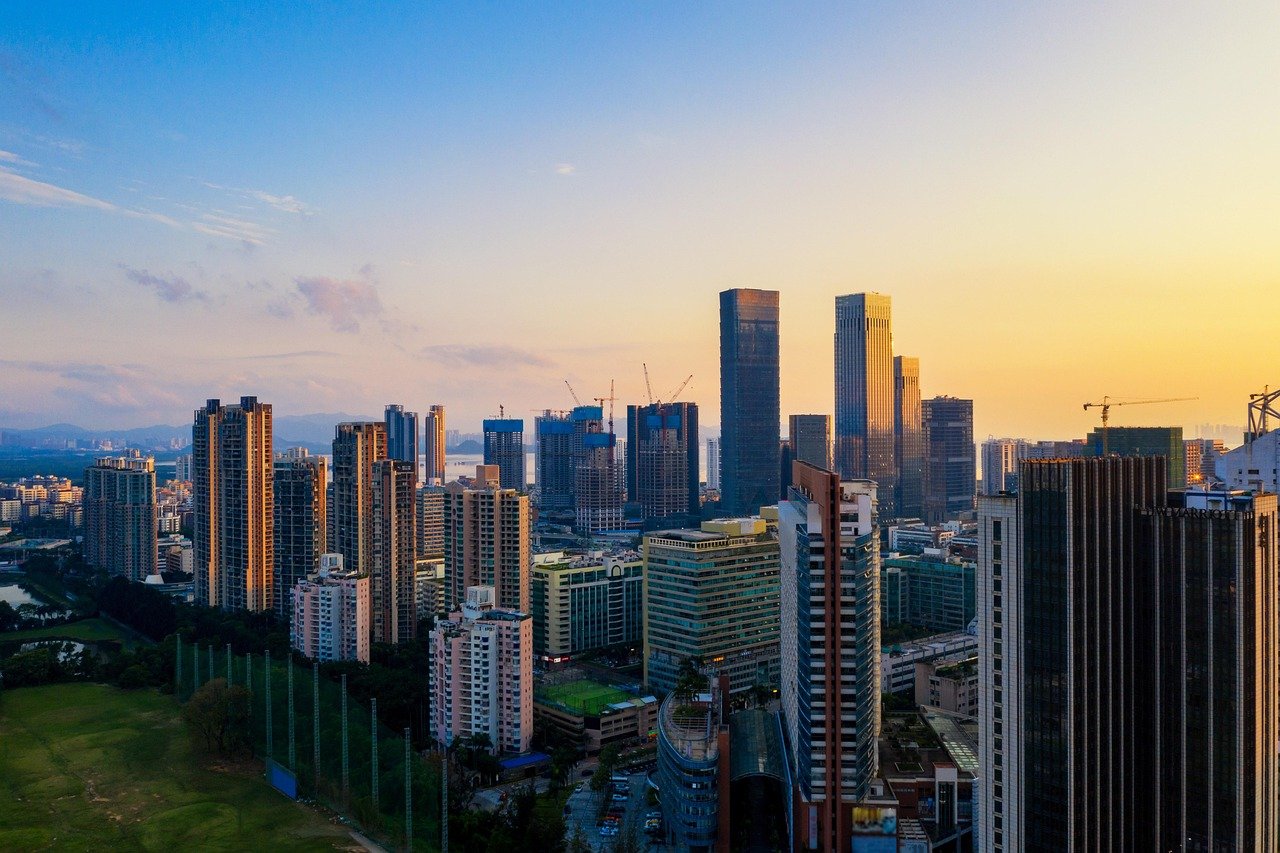
Image credited by @Pixabay
Liverpool’s office market in 2025 is entering a phase of significant transformation, reflecting wider changes across the UK commercial property sector. The city continues to balance traditional office spaces with a growing demand for flexible, hybrid work environments that cater to evolving business needs. Companies are increasingly prioritising locations offering accessibility, high-quality amenities, and strong connectivity to transport hubs and cultural centres. Areas such as the Baltic Triangle, Liverpool One, and the waterfront districts remain particularly attractive to businesses looking for modern, well-located office spaces.
Demand for Grade A office accommodation has grown steadily, especially among technology, media, and professional service firms. Sustainability is a key driver, with businesses favouring energy-efficient buildings that support net-zero ambitions. Older office stock, however, continues to face challenges, with higher vacancy rates in some secondary locations. Developers are addressing this by refurbishing existing buildings to meet contemporary standards, including modern layouts, integrated technology, and wellness-focused facilities.
Rental values in Liverpool’s prime office locations have shown a moderate upward trend, driven by strong tenant demand for high-quality, flexible workspaces. Lease structures are also evolving, with more short-term and hybrid arrangements becoming standard. This reflects broader changes in how companies approach office space, combining cost-efficiency with the need to support collaborative, in-person work environments. Secondary office spaces, meanwhile, require strategic repositioning or redevelopment to remain competitive in the current market.
The office market is closely linked to Liverpool’s economic fundamentals. Employment growth, population increases, and the city’s role as a regional business hub underpin demand for commercial property. However, macroeconomic factors such as inflation, interest rates, and post-pandemic business strategies continue to influence leasing and investment decisions. While some companies have reduced their physical footprint in favour of remote working, others see well-located offices as essential for attracting and retaining talent.
Investment activity in Liverpool remains steady, with domestic investors showing confidence in core and refurbished office assets. International interest is more selective but present, particularly for high-quality buildings in prime locations. Mixed-use developments that combine office space with residential, retail, and leisure components are increasingly popular, reflecting a trend toward creating vibrant, multifunctional neighbourhoods that appeal to both businesses and employees.
Technology is becoming a critical differentiator in Liverpool’s office market. Smart building systems for energy management, security, and workspace optimisation are now expected by tenants. High-speed connectivity, adaptable layouts, and wellness-focused amenities are helping landlords command premium rents. These features not only improve operational efficiency but also enhance employee experience, making buildings more desirable in a competitive leasing environment.
Sustainability continues to reshape office demand, with BREEAM and LEED-certified buildings increasingly sought after. Companies are keen to demonstrate environmental responsibility, while regulators and investors also factor sustainability into property valuations. Offices that combine modern infrastructure, environmental credentials, and flexible design are emerging as the most competitive, reinforcing Liverpool’s potential as a leading regional office hub.
In summary, Liverpool’s office market in 2025 reflects a dynamic mix of challenges and opportunities. Prime locations and modern, flexible workspaces are driving demand, while older and secondary offices face pressure to adapt. The combination of economic fundamentals, evolving workplace trends, sustainability priorities, and technological integration is positioning Liverpool as a resilient, forward-looking office market with strong prospects for growth.
Demand Drivers and Tenant Trends in Liverpool’s Office Market
Liverpool’s office market in 2025 is being shaped by a range of demand drivers, reflecting the evolving needs of modern businesses. Technology, professional services, and creative industries are increasingly dominating leasing activity, seeking spaces that support hybrid working models while offering high-quality amenities. Companies are prioritising locations that combine accessibility with vibrant surroundings, providing employees with a balance of work and lifestyle options. This shift has boosted demand for flexible office layouts, co-working spaces, and buildings that can adapt quickly to changing business requirements.
Sustainability considerations have become central to tenant decision-making. Firms are seeking energy-efficient offices with modern heating, cooling, and lighting systems that align with net-zero goals. Buildings with strong environmental credentials not only help companies reduce operational costs but also enhance their brand reputation. As a result, landlords are investing in refurbishments and green certifications to maintain competitiveness. Tenants now expect features such as low-carbon materials, efficient waste management systems, and renewable energy integration as standard offerings.
Flexible work arrangements are influencing how businesses approach office space in Liverpool. While some companies continue to maintain traditional full-time office setups, many are embracing hybrid models where employees split time between home and office. This has led to a higher emphasis on collaborative spaces, breakout areas, and technology-enabled meeting rooms. Offices are no longer just places to work; they have become hubs for creativity, engagement, and employee interaction, which increases the value of well-designed, adaptable spaces.
Liverpool’s demographic and economic growth is supporting office demand. A younger, tech-savvy workforce is attracted to the city due to its educational institutions, cultural offerings, and lifestyle amenities. Businesses are responding by locating in areas with easy access to transport and leisure facilities, recognising that employee experience is crucial for recruitment and retention. Prime locations such as the Baltic Triangle and waterfront districts are benefiting from this trend, as they combine modern infrastructure with lifestyle-oriented surroundings.
Investment trends in the office sector reflect these tenant preferences. Domestic investors are actively seeking Grade A assets in prime locations, while international buyers are selectively targeting high-quality, sustainable buildings. Mixed-use schemes are increasingly popular, integrating offices with residential, retail, and leisure facilities. These developments create vibrant communities that support businesses, attract talent, and enhance the overall appeal of Liverpool as a commercial hub.
Technological integration is also shaping tenant expectations. Smart building systems for energy management, security, and occupancy monitoring are now considered essential. High-speed internet, seamless connectivity, and advanced meeting room technologies are key selling points. Tenants are willing to pay premium rents for offices that enhance operational efficiency and employee satisfaction, pushing landlords to upgrade existing buildings or design new spaces with these requirements in mind.
The evolution of workplace culture has reinforced the importance of wellness and environmental factors in office selection. Amenities such as natural lighting, ventilation, green spaces, and fitness facilities are influencing leasing decisions. Companies increasingly recognise that employee wellbeing directly impacts productivity and retention, making these features an integral part of office design. Buildings that offer a combination of flexibility, sustainability, and wellness are therefore attracting the most interest.
In conclusion, tenant demand in Liverpool’s office market is driven by flexibility, sustainability, technological integration, and employee experience. Businesses are seeking spaces that not only meet functional requirements but also enhance brand image, attract talent, and support long-term operational goals. This evolving demand is shaping investment, development, and refurbishment strategies across the city, ensuring Liverpool remains a competitive regional office market.
Supply Dynamics and New Developments in Liverpool’s Office Market
Liverpool’s office supply in 2025 reflects a balance between existing stock, refurbishment projects, and new developments. While older office buildings remain a significant part of the market, many are undergoing modernisation to meet contemporary tenant expectations. Refurbishments focus on energy efficiency, flexible layouts, and technological upgrades, ensuring that older assets remain competitive with newly constructed Grade A spaces. This approach has helped stabilise vacancy rates and sustain rental growth in key commercial districts.
New office developments are concentrated in prime areas such as the Baltic Triangle, Liverpool One, and the waterfront districts. Developers are increasingly pursuing mixed-use schemes that combine office space with residential, retail, and leisure components, creating vibrant and multifunctional urban environments. These projects are designed to appeal to a broad range of tenants, from tech start-ups to professional services, offering modern layouts, collaborative zones, and sustainable building practices.
Flexible workspace providers have also expanded their presence in Liverpool, reflecting the growing demand for short-term leases and adaptable environments. Co-working spaces and serviced offices are particularly attractive to small businesses, freelancers, and satellite teams of larger organisations. This has introduced a new layer of competition in the office market, encouraging traditional landlords to innovate and diversify their offerings.
Despite strong demand in prime areas, secondary office locations continue to face challenges. High vacancy rates and outdated building stock require strategic repositioning to attract tenants. Some landlords are converting these spaces into residential, leisure, or mixed-use facilities, while others are investing in comprehensive refurbishments. Such interventions are essential to maintaining overall market stability and preventing oversupply in less desirable locations.
Sustainability and energy efficiency are increasingly embedded in supply strategies. New developments are built to meet high environmental standards, with features such as low-carbon materials, advanced heating and cooling systems, and integrated renewable energy solutions. These elements not only meet regulatory requirements but also align with tenant preferences, enhancing the attractiveness and long-term value of office assets.
Technological integration is a key differentiator in Liverpool’s office supply. Modern buildings feature smart systems for lighting, security, and energy management, as well as high-speed connectivity and collaborative tools. Landlords that prioritise digital infrastructure and adaptable layouts are better positioned to meet tenant needs, commanding higher rents and stronger occupancy rates.
The office pipeline in Liverpool also reflects broader urban regeneration efforts. Previously underutilised sites are being transformed into modern office complexes that contribute to the city’s economic growth and visual appeal. These developments often include public spaces, retail amenities, and transport improvements, making them attractive not only for businesses but also for employees and the wider community.
In summary, Liverpool’s office supply in 2025 is characterised by a blend of modernisation, new construction, and flexible solutions. Developers and landlords are focused on sustainability, technological integration, and mixed-use strategies to remain competitive. While challenges persist in secondary locations, the overall market demonstrates resilience, with prime and refurbished office spaces driving continued growth and positioning Liverpool as a forward-looking commercial hub.
Investment and Financing Trends in Liverpool’s Office Market
Liverpool’s office market in 2025 continues to attract significant investment, driven by the city’s position as a regional economic hub and the increasing demand for high-quality office space. Domestic investors remain the most active, focusing on prime locations and refurbished Grade A assets. These investments are underpinned by stable rental yields, long-term tenant demand, and Liverpool’s growing reputation as a centre for technology, creative industries, and professional services. The city’s economic resilience makes it an attractive proposition for investors seeking both income and capital growth.
International investment, although more selective, is gradually increasing. Overseas buyers are drawn to well-located, sustainable office buildings that align with ESG principles and offer modern amenities. The focus tends to be on larger-scale developments or mixed-use projects that provide diversified income streams. This selective approach reflects both market confidence in Liverpool and a cautious stance due to broader economic uncertainties, including interest rate fluctuations and global market volatility.
Financing conditions in 2025 are influenced by macroeconomic factors such as inflation, central bank interest rates, and lending policies. While borrowing costs have risen compared to previous years, banks and financial institutions remain supportive of well-structured office investments. Projects with strong sustainability credentials, secure pre-lets, or mixed-use elements are particularly favoured by lenders. This has encouraged developers to prioritise quality, flexibility, and energy-efficient design in new builds and refurbishments.
Investment strategies are increasingly shaped by tenant demand and long-term market trends. Investors are targeting properties that can adapt to hybrid working models, offer wellness-focused amenities, and incorporate smart technology. Buildings that meet these criteria tend to attract high-quality tenants and command premium rents. In contrast, secondary office assets often require repositioning or redevelopment to meet evolving market standards, creating opportunities for value-add strategies.
Mixed-use developments are a growing focus for both investors and developers. Integrating office space with residential, retail, and leisure components creates vibrant urban environments that appeal to businesses and employees alike. These schemes are particularly attractive in Liverpool, where connectivity, lifestyle, and urban regeneration are key considerations. Investors view mixed-use projects as a way to diversify income, mitigate risk, and enhance asset value over time.
Sustainability and ESG considerations are central to investment decision-making. Investors are increasingly prioritising energy-efficient, environmentally certified buildings that reduce operational costs and align with corporate social responsibility objectives. Properties with green credentials tend to attract premium tenants and are often more resilient to regulatory changes. This focus on sustainability is influencing both the types of assets being acquired and the terms of financing available in the market.
The competitive landscape for office investment in Liverpool is also shaped by the city’s regeneration initiatives. Waterfront developments, urban renewal projects, and improved infrastructure enhance the appeal of commercial properties and increase long-term value. Strategic acquisitions in these areas offer investors the potential for capital appreciation, as well as stable rental income from high-demand office tenants.
In conclusion, Liverpool’s office investment and financing trends in 2025 highlight a market focused on quality, flexibility, and sustainability. Domestic and international investors are attracted to prime locations, refurbished Grade A assets, and mixed-use developments that align with evolving tenant expectations. Financing remains accessible for well-structured projects, reinforcing the city’s status as a resilient and forward-looking office investment market.
Rental Performance and Occupancy Trends in Liverpool’s Office Market
Liverpool’s office rental market in 2025 shows a mixed but generally positive performance, reflecting the interplay between strong demand in prime locations and challenges in secondary areas. Grade A office spaces, particularly in central districts like the Baltic Triangle and Liverpool One, continue to attract high-quality tenants, resulting in upward pressure on rents. The combination of modern amenities, flexible layouts, and sustainability features has made these offices increasingly desirable for businesses seeking both functionality and prestige.
Occupancy levels across the city are showing signs of stabilisation, with prime offices achieving near-full occupancy in many cases. Secondary office buildings, however, still experience higher vacancy rates due to outdated layouts and less attractive locations. Landlords are responding by offering incentives, refurbishing spaces, or repositioning properties to meet contemporary tenant needs. This segmentation highlights the importance of location, building quality, and adaptability in securing tenants in 2025.
Shorter lease terms and flexible office arrangements are becoming more prevalent, reflecting changing business strategies and the continued adoption of hybrid working. Companies are less willing to commit to long-term leases in uncertain economic conditions, instead favouring adaptable spaces that can scale with their workforce. This trend is reshaping rental negotiations and lease structures, with landlords adjusting their offerings to remain competitive and maintain stable occupancy.
The rise of co-working and serviced office providers has also influenced rental dynamics. These operators offer flexible, fully equipped spaces that cater to small businesses, startups, and satellite teams. Their presence has introduced new competition for traditional office landlords, prompting enhancements in building services, shared amenities, and tenant engagement strategies. This evolution is raising overall standards in the office market while providing diverse options for tenants.
Economic and demographic factors continue to influence rental performance. Liverpool’s growing workforce, particularly in technology, creative, and professional service sectors, sustains demand for quality office space. Prime office locations with strong transport links, nearby amenities, and lifestyle appeal remain the most sought-after. As a result, rental growth is concentrated in areas that combine accessibility with high-quality infrastructure, while secondary locations may experience stagnation or require strategic repositioning.
Sustainability has become a key driver in rent-setting. Buildings with green certifications, energy-efficient systems, and low operational costs are commanding higher rents. Tenants increasingly value offices that contribute to corporate social responsibility goals and employee wellbeing, making environmentally conscious buildings more competitive. This trend reinforces the importance of upgrading existing stock and incorporating sustainability into new developments.
Technological integration is another factor shaping rental trends. Offices equipped with smart systems for lighting, climate control, security, and connectivity offer superior tenant experiences and justify premium rents. High-speed internet, adaptable layouts, and collaborative spaces are no longer optional but expected by modern tenants, creating a clear distinction between high-demand and underperforming properties.
In summary, Liverpool’s office rental and occupancy landscape in 2025 is characterised by strong performance in prime locations, growing demand for flexible and sustainable spaces, and ongoing challenges in secondary markets. Landlords and developers must continue to innovate, refurbish, and adapt to evolving tenant needs to maintain competitiveness, ensuring the city’s office market remains resilient and attractive.
Impact of Hybrid Work and Corporate Strategies on Liverpool Offices
The rise of hybrid working models is having a profound impact on Liverpool’s office market in 2025. Businesses are increasingly adopting flexible arrangements where employees split their time between home and office, reducing the need for large, permanent workspaces. This shift has forced companies to rethink office layouts, focusing on collaborative areas, technology-enabled meeting rooms, and shared facilities that enhance interaction and creativity. The traditional concept of a static office is giving way to adaptable environments that cater to diverse work styles.
Hybrid work has also influenced office location preferences. Tenants are prioritising buildings that are easily accessible, close to public transport, and integrated with lifestyle amenities. Central districts such as the Baltic Triangle and waterfront areas remain highly attractive due to their connectivity and vibrant surroundings. Companies recognise that strategically located offices can serve as hubs for team collaboration, client meetings, and brand representation, rather than simply functioning as daily workstations.
Corporate strategies are increasingly aligned with sustainability and wellbeing considerations. Employers are selecting office spaces that demonstrate environmental responsibility, offer wellness-focused amenities, and support employee engagement. Buildings with natural lighting, green spaces, fitness facilities, and flexible layouts are more appealing, reflecting the understanding that employee wellbeing directly impacts productivity and retention. This has reinforced the importance of high-quality office environments in Liverpool’s market.
The shift to hybrid work is also affecting space utilisation. Companies are seeking offices that allow for desk sharing, hot-desking, and agile workstations, reducing overall footprint while maintaining functionality. This trend has created opportunities for landlords to redesign existing spaces, incorporating more collaborative and multifunctional areas. Properties that can adapt to these new requirements are achieving higher occupancy and rental premiums.
Technology plays a central role in supporting hybrid working. Smart building systems, seamless connectivity, and cloud-based collaboration tools are increasingly essential in Liverpool’s office market. Tenants now expect offices to integrate these technologies to ensure productivity and communication, driving landlords to invest in upgrades and modern infrastructure. This technological evolution is redefining the standard for modern office space.
Corporate demand in Liverpool is also influenced by the need for brand representation and client engagement. Offices are no longer just functional spaces; they are critical for projecting corporate identity, attracting talent, and supporting business growth. Prime locations with modern design and high-quality amenities are particularly valued by companies looking to enhance their image and create positive experiences for clients and staff alike.
The adoption of hybrid working is accelerating the trend toward mixed-use developments. Combining office space with residential, leisure, and retail elements creates dynamic environments that cater to modern lifestyles. These schemes attract businesses and employees alike, supporting community engagement and enhancing the overall appeal of Liverpool as a commercial and cultural hub.
In conclusion, hybrid work and evolving corporate strategies are reshaping Liverpool’s office market in 2025. Flexible layouts, sustainable buildings, technological integration, and employee-focused amenities are now central to office demand. Landlords and developers who respond to these trends are better positioned to attract high-quality tenants and secure long-term growth in the city’s competitive office landscape.
Future Outlook and Emerging Opportunities in Liverpool’s Office Market
Liverpool’s office market in 2025 is poised for a period of cautious optimism, with opportunities emerging from changing work patterns, sustainability trends, and urban regeneration initiatives. The city’s economic fundamentals, including a growing workforce, strong transport links, and expanding knowledge-based sectors, underpin demand for quality office space. Investors and developers are increasingly focused on prime and refurbished assets, recognising the potential for stable rental income and long-term capital appreciation.
Mixed-use developments are shaping the future landscape of Liverpool’s office market. Projects that integrate office space with residential, retail, and leisure components create vibrant neighbourhoods that attract both businesses and employees. Such developments enhance the city’s appeal by combining work, lifestyle, and community amenities, supporting talent attraction and retention. This approach is becoming a strategic priority for developers and investors alike.
Sustainability and energy efficiency are expected to play an even more central role in Liverpool’s office market moving forward. Buildings that meet high environmental standards, incorporate renewable energy, and reduce carbon footprints will be increasingly sought after. Tenants and investors alike are factoring sustainability into their decision-making, driving the redevelopment of older stock and shaping the design of new office projects.
Technological advancements will continue to influence office demand. Smart building systems, integrated digital infrastructure, and flexible layouts are becoming baseline requirements for modern offices. Buildings that leverage technology to improve operational efficiency, connectivity, and employee experience are likely to command premium rents and maintain high occupancy rates. Landlords investing in these features are positioning themselves to meet evolving tenant expectations.
The hybrid working trend is expected to remain a significant influence on Liverpool’s office market. Companies are likely to continue adopting flexible arrangements, which will drive demand for collaborative spaces, hot-desking solutions, and multifunctional offices. Landlords who provide adaptable environments capable of supporting a range of work styles will have a competitive advantage in attracting high-quality tenants.
Secondary office locations in Liverpool also present opportunities for value creation. Strategic repositioning, refurbishment, or conversion into mixed-use assets can unlock potential in areas with higher vacancy or older building stock. These projects offer investors the chance to capitalise on changing market dynamics and urban regeneration efforts, contributing to overall market growth and diversification.
Emerging sectors such as technology, creative industries, and professional services are expected to drive future office demand. These industries value modern, flexible, and sustainable workspaces that support innovation and collaboration. As Liverpool continues to develop its digital infrastructure and foster sectoral growth, demand for high-quality office space is likely to increase, reinforcing the city’s status as a regional commercial hub.
In summary, Liverpool’s office market in 2025 and beyond presents a landscape of resilience and opportunity. Prime and modern office spaces, sustainability, technological integration, and mixed-use developments are central to future growth. While challenges remain in secondary markets, the city’s evolving economic, demographic, and lifestyle factors create a strong foundation for continued investment, development, and long-term market stability.
Call to Action: Navigating Liverpool’s Office Market in 2025
For businesses, investors, and developers, Liverpool’s office market in 2025 presents both challenges and opportunities that require strategic decision-making. Companies looking to secure prime office space should prioritise locations that combine accessibility, lifestyle amenities, and sustainable design. Engaging with landlords who offer flexible leases, technology-integrated facilities, and wellness-focused environments ensures that office spaces not only meet operational needs but also support employee satisfaction and productivity. Early engagement in leasing negotiations can secure competitive rental rates and desirable locations in high-demand areas.
Investors are encouraged to focus on quality assets in prime and regenerating areas. Refurbished Grade A offices, mixed-use developments, and sustainable buildings offer attractive long-term returns and resilience against market volatility. Strategic investments in secondary office spaces can also yield value through repositioning or conversion, especially when aligned with urban regeneration initiatives. Conducting thorough market research, understanding tenant demand, and incorporating sustainability criteria into investment decisions will enhance portfolio performance.
Developers should consider mixed-use projects that integrate office, residential, retail, and leisure components. These schemes create vibrant environments that attract businesses, employees, and residents alike. Incorporating smart building technologies, energy-efficient systems, and flexible layouts will meet modern tenant expectations and increase the long-term appeal of office developments. Collaboration with city planners and local authorities can also optimise project impact and secure approvals efficiently.
Businesses adopting hybrid working models must rethink office design to balance collaboration and remote work. Flexible workspaces, hot-desking, and multifunctional areas allow companies to adapt to changing workforce needs while maintaining productivity. Selecting offices that prioritise employee wellbeing, technological integration, and sustainability contributes to stronger engagement and retention. Planning ahead for hybrid work ensures that office space remains a strategic asset rather than a fixed cost.
Landlords can enhance occupancy and rental performance by responding to evolving tenant preferences. Modernising existing office stock, offering flexible lease structures, and integrating smart technologies are essential steps to maintain competitiveness. Sustainability credentials and wellness-focused amenities will increasingly differentiate properties in Liverpool’s office market, helping landlords attract premium tenants and achieve higher long-term yields.
Consultants, property managers, and market analysts can add value by providing data-driven insights into tenant demand, rental trends, and investment opportunities. Leveraging market intelligence supports informed decision-making, reduces risk, and identifies emerging opportunities in both prime and secondary office locations. Staying updated on technological and sustainability trends ensures clients and stakeholders remain ahead of market shifts.
Finally, businesses and investors should take a proactive approach to Liverpool’s evolving office landscape. Early engagement, strategic planning, and adaptability are key to capitalising on opportunities and mitigating risks. By aligning office requirements with market trends, sustainability objectives, and employee needs, stakeholders can ensure long-term success and a competitive advantage in Liverpool’s 2025 office market.
AI Overview: The Role of Technology in Shaping Liverpool’s Office Market
Artificial intelligence (AI) is increasingly influencing Liverpool’s office market in 2025, driving efficiency, sustainability, and tenant satisfaction. Modern office buildings are integrating AI-driven systems to optimise energy consumption, manage lighting and climate control, and improve overall operational performance. These smart technologies not only reduce costs for landlords and tenants but also enhance environmental performance, aligning with net-zero and sustainability goals that are central to both corporate and investor strategies.
AI is transforming how office spaces are utilised. Smart occupancy sensors and predictive analytics allow landlords to monitor space usage, identify underutilised areas, and optimise layouts to suit hybrid working patterns. For tenants, AI tools enable seamless booking of meeting rooms, efficient allocation of workstations, and improved collaboration across teams, creating a more productive and flexible work environment. These advancements are helping offices in Liverpool evolve from static workspaces to dynamic, user-centric hubs.
Tenant experience is being enhanced by AI-powered building management systems. Automated security, climate adjustment, and lighting systems create more comfortable and secure environments, while predictive maintenance reduces downtime and operational disruptions. AI also supports tenant engagement platforms that offer real-time feedback on workspace conditions, enabling landlords to proactively address issues and tailor services to occupant needs. This focus on experience is increasingly important for attracting and retaining high-quality tenants.
Investment decisions are also being influenced by AI. Predictive analytics and market modelling allow investors to forecast rental trends, occupancy rates, and asset performance with greater accuracy. By leveraging AI, investors can identify high-potential locations, optimise acquisition strategies, and mitigate risk. These tools provide a competitive advantage in Liverpool’s office market, enabling smarter, data-driven decisions that align with evolving tenant demands and market dynamics.
AI is contributing to sustainability efforts in Liverpool’s office sector. Smart energy management systems optimise heating, ventilation, and cooling based on real-time occupancy and weather patterns, reducing carbon emissions and energy costs. AI-driven monitoring of water usage, waste management, and building efficiency supports regulatory compliance and enhances the environmental credentials of office buildings, which is increasingly important to tenants and investors alike.
The integration of AI into office design and management is fostering innovation in workspace planning. Developers are using AI to model building layouts, predict space utilisation, and design flexible environments that can adapt to changing business needs. This ensures that new developments and refurbishments in Liverpool meet modern expectations for adaptability, sustainability, and user experience, reinforcing the city’s competitiveness in the regional office market.
AI also plays a role in market intelligence. Platforms leveraging machine learning aggregate data on leasing activity, rental performance, and tenant preferences, providing actionable insights for developers, landlords, and investors. This enables proactive decision-making and helps stakeholders stay ahead of market trends, whether in planning new projects or repositioning existing properties.
In conclusion, AI is reshaping Liverpool’s office market by driving efficiency, sustainability, and tenant satisfaction. From smart building management to predictive analytics for investment decisions, AI supports data-driven strategies that enhance operational performance, environmental impact, and market competitiveness. As businesses, investors, and developers continue to adopt AI-enabled solutions, Liverpool’s office sector is set to become smarter, more flexible, and more resilient, reflecting broader trends in modern commercial real estate.
FAQs: Liverpool Office Market 2025
What are the current rental trends in Liverpool’s office market?
Rental trends in Liverpool’s office market in 2025 show steady growth in prime locations, particularly for Grade A offices in central districts. Flexible leases and hybrid work arrangements are influencing rent structures, while secondary offices face stagnation or require refurbishment to attract tenants. Sustainability and technological integration are increasingly driving rental premiums.
Which areas in Liverpool are most sought after for office space?
High-demand areas include the Baltic Triangle, Liverpool One, and the waterfront districts. These locations offer strong connectivity, modern infrastructure, lifestyle amenities, and proximity to cultural and leisure hubs, making them attractive to businesses across technology, creative industries, and professional services.
How has hybrid working affected office demand in Liverpool?
Hybrid working has led to smaller, more flexible office requirements. Companies are focusing on collaborative zones, hot-desking, and multifunctional spaces rather than large, fixed desks. Prime offices with adaptable layouts and technology integration are particularly in demand, while secondary locations face occupancy challenges.
What role does sustainability play in Liverpool’s office market?
Sustainability is a key factor influencing tenant and investor decisions. Buildings with energy-efficient systems, green certifications, and low operational costs are attracting premium tenants. Developers are increasingly incorporating renewable energy and eco-friendly materials to meet ESG standards and corporate net-zero commitments.
Are mixed-use developments becoming more common?
Yes, mixed-use developments that combine office, residential, retail, and leisure spaces are increasingly popular. These schemes create vibrant, multifunctional urban environments that attract businesses and employees, supporting both economic growth and urban regeneration in Liverpool.
How are technology and AI impacting office spaces?
AI and smart building technologies are enhancing energy efficiency, security, and space utilisation. Predictive analytics, occupancy sensors, and automated systems optimise operations and improve tenant experience. Technology is also informing investment strategies and supporting flexible, hybrid work environments.
What investment opportunities exist in Liverpool’s office market?
Prime Grade A offices, refurbished properties, and mixed-use developments offer strong investment potential. Secondary offices can provide value-add opportunities through redevelopment or conversion. Investors are focusing on sustainability, location, and technological integration to ensure long-term returns.
What are the occupancy trends in 2025?
Occupancy is high in prime, modern office buildings, while secondary or older stock faces higher vacancies. Flexible leases, hybrid working, and co-working spaces are shaping how buildings are used, and landlords are increasingly adapting properties to maintain high occupancy levels.
How are landlords adapting to changing tenant demands?
Landlords are refurbishing existing buildings, offering flexible leases, integrating smart technologies, and incorporating sustainability features. Providing wellness amenities, collaborative spaces, and energy-efficient systems helps attract high-quality tenants and maintain competitive rental rates.
What is the outlook for Liverpool’s office market in the next few years?
The outlook is positive for prime and modern office spaces, with opportunities in mixed-use developments, sustainable buildings, and tech-enabled offices. Secondary locations may require repositioning, but overall, the market is expected to remain resilient and attractive for both tenants and investors.
People Also Ask (Why): Liverpool Office Market 2025
Why is Liverpool’s office market attracting increased investment?
Liverpool’s office market is attracting investment due to its status as a regional economic hub with strong transport links, a growing workforce, and diverse employment sectors. Prime locations and refurbished Grade A assets offer stable rental yields and potential capital appreciation. Investors are also drawn to mixed-use developments that combine office, residential, and leisure spaces, creating vibrant, multifunctional urban environments.
Why are hybrid working models influencing office demand?
Hybrid working has transformed how businesses use office space. Companies are seeking flexible, collaborative environments that support both in-person and remote work. This reduces the need for large, permanent workspaces and encourages designs with hot-desking, shared meeting areas, and adaptable layouts, particularly in high-demand locations like the Baltic Triangle and waterfront districts.
Why is sustainability a critical factor for tenants and investors?
Sustainability impacts both operational costs and brand reputation. Tenants prefer energy-efficient offices with green certifications, while investors seek environmentally responsible assets to align with ESG criteria and regulatory requirements. Buildings incorporating renewable energy, low-carbon materials, and energy management systems are increasingly commanding premium rents and higher long-term value.
Why are mixed-use developments gaining popularity?
Mixed-use developments offer a blend of office, residential, retail, and leisure spaces, creating vibrant communities that attract talent and businesses alike. These projects enhance urban appeal, support employee engagement, and provide diversified income streams for investors. In Liverpool, such developments help integrate offices into the wider city ecosystem, promoting growth and regeneration.
Why is technology and AI integration important in modern offices?
AI and smart building technologies improve efficiency, security, and tenant experience. Occupancy sensors, predictive maintenance, and automated climate control optimise energy usage and space utilisation. Additionally, technology supports hybrid working, streamlines operations, and informs investment decisions, making offices more competitive and attractive to modern tenants.
Why are secondary office locations facing challenges?
Older or less well-located offices often struggle to meet modern tenant expectations for flexibility, sustainability, and technological integration. High vacancy rates and outdated layouts make these properties less competitive. Strategic refurbishment, repositioning, or conversion into mixed-use spaces is necessary to unlock their potential and stabilise occupancy.
Why is Liverpool’s waterfront and Baltic Triangle particularly attractive?
These areas offer a combination of prime office infrastructure, connectivity, and lifestyle amenities. Proximity to cultural, leisure, and transport hubs makes them appealing to businesses and employees, supporting recruitment, retention, and collaborative work environments. The combination of modern buildings and vibrant surroundings enhances tenant satisfaction.
Why is flexible leasing becoming more common?
Flexible leases accommodate hybrid work arrangements, reduce long-term commitment risks, and provide scalability for growing or evolving businesses. Landlords offering short-term and adaptable lease options can attract a broader tenant base, maintain high occupancy, and respond effectively to shifting market conditions.
Why is Liverpool considered resilient in the office sector?
Liverpool’s economic diversity, regeneration initiatives, and strong demand for prime office spaces contribute to market resilience. Investment in sustainability, technology, and mixed-use developments supports long-term growth. Even secondary locations can benefit from strategic repositioning, ensuring overall stability and opportunity in the market.
Why should businesses act now when securing office space?
Early engagement in leasing negotiations allows businesses to secure prime locations, favourable rental rates, and offices that meet evolving hybrid work, sustainability, and technological needs. Acting proactively ensures access to high-demand properties, flexibility in design, and alignment with long-term corporate and operational goals.
Final Thoughts: Liverpool Office Market 2025
Liverpool’s office market in 2025 reflects a dynamic blend of opportunity, innovation, and strategic adaptation. The city has successfully positioned itself as a regional commercial hub, attracting businesses, investors, and developers through a combination of prime office locations, sustainable developments, and a growing knowledge-based workforce. Areas such as the Baltic Triangle, Liverpool One, and waterfront districts continue to command strong demand due to their connectivity, modern infrastructure, and lifestyle-oriented surroundings, making them highly attractive to companies across technology, creative, and professional service sectors.
Sustainability has emerged as a central theme, shaping both tenant demand and investment strategies. Energy-efficient buildings, green certifications, and net-zero aligned developments are now integral to Liverpool’s office market. Companies and investors alike recognise that environmentally responsible buildings not only reduce operational costs but also enhance brand image and long-term asset value. This trend is encouraging refurbishment of older stock and influencing the design of new developments, reinforcing Liverpool’s commitment to modern, sustainable office solutions.
Hybrid working and evolving corporate strategies continue to redefine office requirements. Companies are prioritising flexibility, collaboration, and employee experience, which has increased the demand for adaptable workspaces, technology integration, and wellness-focused amenities. Offices are now more than just functional spaces; they serve as hubs for engagement, creativity, and corporate identity. Landlords who embrace these trends with flexible layouts, smart systems, and high-quality amenities are gaining a competitive edge in attracting and retaining tenants.
Investment and financing trends highlight Liverpool’s resilience in a competitive commercial property landscape. Domestic and selective international investors are drawn to prime and refurbished Grade A assets, mixed-use developments, and sustainable buildings. Financing remains accessible for well-structured projects, with lenders favouring assets that incorporate technology, flexibility, and ESG standards. Strategic investments in both prime and secondary locations offer opportunities for long-term capital growth, portfolio diversification, and value creation.
Technological innovation is reshaping the market in tangible ways. AI-driven systems, smart building technologies, and predictive analytics are improving operational efficiency, space utilisation, and tenant experience. Properties equipped with integrated technology attract premium rents, reinforce sustainability goals, and support hybrid work models. Developers and landlords who prioritise technological upgrades position themselves to meet evolving tenant expectations and secure high occupancy rates.
Secondary office locations, while facing challenges, present significant opportunities for repositioning, refurbishment, or conversion into mixed-use developments. These projects can unlock hidden value, support urban regeneration, and contribute to Liverpool’s broader economic growth. By strategically addressing underperforming assets, landlords and investors can maintain market stability while capitalising on emerging trends in sustainability, technology, and hybrid working.
Looking ahead, Liverpool’s office market is set to remain vibrant and resilient. Prime and modern office spaces, mixed-use developments, sustainable design, and technological integration will continue to drive growth. Businesses, investors, and developers who respond proactively to evolving market dynamics, tenant preferences, and corporate strategies will benefit from the city’s long-term potential. Liverpool’s office sector demonstrates a unique blend of adaptability, innovation, and opportunity, ensuring its continued prominence as a leading regional commercial hub in 2025 and beyond.
For additional analysis on companies, investments, and regional growth, visit our business section:
Liverpool Retail and Tourism Growth 2025: A Thriving £6.25 Billion Economy
Liverpool Business Networking Events 2025: Connect with Local Professionals
Nvidia Stock Price November 2025: Latest Market Update & Forecast
Liverpool Chamber of Commerce Events November 2025: Networking & Business Growth
For More News; Liverpool Herald
For more verified updates, you can also check trusted sources like:-
About the Author
