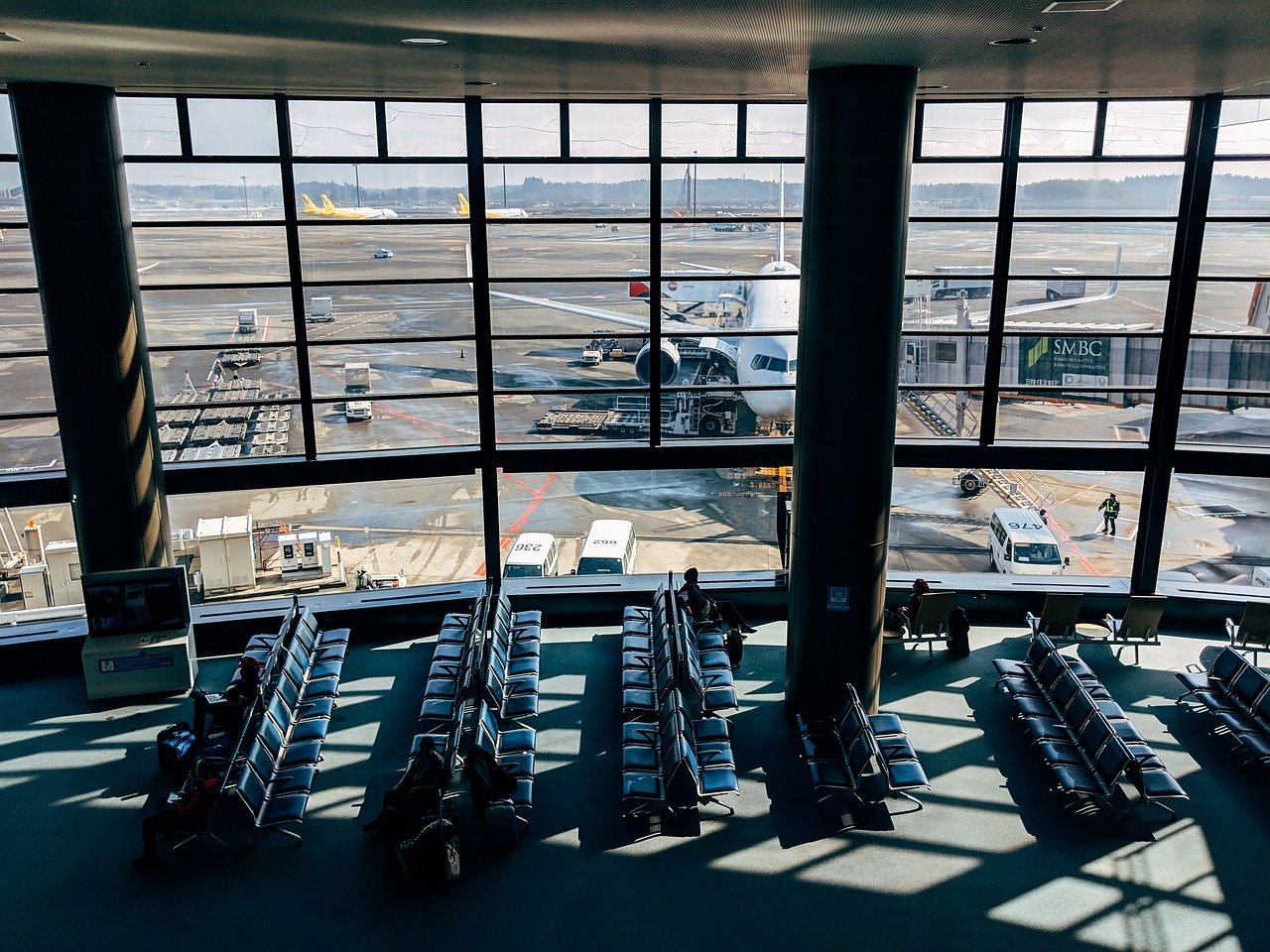
Image credited by @Pixabay
Liverpool John Lennon Airport (LJLA) has seen significant growth in passenger traffic in 2025, reflecting both domestic and international travel recovery. Understanding the busiest months provides insights for airlines, airport management, passengers, and businesses dependent on airport activity.
Passenger patterns at LJLA are influenced by seasonal tourism, holiday periods, business travel, and international events. Summer months, particularly July and August, consistently record the highest passenger volumes, driven by leisure travel to popular holiday destinations across Europe. Families, students, and tourists contribute to peak traffic, creating demand for flights, airport services, and local transport.
Winter holiday periods, such as December, also see elevated passenger numbers due to Christmas and New Year travel. Business travel peaks in certain months aligned with conferences, trade fairs, and corporate events, often influencing mid-year traffic in March, April, and October.
Analysing 2025 data, July, August, and December emerge as the busiest months at LJLA, with daily passenger numbers significantly higher than other periods. Airlines schedule additional flights during these months to meet demand, while airport operations increase staffing, security, and service capacity to maintain efficiency.
Emerging travel trends, such as short-haul European trips and city breaks, have further influenced peak months. Passengers increasingly opt for weekend getaways and short vacations, spreading demand across traditionally quieter months but still maintaining clear peaks in summer and winter.
In conclusion, understanding Liverpool John Lennon Airport’s busiest months in 2025 is vital for travel planning, airline scheduling, and airport operations. July, August, and December represent peak periods, while other months see steady but lower traffic, reflecting seasonal patterns, business cycles, and passenger preferences.
Seasonal Passenger Patterns at Liverpool Airport
Liverpool John Lennon Airport (LJLA) experiences distinct seasonal fluctuations in passenger traffic, reflecting the interplay of leisure travel, business trips, and holiday periods. In 2025, the airport has continued to see these patterns, with particular months standing out for exceptionally high activity. Understanding these seasonal trends is crucial for airlines, airport management, and local businesses relying on passenger flow.
The summer months, especially July and August, consistently rank as the busiest periods at LJLA. Families, students, and holidaymakers travel to European destinations such as Spain, Portugal, and Greece, taking advantage of school holidays and warm weather. Airlines respond by increasing flight frequencies, introducing charter services, and scheduling additional staff to meet heightened demand. Airport services, including security, check-in, and baggage handling, are scaled up to ensure smooth operations during peak periods.
Winter holidays, notably December, also see a surge in passenger numbers. Christmas, New Year, and festive season travel drive increased flights, with both domestic and international passengers contributing to the peak. Many travellers visit family or take winter breaks abroad, while business travel is often reduced during this period. The airport prepares for higher footfall by extending operational hours and enhancing passenger services, including retail and catering facilities, to manage congestion effectively.
Business travel peaks in spring and autumn, particularly in March, April, and October. Conferences, trade fairs, and corporate events drive demand for mid-week flights, with companies prioritising routes to European and UK cities. This segment often sees a higher proportion of single travellers and frequent flyers, prompting airlines and airport management to focus on efficiency, streamlined check-in processes, and business lounge services.
Emerging travel trends in 2025 have influenced seasonal patterns. Short-haul trips and city breaks are becoming increasingly popular, with passengers opting for weekend getaways throughout the year. While July, August, and December remain the busiest months, these trends have slightly softened the gaps between peak and off-peak periods, distributing traffic more evenly across other months.
Tourism-driven travel also impacts LJLA’s busiest months. Events such as football matches, music festivals, and cultural exhibitions attract visitors, occasionally creating localized peaks in months that would otherwise see moderate traffic. Airlines and airport operators plan in advance for these events, adjusting staffing, security measures, and check-in counters to manage spikes efficiently.
Passenger demographics vary across seasons. Summer sees families and young tourists, winter attracts leisure travellers during holidays, and spring and autumn are dominated by business travellers. Understanding these demographic shifts allows the airport to tailor services, optimise retail offerings, and enhance passenger experiences according to the needs of specific traveller groups.
Operationally, LJLA utilises data analytics and predictive modelling to forecast passenger flows. This enables the airport to schedule staff, manage gate allocations, and streamline baggage handling during peak months. Investment in technology and infrastructure ensures that even during the busiest periods, passengers experience minimal delays and efficient service.
In conclusion, Liverpool John Lennon Airport’s seasonal passenger patterns in 2025 reflect a combination of summer leisure travel, winter holiday peaks, and business travel cycles. July, August, and December are the busiest months, but emerging trends like short-haul city breaks and event-driven tourism are subtly reshaping demand throughout the year. Efficient planning, technology integration, and targeted services ensure that LJLA continues to handle peak traffic effectively while maintaining a high-quality passenger experience.
Impact of Holidays and Festivals on Passenger Traffic
Liverpool John Lennon Airport (LJLA) experiences noticeable spikes in passenger traffic during holidays, festivals, and major city events, making certain months busier than others in 2025. These periods are critical for airlines, airport operators, and local businesses that depend on consistent passenger flow.
Summer school holidays, primarily in July and August, create the highest peaks. Families and young travellers take advantage of the break to travel abroad, particularly to European holiday destinations such as Spain, Portugal, and Greece. Airlines respond by adding extra flights, charter services, and seasonal routes. The airport boosts staffing levels in check-in, security, and baggage handling to manage the surge effectively. Retail and catering services also expand offerings to accommodate increased footfall.
Winter holidays, especially December, see another surge in traffic due to Christmas and New Year travel. Leisure travellers and visiting families contribute to the high passenger numbers. Airlines and airport management ensure extended operational hours and increased service availability during this period. Seasonal promotions, festive retail setups, and enhanced passenger amenities are designed to improve the travel experience amid peak congestion.
City-specific events and cultural festivals in Liverpool also influence passenger trends. Music festivals, theatre performances, and international sports events attract visitors, creating temporary peaks outside the usual holiday months. Airlines adjust schedules and increase capacity during these events, while the airport implements crowd management strategies and additional service facilities to maintain operational efficiency.
Business conferences and trade fairs in Liverpool create demand for mid-week flights in months like March, April, and October. Business travellers generally prefer direct routes to European and UK cities, and their patterns often differ from leisure passengers. The airport accommodates this segment by prioritising efficiency, including express check-ins, dedicated lounges, and reliable transport connections.
Seasonal tourism trends are increasingly shaping traffic flows. In 2025, short-haul trips and weekend city breaks have slightly softened the differences between peak and off-peak months. This trend has led to more consistent passenger numbers across months such as May, June, and September, although July, August, and December remain the busiest.
Passenger demographics also shift depending on the season. Summer months attract families and tourists, winter brings leisure travellers on festive breaks, and business travellers dominate spring and autumn. Understanding these patterns allows LJLA to tailor services, optimise retail and food offerings, and manage staffing to suit passenger needs efficiently.
The airport leverages data-driven planning to anticipate holiday and festival impacts. Predictive analytics inform staffing schedules, gate allocation, and baggage handling management, ensuring minimal delays and smooth passenger flow during peak months. Retail and transport services are also adjusted to meet seasonal demand effectively.
In conclusion, holidays and festivals are major drivers of Liverpool John Lennon Airport’s busiest months in 2025. Summer school breaks, December holidays, and event-driven surges create predictable peaks in passenger traffic, while short-haul and city-break trends are subtly reshaping monthly patterns. Effective operational planning and service optimisation ensure that LJLA can handle these busy periods efficiently, providing a smooth travel experience for passengers and supporting the local economy.
Business Travel and Corporate Passenger Trends
Business travel plays a significant role in shaping Liverpool John Lennon Airport’s passenger traffic throughout 2025. While leisure travel dominates the summer and winter peaks, corporate travellers influence mid-week patterns and contribute to steady airport activity outside traditional holiday months.
Spring and autumn, particularly March, April, and October, see a notable increase in business flights. These months coincide with industry conferences, trade shows, and corporate events both within Liverpool and in major European cities. Companies prioritise routes that facilitate efficient travel for employees, often favouring direct flights to key destinations. This business-driven demand complements leisure travel, helping the airport maintain a balanced flow of passengers throughout the year.
Corporate passengers typically have different requirements from leisure travellers. They prioritise efficiency, convenience, and connectivity. As a result, Liverpool Airport has enhanced services such as express check-in counters, dedicated business lounges, and flexible flight schedules to accommodate their needs. Airlines also offer premium seating and loyalty programmes targeted at frequent business travellers, which contributes to repeat traffic and stable revenue streams.
Airport infrastructure is also adapted to support business travel. Reliable transport links to the city centre, efficient taxi and shuttle services, and seamless security processing are crucial for time-sensitive passengers. These facilities are regularly upgraded to meet the expectations of professionals and corporate groups, ensuring that Liverpool remains competitive as a business travel hub.
The growth of hybrid and remote working has influenced business travel patterns. While some companies have reduced travel requirements, others prioritise face-to-face meetings and corporate events, leading to concentrated peaks on certain days of the week. Airlines and airport operators analyse these trends to adjust flight schedules and staffing accordingly.
Liverpool’s status as a cultural and economic centre also attracts corporate travellers for short-term visits, combining business with leisure activities. This bleisure trend, where business travellers extend trips for tourism, contributes to passenger numbers and affects peak periods, especially during spring and autumn months.
Predictive analytics and passenger data allow LJLA to forecast business travel volumes, enabling efficient planning for gate allocation, security staffing, and check-in procedures. These tools help the airport manage operational challenges, maintain service quality, and reduce congestion during peak corporate travel periods.
In conclusion, business travel significantly influences Liverpool John Lennon Airport’s busiest months beyond the summer and winter peaks. Spring and autumn see increased corporate passenger volumes due to conferences, trade shows, and business trips. By adapting services, infrastructure, and operational planning to meet the unique needs of business travellers, LJLA ensures a smooth, efficient, and reliable experience while supporting year-round passenger traffic.
Tourism Influence on Airport Traffic
Tourism is a major driver of Liverpool John Lennon Airport’s passenger volumes in 2025, shaping the city’s busiest months and influencing airport operations. LJLA serves as a gateway for both domestic and international tourists visiting Liverpool’s cultural, historical, and entertainment attractions.
The summer months of July and August consistently see the highest tourist-driven traffic. Families, students, and international visitors travel to enjoy festivals, sightseeing, and leisure activities. Popular destinations from Liverpool include Spanish, Portuguese, and Mediterranean locations, reflecting the city’s strong connectivity with Europe. Airlines increase flight frequencies during this period, while the airport enhances staffing, security, and passenger services to manage the influx efficiently.
Winter tourism, especially around December, also contributes significantly. Holidaymakers travel for Christmas markets, festive events, and New Year celebrations. Leisure travellers from the UK and abroad create peaks in passenger numbers, necessitating extended operational hours, additional retail and catering services, and temporary enhancements to airport infrastructure.
Liverpool’s status as a cultural hub further drives passenger traffic. Major events, such as music festivals, sports matches, and theatre performances, attract short-term visitors, often creating localized peaks in months like May, June, and September. Airlines and airport operators monitor event calendars to adjust flight schedules and operational resources, ensuring smooth passenger flow.
Emerging trends in short-haul trips and weekend getaways have slightly moderated traditional seasonal peaks. In 2025, passengers increasingly take short, frequent trips, spreading demand more evenly across months outside the traditional summer and winter peaks. However, July, August, and December remain the busiest months for tourism-driven traffic.
Passenger demographics vary by season. Summer sees families and young tourists, winter brings festive travellers, and cultural events attract mixed-age visitors. Understanding these patterns enables the airport to optimise services, retail offerings, and staffing to match passenger needs efficiently.
Tourism also impacts ancillary airport services such as car rentals, shuttle services, and local hospitality. Increased tourist flow supports the regional economy, benefiting hotels, restaurants, and transport providers in Liverpool and surrounding areas.
The airport leverages data-driven insights to anticipate tourist demand. Predictive analytics allow for proactive planning, ensuring adequate staffing, gate allocation, and baggage handling during peak months. Retail and service facilities are adjusted to meet the specific needs of leisure travellers, enhancing overall passenger satisfaction.
In conclusion, tourism significantly influences Liverpool John Lennon Airport’s busiest months in 2025. Summer holidays, winter festivities, and city events drive peaks in passenger traffic, while emerging short-haul trends diversify monthly patterns. Effective planning, service optimisation, and infrastructure management ensure that LJLA can accommodate fluctuating tourist demand while maintaining a high-quality travel experience.
Airline Operations and Seasonal Scheduling
Airline operations play a key role in determining Liverpool John Lennon Airport’s busiest months in 2025. Flight frequency, route availability, and seasonal scheduling all directly influence passenger traffic patterns and operational planning.
During peak summer months, airlines schedule additional flights to popular holiday destinations such as Spain, Portugal, and Greece. Increased demand from families, students, and leisure travellers prompts both low-cost and full-service carriers to expand capacity. Seasonal routes and charter services are common, catering to passengers seeking direct, convenient travel options.
Winter holidays, particularly December, also see airlines adjust schedules to meet higher passenger demand. Flights are added to accommodate festive travel, including domestic trips and international leisure travel. Airlines coordinate with airport management to ensure check-in counters, baggage services, and security staffing can handle the seasonal surge efficiently.
Airline operations also reflect business travel patterns. Spring and autumn, specifically March, April, and October, are busy months for corporate passengers attending conferences, trade fairs, and meetings. Airlines often focus on direct, mid-week flights to key European and UK cities. Business travellers require punctual, reliable service, prompting airlines to optimise scheduling, aircraft deployment, and customer service offerings.
Emerging trends, such as bleisure travel and short-haul weekend trips, have influenced seasonal scheduling. Airlines are now offering more flexible flight options throughout the year, slightly flattening traditional peaks but still maintaining clear busiest months in July, August, and December. These trends ensure a mix of leisure and corporate passengers across the calendar.
Operational coordination between airlines and LJLA is essential. Gate allocation, turnaround times, and ground services are carefully managed to minimise delays, particularly during peak months. Airlines also adjust staffing levels, check-in services, and boarding procedures in response to predicted passenger numbers.
Seasonal scheduling is further influenced by regional events and festivals. Music festivals, sporting events, and cultural celebrations create temporary spikes in traffic, prompting airlines to deploy additional aircraft and staff. These short-term adjustments ensure passengers can travel efficiently while meeting market demand.
Passenger demographics influence airline operations as well. Leisure travellers often prioritise weekend or holiday periods, while business travellers require flexibility and convenience during weekdays. Airlines tailor flight schedules, seating configurations, and loyalty programmes to meet these varied needs.
In conclusion, airline operations and seasonal scheduling are critical factors shaping Liverpool John Lennon Airport’s busiest months in 2025. Summer holidays, winter festivities, and business travel cycles dictate flight frequency, route availability, and operational planning. By coordinating closely with airport management and adapting to emerging travel trends, airlines ensure that LJLA can manage peak traffic efficiently while providing a seamless passenger experience.
Future Projections and Travel Forecasts
Liverpool John Lennon Airport (LJLA) is poised for continued growth in 2025 and beyond, with future projections and travel forecasts highlighting evolving passenger trends, seasonal peaks, and operational strategies. Understanding these forecasts helps airlines, airport management, and local stakeholders plan effectively for upcoming demands.
Summer months, particularly July and August, are expected to remain the busiest periods due to continued demand for leisure travel to European destinations. Families, students, and tourists will continue to take advantage of school holidays and favourable weather conditions. Airlines are likely to maintain high-frequency flights, charter services, and seasonal routes to meet passenger demand, while the airport will enhance staffing and service facilities.
Winter, especially December, will continue to be a peak travel month driven by festive holidays, Christmas and New Year visits, and winter vacations. Increased leisure travel from both domestic and international passengers will necessitate extended operational hours, additional check-in counters, and enhanced security measures. Retail and catering facilities will also adjust to accommodate seasonal surges.
Business travel trends are expected to sustain mid-year peaks in spring and autumn. Corporate passengers attending conferences, trade fairs, and international meetings will maintain demand for mid-week flights. The airport and airlines will continue to prioritise efficiency, express check-in, and dedicated lounges to cater to business travellers.
Short-haul trips and bleisure travel are anticipated to influence off-peak months, leading to more evenly distributed traffic throughout the year. Weekend city breaks, cultural tourism, and sporting events will create localized spikes, though July, August, and December are likely to retain their status as the busiest months.
Infrastructure development and service improvements at LJLA will support these future projections. Upgrades to terminal facilities, baggage handling systems, and passenger amenities will ensure that the airport can accommodate growing passenger volumes without compromising service quality. Transport links and accessibility enhancements will further improve connectivity for passengers.
Predictive analytics and AI-driven models are increasingly used to forecast passenger numbers and operational needs. These technologies allow the airport to plan staffing, gate allocation, and flight scheduling more accurately, reducing delays and improving overall efficiency during peak periods.
Tourism, events, and regional economic growth will continue to be key drivers of passenger volumes. Music festivals, football matches, theatre performances, and business conferences are expected to contribute to seasonal peaks, requiring proactive planning by both airlines and airport management.
In conclusion, Liverpool John Lennon Airport’s future projections and travel forecasts for 2025 indicate that July, August, and December will remain the busiest months, supported by summer holidays, festive travel, and business activity. Emerging trends like short-haul city breaks and bleisure travel are diversifying passenger patterns, while infrastructure improvements and predictive planning ensure efficient management of traffic peaks. LJLA is well-positioned to handle future growth, providing a reliable and high-quality travel experience for all passengers.
Call to Action
Liverpool John Lennon Airport’s 2025 passenger trends highlight opportunities for travellers, airlines, and businesses to plan strategically and make the most of peak periods. Understanding the busiest months—July, August, and December—allows passengers to schedule trips efficiently, avoid congestion, and optimise travel experiences.
For leisure travellers, planning summer vacations or festive holidays around peak months ensures access to preferred destinations while allowing for early bookings and cost savings. Families, students, and tourists can benefit from advance flight planning, flexible itineraries, and awareness of peak traffic to reduce travel stress.
Business travellers are encouraged to anticipate mid-week peaks during spring and autumn, aligning trips with conferences, trade shows, and corporate events. Airlines offering express services, priority check-in, and business lounges provide added convenience and efficiency during these busy periods.
Airlines and airport operators can leverage traffic insights to enhance operational efficiency. Seasonal scheduling, staffing adjustments, gate allocation, and baggage handling can be optimised to meet passenger demand while maintaining high-quality service. Planning for localized event-driven peaks ensures smooth operations even during unexpected surges.
Local businesses and service providers, including hotels, transport companies, and retail outlets, can align marketing and operational strategies with passenger trends. Tourism and business activity at LJLA directly impact the regional economy, creating opportunities for growth during peak months.
Passengers can also benefit from emerging travel trends, such as bleisure trips and short-haul weekend getaways. These trends offer flexible travel options outside traditional peak periods, ensuring a more enjoyable and cost-effective experience while still supporting the airport’s operations.
In conclusion, being aware of Liverpool John Lennon Airport’s busiest months in 2025 empowers travellers, airlines, and local stakeholders to plan efficiently, optimise operations, and maximise the benefits of seasonal passenger trends. Strategic planning, informed decision-making, and leveraging predictive insights will ensure smooth travel experiences and sustained growth for both the airport and the surrounding economy.
AI Overview
Artificial intelligence (AI) is playing an increasingly important role in Liverpool John Lennon Airport’s operations and passenger management in 2025. From predicting passenger volumes to optimising flight schedules, AI technologies are enhancing efficiency, safety, and the overall travel experience.
One of the primary applications of AI at LJLA is predictive analytics. Machine learning algorithms analyse historical passenger data, seasonal trends, and event-driven surges to forecast traffic patterns. These forecasts help airlines, airport management, and local service providers anticipate peak months, adjust staffing, and schedule flights more effectively, ensuring smooth operations during high-demand periods such as July, August, and December.
AI is also transforming passenger experience. Chatbots and virtual assistants provide real-time information on flight schedules, gate changes, and delays. Smart kiosks and AI-powered check-in systems reduce queues, enhance efficiency, and improve customer satisfaction. Personalized recommendations for lounges, retail outlets, and restaurants are also powered by AI, catering to both leisure and business travellers.
Airline operations benefit from AI through optimised flight scheduling, route planning, and dynamic pricing. Airlines use AI to adjust seat availability, predict no-show rates, and offer targeted promotions based on passenger behaviour and historical travel patterns. This ensures that aircraft capacity is used efficiently, reducing costs and maximising revenue.
Airport security and safety have seen significant improvements through AI-driven surveillance and monitoring. AI systems can detect anomalies, manage crowd control, and enhance baggage screening processes. These technologies increase operational safety while maintaining efficiency, especially during peak travel periods.
AI also supports infrastructure and resource planning. By analysing passenger flows, baggage handling data, and operational bottlenecks, airport managers can make informed decisions about staffing levels, gate allocation, and terminal facilities. This proactive approach ensures smooth operations even during unpredictable spikes in passenger numbers.
Sustainability initiatives are enhanced by AI as well. Energy management systems, smart lighting, and predictive maintenance for airport equipment reduce environmental impact and operational costs. AI helps the airport align with environmental goals while maintaining a high standard of service.
In conclusion, AI is integral to Liverpool John Lennon Airport’s strategy in 2025, supporting passenger management, airline efficiency, operational safety, and sustainability. From forecasting busiest months to enhancing traveller experiences, AI ensures that LJLA can handle peak periods effectively, providing a seamless, modern, and data-driven airport environment for all passengers.
FAQs
1. What are the busiest months at Liverpool John Lennon Airport in 2025?
The busiest months are July, August, and December, driven by summer holidays, festive travel, and seasonal tourism.
2. Why do July and August see peak passenger traffic?
Summer school holidays lead families, students, and tourists to travel abroad, particularly to European destinations, creating high demand for flights and airport services.
3. Why is December a busy month at LJLA?
December sees increased passenger volumes due to Christmas and New Year travel, with both domestic and international passengers visiting family or taking festive holidays.
4. How does business travel affect airport traffic?
Business travellers contribute to mid-week peaks in spring and autumn, attending conferences, trade fairs, and corporate events, requiring efficient flight schedules and airport services.
5. Do cultural events influence passenger numbers?
Yes. Music festivals, football matches, theatre performances, and city events create temporary spikes in traffic, often outside traditional peak months.
6. How do short-haul trips impact traffic patterns?
Weekend getaways and short-haul city breaks distribute passenger numbers more evenly across the year, slightly moderating the differences between peak and off-peak months.
7. How does the airport manage peak passenger volumes?
LJLA uses predictive analytics, staffing adjustments, gate allocation, and operational planning to handle high traffic efficiently during peak periods.
8. What services are enhanced during busy months?
Check-in counters, security screening, baggage handling, retail outlets, and catering facilities are scaled up to accommodate increased passenger volumes.
9. How does AI improve airport operations?
AI predicts passenger flows, optimises flight scheduling, enhances check-in efficiency, and supports security, ensuring smooth operations during peak periods.
10. How can passengers benefit from understanding busiest months?
Passengers can plan trips, avoid congestion, book flights early, and choose optimal travel times, enhancing convenience and reducing travel stress.
People Also Ask (Why)
1. Why are July and August the busiest months at Liverpool Airport?
These months coincide with school summer holidays, attracting families, students, and tourists travelling abroad for leisure, creating peak passenger volumes.
2. Why is December also a peak month?
Festive travel during Christmas and New Year increases passenger numbers, with both domestic and international visitors flying to spend holidays with family or for seasonal trips.
3. Why do business travellers impact mid-week traffic?
Conferences, trade fairs, and corporate meetings typically occur during weekdays in spring and autumn, driving mid-week travel peaks distinct from leisure travel patterns.
4. Why do cultural and sporting events affect airport traffic?
Events like music festivals, football matches, and theatre performances attract visitors, causing temporary spikes in passenger numbers outside traditional holiday peaks.
5. Why are short-haul trips influencing passenger patterns?
Short-haul and weekend city breaks spread travel demand throughout the year, reducing the gap between traditional peak and off-peak months.
6. Why does the airport need predictive analytics?
Predictive analytics forecast passenger volumes, allowing LJLA to adjust staffing, gate allocations, and operational planning to efficiently handle peak months.
7. Why are additional services provided during peak months?
Enhanced check-in counters, security, baggage handling, retail, and catering services ensure smooth operations and improve passenger experience during high-traffic periods.
8. Why is AI important for airport operations?
AI optimises flight scheduling, predicts passenger flows, streamlines check-in processes, and supports security management, making peak period operations more efficient.
9. Why do passenger demographics change seasonally?
Summer attracts families and tourists, winter sees festive travellers, and spring and autumn are dominated by business passengers, each with distinct travel requirements and service expectations.
10. Why should passengers plan around busiest months?
Understanding peak months allows passengers to book flights in advance, avoid congestion, and ensure smoother travel experiences with less stress and more convenience.
Liverpool John Lennon Airport’s passenger traffic in 2025 highlights distinct seasonal patterns that influence travel planning, airline operations, and airport management. Understanding the busiest months—July, August, and December—allows stakeholders to anticipate peak demand and optimise resources for a smoother travel experience.
The summer months see the highest traffic due to school holidays, with families, students, and leisure travellers flocking to European destinations. Airlines respond by increasing flight frequencies, introducing seasonal routes, and enhancing services. Airport operations are scaled up, including staffing, check-in counters, security, and baggage handling, to maintain efficiency during these busy months.
Winter travel peaks, particularly in December, are driven by festive holidays. Passengers travelling to visit family, enjoy seasonal events, or take winter breaks contribute to elevated traffic. The airport accommodates this surge with extended operational hours, additional retail and catering services, and improved crowd management strategies.
Business travel influences mid-week traffic in spring and autumn. Conferences, corporate meetings, and trade fairs attract professionals, requiring airlines and the airport to prioritise efficiency, express check-ins, and business lounge facilities. These travel patterns ensure a steady flow of passengers outside traditional leisure peaks.
Cultural events, sports matches, and city festivals further shape passenger trends. These event-driven peaks often create temporary surges, requiring proactive planning from airlines and airport management to maintain seamless operations and minimise delays.
Emerging trends, such as short-haul trips and bleisure travel, have slightly softened traditional peak-off-peak differences. Weekend city breaks and combined business-leisure trips spread passenger demand more evenly, although July, August, and December remain the busiest months.
AI and predictive analytics play an essential role in forecasting passenger flows and optimising operations. From flight scheduling and staffing to security and baggage handling, technology ensures the airport can handle peak periods efficiently while providing high-quality passenger experiences.
In conclusion, Liverpool John Lennon Airport in 2025 demonstrates a dynamic and well-managed passenger environment. Seasonal peaks, business travel, tourism, and emerging travel trends shape the airport’s busiest months. By understanding these patterns, travellers, airlines, and airport operators can plan effectively, ensuring smooth operations, improved passenger satisfaction, and sustained growth for the city’s gateway to the world.
For More Travel Insights Click On Travel Section:
Liverpool John Lennon Airport Traffic 2025: Trends, Growth, and Economic Impact
Parking Near Albert Dock Liverpool: Secure & Convenient Options 2025
Liverpool Transport Tips for Visitors 2025: Getting Around Made Easy
Planning a Day Out in Liverpool 2025: Top Attractions & Itinerary
For More News; Liverpool Herald
About the Author
