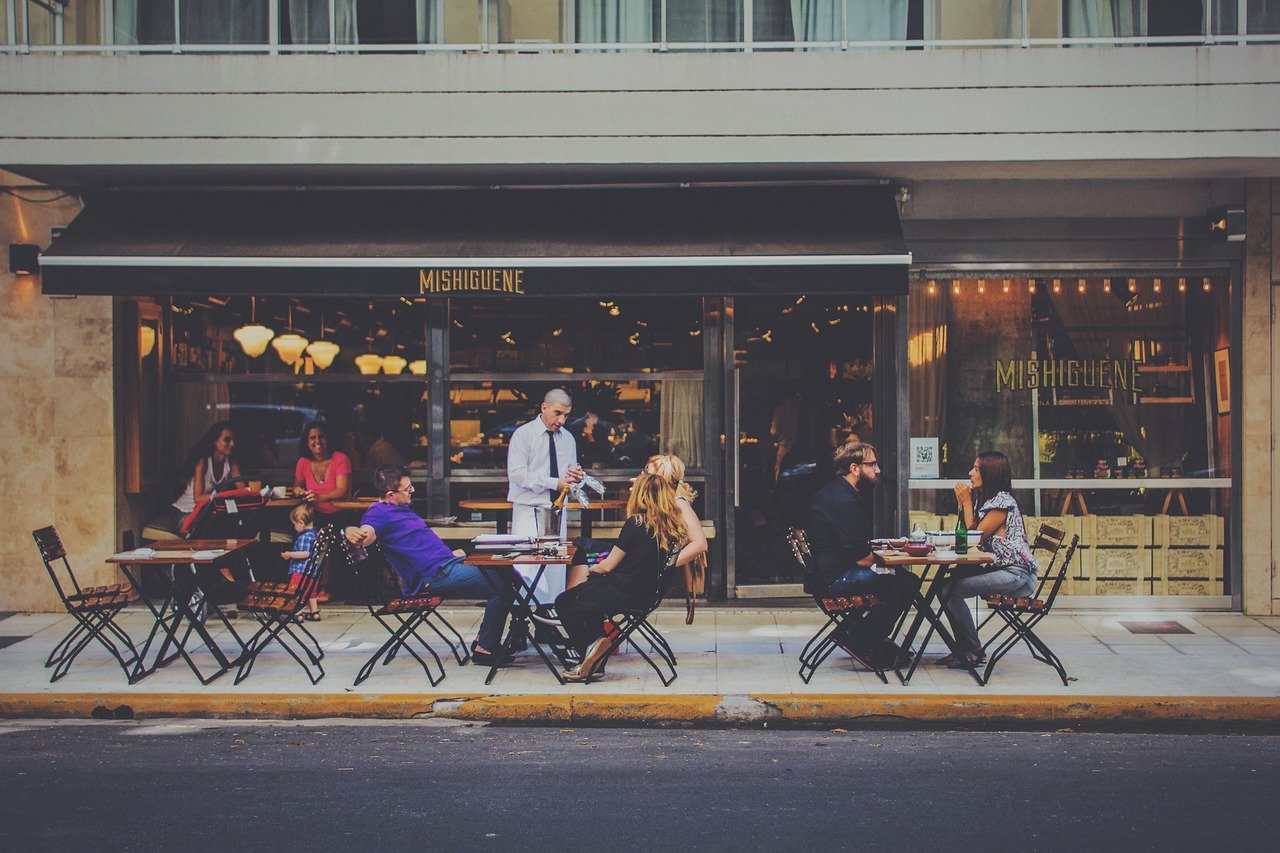
Image credited by @Pixabay
Liverpool in 2025 is not just a hub for culture, music, and history—it has also emerged as a thriving culinary destination. The city’s dining scene combines traditional British fare, international flavours, and innovative gastronomic experiences, catering to locals, tourists, and food enthusiasts alike. From Michelin-starred restaurants to hidden gems in vibrant neighbourhoods, Liverpool offers a diverse culinary landscape that reflects its rich heritage and contemporary urban energy.
The city’s food culture is evolving rapidly. Chefs are embracing seasonal, locally sourced ingredients, blending sustainability with creativity. Farmers’ markets, artisanal producers, and boutique food shops are contributing to a farm-to-table ethos, while innovative dining concepts, pop-ups, and food halls add excitement to the city’s gastronomic offerings. The mix of traditional and modern dining experiences ensures there is something for every palate, from classic Liverpool dishes to global cuisines.
Liverpool’s waterfront, particularly around Albert Dock and the Pier Head, has become a focal point for dining. Restaurants here combine stunning views with refined menus, offering seafood, contemporary British cuisine, and international options. At the same time, areas like Bold Street, Lark Lane, and Ropewalks maintain a reputation for casual eateries, cafés, and bistros that provide authentic, vibrant dining experiences with character.
The city also caters to specialised dietary needs. Vegan, vegetarian, gluten-free, and health-conscious options are now widely available, reflecting Liverpool’s commitment to inclusivity and modern lifestyle trends. Many establishments focus on sustainable sourcing, ethical practices, and eco-friendly packaging, aligning with the city’s broader environmental initiatives while meeting evolving consumer expectations.
Culinary events and food festivals further enhance Liverpool’s reputation as a food destination. Annual events showcase local producers, highlight seasonal ingredients, and bring together chefs and food lovers in interactive experiences. These gatherings not only promote local businesses but also strengthen the city’s culinary identity on a national and international scale.
Liverpool’s dining scene is also influenced by its multicultural population. Immigrant communities contribute authentic flavours from Asia, Africa, the Caribbean, and Europe, enriching the city’s food diversity. This dynamic fusion of tastes ensures that Liverpool’s culinary offerings are both innovative and representative of the city’s social fabric.
In the following guide, we will explore Liverpool’s dining landscape in seven detailed sections: traditional British cuisine, international flavours, seafood and waterfront dining, casual and street food options, vegan and health-conscious eateries, food markets and festivals, and fine dining and luxury experiences. Each section will provide insights into the best places to eat, emerging trends, and unique experiences that define Liverpool’s gastronomic identity in 2025.
Traditional British Cuisine in Liverpool
Liverpool’s culinary roots are firmly anchored in traditional British cuisine, reflecting the city’s history, maritime heritage, and working-class culture. In 2025, there is a renewed appreciation for classic dishes, with modern chefs updating recipes while maintaining authentic flavours. From hearty pies and roasts to fish and chips and regional specialties, Liverpool offers a rich taste of Britain’s gastronomic tradition.
One of the city’s most iconic offerings is the Liverpool-style Scouse, a slow-cooked stew made with lamb or beef, potatoes, and root vegetables. Scouse is a symbol of local pride and is widely served in pubs and family-run restaurants across the city. Chefs are now experimenting with variations, using locally sourced organic meats and seasonal vegetables, offering both traditional and contemporary interpretations of this beloved dish.
Fish and chips remain a staple of Liverpool’s culinary scene. Longstanding establishments along the waterfront and in neighbourhoods like Anfield and Everton continue to serve freshly battered fish with thick-cut chips, peas, and homemade tartar sauce. Some modern takes incorporate artisanal oils, gluten-free batter, and sustainable seafood, appealing to both locals and visiting food enthusiasts seeking a traditional meal with a contemporary twist.
Pubs and gastropubs in Liverpool combine traditional British fare with innovative culinary techniques. Roast dinners, shepherd’s pie, steak and kidney pudding, and ploughman’s lunches are widely available, often accompanied by locally brewed ales and ciders. These venues balance authenticity with modern presentation, making them attractive to diners seeking comfort food in a welcoming environment.
Liverpool’s bakeries and dessert establishments also celebrate British tradition. Classic puddings, sticky toffee, treacle sponge, and Victoria sponge cakes are staples, with bakeries often using regional ingredients such as Lancashire butter or Cheshire cheese. Afternoon tea experiences across the city now pair traditional sweets with locally roasted teas and artisanal breads, offering both locals and visitors an immersive culinary experience.
Seasonality is a growing trend in traditional cuisine. Restaurants focus on ingredients sourced from the North West of England, including lamb from local farms, root vegetables, and fresh dairy products. This not only enhances the flavour and quality of dishes but also supports local producers, reflecting Liverpool’s increasing emphasis on sustainable dining practices.
Family-owned restaurants maintain the legacy of British culinary tradition. Many have been operating for decades, passing recipes through generations. These establishments are valued for their authenticity, personal service, and ability to offer a genuine taste of Liverpool’s heritage, often in cosy, atmospheric settings that evoke nostalgia while embracing modern dining standards.
Moreover, contemporary chefs are creatively reimagining classic British dishes to appeal to new audiences. Techniques such as sous-vide cooking, artisan plating, and fusion with subtle international influences have elevated traditional recipes without compromising their authenticity. This approach ensures that Liverpool’s British cuisine remains relevant, dynamic, and enticing in 2025.
Overall, Liverpool’s traditional British cuisine sector represents a perfect blend of heritage and innovation. It celebrates iconic dishes while embracing quality ingredients, modern techniques, and sustainable practices, offering both locals and visitors a rich, authentic culinary experience. These dining experiences serve as the foundation of Liverpool’s gastronomic identity, connecting the city’s past, present, and future through food.
International Flavours in Liverpool
Liverpool’s dining scene in 2025 has evolved into a vibrant mosaic of global cuisines, reflecting the city’s multicultural population and its status as an international port city. From Asian and Mediterranean dishes to Caribbean, African, and European influences, the city offers diners a rich palette of international flavours that cater to diverse tastes and culinary curiosities.
Asian cuisine is particularly prominent in Liverpool, with a range of restaurants serving authentic Chinese, Japanese, Thai, and Indian dishes. Chinatown remains a cultural and gastronomic hub, home to long-established eateries as well as modern fusion restaurants. Sushi bars, ramen shops, and dim sum cafés coexist with traditional Indian curry houses, offering both heritage recipes and contemporary interpretations. Many chefs prioritise fresh, locally sourced ingredients while maintaining authenticity, appealing to both residents and tourists seeking high-quality international dining.
Mediterranean and European cuisines are also well represented. Italian trattorias, French bistros, Spanish tapas bars, and Greek tavernas have become staples in areas such as Bold Street and Ropewalks. These restaurants emphasize artisanal ingredients, house-made pastas, olive oils, and traditional cooking methods. Seasonal menus, wine pairings, and chef specials allow diners to experience the depth and diversity of Mediterranean flavours while enjoying a modern Liverpool atmosphere.
Caribbean and African influences have grown in recent years, reflecting Liverpool’s diverse communities. Dishes such as jerk chicken, curried goat, tagines, and plantain-based meals are increasingly popular, served in both casual eateries and fine-dining settings. These offerings celebrate heritage, authenticity, and bold flavours, creating a dynamic and inclusive culinary environment that resonates with locals and visitors alike.
Middle Eastern cuisine has also carved out a strong presence in Liverpool. Lebanese, Turkish, and Persian restaurants offer dishes such as mezze platters, kebabs, falafel, and baklava. Many establishments combine traditional recipes with contemporary presentation and dietary-conscious options, including vegan and gluten-free alternatives, appealing to health-conscious diners without compromising authenticity.
Fusion cuisine is a notable trend in Liverpool’s international dining scene. Chefs creatively blend elements from multiple cultures, producing innovative dishes that intrigue adventurous diners. Examples include Korean tacos, Japanese-Peruvian ceviche, and Indian-inspired pizza, which combine traditional techniques with modern culinary experimentation. These inventive offerings reflect Liverpool’s openness to new flavours and culinary creativity.
Street food and casual international eateries contribute significantly to the city’s global dining appeal. Pop-up markets, food trucks, and informal cafés provide accessible options for those seeking quick yet authentic international meals. Events such as multicultural food festivals showcase these vendors, allowing residents and visitors to sample a wide range of global cuisines in a single location.
Liverpool’s commitment to sustainability also influences international dining. Many restaurants source local ingredients to complement imported spices or specialty items, ensuring freshness while reducing environmental impact. Chefs are increasingly conscious of ethical sourcing for seafood, meats, and specialty ingredients, aligning international cuisine with contemporary environmental and ethical standards.
Overall, Liverpool’s international dining landscape is a reflection of its cultural diversity and culinary innovation. By offering authentic, fusion, and experimental cuisines, the city provides residents and tourists with endless culinary exploration. This rich global flavour palette strengthens Liverpool’s identity as a gastronomic destination, making it a must-visit city for food lovers seeking international experiences in 2025.
Seafood and Waterfront Dining in Liverpool
Liverpool’s maritime heritage and prime location on the Mersey make seafood a central feature of the city’s dining scene in 2025. Waterfront restaurants, casual fish grills, and contemporary seafood bars offer residents and visitors fresh, sustainably sourced fish and shellfish, often paired with stunning views of the river and historic docks. This combination of culinary quality and location has made waterfront dining one of Liverpool’s most attractive gastronomic experiences.
Albert Dock remains the focal point for premium seafood experiences. Here, upscale restaurants serve oysters, scallops, crab, and local fish varieties, prepared with modern techniques and artistic presentation. Menus often feature seasonal catches and locally harvested ingredients, reflecting both sustainability and high culinary standards. Diners enjoy not only exceptional food but also an immersive atmosphere enhanced by the historic waterfront, maritime architecture, and river views.
For casual dining, Liverpool offers numerous fish and chip shops, seafood grills, and bistros. In districts like Pier Head, Sefton Park, and Lark Lane, diners can savour freshly fried cod, haddock, and plaice with thick-cut chips, homemade sauces, and mushy peas. Some modern establishments introduce artisanal twists, such as gluten-free batter, locally brewed craft beer pairings, and plant-based alternatives, catering to a wide spectrum of dietary preferences.
Liverpool’s seafood scene is closely tied to sustainability initiatives. Many restaurants adhere to ethical sourcing standards, choosing fish certified by organisations such as the Marine Stewardship Council (MSC). Local fisheries and aquaculture operations supply fresh, traceable seafood, reducing carbon footprint and ensuring responsible harvesting. This approach appeals to environmentally conscious diners and supports the city’s broader green objectives.
Fine-dining establishments along the waterfront also experiment with contemporary seafood cuisine. Techniques such as sous-vide cooking, ceviche preparation, and delicate smoke infusions elevate traditional dishes, transforming classic fish offerings into culinary artistry. Wine pairings, seasonal menus, and tasting experiences add to the sophistication, attracting food enthusiasts and tourists seeking a high-end gastronomic experience.
Cocktail bars and bistros complement seafood dining with curated drink selections. Freshly pressed juices, artisanal cocktails, local craft beers, and carefully chosen wines enhance flavour profiles and create a complete sensory experience. Waterfront dining in Liverpool often becomes a social event, blending fine food, beverages, and the vibrant riverfront atmosphere.
Local markets, including Liverpool Farmers’ Market and the Baltic Market, provide additional seafood experiences. Vendors offer fresh catches, shellfish, smoked fish, and seafood delicacies, often allowing customers to prepare dishes at home or enjoy ready-to-eat options. These markets foster community engagement, support local producers, and showcase the variety and quality of Liverpool’s seafood supply.
Special events such as seafood festivals, riverfront food fairs, and chef-led tasting sessions further elevate Liverpool’s status as a seafood destination. These gatherings celebrate local fisheries, seasonal produce, and culinary innovation, drawing residents and tourists together in shared gastronomic experiences.
In summary, Liverpool’s seafood and waterfront dining scene is a vibrant blend of tradition, innovation, and sustainability. Whether enjoying a casual fish and chips meal, a fine-dining tasting menu, or exploring local market offerings, residents and visitors experience exceptional quality, fresh ingredients, and the unique charm of the city’s riverfront. This sector not only reinforces Liverpool’s maritime heritage but also enhances its modern culinary identity in 2025.
Casual and Street Food Options in Liverpool
Liverpool’s casual and street food scene in 2025 offers a dynamic, accessible, and flavour-packed complement to its fine dining and traditional British cuisine. Across the city, food markets, pop-up stalls, food trucks, and small eateries provide affordable, creative, and culturally diverse options, making it easy for residents and visitors to enjoy high-quality meals on the go.
Bold Street and the Ropewalks district are central hubs for casual dining. Here, cafés, delis, and bistros offer everything from gourmet sandwiches and artisan burgers to international wraps and fusion snacks. The neighbourhoods’ eclectic mix of eateries reflects Liverpool’s multicultural identity, with Indian, Middle Eastern, African, and Latin American influences alongside classic British comfort foods. These casual dining spots are popular among students, young professionals, and families seeking flavourful meals without the formality of sit-down restaurants.
Street food markets have grown in popularity, particularly weekend markets such as the Baltic Market and Liverpool Farmers’ Market. These venues host multiple vendors, each specialising in a specific cuisine or dish. Visitors can sample tacos, bao buns, falafel, churros, and other international delicacies while enjoying live music and a lively social atmosphere. The markets often emphasise local and sustainable sourcing, with many vendors incorporating fresh produce, ethical meats, and eco-friendly packaging.
Food trucks contribute significantly to Liverpool’s street food culture. They are frequently found at festivals, public squares, and near business districts, offering convenient yet gourmet options. Popular offerings include wood-fired pizzas, artisan burgers, Korean-style tacos, seafood rolls, and plant-based dishes. These mobile kitchens allow chefs to experiment with flavours and engage directly with the community, keeping the city’s street food scene fresh and innovative.
Casual cafés and brunch spots across Liverpool have also evolved in 2025, catering to changing lifestyle trends. Specialty coffee shops paired with light meals such as avocado toast, shakshuka, or vegan pastries are widespread. Many establishments focus on locally roasted coffee, organic ingredients, and Instagram-worthy presentation, appealing to social media-savvy diners while promoting sustainability and quality.
Liverpool’s casual dining sector increasingly embraces dietary inclusivity. Vegan, vegetarian, and gluten-free options are commonly available, reflecting both consumer demand and modern health trends. From plant-based burgers to dairy-free desserts, these options ensure that casual dining remains accessible and appealing to all.
Community pop-ups and collaborative food events provide additional variety. Local chefs, culinary students, and community groups host temporary stalls showcasing experimental menus, seasonal ingredients, and cultural dishes. These events encourage creativity, support emerging culinary talent, and strengthen Liverpool’s reputation as a city that embraces diverse and innovative food experiences.
Overall, Liverpool’s casual and street food options offer a perfect blend of accessibility, quality, and cultural diversity. Whether grabbing a quick bite from a food truck, exploring the Baltic Market, or enjoying brunch on Bold Street, diners encounter flavours that are authentic, inventive, and reflective of the city’s vibrant social fabric. These informal yet memorable experiences play a crucial role in defining Liverpool’s inclusive and dynamic dining identity in 2025.
Vegan and Health-Conscious Eateries in Liverpool
Liverpool’s dining scene in 2025 is embracing a strong shift towards vegan and health-conscious options, reflecting the city’s growing awareness of sustainable eating, ethical food choices, and wellness trends. From fully vegan restaurants to cafés offering nutritious, plant-based meals, Liverpool caters to a diverse audience seeking healthier, environmentally friendly, and ethical dining experiences.
Vegan cuisine in Liverpool has moved beyond simple salads or vegetable dishes. Restaurants are now offering creative menus featuring plant-based burgers, jackfruit curries, tofu stir-fries, and artisan vegan cheeses. Bold Street, Lark Lane, and Ropewalks host a concentration of vegan eateries, where chefs combine global culinary influences with local, seasonal produce to create rich, flavourful meals. These establishments appeal not only to vegans but also to flexitarians, vegetarians, and health-conscious diners seeking innovative and satisfying plant-based options.
Health-conscious dining extends beyond veganism, with many cafés and restaurants promoting balanced, nutrient-rich meals. Bowls packed with quinoa, chickpeas, roasted vegetables, and superfoods, as well as smoothies, cold-pressed juices, and protein-focused snacks, are widely available. These eateries often highlight the provenance of ingredients, focusing on locally sourced, organic, and sustainable produce, aligning with Liverpool’s broader environmental initiatives.
Specialty cafés cater to dietary restrictions and lifestyle trends. Gluten-free, dairy-free, keto-friendly, and low-sugar options are increasingly common, allowing diners with specific needs to enjoy meals without compromise. Chefs and café owners combine dietary inclusivity with flavour, ensuring that health-conscious meals are both appealing and satisfying.
Liverpool’s vegan and health-focused establishments often integrate experiential dining elements. Workshops on plant-based cooking, juice-making classes, and wellness events provide added value for customers, blending education, community, and culinary enjoyment. These initiatives strengthen the city’s position as a forward-thinking, health-conscious dining destination.
Ethical sourcing is a key theme in this sector. Vegan restaurants emphasise cruelty-free, sustainable, and locally sourced ingredients, reducing environmental impact and promoting social responsibility. Many businesses also minimise waste through composting, eco-friendly packaging, and innovative food preservation techniques, reinforcing Liverpool’s commitment to sustainability.
Culinary innovation is particularly prominent among Liverpool’s vegan and health-focused chefs. Techniques such as fermentation, sprouting, and plant-based molecular gastronomy transform ordinary ingredients into visually striking, nutrient-dense, and flavourful creations. This creativity positions Liverpool at the forefront of progressive, health-oriented cuisine, appealing to diners seeking both nutrition and a unique culinary experience.
In addition, collaborations with local farmers, producers, and wellness organisations foster a holistic approach to healthy eating. Seasonal menus and farm-to-table concepts ensure freshness and quality, while community engagement initiatives, such as tasting events and sustainability workshops, encourage residents to adopt mindful eating habits.
Overall, Liverpool’s vegan and health-conscious dining sector in 2025 reflects a sophisticated understanding of nutrition, ethics, and sustainability. By combining innovation, inclusivity, and environmental responsibility, these eateries not only meet the needs of a diverse customer base but also contribute to the city’s reputation as a modern, forward-thinking gastronomic destination. This dynamic sector demonstrates how health, taste, and sustainability can coexist seamlessly in Liverpool’s culinary landscape.
Food Markets and Festivals in Liverpool
Liverpool’s food markets and festivals in 2025 play a vital role in shaping the city’s vibrant culinary identity. They offer a platform for local producers, emerging chefs, and cultural food traditions to come together, creating interactive, immersive, and community-oriented experiences that attract both residents and visitors. These events are a celebration of flavour, diversity, and the city’s evolving food culture.
The Baltic Market, located in the historic Baltic Triangle, remains a cornerstone of Liverpool’s food market scene. Housing multiple independent vendors under one roof, it offers a wide array of options including street food from around the world, artisanal baked goods, craft beverages, and seasonal produce. Its vibrant atmosphere, live music, and creative food concepts have made it a go-to destination for casual dining and culinary exploration.
The Liverpool Farmers’ Market is another highlight, emphasising fresh, local, and sustainable produce. Farmers, artisan producers, and small-scale food businesses showcase fruits, vegetables, meats, cheeses, and baked goods. Shoppers can interact directly with producers, learning about sourcing, preparation, and culinary techniques. This hands-on experience fosters appreciation for local agriculture and encourages sustainable consumption practices.
Food festivals across Liverpool bring together culinary talent, cultural diversity, and community engagement. Annual events, such as the Liverpool Food & Drink Festival, highlight seasonal ingredients, local specialties, and international cuisines. Visitors can enjoy cooking demonstrations, tasting sessions, workshops, and competitions, creating a lively, participatory environment that engages all senses and strengthens the city’s culinary reputation.
Street food festivals are a growing trend, combining convenience, variety, and cultural exploration. Temporary food markets set up in public squares or waterfront areas allow residents and tourists to sample a range of cuisines in a single location. From Korean tacos and Caribbean jerk dishes to artisanal burgers and plant-based delights, these festivals showcase Liverpool’s culinary diversity while fostering social interaction and community engagement.
Seasonality and sustainability are key features of Liverpool’s markets and festivals. Vendors often source ingredients locally and ethically, minimising food miles and promoting environmentally responsible practices. Seasonal menus highlight the freshness of produce, ensuring both quality and flavour while supporting the city’s broader sustainability goals.
Emerging chefs and small businesses benefit greatly from these markets and festivals. They provide low-risk opportunities to experiment with menu concepts, gain customer feedback, and build brand recognition. This dynamic environment encourages innovation, creativity, and entrepreneurial growth within Liverpool’s food ecosystem.
Community engagement is another essential element. Many events feature participatory activities such as cooking classes, tastings, and workshops. These experiences educate residents about nutrition, food sourcing, and culinary skills, promoting healthy eating habits and deeper appreciation for local and international cuisine.
Liverpool’s markets and festivals also foster tourism. Visitors from across the UK and beyond are drawn to the city’s rich culinary scene, creating economic benefits for local businesses and contributing to the city’s reputation as a must-visit gastronomic destination. Combining entertainment, culture, and cuisine, these events highlight the best of Liverpool’s food culture.
In summary, food markets and festivals in Liverpool provide more than just meals—they offer experiences. They celebrate diversity, support local producers, encourage innovation, and create social and economic value. In 2025, these events remain a cornerstone of the city’s dining landscape, reinforcing Liverpool’s identity as a lively, inclusive, and gastronomically dynamic city.
Fine Dining and Luxury Experiences in Liverpool
Liverpool’s fine dining and luxury culinary experiences in 2025 reflect the city’s evolving gastronomic sophistication. Combining world-class chefs, premium ingredients, innovative techniques, and elegant settings, these establishments cater to diners seeking memorable, high-end experiences. From waterfront Michelin-starred restaurants to boutique city-centre venues, Liverpool’s luxury dining scene has become a destination in its own right.
Albert Dock, the Pier Head, and city-centre streets such as Castle Street and Rodney Street host a concentration of fine dining restaurants. These venues offer meticulously crafted menus featuring locally sourced seafood, artisan meats, seasonal produce, and exotic ingredients. Chefs employ modern techniques such as sous-vide, molecular gastronomy, and precision plating to create dishes that are as visually striking as they are delicious.
Tasting menus are a hallmark of Liverpool’s fine dining sector. Many restaurants offer multi-course experiences with wine pairings, showcasing culinary creativity and innovation. These experiences often incorporate local heritage, combining classic British flavours with global influences to create a unique, contemporary dining identity. Seasonal menus ensure that dishes remain fresh, sustainable, and aligned with ingredient availability, reflecting both quality and environmental responsibility.
Luxury experiences are not limited to food alone. Ambience, service, and presentation are equally important. High-end restaurants invest in interior design, lighting, and acoustics to create an immersive environment. Attentive, knowledgeable staff guide diners through their culinary journey, providing explanations of ingredients, preparation methods, and recommended pairings. The combination of food, environment, and service elevates dining into an unforgettable experience.
Waterfront fine dining in Liverpool adds a distinctive charm. Restaurants overlooking the Mersey combine exquisite cuisine with panoramic views, offering diners a sensory experience that integrates taste, sight, and atmosphere. Fresh seafood is a highlight, often prepared with modern flair while paying homage to the city’s maritime heritage. Alfresco dining options further enhance these experiences, especially during warmer months, allowing guests to enjoy the riverfront while indulging in gourmet dishes.
Boutique and chef-owned restaurants contribute to the city’s luxury dining identity. These establishments often focus on innovation, limited seating, and personalised service, allowing for intimate, bespoke dining experiences. Many chefs experiment with rare ingredients, culinary fusions, and artistic presentations, appealing to diners seeking exclusivity, sophistication, and creativity.
Private dining and event services are another facet of Liverpool’s high-end culinary offerings. Venues provide spaces for corporate events, celebrations, and special occasions, often accompanied by customised menus and personalised service. These experiences elevate dining beyond a meal, positioning it as a social and cultural event that showcases Liverpool’s culinary excellence.
Liverpool’s fine dining sector also embraces sustainability. Many luxury restaurants incorporate locally sourced and ethically produced ingredients, minimise waste, and adopt environmentally conscious practices. This ensures that high-end dining aligns with modern values, appealing to eco-conscious patrons who value both quality and responsibility.
In conclusion, Liverpool’s fine dining and luxury experiences in 2025 blend innovation, tradition, and elegance. From Michelin-level establishments to boutique chef-led venues, the city provides opportunities for immersive, memorable dining that appeals to both locals and visitors. These experiences enhance Liverpool’s reputation as a sophisticated culinary destination, demonstrating that the city can offer world-class food while staying true to its heritage and embracing sustainability.
Call to Action: Explore Liverpool’s Dining Scene
Liverpool in 2025 offers an unparalleled culinary landscape that caters to every palate, budget, and dining preference. From traditional British classics and international flavours to street food, vegan cuisine, and fine dining experiences, the city presents a rich tapestry of gastronomic options. Now is the perfect time for both residents and visitors to immerse themselves in this vibrant food culture and discover what makes Liverpool a true culinary destination.
For locals, exploring the city’s diverse dining venues is not just about enjoying a meal—it is an opportunity to support local businesses, celebrate cultural diversity, and engage with community-driven food initiatives. Visiting farmers’ markets, attending street food festivals, and trying new international eateries directly contributes to the city’s economy while encouraging sustainability and innovation within the food sector. Every visit helps sustain small businesses, emerging chefs, and artisan producers, creating a ripple effect that benefits Liverpool’s culinary ecosystem.
Tourists and food enthusiasts can plan immersive experiences around Liverpool’s dynamic dining districts. Bold Street, Ropewalks, Lark Lane, and the waterfront offer a concentrated mix of traditional, contemporary, and global cuisine. Whether sampling Scouse at a historic pub, enjoying fresh seafood overlooking the Mersey, or indulging in a tasting menu at a Michelin-starred restaurant, visitors are guaranteed memorable meals that blend local authenticity with global creativity.
Street food markets, pop-ups, and casual cafés provide accessible and convenient options for those seeking variety and experimentation. These venues are ideal for sampling multiple cuisines in one visit, discovering emerging culinary trends, and engaging with chefs and vendors. Participating in food events or visiting seasonal markets also offers an interactive experience, allowing diners to learn about ingredients, preparation techniques, and sustainability practices while enjoying fresh, high-quality food.
Health-conscious and vegan diners are encouraged to explore Liverpool’s innovative plant-based and nutritious eateries. These establishments not only provide ethical and sustainable options but also showcase how creativity, flavour, and wellness can be harmoniously combined. From colourful bowls packed with fresh vegetables to gourmet vegan desserts, the city caters to dietary needs without compromising on taste or quality.
Fine dining enthusiasts can indulge in bespoke experiences across Liverpool’s luxury restaurants. Tasting menus, wine pairings, and curated seasonal offerings provide a sophisticated culinary journey that combines excellence in food, service, and ambience. Waterfront venues, boutique chef-led restaurants, and intimate private dining spaces offer unique opportunities for celebrations, special occasions, and memorable gatherings, showcasing the city’s gastronomic sophistication.
Liverpool’s dining scene is continually evolving, driven by cultural influences, innovation, and sustainability. Engaging with the city’s food culture allows diners to participate in this dynamic evolution. By exploring new flavours, supporting local producers, and attending culinary events, residents and visitors contribute to Liverpool’s growing reputation as a premier food destination in the UK.
In conclusion, Liverpool’s culinary offerings in 2025 are as diverse as they are exceptional. Whether seeking comfort food, global cuisine, health-focused meals, or luxurious fine dining, the city delivers experiences that satisfy taste buds and create lasting memories. Take the opportunity to explore Liverpool’s vibrant restaurants, markets, and food events—each meal is a celebration of the city’s culture, creativity, and community spirit.
AI Overview
Liverpool’s dining scene in 2025 demonstrates how technology, particularly AI, is increasingly shaping the city’s culinary landscape. From operational efficiency to personalised customer experiences, AI is being integrated in restaurants, food delivery, market management, and event planning, transforming both how food is prepared and how diners engage with culinary offerings.
One key application of AI in Liverpool is restaurant operations and management. AI-powered tools assist chefs and managers in inventory tracking, predicting ingredient demand, and optimising kitchen workflows. By analysing historical sales data, seasonal trends, and customer preferences, AI helps restaurants reduce food waste, maintain stock levels, and ensure consistent dish quality. These efficiencies allow establishments to focus on creativity and customer experience while reducing costs and environmental impact.
AI also plays a significant role in personalising the dining experience. Reservation systems and mobile apps use predictive algorithms to recommend dishes based on previous orders, dietary preferences, and trending menu items. Virtual assistants and chatbots provide real-time support for bookings, menu queries, and loyalty programmes, creating seamless, interactive customer experiences. Diners can receive tailored suggestions, explore new cuisines, and even receive notifications about events or promotions relevant to their tastes.
Menu development and culinary innovation are being enhanced through AI-driven analytics. Restaurants can track ingredient popularity, flavour combinations, and emerging trends to craft menus that resonate with local and tourist audiences. Some high-end and experimental kitchens employ AI to design recipes, optimise cooking techniques, and maintain consistency in complex multi-course meals, balancing tradition with modern innovation.
Delivery and logistics in Liverpool’s casual and street food sector benefit from AI integration. Predictive routing for delivery services ensures meals reach customers quickly and efficiently, while machine learning algorithms anticipate peak ordering times and optimise staffing. Food delivery platforms use AI to provide accurate estimated delivery times, track orders in real time, and recommend restaurants based on user preferences, enhancing convenience and satisfaction.
AI also supports sustainability and health-conscious dining. Smart kitchen systems monitor energy use, manage waste, and ensure proper storage of perishable items, reducing environmental impact. Nutritional analysis tools help health-focused and vegan eateries design balanced, diet-compliant meals, providing accurate calorie counts and ingredient information to meet growing consumer demand for transparency.
In food markets and festivals, AI enhances both operational and visitor experiences. Smart ticketing, crowd management, and predictive analytics help organisers optimise vendor placement, track foot traffic, and forecast attendance. Interactive digital kiosks and apps guide visitors through festival layouts, provide details on dishes, vendors, and allergens, and offer real-time recommendations, making the experience engaging and personalised.
AI is also increasingly involved in marketing and customer engagement. Social media insights, sentiment analysis, and predictive advertising allow restaurants and food businesses to target audiences effectively. Campaigns can highlight seasonal menus, promotions, and events, while analytics track engagement, feedback, and purchasing trends. This data-driven approach allows Liverpool’s culinary sector to remain competitive, innovative, and responsive to evolving consumer preferences.
Finally, AI contributes to education and training within the culinary sector. Virtual simulations, recipe tutorials, and interactive training modules assist chefs, students, and food entrepreneurs in skill development, technique refinement, and innovation. These tools provide learning opportunities that are efficient, accessible, and aligned with industry best practices, supporting Liverpool’s position as a forward-looking gastronomic city.
In summary, AI in Liverpool’s dining scene acts as both a facilitator and an innovator. By enhancing operational efficiency, personalising experiences, supporting sustainability, and enabling culinary creativity, AI ensures that the city’s restaurants, markets, and festivals meet the expectations of modern diners. From casual street food to fine dining, technology seamlessly integrates with tradition and innovation, shaping a future-ready culinary landscape. Liverpool in 2025 exemplifies how AI can enrich gastronomic experiences while supporting business, sustainability, and customer satisfaction in the city’s diverse dining sector.
FAQs
What are the must-try traditional dishes in Liverpool?
Must-try traditional dishes include Scouse, a hearty local stew; classic fish and chips; roast dinners; and British puddings such as sticky toffee or treacle sponge. Many pubs, family-run restaurants, and waterfront eateries serve authentic versions of these dishes with modern twists.
Where can I find the best international cuisine in Liverpool?
Bold Street, Ropewalks, and Lark Lane host the city’s best international eateries, including Chinese, Japanese, Indian, Mediterranean, African, and Caribbean cuisines. Chinatown remains a focal point for authentic Asian dining experiences.
Are there vegan and health-conscious dining options in Liverpool?
Yes, Liverpool offers numerous vegan and health-conscious restaurants and cafés. Options include plant-based burgers, bowls with superfoods, gluten-free and dairy-free dishes, cold-pressed juices, and smoothies. Many eateries prioritise local, sustainable ingredients.
Which areas are best for casual dining and street food?
Popular areas for casual and street food include the Baltic Market, Bold Street, Ropewalks, and Lark Lane. Weekend markets and food festivals provide opportunities to try diverse cuisines from food trucks and pop-up stalls.
Where can I enjoy seafood and waterfront dining in Liverpool?
Albert Dock, Pier Head, and waterfront restaurants across the Mersey offer fresh seafood, from oysters and scallops to local fish varieties. These venues combine high-quality cuisine with scenic river views, ideal for both casual and fine dining experiences.
What fine dining and luxury options are available?
Liverpool offers Michelin-starred restaurants, boutique chef-owned venues, tasting menus with wine pairings, and bespoke private dining experiences. Waterfront locations and city-centre streets like Castle Street and Rodney Street are popular for high-end dining.
Are food festivals and markets popular in Liverpool?
Yes, Liverpool hosts multiple food markets and festivals, including the Baltic Market, Liverpool Farmers’ Market, and annual events like the Liverpool Food & Drink Festival. These celebrate local produce, international cuisine, and culinary innovation.
Do Liverpool restaurants focus on sustainability?
Absolutely. Many restaurants and markets emphasise ethical sourcing, seasonal produce, and minimal waste. Sustainability is integrated into seafood sourcing, plant-based options, and eco-friendly packaging, reflecting Liverpool’s green initiatives.
Is Liverpool’s dining scene suitable for tourists?
Yes, the city offers a wide range of options, from casual street food to luxury dining, catering to diverse tastes and budgets. Waterfront views, multicultural menus, and interactive food events make it an ideal destination for visitors.
How is AI used in Liverpool’s culinary sector?
AI helps in inventory management, predictive analytics, menu development, personalised dining experiences, food delivery optimisation, sustainability tracking, marketing, and training. It enhances efficiency, customer satisfaction, and innovation across the dining industry.
People Also Ask (Why)
Why is Liverpool considered a top culinary destination in 2025?
Liverpool’s culinary status is driven by its diversity, innovation, and quality. The city blends traditional British dishes with international cuisines, offers vibrant street food markets, and features fine dining venues with cutting-edge techniques. Community engagement, food festivals, and sustainability initiatives further enhance its appeal, making it attractive to both locals and tourists.
Why are seafood and waterfront dining so popular in Liverpool?
Seafood and waterfront dining are popular due to Liverpool’s maritime heritage and location on the Mersey. Fresh, locally sourced fish and shellfish are combined with scenic views, creating unique experiences. Waterfront restaurants often offer premium service, seasonal menus, and an immersive atmosphere that reflects the city’s cultural and historical identity.
Why is there a growing focus on vegan and health-conscious dining?
Health awareness, ethical concerns, and sustainability have increased demand for plant-based and nutritious meals. Liverpool’s restaurants and cafés cater to this trend by offering vegan, vegetarian, gluten-free, and low-calorie options. Locally sourced, seasonal ingredients ensure flavour, quality, and alignment with environmental initiatives.
Why are food markets and festivals important for Liverpool’s food culture?
Markets and festivals provide platforms for local producers, emerging chefs, and cultural cuisine. They promote community engagement, support small businesses, and showcase seasonal and international foods. These events also attract tourists, encourage culinary experimentation, and strengthen the city’s reputation as a dynamic food destination.
Why is Liverpool’s fine dining scene gaining recognition?
Fine dining in Liverpool combines local ingredients, innovative techniques, and exceptional service. Waterfront views, tasting menus, and chef-led experiences provide luxury and exclusivity. Seasonal menus, sustainability practices, and experiential dining further enhance the city’s culinary sophistication.
Why should tourists explore casual and street food options?
Casual and street food allow visitors to experience a wide variety of flavours affordably. Markets, pop-ups, and food trucks offer diverse international and fusion dishes, reflecting Liverpool’s multicultural identity. These experiences are interactive, accessible, and provide insight into the city’s everyday food culture.
Why is AI important for Liverpool’s dining sector?
AI enhances efficiency, reduces waste, and improves customer experiences. It assists in inventory management, personalised recommendations, delivery optimisation, and menu innovation. AI also supports sustainability, marketing, and culinary training, making Liverpool’s food sector more innovative and competitive.
Why is sustainability emphasized across Liverpool’s restaurants?
Sustainability ensures long-term environmental responsibility and meets consumer expectations. Restaurants use local and seasonal ingredients, minimise waste, and adopt eco-friendly packaging. This aligns with Liverpool’s broader green initiatives and reinforces the city’s image as a socially responsible culinary destination.
Why is multicultural cuisine significant in Liverpool?
Multicultural cuisine reflects Liverpool’s diverse population and history as a port city. It enriches the culinary landscape with Asian, Mediterranean, African, Caribbean, and European flavours. This diversity attracts tourists, satisfies varied tastes, and promotes cultural understanding through food.
Why should locals engage with Liverpool’s food events?
Participation in markets, festivals, and pop-ups supports local businesses, encourages culinary innovation, and fosters community connection. It provides access to fresh, seasonal ingredients, interactive experiences, and exposure to global cuisines, enriching residents’ appreciation of the city’s dynamic food culture.
Liverpool in 2025 stands out as a premier culinary destination in the UK, offering an extraordinary blend of tradition, innovation, and diversity. From its iconic British dishes like Scouse and fish and chips to a vibrant array of international cuisines, the city caters to all tastes and preferences. Its dining landscape reflects Liverpool’s rich cultural heritage while embracing modern trends, sustainability, and inclusivity, creating an unmatched gastronomic experience.
The city’s waterfront, particularly around Albert Dock and the Pier Head, exemplifies the perfect marriage of food, history, and atmosphere. Waterfront restaurants serve fresh, locally sourced seafood in settings that combine panoramic river views with contemporary elegance. Casual eateries, food trucks, and street food markets across Bold Street, Ropewalks, and Lark Lane provide accessible, flavourful, and culturally diverse options. These informal dining experiences balance affordability with quality, making Liverpool’s culinary offerings inclusive for all.
Vegan and health-conscious establishments in Liverpool illustrate the city’s commitment to ethical and sustainable dining. Restaurants prioritise plant-based meals, organic ingredients, and balanced nutrition, catering to growing consumer demand for wellness-focused options. This focus on sustainability extends across the food sector, with local sourcing, reduced waste, and eco-friendly practices embedded in both casual and fine dining operations.
Liverpool’s fine dining and luxury experiences further enhance its gastronomic reputation. Michelin-starred venues, boutique chef-led restaurants, and bespoke private dining experiences offer creativity, sophistication, and immersive environments. These establishments combine culinary artistry with personalised service, seasonal menus, and sustainable sourcing, appealing to both locals and international visitors seeking exclusive dining experiences.
Food markets, festivals, and pop-ups are equally central to Liverpool’s food identity. They promote community engagement, support local producers, and provide platforms for emerging chefs. Interactive events, tasting sessions, and workshops enrich culinary knowledge while celebrating diversity and innovation. These experiences strengthen the city’s reputation as a vibrant, dynamic, and forward-looking culinary hub.
Technology, particularly AI, has become an integral part of Liverpool’s dining landscape. From inventory management and predictive analytics to personalised recommendations and delivery optimisation, AI enhances operational efficiency, sustainability, and customer satisfaction. It empowers restaurants to innovate while maintaining high standards of quality and service, ensuring Liverpool’s food sector remains competitive and future-ready.
Ultimately, Liverpool’s 2025 dining scene offers a holistic culinary experience. Whether indulging in classic British fare, exploring international flavours, enjoying casual street food, or experiencing luxurious fine dining, residents and visitors are treated to exceptional food, immersive atmospheres, and thoughtful service. The city’s commitment to sustainability, inclusivity, and innovation ensures that every meal is not only enjoyable but also aligned with modern values and expectations.
In conclusion, Liverpool’s gastronomic landscape is a testament to its cultural richness, creative spirit, and forward-thinking approach. Exploring the city’s diverse dining options allows diners to engage with its history, embrace its multicultural identity, and enjoy unforgettable culinary experiences. For anyone passionate about food, Liverpool in 2025 represents a city where taste, tradition, innovation, and sustainability coexist seamlessly, making every visit a memorable journey through flavour, culture, and community.
For more lifestyle-related insights, explore our latest features and guides:
Liverpool Underground Club Nights 2025: Ultimate Nightlife Guide
Liverpool ONE Toy Parade 2025: A Magical Start to the Festive Season
Liverpool Shopping Centres with Discounts November 2025: Best Deals & Offers
Liverpool Christmas Shopping Events 2025 Start November 15
Liverpool Film & Cinema Showings November 2025: Festivals, Screenings & New Releases
For More News; Liverpool Herald
About the Author