Image credited by @Pixabay
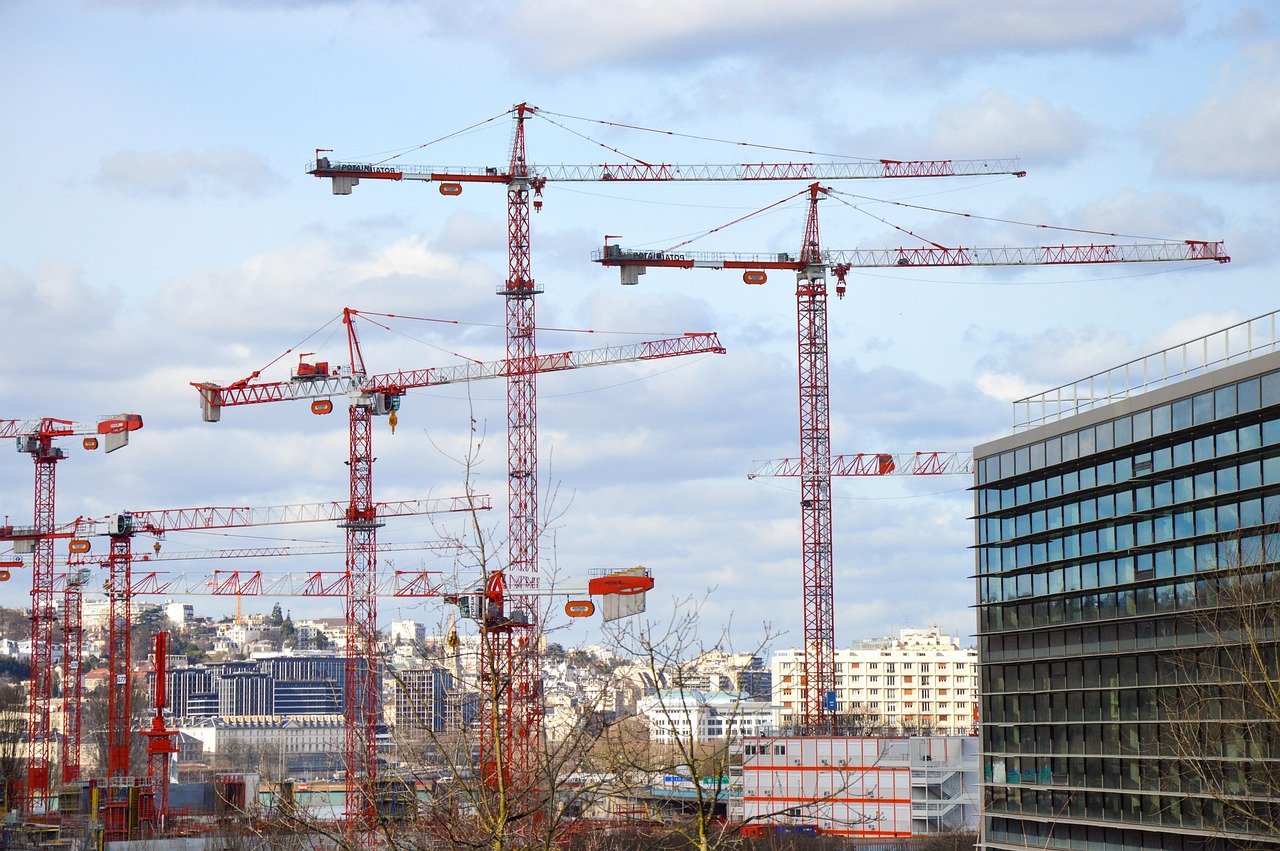
Liverpool’s skyline and urban landscape are undergoing a significant transformation as 2025 progresses, with several high-profile development projects reshaping the city. November has seen renewed activity across commercial, residential, and mixed-use schemes, reflecting Liverpool’s ambition to become a leading hub for innovation, investment, and sustainable urban living. These projects are not only altering the city’s physical appearance but are also creating jobs, improving infrastructure, and enhancing the overall quality of life for residents.
From waterfront redevelopment initiatives to modern business districts, Liverpool’s urban planning strategy is focused on long-term sustainability while meeting the immediate needs of its growing population. Planners and developers are incorporating green spaces, energy-efficient designs, and improved transport connectivity into each project, ensuring that growth benefits both the economy and the environment. The city council has played a pivotal role in streamlining approvals and attracting investment, demonstrating a commitment to supporting urban renewal without compromising historical heritage.
Residential developments are a cornerstone of the city’s urban transformation. A combination of high-rise apartments, family-friendly housing, and mixed-use complexes is helping address the housing demand in Liverpool while offering modern amenities and contemporary designs. Many projects are designed to integrate seamlessly with existing neighbourhoods, blending modern architecture with the city’s rich cultural identity. These developments also include public spaces, retail options, and community facilities, ensuring a balanced approach to urban growth.
Commercial projects have equally gained momentum, reflecting Liverpool’s growing role as a business and innovation hub. Office towers, tech parks, and coworking spaces are being developed to attract national and international firms. The focus is on creating workspaces that support flexible working, collaboration, and digital connectivity — essential features in today’s competitive business environment. This development aligns with Liverpool’s broader economic strategy, aiming to increase employment opportunities and retain talent in the city.
Transport and infrastructure upgrades are running alongside these urban projects, ensuring that development is supported by efficient mobility. Roads, pedestrian walkways, cycling lanes, and public transport links are being enhanced to cope with increased urban density. These improvements not only make commuting more convenient but also promote sustainable transport, reducing congestion and environmental impact.
Waterfront and cultural regeneration projects remain a highlight in Liverpool’s urban landscape. Areas along the Mersey River are being revitalised with new residential, commercial, and leisure developments, enhancing the city’s appeal for both residents and tourists. These schemes maintain Liverpool’s historical character while introducing modern infrastructure and amenities, creating spaces that celebrate the city’s maritime heritage.
Sustainability is a recurring theme across all projects. Developers are increasingly incorporating renewable energy, low-carbon materials, and smart technology into building designs. From energy-efficient heating systems to green rooftops and solar panels, these features reflect Liverpool’s commitment to climate-conscious urban growth. The city is positioning itself as a model for environmentally responsible development in the UK.
Community engagement has also been central to Liverpool’s urban development strategy. Public consultations, planning forums, and collaboration with local organisations ensure that projects reflect residents’ needs and aspirations. This approach fosters a sense of ownership and participation, strengthening the social fabric of the city as it grows and modernises.
In summary, Liverpool’s urban development projects in November 2025 are shaping a city that balances economic growth, modern infrastructure, sustainability, and community well-being. As residential, commercial, and cultural projects advance, Liverpool continues to redefine itself as a forward-looking, vibrant, and inclusive city. These initiatives highlight a city not only preparing for the future but actively creating it.
Major Residential Developments Transforming Liverpool
Liverpool’s residential landscape is experiencing a remarkable transformation in November 2025, with several large-scale projects underway that promise to redefine urban living in the city. These developments span high-rise apartments, modern housing complexes, and mixed-use schemes, reflecting a strategic approach to accommodate population growth while enhancing lifestyle quality. The focus is on creating communities that combine comfort, sustainability, and accessibility, appealing to a wide demographic ranging from young professionals to families.
One of the most ambitious projects currently under construction is the Liverpool Waters Residential Scheme, a mixed-use development along the waterfront. This project encompasses hundreds of new apartments integrated with retail and leisure spaces, designed to breathe new life into underutilised docklands. Beyond modern architecture and panoramic views of the Mersey, the development prioritises community spaces, parks, and pedestrian-friendly areas, ensuring residents enjoy a high quality of life alongside convenient access to city amenities.
Elsewhere, the King’s Dock District has seen significant progress in delivering contemporary housing. The area combines high-density apartments with low-rise townhouses, providing variety in accommodation to cater to different lifestyles. Developers are placing emphasis on smart home technologies, energy-efficient systems, and sustainable building materials, aligning with Liverpool’s broader climate-conscious urban planning goals. This commitment to eco-friendly design ensures that residents benefit from lower energy costs and contribute to reduced environmental impact.
In Liverpool’s city centre, the St. John’s Quarter Residential Project is creating a vibrant urban community by integrating residential units with retail, cultural, and office spaces. This approach reflects a modern trend in urban planning where living, working, and recreation co-exist within the same area. Residents can enjoy convenience and connectivity, reducing the need for long commutes while fostering a sense of community. Public squares, green rooftops, and landscaped courtyards further enhance the appeal, promoting social interaction and wellness.
Family-oriented housing is also a key component of Liverpool’s urban development strategy. Suburban projects such as the Speke Residential Expansion focus on larger homes with access to schools, parks, and recreational facilities. These developments ensure that Liverpool’s urban growth is inclusive, offering opportunities for families to settle in areas that provide both comfort and community support. Thoughtful planning ensures pedestrian safety, green spaces, and nearby amenities, which are essential for nurturing thriving neighbourhoods.
The integration of mixed-use elements within residential projects has become a defining feature. Developers are combining apartments with retail units, cafes, gyms, and co-working spaces, creating self-contained urban hubs. These spaces encourage local economic activity while offering residents convenience and a sense of belonging. For young professionals and remote workers, such designs provide the ideal balance between lifestyle and functionality, making Liverpool an attractive city for a diverse population.
Affordability remains a critical consideration. While many developments cater to premium buyers, the city council has actively encouraged inclusionary policies to ensure a proportion of units are accessible to middle-income households. Affordable housing allocations within larger projects help prevent social segregation, maintaining the city’s reputation as a balanced and welcoming urban environment.
Liverpool’s residential growth is complemented by attention to public transport and accessibility. Developments are strategically located near bus routes, train stations, and cycle lanes, allowing residents to travel efficiently without relying solely on private vehicles. This planning reduces congestion, supports sustainability, and integrates new communities seamlessly into the wider urban fabric.
Finally, Liverpool’s residential projects emphasise architectural identity and heritage preservation. While modern designs dominate new builds, many schemes incorporate local materials, colours, and styles that harmonise with the city’s historic character. This approach ensures that new housing enhances Liverpool’s skyline without eroding the sense of place that makes the city unique.
In conclusion, Liverpool’s residential developments in November 2025 showcase a city balancing growth with sustainability, lifestyle, and community. High-rise apartments, mixed-use complexes, and family-oriented neighbourhoods collectively contribute to a more inclusive, connected, and modern urban environment. The city’s strategic planning and design vision are creating spaces that are not only functional and attractive but also resilient and forward-looking, securing Liverpool’s position as a leading UK city for modern urban living.
Commercial and Business District Expansion in Liverpool
Liverpool’s urban growth is not limited to residential developments; the city is also experiencing a surge in commercial and business district projects as of November 2025. These initiatives reflect Liverpool’s ambition to become a national and international hub for commerce, innovation, and entrepreneurship. By creating modern office spaces, co-working environments, and mixed-use business centres, the city is enhancing its economic infrastructure while attracting both domestic and foreign investment.
A focal point of this expansion is the Baltic Triangle Business District, which continues to evolve into one of Liverpool’s most dynamic commercial hubs. Originally known for its creative and digital enterprises, the area now hosts a growing number of tech firms, start-ups, and co-working spaces. Developers are introducing modern office buildings with smart infrastructure, flexible layouts, and collaborative workspaces, catering to businesses that prioritise innovation, connectivity, and adaptability.
The Liverpool Knowledge Quarter is another key area undergoing transformation. Strategically located near major universities and research institutions, the district is designed to foster collaboration between academia, industry, and technology-driven enterprises. New office complexes and incubator spaces are being built alongside cafés, conference venues, and innovation labs, creating an ecosystem that nurtures entrepreneurship and attracts skilled professionals.
In addition to tech-focused areas, Liverpool is modernising its traditional commercial districts. City centre office refurbishments and high-rise developments aim to provide premium working environments while maintaining accessibility and integration with existing infrastructure. These spaces are designed with energy efficiency, smart technology, and employee wellness in mind, ensuring that commercial expansion aligns with Liverpool’s sustainability goals.
Mixed-use projects are becoming increasingly common in Liverpool’s commercial strategy. Developments often combine office spaces with retail outlets, restaurants, and leisure facilities, creating vibrant, 24-hour districts. This approach not only supports economic growth but also encourages foot traffic, fosters local business opportunities, and enhances the city’s urban atmosphere. Residents, workers, and visitors benefit from easily accessible services, creating a dynamic urban ecosystem.
Transport and connectivity are integral to the success of these commercial projects. Proximity to train stations, bus routes, and cycling infrastructure ensures that employees and clients can move efficiently within the city. Developers are also incorporating underground parking, pedestrian-friendly streets, and electric vehicle charging stations, demonstrating a commitment to sustainable and practical urban design.
Investment incentives and city council support have been critical in driving commercial development. Liverpool’s planning authorities have streamlined approvals and provided guidance for developers, ensuring that projects meet regulatory standards while encouraging innovation. Public-private partnerships have also played a role, allowing large-scale developments to progress without compromising community interests or heritage preservation.
Sustainability remains a guiding principle in Liverpool’s commercial expansion. Modern office buildings integrate renewable energy solutions, smart climate control, and eco-friendly materials. These initiatives reduce operational costs, lower carbon footprints, and appeal to environmentally conscious tenants. By prioritising green design, Liverpool ensures that business growth aligns with global environmental goals and long-term urban resilience.
The combination of modern architecture, strategic location, and sustainability features has attracted high-profile tenants and international firms to Liverpool. The city is becoming a magnet for industries such as technology, creative media, finance, and professional services. This influx of business not only strengthens the local economy but also creates employment opportunities, contributing to social and economic uplift across the metropolitan area.
In summary, Liverpool’s commercial and business district developments in November 2025 are transforming the city into a vibrant, innovative, and sustainable economic hub. By integrating modern office spaces, mixed-use developments, and smart infrastructure, Liverpool is preparing for a future where business growth, community engagement, and environmental responsibility coexist. These initiatives are positioning the city as a competitive player on the national and international stage, attracting talent, investment, and opportunity in equal measure.
Waterfront and Cultural Regeneration Projects
Liverpool’s waterfront continues to be a focal point for urban redevelopment, with November 2025 marking significant progress in projects that blend cultural preservation with modern infrastructure. The city’s maritime heritage, once the backbone of its economy, is now being leveraged to create dynamic spaces that attract residents, tourists, and investors alike. Waterfront regeneration initiatives are revitalising previously underutilised areas, transforming them into vibrant hubs of activity.
One of the most prominent projects is the Liverpool Waters scheme, which encompasses a mix of residential, commercial, and leisure developments along the northern docks. The project aims to create a sustainable, mixed-use waterfront community with modern housing, office spaces, retail units, and recreational areas. Architects have ensured that contemporary designs harmonise with Liverpool’s historic docklands, preserving key heritage features while introducing sleek, modern lines.
Cultural regeneration is another priority. Sites such as the Albert Dock and surrounding areas have been upgraded with new museums, galleries, and performance spaces. These initiatives celebrate Liverpool’s rich artistic and maritime history while providing modern amenities for visitors and residents. Public art installations, outdoor event spaces, and waterfront promenades are being integrated to create a welcoming and engaging environment that fosters community interaction.
Tourism is a significant driver of these projects. By enhancing the aesthetic and functional appeal of the waterfront, Liverpool is positioning itself as a year-round destination. Hotels, restaurants, and leisure facilities are being developed alongside cultural attractions, ensuring that the waterfront offers diverse experiences for both domestic and international visitors. This approach strengthens Liverpool’s economy while preserving its cultural identity.
Sustainability is central to waterfront redevelopment. Projects incorporate flood defences, renewable energy solutions, and green spaces to balance urban growth with environmental responsibility. Riverfront parks, pedestrian promenades, and cycle lanes encourage eco-friendly mobility and outdoor recreation, contributing to both community health and climate-conscious urban planning.
Connectivity and accessibility are being prioritised to ensure that the waterfront is integrated with the wider city. Improved transport links, including bus routes, ferries, and pedestrian pathways, allow easy access from the city centre and surrounding districts. This not only boosts economic activity but also encourages residents to engage with the waterfront as a functional, everyday part of urban life rather than a distant attraction.
The regeneration projects are also creating employment opportunities across multiple sectors, from construction to hospitality and cultural management. Local contractors, artisans, and creative professionals are being involved, ensuring that development supports the local workforce and community economy. This inclusive approach strengthens public engagement and fosters a sense of ownership among Liverpool’s residents.
Collaboration between private developers, the city council, and cultural institutions has been instrumental in advancing these projects. Regular consultations and strategic planning ensure that the waterfront’s evolution respects Liverpool’s heritage while delivering modern infrastructure. This careful balance between preservation and innovation exemplifies the city’s broader urban development philosophy.
In conclusion, Liverpool’s waterfront and cultural regeneration projects in November 2025 are reshaping the city into a modern, vibrant, and culturally rich urban space. By combining residential, commercial, and leisure developments with heritage preservation and sustainable design, the city is creating a waterfront that is economically productive, environmentally conscious, and socially engaging. These initiatives are redefining how Liverpool interacts with its riverfront, establishing a model for urban regeneration that other cities may well seek to emulate.
Transport and Infrastructure Upgrades Supporting Urban Growth
Liverpool’s urban development projects in November 2025 are being complemented by significant transport and infrastructure improvements. These upgrades are essential to ensure that residential, commercial, and cultural projects are supported by efficient mobility, connectivity, and urban services. By modernising roads, public transport, and pedestrian infrastructure, the city is addressing both current demands and future growth, creating a cohesive and accessible urban environment.
Key road and highway enhancements are underway to improve traffic flow and reduce congestion in high-density areas. Main arteries connecting the city centre with residential and commercial districts have been widened and resurfaced, with smart traffic management systems introduced to optimise signal timing and monitor vehicle movement. These upgrades help ensure that the city can handle increased vehicle volumes generated by new developments, improving commuting efficiency and safety.
Public transport is also receiving focused attention. Bus and rail networks are being upgraded, with the introduction of faster, more frequent services and modern, eco-friendly vehicles. Stations and stops are being refurbished to provide improved accessibility, real-time scheduling information, and integrated ticketing systems. These enhancements encourage residents and workers to rely on public transport, reducing carbon emissions and supporting Liverpool’s sustainability goals.
Cycling and pedestrian infrastructure has been prioritised to promote active mobility. Dedicated cycle lanes, pedestrian-friendly streets, and improved crossings are being rolled out across the city, particularly around new residential and commercial developments. These improvements not only enhance safety but also encourage healthier lifestyles and reduce reliance on private vehicles, aligning with broader environmental and urban wellbeing objectives.
Port and waterfront connectivity projects are underway to support Liverpool’s maritime economy and urban regeneration. Enhancements to ferry terminals, docks, and riverside walkways improve access for both commuters and tourists, while integrating seamlessly with new residential and cultural spaces. These upgrades reinforce Liverpool’s historical maritime identity while supporting modern economic and recreational uses.
Digital infrastructure is a crucial component of Liverpool’s urban strategy. High-speed broadband, 5G networks, and smart-city technologies are being deployed across development zones, ensuring that both businesses and residents can access reliable connectivity. This supports home working, digital entrepreneurship, and the efficient operation of commercial and cultural facilities, enhancing Liverpool’s competitiveness on a national and international level.
Infrastructure projects also incorporate flood defences, drainage upgrades, and sustainable energy solutions. As parts of Liverpool are prone to flooding due to proximity to the Mersey, investment in resilient infrastructure protects new developments and existing communities alike. Green energy initiatives, such as solar-powered street lighting and energy-efficient public buildings, contribute to the city’s climate action objectives while reducing long-term operational costs.
Community consultation has been a key aspect of transport and infrastructure planning. Local residents and businesses are regularly engaged to ensure that upgrades meet practical needs and minimise disruption. By incorporating feedback from users, Liverpool ensures that development is inclusive and benefits all segments of the population, from commuters to tourists and local communities.
In summary, Liverpool’s transport and infrastructure upgrades in November 2025 are a critical enabler of the city’s broader urban development vision. By improving roads, public transport, cycling infrastructure, digital connectivity, and flood resilience, these projects support sustainable growth, enhance accessibility, and integrate new developments into the existing urban fabric. Together, these initiatives are shaping Liverpool into a modern, connected, and resilient city ready for the demands of the future.
Sustainability and Green Initiatives in Liverpool’s Urban Projects
Liverpool’s urban development projects in November 2025 are increasingly defined by sustainability and environmental responsibility. Across residential, commercial, and cultural schemes, city planners and developers are prioritising green initiatives, renewable energy, and eco-friendly infrastructure to create a forward-looking urban environment that minimises environmental impact while enhancing quality of life for residents.
One of the most visible aspects of Liverpool’s green urban strategy is the integration of renewable energy solutions in new developments. Solar panels, energy-efficient heating systems, and smart building technologies are being incorporated across residential blocks, office towers, and mixed-use facilities. These innovations reduce operational costs, lower carbon footprints, and ensure that Liverpool’s urban growth aligns with national and global sustainability targets.
Green spaces are another critical component of the city’s sustainable development approach. Parks, urban gardens, and pedestrian-friendly plazas are being created in tandem with new housing and commercial projects. These areas not only provide recreational opportunities for residents but also improve air quality, mitigate urban heat, and support local biodiversity. Waterfront promenades, tree-lined streets, and rooftop gardens exemplify Liverpool’s commitment to integrating nature into urban life.
Water management and flood resilience are central to the city’s environmental planning. Proximity to the Mersey River necessitates robust drainage systems, flood barriers, and sustainable water management practices. Urban developments now include permeable surfaces, rainwater harvesting systems, and advanced drainage infrastructure to manage stormwater effectively and reduce environmental risks.
Sustainable transport is also a key feature of Liverpool’s green initiatives. Cycling lanes, pedestrian pathways, and improved public transport networks are designed to reduce reliance on private vehicles and lower greenhouse gas emissions. Electric vehicle charging stations are being incorporated into commercial and residential projects, further encouraging eco-friendly commuting and mobility solutions.
Energy efficiency standards are rigorously applied in both new construction and the refurbishment of existing buildings. Developers are using low-carbon materials, enhanced insulation, and energy management systems to ensure that buildings meet high environmental standards. These measures reduce energy consumption, cut costs for residents and businesses, and contribute to the city’s broader climate goals.
Community engagement in sustainability projects has also been a priority. Public consultations and educational initiatives are helping residents and businesses understand the benefits of green living and adopt environmentally responsible behaviours. By fostering a culture of sustainability, Liverpool ensures that urban growth is not only technically efficient but also socially embraced.
Cultural and heritage projects are being developed with sustainability in mind. Restoration of historic buildings incorporates energy-efficient technologies while preserving architectural character. This approach ensures that Liverpool’s rich history coexists with modern environmental standards, creating an urban landscape that is both sustainable and culturally vibrant.
In conclusion, Liverpool’s focus on sustainability and green initiatives in November 2025 demonstrates a city committed to future-proofing its urban environment. By integrating renewable energy, green spaces, sustainable transport, and water management strategies into all development projects, the city is balancing growth with environmental responsibility. These initiatives ensure that Liverpool remains a livable, resilient, and forward-thinking city, setting a benchmark for sustainable urban development across the UK.
Community Engagement and Social Impact of Urban Projects
Liverpool’s urban development projects in November 2025 are not solely about modern buildings and infrastructure; they are also deeply focused on community engagement and social impact. City planners and developers have recognised that successful urban growth depends on the active participation of local residents, businesses, and cultural organisations. By involving communities in the planning and implementation stages, Liverpool ensures that its developments reflect local needs and contribute positively to social cohesion.
Public consultations have been a cornerstone of this approach. Residents are regularly invited to provide feedback on proposed developments, whether through planning forums, surveys, or workshops. This engagement allows the city to adapt designs to accommodate community priorities, such as the inclusion of public spaces, pedestrian-friendly areas, and accessible amenities. Developers have noted that early consultation reduces opposition and ensures smoother project delivery while fostering a sense of ownership among locals.
Social infrastructure is being integrated into urban projects to support community well-being. New residential developments often include schools, childcare centres, healthcare facilities, and recreational spaces. This planning ensures that growing neighbourhoods are equipped with essential services, enhancing the quality of life and promoting inclusive, family-friendly environments. Mixed-use complexes combine commercial and leisure spaces with residential units, providing convenient access to daily needs and encouraging vibrant, active communities.
Employment opportunities are another significant social benefit of Liverpool’s urban projects. Construction, retail, hospitality, and cultural initiatives generate jobs across various skill levels, supporting both local residents and the wider economy. Internship and apprenticeship programs linked to development projects provide pathways for young people, particularly in creative, technical, and professional sectors. This focus on workforce development ensures that urban growth has a tangible, positive impact on the city’s population.
Cultural inclusivity is also being prioritised. Urban regeneration projects, particularly around the waterfront and historic districts, incorporate community spaces, art installations, and cultural venues that reflect Liverpool’s diverse heritage. These initiatives foster social interaction, promote local culture, and create spaces where residents feel represented and valued. Cultural regeneration also drives tourism and economic activity, reinforcing the city’s social and financial vibrancy.
Affordable housing initiatives are an important aspect of social impact planning. While many urban projects target premium markets, the city council requires developers to include affordable housing units within larger schemes. This ensures that urban growth remains inclusive, preventing social segregation and allowing residents from various income levels to benefit from Liverpool’s evolving urban landscape.
Community health and well-being are embedded in project design. Green spaces, pedestrian walkways, and sports facilities promote physical activity, while public gathering areas encourage social interaction. These elements contribute to a holistic approach to urban living, where mental and physical health are supported alongside economic and infrastructural development.
Collaboration with local organisations, charities, and social enterprises strengthens community engagement. These partnerships help ensure that developments address broader social challenges, such as access to education, employment, and cultural participation. Projects are increasingly evaluated not just on economic returns but also on their social contribution, reflecting Liverpool’s commitment to responsible urban growth.
In summary, Liverpool’s urban development projects in November 2025 demonstrate a strong focus on community engagement and social impact. By involving residents, integrating social infrastructure, promoting employment, and fostering cultural inclusivity, the city ensures that urban growth benefits both current and future generations. These initiatives are creating a more cohesive, vibrant, and socially responsible Liverpool, setting a standard for inclusive city planning across the UK.
Heritage Preservation and Integration in Urban Development
Liverpool’s rapid urban development in November 2025 is being carefully balanced with heritage preservation, ensuring that modernisation does not come at the expense of the city’s rich historical and cultural identity. As the city evolves with new residential, commercial, and infrastructural projects, planners and developers are increasingly integrating historic architecture, cultural landmarks, and heritage districts into contemporary designs. This approach safeguards Liverpool’s legacy while creating a dynamic urban environment that meets modern needs.
A key example of this integration is the continued redevelopment of the Albert Dock and surrounding areas. While modern facilities such as hotels, offices, and leisure spaces are being introduced, significant efforts have been made to preserve original brickwork, waterfront warehouses, and maritime features. Restoration projects ensure that historical structures remain functional and visually prominent, allowing the city to celebrate its maritime heritage while supporting contemporary urban activities.
Developers are also focusing on adaptive reuse, converting historic buildings into modern residential and commercial spaces. Old warehouses, factories, and civic buildings are being transformed into apartments, co-working offices, and cultural centres. This approach maintains the city’s architectural character while reducing the environmental impact of new construction, exemplifying sustainable development practices. By blending old and new, Liverpool creates visually cohesive urban spaces that respect its past while embracing the future.
Cultural and community consultation has played a pivotal role in heritage preservation. Local organisations, historical societies, and residents are actively involved in planning processes, providing guidance on which elements of the city’s past should be maintained or restored. This participatory approach ensures that development projects are sensitive to community values and historical significance, fostering pride and ownership among Liverpool’s population.
Public spaces and pedestrian areas in heritage districts are being enhanced to encourage interaction with the city’s history. Plazas, walkways, and open-air museums highlight historical architecture and landmarks, creating spaces where residents and visitors can appreciate Liverpool’s legacy. Integrating cultural signage, art installations, and storytelling elements adds depth to these areas, promoting educational and leisure opportunities.
Sustainability intersects with heritage preservation through careful material selection and environmentally responsible restoration practices. Reusing original construction materials where possible, implementing energy-efficient retrofits, and integrating green technologies into historic structures ensure that Liverpool’s heritage is preserved in an environmentally conscious manner. This approach strengthens the city’s reputation as a leader in sustainable urban development.
Commercial and residential projects near heritage sites are also designed to complement historical aesthetics. Building heights, façades, and colour schemes are carefully considered to maintain visual harmony with surrounding structures. This ensures that modern additions enhance rather than overwhelm the cityscape, preserving Liverpool’s unique character and architectural continuity.
Tourism benefits significantly from heritage-focused urban planning. By preserving historic districts and integrating them with modern developments, Liverpool enhances its appeal to visitors seeking cultural and historical experiences. Hotels, restaurants, and cultural venues strategically located near heritage landmarks contribute to economic growth while maintaining the city’s authenticity.
In conclusion, Liverpool’s urban development projects in November 2025 exemplify a city successfully integrating heritage preservation with contemporary growth. Through adaptive reuse, careful architectural planning, community consultation, and sustainable practices, the city ensures that modernization respects and celebrates its historical identity. This balance between old and new not only enriches Liverpool’s urban landscape but also strengthens its cultural, social, and economic foundations, positioning the city as a model for historically conscious urban development.
Call to Action: Shaping Liverpool’s Future Together
Liverpool’s ongoing urban development projects in November 2025 present a unique opportunity for residents, businesses, and investors to actively participate in shaping the city’s future. The transformation across residential, commercial, cultural, and infrastructural landscapes demonstrates that Liverpool is not only modernising but also fostering inclusive, sustainable, and vibrant communities. For those living, working, or considering investment in Liverpool, now is the moment to engage, collaborate, and contribute to this exciting urban evolution.
For residents, staying informed and involved in local development initiatives is key. Public consultations, planning forums, and community engagement events are being held across the city, allowing locals to voice opinions and influence project outcomes. By participating in these platforms, residents can help ensure that new developments reflect their needs, from green spaces and pedestrian-friendly areas to schools, cultural venues, and transport links. Active engagement strengthens community ownership and ensures that Liverpool’s urban growth benefits everyone.
Businesses have a significant role to play in Liverpool’s urban renaissance. Commercial districts and mixed-use developments are opening new opportunities for enterprises, from retail and hospitality to tech, creative, and professional sectors. By investing, leasing, or partnering with developers, businesses can capitalise on strategic locations, modern facilities, and high connectivity. Supporting these projects not only contributes to economic growth but also positions businesses as part of a forward-thinking, sustainable city ecosystem.
Investors and developers are encouraged to consider the long-term potential of Liverpool’s urban projects. The city’s commitment to sustainability, heritage preservation, and technological innovation makes it a prime location for responsible investment. By funding or participating in developments that prioritise green energy, smart infrastructure, and community benefits, investors can achieve financial returns while also contributing to a socially and environmentally responsible urban landscape.
Community organisations and social enterprises can leverage Liverpool’s development momentum to enhance social impact. Partnerships with developers, city planners, and cultural institutions provide opportunities to implement programs that promote education, arts, inclusivity, and employment. Supporting projects with a social dimension ensures that urban growth creates equitable benefits, empowering communities and enhancing quality of life for residents of all backgrounds.
Tourists, visitors, and culture enthusiasts also have a role in celebrating and sustaining Liverpool’s transformation. Engaging with new cultural spaces, waterfront developments, and community events contributes to local economies and reinforces the city’s status as a vibrant, dynamic destination. By experiencing Liverpool’s evolving urban landscape firsthand, visitors help drive continued investment and showcase the city as a model for sustainable regeneration.
Policy makers and local authorities are urged to continue facilitating collaboration between developers, residents, and businesses. By ensuring transparent planning processes, supporting sustainable and inclusive designs, and promoting technological innovation, city leaders can maintain momentum in Liverpool’s urban evolution. Engagement at this level guarantees that growth aligns with the city’s long-term vision of creating a connected, resilient, and thriving urban environment.
Finally, education and awareness are crucial. Residents, businesses, and stakeholders are encouraged to understand the principles of sustainable urban development, heritage preservation, and smart city technologies. Knowledgeable participation strengthens community advocacy, supports responsible investment, and encourages innovative solutions that make Liverpool a model city for future generations.
In conclusion, Liverpool’s urban development projects are more than construction sites—they are an invitation for everyone to actively shape the city’s future. Whether through participation, investment, advocacy, or engagement with cultural and social initiatives, every contribution helps build a city that is modern, sustainable, inclusive, and resilient. By taking action today, Liverpool’s residents, businesses, and stakeholders can ensure that the city not only grows but thrives for generations to come.
AI Overview
Artificial intelligence (AI) is playing an increasingly transformative role in Liverpool’s urban development projects as of November 2025, enhancing planning, construction, sustainability, and community engagement. By leveraging AI technologies, the city is able to streamline processes, improve decision-making, and create a more resilient and future-ready urban environment. These applications span residential, commercial, infrastructure, and cultural initiatives, making AI a central pillar in Liverpool’s urban growth strategy.
In residential developments, AI is being used to optimise building designs for space, energy efficiency, and comfort. Machine learning algorithms analyse demographic trends, housing demand, and lifestyle patterns to ensure that new apartments, homes, and mixed-use complexes meet the needs of diverse residents. AI also assists in predictive maintenance, allowing building managers to identify potential issues with plumbing, heating, or structural elements before they become costly problems. This not only reduces operational costs but also enhances long-term livability.
Commercial projects are benefiting from AI-driven insights in multiple ways. AI tools simulate office layouts, traffic flows, and workforce requirements to design modern, flexible, and efficient business environments. By predicting peak occupancy patterns, energy consumption, and usage trends, developers can create adaptive workspaces that maximise productivity while maintaining sustainability standards. This approach is particularly valuable for mixed-use commercial hubs, co-working spaces, and tech-focused districts.
Infrastructure planning and transport are also being revolutionised by AI. Intelligent traffic management systems monitor road networks in real time, optimising traffic signals, predicting congestion, and improving commuter flow. AI analyses pedestrian and cyclist movement patterns to enhance safety and accessibility. Public transport scheduling is optimised using predictive models, reducing wait times and improving efficiency. These AI-driven systems ensure that Liverpool’s growing urban footprint remains seamlessly connected.
Sustainability initiatives are another major application of AI in Liverpool’s urban projects. Algorithms monitor energy usage in buildings, optimise heating and cooling systems, and manage renewable energy integration, including solar and wind power. Environmental sensors track air quality, noise levels, and water management, allowing for proactive interventions. In waterfront and flood-prone areas, AI models simulate potential flooding scenarios and guide the design of flood defences, ensuring that developments remain resilient to climate challenges.
Community engagement is enhanced through AI-powered platforms that allow residents to interact with urban planning projects virtually. AI tools aggregate feedback from public consultations, social media, and surveys to provide planners with insights into community preferences. Virtual simulations help residents visualise how new developments will impact neighbourhoods, enabling informed input and fostering trust between the public and developers. AI also helps predict social impacts of projects, assessing how new housing, commercial spaces, and public amenities will influence population distribution and community dynamics.
Construction management is another key area where AI has proven invaluable. Machine learning algorithms forecast project timelines, optimise resource allocation, and flag potential delays or safety risks. Robotics and automated systems, guided by AI, assist in on-site tasks such as surveying, material handling, and precision construction. These innovations increase efficiency, reduce costs, and enhance worker safety while ensuring high-quality outcomes.
Heritage and cultural preservation projects also utilise AI. Digital modelling, 3D scanning, and AI-driven simulations allow planners to restore historic buildings and integrate them with modern developments without compromising authenticity. AI monitors the structural health of heritage sites over time, providing predictive insights for maintenance and safeguarding Liverpool’s cultural identity.
In conclusion, AI is a driving force behind Liverpool’s urban development in November 2025, enabling smarter, more sustainable, and community-focused growth. From residential and commercial planning to transport, sustainability, and heritage preservation, AI enhances efficiency, precision, and resilience. Its integration ensures that Liverpool is not only expanding its urban footprint but doing so in a way that is forward-thinking, adaptable, and inclusive, setting a benchmark for modern city development across the UK.
FAQs
1. What are the major urban development projects currently underway in Liverpool?
Liverpool is experiencing a range of urban development projects, including residential high-rises, mixed-use commercial hubs, waterfront regeneration initiatives, and cultural restoration schemes. Notable projects include Liverpool Waters, Baltic Triangle redevelopment, King’s Dock District residential expansion, and upgrades to the Albert Dock area. These projects focus on sustainability, community engagement, and heritage preservation.
2. How are sustainability and green initiatives incorporated into Liverpool’s urban projects?
Sustainability is central to Liverpool’s urban development. Projects integrate renewable energy, energy-efficient building systems, green rooftops, urban parks, and eco-friendly materials. Flood resilience measures, water management systems, and sustainable transport infrastructure such as cycling lanes and pedestrian paths further reinforce the city’s commitment to environmentally responsible urban growth.
3. How does Liverpool balance modern development with heritage preservation?
Liverpool ensures that new developments respect the city’s historic identity through adaptive reuse, restoration of historic buildings, and careful architectural planning. Projects in heritage districts incorporate modern amenities while preserving façades, materials, and cultural features. Community consultation and expert guidance ensure developments enhance rather than overshadow historical landmarks.
4. What role does AI play in Liverpool’s urban development?
AI is used across multiple aspects of Liverpool’s urban projects, including building design optimisation, traffic management, energy efficiency monitoring, predictive maintenance, construction management, and community engagement. By providing data-driven insights, AI helps planners and developers create efficient, sustainable, and inclusive urban spaces.
5. How are transport and infrastructure upgrades supporting urban growth?
Liverpool is upgrading roads, bus and rail networks, cycling lanes, and pedestrian infrastructure to support increased urban density. Intelligent traffic systems, flood resilience measures, and enhanced public transport accessibility ensure seamless connectivity between residential, commercial, and cultural districts while promoting sustainable mobility.
6. What measures are taken to ensure community involvement in development projects?
Public consultations, workshops, surveys, and virtual engagement platforms allow residents and local organisations to contribute feedback. This ensures projects align with community needs, from green spaces and schools to cultural venues. Inclusive planning strengthens social cohesion and promotes a sense of ownership among Liverpool’s population.
7. How do commercial developments contribute to Liverpool’s economy?
New commercial hubs, office towers, and co-working spaces attract national and international businesses, boost employment, and stimulate local economic activity. Mixed-use developments integrate retail and leisure spaces, encouraging local entrepreneurship while enhancing the city’s competitiveness and innovation potential.
8. Are there affordable housing options in Liverpool’s urban projects?
Yes. While many developments target premium markets, the city council mandates a proportion of units in large-scale projects to be affordable. This policy ensures inclusive urban growth and prevents social segregation, allowing residents across different income levels to benefit from Liverpool’s evolving urban environment.
9. How do waterfront redevelopment projects enhance Liverpool’s appeal?
Waterfront projects revitalise underutilised docklands, integrating residential, commercial, and cultural facilities. They preserve historical elements, create public spaces, and improve tourism infrastructure. Waterfront promenades, parks, and leisure amenities enhance lifestyle quality while boosting economic activity and reinforcing Liverpool’s maritime identity.
10. What is the overall social impact of Liverpool’s urban development projects?
Urban developments enhance community well-being by providing employment, social infrastructure, cultural spaces, and recreational areas. By integrating inclusive housing, accessible public amenities, and sustainable infrastructure, projects strengthen social cohesion, support health and education, and foster vibrant, connected communities across the city.
People Also Ask (Why)
1. Why is Liverpool focusing on mixed-use urban development?
Liverpool prioritises mixed-use development to create vibrant, self-contained communities where people can live, work, and enjoy leisure activities in close proximity. This approach reduces commuting times, encourages local economic activity, and fosters social interaction, making the city more sustainable and connected.
2. Why are sustainability initiatives central to Liverpool’s urban projects?
Sustainability initiatives are crucial because they reduce environmental impact, lower energy consumption, and enhance resilience to climate change. By integrating green energy, flood defences, and eco-friendly materials, Liverpool ensures long-term livability and promotes a healthier urban environment for residents.
3. Why is heritage preservation important in Liverpool’s development strategy?
Heritage preservation safeguards Liverpool’s unique cultural and historical identity while accommodating modern growth. Integrating historic buildings with new infrastructure maintains architectural continuity, attracts tourism, and fosters community pride, ensuring that urban expansion does not compromise the city’s character.
4. Why is AI being adopted in Liverpool’s urban planning?
AI is adopted to optimise design, enhance construction efficiency, improve transport systems, and monitor sustainability metrics. By leveraging predictive analytics and real-time data, planners make informed decisions, reduce costs, and create adaptive urban spaces that meet the needs of residents, businesses, and the environment.
5. Why are community consultations integral to urban development?
Community consultations ensure that developments align with the needs and preferences of residents. Engaging the public fosters transparency, reduces opposition, and encourages social cohesion. Projects shaped by community input are more inclusive, functional, and accepted, improving the overall quality of urban life.
6. Why are transport and infrastructure upgrades critical in Liverpool’s growth?
Efficient transport and infrastructure support the city’s expanding population and economic activity. Upgrades reduce congestion, improve connectivity between districts, promote sustainable mobility, and ensure that new residential, commercial, and cultural projects are fully accessible and integrated into the wider urban framework.
7. Why is Liverpool investing in waterfront regeneration?
Waterfront regeneration revitalises underutilised areas, boosting tourism, residential appeal, and commercial opportunities. It preserves historical elements while creating recreational and cultural spaces, enhancing lifestyle quality and supporting economic growth along the riverfront.
8. Why is inclusive housing a priority in urban projects?
Inclusive housing ensures that people across income levels can benefit from urban growth. It prevents social segregation, fosters diverse communities, and supports equitable access to amenities, employment, and cultural opportunities, making Liverpool a more socially balanced city.
9. Why do commercial developments integrate retail and leisure spaces?
Integrating retail and leisure into commercial developments encourages foot traffic, supports local businesses, and creates vibrant urban districts. This strategy increases economic activity while offering convenience to residents and visitors, enhancing the overall appeal of business hubs.
10. Why is Liverpool’s urban strategy considered forward-thinking?
Liverpool’s strategy combines sustainability, technology, heritage preservation, and community engagement. By embracing AI, green infrastructure, mixed-use planning, and inclusive policies, the city is building resilient, modern, and socially responsible urban environments that are prepared for future growth and global competitiveness.
Final Thoughts
Liverpool’s urban development projects in November 2025 highlight a city in transformation, blending modern infrastructure, heritage preservation, sustainability, and community engagement. From waterfront regeneration to commercial district expansion and residential innovations, Liverpool is positioning itself as a forward-thinking, inclusive, and globally competitive urban centre. These projects are not simply about buildings and roads—they represent a holistic vision for a city that meets the needs of its residents, supports businesses, attracts tourists, and embraces environmental responsibility.
The integration of AI and smart technologies is a defining feature of Liverpool’s development strategy. From optimising building designs and traffic management to monitoring sustainability and facilitating community input, AI ensures that projects are efficient, adaptive, and responsive to real-world needs. This data-driven approach enhances planning accuracy, reduces costs, and improves the long-term resilience of urban spaces, allowing Liverpool to navigate the challenges of rapid growth effectively.
Sustainability and green initiatives are equally central to the city’s vision. Renewable energy, green spaces, flood-resilient infrastructure, and sustainable transport options create an environmentally responsible urban ecosystem. These initiatives not only reduce Liverpool’s carbon footprint but also enhance quality of life for residents, fostering healthier, more active communities. By prioritising sustainability, Liverpool is setting a benchmark for other UK cities seeking to balance urban growth with environmental responsibility.
Heritage preservation remains a key priority, ensuring that modernisation does not come at the cost of cultural and historical identity. Adaptive reuse of historic buildings, careful architectural integration, and community engagement preserve the city’s character while providing modern functionality. This balance strengthens tourism, fosters civic pride, and reinforces Liverpool’s unique identity as a city that honours its past while embracing the future.
Community engagement is a cornerstone of successful urban development. By involving residents, businesses, and cultural organisations in planning and feedback processes, Liverpool ensures that projects reflect local needs and aspirations. Inclusive housing, social infrastructure, and public spaces promote social cohesion, while employment opportunities created by new developments enhance economic and social well-being. This participatory approach ensures that urban growth benefits all segments of society.
Commercial and business district projects are driving economic vitality, attracting national and international firms, and supporting local entrepreneurship. Mixed-use developments integrate retail, leisure, and workspaces, creating vibrant, active districts that encourage innovation and investment. Coupled with transport and infrastructure upgrades, these projects enhance connectivity and accessibility, positioning Liverpool as a dynamic, business-friendly city.
Waterfront and cultural regeneration projects exemplify the city’s commitment to inclusive, engaging urban spaces. By revitalising historic docklands and integrating cultural venues, public spaces, and leisure facilities, Liverpool enhances both lifestyle and tourism appeal. These projects demonstrate how economic, social, and cultural objectives can converge to create multi-dimensional urban growth.
In conclusion, Liverpool’s urban development projects in November 2025 reflect a city that is not only expanding physically but also evolving strategically, socially, and environmentally. Through the integration of AI, sustainable practices, heritage preservation, and community engagement, Liverpool is shaping a resilient, inclusive, and forward-looking urban landscape. Residents, businesses, and investors all have a role to play in this transformation, ensuring that Liverpool continues to thrive as a modern, vibrant, and globally recognised city.
For More News; Liverpool Herald
About the Author