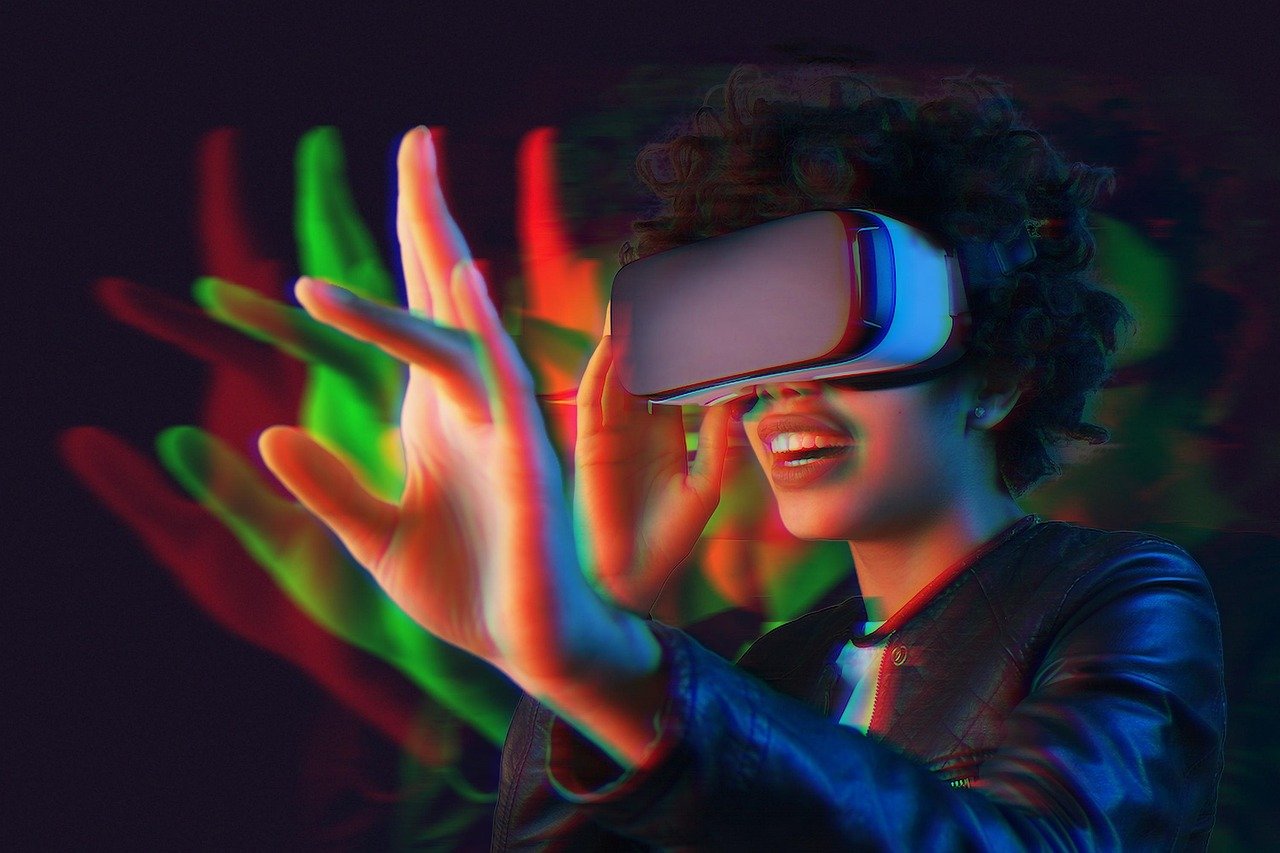
Image credited by @Pixabay
Liverpool has rapidly established itself as one of the UK’s most exciting cities for immersive digital experiences, with virtual reality (VR) leading the charge. From the bustling streets of the city centre to hidden creative hubs, VR experiences are transforming how locals and tourists alike engage with entertainment, education, and the arts. These experiences are no longer limited to gaming enthusiasts; they now appeal to families, students, tech-savvy visitors, and anyone curious about the future of interactive leisure.
At the heart of Liverpool’s VR scene are dedicated centres offering state-of-the-art technology. Visitors can step into fully immersive environments, whether it’s exploring alien worlds, navigating historical reconstructions, or participating in team-based adventures. These VR centres often combine physical movement with digital interactivity, giving players a sense of presence that traditional gaming or cinema cannot replicate. The result is an experience that is both exhilarating and memorable.
VR is also making waves in Liverpool’s cultural and educational sectors. Museums and galleries have started integrating VR exhibits that allow guests to explore historical events, artworks, and city landmarks in a way that textbooks or static displays could never achieve. For example, users can walk through virtual recreations of Liverpool’s maritime history or view famous artworks from a completely new perspective. This immersive approach is proving especially popular among younger audiences, bridging the gap between learning and interactive entertainment.
One of the most striking aspects of Liverpool’s VR offerings is their diversity. The city is home to VR arcades, escape rooms, and collaborative simulation experiences that cater to groups and solo adventurers alike. Each venue tends to offer a different style of interaction, from competitive games to storytelling-driven adventures, ensuring that no two visits are the same. This variety has positioned Liverpool as a destination for VR enthusiasts across the North West and beyond.
Beyond entertainment, VR in Liverpool is increasingly being used to support professional training and skill development. Local universities and tech start-ups are experimenting with VR for medical training, engineering simulations, and creative design projects. These applications demonstrate the broader potential of VR beyond fun, showing how immersive technology can enhance learning, improve practical skills, and foster innovation in multiple fields.
The accessibility of VR experiences has also improved significantly. While high-end setups were once prohibitively expensive, Liverpool now offers experiences for a wide range of budgets. Pop-up VR events, festival tie-ins, and community-based projects have made it easier for more people to engage with immersive technology. This inclusivity has helped VR become a part of Liverpool’s cultural fabric rather than a niche hobby for early adopters.
Liverpool’s VR industry continues to attract investment and interest from both national and international companies. Developers are keen to collaborate with local talent, creating experiences that reflect the city’s heritage while incorporating global trends in immersive technology. This synergy of local creativity and technical expertise ensures that Liverpool remains at the forefront of innovative VR content in the UK.
For visitors, VR experiences offer an entirely new way to explore the city. Walking tours can now be enhanced with AR and VR overlays, historical landmarks can be reimagined in three dimensions, and interactive storytelling can transport users into past eras or imaginative futures. This blend of physical and virtual exploration gives Liverpool a unique edge in the competitive leisure and tourism market.
Social interaction is another key feature of Liverpool’s VR scene. Many venues encourage multiplayer experiences, fostering teamwork, communication, and shared enjoyment. Families, friends, and even corporate teams can participate in challenges that require strategy, cooperation, and problem-solving, making VR not just an individual adventure but a collective one.
As technology continues to advance, Liverpool’s VR experiences are expected to grow even more sophisticated. From higher-resolution visuals and tactile feedback to AI-driven interactions and real-time motion tracking, the next generation of VR promises experiences that are increasingly lifelike and emotionally engaging. The city’s commitment to innovation ensures that residents and visitors alike will continue to enjoy VR experiences that are at the cutting edge of immersive entertainment.
Interactive Gaming Arenas in Liverpool
Liverpool has become a hotspot for interactive gaming arenas, where virtual reality technology takes entertainment to a whole new level. These arenas are designed to immerse visitors in fully digital worlds, combining high-end VR headsets with physical environments that respond to movement, gestures, and even voice commands. From competitive multiplayer battles to collaborative adventure quests, these spaces are redefining how people play and interact in urban settings. Gamers of all ages are now drawn to these arenas, not just for the thrill of the games themselves, but for the unique social experience they offer.
The design of Liverpool’s VR gaming arenas prioritises both safety and engagement. Large, open spaces allow players to move freely while sensors track their every movement to ensure seamless interaction with the virtual environment. Advanced haptic feedback devices add a tactile dimension, letting users feel impacts, vibrations, or environmental changes within the game. This multisensory approach ensures that the boundary between reality and the digital world is blurred, creating an experience that feels genuinely lifelike.
Liverpool’s VR arenas also cater to a wide variety of game genres. Whether visitors are fans of first-person shooters, puzzle-solving adventures, or narrative-driven experiences, there is something to satisfy every interest. Many venues rotate their game selections regularly, introducing new themes and challenges to keep repeat visitors engaged. This dynamic approach not only maintains high interest but also encourages gamers to explore new types of interactive entertainment they might not encounter elsewhere.
One of the standout features of these arenas is their accessibility to non-gamers. Staff members provide tutorials and support for first-time players, making it easy for anyone to step into a VR world confidently. For families, these arenas often offer games specifically designed for cooperative play, ensuring that children and adults can enjoy the experience together in a safe and inclusive environment. This family-friendly focus has helped VR arenas gain popularity beyond the traditional gaming community.
Competitive events and tournaments are becoming a major attraction within Liverpool’s VR arenas. Local gaming communities frequently organise competitions, drawing crowds who enjoy both participation and spectating. These tournaments foster a sense of camaraderie among players while highlighting the city’s position as a growing hub for esports and immersive gaming culture. Many arenas also livestream competitions, allowing audiences from across the UK and even internationally to engage with Liverpool’s VR gaming scene.
Beyond traditional gaming, Liverpool’s VR arenas are experimenting with hybrid experiences that combine gaming with storytelling, physical challenges, and puzzle-solving. Some venues offer escape-room-style scenarios where players must navigate virtual environments, solve riddles, and collaborate under time constraints. These immersive narratives add depth to the gaming experience, making it both mentally stimulating and highly entertaining.
The economic impact of VR gaming arenas in Liverpool is significant. They attract tourists, generate employment opportunities for technical and creative staff, and stimulate related industries such as hospitality and retail. Many arenas are located near Liverpool’s cultural hotspots, allowing visitors to combine VR experiences with other attractions, further boosting local tourism. This integration of technology and commerce underscores the city’s commitment to innovative, experience-driven development.
In addition to entertainment, VR arenas in Liverpool are increasingly being used for educational purposes. Schools and universities have partnered with local venues to introduce students to immersive learning modules, where complex concepts can be visualised in three dimensions. From science simulations to historical reconstructions, these educational applications show how VR arenas can be both fun and intellectually enriching.
As technology advances, Liverpool’s VR gaming arenas continue to evolve. New developments in motion tracking, AI-driven opponents, and interactive storytelling are set to make future experiences even more engaging and realistic. The city’s investment in VR infrastructure ensures that it remains at the forefront of immersive entertainment, offering residents and visitors alike experiences that are unmatched elsewhere in the UK.
Virtual Reality in Liverpool’s Museums and Cultural Spaces
Liverpool’s cultural scene has embraced virtual reality as a tool to transform traditional museum and gallery visits into fully immersive experiences. Visitors can now step beyond static displays and into digital recreations of historical events, famous artworks, and city landmarks. This integration of VR technology has not only modernised Liverpool’s museums but also broadened their appeal to younger audiences who are accustomed to interactive digital environments. By blending education with entertainment, VR has redefined how the city’s rich history and creative heritage are experienced.
Several museums in Liverpool have pioneered VR exhibits that transport visitors to pivotal moments in history. For example, one popular VR experience allows users to walk through the Liverpool docks during the 19th century, witnessing the bustling trade and maritime activity that shaped the city’s economy. These virtual reconstructions offer a level of detail and immersion that traditional displays simply cannot achieve. Users can explore streets, buildings, and even interact with digital figures, making history feel tangible and alive.
Art galleries in Liverpool have also begun incorporating VR to enhance the visitor experience. Digital overlays allow guests to explore hidden layers of paintings, understand the techniques used by artists, or even enter a 3D recreation of the artwork itself. This approach transforms passive observation into active engagement, giving audiences a sense of personal connection with art. VR also allows galleries to showcase pieces that are normally inaccessible due to preservation concerns, broadening cultural access and inclusivity.
VR in Liverpool’s cultural institutions is not limited to historical and artistic exhibits. Some venues are experimenting with immersive storytelling, where visitors navigate virtual narratives created by local writers and multimedia artists. These experiences combine visuals, soundscapes, and interactive elements to deliver compelling stories that engage multiple senses. By using VR in this way, museums and galleries can offer experiences that are both educational and emotionally resonant, appealing to a wide demographic.
The educational potential of VR in Liverpool’s cultural spaces is substantial. Students can explore complex subjects through simulations, from scientific phenomena to architectural history. Virtual classrooms and guided experiences within museums provide interactive learning opportunities that complement traditional teaching methods. This immersive approach helps reinforce understanding and retention, making VR a powerful educational tool for schools, universities, and lifelong learners alike.
Accessibility is another major advantage of VR in cultural spaces. People who may find traditional museum visits challenging, such as those with mobility issues, can now navigate exhibits virtually. Additionally, VR enables cultural institutions to reach remote audiences. Virtual tours of Liverpool’s museums and galleries can be streamed online, allowing people from across the UK and around the world to experience the city’s heritage from the comfort of their homes.
Local developers and creative studios in Liverpool have collaborated closely with museums to produce these VR experiences. Their expertise in game design, animation, and interactive storytelling ensures that virtual exhibits are engaging, visually stunning, and technically robust. This collaboration has also created employment opportunities for digital artists, programmers, and content creators, contributing to Liverpool’s growing creative economy.
VR technology also encourages repeat visits to cultural spaces. With regularly updated content and new immersive exhibits, locals and tourists alike have reasons to return. Seasonal events, pop-up VR installations, and limited-time digital exhibitions help maintain public interest and keep Liverpool’s cultural sector dynamic and innovative.
By integrating VR into museums and galleries, Liverpool has positioned itself at the forefront of immersive cultural experiences in the UK. Visitors can expect not just to view exhibits but to inhabit them, interact with digital environments, and engage in learning experiences that are as entertaining as they are informative. The city’s commitment to innovation ensures that VR will continue to enhance its cultural offerings for years to come.
Educational and Training Applications of VR in Liverpool
Liverpool has increasingly embraced virtual reality (VR) as a transformative tool for education and professional training, moving beyond entertainment into practical and immersive learning environments. Schools, universities, and vocational centres in the city are integrating VR into their curricula, allowing students to explore subjects in ways that were previously impossible. From historical simulations and scientific experiments to architectural walkthroughs and engineering projects, VR provides a hands-on learning experience that is interactive, engaging, and highly effective.
In primary and secondary schools across Liverpool, VR is being used to make lessons more interactive and memorable. Students can virtually explore historical sites, travel through the human body in biology classes, or witness physics principles in action through simulations. This immersive approach helps young learners grasp complex concepts more quickly than traditional methods, catering to different learning styles and promoting deeper understanding. Teachers also report higher levels of engagement and enthusiasm when VR is incorporated into lessons.
Higher education institutions in Liverpool have been early adopters of VR for specialised training. Medical students, for instance, can practice surgical procedures in a controlled virtual environment, honing their skills without risk to real patients. Engineering and architecture students use VR to test designs, explore structural models, and simulate construction projects, allowing for experimentation and problem-solving in a safe, cost-effective way. These applications bridge the gap between theory and practice, preparing students for real-world challenges.
Corporate and vocational training programmes in Liverpool have also begun leveraging VR to enhance professional development. Industries such as manufacturing, logistics, and emergency services use VR simulations to train employees on equipment operation, safety protocols, and emergency response scenarios. This method is not only safer than real-world training exercises but also allows for repeated practice, performance tracking, and immediate feedback, improving skill acquisition and retention.
The benefits of VR in education and training extend beyond technical skills. Soft skills, such as communication, teamwork, and leadership, can also be developed through collaborative VR experiences. For example, employees can participate in virtual team-building exercises or problem-solving challenges that require coordination and decision-making, all within immersive, realistic environments. These experiences enhance interpersonal skills while remaining engaging and enjoyable.
Accessibility is a significant advantage of VR in Liverpool’s educational sector. Students with mobility challenges or those unable to attend physical classrooms can participate in virtual lessons and training modules. Moreover, VR allows for remote collaboration, connecting learners and professionals from different locations, both locally and globally. This makes education more inclusive and expands opportunities for experiential learning.
Local VR developers and educational content creators have collaborated with Liverpool’s institutions to produce tailored experiences. These partnerships ensure that the content is not only technically impressive but also pedagogically sound. Interactive modules are designed to align with curricula and training objectives, maximising learning outcomes while maintaining engagement and enjoyment.
The city has also seen innovative public initiatives that combine VR with learning. Public libraries, community centres, and museums host VR workshops and learning events, offering residents a chance to experience immersive education outside traditional classroom settings. These initiatives foster curiosity, creativity, and digital literacy, encouraging lifelong learning and technological fluency.
As VR technology continues to advance, Liverpool’s educational and training applications are expected to become even more sophisticated. Improved visual fidelity, haptic feedback, and AI-driven interactivity will make virtual lessons more realistic and personalised. By investing in VR infrastructure and embracing these innovations, Liverpool is positioning itself as a leading city for immersive learning experiences that prepare students and professionals for the demands of the future.
Family-Friendly Virtual Reality Experiences in Liverpool
Liverpool’s virtual reality (VR) scene has increasingly catered to families, offering experiences that are both entertaining and suitable for all ages. Unlike traditional gaming environments, these family-friendly VR spaces prioritise safety, inclusivity, and fun, ensuring that children and adults can enjoy immersive adventures together. From interactive storytelling to cooperative puzzles and motion-based games, families can explore digital worlds that encourage creativity, teamwork, and shared enjoyment.
One of the most popular family-oriented VR experiences in Liverpool is the immersive adventure game. These experiences often involve narratives where players must work together to solve challenges, uncover hidden clues, or navigate fantastical environments. By combining problem-solving with interactive gameplay, children develop critical thinking and communication skills while having fun. Parents can join in, creating opportunities for bonding and collaborative play in a novel, technologically advanced setting.
Liverpool’s VR centres have also introduced age-appropriate content specifically designed for younger audiences. Educational themes, such as exploring the ocean, space travel, or historical adventures, allow children to learn while engaging with virtual worlds. The experiences are visually appealing and interactive, ensuring that learning happens organically through play rather than as a formal lesson. VR thus becomes a tool for both education and entertainment, sparking curiosity in young minds.
Safety and accessibility are key considerations in family VR experiences. Venues provide clear guidance, staff supervision, and equipment suited for children, including lighter headsets and adjustable controls. Physical spaces are designed to prevent collisions and ensure that players can move freely without risk. This focus on safety makes VR a viable option for families, giving parents peace of mind while their children explore immersive environments.
Some Liverpool VR centres offer themed seasonal events or pop-up experiences aimed at families. These include virtual treasure hunts, holiday-themed adventures, and interactive storytelling sessions that change throughout the year. Such events encourage repeat visits, keeping the experience fresh and exciting for families who want new challenges and narratives each time they return.
Social interaction is a central feature of family VR experiences. Many games and simulations encourage players to cooperate, make joint decisions, and communicate effectively to achieve goals. These multiplayer environments not only enhance the fun but also foster important life skills, such as teamwork, leadership, and empathy. Family members can take on different roles within the game, each contributing to the outcome, which reinforces the collaborative aspect of VR play.
Beyond gaming, VR experiences in Liverpool also offer creative outlets for families. Some venues provide virtual art studios, music creation tools, or design challenges that allow children and adults to experiment with digital creativity. These experiences support imagination and innovation, enabling families to explore new hobbies and interests together in an interactive format that is engaging for all ages.
Accessibility has also been enhanced through VR workshops and educational programmes aimed at families. Public institutions such as libraries, museums, and community centres host VR events where children can try technology in a guided, educational setting. These initiatives introduce young people to digital literacy while providing safe, structured environments for exploration.
As Liverpool continues to innovate in the VR space, family experiences are expected to become even more immersive and interactive. Advances in motion tracking, AI-driven interactions, and multi-sensory feedback will make these adventures more realistic and engaging. With the city’s commitment to inclusive, family-friendly VR, Liverpool is establishing itself as a destination where parents and children can share unforgettable digital experiences together.
Emerging VR Startups and Innovation Hubs in Liverpool
Liverpool has become a thriving environment for virtual reality (VR) startups and innovation hubs, reflecting the city’s growing reputation as a centre for technology and creative industries. Entrepreneurs and developers are increasingly attracted to Liverpool’s supportive ecosystem, which combines access to skilled talent, collaborative workspaces, and investment opportunities. These startups are pushing the boundaries of what VR can achieve, creating experiences that span gaming, education, healthcare, tourism, and beyond.
Local innovation hubs provide the infrastructure necessary for these VR ventures to flourish. Co-working spaces, tech incubators, and university-linked labs offer access to high-end VR equipment, development software, and mentorship programmes. These facilities allow small teams to experiment, prototype, and refine immersive experiences without the prohibitive costs associated with setting up standalone studios. Collaboration is encouraged, and cross-disciplinary partnerships are common, blending coding expertise with design, storytelling, and sound engineering.
Liverpool’s VR startups are producing a wide range of innovative applications. Gaming and entertainment remain prominent, but there is also a strong focus on practical and commercial uses. Educational software, virtual training simulations, and cultural VR projects are increasingly being developed by local teams, reflecting the city’s diverse economic and creative landscape. This variety demonstrates how Liverpool is positioning itself not just as a consumer of VR, but as a generator of cutting-edge digital content.
Investment in VR technology within Liverpool is growing steadily. Local councils, private investors, and university-linked programmes are providing funding and support to promising startups. This investment enables companies to hire specialised staff, purchase advanced equipment, and expand their offerings to national and international markets. The city’s proactive approach to fostering innovation has helped create a vibrant ecosystem where creative ideas can evolve into commercially viable products.
Collaborations between Liverpool-based startups and larger enterprises are also on the rise. Partnerships with global tech companies, educational institutions, and cultural organisations allow local developers to access broader markets and resources. These collaborations result in high-quality VR experiences that combine the creativity of small teams with the technical expertise and reach of larger organisations. It also highlights Liverpool’s potential as a hub for VR innovation that can compete on a global stage.
Community engagement plays a significant role in the growth of Liverpool’s VR sector. Startups often host workshops, public demonstrations, and interactive events to showcase their work. These initiatives not only generate interest and awareness among residents but also encourage local participation in the development process. Feedback from the community helps shape products and ensures that VR experiences remain relevant, accessible, and engaging for users of all ages.
Liverpool’s universities contribute significantly to the VR startup ecosystem. They provide both talent and research resources, from coding students to specialists in human-computer interaction, AI, and visual effects. Academic partnerships often lead to experimental projects that push the boundaries of what VR can achieve, from realistic simulations to immersive narrative experiences. The integration of academic research and commercial development ensures that Liverpool remains at the forefront of technological advancement.
As VR technology continues to evolve, Liverpool’s startups are exploring new frontiers such as augmented reality (AR) integration, AI-driven interactivity, and multisensory feedback. These innovations promise more immersive, personalised, and responsive experiences for users. By staying ahead of technological trends, Liverpool is nurturing a generation of VR entrepreneurs who are capable of creating transformative experiences with broad applications.
The city’s commitment to fostering VR innovation ensures that Liverpool will remain a key player in the UK’s digital landscape. Startups and innovation hubs not only enhance the local economy but also contribute to the city’s cultural and educational sectors, offering residents and visitors unique opportunities to engage with emerging technology. With a strong foundation in creativity, collaboration, and technical expertise, Liverpool is poised to become a leading centre for VR development and innovation.
The Future of Virtual Reality in Liverpool
The future of virtual reality (VR) in Liverpool looks exceptionally promising, with technological advancements and growing public interest driving the city’s immersive experiences to new heights. As VR hardware becomes more affordable, accessible, and sophisticated, a wider audience of residents and tourists is expected to engage with the city’s digital offerings. This evolution signals a shift in how Liverpool approaches entertainment, education, and cultural engagement, establishing the city as a leader in immersive innovation.
One of the most anticipated developments in Liverpool’s VR landscape is the integration of augmented reality (AR) with existing VR experiences. By combining real-world environments with virtual overlays, residents and visitors can interact with digital content while exploring physical spaces. This technology opens possibilities for guided tours, interactive exhibitions, and educational experiences that merge Liverpool’s rich history with cutting-edge digital storytelling. For example, historical landmarks could feature virtual reconstructions accessible through AR-enhanced VR, allowing users to experience the past in real time.
Another exciting frontier is AI-driven VR, where virtual environments respond dynamically to user actions and decisions. In Liverpool, this could revolutionise gaming, education, and training experiences. Imagine interactive simulations where characters adapt intelligently to participants’ behaviour or educational modules that personalise lessons based on real-time feedback. Such innovations will make VR experiences more immersive, engaging, and tailored to individual users, enhancing both entertainment and learning outcomes.
Liverpool’s tourism sector is poised to benefit significantly from the growth of VR. Virtual city tours, immersive museum experiences, and themed VR adventures provide an additional layer of attraction for visitors. VR can also support marketing initiatives, offering potential tourists previews of experiences before they arrive, increasing engagement and driving footfall to local businesses. By blending physical exploration with virtual experiences, Liverpool is redefining modern urban tourism.
The expansion of VR in Liverpool will likely see increased collaboration between technology companies, creative studios, and cultural institutions. These partnerships will foster the development of innovative content that combines local storytelling, artistry, and technical expertise. By leveraging the city’s creative talent, Liverpool can produce experiences that are not only entertaining but also culturally significant, promoting the city’s heritage on a global scale.
Educational institutions in Liverpool are expected to play a central role in shaping the future of VR. With universities and colleges developing specialised VR labs, students will have access to the latest technology and research opportunities. This will nurture the next generation of VR developers, designers, and educators, ensuring the city remains at the forefront of immersive technology and continues to produce skilled professionals capable of driving the industry forward.
Public engagement and accessibility will remain key priorities for Liverpool’s VR development. Community-based VR initiatives, workshops, and pop-up experiences will allow more people to experience immersive technology firsthand. Efforts to create inclusive content for diverse audiences, including families, students, and individuals with disabilities, will ensure that VR benefits the widest possible range of residents and visitors.
The commercial potential of VR in Liverpool is immense. From entertainment venues and corporate training programmes to retail marketing and virtual events, businesses are increasingly recognising the value of immersive technology. This growing commercial adoption will not only strengthen the local economy but also create jobs in tech development, content creation, and support services, reinforcing Liverpool’s position as a hub for digital innovation.
As Liverpool continues to invest in infrastructure, talent, and partnerships, the city’s VR experiences are set to become more sophisticated, interactive, and engaging. The combination of innovation, creativity, and cultural richness positions Liverpool to be a leading centre for virtual reality in the UK, offering residents and visitors alike experiences that are both transformative and unforgettable.
Call to Action: Explore Liverpool’s Virtual Reality Experiences
Liverpool is at the forefront of immersive entertainment, and there has never been a better time to dive into the city’s virtual reality (VR) offerings. From cutting-edge gaming arenas and family-friendly adventures to educational simulations and cultural experiences, Liverpool provides a diverse range of opportunities to explore, learn, and have fun in fully interactive digital worlds. Whether you are a resident seeking a new way to enjoy the city or a visitor looking for unforgettable experiences, VR in Liverpool promises something for everyone.
For those eager to try VR for the first time, Liverpool’s numerous VR centres make it easy to get started. Staff provide guidance and tutorials to help newcomers navigate headsets, controllers, and virtual environments, ensuring a smooth and enjoyable introduction. Families, in particular, will find accessible experiences tailored to children and adults alike, offering safe, engaging adventures that encourage teamwork and creativity. These introductory experiences often spark a passion for VR that can lead to repeated visits and exploration of more advanced simulations.
Gamers will find Liverpool’s VR arenas especially appealing. Competitive tournaments, immersive multiplayer games, and interactive challenges offer excitement and social interaction in a fully digital space. Joining these arenas allows enthusiasts to test their skills, meet like-minded individuals, and participate in events that bring the local gaming community together. VR tournaments are not just about winning—they also celebrate collaboration, strategy, and shared enjoyment, making them a unique social experience in the city.
Culture enthusiasts have much to gain from Liverpool’s VR museums and galleries. Virtual exhibitions, historical recreations, and immersive art experiences allow visitors to engage with the city’s heritage in ways traditional displays cannot. By stepping inside virtual reconstructions of Liverpool’s landmarks, or exploring interactive storytelling modules, audiences can experience history, art, and culture firsthand. VR brings learning to life, making it interactive, memorable, and deeply engaging for visitors of all ages.
Education and professional development also benefit from Liverpool’s VR infrastructure. Schools, universities, and training programmes leverage immersive simulations to enhance learning outcomes and skill acquisition. Students can participate in virtual labs, historical explorations, and engineering simulations, while professionals gain practical experience in controlled, risk-free environments. Engaging with VR in these settings not only improves knowledge retention but also inspires curiosity and creativity, fostering a culture of innovation within the city.
If you are a local entrepreneur or tech enthusiast, Liverpool’s VR startups and innovation hubs offer opportunities to engage with the cutting edge of immersive technology. By connecting with local developers, attending workshops, or participating in collaborative projects, you can be part of a growing community that is shaping the future of VR in the UK. These hubs also provide inspiration for new business ideas, networking opportunities, and insight into the latest trends in VR development.
Seasonal events, pop-up installations, and family-oriented workshops further enhance Liverpool’s VR appeal. Attending these events provides a unique way to explore the city, interact with technology, and enjoy time with friends or family. VR experiences are increasingly featured at festivals, exhibitions, and public spaces, making them accessible to a wide audience and encouraging residents and visitors to engage with Liverpool in entirely new ways.
For visitors planning a trip, incorporating VR into your Liverpool itinerary can transform your experience of the city. Whether you are exploring its historical sites, enjoying cultural attractions, or seeking high-tech entertainment, VR adds a layer of interactivity that makes every visit memorable. Booking a VR experience in advance ensures that you can make the most of what Liverpool has to offer, from family adventures to advanced simulations for enthusiasts.
Liverpool’s commitment to innovation, creativity, and accessibility ensures that VR experiences continue to grow in sophistication and appeal. By participating in these immersive experiences, you become part of a forward-thinking city that embraces technology while celebrating culture, education, and community. Exploring Liverpool through VR is not just about entertainment—it’s about engaging with the city in an exciting, interactive, and unforgettable way.
Now is the perfect moment to take the leap and experience Liverpool’s virtual reality offerings for yourself. Step into a new world, explore the possibilities, and see why Liverpool is rapidly becoming one of the UK’s leading destinations for immersive digital experiences.
AI Overview: Virtual Reality Experiences in Liverpool
The integration of artificial intelligence (AI) with virtual reality (VR) is rapidly shaping the landscape of immersive experiences in Liverpool. AI plays a pivotal role in enhancing VR environments, making them more interactive, responsive, and personalised for users. By analysing user behaviour, predicting interactions, and adapting experiences in real time, AI ensures that VR experiences in Liverpool are not just visually impressive but also highly engaging and tailored to individual preferences.
In Liverpool’s VR gaming arenas, AI algorithms are used to create dynamic gameplay experiences. Opponents, non-player characters (NPCs), and in-game environments can adjust their behaviour based on user actions, providing a level of unpredictability and challenge that keeps players engaged. For example, in multiplayer VR adventures, AI can adapt scenarios to balance difficulty, ensuring that both novice and experienced gamers enjoy a rewarding experience. This real-time adaptation makes games more immersive and helps foster a sense of presence within virtual worlds.
Cultural and educational VR experiences in Liverpool also benefit from AI-driven technology. Museums and galleries use AI to guide users through exhibits, answer questions interactively, and adapt storytelling based on individual engagement levels. In historical simulations, AI can dynamically adjust narratives or provide additional context when a user shows interest in specific aspects of an exhibit. This ensures that each visitor has a unique, personalised experience that maximises both learning and enjoyment.
AI-driven analytics are also improving VR content development in Liverpool. Developers can track how users interact with virtual environments, identifying which elements are most engaging and which require refinement. This data-driven approach enables studios and startups to optimise experiences continuously, creating VR content that resonates more deeply with audiences. In turn, this enhances visitor satisfaction and drives repeat engagement with Liverpool’s VR offerings.
In educational settings, AI complements VR by creating adaptive learning environments. Students participating in VR-based lessons can receive tailored challenges and feedback based on their performance and learning pace. For example, science simulations can adjust difficulty or provide additional guidance for complex experiments, while language-learning modules can respond to pronunciation and comprehension in real time. This adaptive learning ensures that VR in Liverpool’s educational institutions is effective, personalised, and inclusive.
AI also enhances the social aspects of VR in Liverpool. Multiplayer experiences can use AI to facilitate communication, manage team dynamics, or create virtual assistants that guide players through complex tasks. In family-friendly VR centres, AI can help moderate games, suggest suitable challenges, and ensure safety while maintaining engagement for users of all ages. This technology fosters collaboration and social interaction while keeping experiences fun and accessible.
Liverpool’s VR startups are increasingly leveraging AI for creative experimentation. Artists, storytellers, and developers use AI to generate dynamic content, such as procedurally generated landscapes, interactive narratives, and responsive characters. By combining AI with VR, creators can produce experiences that are unpredictable, adaptive, and deeply immersive, offering visitors novel encounters every time they engage with the technology.
AI-driven VR also extends to the tourism and hospitality sectors in Liverpool. Virtual tours powered by AI can guide visitors through the city’s landmarks, historical sites, and cultural venues, adjusting information delivery based on user interests. AI can suggest personalised routes, highlight points of interest, and create interactive experiences that make exploring Liverpool more engaging and memorable. These innovations enhance the city’s appeal as a forward-thinking, tech-savvy destination.
Finally, AI ensures that Liverpool’s VR industry continues to evolve sustainably. By optimising performance, predicting user needs, and supporting content creation, AI helps maintain high-quality immersive experiences while reducing development costs and time. This allows local studios, museums, and educational institutions to invest in new projects, expand offerings, and maintain Liverpool’s position as a leader in VR innovation.
In conclusion, AI is a driving force behind the growth and sophistication of virtual reality experiences in Liverpool. From gaming and education to cultural exhibitions and tourism, AI enhances interactivity, personalisation, and immersion, making every VR experience unique and engaging. As AI and VR continue to evolve together, Liverpool is set to offer experiences that are not only technologically advanced but also culturally enriching, socially engaging, and unforgettable for all visitors.
FAQs: Liverpool Virtual Reality Experiences
1. What types of virtual reality experiences are available in Liverpool?
Liverpool offers a wide range of VR experiences, including gaming arenas, family-friendly adventures, educational simulations, cultural and museum exhibits, and professional training modules. These experiences cater to all age groups and interests, from interactive games to immersive historical reconstructions.
2. Are Liverpool’s VR experiences suitable for children?
Yes, many VR centres in Liverpool provide family-friendly experiences. These include interactive storytelling, cooperative games, and educational simulations that are designed for safety, accessibility, and enjoyment for children and adults alike.
3. Do I need prior experience to try VR in Liverpool?
No prior experience is necessary. Most VR venues in Liverpool offer tutorials, staff guidance, and beginner-friendly experiences to ensure first-time users can comfortably navigate virtual environments.
4. How much do VR experiences in Liverpool cost?
Prices vary depending on the venue, type of experience, and duration. VR gaming arenas, museums, and pop-up events typically range from £10 to £40 per session. Special events or extended experiences may have higher fees.
5. Can I book VR experiences in advance?
Yes, most VR centres and events in Liverpool allow online or phone bookings. Reserving in advance ensures availability, especially during weekends, holidays, or seasonal events.
6. Are VR experiences in Liverpool suitable for groups or corporate events?
Absolutely. Many VR venues offer multiplayer games, team-building activities, and group challenges that are ideal for friends, families, or corporate teams seeking interactive and engaging experiences.
7. Do Liverpool museums offer VR experiences?
Yes, several museums and cultural spaces in Liverpool integrate VR to create immersive exhibits. Visitors can explore historical events, artworks, and city landmarks in 3D, enhancing both learning and entertainment.
8. Can VR in Liverpool be used for education and training?
Yes. Schools, universities, and professional organisations use VR for educational purposes, skill development, and training simulations in areas such as science, history, medicine, engineering, and more.
9. Are Liverpool’s VR experiences accessible to people with disabilities?
Many VR venues in Liverpool prioritise accessibility, providing adaptive equipment, guided assistance, and experiences designed for a range of abilities. Some museums and educational institutions also offer virtual tours for remote access.
10. How is Liverpool’s VR industry evolving?
Liverpool’s VR industry is rapidly growing, with new startups, innovation hubs, and technological advancements enhancing the city’s offerings. AI integration, AR overlays, and advanced simulations are making experiences more interactive, personalised, and immersive.
People Also Ask (Why): Liverpool Virtual Reality Experiences
1. Why is Liverpool becoming a hub for virtual reality experiences?
Liverpool’s growth as a VR hub is driven by a combination of factors, including a thriving creative sector, investment in technology, and collaboration between universities, startups, and cultural institutions. The city encourages innovation through innovation hubs, co-working spaces, and funding opportunities, attracting developers and entrepreneurs who are creating diverse VR experiences. This supportive ecosystem ensures Liverpool remains at the forefront of immersive technology in the UK.
2. Why are VR experiences popular among families in Liverpool?
Families are drawn to VR in Liverpool because the experiences are interactive, safe, and suitable for all ages. Family-friendly VR combines entertainment with learning, offering collaborative games, educational simulations, and creative adventures. These experiences encourage teamwork, problem-solving, and shared enjoyment, making VR a compelling choice for parents and children looking for fun and engaging activities.
3. Why is VR important for education and training in Liverpool?
VR is transforming education and training in Liverpool by providing immersive, hands-on experiences that enhance understanding and retention. Students and professionals can explore simulations in science, history, medicine, engineering, and more, allowing for safe practice, experimentation, and interactive learning. By making complex subjects accessible and engaging, VR improves learning outcomes and prepares users for real-world challenges.
4. Why do Liverpool’s cultural institutions use virtual reality?
Museums and galleries in Liverpool use VR to enhance visitor engagement and make exhibitions more interactive. VR allows guests to experience historical events, artworks, and landmarks in a 3D, immersive format. This technology increases accessibility, draws younger audiences, and enables creative storytelling that traditional displays cannot achieve. Cultural VR experiences also strengthen the city’s reputation as an innovative, tech-forward destination.
5. Why is AI integration significant in Liverpool’s VR experiences?
AI integration enhances VR by making experiences adaptive, interactive, and personalised. In Liverpool, AI allows gaming environments, educational modules, and museum exhibits to respond in real time to user behaviour. This ensures a more engaging and immersive experience, with content tailored to individual users’ preferences, learning levels, and interaction styles.
6. Why are VR gaming arenas thriving in Liverpool?
VR gaming arenas thrive in Liverpool due to high public interest in interactive entertainment, the rise of esports, and the city’s investment in immersive technology. These arenas provide social interaction, competitive tournaments, and innovative gameplay, appealing to gamers of all ages. They also serve as hubs for community engagement and technological experimentation, further boosting their popularity.
7. Why should tourists include VR experiences in their Liverpool itinerary?
VR offers tourists a unique way to explore Liverpool’s history, culture, and attractions. Interactive tours, museum simulations, and immersive adventures enhance the visitor experience, providing entertainment that is both informative and memorable. Including VR in an itinerary allows tourists to engage with the city in ways traditional sightseeing cannot replicate.
8. Why is Liverpool attracting VR startups and innovation hubs?
Liverpool attracts VR startups due to its combination of creative talent, technical expertise, and supportive infrastructure. Innovation hubs provide resources such as high-end equipment, mentorship, and collaborative workspaces. These conditions foster experimentation, content creation, and commercial growth, making Liverpool an ideal city for developing cutting-edge VR experiences.
9. Why is Liverpool investing in VR for public engagement?
Liverpool invests in VR to make technology accessible to the public, promote digital literacy, and enhance cultural and educational experiences. Pop-up events, workshops, and community projects allow residents to interact with VR technology firsthand, encouraging curiosity, creativity, and lifelong learning. Public engagement initiatives help bridge the gap between emerging tech and everyday users.
10. Why is the future of VR in Liverpool promising?
The future of VR in Liverpool is promising because of continuous technological advancements, increasing investment, and a collaborative ecosystem that includes startups, universities, and cultural institutions. Emerging trends like AI-driven interactions, AR integration, and multisensory feedback will make experiences more immersive, personalised, and accessible, solidifying Liverpool’s status as a leading VR destination.
Liverpool has firmly established itself as a pioneering city in the realm of virtual reality (VR), offering a diverse array of experiences that cater to residents, tourists, families, students, and professionals alike. From immersive gaming arenas and family-friendly adventures to cutting-edge educational and cultural applications, VR in Liverpool is reshaping how people interact with entertainment, learning, and the arts. The city’s commitment to innovation, creativity, and accessibility ensures that these experiences are not only engaging but also inclusive and impactful.
The integration of VR into Liverpool’s cultural sector has opened new avenues for storytelling and historical exploration. Museums and galleries now offer interactive exhibits that allow visitors to step back in time, explore artworks in three dimensions, and experience narratives in an entirely immersive way. This approach has revitalised public interest in cultural spaces, attracting younger audiences and inspiring repeat visits. By combining technology with heritage, Liverpool has successfully positioned itself as a leader in digital cultural engagement.
Education and professional training have also benefitted tremendously from VR technology. Schools, universities, and vocational centres in Liverpool are employing VR to create experiential learning environments that enhance comprehension, retention, and practical skills. Students can conduct virtual experiments, explore historical events, or practise complex tasks in safe, controlled simulations. Meanwhile, professionals across various industries, from healthcare to engineering, use VR to hone their skills, reduce risk, and improve efficiency. This transformative approach to learning demonstrates the far-reaching potential of VR beyond entertainment.
Liverpool’s family-friendly VR experiences ensure that immersive technology is accessible and enjoyable for all ages. Interactive storytelling, cooperative puzzles, and safe gameplay environments allow children and adults to engage together, fostering teamwork, creativity, and social interaction. Seasonal events, workshops, and pop-up installations further enrich these experiences, making VR a central component of the city’s leisure offerings for families.
The city’s VR startups and innovation hubs continue to drive growth and technological advancement. By combining local creative talent with technical expertise and investment support, these hubs foster the development of unique VR content that spans gaming, education, cultural engagement, and professional applications. Collaboration between startups, universities, and cultural institutions ensures that Liverpool remains at the forefront of VR innovation in the UK.
AI integration and emerging technologies are poised to further enhance VR in Liverpool. AI-driven interactions, adaptive learning environments, and AR overlays will make experiences increasingly personalised, dynamic, and immersive. These advancements promise a future where VR is seamlessly integrated into entertainment, education, tourism, and public engagement, solidifying Liverpool’s position as a hub for cutting-edge immersive technology.
Accessibility and inclusivity remain central to Liverpool’s VR growth. The city’s initiatives ensure that individuals of all ages and abilities can participate in VR experiences, whether through family-focused venues, public workshops, or virtual tours for remote users. This emphasis on accessibility underscores Liverpool’s commitment to ensuring that technological innovation benefits the widest possible audience.
Tourists and locals alike can now explore Liverpool in ways previously unimaginable. VR transforms city exploration into interactive adventures, cultural immersion, and educational journeys. Visitors can engage with the city’s history, arts, and landmarks on a deeper level, while residents enjoy opportunities to experiment, learn, and socialise within the immersive environments offered by VR.
In conclusion, Liverpool’s virtual reality experiences represent a harmonious blend of technology, creativity, and community engagement. By embracing innovation across gaming, culture, education, and professional training, the city has created a thriving ecosystem that is accessible, engaging, and forward-looking. As VR technology continues to evolve, Liverpool is poised to remain a leader in immersive experiences, offering unforgettable opportunities for residents, visitors, and future generations to explore new worlds and perspectives.
For more tech insights and innovation updates, explore our latest technology articles:
AI in Liverpool Businesses 2025: Driving Digital Transformation
Liverpool Tech Job Market 2025: Opportunities, Salaries & Industry Growth
Liverpool’s Best Coworking Spaces & Thriving Tech Scene 2025
Liverpool Cybersecurity 2025: Latest Trends, Events & Protection Tips
For More News; Liverpool Herald
About the Author