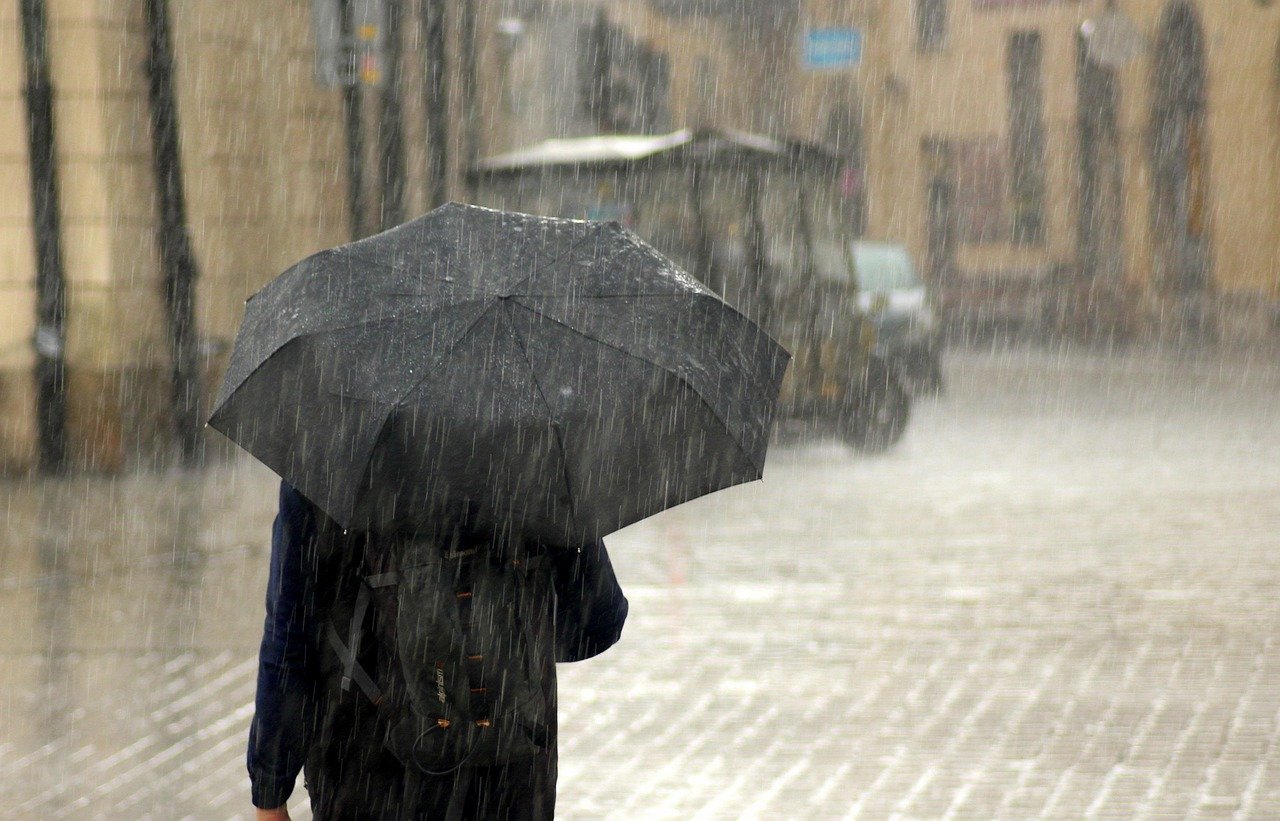
Image credited by @Pixabay
The latest severe rainfall warning issued for the region has prompted heightened concern among residents, local authorities, and transport services as heavy downpours continue to sweep across the UK this November. With meteorologists signalling the increasing likelihood of intense and prolonged rainfall, communities are being urged to stay alert, take precautions, and prepare for potential disruptions. In Liverpool and surrounding areas, the warning comes at a time when weather patterns have been fluctuating dramatically, creating a mix of localised flooding risks, travel challenges, and safety considerations for those commuting or working outdoors.
In recent days, forecasters have been closely monitoring a deepening weather system moving in from the Atlantic. This system is bringing unsettled conditions, strong moisture-laden winds, and an increased probability of torrential rain. The severe rainfall warning indicates that certain areas may experience sudden bursts of heavy rain, capable of overwhelming drainage systems and causing surface flooding within minutes. Given the dense urban makeup of many Merseyside neighbourhoods, such rainfall events often lead to clogged roads, delays on bus and rail networks, and issues for residents living in low-lying areas.
Local councils have already placed their emergency response teams on standby, ensuring that flood defences, storm drains, and pumping stations are operating at full capacity. In Liverpool, teams have been inspecting key flood-prone zones, from residential streets to major commuter routes, to anticipate possible incidents. Sandbag stations may be prepared if conditions worsen, although officials emphasise that residents must remain informed through official updates rather than circulating unverified information online. As always, community safety is the highest priority, and clear communication between authorities and the public plays a crucial role in reducing risks.
The severe rainfall warning also raises concerns for those who rely on daily travel across Merseyside. Motorists are being advised to avoid unnecessary journeys during periods of intense rain, as wet roads significantly increase stopping distances and reduce visibility. Public transport operators are preparing for possible timetable changes and delays should flooding affect tracks or roads. Passengers are being encouraged to plan ahead, allow extra time for travel, and monitor live updates to avoid unexpected disruptions.
For coastal areas such as Crosby, Formby, and sections of the Wirral, the combination of heavy rain and strong winds may result in challenging conditions along waterfront paths and promenades. High tides, paired with heavy downpours, can create hazardous conditions and increase the strain on drainage networks. Residents are advised to keep safe distances from coastal edges, as wave spray and slippery surfaces pose additional risks.
At the same time, local businesses, especially those operating outdoors—construction teams, delivery services, market vendors, and event organisers—are reassessing schedules to minimise weather-related hazards. Schools and childcare providers may also adjust pick-up or outdoor activity plans, ensuring that children remain safe during peak rainfall periods. Health officials emphasise the importance of checking on elderly neighbours or those with mobility issues, as heavy rain and pooling water can turn routine tasks like shopping or walking into potential hazards.
With climate change contributing to more unpredictable and extreme weather events, severe rainfall warnings are becoming increasingly common across the UK. For residents in Liverpool and Merseyside, awareness, preparation, and responsible decision-making remain key to navigating such conditions safely. As the rainfall warning remains in effect, authorities urge everyone to remain vigilant, follow official guidance, and prioritise safety above convenience.
The Weather System Behind the Severe Rainfall Warning
The severe rainfall warning currently in place stems from a powerful Atlantic weather system that has been intensifying over the past several days. Meteorologists monitoring this system noted early signs of instability, including a sharp drop in pressure and a strong south-westerly airflow pulling moisture across the ocean. As this moisture meets colder air above the British Isles, it condenses rapidly, creating a band of heavy, slow-moving rain. This type of system is well known in autumn and early winter, but forecasters emphasise that the one affecting Liverpool and the wider North West is unusually persistent, with rainfall bands expected to linger rather than pass quickly.
In Liverpool, the geography of the region plays a crucial role in how such weather events unfold. The proximity to the Irish Sea means that moist air is often funnelled inland, amplifying rainfall intensity when it interacts with cooler temperatures over the city. This can lead to convective bursts—short, sudden, and extremely heavy downpours capable of overwhelming drains and causing flash flooding in minutes. Areas with large stretches of concrete, such as Liverpool city centre, commercial estates, and densely populated neighbourhoods, are particularly vulnerable because rainwater has fewer places to drain naturally.
This weather system also interacts with local wind patterns, creating gusty conditions that push rain sideways and reduce visibility for drivers and pedestrians. The combination of heavy rainfall and windy conditions makes travelling more dangerous, especially on open stretches such as motorways, bridges, and coastal routes. These changes in visibility and road conditions are significant factors behind the repeated warnings issued by the Met Office, urging residents to avoid unnecessary travel when the heaviest bands of rain move through the region.
Beyond the immediate impact, weather experts are also examining the role of climate change in the increasing frequency of severe rainfall warnings. Data from recent years shows a steady rise in extreme weather events across the UK, with Liverpool experiencing multiple instances of heavy, persistent rainfall within short timeframes. Warmer air holds more moisture, meaning that when rain occurs, it tends to be more intense and prolonged. This trend is creating ongoing challenges for local councils, emergency services, and infrastructure planners who must prepare the city for a future of more unpredictable weather patterns.
The Atlantic system affecting the North West is also part of a broader chain of low-pressure systems stretching across the ocean. Meteorologists describe this phenomenon as a “conveyor belt” of unstable weather, which can result in back-to-back rainfall events. When one system moves out, another quickly follows, leaving little time for saturated ground to recover. This increases the risk of standing water, rising river levels, and flooded footpaths—conditions that Liverpool residents are already familiar with during heavy weather seasons.
Local authorities and forecasters have been carefully tracking satellite imagery, radar data, and ground reports to predict how this particular system will behave. Their analysis indicates that while the heaviest rainfall may ease intermittently, the risk remains high due to the slow-moving nature of the system. This means that even moderate rainfall, if sustained over hours, can accumulate quickly and create hazardous conditions. Roads that were safe an hour earlier can become waterlogged, and low-lying streets can fill with water without warning.
Residents across Merseyside are encouraged to rely on official weather updates rather than social media speculation. Accurate forecasts allow people to plan their day safely, whether they need to commute, pick up children, or prepare their homes for potential flooding. The Met Office has reiterated that severe rainfall warnings are not issued lightly; they are based on substantial evidence from advanced weather models and real-time analysis.
In the broader context, the current severe rainfall warning serves as a reminder of the growing importance of community awareness and preparedness. As the Atlantic system continues to influence local weather, Liverpool must remain vigilant, responsive, and informed to minimise disruption and protect residents from the most serious impacts of heavy rainfall.
How Severe Rainfall Impacts Daily Life in Liverpool
Severe rainfall does more than disrupt the landscape—it affects nearly every aspect of daily life across Liverpool and Merseyside. When heavy downpours strike, the most immediate impact is felt on local transport routes. Roads become slick, visibility drops sharply, and surface water collects in areas where drains cannot keep up. For drivers, cyclists, and pedestrians, this creates a challenging environment where extra caution is essential. Motorists are often advised to reduce speed, increase braking distance, and avoid flooded roads altogether, as even shallow water can hide potholes or stall a vehicle. Public transport services, including buses and Merseyrail trains, regularly adjust schedules when tracks or routes are waterlogged, leaving commuters facing delays or last-minute cancellations.
Beyond transport, severe rainfall affects the rhythm of everyday routines. Parents may need to factor in additional time for school runs, especially when heavy rain coincides with peak travel hours. Schools themselves often adjust outdoor activities, cancel field sessions, or alter drop-off and pick-up arrangements to keep students safe. Local businesses—particularly those reliant on foot traffic—also feel the impact. Shops, cafes, and markets experience quieter periods during intense rain as residents choose to stay indoors. Outdoor vendors and construction teams must continually monitor weather updates, sometimes halting work altogether to avoid hazardous conditions.
For households across Liverpool, the severe rainfall warning prompts immediate practical considerations. Residents living in low-lying areas or near rivers and streams often check basements, backyards, and drainage points to prevent water build-up. Blocked gutters, cluttered patios, and poorly maintained drains can quickly contribute to indoor leaks or garden flooding. Many families keep sandbags on standby during severe warnings, particularly in neighbourhoods known for water pooling during storms. Homeowners are encouraged to move valuable items away from ground level and ensure that electricity points are safeguarded from potential leaks.
The emotional impact of severe rainfall also deserves attention. For some, heavy rain brings a degree of anxiety—especially those who have previously experienced flooding. The fear of repeat incidents can make weather warnings feel more stressful. Community groups, neighbours, and local support networks often rally during challenging weather, offering reassurance, checking on vulnerable residents, and sharing resources. This sense of solidarity, common across Merseyside, helps people feel more secure during periods of uncertainty.
Severe rainfall also affects the local economy, particularly for industries tied closely to weather conditions. Hospitality venues may see reduced bookings, events may be postponed, and outdoor attractions often close temporarily for safety. For businesses, the financial implications can be significant, especially when weather warnings persist over several days. Yet many local employers have adapted to such challenges, making greater use of flexible working arrangements and remote options when heavy rainfall disrupts travel.
Meanwhile, environmental services face increased demand. Drainage teams are dispatched to clear blockages, inspect culverts, and manage overflow points. Fire and rescue crews remain on alert for calls relating to trapped vehicles, flooded homes, or hazardous road conditions. The strain on these services highlights the importance of public cooperation—simple actions like disposing of waste responsibly, avoiding blocked drains, and reporting early signs of flooding can make a major difference in how quickly authorities respond.
Parks, waterfronts, and coastal paths also undergo transformation during severe rain. Paths become slippery, visibility decreases, and waterlogged grasslands make certain areas unsafe for walking. Coastal locations such as the Wirral, Crosby, and Formby become particularly hazardous when heavy rain coincides with high tides. Strong winds can cause waves to crash onto promenades, making it dangerous for cyclists, runners, and visitors. Local authorities often issue additional coastal safety alerts during such conditions.
Finally, severe rainfall can influence health and well-being. Damp weather combined with temperature drops increases the likelihood of cold-related illnesses, while waterlogged environments contribute to mould growth in poorly ventilated homes. Medical professionals advise residents to keep living spaces dry, maintain warmth indoors, and ensure proper ventilation to reduce health risks.
In essence, severe rainfall reaches far beyond puddles and wet pavements—it triggers a chain reaction across transport, homes, businesses, and community life. Liverpool’s resilience, supported by strong local services and community spirit, remains essential in navigating the challenges brought by heavy rainfall warnings.
How Local Authorities Respond to a Severe Rainfall Warning
When a severe rainfall warning is issued, local authorities across Liverpool and Merseyside activate a well-structured response plan designed to minimise disruption, protect communities, and prevent flooding wherever possible. This coordinated approach involves several departments working together—from highways teams and drainage specialists to emergency services and environmental officers. Their first priority is assessing the areas most at risk. Using real-time weather data, flood-risk maps, and previous incident reports, authorities identify neighbourhoods, road networks, and coastal zones that may require additional support before the worst of the weather arrives.
One of the earliest steps taken is the inspection and clearing of drainage systems. Heavy rainfall can quickly overwhelm blocked drains, leading to surface water flooding that disrupts travel and affects nearby homes. Highways teams target locations historically prone to flooding, ensuring gullies, culverts, and roadside drains are free of debris such as leaves, litter, and sediment. In key areas, mobile pumping units may be deployed to manage water levels if drains begin to overflow. These preventative measures often happen overnight or in the early hours to reduce disruption during peak travel times.
Emergency planning officers also coordinate closely with Merseyside Fire and Rescue Service, ensuring rapid response units are prepared for potential incidents. Their role becomes crucial when roads become impassable, vehicles are stranded, or water enters residential properties. Fire crews remain on standby, equipped with rescue apparatus, inflatable boats, and flood-response gear to handle scenarios where immediate assistance is needed. The close link between emergency services and weather monitoring teams enables swift deployment to critical areas as soon as issues arise.
Local councils also communicate directly with residents during severe rainfall warnings. Public updates, posted through websites, radio broadcasts, and social media channels, advise people on expected conditions, affected transport routes, and safety precautions. These messages emphasise the importance of avoiding flooded roads, checking on vulnerable neighbours, and only travelling when necessary. Clear, consistent communication helps reduce panic and ensures that communities have reliable, up-to-date guidance as conditions change.
Another significant part of the response involves coastal and river management. Liverpool’s coastal stretches—particularly along the Wirral, Crosby, and Formby—require careful oversight during heavy rainfall, especially if high tides coincide with the worst downpours. Environment officers monitor tide timings, wave surges, and water levels along the Mersey and local tributaries. Temporary barriers may be installed in high-risk areas to prevent overflow, while footpaths and waterfront routes are closed if conditions become too dangerous. Riverbanks are also checked for signs of erosion or rising water that may threaten nearby homes or infrastructure.
In areas where flooding has historically occurred, local authorities prepare sandbag stations for residents who need extra protection around doorways and garden boundaries. While sandbags are not a universal solution, they provide reassurance for households in flood-sensitive zones. Teams may also visit care homes, hospitals, and schools to ensure their drainage systems are functioning properly and that emergency access routes remain safe. For facilities like these, uninterrupted operations are critical, making early intervention essential.
Transport management also plays a major role in the response to severe rainfall. Highways departments deploy monitoring vehicles to track water accumulation on major roads, bridges, and underpasses. If sections become unsafe, temporary road closures or diversions are introduced to safeguard the public. Merseyrail and bus operators maintain constant communication with councils to report delays or blockages caused by waterlogged tracks or submerged routes. This coordinated approach helps keep essential services running while minimising delays for commuters.
Waste management teams also play an unexpected but important part. Excessive rain often leads to more debris being washed into drains. To manage this, street-cleaning crews operate more frequently, sweeping leaves and litter from roadsides to prevent further blockages. Their work, though often overlooked, is crucial in reducing the risk of sudden flash flooding in residential and commercial areas.
Finally, after the heaviest rainfall passes, local authorities conduct post-incident assessments. These evaluations help identify damaged infrastructure, weakened road surfaces, or drainage systems that may require repair or upgrade. Lessons learned from each severe rainfall event inform future planning strategies, ensuring Liverpool becomes more resilient with each weather challenge.
Through preparation, communication, rapid action, and community support, local authorities play a central role in keeping Liverpool safe during severe rainfall warnings. Their efforts ensure the city remains resilient, protected, and capable of responding quickly as unpredictable weather patterns continue to impact daily life.
The Impact of Severe Rainfall on Transport and Public Safety
Severe rainfall brings immediate and wide-ranging consequences for transport and public safety across Liverpool and Merseyside. As heavy downpours intensify, the first signs of disruption often appear on the roads. Rain-slicked surfaces reduce tyre grip, increase braking distances, and heighten the chance of skidding—particularly on busy commuter routes like the M62, A59, Queens Drive, and Strand Street. Even experienced drivers can find themselves struggling with reduced visibility as wipers battle against relentless sheets of rain. With puddles forming rapidly in low-lying areas, cars face the risk of aquaplaning, a dangerous situation where tyres lose contact with the road surface. This is why highways teams and the police strongly urge motorists to slow down during severe weather, switch on full headlights, and avoid driving through standing water.
Liverpool’s public transport network is equally vulnerable. Merseyrail often experiences delays when heavy rainfall affects signalling equipment or floods trackside drainage points. Similarly, bus companies find themselves navigating flooded streets, blocked junctions, and extended travel times. On some occasions, entire routes need rerouting when roads become impassable. For passengers, this means longer waits in exposed shelters, last-minute cancellations, and crowded alternative services. Authorities consistently advise checking for live updates before travelling, especially during peak periods when the impact is most disruptive.
Pedestrian safety is also a major concern during severe rainfall. Crossings become slippery, pavements flood, and strong wind-driven rain can make it difficult to see oncoming vehicles. Vulnerable groups, including the elderly and those with mobility challenges, face added dangers as wet surfaces increase the risk of slipping. Schools often modify their walking routes for pupils, avoiding areas where water accumulates or where traffic behaves unpredictably. Umbrellas and hoods offer limited protection when wind speeds rise, leaving many soaked and more prone to cold-related health issues.
The waterfront and coastal areas present a different set of challenges altogether. The combination of heavy rainfall, strong winds, and high tides can create hazardous conditions along the Mersey coastline and beaches in the Wirral, Crosby, and Formby. Promenades may be lashed by waves that overtop sea walls, drenching footpaths and making them slippery. Authorities frequently issue warnings to keep away from coastal edges during stormy weather, as strong gusts can cause loss of balance or unexpected wave surges. For cyclists, joggers, and dog walkers who frequent these scenic routes, the advice is clear: avoid unnecessary visits until conditions improve.
Emergency services take a central role in protecting public safety during these weather events. Merseyside Fire and Rescue Service often responds to flooded basements, stranded motorists, and reports of water entering ground-floor properties. In particularly severe cases, they may assist in evacuations, using specialist equipment designed for flood emergencies. The police play an equally vital part by introducing temporary road closures, managing traffic flow around hazardous areas, and ensuring that drivers do not enter flooded zones. These safety measures can be frustrating for commuters, but they remain essential for preventing accidents and injuries.
Hospitals and medical centres also prepare for an influx of weather-related incidents. Slips, trips, road collisions, and cases of hypothermia tend to increase during prolonged heavy rain. Ambulance crews adapt by adjusting their routes and preparing for slower travel times due to waterlogged roads. Medical staff remind residents to dress warmly, use waterproof footwear, and take extra care when walking near roads or steep steps.
For cyclists and motorbike riders, severe rainfall poses heightened risks. Rain reduces friction on tyres, making it difficult to brake or manoeuvre quickly. Potholes, concealed beneath puddles, become unexpected hazards capable of causing punctures or accidents. Many cycling groups across Liverpool encourage riders to avoid travelling during severe weather unless absolutely necessary. The same advice applies to delivery drivers who rely on two-wheel vehicles, as they face some of the most dangerous conditions on the roads.
Public safety teams also keep a close eye on local rivers and streams. During heavy rainfall, water levels can rise rapidly, increasing the risk of overflowing. Barriers are put in place where needed, and warning signs are installed to keep residents away from dangerously swollen waterways. Children, in particular, must be kept away from flooded parks, underground passages, and culverts, as fast-moving water can be deceptively strong.
Overall, the impact of severe rainfall on transport and public safety is far-reaching and often unpredictable. Roads become hazardous, public transport slows, coastal areas turn dangerous, and emergency services work tirelessly to keep communities safe. While the weather may be uncontrollable, a cautious, well-informed approach helps ensure that Liverpool continues to navigate severe rainfall events with resilience and awareness.
Community Preparedness and Local Response Efforts
Across Liverpool and the wider Merseyside region, communities are moving quickly to prepare for the severe rainfall warning, recognising that early action can significantly reduce the impact of extreme weather. Residents have become increasingly proactive in recent years as heavy rainfall events grow more frequent, and November’s warning has prompted renewed focus on safety, communication, and neighbourhood support systems. Local councils have urged households to check gutters, drains, and garden structures, as blockages are among the most common causes of localised flooding. Many families are also preparing emergency kits with torches, power banks, non-perishable food, and basic medical supplies—a precaution that has now become part of routine storm-readiness for many.Community groups are playing a central role in spreading awareness, particularly in neighbourhoods with vulnerable residents such as the elderly or those with limited mobility. Volunteers have stepped up to ensure these individuals receive timely updates, can access essential supplies, and have a plan if conditions worsen. Social media groups and WhatsApp neighbourhood networks have proven invaluable, allowing people to quickly share localised updates, road closures, or drainage issues before they escalate into more serious situations. In several areas, residents have taken it upon themselves to clear leaves and debris from roadside drains, helping prevent surface water build-up during the heaviest downpours.
Local emergency services have reinforced the message that preparation is not only encouraged but vital. Fire crews are particularly focused on flood-prone zones, ensuring that pumping equipment is ready and response plans are coordinated. They have urged residents never to attempt driving through standing water, as even shallow levels can cause vehicles to stall or be swept off course. Meanwhile, Merseyside Police have increased patrols around key transport routes, monitoring conditions as flood risks evolve throughout the day. The collaboration between residents and authorities has created a more informed and ready community, ensuring people understand not just the severity of the forecast but the practical steps needed to stay safe.
Schools and childcare centres have also begun implementing early-warning protocols, monitoring weather alerts closely and preparing for potential schedule adjustments. Parents have been advised to keep communication devices charged and remain attentive to messages from school administrators, who will issue updates if travel conditions become hazardous. Some schools have reviewed their drainage systems, outdoor areas, and pick-up zones to avoid disruptions during peak rainfall periods. Ensuring that children remain safe and well-informed has become a cornerstone of Liverpool’s broader emergency planning.
In retail and business districts, shop owners are securing storefronts and entrances to prevent water ingress. Waterproof barriers, sandbags, and protective covers are being positioned in areas with a history of pooling water. Hospitality venues—particularly those with outdoor seating—have shifted to indoor-only service plans, storing away furniture and equipment that could be damaged by the storm. Business owners have also updated staff on emergency procedures, ensuring everyone knows what to do if conditions escalate quickly.
Transport operators across Merseyside have issued precautionary notices to travellers, advising them to plan additional journey time and expect delays. Heavy rainfall often leads to slower traffic flows, reduced visibility, and potential disruptions to bus and train schedules. Some services may be rerouted if flooding occurs along key corridors. The local rail network remains on alert, particularly in stations known for drainage issues, with engineers on standby to respond to trackside flooding. Commuters are being encouraged to check real-time travel apps before leaving home.
Public health officials have reminded residents to be mindful of safety when navigating wet conditions. Slippery pavements, falling debris, and the risk of contamination from floodwater mean that avoiding unnecessary travel is strongly advised. They have also stressed the importance of checking in on neighbours and relatives during prolonged periods of heavy rain, as isolated individuals may require additional assistance. For those living in basement flats or low-lying properties, guidance includes moving valuables to higher shelves and ensuring essential documents are stored in waterproof containers.
Ultimately, Liverpool’s community preparedness reflects the city’s long-standing resilience. Severe rainfall may be disruptive, but a coordinated, well-informed response can significantly reduce risk and ensure everyone remains safe until conditions improve. With residents, authorities, and local businesses working collectively, the region stands ready to face the impact of the approaching storm.
Transport Disruptions and Safety Measures During the Warning
Severe rainfall across Liverpool and the wider North West region often brings significant disruption to travel, and the current warning has placed transport operators on high alert. As forecasts indicate prolonged heavy downpours, rail, road, and bus networks are preparing for delays, cancellations, and potential route changes. Rail services are particularly vulnerable, as excess surface water can accumulate quickly along low-lying tracks or near stations with older drainage systems. Engineers have been deployed to monitor key sections, ensuring that pumps and clearing equipment are ready if water levels rise. Commuters have been advised to check for real-time updates before leaving home, as services may run slower than usual or be temporarily halted for safety reasons.Liverpool’s roads are also expected to face major congestion as heavy rainfall limits visibility and reduces braking distance. Motorists are strongly encouraged to drive slower than usual, keep headlights on even during daylight hours, and maintain extra space between vehicles. Local authorities have begun inspecting areas with a history of surface flooding, such as sections near the docks and older residential districts. In previous storms, some routes became impassable within minutes of torrential rainfall, and officials caution that similar conditions could occur again. Drivers have been repeatedly warned not to attempt crossing floodwaters, no matter how shallow they appear, as even a few inches can lift a vehicle or cause irreversible engine damage.
Bus travel may also be affected, with Merseytravel preparing alternative routing plans for lines that pass through flood-prone roads. Commuters using buses should allow additional journey time and remain alert to sudden schedule adjustments. Some stops may be temporarily relocated if standing water poses a hazard to passengers. Several operators have increased staffing at major hubs to assist travellers, communicate reroutes, and help vulnerable passengers who might require extra support during the severe weather.
Air travel, though less directly affected by flooding, may still experience disruptions due to reduced runway visibility and wind conditions accompanying the heavy rain. Liverpool John Lennon Airport has issued precautionary statements advising passengers to arrive early, monitor flight updates, and prepare for the possibility of delays. Ground crews are also working to ensure that drainage channels around the runway remain clear, as excessive water build-up can interfere with take-off and landing procedures. While full cancellations are not expected unless conditions worsen dramatically, passengers are being encouraged to remain flexible.
Cyclists and pedestrians are among the most at-risk groups during severe rainfall. Slippery pavements, sudden gusts of wind, and poor visibility make outdoor travel hazardous. Public health officials recommend avoiding non-essential journeys on foot or by bicycle, especially in the evening when visibility diminishes further. For those who must travel, appropriate waterproof clothing, non-slip footwear, and reflective gear are essential. Pedestrians should take extra care near road crossings, as drivers may struggle to stop quickly on wet surfaces.
Public transport operators have reinforced their commitment to passenger safety by increasing monitoring across the network. CCTV teams are tracking conditions in real time, enabling quicker decision-making when roads or rail sections need to be closed. Emergency crews are stationed across key junctions to respond swiftly to incidents such as stranded vehicles, fallen branches, or burst water drains. This coordinated approach ensures that transport disruptions, though unavoidable, can be managed efficiently with minimal risk to travellers.
In the city centre, increased foot traffic around shopping districts has prompted additional safety measures. Barriers and cones have been placed near slopes and stairways susceptible to water pooling, preventing slips and falls. Some car parks with lower ground levels have issued warnings to drivers, advising them to avoid lower bays that are more prone to flooding. Taxi services are also preparing for increased demand as residents opt for safer, point-to-point travel.
Overall, while severe rainfall warnings always challenge Liverpool’s transport infrastructure, coordinated planning and clear communication can significantly reduce interruptions. As long as residents and commuters heed official advice and prioritise safety, the region can navigate the worst of the weather with resilience and awareness. The coming hours will be closely monitored, but with robust measures in place, Liverpool remains prepared for potential disruption.
Health, Safety, and Emergency Services Readiness
As Liverpool braces for severe rainfall, health and emergency services across the region are intensifying preparations to ensure residents remain safe throughout the weather event. Heavy and prolonged downpours pose multiple risks—from slips and injuries to serious emergencies such as flooding, electrical hazards, and medical complications. With the severe rainfall warning in effect, hospitals, paramedic teams, fire services, and public health officials are working in coordination to mitigate risks and respond quickly to any incidents. Their readiness reflects a well-established network of support designed to protect communities during extreme weather, particularly at a time when such events are becoming increasingly common.NHS hospitals across Merseyside have activated their adverse weather protocols, placing extra staff on standby and reinforcing emergency departments in anticipation of an increase in weather-related injuries. Slippery pavements, reduced visibility, and sudden flooding often result in a rise in fractures, sprains, and vehicle-related accidents. Clinics are advising patients with non-urgent appointments to check ahead, as some visits may be rescheduled if travel conditions worsen. Chronic illness patients—especially those with respiratory, cardiac, or mobility issues—are being reminded to keep essential medications accessible and to stay indoors wherever possible, as the damp and cold conditions can aggravate existing health problems.
Public health officials have issued strong guidance regarding hygiene and sanitation, particularly in areas susceptible to drain overflow. Floodwater can carry contaminants, bacteria, and chemical waste, making direct contact a potential health hazard. Residents have been urged to avoid walking through floodwater and to immediately wash hands and clothing if accidental contact occurs. For homes in flood-risk zones, officials recommend preparing clean drinking water, ensuring refrigerators remain sealed in case of power disruptions, and double-checking that electrical sockets near ground level are protected.
Merseyside Fire and Rescue Service is playing a crucial role in managing the city’s preparedness strategy. Fire crews are conducting checks on water pumps, swift-water rescue equipment, and inflatable boats, ensuring they are ready for immediate deployment. Historically, storms in the region have led to rapid flooding in underpasses, basements, and low-lying estates, and the fire service is prepared to carry out both rescues and preventative measures. Teams are also reminding residents not to attempt to clear large blockages in drains themselves, as this poses significant injury risks. Instead, they encourage reporting issues through official channels, where trained teams can intervene safely.
Ambulance services are anticipating a spike in call volumes as the rainfall intensifies. Paramedics have been strategically placed across different parts of the city to reduce response times, particularly in areas that may become isolated due to rising water. Residents are urged to use emergency numbers responsibly, keeping 999 calls strictly for life-threatening situations. Those requiring non-urgent medical advice are directed toward 111 services, which remain fully staffed and prepared for increased demand. This system allows emergency responders to prioritise the most critical cases while ensuring all residents still receive the support they need.
Mental health services have also encouraged residents to stay connected with support networks, as extreme weather can heighten anxiety, especially for individuals who have previously experienced flooding or displacement. Community health centres are promoting digital check-ins, allowing vulnerable people to speak with health professionals without having to travel. In storm conditions, simple communication between family members, neighbours, or volunteers can significantly reduce stress and enhance safety.
Shelters and community hubs across Liverpool have prepared to offer temporary support for those who may need refuge from flooding or power outages. Local charities are on standby to deliver warm meals, blankets, and essential supplies to households experiencing hardship. This collaborative response highlights the community-centred resilience that Liverpool is known for—showing that during periods of extreme weather, collective support often becomes the strongest defence.
Ultimately, health and emergency services across Merseyside are demonstrating comprehensive readiness as the severe rainfall warning unfolds. Through proactive communication, technical preparedness, and community outreach, they aim to minimise harm and ensure that residents receive help swiftly and effectively. As long as individuals follow official guidance, prioritise safety, and support one another, Liverpool will be well-positioned to face the challenges posed by the worsening weather conditions.
Economic Impact and Local Business Adaptation During Severe Rainfall
Severe rainfall warnings carry consequences that extend far beyond immediate safety concerns, often creating ripple effects across Liverpool’s local economy. As the region prepares for prolonged heavy downpours, many businesses—particularly small and medium-sized enterprises—are adjusting operations to minimise disruptions and protect both staff and customers. The economic impact of such weather events can be significant, especially for sectors heavily dependent on foot traffic, outdoor operations, or scheduled events. With the warning now in effect, proactive adaptation is becoming essential for maintaining stability in the face of unpredictable conditions.Retailers across Liverpool city centre have begun preparing for reduced footfall, as adverse weather consistently discourages shoppers from travelling into busy areas. Businesses in Liverpool ONE, Bold Street, and the Baltic Triangle are reporting early signs of slower activity, prompting some stores to adjust staffing schedules to avoid unnecessary costs. Many have increased their reliance on online sales channels, encouraging customers to shop through digital platforms with same-day or next-day delivery options. For independent retailers, especially those already navigating a challenging economic climate, staying flexible and maximising online engagement are key strategies for mitigating the financial strain caused by severe rainfall.
Hospitality businesses—cafés, restaurants, pubs, and entertainment venues—face their own set of challenges. Establishments with outdoor seating areas have had to move operations indoors or temporarily close patio sections to avoid water damage. Events scheduled for the week, from live gigs to open-air markets, are being reassessed, with some organisers opting to postpone or modify setups to ensure safety. While indoor venues may see an uptick in customers seeking shelter and comfort, many businesses still anticipate a downturn in overall revenue due to travel disruptions and public safety concerns. To counter this, several venues are offering targeted promotions, warm drink specials, or extended indoor seating arrangements to maintain customer flow during the storm.
Tourism, another major contributor to Liverpool’s economy, is also expected to feel the impact. Visitors often plan their itineraries around outdoor attractions such as the waterfront, historical walking tours, or sports-related excursions. Heavy rainfall can lead to cancellations or dramatically altered travel plans. Local hotels are preparing for an increase in customer queries about transport delays and weather-related adjustments. In response, many accommodation providers are enhancing their customer service operations, offering flexible booking policies or providing real-time updates to reassure guests.
Transport disruptions themselves carry an economic cost, affecting workers’ ability to reach their jobs, delaying deliveries, and slowing down overall productivity. Logistics companies across Merseyside have already begun adjusting delivery routes, assigning additional drivers, and building contingency time into schedules to reduce the risk of missed deadlines. Businesses reliant on same-day supply chains—such as bakeries, florists, and fresh-food suppliers—must now navigate the added challenge of ensuring stock arrives on time despite the weather. Some firms are even coordinating with suppliers to bring in stock earlier than usual to avoid potential interruptions.
Construction and outdoor labour sectors face some of the most significant operational challenges during severe rainfall. Work on building sites often slows or halts entirely due to safety concerns, as wet conditions increase the risk of falls, equipment malfunction, and unstable ground. Contractors must make tough decisions about delaying work, which can push back project timelines and increase costs. To maintain safety, companies are reviewing risk assessments, reinforcing protective coverings, and ensuring that workers have access to adequate waterproof gear.
Despite the difficulties, Liverpool’s business community is known for its resilience and adaptability. Many enterprises have learned from past weather events and now incorporate severe-weather contingency plans into their operations. Digital solutions, flexible workforce models, and stronger communication networks have all contributed to improved response capabilities. Local councils and business associations are also offering support by sharing guidance, highlighting funding opportunities, and connecting businesses with resources for storm-related preparedness.
The overall economic impact of the severe rainfall warning will depend on the duration and intensity of the downpour, as well as how quickly normal conditions resume. However, by taking early action and remaining adaptable, Liverpool’s business community can reduce the severity of financial losses and continue supporting the city’s recovery once the weather stabilises. The strength of Liverpool’s economy has always been its ability to withstand challenges, and this storm is no exception.
Call to Action
As Liverpool faces a severe rainfall warning, the importance of collective responsibility, awareness, and preparedness has never been clearer. Extreme weather is no longer an occasional disruption but an increasingly common challenge, and the actions residents take today can significantly reduce risks for themselves and for the wider community. This is a moment for Liverpool to demonstrate the resilience, unity, and proactive spirit that the city is known for. Whether you’re a homeowner, commuter, business owner, parent, or carer, taking a few essential steps now can ensure safety and stability throughout the worst of the storm.The first and most crucial action is to stay fully informed. Weather conditions are changing rapidly, and updated forecasts, local alerts, and guidance from authorities will help you make the right decisions at the right time. Keep your phone charged, ensure emergency notifications are turned on, and follow updates from Merseytravel, the Met Office, Liverpool City Council, and emergency services. Accurate information reduces uncertainty and helps prevent avoidable risks, especially during periods of severe flooding.
Residents should take immediate steps to secure their homes and surroundings. Simple preventive measures—clearing gutters, removing debris from drains, securing garden furniture, and checking water flow around your property—can significantly reduce the risk of damage. For those living in known flood-risk zones, it’s essential to keep sandbags or flood barriers ready, store important documents in waterproof containers, and move valuables to higher shelves. Preparing an emergency kit with torches, batteries, medication, non-perishable food, and bottled water can make a major difference if conditions worsen or power outages occur.
Transport users must also adjust their routines. If you have the option to postpone non-essential travel, do so. If you must commute, allow additional time, check for route delays, and follow safety advice closely. Motorists are urged to avoid driving through surface water and to maintain lower speeds, as visibility may be severely reduced. Pedestrians and cyclists should wear reflective gear and avoid walking through floodwater, which can conceal hazards such as sharp objects, uneven ground, or contamination.
For business owners, now is the time to activate severe-weather procedures. Secure entrances, protect stock and equipment, brief staff on emergency protocols, and communicate clearly with customers about any changes to operating hours. Consider using online services or delivery options to maintain business continuity during periods of reduced footfall. Ensuring staff safety should always be the top priority.
Community support remains one of Liverpool’s greatest strengths. Check on elderly neighbours, vulnerable family members, or those living alone. A simple message or phone call can make a meaningful difference, especially for individuals who may feel anxious or isolated during extreme weather. Volunteer groups and local community centres will likely mobilise to assist where needed, and residents are encouraged to participate safely wherever possible.
Emergency services are fully prepared, but they need residents’ cooperation to respond effectively. Use 999 only for genuine emergencies and report non-urgent issues through the correct channels. Avoid putting yourself in danger, as this diverts resources away from those who may be facing life-threatening situations. Trust the guidance from professionals and follow instructions without delay.
AI Overview
The severe rainfall warning affecting Liverpool and the surrounding Merseyside region highlights how modern forecasting, data analysis, and digital communication are transforming the way communities respond to extreme weather. In recent years, artificial intelligence has become a key component in improving weather prediction accuracy, enhancing emergency planning, and supporting public safety during rapidly changing conditions. As climate patterns shift and storms grow more intense, the need for intelligent systems that can process large volumes of data quickly has become increasingly vital. AI now plays a central role in understanding rainfall patterns, predicting flood risks, and assisting authorities in making informed decisions that protect residents, businesses, and infrastructure.One of the most significant contributions AI offers is the ability to analyse millions of data points from satellites, radar systems, historical weather models, and real-time environmental sensors. Traditional forecasting relies heavily on human interpretation and slower modelling processes, whereas AI systems can identify subtle patterns that signal incoming severe rainfall long before it becomes visible on conventional maps. Machine learning models adapted for UK weather conditions help forecasters detect atmospheric instability, predict rainfall intensity, and estimate the potential duration of the storm. This allows organisations such as the Met Office to issue warnings earlier, giving communities more time to prepare.
AI also supports flood management systems across Liverpool, an area with several low-lying neighbourhoods and ageing drainage networks. Predictive flood models powered by machine learning can simulate how water will move through the city based on rainfall levels, land slope, soil saturation, and blocked drains. This enables local councils to identify the most vulnerable streets, inform emergency crews where to position equipment in advance, and even alert residents through automated messaging systems. In some zones, smart sensors installed in drains feed data directly into AI-driven monitoring platforms, allowing teams to respond immediately when water levels rise unexpectedly.
In the transport sector, AI enhances safety by enabling real-time analysis of road conditions, traffic speed patterns, and potential hazards. Traffic management systems use AI to detect congestion caused by weather, adjusting signal timings or sending alerts to drivers through navigation apps. For rail networks, predictive maintenance relies on AI to analyse track data and identify areas that may flood or become unstable during heavy rainfall. This helps operators pre-empt delays and deploy engineers more efficiently, reducing risk for commuters.
AI-powered communication tools have also become invaluable during weather emergencies. Automated systems can send targeted alerts to residents based on their postcode, warning them about flood risks, transport disruptions, or evacuation guidance. Chatbots integrated with council websites and public service platforms provide quick answers to common questions, reducing pressure on emergency hotlines. Social media monitoring tools driven by AI help authorities track real-time public concerns, identify emerging incidents, and debunk false information that might spread during chaotic conditions.
Businesses, too, benefit from AI during severe weather events. Retailers use predictive analytics to estimate shifts in customer behaviour, helping them adjust staffing levels or stock essential items ahead of the storm. Logistics companies rely on route-optimisation algorithms to plan safer delivery paths and avoid flood-prone roads. Hospitality venues use AI tools to monitor booking trends and respond quickly to cancellations. These technologies help reduce financial losses and maintain stability in uncertain conditions.
Healthcare providers and emergency services increasingly rely on AI for resource planning. Predictive models estimate the likelihood of injuries, hospital admissions, or emergency calls during severe rainfall, allowing NHS teams to position staff and equipment where they are needed most. AI supports ambulance dispatch systems by calculating optimal routes in real time, even as road conditions deteriorate. This can significantly improve response times, especially during peak rainfall periods.
Beyond immediate response, AI plays an important long-term role in studying how rainfall patterns evolve over time. Climate scientists use machine learning to analyse decades of weather data, understanding how rising temperatures are influencing storm frequency and intensity. These insights inform policy decisions, infrastructure investment, and regional adaptation plans—helping cities like Liverpool prepare for a future where extreme weather becomes more common.
While AI continues to grow in capability, human judgment remains essential. Technology assists, but it is the combined expertise of meteorologists, emergency planners, health professionals, engineers, and community leaders that ensures the most effective response. AI strengthens their ability to act quickly and accurately, reducing risk and enhancing public safety. As Liverpool faces its latest severe rainfall warning, the partnership between human insight and intelligent systems demonstrates the future of emergency management: faster, smarter, and more resilient.
This integration of AI and traditional expertise offers a compelling vision of how cities can better navigate extreme weather conditions. As technology continues to develop, Liverpool stands to benefit from even greater predictive accuracy, stronger infrastructure planning, and improved community protection—ensuring the region is prepared not just for today’s storm, but for the challenges of the coming years.
FAQs
What should I do first when a severe rainfall warning is issued?
When a severe rainfall warning is issued, your priority should be to stay informed and take immediate safety precautions. Check reliable sources such as the Met Office, Liverpool City Council, and local emergency services for updates. Secure your home by clearing gutters, checking drains, and moving valuables away from ground level. Avoid unnecessary travel and make sure phones, power banks, and essential supplies are ready in case conditions worsen.
How can I protect my home from flooding during heavy rain?
Start by inspecting drains and gutters around your property and removing any debris that might block water flow. If you live in a flood-risk area, keep sandbags or temporary flood barriers ready and place important documents in waterproof containers. Move electronics and valuables to higher shelves and ensure you have an emergency kit prepared with torches, batteries, food, and bottled water. Quick preventive steps can significantly reduce potential damage.
Is it safe to drive during severe rainfall?
Driving during severe rainfall can be hazardous due to reduced visibility, slippery surfaces, and unexpected flooding. Only travel if absolutely necessary. Keep headlights on, reduce speed, and leave extra distance between vehicles. Never attempt to drive through floodwater—just a few inches can stall your engine or sweep your vehicle off course. Check live travel updates before leaving home to avoid closed or waterlogged routes.
What should parents know about school operations during severe weather?
Schools monitor weather alerts closely and may adjust schedules or pick-up arrangements if conditions become unsafe. Parents should keep phones charged and check messages from school administrators throughout the day. Children should be dressed in waterproof clothing if travel is required. Schools will prioritise student safety, so be prepared for potential early closures or staggered pick-up times depending on the severity of the rainfall.
How can businesses prepare for extreme rainfall conditions?
Businesses should activate severe-weather plans, protect entrances against water ingress, relocate vulnerable stock, and brief staff on emergency procedures. Adjusting operating hours, communicating clearly with customers, and shifting to online services can help maintain continuity. Those with outdoor seating or equipment should secure items promptly. Transport-dependent businesses should prepare for delays by coordinating with suppliers and adjusting routes.
What health risks does severe rainfall pose?
Heavy rainfall can lead to slips, falls, vehicle accidents, and exposure to contaminated floodwater. It can also worsen respiratory and cardiac conditions due to damp, cold air. Public health officials advise staying indoors where possible, using non-slip footwear, avoiding contact with floodwater, and ensuring essential medication is readily available. Residents with chronic health conditions should take extra care and seek advice if symptoms worsen.
How do emergency services prepare for heavy rainfall events?
Emergency services activate flood-response plans, position teams strategically across the region, and prepare water-rescue equipment. Fire crews test pumps and secure drainage channels, paramedics anticipate increased call volumes, and police monitor high-risk routes. They also encourage residents to report non-emergencies through standard channels to keep phone lines free for urgent cases. Preparation helps ensure fast response times even during peak storm activity.
What should I include in an emergency storm kit?
A well-prepared storm kit should contain torches, spare batteries, first-aid supplies, bottled water, non-perishable food, blankets, a power bank, essential medication, and waterproof storage for documents. Including a battery-powered radio can help you receive updates during power outages. Households in flood-risk areas may also want to include sandbags, protective gloves, and basic waterproof gear.
Can severe rainfall affect public transport?
Yes, significant rainfall can disrupt trains, buses, and road travel across Liverpool. Flooding on tracks, road closures, and reduced visibility commonly cause delays or rerouted services. Travellers should check live updates through Merseytravel and relevant transport apps. Allow extra travel time, and consider avoiding travel altogether if conditions deteriorate.
What should I do if my area starts flooding?
If floodwater begins rising in your street or property, move to higher ground immediately and avoid coming into contact with the water. Turn off electricity if it is safe to do so, unplug appliances, and keep doors and windows secured. Do not walk or drive through floodwater, as it may hide deep or contaminated areas. Call emergency services only if you are in immediate danger, and follow official evacuation advice if issued.
People Also Ask (Why)
Why is Liverpool experiencing a severe rainfall warning?
Liverpool is experiencing a severe rainfall warning because a slow-moving Atlantic weather system has pushed moisture-rich air across the North West, creating conditions ideal for prolonged, heavy downpours. Meteorologists report that this frontal system is colliding with colder air over Merseyside, increasing the intensity of rainfall and raising the likelihood of localised flooding. In recent years, November has become one of the region’s more volatile months for rainfall due to shifting climate patterns, and this warning reflects the wider trend of unseasonably strong autumn storms. For communities across Liverpool, from the city centre to outer neighbourhoods like Aigburth and Walton, the concern lies in how quickly streets, drains, and low-lying areas can become overwhelmed when rain persists for several hours. This is why officials emphasise early preparation and close monitoring of updates.
Why are authorities urging residents to stay cautious during this weather event?
Authorities are urging residents to stay cautious because severe rainfall can escalate risks far faster than many people expect. Roads can flood within minutes, visibility can drop sharply, and strong surface water flows can make driving dangerous even on familiar routes. Public safety teams in Liverpool have highlighted that slip hazards, fallen branches, and overloaded drainage systems are all possibilities when a storm front moves in with this level of intensity. Moreover, emergency crews want to reduce strain on services by ensuring residents take preventative steps—such as avoiding unnecessary travel and securing outdoor items—before conditions worsen. The call for caution is ultimately about minimising avoidable accidents and ensuring that people can act quickly if the situation escalates.
Why does heavy rainfall pose a higher risk in urban areas like Liverpool?
Heavy rainfall poses a higher risk in urban areas like Liverpool because densely built environments limit how quickly water can drain away. Streets, pavements, and buildings create large areas of impermeable surface, meaning rainwater has fewer natural outlets. Even when drainage systems are well-maintained, sudden surges of water can exceed capacity, leading to puddling, overflowing drains, and flash flooding. In districts such as the Baltic Triangle or around the docks, where regeneration has increased construction density, surface-water accumulation can be much faster. Climate change is also influencing rainfall patterns, making intense bursts more common. These combined factors mean that cities like Liverpool face heightened flood risks compared with rural areas, especially during high-impact weather warnings.
Why should residents monitor official updates throughout the storm?
Residents should monitor official updates because weather conditions can shift quickly during severe rainfall events, and new information can help people stay one step ahead of potential hazards. Authorities may issue travel advisories, school or service closures, flood alerts, or public safety notices depending on how the situation develops. In Liverpool, where changing tides along the Mersey can influence drainage and flood levels, real-time updates are particularly crucial. Staying informed also ensures that households can respond promptly—whether that means adjusting travel plans, protecting property, or avoiding certain roads. Continuous updates provide reassurance, clarity, and timely guidance during fast-moving weather events.
Why is preparedness essential during severe weather in Liverpool?
Preparedness is essential because it reduces disruption and helps protect lives, property, and essential services. In severe rainfall conditions, small actions—such as clearing drains outside the home, securing bins, planning safer travel routes, or having emergency supplies ready—can make a significant difference. Liverpool’s coastal positioning means that weather systems often intensify as they reach the region, making preparedness even more important. For vulnerable residents, including the elderly or those with mobility challenges, early planning can prevent dangerous situations. Overall, readiness empowers communities, supports emergency responders, and ensures the city can withstand heavy rainfall with minimal long-term impact.
As Liverpool faces yet another severe rainfall warning this November, the city finds itself navigating a familiar but increasingly unpredictable weather landscape. Over the past decade, Merseyside has seen a notable shift in climate behaviour, with heavier downpours arriving more frequently and storm systems lingering longer over urban areas. This latest warning serves as both a reminder and a wake-up call: while Liverpool is resilient, no community is immune to the growing pressures of extreme weather. The city’s response must be proactive, informed, and rooted in collective responsibility.
In Liverpool, severe rainfall affects people in different ways depending on where they live, work, or travel. For some, it means battling congested roads and reduced visibility on the daily commute. For others, it brings concerns about rising water levels around homes, particularly in low-lying areas like parts of Bootle, Dingle, and the Wirral waterfront. Businesses may face disruptions, event organisers often scramble to adjust plans, and emergency services prepare for a surge in callouts. Each rainfall warning is a complex chain reaction affecting multiple layers of city life, and this makes awareness and preparedness even more crucial.
What continues to stand out is the city’s ability to adapt. Residents across Liverpool are quick to respond—checking travel updates, supporting neighbours, or taking small steps like securing garden furniture and ensuring drains are clear. These actions may appear minor, but they form a vital shield against wider disruption. Meanwhile, Liverpool City Council and Merseyside emergency services have stepped up efforts to streamline communication, ensuring that weather changes, road closures, and flood alerts reach people faster and more reliably. Public safety campaigns now place heavy emphasis on real-time monitoring, encouraging residents to rely on official channels rather than hearsay or social media speculation.
The scientific explanation behind severe rainfall patterns cannot be ignored. Warmer global temperatures are altering how storms behave, increasing their intensity and allowing them to hold more moisture. This directly contributes to heavier rainfall events in regions like the North West. For Liverpool, situated close to the Irish Sea and exposed to shifting Atlantic systems, the impact is even more pronounced. These climate-driven changes highlight the need for long-term planning, from improved drainage infrastructure to investment in flood-resilient urban design. The future of weather management in Liverpool lies not just in responding to storms, but in designing a city prepared to thrive despite them.
Local communities also play a crucial role in this evolving landscape. Neighbourhood networks have proven invaluable during severe weather—checking on vulnerable residents, sharing updates, or offering practical support. The sense of solidarity that defines Liverpool becomes especially evident during adverse conditions. This community spirit remains one of the city’s greatest strengths and a cornerstone of its resilience. As climate challenges grow, that unity will become increasingly important in helping residents withstand future storms with confidence.
For businesses, service providers, and event organisers, these warnings underline the importance of contingency planning. Whether it’s rescheduling activities, ensuring premises are weather-proofed, or updating customers promptly, preparation minimises losses and ensures safety. Liverpool’s tourism sector, a major contributor to the local economy, also needs adaptive strategies to protect visitors and maintain operations during turbulent weather. Clear communication and flexible approaches will be vital in safeguarding both local livelihoods and the city’s reputation as a thriving cultural destination.
In the broader context, severe rainfall warnings should not be viewed as isolated incidents but as part of an ongoing pattern. With climate change continuing to accelerate, Liverpool will likely see more events of similar intensity. This reality calls for education, investment, and long-term strategic resilience. Schools, community groups, and local policymakers have an opportunity to work together and deepen public understanding of weather safety. Empowering the public with knowledge is one of the most effective defences against extreme conditions.
Ultimately, Liverpool’s strength lies not only in its ability to endure challenging weather but in its determination to stay informed, prepared, and united. Severe rainfall may bring short-term disruption, but with coordinated action and continued investment in resilience, the city can protect its communities and infrastructure. As the region navigates these unpredictable weather patterns, residents can take reassurance in knowing they are part of a city that has always faced challenges head-on. Liverpool’s past has shaped its grit—and its future will be shaped by its readiness.
For More News Related Insights:
Moderate Rainfall Warning UK & Liverpool November 2025
Liverpool Transport & Roadworks Updates November 2025
Liverpool Environmental Initiatives & Community Clean-Up Projects 2025
Liverpool Local Election Updates 2025: Results and Key Highlights
Liverpool Waterfront Redevelopment 2025: Major Regeneration & New Homes
For More News; Liverpool Herald
About the Author
