Image credited by @Pixabay
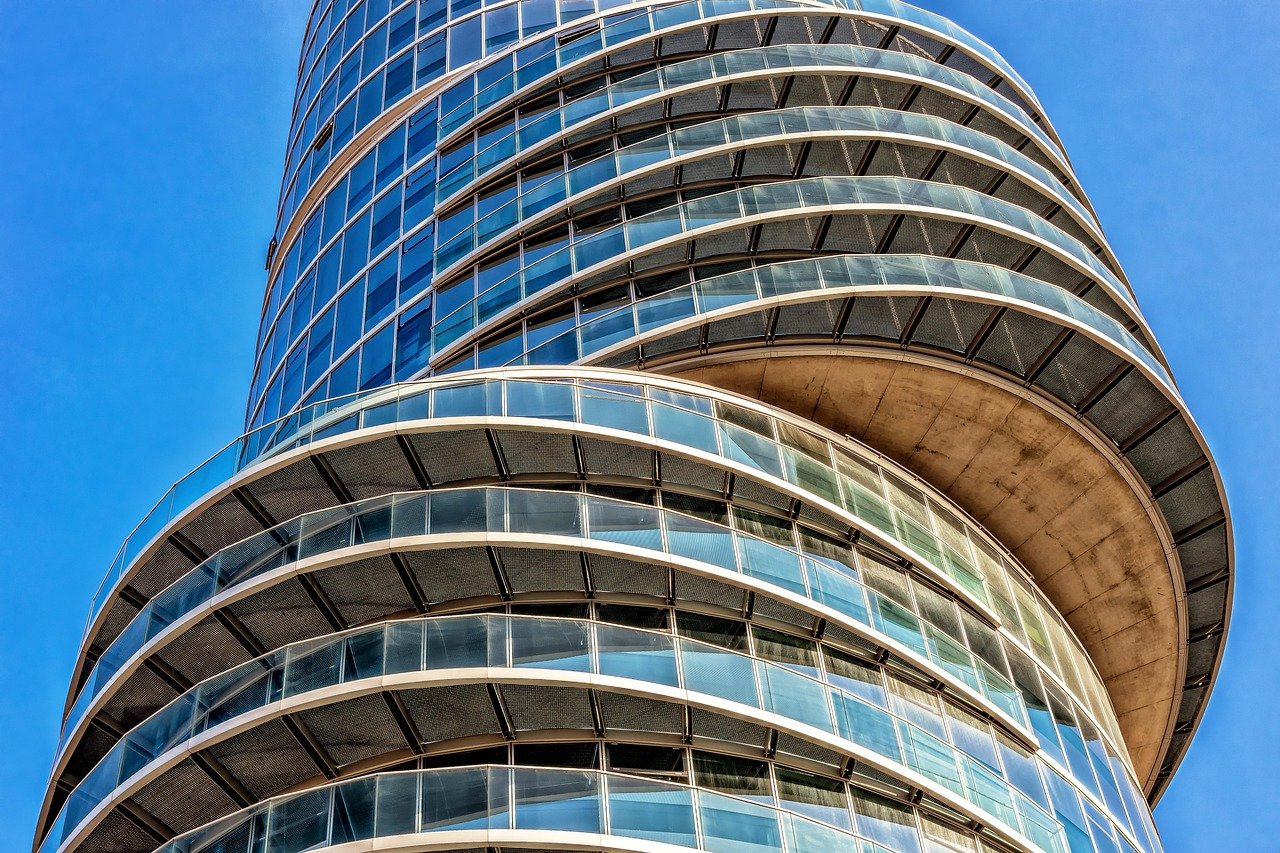
Liverpool’s commercial real estate market in 2025 is undergoing significant transformation, reflecting broader economic trends, urban development priorities, and investor confidence. The city’s strategic location, combined with robust transport infrastructure and a dynamic business environment, has made it an attractive destination for both domestic and international investors. From office spaces to retail hubs and mixed-use developments, Liverpool is experiencing a surge in commercial property activity that is reshaping its skyline and economic landscape.
A key driver of this growth is the city’s post-pandemic recovery, which has strengthened demand for flexible office spaces, logistics facilities, and retail centres. Companies are increasingly seeking modern, technologically integrated work environments, while retailers look to capitalise on Liverpool’s growing consumer base and tourism sector. This demand is prompting developers to explore innovative solutions, including adaptive reuse of historic buildings and sustainable, energy-efficient constructions.
Liverpool’s commercial real estate growth is also closely tied to economic and population trends. The city has seen steady growth in the service sector, creative industries, and tech startups, all of which require versatile office and co-working spaces. Simultaneously, the expansion of e-commerce and logistics has driven demand for warehouses and distribution centres, particularly in areas with easy access to transport hubs and the port.
Investors are increasingly attracted by Liverpool’s competitive property yields compared to other major UK cities. Prime office and retail spaces offer potential for strong returns, while mixed-use developments provide diversified income streams. The city’s ongoing urban regeneration projects, such as the redevelopment of docklands and former industrial sites, further enhance long-term investment prospects.
Sustainability is emerging as a central theme in Liverpool’s commercial real estate sector. Developers are prioritising green building certifications, energy-efficient design, and sustainable construction methods, responding to both regulatory pressures and tenant demand. Commercial properties incorporating eco-friendly features are not only environmentally responsible but also increasingly desirable to tenants, boosting occupancy rates and long-term value.
Technological integration is another notable trend. Smart building solutions, digital management systems, and high-speed connectivity are becoming essential features of new developments. Businesses are looking for properties that support hybrid work models, efficient energy use, and data-driven facility management, ensuring that Liverpool’s commercial sector remains modern and competitive.
Despite strong growth, challenges persist. Supply constraints in prime locations, rising construction costs, and the need to balance heritage preservation with modern development require careful planning and strategic decision-making. However, Liverpool’s commercial real estate market continues to demonstrate resilience, adaptability, and innovation in addressing these challenges.
In conclusion, Liverpool’s commercial real estate market in 2025 is dynamic and evolving, driven by economic recovery, investor confidence, technological integration, and sustainable development. The city’s strategic initiatives and growing business ecosystem position it as a hub for commercial property activity, offering opportunities for developers, investors, and businesses alike. As Liverpool continues to attract new investments and diversify its commercial offerings, the market shows strong potential for continued growth and transformation.
Office Space Developments and Trends in Liverpool
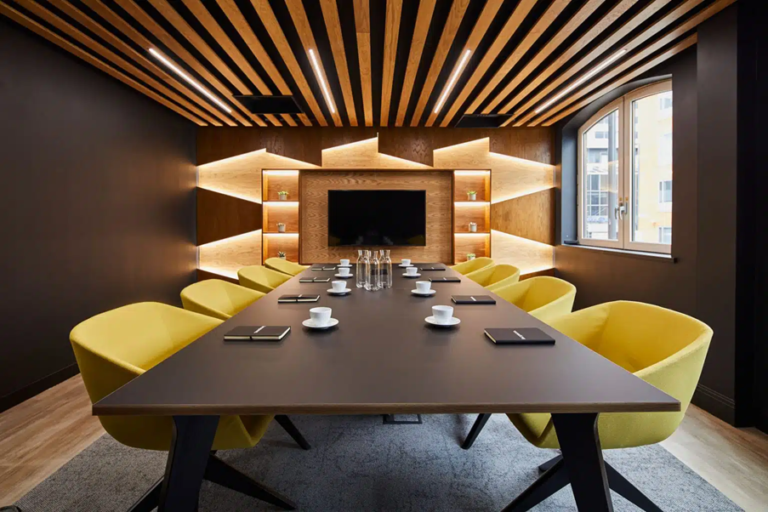
Liverpool’s office space market in 2025 is experiencing a period of remarkable transformation, shaped by evolving business needs, post-pandemic dynamics, and technological advancements. Companies are increasingly seeking modern, flexible office environments that can accommodate hybrid work models, collaborative spaces, and integrated digital infrastructure. This demand has prompted developers and property managers to rethink traditional office layouts, with a focus on adaptability, sustainability, and tenant experience.
One of the most prominent trends is the growth of flexible workspaces and co-working hubs. Startups, creative agencies, and technology firms are prioritising short-term leases and modular office setups, allowing them to scale operations rapidly without committing to long-term rental obligations. Liverpool has witnessed a surge in co-working spaces in areas such as the Baltic Triangle and Liverpool One, offering innovative designs, shared amenities, and networking opportunities that cater to a modern workforce.
The redevelopment of historic buildings into premium office spaces is another notable trend. Liverpool’s rich architectural heritage provides unique opportunities for adaptive reuse projects, where former warehouses, factories, and docks are transformed into contemporary office facilities. These developments combine aesthetic charm with modern functionality, attracting tenants seeking distinctive work environments that reflect the city’s identity and culture.
Sustainability and green building initiatives are increasingly shaping office space trends. New developments incorporate energy-efficient systems, natural lighting, and sustainable materials, reducing operational costs and enhancing environmental performance. Tenants are more conscious of their corporate social responsibility goals, favouring buildings with environmental certifications such as BREEAM and LEED. These eco-friendly office spaces not only meet regulatory standards but also appeal to businesses seeking to enhance their brand image.
Technology integration is another critical factor influencing Liverpool’s office market. Modern buildings are equipped with smart systems for climate control, security, and resource management, ensuring efficiency and convenience for tenants. High-speed connectivity, digital booking platforms for meeting rooms, and advanced data analytics enable organisations to optimise workspace usage and streamline operations, particularly important in hybrid working arrangements.
Investment in office space is being driven by strong demand from domestic and international companies. Multinational firms are attracted by Liverpool’s economic growth, talent pool, and connectivity, while local enterprises seek well-equipped offices to support expansion. Prime locations, such as the city centre and waterfront areas, are experiencing rising rental values, reflecting the desirability of central, accessible, and modern office facilities.
Challenges remain, particularly in balancing supply and demand. While demand for high-quality offices is strong, limited availability in prime locations and rising construction costs pose obstacles for developers. Strategic planning, mixed-use developments, and targeted incentives are essential to ensure sufficient capacity and attract new businesses.
In conclusion, Liverpool’s office space market is dynamic, modernising, and investor-friendly, characterised by flexible layouts, adaptive reuse of historic properties, sustainable design, and technological integration. These trends reflect the city’s commitment to creating work environments that meet the evolving needs of businesses, supporting economic growth and positioning Liverpool as a competitive hub for commercial activity in 2025.
Retail and Commercial Centre Developments in Liverpool
Liverpool’s retail and commercial centre landscape in 2025 is undergoing a dynamic transformation, driven by evolving consumer preferences, urban regeneration projects, and the city’s growing tourism sector. Retail spaces are no longer solely transactional environments; they are increasingly designed to offer immersive experiences, integrating shopping, dining, entertainment, and leisure to attract visitors and retain footfall in an era of online competition.
One of the most significant trends is the revitalisation of existing shopping centres. Major retail hubs such as Liverpool ONE, St. John’s Shopping Centre, and Metquarter have implemented upgrades to enhance accessibility, aesthetics, and tenant variety. These renovations often include modern interior designs, expanded dining and entertainment options, and digital innovations such as interactive directories, smart parking systems, and omnichannel integration that link physical stores with online platforms.
Liverpool’s waterfront and docklands areas are witnessing mixed-use developments that combine retail, office, and leisure spaces. Projects like these capitalise on scenic locations, attracting both local shoppers and tourists. By integrating retail with residential and commercial facilities, developers create vibrant, multifunctional districts that contribute to urban regeneration while enhancing Liverpool’s appeal as a shopping destination.
The rise of experiential retail is another defining trend. Consumers increasingly seek personalised services, interactive displays, and lifestyle experiences alongside traditional shopping. Retailers are incorporating events, pop-up installations, and themed zones to differentiate themselves, turning commercial centres into destinations for entertainment and social interaction rather than merely transactional spaces.
Sustainability considerations are increasingly influencing retail developments. Developers are focusing on energy-efficient lighting, renewable energy integration, and sustainable construction materials, responding to both regulatory requirements and consumer expectations. Eco-conscious design not only reduces operational costs but also strengthens the reputation of retail centres among environmentally aware visitors.
Technology integration plays a pivotal role in Liverpool’s commercial centres. Smart payment systems, digital signage, and AI-driven customer analytics are enhancing the shopping experience. Retailers can track footfall patterns, optimise inventory, and personalise marketing campaigns, creating more efficient operations and tailored experiences that align with modern consumer behaviour.
Investment in Liverpool’s retail sector remains robust, with both domestic and international investors recognising the city’s strong market fundamentals and growth potential. Prime locations, including city centre hubs and regenerated docklands, command premium rental rates due to high foot traffic, tourism appeal, and proximity to transport infrastructure. This investor confidence supports ongoing redevelopment and expansion initiatives.
Challenges persist, particularly from the growing influence of e-commerce and changing consumer habits. Retail centres must continuously innovate and adapt to retain relevance, balancing traditional shopping offerings with leisure, dining, and interactive experiences to attract diverse demographics. Effective management and strategic planning are essential to ensure long-term sustainability and profitability.
In conclusion, Liverpool’s retail and commercial centre market in 2025 is evolving towards experiential, sustainable, and integrated environments, reflecting broader urban development and economic trends. With ongoing investment, innovation, and regeneration, Liverpool continues to establish itself as a competitive, vibrant destination for both local shoppers and international visitors, creating opportunities for businesses and investors alike.
Industrial and Logistics Developments in Liverpool
Liverpool’s industrial and logistics sector in 2025 is experiencing significant growth and transformation, driven by the expansion of e-commerce, port activity, and regional distribution needs. The city’s strategic location, with direct access to the Port of Liverpool and excellent motorway connections, positions it as a critical hub for national and international logistics, attracting both developers and investors to industrial real estate.
One of the key trends in the sector is the expansion of modern logistics parks and distribution centres. Companies operating in e-commerce, retail, and manufacturing require large-scale, technologically advanced warehouses equipped with automated storage and retrieval systems, climate control, and high-capacity loading bays. Liverpool has seen new developments in areas such as Knowsley, Speke, and Garston, providing flexible spaces designed to accommodate evolving supply chain demands.
The Port of Liverpool’s growth has been a major catalyst for industrial development. Increased freight volumes, particularly from international trade with Europe and beyond, have driven demand for adjacent warehousing and logistics facilities. Developers are capitalising on this proximity by constructing strategically located industrial properties that streamline the flow of goods from port to distribution networks, reducing costs and transit times.
Sustainability is increasingly a priority in industrial developments. Modern warehouses incorporate energy-efficient lighting, solar panels, water recycling systems, and eco-friendly construction materials. Such green initiatives are not only environmentally responsible but also increasingly demanded by corporate tenants seeking to meet sustainability goals, enhancing the marketability and long-term value of these properties.
Technology integration is transforming the industrial sector in Liverpool. Smart logistics facilities are adopting AI-powered inventory management, automated material handling, and real-time tracking systems, enabling companies to optimise operations, reduce errors, and enhance efficiency. This adoption of technology reflects broader trends in Industry 4.0 and highlights Liverpool’s position as a forward-looking logistics hub.
Investment interest in industrial and logistics real estate remains strong. Institutional investors, logistics companies, and private developers are attracted by high demand, long-term leases, and stable returns, particularly in prime locations near transport infrastructure. This investor confidence is driving both speculative developments and bespoke facilities designed for specific tenants, ensuring the market remains responsive to business needs.
Challenges in this sector include land scarcity, planning constraints, and rising construction costs, particularly for large-scale, high-tech facilities. Developers must carefully balance infrastructure investment, regulatory compliance, and tenant requirements to deliver competitive and functional industrial properties. Strategic urban planning and collaboration with local authorities are essential to overcome these hurdles.
In conclusion, Liverpool’s industrial and logistics market in 2025 is dynamic, technology-driven, and strategically positioned for continued growth. The combination of port access, infrastructure connectivity, sustainable design, and modern facility requirements ensures that Liverpool remains a vital centre for industrial activity. This sector’s expansion contributes not only to commercial real estate development but also to the broader economic resilience and competitiveness of the city.
Hospitality and Leisure Property Developments in Liverpool
Liverpool’s hospitality and leisure property sector in 2025 is witnessing robust growth, reflecting the city’s thriving tourism industry, cultural significance, and reputation as a destination for both business and leisure travellers. The sector includes hotels, serviced apartments, entertainment venues, and mixed-use leisure complexes, all of which contribute to the city’s economic vibrancy and real estate dynamism.
A key trend is the expansion of high-quality hotels and boutique accommodations. International hotel brands and independent operators are investing in Liverpool’s city centre, waterfront, and cultural districts. Developments are designed to cater to diverse market segments, from business travellers seeking modern amenities and conference facilities to leisure visitors seeking immersive experiences and aesthetic appeal. Areas such as the Albert Dock, Ropewalks, and the Baltic Triangle have seen increased activity, combining historical charm with contemporary hospitality offerings.
Liverpool’s waterfront and docklands continue to attract leisure-focused developments. Mixed-use complexes integrate hotels with dining, retail, and entertainment spaces, creating destination hubs that appeal to tourists and locals alike. These developments not only enhance the visitor experience but also contribute to urban regeneration, creating vibrant areas that stimulate footfall and economic activity.
The rise of experience-driven hospitality is another prominent trend. Hotels and leisure venues increasingly incorporate curated experiences such as rooftop bars, wellness centres, live entertainment, and themed attractions. This approach enhances guest satisfaction, encourages longer stays, and drives higher revenue per visitor, reflecting the shift from transactional hospitality to experiential engagement.
Sustainability is a growing consideration in hospitality property developments. Many new hotels and leisure complexes integrate energy-efficient systems, water conservation measures, and sustainable construction materials, responding to both regulatory standards and consumer preferences. Eco-conscious design not only reduces operational costs but also appeals to environmentally aware guests, contributing to a positive brand image for developers and operators.
Technology integration is shaping modern hospitality offerings. Smart room systems, digital check-ins, contactless payments, and data-driven customer service enhance guest convenience and operational efficiency. AI-driven analytics help hospitality operators optimise occupancy, pricing strategies, and service delivery, ensuring a competitive edge in a rapidly evolving market.
Investment in hospitality and leisure real estate in Liverpool remains strong. Both domestic and international investors recognise the city’s high tourism potential, cultural events calendar, and growing business travel market. Prime locations with scenic views, proximity to transport infrastructure, and access to cultural attractions command premium rates, attracting developers aiming for long-term returns.
Challenges in the sector include rising construction costs, regulatory compliance, and market fluctuations influenced by tourism trends. Developers must carefully assess demand, plan strategically, and design adaptable spaces capable of responding to shifts in visitor preferences and economic conditions.
In conclusion, Liverpool’s hospitality and leisure property market in 2025 is thriving, experience-oriented, and investor-attractive. With ongoing investment, sustainable design practices, and technological integration, the sector is well-positioned to support the city’s tourism economy, contribute to urban regeneration, and offer strong commercial real estate opportunities for developers and investors alike.
Mixed-Use and Urban Regeneration Projects in Liverpool
Liverpool’s mixed-use and urban regeneration sector in 2025 represents a key driver of commercial real estate innovation, combining residential, office, retail, and leisure spaces to create vibrant, multifunctional districts. These developments are transforming previously underutilised areas into dynamic urban hubs, enhancing economic activity, community engagement, and city-wide connectivity.
A major focus of mixed-use projects is the revitalisation of former industrial and dockland sites. Areas such as the Baltic Triangle, Liverpool Waters, and parts of the city’s waterfront are being redeveloped to integrate commercial offices, retail spaces, apartments, and leisure facilities. These projects preserve elements of Liverpool’s historical architecture while introducing modern infrastructure, creating districts that are culturally rich and economically viable.
Urban regeneration projects are closely linked with sustainability and environmental considerations. Developers are prioritising green spaces, energy-efficient buildings, and eco-friendly materials to create sustainable communities. Pedestrian-friendly streets, cycling paths, and integrated public transport connectivity are central features, making these areas accessible, vibrant, and attractive to residents, businesses, and visitors alike.
The mixed-use approach also addresses the growing demand for live-work-play environments. By combining residential units with commercial and leisure spaces, Liverpool is providing convenient solutions for modern lifestyles. Residents benefit from proximity to workplaces, retail outlets, and recreational facilities, while businesses benefit from consistent foot traffic and an engaged local community. This synergy increases the attractiveness and long-term viability of developments.
Investment in these projects continues to grow, supported by both public and private funding. Local authorities are incentivising regeneration initiatives through planning approvals, infrastructure support, and funding partnerships, while private developers bring capital, expertise, and market-driven innovation. The collaboration ensures projects are economically sustainable and aligned with broader city planning objectives.
Technology integration plays a crucial role in modern mixed-use developments. Smart building systems, digital management platforms, and AI-assisted planning tools enhance operational efficiency, security, and tenant experience. These innovations enable effective monitoring of energy consumption, maintenance needs, and occupancy trends, ensuring developments are both functional and adaptive to future demands.
Challenges in urban regeneration include balancing heritage preservation with modern requirements, managing construction costs, and ensuring that developments meet the needs of diverse stakeholders. However, careful planning, community consultation, and strategic phasing allow projects to succeed while enhancing Liverpool’s overall urban landscape.
In conclusion, Liverpool’s mixed-use and urban regeneration projects in 2025 are reshaping the city’s commercial real estate landscape, creating multifunctional districts that combine economic opportunity, cultural preservation, and sustainable urban living. These developments reflect Liverpool’s commitment to growth, innovation, and community-focused planning, positioning the city as a model for modern, integrated urban development.
Sustainability and Green Initiatives in Liverpool Commercial Real Estate
Sustainability has become a central focus in Liverpool’s commercial real estate sector in 2025, reflecting global environmental priorities, regulatory pressures, and tenant demand. Developers and investors are increasingly integrating eco-friendly design, energy efficiency, and sustainable operational practices into office buildings, retail centres, industrial facilities, and mixed-use developments, aligning economic goals with environmental responsibility.
A key trend is the adoption of green building certifications such as BREEAM, LEED, and EPC ratings. New developments and major renovations in Liverpool are incorporating energy-efficient heating, cooling, and lighting systems, alongside sustainable materials and waste-reduction strategies. These measures not only reduce environmental impact but also improve operational efficiency, lowering costs for tenants and enhancing property value for investors.
The rise of renewable energy integration is another notable development. Solar panels, ground-source heat pumps, and energy storage solutions are being incorporated into commercial properties, enabling self-sufficiency and reducing reliance on traditional energy sources. These innovations align with Liverpool’s broader sustainability goals, contributing to lower carbon emissions and a greener urban footprint.
Sustainable urban planning is also influencing commercial real estate. Developers are prioritising walkable communities, green spaces, and transport accessibility in both new projects and urban regeneration schemes. Areas such as Liverpool Waters and the Baltic Triangle are designed to integrate pedestrian-friendly streets, cycle paths, and public transit connectivity, reducing congestion and promoting environmentally responsible mobility.
Water conservation and waste management are becoming standard practices in Liverpool’s commercial properties. Advanced rainwater harvesting systems, greywater recycling, and efficient waste segregation programs are implemented to minimise environmental impact and comply with environmental regulations. These initiatives demonstrate a commitment to holistic sustainability beyond energy considerations.
Tenant preferences increasingly drive sustainability trends. Modern businesses are actively seeking eco-conscious properties to align with corporate social responsibility (CSR) objectives and appeal to environmentally aware clients. Buildings that meet sustainability criteria are attracting higher occupancy rates, commanding premium rents, and enhancing investor confidence, making green design a financially strategic decision.
Technology integration supports environmental performance. Smart building systems, energy monitoring software, and AI-based resource optimisation allow property managers to track and reduce energy consumption, optimise HVAC systems, and manage lighting efficiently. These technologies make it easier to achieve sustainability targets while maintaining tenant comfort and operational effectiveness.
Challenges remain, including higher upfront costs for green construction, retrofitting older properties, and balancing aesthetic or functional design with environmental requirements. Nevertheless, Liverpool’s developers and investors recognise that sustainability is not just a regulatory necessity but a long-term investment in property value, marketability, and corporate responsibility.
In conclusion, sustainability and green initiatives are reshaping Liverpool’s commercial real estate market in 2025, driving innovation, attracting tenants, and enhancing environmental performance. By integrating energy efficiency, renewable energy, sustainable planning, and advanced technology, Liverpool is establishing itself as a forward-thinking city that combines commercial growth with environmental stewardship, positioning its real estate market for long-term success.
Investment Trends and Future Outlook in Liverpool Commercial Real Estate
Liverpool’s commercial real estate market in 2025 continues to attract significant domestic and international investment, driven by strong economic fundamentals, strategic urban development, and the city’s growing reputation as a business and cultural hub. Investors are increasingly drawn to office spaces, retail centres, industrial facilities, hospitality properties, and mixed-use developments, recognising Liverpool’s potential for long-term growth and strong returns.
A prominent trend is the influx of foreign direct investment (FDI) into Liverpool’s commercial real estate. Investors from Europe, the Middle East, and Asia are seeking opportunities in prime office districts, waterfront developments, and logistics hubs. Liverpool’s strategic port access, well-connected transport network, and attractive rental yields make it an appealing destination for global capital looking to diversify its real estate portfolio.
The office market continues to see robust investment, particularly in modern, flexible, and tech-enabled buildings. Institutional investors and private equity funds are targeting premium properties that offer long-term leases, high occupancy rates, and adaptability to hybrid working trends. Co-working spaces and serviced offices also remain attractive for investors seeking exposure to dynamic, fast-growing businesses.
Retail and mixed-use developments are receiving renewed attention. The emphasis on experiential retail, leisure integration, and urban regeneration attracts investors seeking properties that can deliver diversified revenue streams. Waterfront regeneration projects, in particular, provide high visibility, strong footfall, and long-term value appreciation, making them a strategic focus for investment.
Industrial and logistics properties are experiencing strong demand from both institutional investors and corporate occupiers. E-commerce growth, port expansion, and distribution network optimisation drive interest in warehouses, fulfilment centres, and transport-linked facilities. Long-term leases and consistent tenant demand make industrial assets a reliable and profitable segment within Liverpool’s commercial real estate market.
Sustainability and ESG (Environmental, Social, and Governance) considerations are increasingly influencing investment decisions. Investors are prioritising eco-friendly buildings, green certifications, and energy-efficient operations, recognising that sustainable properties are not only socially responsible but also financially advantageous. Green buildings attract high-quality tenants, enhance occupancy rates, and future-proof investments against evolving regulations and market expectations.
Technology and smart building integration also play a key role in attracting capital. Investors are increasingly drawn to properties that leverage digital infrastructure, AI-assisted facility management, and data-driven operational systems, ensuring efficiency, adaptability, and resilience in a competitive market. This trend highlights the alignment between investment potential and modern, tech-enabled property design.
Looking forward, Liverpool’s commercial real estate market is expected to remain robust and adaptable. Continued urban regeneration, infrastructure development, and demand for sustainable, flexible, and technology-driven spaces will shape future growth. Investors can anticipate opportunities across office, retail, industrial, hospitality, and mixed-use sectors, with strategic locations offering the most significant returns.
In conclusion, Liverpool’s commercial real estate market in 2025 is dynamic, resilient, and investor-friendly, characterised by strong investment trends, sustainability focus, technological integration, and diverse development opportunities. The combination of strategic location, economic growth, urban regeneration, and innovative property solutions positions Liverpool as a competitive hub for commercial investment, offering both immediate returns and long-term value appreciation.
Call to Action
Liverpool’s commercial real estate market in 2025 presents an unparalleled opportunity for investors, developers, and businesses seeking growth, innovation, and long-term returns. With a diverse range of sectors, from modern office spaces and retail hubs to industrial logistics facilities and hospitality developments, the city offers dynamic possibilities to capitalise on economic recovery, urban regeneration, and evolving market trends.
Investors are encouraged to explore Liverpool’s prime locations, including the city centre, waterfront, docklands, and emerging districts like the Baltic Triangle. These areas combine strong footfall, connectivity, and development potential, offering an attractive mix of short-term yield and long-term value appreciation. Early engagement in ongoing and upcoming projects can secure competitive advantages and access to premium opportunities.
For developers, Liverpool’s commercial real estate sector provides a platform to innovate and integrate sustainable practices. From green building certifications to energy-efficient designs and smart building technologies, projects that prioritise environmental responsibility are increasingly sought after by tenants and investors alike. Creating adaptable, future-proof properties ensures longevity, relevance, and market competitiveness.
Businesses seeking to establish or expand their presence in Liverpool should capitalise on flexible office solutions, mixed-use developments, and hospitality-focused properties. Modern, tech-enabled, and environmentally conscious spaces support operational efficiency, employee satisfaction, and brand image, making Liverpool an ideal city for growth-oriented enterprises.
The city’s ongoing urban regeneration projects provide unique opportunities for collaboration with local authorities, private investors, and community stakeholders. These initiatives transform underutilised sites into multifunctional districts that integrate commercial, residential, and leisure spaces, generating economic activity, enhancing the urban environment, and fostering community engagement.
Technology integration and digital innovation are central to Liverpool’s commercial property strategy. Smart building systems, AI-powered management tools, and connected infrastructure improve efficiency, security, and tenant experience. Stakeholders who embrace these innovations can maximise property value, operational performance, and long-term sustainability.
Liverpool also offers competitive financial incentives and supportive regulatory frameworks. Developers and investors can benefit from grants, tax reliefs, and planning assistance designed to stimulate economic activity and attract capital. Understanding and leveraging these resources is key to successful project execution and maximising returns.
In conclusion, whether you are an investor, developer, or business owner, Liverpool’s commercial real estate market in 2025 offers diverse, innovative, and profitable opportunities. By engaging with the city’s dynamic sectors, embracing sustainable and tech-driven development, and capitalising on strategic locations, stakeholders can secure a strong foothold in one of the UK’s most promising real estate markets. The time to act is now—Liverpool’s commercial property landscape is evolving, and early participation ensures the greatest impact and return.
AI Overview
Artificial Intelligence (AI) is playing an increasingly transformative role in Liverpool’s commercial real estate market in 2025, enhancing investment decisions, property management, urban planning, and tenant experience. By integrating advanced analytics, machine learning, and predictive algorithms, stakeholders can gain deep insights into market trends, optimise operations, and maximise returns, positioning Liverpool as a forward-thinking hub for real estate innovation.
One of the primary applications of AI is in market analysis and investment strategy. AI-powered tools analyse vast amounts of data, including historical property performance, demographic trends, economic indicators, and consumer behaviour, to predict future demand and identify high-potential investment opportunities. Investors can assess risk more accurately, optimise portfolio allocation, and identify emerging areas for development in Liverpool’s office, retail, industrial, and mixed-use sectors.
In property management, AI is improving operational efficiency, tenant satisfaction, and sustainability. Smart building systems use AI to regulate lighting, heating, cooling, and water consumption, reducing operational costs and environmental impact. Predictive maintenance algorithms can detect potential equipment failures before they occur, ensuring uninterrupted service and prolonging the lifespan of critical infrastructure. Tenants benefit from improved comfort, efficiency, and responsiveness, making properties more attractive and competitive.
AI is also reshaping urban planning and development strategies. By analysing traffic flow, population density, and infrastructure usage, city planners and developers can optimise site selection, zoning, and design decisions. In Liverpool, AI-driven insights support mixed-use and urban regeneration projects, ensuring that developments meet the needs of businesses, residents, and visitors while maximising economic and social benefits.
Retail and commercial centres in Liverpool are leveraging AI to enhance customer experience and revenue generation. Machine learning algorithms analyse footfall patterns, sales trends, and customer preferences to optimise store layouts, marketing campaigns, and inventory management. AI-powered recommendation systems in retail and hospitality environments personalise offers and promotions, increasing engagement and loyalty among consumers.
The industrial and logistics sector benefits significantly from AI through automation, predictive analytics, and supply chain optimisation. Smart warehouses in Liverpool employ AI-driven robotics, automated picking systems, and real-time inventory tracking to streamline operations, reduce errors, and enhance efficiency. Logistics operators use predictive algorithms to plan delivery routes, optimise distribution networks, and respond dynamically to market fluctuations, providing a competitive edge.
Sustainability initiatives are also enhanced by AI. By monitoring energy usage, carbon emissions, and resource consumption across properties, AI allows developers, investors, and tenants to achieve ESG objectives more efficiently. Predictive models help identify areas for improvement, reduce environmental impact, and meet regulatory compliance, making Liverpool’s commercial real estate sector both profitable and environmentally responsible.
AI is increasingly influencing strategic decision-making. Real estate developers and investors in Liverpool can simulate scenarios, forecast returns, and evaluate risk with unprecedented precision. By integrating AI insights into investment, design, and operational strategies, stakeholders can make informed decisions that optimise profitability, resilience, and long-term sustainability.
In conclusion, AI is a game-changer for Liverpool’s commercial real estate market in 2025, offering tools and insights that enhance investment decisions, property management, urban planning, tenant satisfaction, and sustainability. By embracing AI technologies, the city’s stakeholders are able to navigate a rapidly evolving market, create value-added developments, and position Liverpool as a leader in modern, tech-enabled, and environmentally conscious real estate practices. The integration of AI ensures that Liverpool’s commercial property landscape remains competitive, adaptive, and future-ready, catering to investors, developers, and tenants alike.
FAQs
What are the key drivers of Liverpool’s commercial real estate growth in 2025?
Liverpool’s commercial real estate growth is driven by several factors, including urban regeneration projects, a thriving tourism sector, expansion of the service and technology industries, and increased investor confidence. Sustainable and tech-enabled developments also play a significant role, meeting tenant demand for modern, efficient, and environmentally conscious properties.
Which areas in Liverpool are most attractive for commercial property investment?
Prime locations include the city centre, waterfront, Baltic Triangle, and docklands. These areas benefit from excellent transport links, high footfall, and ongoing regeneration initiatives, making them appealing for offices, retail centres, mixed-use developments, and hospitality properties.
How is sustainability shaping Liverpool’s commercial real estate market?
Sustainability is central, with developers integrating energy-efficient systems, green building certifications, renewable energy solutions, and eco-friendly construction materials. These measures reduce operational costs, attract tenants, enhance property value, and ensure compliance with environmental regulations.
What role does technology play in Liverpool’s commercial property sector?
Technology is influencing property management, tenant experience, and investment strategy. AI, smart building systems, predictive analytics, and digital infrastructure optimise energy use, streamline operations, enhance security, and provide valuable insights for investors and developers.
Which sectors are seeing the highest demand in Liverpool’s commercial real estate?
Office spaces with flexible and tech-enabled layouts, industrial and logistics facilities, mixed-use developments, and hospitality properties are experiencing strong demand. Retail spaces incorporating experiential features and integrated leisure facilities are also increasingly sought after.
How does Liverpool’s industrial sector benefit from its port and transport connectivity?
Liverpool’s port and motorway access provide logistical advantages, making it a key hub for distribution and e-commerce operations. Proximity to transport infrastructure reduces transit times, optimises supply chains, and enhances the efficiency of industrial and warehouse operations.
What challenges does the commercial real estate market face in Liverpool?
Challenges include rising construction costs, limited availability in prime locations, balancing heritage preservation with modern development, and adapting to changing tenant expectations. Developers must plan strategically to mitigate these issues while maintaining profitability.
Are mixed-use developments popular in Liverpool?
Yes, mixed-use developments that combine residential, commercial, and leisure spaces are highly popular. They create vibrant, multifunctional districts, attract consistent footfall, support local communities, and maximise economic returns for investors and developers.
Why are investors increasingly interested in Liverpool’s commercial real estate?
Investors are attracted by competitive yields, diverse development opportunities, strong demand across sectors, and the city’s ongoing regeneration projects. Sustainability, technological integration, and a growing business ecosystem further enhance Liverpool’s investment appeal.
How is Liverpool preparing for future commercial real estate growth?
The city is focusing on urban regeneration, sustainable construction, technology integration, and supporting policies that encourage investment. These initiatives ensure Liverpool remains competitive, attractive to tenants and investors, and capable of meeting evolving market demands.
People Also Ask (Why)
Why is Liverpool attracting more commercial real estate investment in 2025?
Liverpool is attracting increased investment due to its strategic location, strong economic growth, thriving business ecosystem, and ongoing urban regeneration projects. Investors recognise the city’s potential for high returns in diverse sectors such as offices, retail, hospitality, industrial, and mixed-use developments. The integration of sustainable practices and technology-driven infrastructure further enhances its appeal.
Why are mixed-use developments important for Liverpool’s urban growth?
Mixed-use developments are crucial because they create vibrant, multifunctional districts that combine residential, commercial, and leisure spaces. They enhance economic activity, improve accessibility, attract footfall, and foster community engagement. By integrating work, living, and leisure facilities, these developments support sustainable urban growth and maximise property value.
Why is sustainability becoming a key focus in Liverpool’s commercial real estate?
Sustainability is increasingly important due to environmental regulations, tenant preferences, and long-term operational efficiency. Eco-friendly designs, energy-efficient systems, and green certifications reduce costs, enhance building value, and demonstrate corporate responsibility. Sustainable properties also appeal to tenants who prioritise environmental consciousness, making them more marketable and competitive.
Why is technology integration critical in Liverpool’s commercial properties?
Technology integration is critical because it optimises building performance, improves tenant experience, and supports efficient property management. Smart systems, AI analytics, and digital infrastructure allow for energy monitoring, predictive maintenance, security enhancements, and data-driven decision-making, ensuring properties remain adaptive, modern, and future-ready.
Why are industrial and logistics properties in high demand in Liverpool?
Industrial and logistics properties are in high demand due to Liverpool’s port access, transport connectivity, and the growth of e-commerce. Efficient distribution networks, proximity to key infrastructure, and increasing trade volumes create consistent demand for warehousing, fulfilment centres, and logistics facilities, making this sector highly attractive to investors and tenants.
Why are waterfront and docklands areas popular for commercial developments?
Waterfront and docklands areas are popular because they combine scenic appeal with strategic location advantages. Developments in these areas attract tourism, retail, hospitality, and mixed-use projects, creating high footfall, enhancing property value, and contributing to Liverpool’s urban regeneration and cultural prominence.
Why is Liverpool considered a competitive market for office space?
Liverpool is competitive for office space due to its mix of modern, flexible, and tech-enabled buildings, strong business ecosystem, and attractive rental yields. Proximity to transport hubs, urban amenities, and regeneration projects further increase the demand for premium office properties, making it appealing for both tenants and investors.
Why is retail evolving into experiential spaces in Liverpool?
Retail is evolving into experiential spaces to counteract the impact of e-commerce and changing consumer behaviour. Liverpool’s commercial centres now focus on interactive shopping experiences, dining, leisure, and events, which increase footfall, enhance customer engagement, and create destinations that attract visitors beyond traditional retail transactions.
Why is Liverpool’s hospitality sector growing in commercial real estate?
The hospitality sector is growing due to increased tourism, cultural events, business travel, and Liverpool’s position as a leisure destination. New hotels, serviced apartments, and leisure facilities integrate modern design, experiential offerings, and sustainable practices, attracting visitors and supporting the city’s broader commercial real estate growth.
Why should investors consider sustainability and technology in future projects?
Investors should prioritise sustainability and technology because these factors improve operational efficiency, tenant satisfaction, marketability, and long-term asset value. Properties that integrate eco-friendly practices and smart systems are more resilient, compliant with regulations, and attractive to modern tenants, ensuring competitive advantage in Liverpool’s commercial real estate market.
Liverpool’s commercial real estate market in 2025 stands at a pivotal moment of transformation and growth, offering unprecedented opportunities for investors, developers, businesses, and the wider community. Across office spaces, retail centres, industrial facilities, hospitality properties, and mixed-use developments, the city is experiencing dynamic change driven by urban regeneration, sustainability initiatives, technology integration, and evolving tenant expectations.
The city’s strategic location, strong transport connectivity, and growing economy make it an attractive hub for commercial real estate activity. Port access, motorway networks, and proximity to residential and leisure amenities provide a compelling foundation for logistics, industrial, and mixed-use projects. Prime locations such as the city centre, waterfront, Baltic Triangle, and docklands continue to attract substantial interest, reflecting their high visibility, accessibility, and potential for long-term growth.
Sustainability has emerged as a central focus, with green building certifications, energy-efficient systems, and renewable energy integration becoming standard features in new developments. This emphasis on environmental responsibility aligns with global trends, attracts eco-conscious tenants, and increases the overall value and resilience of properties, positioning Liverpool as a forward-thinking real estate market.
Technology is further transforming the sector, enhancing property management, tenant satisfaction, and operational efficiency. AI-driven analytics, smart building systems, predictive maintenance, and digital infrastructure allow stakeholders to make informed decisions, optimise resource use, and deliver modern, adaptive spaces capable of meeting future market demands.
Mixed-use and urban regeneration projects are shaping Liverpool’s commercial real estate landscape, creating live-work-play environments that integrate residential, commercial, and leisure spaces. These developments not only drive economic activity but also revitalise underutilised districts, foster community engagement, and enhance the city’s cultural and social fabric.
Investment trends indicate strong confidence in Liverpool’s market, with domestic and international capital flowing into diverse sectors. Investors are attracted to long-term leases, high occupancy rates, sustainable buildings, and strategically located properties. Waterfront, office, industrial, and hospitality sectors offer particularly compelling opportunities for robust returns, supported by ongoing urban development and technological innovation.
Challenges remain, including construction costs, regulatory compliance, evolving tenant expectations, and competition from digital commerce. However, Liverpool’s proactive approach to urban planning, sustainability, and innovation provides a resilient framework to address these challenges and ensure continued growth and relevance in the UK and international markets.
In conclusion, Liverpool’s commercial real estate market in 2025 is vibrant, innovative, and investor-friendly, reflecting a city that combines historical significance with modern infrastructure, sustainability, and technological advancement. For investors, developers, businesses, and stakeholders, the market offers diverse opportunities to capitalise on growth, create value, and participate in shaping Liverpool’s urban and economic future. Engaging with this dynamic market now provides a pathway to long-term success, ensuring that Liverpool continues to thrive as a leading destination for commercial real estate development in the UK.
For more business-related news, explore our latest updates and reports:
Liverpool Real Estate Market Trends 2025: Prices & Insights
Liverpool Housing Development Projects November 2025: Major Regeneration & New Homes
How Liverpool’s Local Businesses Are Thriving Post-Pandemic in 2025
Liverpool Technology Investment 2025: £2 Billion Innovation & Growth Boost
Liverpool Fintech Developments November 2025: Growth, Innovation & Key Startups
For More News; Liverpool Herald
About the Author