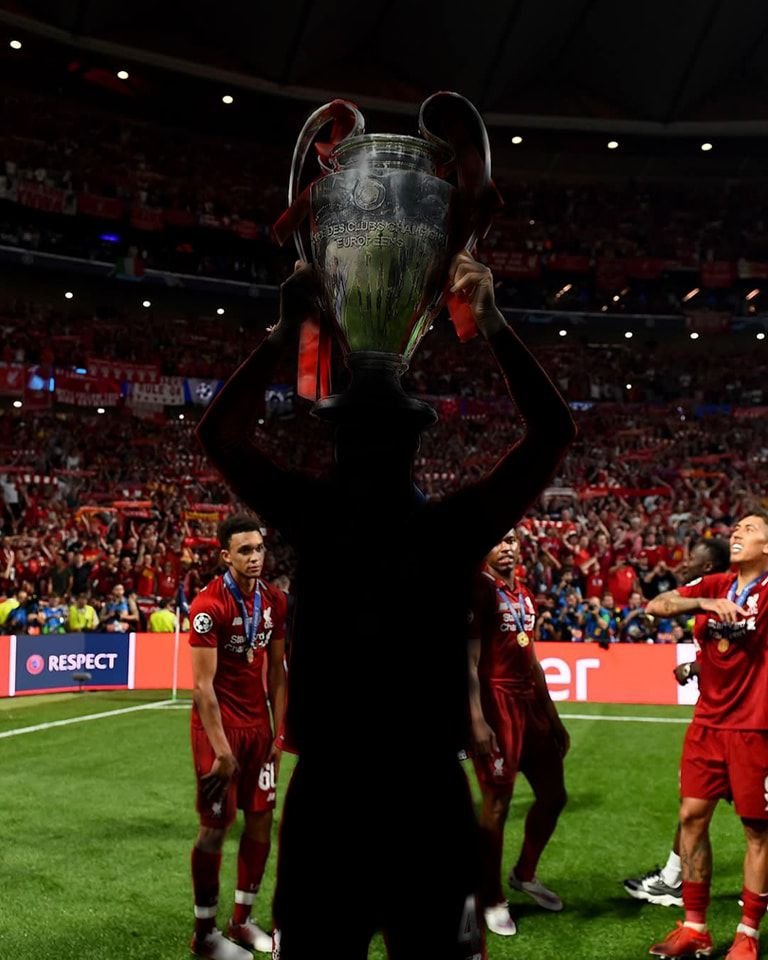
Image credited by @Instagram
The phrase Liverpool Champions League has long carried a sense of pride, history, and relentless ambition. For decades, Liverpool Football Club has defined what European greatness means — a blend of passion, tactical brilliance, and moments that live forever in football folklore. As the 2025–26 Champions League campaign unfolds, Liverpool once again stand among Europe’s elite, determined to reclaim their place at the summit of continental football. From Istanbul to Madrid, and now into a new tactical era under Arne Slot, the club’s European journey continues to evolve with renewed energy and purpose.
Liverpool’s relationship with the Champions League is not just about silverware; it’s about identity. The club’s fans see Europe’s grandest stage as a natural home — where legendary nights at Anfield echo with unmatchable emotion. Every fixture carries that signature intensity, from the anthem’s opening notes to the final whistle. The team’s commitment to high-tempo football, tactical adaptability, and collective belief has made Liverpool a consistent threat in the competition, regardless of managerial or generational shifts.
Under Arne Slot, Liverpool’s Champions League pursuit feels fresh yet familiar. Slot’s blend of structure and creativity is perfectly suited for European competition. His calm, analytical approach contrasts with Klopp’s passion but achieves the same end: inspiring belief. Slot has already shown how tactical versatility and player intelligence can translate into European success. His ability to adapt Liverpool’s system for different opponents ensures that the club remains unpredictable — an essential trait for navigating the knockout stages.
The squad entering the 2025 Champions League campaign is stronger, deeper, and tactically balanced. Veterans such as Mohamed Salah and Virgil van Dijk continue to provide experience, while emerging talents like Dominik Szoboszlai and Curtis Jones embody the club’s next generation of European heroes. The chemistry between these players — a blend of wisdom and youthful hunger — has made Liverpool’s European performances both controlled and expressive. Slot’s vision of harmony between data, discipline, and creativity is beginning to shine through on the grandest stage of all.
Liverpool’s supporters, meanwhile, remain the emotional force that elevates the team beyond tactical systems. European nights at Anfield remain football’s most electrifying experience, where belief transcends logic. The synergy between fans and players transforms matches into spectacles of endurance and spirit. That spirit, once again, defines Liverpool’s 2025 Champions League campaign — a belief that no deficit is too great, no opponent too mighty.
This season’s group stage has already produced dramatic moments, from late winners to tactical masterclasses. Slot’s in-game adaptability — tweaking formations, rotating midfield control, and trusting young players under pressure — has impressed analysts and supporters alike. Liverpool’s attacking structure, powered by precise movement and coordinated pressing, continues to unsettle Europe’s most organised defences. Meanwhile, the defensive discipline introduced by Slot has added an extra layer of maturity to the squad’s European approach.
Looking ahead, the question for fans and pundits alike is not whether Liverpool can compete — but how far this evolution can take them. The club’s European story is being rewritten once again, not as a copy of past glories but as a continuation of them. With Anfield behind them, a world-class manager at the helm, and a team unified in ambition, Liverpool’s Champions League journey of 2025–26 holds the promise of another unforgettable chapter.
In many ways, the campaign embodies what makes Liverpool unique — a club that thrives under lights, pressure, and history. The Liverpool Champions League dream lives on, stronger than ever, as the Reds march forward in pursuit of European immortality once again.
Liverpool’s Champions League Legacy and European Dominance
Liverpool’s connection to the Champions League is a relationship built on drama, glory, and unforgettable nights that define football history. Since lifting their first European Cup in 1977, Liverpool have carved out a reputation as one of the continent’s most iconic clubs. Their six Champions League titles — spanning different eras, managers, and generations — reflect not only dominance but also adaptability. Each triumph tells a story of resilience, innovation, and unwavering faith. From Bob Paisley’s dynasty to Jürgen Klopp’s modern renaissance, and now Arne Slot’s analytical evolution, Liverpool’s European journey remains an ever-unfolding epic.
The Champions League has always brought out the best in Liverpool. European football seems to fit the club’s DNA — tactical intelligence, passionate support, and a sense of theatre that thrives on big occasions. Whether it’s the miracle of Istanbul in 2005, when Liverpool overturned a 3–0 deficit to defeat AC Milan, or the 2019 comeback against Barcelona that shook the football world, the Reds have consistently defied logic. These moments are not accidents; they’re a reflection of a club whose identity is built around belief and collective spirit.
What sets Liverpool apart in European competition is their emotional intensity combined with tactical excellence. Anfield’s atmosphere is unmatched in the Champions League. Opponents often speak about how the crowd seems to breathe life into the players, transforming them into a force of nature. Every pass, every tackle, every chant carries a sense of purpose. This connection between fans and team has turned home legs into psychological battles that often tip the scales in Liverpool’s favour.
Over the years, Liverpool’s European dominance has evolved with the times. In the 1980s, the club’s success came from technical mastery and calm possession. In the 2000s, it was about tactical discipline and resilience. Under Klopp, it became about speed, emotion, and gegenpressing — pressing the opponent relentlessly to force errors and strike quickly. Now, under Arne Slot, Liverpool’s European character is being rewritten once again. His approach introduces composure and controlled aggression — a style that blends the precision of Dutch football with the intensity of English competition.
Slot’s arrival has brought fresh tactical layers to Liverpool’s Champions League pursuits. His system prioritises structured build-up play, intelligent pressing triggers, and adaptability based on the opponent. Unlike Klopp’s all-out attacking transitions, Slot’s Liverpool are patient yet purposeful. The Reds now manage games with a balance of aggression and composure, a trait essential for European consistency. This shift marks the beginning of a new European era — one that values sustained dominance over emotional chaos.
Players such as Mohamed Salah, Virgil van Dijk, and Alisson Becker continue to anchor the side with their European experience. Their leadership ensures Liverpool maintain composure during crucial knockout fixtures. Meanwhile, younger players like Dominik Szoboszlai and Curtis Jones add vibrancy and innovation, reflecting Slot’s belief in evolving through youth. This blend of generations mirrors Liverpool’s Champions League legacy — one that constantly renews itself without losing its core identity.
Liverpool’s six European Cups serve not merely as trophies but as symbols of their football philosophy. Every generation of supporters has lived through defining European moments, connecting eras through shared pride. The club’s motto, You’ll Never Walk Alone, resonates even louder on European nights, when the city’s heartbeat aligns with the team’s ambition. From Rome to Madrid, and now across Europe once again in 2025, Liverpool’s Champions League story continues to inspire both nostalgia and new belief.
As Slot builds his version of Liverpool’s European powerhouse, fans and analysts alike are beginning to see familiar patterns — passion fused with precision, creativity combined with tactical mastery. It’s a reminder that while faces and formations change, Liverpool’s essence remains the same: a club that belongs on Europe’s grandest stage.
The Champions League doesn’t just define Liverpool’s history; it defines their destiny. And in 2025, under Arne Slot, that destiny feels as alive and determined as ever.
The Evolution of Liverpool in the Champions League Era
Liverpool’s Champions League evolution mirrors the transformation of European football itself. From the rough, physical battles of the late 1970s to today’s data-driven tactical chess matches, the Reds have continuously reinvented themselves to remain relevant. Each era of Liverpool’s Champions League history tells a unique story — one shaped by its managers, players, and the club’s unwavering pursuit of glory.
In the 1970s and 1980s, Liverpool dominated Europe through a combination of discipline, technical quality, and a team spirit that was the envy of the continent. Managed by Bob Paisley, the club mastered the European Cup format, winning three titles between 1977 and 1981. Paisley’s team was built on a core of brilliant British players like Kenny Dalglish, Graeme Souness, and Alan Hansen — all united by a quiet confidence and total understanding of the “Liverpool Way.” Their European triumphs were less about individual stardom and more about a collective philosophy.
When the club faced darker times in the late 1980s and 1990s, their absence from European competition due to the aftermath of Heysel disrupted the momentum. Yet the spirit of Liverpool’s European identity never faded. The 2001 UEFA Cup victory under Gérard Houllier hinted at a return to the continent’s top table. But it was Rafael Benítez’s tactical brilliance that reignited the European flame. The unforgettable night in Istanbul 2005 became the defining chapter of modern Liverpool history — a comeback so extraordinary that it transcended sport.
Fast-forward to the Jürgen Klopp era, and Liverpool rediscovered their identity as a European powerhouse. Klopp’s high-energy football — built on gegenpressing and emotional connection — suited the Champions League perfectly. His team reached three European finals in five seasons, winning the 2019 final in Madrid against Tottenham. This period restored Liverpool’s aura as a club made for the biggest stage. Klopp didn’t just win matches; he reconnected the club with its heritage of courage and togetherness.
Now, with Arne Slot taking over, a new tactical phase is unfolding. Slot’s footballing philosophy blends Dutch technical control with structured pressing — an evolution of Klopp’s chaos into calculated artistry. The early signs in the 2025 campaign show a Liverpool team comfortable with possession, confident in transitions, and smarter in game management. It’s a strategy designed for longevity in Europe, where patience and adaptability often separate contenders from champions.
Under Slot, there’s an emphasis on positional play — players maintaining structure even in moments of attack. This approach ensures Liverpool dominate the rhythm of games rather than being swept away by emotion. It’s a nod to Pep Guardiola’s positional mastery but with Liverpool’s distinct identity of intensity and belief. Slot’s tactical reinvention aims to sustain Liverpool’s European competitiveness without relying on sheer energy alone.
Crucially, Liverpool’s evolution in Europe isn’t just tactical — it’s psychological. The club has matured into a global sporting institution capable of managing pressure at the highest level. Players now understand that Champions League success is built across seasons, not just nights of magic. This mindset, fostered through experience and leadership, ensures that every campaign builds upon the last.
From the boot room traditions of the past to the data analytics of today, Liverpool’s Champions League story is one of constant renewal. The spirit that inspired Paisley’s quiet genius, Benítez’s tactical intelligence, Klopp’s emotional fire, and now Slot’s strategic precision — all connect through one golden thread: a belief that Liverpool belongs among Europe’s elite.
The evolution continues, and with Arne Slot guiding the next chapter, Liverpool’s European future looks as promising as its legendary past.
Arne Slot’s Vision for Liverpool’s Champions League Future
Arne Slot’s arrival at Liverpool marked the start of a fascinating new chapter — one rooted in tactical sophistication, controlled intensity, and a vision for sustainable European success. As Liverpool’s new era unfolds, the Dutch manager’s approach to the Champions League is not about recreating Klopp’s emotional rollercoasters but refining them into a more calculated, resilient model of dominance. Slot understands that in modern European football, control and composure often win more than chaos and charisma.
Slot’s footballing philosophy, shaped at Feyenoord, is grounded in meticulous preparation and positional balance. He encourages his teams to maintain structure while allowing creativity in the final third — a blend that suits Liverpool’s dynamic squad perfectly. His approach to Champions League football emphasises adaptability. Unlike domestic competitions, where rhythm and consistency are key, European ties demand tactical flexibility. Slot’s systems allow Liverpool to switch shapes mid-game, vary pressing intensity, and exploit spaces with calculated precision rather than sheer adrenaline.
The Dutchman’s analytical eye is particularly evident in how Liverpool build play from the back. Under Slot, centre-backs like Virgil van Dijk and Ibrahima Konaté are not just defenders but initiators of attacks. The emphasis on vertical progression — quick, intelligent passing through midfield — enables Liverpool to bypass pressing traps and create numerical superiority in advanced areas. This evolution is essential for Champions League fixtures, where teams are technically sharper and tactically more compact.
Midfield control has become the foundation of Slot’s Champions League vision. With players like Alexis Mac Allister, Dominik Szoboszlai, and Curtis Jones forming the core, Liverpool now operate as a unit that dictates tempo. Slot’s midfielders are tasked not only with creating chances but also with managing phases of play — slowing the game when necessary and accelerating transitions when opportunities arise. This balance between creativity and control gives Liverpool a new dimension in Europe, making them less predictable and more difficult to counter.
In attack, Slot’s influence is evident through fluid positioning. Mohamed Salah continues to be the talisman, but his role has slightly evolved — drifting inside more often while wide players such as Luis Díaz and Diogo Jota stretch defences. Darwin Núñez, with his direct running and physical presence, has become pivotal in unsettling opposition backlines. Slot’s pressing triggers often begin from the forwards, but rather than constant high-energy pressing, he prefers coordinated bursts that conserve energy for key moments — a tactic that keeps Liverpool fresh across gruelling European schedules.
Defensively, Liverpool under Slot are becoming a model of discipline. Full-backs like Trent Alexander-Arnold and Andy Robertson are encouraged to balance attacking instincts with positional awareness. The introduction of a more compact defensive block ensures Liverpool are less vulnerable to counter-attacks — a weakness that occasionally hurt them in the past. This structural adjustment aligns perfectly with Champions League demands, where fine margins decide outcomes.
Slot’s focus on mentality and preparation is another defining aspect. He places huge emphasis on scenario training — preparing players for various match conditions, from defending deep leads to chasing deficits. This readiness ensures Liverpool approach each European tie with confidence and composure. The Dutch coach’s calm demeanour off the pitch translates into clarity on it; players trust the process, knowing their roles are defined and their responsibilities clear.
Liverpool’s Champions League ambitions under Slot go beyond short-term results. He aims to establish a footballing identity that endures across generations — a team capable of competing with the likes of Real Madrid, Bayern Munich, and Manchester City not just for a season, but consistently. His blend of tactical intelligence, emotional stability, and long-term planning is setting the stage for sustained European relevance.
As the 2025 campaign unfolds, the signs are promising. Slot’s Liverpool are not only winning but doing so with a maturity that suggests they are learning from each challenge. For fans, the hope is not just another miraculous night — it’s a future where Liverpool dominate Europe with method, confidence, and mastery.
Liverpool’s Champions League Rivalries and Iconic European Nights
Few clubs can boast a Champions League history as rich in rivalries and drama as Liverpool’s. Every European campaign for the Reds has been defined by moments of triumph, heartbreak, and unforgettable atmospheres that have shaped the identity of both team and supporters. From old battles with Real Madrid and AC Milan to new-age duels with Manchester City and Paris Saint-Germain, Liverpool’s European story is a saga of intense competition, emotion, and pride.
One of the most iconic rivalries in European football history remains Liverpool versus AC Milan. Their clashes in the 2005 and 2007 Champions League finals epitomise football’s unpredictability. The miracle of Istanbul, where Liverpool overturned a 3–0 deficit to win on penalties, remains one of the most incredible nights in sporting history. That match showcased Liverpool’s spirit — a refusal to accept defeat, even against one of the most tactically polished sides ever assembled. Two years later, Milan gained revenge in Athens, yet the respect between the two clubs only deepened. Their encounters reflected football’s beauty — where competition and mutual admiration coexist.
Real Madrid represents another defining European rivalry. Over the past decade, Liverpool have faced the Spanish giants in multiple knockout stages and finals, often coming up short. These defeats, particularly in 2018 and 2022, were lessons in maturity and composure. Yet, they also served as motivation. Real Madrid’s efficiency and control contrasted with Liverpool’s energy and emotion — a clash of footballing philosophies that pushed the Reds to evolve. As Arne Slot now leads a new era, the ambition remains clear: to reclaim supremacy over Europe’s most successful club.
Liverpool’s duels with Barcelona and Manchester City have provided more recent chapters in their Champions League folklore. The 2019 semi-final comeback against Barcelona remains one of Anfield’s greatest nights — a tactical masterclass and emotional explosion that encapsulated everything the club stands for. Facing City, meanwhile, carries a domestic edge. Their 2018 quarter-final tie, where Liverpool dismantled Pep Guardiola’s side with relentless intensity, was a statement of intent that announced their return among Europe’s elite. These rivalries represent the modern face of European competition — fast, tactical, and emotionally charged.
Anfield itself plays a central role in Liverpool’s Champions League mystique. The stadium has witnessed countless nights that defy logic. From Olympiakos in 2004 to Villarreal, Roma, and Barcelona in later years, Anfield’s atmosphere transforms matches. Players often speak of the energy that surges through the stands — an invisible force that intimidates opponents and inspires the team. The anthem You’ll Never Walk Alone is not just a song; it’s a declaration of unity, echoing across generations of European campaigns.
What makes these rivalries so significant is not just the football but the cultural connection. Every time Liverpool step onto a European stage, they carry with them the hopes of a city that thrives on passion and resilience. Each Champions League fixture becomes a celebration of identity — of Scouse pride, of working-class roots, and of the unbreakable bond between supporters and their club. This emotional core gives Liverpool an edge that statistics alone can’t explain.
Arne Slot’s challenge is to preserve that emotional intensity while adding tactical maturity. His approach ensures Liverpool can compete effectively without being overwhelmed by the occasion. The Champions League is about details — one misplaced pass, one lapse in focus, can decide everything. Slot’s structured yet expressive football gives Liverpool the tools to handle those margins with confidence. The aim is to continue creating iconic nights, but now with greater control and fewer risks.
As the 2025 tournament progresses, new rivalries are beginning to take shape. Clubs like Bayern Munich and PSG remain formidable, but Liverpool’s blend of youth, experience, and leadership positions them as a consistent threat. The team’s ability to rise to the occasion, regardless of opponent, continues to be their defining trait.
From Rome to Madrid, from Istanbul to Anfield, Liverpool’s Champions League journey is an ongoing epic — one that captures the soul of football itself. Every new generation of players and fans inherits the responsibility of writing the next great chapter. Under Arne Slot, those stories are being written once again — with the same courage, the same belief, and the same promise that has always defined Liverpool in Europe.
The Tactical and Emotional Power of Anfield on European Nights
There is something almost mystical about Anfield under the floodlights on a Champions League night. It’s more than just a football stadium — it’s a living, breathing organism that responds to every heartbeat of the game. When the Champions League anthem fades and You’ll Never Walk Alone echoes across the stands, the atmosphere becomes electric. For decades, this environment has been Liverpool’s most powerful weapon, transforming ordinary matches into unforgettable spectacles and inspiring performances that defy reason.
The psychological edge Anfield provides is unmatched. Opponents often speak about the sheer force of sound, emotion, and energy that hits them as soon as they walk onto the pitch. Even elite players and managers — from Pep Guardiola to Lionel Messi — have admitted that Anfield has a unique, intimidating aura. The crowd doesn’t just support; it participates. Every tackle, interception, and attack is met with thunderous approval, turning football into theatre. This emotional connection between players and fans often pushes Liverpool to achieve the extraordinary when all odds seem against them.
From a tactical standpoint, the Anfield atmosphere directly influences Liverpool’s playing style. The intensity of the supporters drives the team’s pressing game, making it more synchronised and aggressive. In high-stakes European nights, especially during comebacks, the energy on the pitch seems to multiply. Klopp’s famous gegenpressing thrived on this synergy, and Arne Slot now seeks to channel it in a more measured yet equally powerful form. His version of intensity focuses on controlled pressure and quick positional rotations — turning emotional energy into tactical precision.
The 2019 semi-final against Barcelona remains the ultimate example of Anfield’s influence. Facing a 3–0 deficit from the first leg, Liverpool delivered a 4–0 masterclass that stunned the football world. The crowd played its part in every second, roaring the team forward as if they collectively willed the ball into the net. That night symbolised the essence of Anfield — not just passion, but belief. Every Champions League season since has carried echoes of that spirit, serving as a reminder that in Liverpool, miracles are possible.
Arne Slot, while more tactically analytical than emotional in demeanour, has openly acknowledged the impact of Anfield. He understands that the stadium’s atmosphere can change the rhythm of a match. Slot’s pre-match preparations now include psychological briefings where players are reminded to feed off the energy without losing structure. The goal is to embrace emotion without being overwhelmed by it — to turn Anfield’s chaos into calculated advantage. This hybrid of passion and planning could define Liverpool’s European identity in the coming years.
Anfield’s design and proximity between fans and pitch also play a major role. The compactness amplifies sound, creating an almost claustrophobic pressure for visiting teams. Even subtle moments — a late corner, a crunching tackle, or a brilliant save — can cause a surge of emotion that shifts momentum instantly. Liverpool’s players often describe the sensation as “being lifted by 50,000 voices.” For the opposition, it can feel like the ground itself is working against them.
The symbolism of You’ll Never Walk Alone adds another layer. Sung before every home match, the anthem unites everyone — players, fans, and city — in a shared emotional experience. On European nights, it transcends sport. Visiting fans, regardless of allegiance, often pause to record the moment, acknowledging its spiritual weight. For Liverpool supporters, it’s more than ritual; it’s a declaration of faith, reminding the team that no matter the scoreline or circumstance, they are never alone.
As the Champions League 2025 season progresses, Anfield’s influence remains vital. While tactical innovation and player quality are essential, Liverpool’s European magic still begins at home — under those bright lights, with the Kop in full voice. Every new night adds to a legacy built over decades, where football and faith intertwine.
Anfield isn’t just a stadium; it’s Liverpool’s soul. And on Champions League nights, that soul burns brighter than ever — turning dreams into destiny.
Liverpool’s Key Players in the Champions League 2025 Campaign
Liverpool’s 2025 Champions League campaign has showcased the perfect blend of leadership, youth, and tactical intelligence under Arne Slot. The Dutch manager has created a side that balances experience with innovation, relying on a core of dependable stars while nurturing emerging talents ready to make their mark on Europe’s biggest stage. The result is a team capable of competing with the best — not just through passion and power, but through structure and sophistication.
At the heart of Liverpool’s European campaign stands Virgil van Dijk, the captain whose calm authority continues to define the defence. Even as he enters the latter stages of his career, Van Dijk remains a monumental presence, guiding younger teammates with poise and control. His ability to read the game, anticipate movement, and dictate tempo from the back makes him indispensable in Slot’s system. Alongside him, Ibrahima Konaté brings athleticism and aggression, while Jarell Quansah, one of the club’s brightest prospects, has impressed in early Champions League appearances, proving that the future of Liverpool’s defence is in safe hands.
Between the posts, Alisson Becker continues to demonstrate why he is considered one of the best goalkeepers in the world. His composure under pressure, shot-stopping reflexes, and distribution make him a vital part of Liverpool’s European identity. Alisson’s ability to turn defence into attack with a single pass perfectly complements Slot’s strategy of quick, vertical transitions. His presence in key knockout fixtures often provides the difference between qualification and elimination.
In midfield, the 2025 campaign has seen Alexis Mac Allister emerge as the conductor of Liverpool’s rhythm. Intelligent, composed, and tactically versatile, Mac Allister dictates play with calm efficiency, transitioning seamlessly between defensive duties and creative sparks. Alongside him, Dominik Szoboszlai brings dynamism and flair — his forward runs and long-range strikes adding unpredictability to Liverpool’s European play. Curtis Jones, meanwhile, has matured into a reliable all-round midfielder, comfortable in possession and disciplined off the ball — a reflection of Slot’s emphasis on intelligence over instinct.
Further depth comes from the likes of Ryan Gravenberch and Harvey Elliott, who have added youthful energy and adaptability. Elliott, in particular, has impressed in European fixtures with his technical sharpness and willingness to press. This midfield group reflects Liverpool’s transformation under Slot — a collective that values control, positioning, and teamwork over individual chaos.
In attack, Liverpool remain one of the most feared sides in Europe. Mohamed Salah, the talismanic Egyptian, continues to be the driving force. Even after years of dominance, his hunger remains unmatched. Slot has refined Salah’s role slightly, giving him more central positioning and creative responsibility. The result: a more unpredictable forward line where Salah not only scores but also orchestrates attacking movements.
Darwin Núñez has emerged as the focal point of Liverpool’s pressing game. His pace, power, and relentless movement stretch defences and create space for others. While still refining his finishing, his impact off the ball makes him invaluable in Slot’s system. Luis Díaz brings directness and aggression from the left flank, his fearless dribbling often breaking open defensive lines. Diogo Jota, ever the reliable finisher, provides versatility and composure in critical European moments. Together, this attacking unit gives Liverpool multiple ways to hurt opponents — from fast counters to patient build-up play.
Defensively, Trent Alexander-Arnold has embraced a new hybrid role under Slot, drifting into midfield during possession phases. His passing range and vision make him one of Europe’s most technically gifted defenders. Meanwhile, Andy Robertson remains relentless on the opposite flank, offering leadership and tireless work rate. Their balance — one orchestrating play, the other enforcing intensity — continues to give Liverpool width and creativity in equal measure.
Every Champions League-winning side is built on synergy, and Liverpool’s 2025 team exemplifies that principle. Each player understands their role and how it contributes to the greater structure. The chemistry, discipline, and shared sense of purpose are what make this squad formidable in Europe.
Under Arne Slot’s guidance, these players are not only competing for titles — they’re redefining what Liverpool’s next era of Champions League football will look like: intelligent, balanced, and unstoppable.
The Road Ahead: Liverpool’s Champions League Ambitions Beyond 2025
As Liverpool navigate the 2025 Champions League campaign, their ambitions extend far beyond immediate results. The club’s long-term vision under Arne Slot is about re-establishing consistent European dominance — not just through moments of brilliance, but through a structure that sustains excellence year after year. Liverpool are no longer the unpredictable force they once were; they are evolving into a team that blends emotion with intelligence, ensuring they remain at the heart of European football’s elite for the foreseeable future.
Slot’s leadership has injected a sense of calm assurance into Liverpool’s continental approach. His tactical philosophy — founded on balance, positional play, and technical fluidity — ensures Liverpool can adapt to any opponent. The aim isn’t merely to win matches, but to build a footballing identity that endures. Every session, every match, and every European night is part of a long-term design: to make Liverpool a club that competes for the Champions League every single season, regardless of opposition or circumstance.
Financially and strategically, Liverpool’s owners and sporting directors are fully aligned with this vision. The emphasis is now on smart recruitment — finding players who fit Slot’s system both tactically and mentally. The signings in 2024 and 2025 reflect this approach, prioritising versatility, intelligence, and resilience over reputation. This shift ensures the team can sustain high performance even as older players transition out. The integration of academy graduates like Conor Bradley and Ben Doak adds to this sense of continuity, representing the future spine of the team.
Arne Slot’s focus on youth development is particularly critical to Liverpool’s European future. He views the Champions League not just as a competition for elite players, but as a platform for emerging talent to test themselves against the best. Slot’s belief in giving young players responsibility under pressure will pay dividends in seasons to come. This philosophy mirrors what Liverpool achieved during their most successful eras — constant renewal through trust and opportunity.
From a tactical standpoint, Slot’s evolution of Liverpool’s European game continues to gather momentum. His system is designed for adaptability: able to defend deep when required, but equally capable of dominating possession. This dual nature makes Liverpool a nightmare for opponents. Slot’s use of data and analytics to prepare for European fixtures has given Liverpool a cutting-edge advantage. His meticulous pre-match planning ensures the team is prepared for every scenario — from facing teams that play a low block to those that attack relentlessly.
Culturally, Liverpool’s identity remains rooted in the same values that defined them in the past: belief, unity, and the power of the collective. These traits are what set the club apart in Europe. While other teams rely on individual brilliance, Liverpool thrive on synergy — a shared understanding that the team is greater than the sum of its parts. Under Slot, this philosophy has been modernised, blending emotional heritage with tactical evolution. The result is a version of Liverpool that respects its traditions but is unafraid to innovate.
The Champions League represents more than silverware for Liverpool — it’s a measure of belonging. Competing in Europe’s premier tournament is an expectation, not an aspiration. The goal now is to add to their six European Cups and to do so with consistency. Slot’s vision is to make Liverpool a perennial semi-final contender — a team that challenges for the title every season, not just during golden cycles. This mindset shift ensures the club’s future remains stable even as players and styles evolve.
As the 2025 season unfolds, optimism runs high. Liverpool’s performances suggest a side that’s maturing into its new identity — one that combines Slot’s cerebral approach with the raw emotion that has always defined the Reds. The future holds the promise of more magical nights, more rivalries, and perhaps, another moment of destiny in a Champions League final.
For Liverpool fans across the world, that dream remains as vivid as ever. The belief that started in the streets of Anfield decades ago continues to fuel the club’s ambitions today. And under Arne Slot, that belief feels renewed — refined by intelligence, powered by passion, and aimed squarely at reclaiming Europe’s greatest prize once again.
Call to Action: The Spirit of Liverpool’s Champions League Journey
For Liverpool supporters, the Champions League has never been just a competition — it’s a calling. It embodies the city’s unbreakable spirit, its pride, and its refusal to back down from any challenge. Each campaign represents more than football; it’s a shared journey that unites generations, blending past glories with new dreams. As Liverpool move through the 2025 European season under Arne Slot, fans across the world are being invited to believe once more — to stand together, to sing louder, and to fuel another chapter of European greatness.
Now is the time for Liverpool’s global fanbase to rally behind the team like never before. Every match, every chant, and every moment of belief contributes to the energy that defines the club’s Champions League identity. When Anfield erupts with You’ll Never Walk Alone, it’s not just a song — it’s a declaration that Liverpool’s European story still burns brightly. The emotional connection between the team and supporters remains the foundation of all success. Whether you’re watching from the Kop or halfway across the world, your passion keeps that legacy alive.
Arne Slot’s arrival signals more than just a tactical evolution; it represents a new dawn for Liverpool’s future. His composed, intelligent approach offers supporters a glimpse of sustainable greatness — a vision that builds on Jürgen Klopp’s intensity but adds layers of control and precision. Slot’s philosophy thrives on unity and focus, and that’s where the supporters play their part. The call now is for every Liverpool fan to embrace this new era with open hearts, patience, and unwavering faith.
The Champions League is unforgiving, but it rewards courage, belief, and consistency — qualities Liverpool have in abundance. With each passing fixture, the Reds are redefining what it means to compete at the highest level. It’s not just about lifting another trophy; it’s about upholding a legacy that stretches from Rome to Istanbul, from Madrid to the next European final waiting to be written. Fans can be part of that story — by standing behind the team through every test, every setback, and every glorious night.
Supporters are encouraged to share in this campaign beyond the stadium. Whether through community events, local screenings, or online discussions, the sense of belonging that defines Liverpool’s culture can reach further than ever before. The city’s heartbeat extends to millions who call themselves Reds — each one contributing to the emotional tide that powers the team. Together, they embody the words that have guided the club through every triumph and trial: You’ll Never Walk Alone.
Liverpool’s Champions League journey is about moments — some fleeting, some eternal — but it’s also about identity. Every supporter, player, and manager is part of a lineage built on belief and brilliance. This is the time to celebrate that connection. To wear the red with pride, to cherish every European night, and to believe that no opponent, however formidable, can outmatch the spirit of this club.
As the 2025 campaign continues, the message is clear: the next great Liverpool story is being written now. Every roar, every heartbeat, and every ounce of passion will shape what happens next. The call to action is simple — keep believing, keep supporting, and keep the flame alive. Because when Liverpool and Europe meet under the lights, magic always follows.
AI Overview: Analysing Liverpool’s Champions League Prospects Through Data and Strategy
Liverpool’s pursuit of Champions League glory in 2025 is more than a narrative of passion and history — it’s also a masterclass in tactical innovation, data-driven decision-making, and squad evolution under Arne Slot. The integration of technology, analytics, and performance science has become a central part of the Reds’ European journey, allowing the club to compete with the continent’s elite while maintaining its identity as a club built on community and emotion.
Arne Slot’s approach reflects the next stage of Liverpool’s football evolution. His philosophy, grounded in controlled aggression and strategic pressing, is supported by the club’s world-class analytics department. Under his leadership, data is not just a tool for evaluating players but a guide for shaping game plans, predicting opponent behaviour, and enhancing player fitness. With AI-assisted systems monitoring every pass, sprint, and recovery, Liverpool’s tactical precision in the Champions League has reached new levels of efficiency.
The 2025 season marks a transition period, but one that carries immense promise. While Klopp’s high-intensity style left a lasting blueprint, Slot’s system focuses on balance — keeping Liverpool’s attacking edge intact while strengthening defensive resilience. AI-driven scouting reports now play a vital role in opponent analysis. From mapping passing lanes of Real Madrid’s midfielders to identifying patterns in Bayern Munich’s pressing triggers, Liverpool’s preparation is increasingly intelligent and anticipatory.
Behind the scenes, machine learning tools process thousands of data points from every Champions League fixture. These systems highlight fatigue trends, predict potential injuries, and even simulate game scenarios to help coaching staff make informed substitutions or tactical adjustments. It’s a shift from reactive coaching to predictive management — one where decisions are guided by both intuition and data science. This integration allows Slot to stay one step ahead in Europe’s most demanding tournament.
From a performance standpoint, Liverpool’s AI-enhanced fitness programme is helping players maintain peak condition across a congested fixture list. Advanced tracking devices assess cardiovascular load, recovery time, and stress levels, ensuring players like Mohamed Salah and Darwin Núñez perform optimally during crucial European ties. Even training intensity is calibrated based on AI feedback, ensuring maximum output without risking burnout — a critical balance in the Champions League marathon.
Financially, Liverpool’s Champions League performance is also tied to AI-led marketing and fan engagement analytics. The club’s digital division uses machine learning to predict fan behaviour, optimise ticket pricing, and personalise content for millions of global supporters. This fusion of football and technology strengthens not only matchday experiences but also the club’s global brand. It ensures that Liverpool’s European journey continues to generate both emotional and economic value.
Strategically, the AI-driven model ensures that every aspect of Liverpool’s Champions League campaign — from player recruitment to tactical execution — aligns with a long-term vision. Slot’s management thrives on clarity and data-backed precision, ensuring decisions are made with both heart and intelligence. This modern approach to football management places Liverpool among Europe’s most forward-thinking clubs, ready to bridge heritage and innovation seamlessly.
Ultimately, Liverpool’s Champions League campaign in 2025 is not just about chasing another trophy — it’s about mastering the future of football. By combining human intuition with artificial intelligence, the Reds are rewriting the formula for success. The result is a team that respects its past while embracing the tools of tomorrow, standing as a symbol of progress both on and off the pitch. For Liverpool fans, it means one thing: the spirit of Anfield will continue to thrive, powered by belief, data, and destiny.
FAQs: Liverpool Champions League 2025
1. How is Liverpool performing in the 2025 Champions League so far?
Liverpool have started their 2025 Champions League campaign with strong performances, blending Arne Slot’s tactical discipline with the club’s traditional attacking flair. The group-stage results have been encouraging, with Liverpool demonstrating consistency, possession control, and sharp defensive coordination.
2. What changes has Arne Slot made to Liverpool’s European strategy?
Slot has introduced a more balanced and structured approach. Unlike Klopp’s all-out pressing, his style incorporates patient build-up play, controlled transitions, and smart positional play. This ensures Liverpool remain dynamic while minimising fatigue in high-stakes European matches.
3. Which players are expected to play key roles for Liverpool in this campaign?
Mohamed Salah remains the attacking leader, while Darwin Núñez’s form is crucial for goal conversion. New midfield signings and emerging talents like Harvey Elliott and Dominik Szoboszlai have added creativity and energy, making the squad more versatile across different tactical setups.
4. Can Liverpool realistically win the Champions League this season?
Yes, the Reds are considered strong contenders. With Arne Slot’s strategic leadership and the team’s evolving form, Liverpool possess both the experience and the depth needed for a deep run. However, competition from Real Madrid, Manchester City, and Bayern Munich remains fierce.
5. What are Liverpool’s biggest challenges in Europe this year?
The main challenges include maintaining squad fitness during the Premier League’s demanding schedule and adapting to Slot’s newer tactical demands. Additionally, European opponents have become tactically flexible, requiring constant evolution in game plans.
6. How does Arne Slot compare to Jürgen Klopp in Champions League management?
While Klopp’s approach was emotional and intense, Slot’s management is more analytical and composed. He brings a data-driven methodology, ensuring players understand not just what to do but why. Both styles inspire success — Slot’s version just focuses more on control and sustainability.
7. What role do Liverpool fans play in the team’s Champions League success?
Liverpool’s supporters are central to the club’s European identity. The electric atmosphere at Anfield provides a psychological boost that few teams can match. Their unwavering support often turns crucial matches in Liverpool’s favour, especially on those famous European nights.
8. How important is data and technology in Liverpool’s current Champions League approach?
Extremely important. Liverpool now use advanced analytics and AI systems to monitor player performance, study opponents, and guide tactical adjustments. This ensures that the club’s decision-making is informed, efficient, and adaptable.
9. How has Liverpool’s midfield evolved under Arne Slot for European competition?
Slot’s midfield structure focuses on balance and positional awareness. The inclusion of more technically adept players allows for greater control, ensuring Liverpool can dictate the rhythm of matches and respond flexibly to different European playing styles.
10. What can fans expect from Liverpool in the knockout stages?
Supporters can expect intelligent, high-tempo football with calculated risk-taking. Slot’s system thrives under pressure, and as Liverpool progress deeper, their confidence and rhythm are expected to peak, making them one of the most dangerous teams in Europe.
People Also Ask (Why): Liverpool Champions League 2025
1. Why is Liverpool so successful in the Champions League?
Liverpool’s success in the Champions League comes down to a combination of history, mentality, and strategy. The club’s European DNA runs deep, shaped by generations of players and managers who thrived under pressure. From the nights in Rome and Istanbul to recent triumphs under Jürgen Klopp, Liverpool have mastered the art of performing when it matters most. The “Anfield effect” also plays a huge role — the atmosphere pushes players to deliver beyond limits, creating an aura of invincibility that few visiting teams can withstand.
2. Why did Arne Slot’s arrival reignite Liverpool’s Champions League ambitions?
Slot brought a sense of renewal to Liverpool’s European ambitions. His fresh tactical ideas, rooted in possession-based football and intelligent pressing, gave the team a modern structure without losing its spirit. Fans and players alike found his approach refreshing, as he balanced aggression with composure. By blending Klopp’s intensity with strategic patience, Slot has reignited belief that Liverpool can challenge Europe’s best once again — not just emotionally, but methodically.
3. Why is the Champions League so important to Liverpool’s identity?
For Liverpool, the Champions League isn’t just a trophy — it’s part of who they are. The competition symbolises the club’s global reputation, its resilience, and its ability to rise in the biggest moments. Each campaign strengthens Liverpool’s connection with supporters across continents, reminding everyone why the club is revered in European football. Winning in Europe validates the club’s footballing philosophy and honours the legacy built by legends like Paisley, Dalglish, and Gerrard.
4. Why do Liverpool fans believe “European nights” at Anfield are special?
European nights at Anfield are famous because they blend emotion, unity, and noise like nowhere else. The collective power of the crowd transforms ordinary matches into legendary spectacles. The pre-match rendition of You’ll Never Walk Alone creates an emotional surge that lifts the players and often intimidates opponents. Many rivals have spoken about the sheer intensity of playing under the Anfield lights — it’s a spiritual experience that makes Liverpool’s home advantage truly unique.
5. Why does Liverpool’s Champions League history inspire future generations?
Every generation of Liverpool fans grows up with stories of European triumphs — from the miracle of Istanbul to the comeback against Barcelona. These moments serve as lessons in perseverance, courage, and belief. Young players and supporters see in Liverpool’s European history a blueprint for resilience: no match is ever lost until the final whistle. It’s this legacy that keeps inspiring future squads to dream big, knowing they are part of something far greater than a single season.
6. Why are Liverpool considered a model for European club culture?
Liverpool are admired not just for their success but for their values — community, loyalty, and integrity. The club’s connection with its supporters sets it apart, while its football philosophy combines tradition with innovation. In Europe, Liverpool’s brand of football represents passion and pride, but also adaptability. Under Slot, this culture continues to evolve, ensuring the Reds remain both competitive and authentic.
7. Why do Liverpool’s tactics work well against top European teams?
Liverpool’s system under Slot is built for versatility. Against technical sides like Barcelona or Real Madrid, the Reds use structured pressing and midfield control to disrupt rhythm. Against physical teams, they rely on quick transitions and wide overloads. This tactical balance, powered by AI analytics and Slot’s footballing intelligence, makes Liverpool unpredictable and difficult to contain — a perfect blend for European competition.
8. Why is Liverpool investing more in analytics and AI for the Champions League?
Modern football success depends on precision, and analytics give Liverpool an edge in preparation. AI tools help predict opponent patterns, assess fatigue, and fine-tune tactics. This scientific approach complements the team’s emotional energy, ensuring that every European fixture is approached with strategy as well as spirit. Liverpool’s use of AI ensures long-term competitiveness while safeguarding player performance throughout the tournament.
9. Why does Liverpool continue to attract world-class players for European campaigns?
The combination of history, fan culture, and ambition makes Liverpool irresistible to elite footballers. Players want to be part of the Anfield legacy and experience the emotion of European glory. Under Arne Slot, the project feels progressive and stable, giving players confidence in the club’s direction. The promise of competing for the Champions League remains one of Liverpool’s biggest attractions on the global stage.
10. Why do Liverpool fans remain hopeful every Champions League season?
Hope is at the heart of Liverpool’s story. Every campaign begins with the belief that magic can happen — that no opponent is unbeatable, and no situation impossible. It’s a mindset rooted in history and faith, sustained by moments of brilliance and unity. Liverpool fans know that as long as their team walks out to You’ll Never Walk Alone, they’re never out of the fight. That unwavering optimism is what keeps the European dream alive year after year.
Liverpool’s Champions League Dream Lives On
Liverpool’s relationship with the Champions League is one of destiny, drama, and devotion. Every campaign is more than a competition — it’s a continuation of a story that stretches back decades, written in the roar of the Kop and the red glow of Anfield under the lights. As the 2025 season unfolds, Liverpool once again find themselves at the crossroads of legacy and ambition, led by Arne Slot’s fresh vision and powered by a fanbase unmatched in passion.
Slot’s arrival has given Liverpool a renewed sense of tactical intelligence and composure. His philosophy doesn’t abandon the emotion of Jürgen Klopp’s era; instead, it refines it. The pressing remains intense, the transitions sharp, and the belief unwavering — but now, there’s a new layer of structure and adaptability. This evolution is crucial for surviving the unpredictable challenges of European football. Every team in the Champions League tests a side’s depth, discipline, and mentality. Under Slot, Liverpool seem ready to meet that challenge with clarity and courage.
What sets Liverpool apart, though, isn’t just the system — it’s the spirit. The Champions League amplifies what makes the club unique: the connection between players and fans, the city’s collective heartbeat, and the sheer will to rise again, no matter the odds. Whether it’s a group-stage night or a semi-final decider, Liverpool approach every European match with the same fire that has made them legends across generations. The belief that something special can happen — and often does — is what fuels the magic.
Looking ahead, Liverpool’s prospects are promising. The squad is evolving smartly, blending youth and experience. Players like Salah, Núñez, Szoboszlai, and Elliott are not only performing — they’re defining what the next generation of Liverpool football will look like. Behind them stands a management and analytical team using data to make smarter, faster, and more informed decisions. This combination of tradition and technology ensures Liverpool stay at the forefront of modern football.
But more than tactics or transfers, Liverpool’s strength lies in unity. The players, the staff, the supporters — all play their part in creating something that transcends sport. The Champions League journey unites the city, the diaspora, and millions of fans who believe in the same song, the same dream, and the same unyielding spirit. It’s this unity that turns Anfield into more than a stadium — it becomes a symbol of resilience, of hope, of belonging.
As the campaign progresses, Liverpool’s goal is not merely to win, but to honour what the club stands for. Every pass, every chant, every goal adds to the living history that defines Liverpool’s place among Europe’s elite. And even in moments of defeat, the response is always the same: regroup, rebuild, and return stronger. That’s what makes Liverpool eternal in the Champions League story — their refusal to fade.
In the end, Liverpool’s Champions League dream isn’t just about trophies; it’s about moments — unforgettable, emotional, defiant moments that remind the world why football matters. As 2025 continues, the Reds once again have a chance to create new memories, to inspire the next generation, and to prove that under the Anfield lights, anything is possible. Because in Liverpool, hope never dies — it just finds new ways to shine.
For More Sports Related News:
Arne Slot: Liverpool’s Premier League Winning Manager 2025
Liverpool FC Earns 11 Nominations at The Best FIFA Football Awards 2025
Liverpool Rugby & Cricket Updates November 2025: Latest Matches & Highlights
Youth Sports in Liverpool 2025: Programs, Camps & Development Opportunities
Liverpool Sports Matches November 2025: Fixtures & Key Games Preview
For More News; Liverpool Herald
About the Author
