Image credited by @Pixabay
Liverpool is emerging as a key city for export opportunities in 2025, capitalising on its strategic location, well-developed port infrastructure, and diverse industrial base. The city’s proximity to global shipping routes, combined with modern logistics facilities, positions it as an attractive hub for businesses looking to expand their products and services internationally. With strong government support and trade initiatives, Liverpool offers a variety of sectors ready to tap into overseas markets.
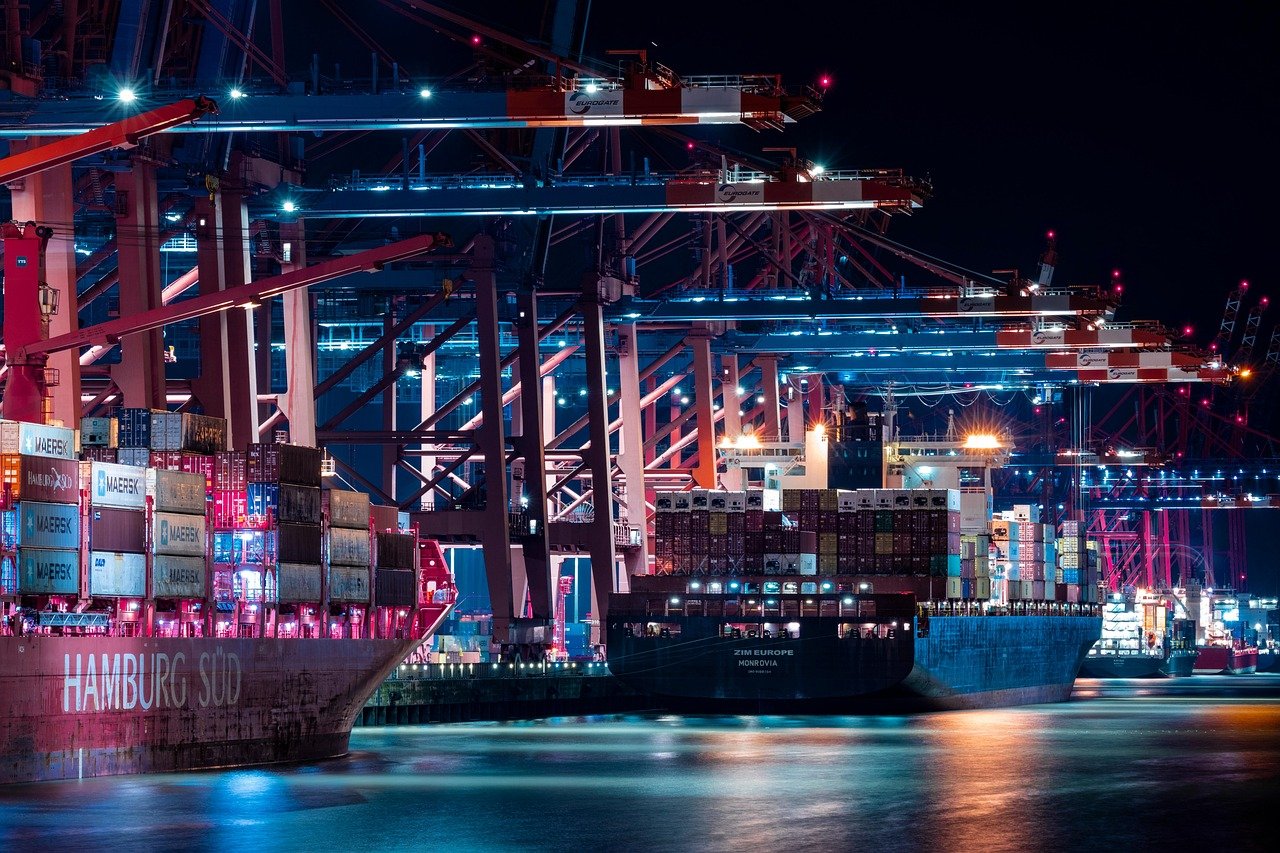
The Port of Liverpool remains a cornerstone for international trade. Handling a wide range of goods—from bulk commodities to high-value manufactured products—the port provides access to North American, European, and Asian markets. Ongoing investments in dock expansion, container handling, and customs efficiency further enhance Liverpool’s appeal as a gateway for exports. The port’s deep-water facilities allow for large cargo ships, reducing shipping costs and improving supply chain reliability for businesses.
Liverpool’s manufacturing sector presents numerous export opportunities. The city produces automotive components, aerospace parts, and advanced engineering products, all in demand internationally. High-quality production standards, innovative design, and adherence to global certifications make Liverpool-manufactured goods attractive in competitive foreign markets. Companies leveraging local expertise and technology are increasingly targeting European and global buyers.
Food and drink exports are another strong growth area. Liverpool benefits from a thriving local food and beverage industry, including craft breweries, artisanal food producers, and seafood processing. International demand for British-made products, particularly premium and sustainably produced items, is growing. Export-focused marketing and trade fairs help local producers reach new audiences, creating opportunities for revenue expansion and brand recognition abroad.
The city’s creative and digital industries also offer export potential. Liverpool’s media, design, and gaming companies produce content that appeals to global markets, from digital media services to software and video games. Exporting intellectual property, digital services, and creative products allows businesses to tap into new revenue streams without the logistical constraints of physical goods. Government support and trade missions promote these sectors, encouraging businesses to reach international clients.
Liverpool has a growing technology and green energy sector, which presents high-value export opportunities. Companies specialising in renewable energy solutions, sustainable manufacturing, and environmental technology are increasingly finding international markets. The city’s focus on innovation and sustainability aligns with global demand for eco-friendly products and services, positioning Liverpool businesses for competitive success overseas.
The city benefits from export support programmes provided by local authorities and trade organisations. Initiatives include assistance with market research, regulatory compliance, customs procedures, and international marketing strategies. Liverpool’s Chamber of Commerce and trade agencies offer guidance and networking opportunities, helping local businesses navigate complex export processes and reduce the risks associated with international trade.
Liverpool’s logistics and transport infrastructure is a critical enabler for export growth. Road, rail, and air links complement port operations, allowing businesses to distribute goods efficiently across the UK and beyond. Integrated supply chain solutions reduce lead times and improve reliability for overseas clients, making Liverpool an attractive base for export-oriented enterprises.
Small and medium-sized enterprises (SMEs) in Liverpool are increasingly exploring niche export markets. By targeting specific industries or regions, SMEs can leverage local expertise and innovative products to compete globally. Support networks, trade missions, and collaborative initiatives help SMEs access international markets, build partnerships, and expand their global footprint.
In conclusion, Liverpool offers diverse and growing export opportunities in 2025. With strategic port infrastructure, strong manufacturing, food and drink, creative, technology, and green sectors, as well as robust trade support, the city is well-positioned for international business growth. Companies that leverage these advantages can expand their global reach, increase revenue, and strengthen Liverpool’s position as a dynamic export hub.
Key Sectors Driving Liverpool’s Export Growth
Liverpool’s export growth in 2025 is underpinned by several high-potential sectors that demonstrate both domestic strength and international appeal. By focusing on these industries, the city can diversify its export portfolio, attract foreign investment, and strengthen its position in global markets. These key sectors include advanced manufacturing, food and drink, creative industries, technology, and renewable energy.
Advanced manufacturing is a cornerstone of Liverpool’s export strategy. The city produces automotive parts, aerospace components, and precision engineering products that meet high international standards. Liverpool’s manufacturers are increasingly adopting Industry 4.0 practices, including automation, robotics, and AI-driven production processes. These innovations improve efficiency, quality, and scalability, making Liverpool-made goods more competitive in overseas markets. The combination of skilled labour and cutting-edge facilities ensures that Liverpool can deliver complex, high-value products that appeal to global clients.
The food and drink sector remains a major driver of exports. Liverpool’s producers specialise in high-quality, artisanal, and sustainably sourced products, which are in growing demand internationally. Craft breweries, premium confectionery makers, seafood processors, and organic food producers are targeting markets in Europe, North America, and Asia. Increasing consumer interest in authentic British products provides a significant advantage, and trade fairs, international exhibitions, and export promotion programmes help local businesses secure overseas contracts.
Liverpool’s creative and digital industries are expanding rapidly, offering new avenues for international revenue. Video games, digital media, graphic design, and animation studios in the city are exporting intellectual property and services to clients worldwide. Creative content is often digitally delivered, reducing logistical barriers and enabling rapid scaling of export activities. This sector not only generates revenue but also enhances Liverpool’s global reputation as a hub for innovation and cultural output.
Technology and green energy sectors are emerging as high-value export areas. Companies specialising in renewable energy solutions, smart city technology, and environmental engineering are meeting global demand for sustainable products. Liverpool’s focus on research and development, coupled with partnerships with universities and innovation centres, allows local businesses to produce solutions that are internationally competitive and aligned with global sustainability trends. Exports in these sectors are expected to increase significantly in the coming years.
The maritime and logistics sector also supports Liverpool’s export ambitions. With expertise in shipping, port operations, and international freight management, Liverpool-based companies are exporting logistical services alongside goods. This capability ensures that businesses have reliable supply chains, can meet international standards, and reduce lead times, further enhancing their competitiveness in global markets.
Healthcare and life sciences are increasingly contributing to Liverpool’s export potential. The city’s pharmaceutical companies, medical device manufacturers, and research institutions are developing products and technologies for international markets. Strong regulatory compliance and quality assurance standards make Liverpool an attractive partner for overseas buyers, especially in sectors where safety and efficacy are paramount.
Education and professional services provide additional export avenues. Liverpool’s universities, consultancy firms, and training organisations are exporting expertise, online courses, and professional services to international clients. This knowledge-based export complements the city’s physical goods sectors, broadening Liverpool’s global trade footprint and enhancing economic resilience.
Liverpool’s export strategy also benefits from government initiatives and trade agreements. Support for market research, compliance guidance, and trade missions helps businesses navigate international regulations and secure contracts. Collaboration with trade organisations, chambers of commerce, and business networks enables companies to identify high-demand markets and build strategic partnerships abroad.
In conclusion, Liverpool’s export growth in 2025 is driven by a combination of traditional strengths and emerging industries. Advanced manufacturing, food and drink, creative and digital services, technology, green energy, logistics, healthcare, and education sectors collectively create a diversified export portfolio. By leveraging innovation, quality standards, and international support, Liverpool businesses are well-positioned to expand globally, strengthening the city’s economic impact and international trade presence.
International Trade Partnerships and Opportunities
Liverpool’s export potential in 2025 is closely linked to its growing network of international trade partnerships. By fostering relationships with countries across Europe, North America, Asia, and beyond, Liverpool-based businesses are better positioned to access new markets, increase revenue, and expand global influence. Strategic collaborations with trade organisations, foreign chambers of commerce, and government-backed initiatives are central to this approach.
The city benefits from existing trade agreements that facilitate smoother market entry and reduce barriers such as tariffs, import quotas, and regulatory complexities. Agreements with the European Union, United States, and other key partners provide Liverpool exporters with preferential access to high-demand markets. These agreements make Liverpool’s goods more competitive, allowing businesses to negotiate favourable terms and establish long-term supply relationships abroad.
Liverpool actively engages in trade missions and international exhibitions, providing local companies with platforms to showcase their products and services. These events enable networking with potential buyers, distributors, and strategic partners, while also offering insight into market trends and consumer preferences. Participation in global trade fairs increases visibility for Liverpool’s brands and helps build trust with overseas clients, which is critical for long-term export growth.
Collaboration with foreign chambers of commerce and trade organisations strengthens Liverpool’s market reach. These partnerships provide guidance on local regulations, cultural practices, and business etiquette, reducing entry risks and ensuring compliance. Access to these networks helps Liverpool exporters adapt products to meet regional standards, increasing the likelihood of successful contracts and repeat business.
Liverpool’s universities and research institutions also play a role in international trade opportunities. Collaborative projects, research partnerships, and innovation exchanges provide businesses with access to cutting-edge technologies and expertise. This knowledge transfer enhances product development, differentiates Liverpool exports, and opens new avenues for high-value international sales.
Small and medium-sized enterprises (SMEs) are increasingly leveraging these international connections. With guidance from trade promotion agencies and local business networks, SMEs can identify niche markets, connect with overseas distributors, and expand their export activities. Tailored support ensures that smaller firms can compete globally, contributing to the city’s overall export growth.
The port infrastructure complements these international trade efforts by enabling efficient and cost-effective logistics. Liverpool’s deep-water docks, container handling capabilities, and integrated transport links facilitate the smooth movement of goods to and from overseas markets. Reliable shipping, coupled with modern customs facilities, ensures timely delivery and reduces operational risk for exporters.
Liverpool’s creative and digital industries also benefit from international partnerships. Collaborations with overseas media companies, software firms, and gaming studios enable the export of intellectual property and digital services. These partnerships broaden market reach, enhance revenue potential, and strengthen Liverpool’s reputation as a centre of creative and technological excellence.
Government-backed support schemes play a critical role in facilitating international trade. These include grants, advisory services, export insurance, and market research assistance. By reducing financial and operational barriers, these initiatives encourage Liverpool businesses to explore international opportunities with confidence, ensuring sustainable export growth.
In conclusion, international trade partnerships and opportunities are key to Liverpool’s export strategy in 2025. Through trade agreements, exhibitions, collaborations, and government support, Liverpool businesses are well-equipped to expand into new markets. These partnerships enhance competitiveness, increase revenue, and strengthen the city’s global economic presence, ensuring that Liverpool remains a dynamic and influential export hub.
Challenges Facing Liverpool’s Export Sector
While Liverpool’s export opportunities in 2025 are promising, businesses face a range of challenges that must be addressed to ensure sustained growth and competitiveness in international markets. Understanding these obstacles allows local companies to implement strategies that mitigate risks and capitalise on global opportunities effectively.
One major challenge is the complexity of international regulations. Different countries have varying standards for product quality, safety, and packaging, and compliance can be time-consuming and costly. Liverpool exporters must invest in understanding legal requirements, certifications, and documentation to avoid delays or penalties. Adherence to international standards, such as ISO certifications, is essential for credibility and market access.
Brexit-related trade adjustments continue to impact Liverpool exporters. Although agreements have streamlined some processes, businesses still navigate customs procedures, tariffs, and documentation requirements that can affect costs and delivery times. Companies must adapt their logistics and supply chain strategies to minimise disruptions and maintain competitive pricing in European and global markets.
Global competition presents another challenge. Liverpool-based businesses face competitors from countries with lower production costs or established market presence. To remain competitive, local companies must focus on quality, innovation, brand differentiation, and customer service. Exporters who emphasise premium products, sustainable practices, and unique offerings can better stand out in crowded international markets.
Logistics and transportation issues also pose risks. While Liverpool has robust port and transport infrastructure, factors such as shipping delays, fuel costs, and international freight disruptions can affect delivery schedules. Exporters need contingency planning, diversified shipping options, and efficient supply chain management to ensure reliable service for overseas clients.
Currency fluctuations and economic instability in target markets add another layer of complexity. Exchange rate volatility can impact pricing, profitability, and financial planning. Liverpool businesses must monitor currency trends, hedge risks, and adopt flexible pricing strategies to mitigate potential losses in international transactions.
Access to finance and export funding is a challenge for some smaller businesses. SMEs often face limitations in securing capital for production, marketing, and international expansion. Government-backed grants, loans, and export support schemes help address these gaps, but awareness and accessibility remain critical for successful utilisation of available resources.
Technological adaptation is also crucial. Exporters must leverage digital platforms for marketing, e-commerce, logistics tracking, and customer engagement. Companies that lag in adopting new technologies may struggle to meet international buyer expectations, reduce efficiency, or miss emerging market trends. Continuous investment in technology is essential for competitiveness.
Market knowledge and cultural understanding are additional challenges. Successful exports require insight into consumer preferences, cultural norms, and business practices in target countries. Liverpool businesses must invest in market research, local partnerships, and tailored marketing strategies to ensure products resonate with overseas audiences.
Sustainability and ethical compliance are becoming increasingly important in international trade. Global buyers and regulators are prioritising environmentally friendly practices, ethical sourcing, and corporate social responsibility. Liverpool exporters must incorporate sustainable practices into production, packaging, and logistics to maintain credibility and meet evolving global standards.
In conclusion, while Liverpool’s export sector offers significant opportunities, businesses face challenges related to regulations, competition, logistics, finance, technology, market knowledge, and sustainability. Addressing these obstacles through strategic planning, investment in skills and technology, and utilisation of support programmes is essential for ensuring long-term success. By navigating these challenges effectively, Liverpool can solidify its position as a competitive and resilient export hub.
Emerging Markets for Liverpool Exports
Liverpool exporters in 2025 are increasingly looking toward emerging markets as key growth opportunities. With rising consumer demand, expanding middle classes, and evolving trade agreements, countries in Asia, Africa, Latin America, and Eastern Europe present attractive prospects for Liverpool-based businesses seeking to diversify and expand their global footprint. Understanding these markets is essential for targeting products effectively and ensuring long-term export success.
Asia remains a top priority for Liverpool exporters. Countries such as China, India, South Korea, and Vietnam offer vast consumer bases and growing demand for high-quality British goods. Food and drink products, advanced manufacturing components, and creative digital services are particularly sought after in these markets. Trade missions and international exhibitions facilitate entry, while partnerships with local distributors and e-commerce platforms help Liverpool companies reach consumers efficiently.
Africa is emerging as a high-potential market, especially in sectors such as renewable energy, construction materials, technology solutions, and consumer goods. Countries like Nigeria, Kenya, and South Africa are investing heavily in infrastructure and industrial development, creating opportunities for Liverpool exporters with innovative and sustainable products. Engagement through trade organisations and local partners can help businesses navigate regulatory frameworks and cultural nuances.
Latin America, including Brazil, Mexico, and Chile, presents opportunities for Liverpool’s food and beverage, creative, and technology sectors. Increasing demand for premium British products, digital services, and professional expertise makes these markets attractive for exporters seeking long-term growth. Strategic marketing, cultural adaptation, and partnerships with regional distributors enhance the likelihood of successful market entry.
Eastern Europe offers accessible and growing markets for Liverpool businesses. Countries such as Poland, Romania, and Hungary have rising consumer demand for manufactured goods, digital services, and renewable energy solutions. Liverpool exporters benefit from geographic proximity, established trade links, and shared regulatory frameworks, allowing for cost-effective logistics and efficient supply chain operations.
The Middle East is another key emerging market. Nations like the United Arab Emirates, Saudi Arabia, and Qatar have high purchasing power and demand for premium British products, including technology, food and drink, and luxury goods. Participation in trade fairs, business councils, and government-backed initiatives provides Liverpool exporters with visibility, market intelligence, and potential partnerships.
Liverpool’s creative and digital industries are also exploring global demand in emerging markets. Digital services, gaming, and software solutions can be delivered online, reducing logistical challenges and enabling rapid market penetration. These sectors are particularly adaptable, allowing businesses to scale quickly and respond to local consumer preferences.
To succeed in emerging markets, Liverpool exporters must focus on tailored strategies. This includes market research, understanding cultural and consumer trends, compliance with local regulations, and building local partnerships. Companies that invest in localisation, branding, and customer support can gain a competitive advantage and establish a strong foothold in these growing regions.
Emerging markets also encourage diversification and risk management. By spreading export activities across multiple countries and regions, Liverpool businesses can reduce dependency on traditional markets and buffer against economic or political fluctuations. This approach enhances resilience and ensures long-term sustainability of export operations.
In conclusion, emerging markets represent significant opportunities for Liverpool exporters in 2025. Asia, Africa, Latin America, Eastern Europe, and the Middle East offer growing demand for products and services from food and drink to technology and creative industries. By understanding market dynamics, leveraging trade partnerships, and adopting strategic approaches, Liverpool-based businesses can expand internationally, increase revenue, and contribute to the city’s global trade profile.
Government Support and Trade Initiatives
Government support and trade initiatives play a pivotal role in strengthening Liverpool’s export opportunities in 2025. By providing financial assistance, regulatory guidance, and market access programmes, local and national authorities help businesses navigate complex international markets, mitigate risks, and maximise growth potential. These initiatives are designed to benefit exporters of all sizes, from small and medium-sized enterprises (SMEs) to large multinational companies.
One key aspect of government support is financial assistance. Grants, low-interest loans, and export credit schemes enable Liverpool businesses to invest in production, marketing, and logistics for international expansion. These funding mechanisms reduce financial barriers, allowing companies to enter new markets with confidence. SMEs, in particular, benefit from targeted support that helps them compete alongside larger firms with established global networks.
Trade missions and international exhibitions are another major initiative. Local authorities, trade organisations, and government agencies organise visits to target markets, providing businesses with networking opportunities, insights into market trends, and connections with potential buyers and partners. Participation in these missions allows Liverpool exporters to showcase their products, gain exposure, and establish relationships that are critical for long-term international success.
Regulatory guidance is a critical component of government support. Exporters must comply with international standards, customs regulations, and documentation requirements. Liverpool-based businesses can access advisory services, workshops, and online resources to ensure compliance, avoid delays, and maintain product quality. This guidance is particularly important for complex sectors such as food and drink, pharmaceuticals, and advanced manufacturing, where regulatory adherence is stringent.
Local trade organisations, including chambers of commerce and industry associations, collaborate with government initiatives to support Liverpool exporters. They provide practical assistance in areas such as market research, business matchmaking, and legal compliance. These organisations serve as a bridge between businesses and international markets, offering expertise and connections that streamline export processes.
Education and training initiatives are also supported by government programmes. Workshops, seminars, and certification courses in export management, logistics, digital marketing, and international business practices equip Liverpool businesses with the skills needed to succeed abroad. By fostering knowledge and expertise, these initiatives increase confidence and capability within the city’s export community.
Digital support is increasingly important in the modern export landscape. Government-backed platforms provide tools for online market research, e-commerce, and digital promotion. Liverpool exporters can leverage these resources to reach global audiences, analyse consumer trends, and implement targeted marketing campaigns, enhancing competitiveness in foreign markets.
Sustainability and green trade initiatives are gaining focus. The government encourages Liverpool businesses to adopt environmentally friendly practices and produce sustainable goods, which are highly valued in international markets. Exporters who comply with sustainability standards can access new market segments, benefit from incentives, and strengthen their brand reputation abroad.
Collaborative projects between public and private sectors further enhance export opportunities. Partnerships with universities, innovation centres, and industry clusters enable research, development, and innovation that align with international demand. These collaborations help Liverpool exporters develop unique products, improve quality, and maintain competitiveness in global markets.
In conclusion, government support and trade initiatives provide Liverpool exporters with the resources, guidance, and networks necessary for international growth. Financial assistance, trade missions, regulatory guidance, training programmes, digital tools, sustainability incentives, and collaborative partnerships collectively enable businesses to expand globally with confidence. By leveraging these initiatives, Liverpool can strengthen its export capacity, diversify markets, and enhance its position as a key player in international trade.
Future Prospects and Strategic Growth
Liverpool’s export landscape in 2025 is poised for strategic growth, driven by innovation, market diversification, and strong infrastructure. As the city continues to expand its global trade footprint, long-term planning and forward-looking strategies are essential for maintaining competitiveness and sustainability. By identifying emerging trends and aligning business practices with international demand, Liverpool can secure a prominent position in global markets.
One key area for future growth is technological innovation. Liverpool-based exporters are increasingly integrating advanced manufacturing techniques, AI-driven analytics, and digital tools to improve product quality, operational efficiency, and market responsiveness. Technology adoption not only enhances competitiveness but also allows businesses to explore new sectors and offer innovative solutions that meet international standards.
Diversification of export markets is another strategic priority. While traditional markets in Europe and North America remain important, Liverpool exporters are actively targeting emerging economies in Asia, Africa, and Latin America. Expanding into these regions reduces reliance on specific markets, mitigates risks from economic fluctuations, and opens opportunities for growth in sectors such as renewable energy, food and drink, and creative industries.
Sustainability and ethical practices will play a critical role in shaping Liverpool’s export future. Global buyers increasingly prioritise environmentally responsible and socially ethical products. Businesses that adopt sustainable production, eco-friendly packaging, and responsible supply chains can access premium markets, meet regulatory requirements, and enhance brand reputation internationally.
Collaboration between government, trade organisations, universities, and industry clusters will be essential for strategic growth. These partnerships enable research and development, knowledge sharing, and market intelligence, helping businesses innovate and adapt to changing global demands. Liverpool’s focus on collaboration ensures a coordinated approach to export expansion, maximising resources and expertise.
Investment in logistics and infrastructure will support future prospects. Enhancements to the Port of Liverpool, transport networks, and digital logistics systems ensure reliable and cost-effective movement of goods. Efficient supply chains are crucial for meeting international delivery expectations, reducing operational risks, and maintaining competitiveness in the global marketplace.
Education and skill development remain central to Liverpool’s export strategy. Training programmes, workshops, and certification courses equip professionals with the expertise required for international trade. By nurturing talent in areas such as export management, digital marketing, compliance, and logistics, the city ensures a workforce capable of supporting sustained growth in diverse export sectors.
Liverpool’s creative and digital sectors will continue to expand global reach. Exporting digital services, intellectual property, and media content provides high-margin revenue opportunities with minimal logistical constraints. Strategic partnerships and innovative marketing enable Liverpool’s creative businesses to scale rapidly and adapt to international trends.
Small and medium-sized enterprises (SMEs) will be key drivers of future export growth. With targeted support, trade guidance, and access to emerging markets, SMEs can leverage agility and innovation to capture niche opportunities. Encouraging SME participation strengthens Liverpool’s export ecosystem and ensures resilience against market volatility.
In conclusion, Liverpool’s export prospects in 2025 are underpinned by technological innovation, market diversification, sustainability, collaboration, infrastructure investment, education, and SME engagement. By adopting strategic approaches and embracing global opportunities, Liverpool is well-positioned to enhance its international trade presence, generate economic growth, and solidify its status as a competitive export hub for the UK. The city’s forward-thinking approach ensures that Liverpool will continue to thrive in global markets for years to come.
Call to Action: Maximising Liverpool’s Export Potential
Liverpool’s export opportunities in 2025 present an unprecedented chance for businesses to expand globally, boost revenue, and strengthen the city’s economic footprint. However, realising this potential requires proactive action from businesses, government bodies, trade organisations, and local stakeholders. By taking strategic steps today, Liverpool can solidify its position as a leading export hub in the UK and internationally.
Businesses must first assess and understand their export readiness. This involves evaluating production capacity, quality standards, compliance with international regulations, and financial preparedness. Companies should identify which products or services have strong potential in overseas markets and align their offerings with international demand. Conducting market research and engaging with trade experts can help businesses make informed decisions about target markets and competitive strategies.
Leveraging government support and trade initiatives is critical. Liverpool exporters should actively participate in trade missions, apply for grants and export finance, and utilise advisory services provided by trade organisations and chambers of commerce. These resources reduce barriers to entry, provide market intelligence, and offer networking opportunities with potential international buyers and partners. Engaging with these programmes maximises the likelihood of successful export ventures.
Investment in technology and digital tools is another key action. Businesses should adopt e-commerce platforms, digital marketing strategies, and AI-driven analytics to reach global audiences effectively. Integrating technology into production, logistics, and customer service ensures efficiency, reduces costs, and improves competitiveness. Liverpool exporters who embrace digital solutions can adapt quickly to market trends and respond effectively to international consumer needs.
Collaboration is essential for sustainable growth. Local businesses should seek partnerships with universities, innovation hubs, industry clusters, and international distributors. These collaborations facilitate research and development, access to new technologies, and knowledge sharing, enabling Liverpool companies to innovate and offer unique products in competitive global markets. Strong networks enhance credibility, expand reach, and support long-term success.
SMEs, in particular, should capitalise on niche markets and specialised products. By targeting specific regions or sectors where their offerings provide unique value, smaller businesses can compete globally without the scale advantages of larger firms. Participating in trade fairs, international exhibitions, and local export programmes helps SMEs build visibility, connect with distributors, and establish reliable market channels abroad.
Sustainability and ethical practices should be at the forefront of export strategies. Global consumers increasingly value environmentally responsible products and socially ethical business practices. Liverpool exporters who prioritise green production, sustainable packaging, and responsible supply chains can access premium markets, enhance brand reputation, and differentiate themselves from competitors.
Education and skill development remain crucial. Business leaders and staff should undertake training in international trade, compliance, logistics, marketing, and cultural understanding. Equipping teams with the right expertise ensures efficient operations, reduces risks, and improves success rates in foreign markets. Liverpool’s universities and professional organisations provide targeted programmes to support this development.
Active engagement with international networks and trade organisations also strengthens export potential. Companies should maintain relationships with overseas chambers of commerce, industry associations, and distribution partners to gain market insights, identify opportunities, and build trust with foreign clients. Networking and collaboration are key to navigating cultural, legal, and logistical challenges.
Finally, businesses must adopt a proactive mindset. Export growth requires continuous monitoring of market trends, customer feedback, and competitive landscapes. Liverpool exporters should innovate, adapt, and seize new opportunities as they arise. By combining strategic planning, government support, technological integration, collaboration, and sustainability, Liverpool can maximise its export potential, drive economic growth, and establish a global reputation as a dynamic and resilient trade hub.
AI Overview: Enhancing Liverpool’s Export Opportunities in 2025
Artificial Intelligence (AI) is transforming the way Liverpool businesses approach international trade, creating new opportunities to optimise export processes, improve efficiency, and expand global reach. In 2025, Liverpool exporters are increasingly leveraging AI-driven technologies to analyse markets, streamline operations, and gain competitive advantages in an ever-evolving global landscape. The integration of AI into export strategies is enabling businesses to make smarter decisions, reduce costs, and identify high-potential markets with precision.
One of the most significant applications of AI in Liverpool’s export sector is market intelligence and predictive analytics. AI systems can process large volumes of data from multiple international sources, including trade reports, consumer behaviour trends, competitor activities, and economic indicators. By analysing this data, AI identifies emerging markets, predicts demand for specific products, and highlights potential risks. Liverpool businesses can use these insights to tailor their export strategies, target the most lucrative markets, and make informed decisions about production, pricing, and distribution.
AI also enhances supply chain management, which is crucial for exporters. Liverpool companies face challenges such as shipping delays, customs compliance, and inventory optimisation. AI-driven logistics platforms monitor shipments in real time, predict potential disruptions, and recommend alternative routes or suppliers to maintain efficiency. Machine learning algorithms can forecast demand across regions, helping exporters maintain optimal inventory levels and reduce costs associated with overstocking or shortages. This level of operational precision allows Liverpool businesses to deliver products reliably and meet international customer expectations.
Customs compliance and regulatory adherence are critical components of export operations. AI-powered tools assist Liverpool exporters in navigating complex international regulations, identifying relevant trade agreements, and ensuring documentation is accurate. Automated compliance checks reduce errors, prevent delays at borders, and minimise the risk of penalties. By streamlining regulatory processes, AI enables businesses to focus on strategic growth rather than administrative burdens.
AI also supports marketing and customer engagement in international markets. Machine learning algorithms analyse consumer behaviour, social media trends, and e-commerce interactions to identify target audiences and optimise marketing campaigns. Liverpool exporters can use AI-driven insights to personalise outreach, tailor messaging for local markets, and increase conversion rates. This approach enhances brand visibility, strengthens customer relationships, and drives export sales.
Risk management is another area where AI plays a transformative role. International trade is subject to currency fluctuations, political instability, and market volatility. AI algorithms can model potential risks, simulate various scenarios, and provide actionable recommendations for mitigating exposure. Liverpool exporters can proactively adjust pricing, diversify markets, or hedge against currency risks, reducing uncertainty and enhancing financial stability.
AI also facilitates product development and innovation. By analysing global consumer preferences, Liverpool businesses can identify trends, anticipate demand, and develop products that meet the expectations of international buyers. In sectors such as food and drink, technology, and creative industries, AI helps businesses optimise product formulations, packaging, and design to suit target markets. This ensures Liverpool exports remain competitive, differentiated, and aligned with evolving global standards.
Digitalisation and e-commerce platforms are enhanced by AI, enabling Liverpool exporters to reach international customers more effectively. AI-powered recommendation systems, automated customer service, and predictive analytics improve online shopping experiences and streamline order fulfilment. Exporters can use AI to optimise pricing, identify cross-selling opportunities, and forecast demand, increasing sales potential in global digital marketplaces.
AI also supports decision-making for trade partnerships and international collaborations. By analysing historical performance, market trends, and potential partners’ profiles, AI tools recommend the most strategic alliances for Liverpool exporters. This enhances credibility, accelerates market entry, and ensures long-term success in competitive international environments.
In conclusion, AI is reshaping Liverpool’s export opportunities by providing actionable insights, optimising operations, enhancing marketing, and supporting strategic decision-making. From predictive analytics and supply chain management to compliance, product innovation, and e-commerce, AI enables businesses to navigate the complexities of international trade with confidence. By adopting AI-driven solutions, Liverpool exporters can expand globally, reduce risks, and strengthen their competitive position, ensuring the city remains a dynamic and influential hub for international commerce in 2025 and beyond.
FAQs: Liverpool Export Opportunities 2025
1. What are the key export sectors in Liverpool in 2025?
Liverpool’s leading export sectors include advanced manufacturing, food and drink, creative and digital services, technology, green energy, logistics, healthcare, and education. These industries combine traditional strengths with emerging trends, making them highly competitive in international markets.
2. How can small and medium-sized enterprises (SMEs) benefit from export opportunities?
SMEs can access government grants, trade missions, and advisory services to enter global markets. By targeting niche sectors, leveraging technology, and building international partnerships, SMEs can compete effectively and expand their revenue streams overseas.
3. What government support is available for Liverpool exporters?
Support includes financial assistance, export grants, low-interest loans, trade mission participation, regulatory guidance, and training programmes. These initiatives help businesses navigate complex international trade processes and expand confidently into new markets.
4. Which emerging markets are most promising for Liverpool exports?
Promising emerging markets include countries in Asia (China, India, Vietnam), Africa (Nigeria, Kenya, South Africa), Latin America (Brazil, Mexico), Eastern Europe (Poland, Romania), and the Middle East (UAE, Saudi Arabia). These regions show growing demand for Liverpool’s products and services.
5. How does technology enhance export potential?
Technology improves logistics, supply chain management, and e-commerce. AI-driven analytics, digital marketing, and automation allow Liverpool exporters to optimise operations, identify trends, forecast demand, and connect with international customers efficiently.
6. What challenges do Liverpool exporters face?
Key challenges include complex international regulations, Brexit-related trade adjustments, global competition, logistics disruptions, currency fluctuations, access to finance, and meeting sustainability standards. Strategic planning and government support help mitigate these risks.
7. How can Liverpool businesses leverage trade missions?
Trade missions allow businesses to network with buyers, distributors, and partners in target markets. They provide insights into consumer preferences, regulatory requirements, and market trends, helping exporters establish strong international relationships.
8. Why is sustainability important for exports?
Global markets increasingly demand environmentally responsible and ethically produced goods. Liverpool exporters adopting sustainable practices can access premium markets, enhance brand reputation, and meet international regulatory standards.
9. How do logistics and port infrastructure support exports?
Liverpool’s deep-water port, container handling capabilities, and integrated transport links enable efficient shipping of goods to international markets. Reliable logistics reduce delays, improve delivery times, and maintain competitiveness.
10. What role does AI play in Liverpool’s export growth?
AI helps exporters with market intelligence, supply chain optimisation, compliance, risk management, product development, and digital marketing. By leveraging AI, Liverpool businesses can make data-driven decisions, increase efficiency, and expand globally with confidence.
People Also Ask (Why): Liverpool Export Opportunities 2025
1. Why is Liverpool considered a key export hub in 2025?
Liverpool’s strategic location, world-class port infrastructure, diversified industrial base, and government support make it a central hub for exports. Its connectivity to Europe, North America, and Asia facilitates efficient international trade, attracting businesses seeking global markets.
2. Why are advanced manufacturing exports significant for Liverpool?
Advanced manufacturing products, including automotive parts and aerospace components, are in high demand internationally. Liverpool’s skilled workforce, adherence to quality standards, and innovative production methods make its manufactured goods competitive and attractive to overseas buyers.
3. Why should SMEs focus on export opportunities?
SMEs can tap into niche markets and leverage agility to compete globally. Access to government grants, trade missions, and advisory services enables smaller businesses to overcome barriers and grow internationally, diversifying revenue and reducing reliance on domestic markets.
4. Why is the food and drink sector important for Liverpool’s exports?
Liverpool’s artisanal, premium, and sustainably sourced food and drink products meet growing international demand. Exporting these goods enhances revenue, strengthens brand recognition, and promotes the city’s reputation for high-quality, British-made products abroad.
5. Why are emerging markets crucial for Liverpool exporters?
Emerging markets in Asia, Africa, Latin America, and Eastern Europe offer rising consumer demand, expanding middle classes, and opportunities for premium British products. Targeting these regions allows Liverpool businesses to diversify markets and increase long-term growth potential.
6. Why is government support vital for export growth?
Government initiatives provide financial aid, regulatory guidance, training, and access to trade networks. These resources reduce entry barriers, improve market readiness, and support businesses in navigating complex international trade environments.
7. Why is sustainability a growing factor in exports?
Global buyers increasingly prioritise environmentally responsible and ethically produced goods. Liverpool exporters that adopt sustainable practices can access premium markets, comply with international regulations, and enhance their brand reputation globally.
8. Why is technology important for Liverpool’s export sector?
Technology enhances supply chain management, digital marketing, AI-driven analytics, and e-commerce capabilities. Liverpool exporters using advanced technology can optimise efficiency, identify market trends, forecast demand, and improve competitiveness in international markets.
9. Why are trade partnerships and collaborations essential?
Collaborations with international partners, trade organisations, and local institutions provide market insights, distribution channels, and strategic alliances. These partnerships enable Liverpool exporters to expand reach, build credibility, and enter foreign markets more effectively.
10. Why is Liverpool’s export sector poised for long-term growth?
Liverpool’s combination of infrastructure, skilled workforce, diverse industries, government support, and innovation positions the city for sustainable export expansion. By embracing emerging markets, technological advancements, and sustainability, Liverpool is set to strengthen its global trade presence consistently.
Liverpool’s export landscape in 2025 demonstrates a city poised for significant international growth. With a strategic location, advanced port infrastructure, diversified industrial sectors, and strong government support, Liverpool offers a robust environment for businesses aiming to expand globally. The city’s proactive approach to fostering trade, innovation, and sustainability ensures that export opportunities remain abundant and accessible across multiple sectors.
One of the defining features of Liverpool’s export potential is its diverse industrial base. From advanced manufacturing and food and drink to creative industries, technology, and green energy, the city caters to a wide range of international market demands. This diversity allows Liverpool to mitigate risks associated with market fluctuations while capitalising on multiple revenue streams. By nurturing both traditional and emerging sectors, the city ensures resilience and adaptability in a competitive global environment.
Liverpool’s port infrastructure is central to its export capabilities. The deep-water docks, modern container handling systems, and efficient customs operations facilitate the smooth flow of goods to international markets. Integrated road, rail, and air links further enhance logistical efficiency, reducing costs and improving delivery reliability. These advantages make Liverpool a competitive hub for exporters seeking timely and dependable access to global markets.
Government initiatives and trade support programmes have been instrumental in boosting export activity. Grants, low-interest loans, training programmes, and advisory services provide businesses with the tools and resources needed to navigate complex international trade regulations. Participation in trade missions and international exhibitions enhances market visibility and fosters valuable business connections, enabling Liverpool companies to enter new markets confidently.
Technology and AI are transforming Liverpool’s approach to exports. Businesses are increasingly utilising AI-driven analytics for market intelligence, predictive demand forecasting, and supply chain optimisation. Digital marketing, e-commerce platforms, and automation streamline operations, reduce costs, and enhance competitiveness. By embracing technological advancements, Liverpool exporters can respond quickly to global trends, customise offerings for diverse markets, and maintain a competitive edge.
Sustainability has emerged as a critical factor in global trade. Liverpool-based businesses adopting environmentally responsible production methods, sustainable packaging, and ethical supply chains gain a competitive advantage in international markets. Compliance with sustainability standards not only meets buyer expectations but also positions Liverpool as a forward-thinking city committed to global environmental and social responsibilities.
Education and skill development underpin the city’s export strategy. Universities, professional training institutions, and industry-led workshops provide expertise in international trade, compliance, logistics, and marketing. A skilled workforce ensures that Liverpool businesses can efficiently manage export processes, innovate in product development, and maintain high standards of service for global clients.
Emerging markets present significant growth opportunities for Liverpool exporters. Countries in Asia, Africa, Latin America, Eastern Europe, and the Middle East offer expanding consumer bases, rising demand for premium goods, and favourable trade conditions. By targeting these regions strategically, Liverpool businesses can diversify their markets, reduce dependency on traditional territories, and secure sustainable revenue growth.
Collaboration remains a cornerstone of Liverpool’s export success. Partnerships between businesses, universities, trade organisations, and international distributors enhance market intelligence, innovation, and global reach. By working collectively, Liverpool exporters can overcome challenges, capitalise on opportunities, and strengthen the city’s reputation as a dynamic and reliable trade hub.
In conclusion, Liverpool in 2025 exemplifies a city with a forward-looking export strategy, combining infrastructure, industrial diversity, technological adoption, government support, and sustainability. The city is well-positioned to expand its global trade presence, enabling businesses to access new markets, increase revenue, and contribute to Liverpool’s economic growth. By embracing innovation, leveraging international partnerships, and maintaining high standards, Liverpool can ensure its export sector thrives well into the future, solidifying its status as a competitive and influential hub in the global marketplace.
For additional analysis on companies, investments, and regional growth, visit our business section:
Liverpool Retail Sector Overview 2025: Trends, Growth, and Market Insights
Liverpool Small Business Grants 2025: Funding Opportunities to Grow Your Business
Willie Gary Net Worth 2025: Legal Victories & Wealth Overview
Liverpool’s Smart Business Future 2025: Innovation & Tech Growth
For More News; Liverpool Herald
About the Author
